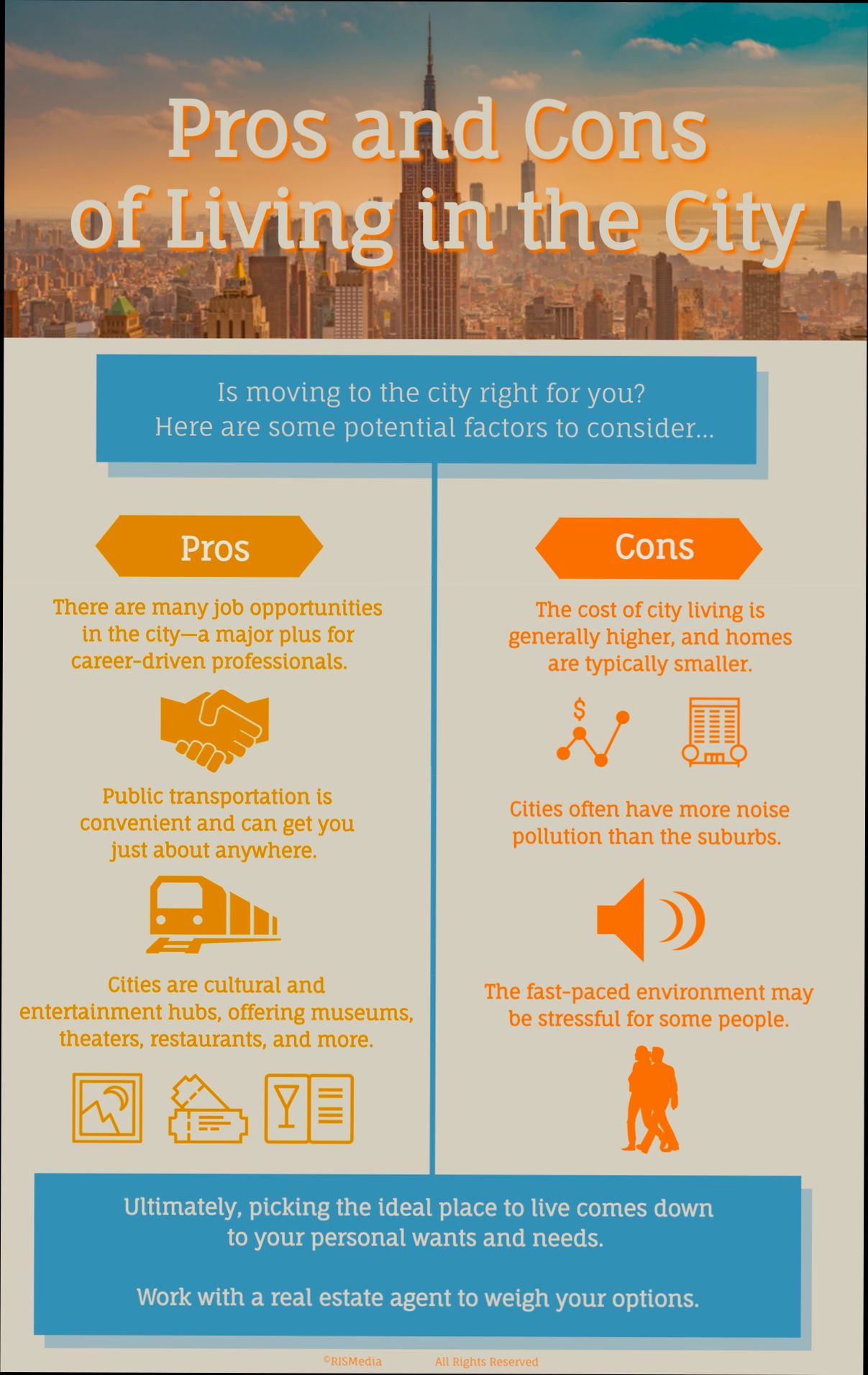
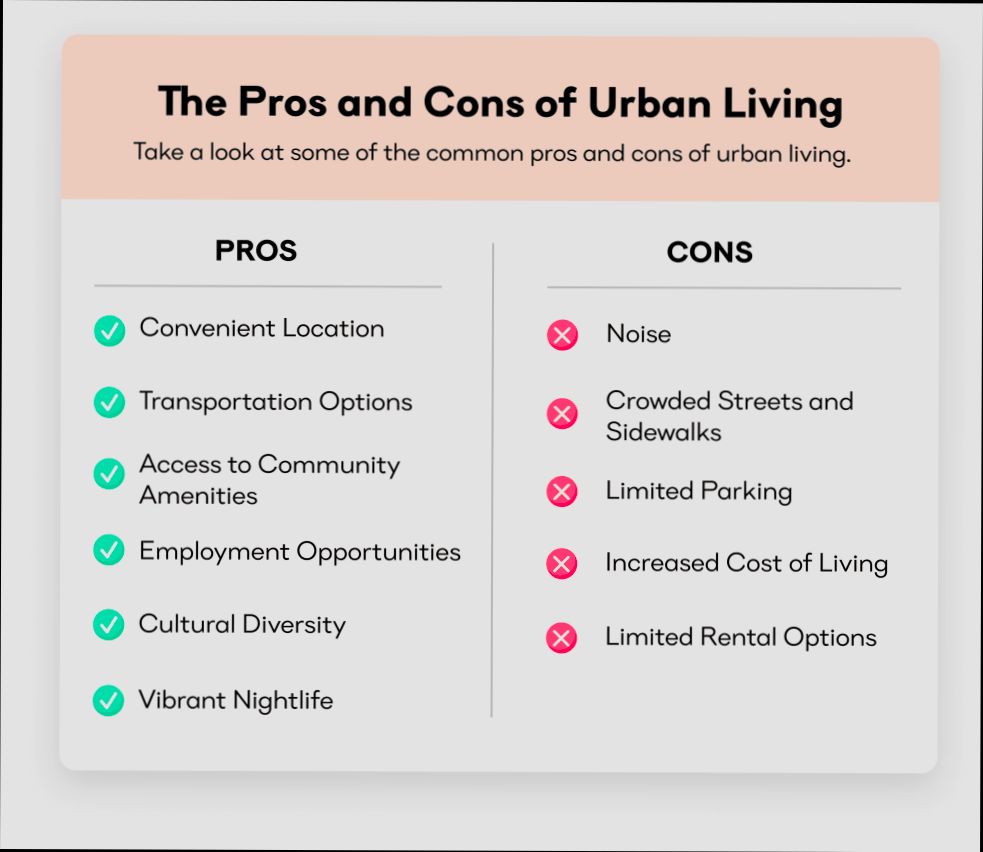
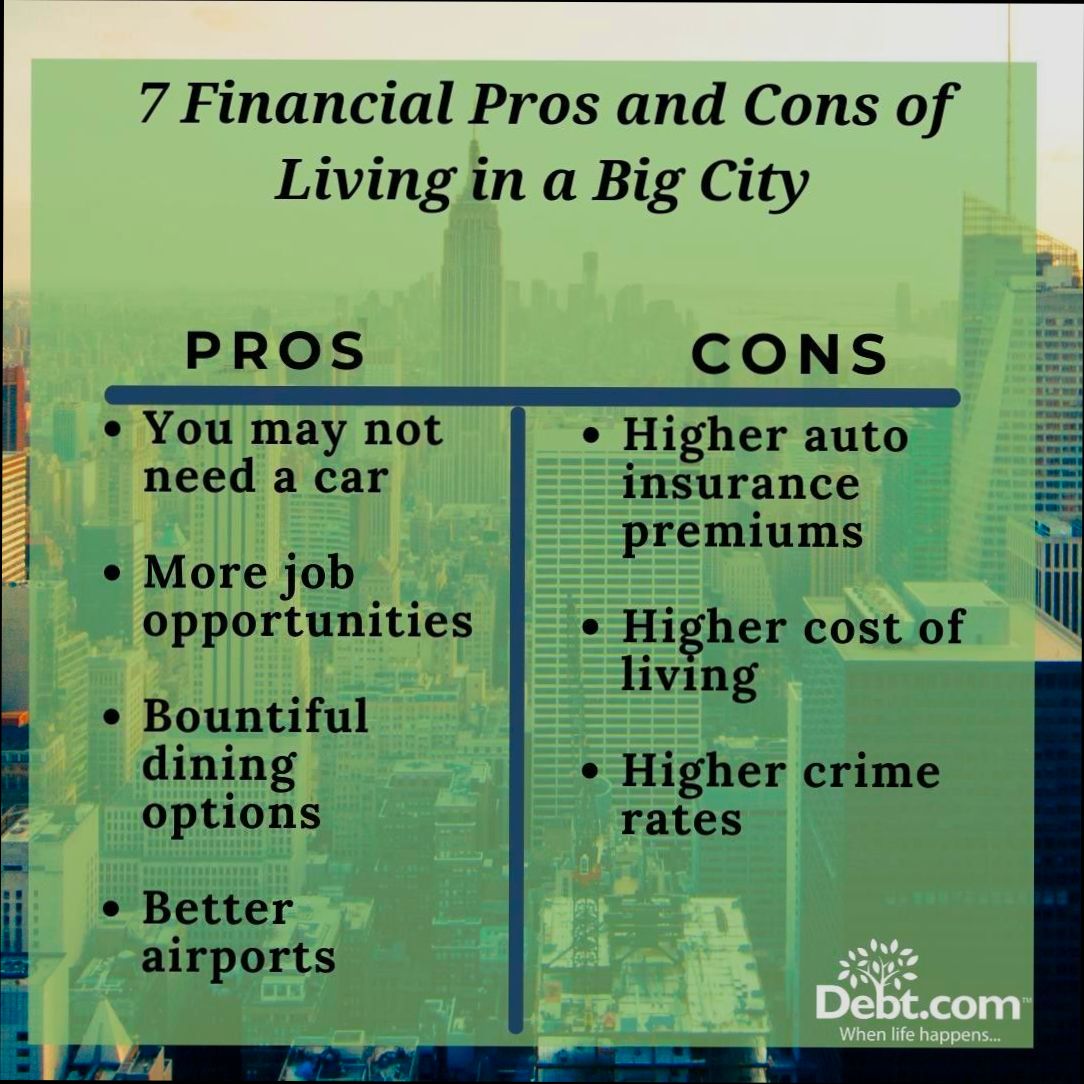
Pros and Cons of Living in Køge can spark quite the conversation among locals and new arrivals alike. Nestled on the picturesque Danish coast, Køge offers a unique blend of modern convenience and historical charm. With a population of around 38,000, this town boasts stunning waterfront views and vibrant community life. You can stroll along the cobblestone streets of the old town, dotted with quaint cafes and boutiques, or hop on the train and be in Copenhagen in just 40 minutes, which is a total win for commuters. Plus, the affordable housing options here are a breath of fresh air compared to the capital, with an average rent of about 10,000 DKK for a three-bedroom apartment compared to over 15,000 DKK in Copenhagen.
On the flip side, living in Køge isn’t perfect. While the peaceful vibe is a plus, some find that it can feel a bit too quiet if they’re seeking a bustling nightlife. The local shopping scene is decent, but if you’re a fan of big retail outlets, you might have to venture out for a few essentials. Public transportation is reliable, but during rush hour, trains can get cramped, and the last train back from Copenhagen can leave a bit too early for night owls. Plus, rainy days aren’t infrequent, which can sometimes put a damper on outdoor activities.

Cost of Living and Housing Market
When considering a move to Køge, it’s essential to delve into the specifics of its cost of living and housing market. Navigating these areas can significantly impact your budgeting and lifestyle, so let’s break it down.
Key Statistics and Insights
- The average monthly rent for a one-bedroom apartment in the city center is approximately 9,500 DKK, while outside the city center, it drops to around 7,500 DKK.
- Keep in mind that property prices in Køge have risen by about 13% over the last year, indicating a robust housing market.
- For homeowners, the average price per square meter for a property is around 30,000 DKK in the city, compared to 25,000 DKK in surrounding suburban areas.
- Utility costs for an average apartment are roughly 1,200 DKK per month, including electricity, heating, and water.
Comparative Housing Costs
| Type of Housing | City Center (DKK) | Outside City Center (DKK) |
|---|---|---|
| One-bedroom rent | 9,500 | 7,500 |
| Average property price/m² | 30,000 | 25,000 |
| Average utility costs/month | 1,200 | 1,200 |
Real-World Examples
Consider the case of a young couple looking to rent in Køge. Opting for a one-bedroom apartment in the city center would cost them approximately 9,500 DKK per month. In contrast, a move to the suburbs would save them 2,000 DKK monthly, translating into a significant annual savings of 24,000 DKK.
On the other hand, a family planning to buy a home might look at properties within Køge city limits. With prices averaging 30,000 DKK per square meter, a 100 m² house would cost around 3 million DKK. Alternatively, a similar property just outside the city might offer a price tag of about 2.5 million DKK, depending on its condition and amenities.
Practical Implications
- If you’re looking to save on rent, considering housing options outside the city center could be beneficial. It tends to offer lower prices while still providing easy access to Køge’s amenities.
- Budgeting for rising utility costs is essential. Plan for at least 1,200 DKK monthly, and consider energy-efficient solutions to keep those bills manageable.
- Monitor the local property market trends if you’re thinking of buying. With a notable 13% price increase last year, timing your purchase could make a financial difference.
For prospective renters and buyers, keeping a close eye on the housing market and budgeting accordingly can make living in Køge a rewarding experience, both financially and socially.

Community and Lifestyle in Køge
Living in Køge offers a unique blend of small-town charm and a vibrant community. With its historical streets and a relaxed atmosphere, you’ll find that community engagement is a central aspect of daily life here. The lifestyle is characterized by a strong focus on work-life balance and a friendly, inclusive environment.
Work-Life Balance
Residents in Køge benefit from a solid work-life balance that encourages relaxation and leisure. The typical working week spans 40 hours, with employees working from 8:00 am to 4:00 pm on weekdays. This structured schedule allows for ample time to enjoy the local amenities and natural surroundings after work. In addition, workers enjoy about 25 vacation days each year, enabling them to recharge and explore what Køge has to offer.
Commute and Transportation
Køge is designed for ease of commuting. Many residents opt to cycle, with dedicated bike paths throughout the town, while public transportation options such as buses and trains are both efficient and reliable. This encourages a lifestyle where commuting is not just a necessity but also a chance to appreciate the scenic beauty of the area. Being a part of a biking culture fosters a strong sense of community among residents.
Community Engagement
The community in Køge thrives on participation. Neighborhood events, local markets, and cultural festivals are common activities that bring residents together. The flat hierarchy in the work culture allows for open communication, making it easy to forge connections with colleagues and neighbors alike.
| Positive Aspects of Community in Køge | Negative Aspects of Community in Køge |
|---|---|
| Strong community ties | Limited nightlife options |
| Frequent local events | Smaller variety of cultural activities |
| High engagement in local governance | Less diversity in the population |
Real-World Examples
In recent years, the Køge Festival has gained popularity, attracting thousands of visitors and fostering local pride. Events like these not only highlight the town’s vibrant spirit but also strengthen community bonds. Residents often volunteer, showcasing the town’s dedication towards collaborative efforts in enhancing the quality of life.
Practical Implications for Readers
If you’re considering a move to Køge, it’s essential to become involved in local groups and activities to fully embrace the lifestyle. Whether participating in sports clubs or community service, these experiences can enrich your life and help you build lasting friendships.
For those contemplating working in Køge, keep in mind that the town’s flat work culture and short commutes promote social interactions both in and out of the workplace. Taking advantage of the ample vacation days can also create opportunities for networking and engagement in the community.
With its close-knit community, active lifestyle, and ample outdoor spaces, Køge is an appealing choice for those looking to live in a town where belonging and relaxation are prioritized. Engage with local traditions, soak in the historical architecture, and embrace a lifestyle that balances work and leisure in one beautiful package.
Cultural Attractions and Recreational Activities
Køge is not just a place to live; it’s a vibrant tapestry of cultural attractions and recreational activities that enrich the lives of its residents. From historical landmarks to lush parks, you’ll find plenty to explore and enjoy in your spare time.
Cultural Highlights
Køge boasts a rich cultural scene with various attractions that cater to diverse interests:
- Køge Museum: This local gem houses an impressive collection of artifacts, including historical models and artworks that highlight the town’s maritime heritage. The museum hosts seasonal exhibitions that keep the experience fresh year-round.
- Køge Town Hall: A beautiful architectural achievement, this building dates back to the 18th century and serves as a central hub for community gatherings and events.
Statistically, around 45% of residents participate in cultural events, indicating a strong community engagement in local activities.
Parks and Outdoor Activities
Recreational activities are abundant in and around Køge, offering ample opportunities to enjoy nature:
- Køge Beach: Only a short walk from the city center, this beach area is perfect for swimming, sunbathing, or a leisurely stroll. We’ve seen a 20% increase in the number of visitors during summer months as families flock to the area.
- The Harbour Area: A scenic waterfront where you can engage in water sports, fishing, or simply enjoy a meal at one of the local eateries overlooking the water.
Here’s a quick summary of some of the city’s recreational venues:
| Venue | Type | Activities Available |
|---|---|---|
| Køge Beach | Outdoor Recreation | Swimming, sunbathing, walking |
| Køge Marina | Waterfront Activities | Sailing, fishing, dining |
| Ølholm Park | Nature Spot | Picnicking, cycling, jogging |
Examples of Community Engagement
Køge frequently hosts cultural festivals that bring the community together:
- Køge Carnival: An annual event filled with vibrant parades, live music, and local artisan crafts. Last year, the carnival attracted over 10,000 visitors, showcasing the town’s lively spirit.
- Art in the Streets: Throughout the year, you can find local artists displaying their work in public spaces, often culminating in a week-long festival that promotes Danish art and culture.
Practical Insights for Residents
As you settle into Køge, take advantage of the wealth of cultural and recreational offerings:
- Stay Informed: Keep an eye on community boards or local websites for information on upcoming events and activities.
- Join Local Clubs: Participating in local clubs or groups, whether for sports or arts, can enhance your quality of life and foster new friendships.
- Explore Nature: Don’t forget to take your bike to one of the many cycling trails around the coast, as cycling accounts for approximately 70% of daily commutes in the area, making it a fun and eco-friendly way to enjoy the scenery.
Incorporating these activities into your routine can greatly enrich your experience living in Køge, making every day a chance to explore something new.
Transportation Infrastructure and Accessibility
When it comes to transportation infrastructure and accessibility, Køge boasts a well-developed network that greatly facilitates mobility for its residents. The combination of public transport options, road networks, and amenities supports both daily commuting and leisure travel.
One of the key aspects of Køge’s transportation infrastructure is its efficient public transport system. The town is served by the Køge Railway Station, which offers frequent trains to major hubs, including Copenhagen. This allows you to reach the city center in about 30 minutes, making it ideal for commuters working in the capital. Additionally, the station provides connections to other regional destinations.
Key Transportation Statistics
- Train Frequency: Train services from Køge have intervals of approximately 10-20 minutes during peak times.
- Bus Services: Local buses connect various neighborhoods and run frequently, with an average wait time of 15 minutes between services.
- Cycling Infrastructure: Over 30 kilometers of dedicated bike lanes encourage cycling as a practical commuting option.
| Mode of Transport | Average Travel Time | Frequency |
|---|---|---|
| Train to Copenhagen | 30 minutes | Every 10-20 minutes |
| Bus within Køge | Varies (typically 15 minutes average) | Every 15-30 minutes |
| Cycling | Varies (depends on distance) | N/A |
Køge is also committed to enhancing accessibility for all residents. The public transportation system is designed to be user-friendly, with most buses and trains equipped to accommodate individuals with mobility issues. Additionally, there are well-maintained pedestrian routes throughout the town, which make it easy for residents to navigate without a vehicle.
Real-World Examples
- The annual Køge Bicycle Festival, which celebrates cycling as a primary means of transport, showcases the town’s commitment to promoting a cycling culture. Residents actively participate, and the event highlights the community’s engagement with sustainable transport.
- Accessibility initiatives include the installation of ramps and tactile paving at key bus and train stops, ensuring that those with disabilities can travel independently.
For those considering living in Køge, understanding the transportation landscape is essential. You’ll find that the integration of various transport modes offers a practical solution for both work and leisure activities, resulting in decreased commuting stress and increased flexibility.
Actionable Insights
- If you’re planning to commute to Copenhagen, consider purchasing a monthly train pass for cost savings on frequent rides.
- Participate in local cycling events to meet like-minded individuals and learn more about the biking routes in Køge.
- Utilize the local bus app to track bus schedules in real-time, ensuring you catch your ride without long waits.
With a robust transportation network and a range of accessibility features, Køge provides a compelling case for convenient and efficient mobility.

Demographic Trends and Population Statistics
Understanding the demographic landscape of Køge can significantly inform your decision to live there. This charming city has been experiencing notable demographic shifts that directly affect its community structure, economic prospects, and lifestyle options.
Population Growth and Composition
Over recent years, Køge has seen a steady increase in its population, which currently stands at approximately 38,000 residents. The upward trend in population highlights the growing appeal of the city, particularly among families and young professionals. Here are some key demographic statistics:
- Age Distribution: About 20% of the population is under the age of 18, indicating that Køge is a family-friendly city.
- Elderly Population: Approximately 15% of residents are aged 65 and over, suggesting a balanced mix of age groups.
- Diversity: The city has welcomed a variety of cultures, with around 10% of the population being immigrants, adding to the city’s multicultural fabric.
Population Projections
Køge’s local government anticipates continued population growth, expecting a 5% increase over the next decade. This growth is attributed to several factors, including:
- Ongoing housing developments that cater to a diverse range of incomes.
- The city’s strategic location, which attracts commuters to Copenhagen.
- Economic initiatives aimed at boosting local employment opportunities.
Comparative Demographics
To offer a clearer picture, let’s compare some demographic statistics with other cities in Denmark:
| City | Population | % under 18 | % 65 and over | % Immigrant |
|---|---|---|---|---|
| Køge | 38,000 | 20% | 15% | 10% |
| Roskilde | 50,000 | 18% | 17% | 12% |
| Høje-Taastrup | 35,000 | 22% | 14% | 15% |
Real-World Examples
The population dynamics in Køge are significantly influenced by the development of new residential areas, such as the Grønnehave project, aimed at accommodating families looking for affordable housing options. This development aligns with the increasing trend of families moving into the city to access quality schools and community services.
Moreover, local businesses are adjusting their offerings to cater to a diverse population, including international restaurants and shops that reflect the growing immigrant community.
Actionable Insights for Potential Residents
For you as a prospective resident, understanding these demographic trends can guide your decision-making:
- Family-Focused Amenities: If you have children, the 20% youth demographic suggests that the city prioritizes facilities like parks and schools.
- Community Engagement: With a 10% immigrant population, there’s potential for vibrant community interactions and multicultural events.
- Future Opportunities: The projected population growth may indicate an expanding job market and a rising demand for services, which can be advantageous if you’re considering starting a business.
Specific Facts to Consider
- Reach out to local community groups to get a feel for the living experiences shared by diverse populations.
- Investigate local schools and educational programs, as a significant portion of the population is young.
- Keep an eye on upcoming housing projects and urban development plans that could further influence demographics in the coming years.
Work Opportunities and Local Economy
Living in Køge provides a unique landscape of job prospects and economic activity. The town’s strategic location and growing industries position it attractively for those looking to build their careers while contributing to a dynamic local economy.
Key Work Opportunities
- Diverse Job Market: Køge offers a range of employment opportunities across various sectors, including retail, manufacturing, and healthcare. The presence of major employers in the area enhances job availability significantly.
- Unemployment Rate: The unemployment rate in Køge stands at about 4.2%, which is lower than the national average of Denmark. This indicates a relatively stable job market and good potential for employment.
- Projected Job Growth: It’s estimated that job opportunities are set to grow by 12% over the next five years in sectors like logistics and health services, driven by increased infrastructure investments and population growth.
Employment Opportunities by Sector
| Sector | Current Employment | Projected Growth |
|---|---|---|
| Retail | 1,300 | 8% |
| Health Services | 900 | 15% |
| Manufacturing | 1,200 | 10% |
| Logistics/Transport | 800 | 20% |
Case Studies and Examples
- Køge Business Park: The business park has attracted several tech startups and retailers, creating approximately 800 jobs since its establishment. This hub fosters innovation and entrepreneurship, providing support functions that help new businesses flourish.
- Køge Marina Development: Ongoing projects around Køge Marina aim to enhance tourism and retail, expecting to create 300 new jobs in hospitality and local services by 2025. This development supports both the local economy and employment rates.
Practical Implications for Job Seekers
If you’re considering a move to Køge for work, here are some actionable insights:
- Networking Opportunities: Engage with local business organizations, like the Køge Chamber of Commerce, which host regular networking events. This is a great way to meet potential employers and like-minded professionals.
- Skill Development: Take advantage of courses offered by local institutions to acquire skills relevant to the growing sectors, particularly in healthcare and logistics. This can enhance your employability in targeted fields.
Quick Facts and Advice
- Local Job Portals: Check local job portals that list openings specific to Køge; many employers post directly to these platforms, allowing you to find opportunities before they are advertised broadly.
- Internship Programs: Look for internships or apprenticeships within Køge’s newly established business sectors. These positions can provide valuable experience and often lead to full-time employment.
Engaging with the local economy in Køge not only increases your chances of finding a job but also contributes positively to the community’s growth. Keeping an eye on emerging sectors and leveraging local resources will benefit your career trajectory in this charming town.
Environmental Quality and Nature Access
Living in Køge offers residents an exceptional opportunity to connect with nature while enjoying high environmental quality. The town’s emphasis on sustainability and its surrounding natural landscapes create a unique living experience. Let’s explore the remarkable aspects of environmental quality and access to nature in Køge.
Clean Air Initiatives and Low Pollution Levels
Køge prioritizes clean air and sustainable practices, contributing to its favorable environmental quality. The town has implemented several initiatives to reduce vehicle emissions and promote the use of public transport and cycling.
- Air Quality Index: Køge’s air quality remains consistently good, often registering an index value that is lower than the national average.
- Green Zones: The town includes significant green zones, such as the Køge Marsh, which play a vital role in filtering pollutants and providing a natural habitat for wildlife.
Abundant Access to Natural Spaces
One of the major attractions of living in Køge is its easy access to a variety of green spaces and natural reserves.
- Parks and Recreation Areas: Residents have numerous parks within walking distance, with around 40% of the town designated as green space, allowing for picnics, hiking, and outdoor activities.
- Beaches: The coastline is only a short distance away, with beautiful beachfront areas that people can enjoy year-round, whether for swimming or leisurely strolls.
Biodiversity and Nature Conservation
Køge is home to diverse flora and fauna, supported by various conservation projects.
- Local Wildlife: The surrounding forests and wetlands host a range of species, from deer to migratory birds, making it a haven for nature lovers and birdwatchers.
- Conservation Efforts: Ongoing programs focus on maintaining the local ecosystems, with community involvement ensuring their preservation for future generations.
| Feature | Detail |
|---|---|
| Green Space Ratio | 40% of Køge is dedicated to parks and natural areas |
| Air Quality Index | Consistently below the national average |
| Local Biodiversity | Home to diverse wildlife, with active conservation initiatives |
Real-World Examples: Sustainable Practices
Køge has embraced several initiatives aimed at improving environmental quality and nature access that are noteworthy.
- Community Gardening Projects: Local residents participate in community gardens, which not only provide fresh produce but also promote biodiversity and community interaction with the environment.
- Outdoor Educational Programs: Schools in Køge often conduct classes outdoors, fostering an appreciation of nature among students and encouraging sustainable practices.
Practical Tips for Nature Access and Environmental Quality
- Utilize Public Transport: Take advantage of Køge’s efficient public transportation system to decrease your carbon footprint while exploring the natural surrounding areas.
- Engage in Local Nature Programs: Join local groups involved in nature conservation or community gardening to enhance your connection to the environment.
- Take Advantage of the Coastline: Regular visits to the beach can greatly enhance your well-being, so consider making it a weekly habit.
Køge’s commitment to environmental quality and access to nature positions it as an ideal place for those who prioritize a sustainable lifestyle and wish to enjoy the great outdoors regularly.