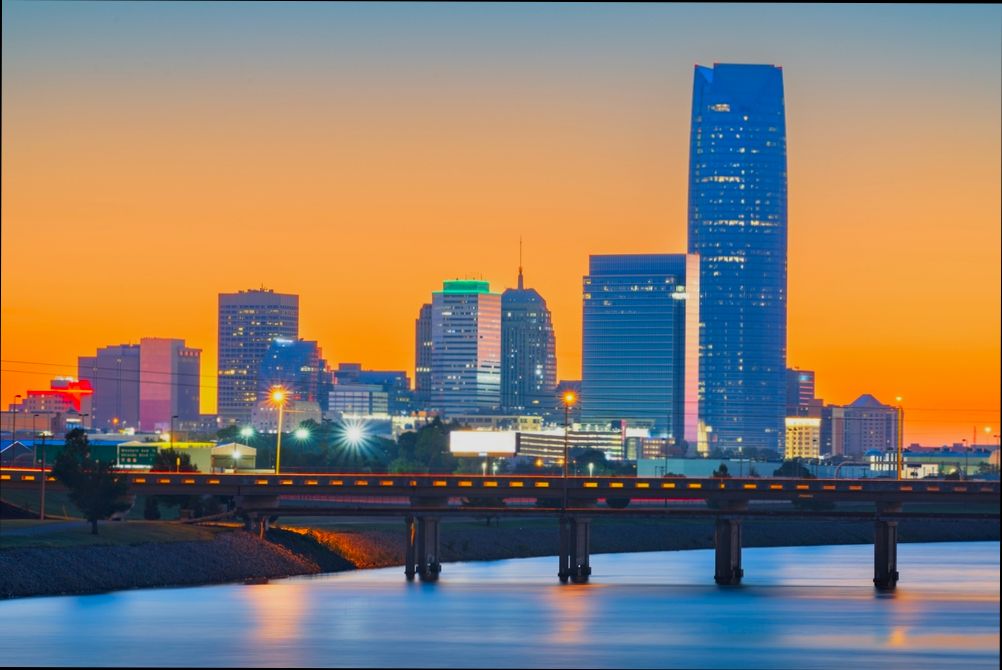
Pros and Cons of Living in Oklahoma City OK are pretty intriguing when you dive into the details. For starters, you’ve got the cost of living, which is a big plus. With an overall cost of living index around 15% lower than the national average, balancing a budget here feels refreshing. Rent is incredibly affordable too; while the national average hovers around $1,400 for a one-bedroom, you can snag a cozy spot in OKC for about $950. And let’s not forget about the job market—major employers like Devon Energy and Chesapeake Energy mean there are solid opportunities in sectors like energy and healthcare.
But it’s not all sunshine and savings. The weather can be a wild card; while you enjoy those mild winters, summer can be brutal, with temps soaring above 100°F. Plus, the tornado season might send shivers down your spine if you’re not used to the idea of storm shelters. And while there’s a growing arts scene and plenty of parks, some folks find the nightlife to be lacking compared to bigger cities. With a mix of Southern charm and urban convenience, Oklahoma City can be a bit of a double-edged sword.

Cost of Living and Affordability
Living in Oklahoma City can be quite a financial relief compared to many urban areas around the nation. If you’re weighing your options, it’s essential to unpack the specifics of the cost of living and affordability in this vibrant city.
Oklahoma City’s overall cost of living is about 13% lower than the national average. This competitive rate can offer significant savings, especially in housing, groceries, and healthcare. Let’s take a closer look at what this means for you.
Key Financial Figures
- Housing Costs: The median home price in Oklahoma City is around $200,000, which is roughly 29% lower than the national average of approximately $280,000. If you’re looking to rent, expect to pay about $1,200 per month for a two-bedroom apartment.
- Utilities: Monthly utilities, including electricity, heating, and water, average about $160 for a standard apartment, which is 8% lower than the national average.
- Transportation Costs: If you own a car, gas prices are typically several cents below the national average, with current gas prices hovering around $3.10 per gallon.
- Groceries: Oklahoma City’s grocery prices are roughly 6% lower than the national average, making it an affordable place for everyday living.
Cost Comparison Table
| Expense Type | Oklahoma City Average | National Average | Difference (%) |
|---|---|---|---|
| Median Home Price | $200,000 | $280,000 | -29% |
| Monthly Rent (2BR) | $1,200 | $1,500 | -20% |
| Monthly Utilities | $160 | $175 | -8.5% |
| Grocery Costs | 6% lower | - | -6% |
| Gas Price (per gallon) | $3.10 | $3.30 | -6% |
Real-World Examples
Consider the Jones family, who recently moved from Los Angeles to Oklahoma City. They were paying $3,200 monthly for a two-bedroom apartment in LA compared to just $1,200 in OKC. This shift not only allowed them to save $2,000 every month but also provided them the ability to invest in a home sooner.
Another example is Maria, a recent college graduate who relocated. While her starting salary was $50,000, her reduced living costs in OKC enabled her to comfortably pay off student loans and still have a significant amount left over for savings and entertainment.
Practical Insights
When budgeting for a move to Oklahoma City, consider the following strategies:
- Housing: Prioritize neighborhoods with lower housing costs but still maintain access to essential amenities.
- Transportation: Factor in lower gas prices by potentially driving less and utilizing public transportation, which is affordable and accessible in the city.
- Grocery Shopping: Take advantage of local markets that offer fresh produce at lower prices.
Looking ahead, remember that the significant savings in cost of living can allow for better financial stability and lifestyle options. The affordability of Oklahoma City empowers you to enjoy more while spending less, paving the way for a more comfortable life.
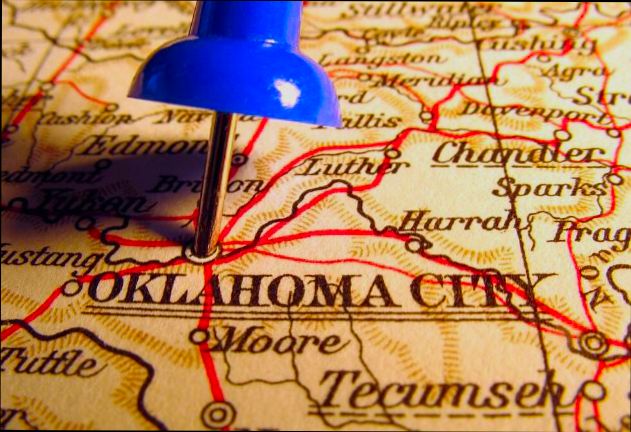
Cultural Scene and Recreational Opportunities
When you think of Oklahoma City, you might picture cowboys and wide-open spaces, but you’ll be surprised by how vibrant its cultural scene is. From arts to sports, this city offers a diverse range of recreational activities that cater to everyone. Let’s dive into what makes Oklahoma City’s cultural and recreational offerings so unique.
Arts and Entertainment
Oklahoma City boasts a thriving arts community, with various theaters, galleries, and festivals:
- Over 40 art galleries: The Paseo Arts District is a hub for local artists, showcasing everything from painting to sculpture.
- Annual events: The deadCENTER Film Festival draws over 20,000 attendees annually, celebrating independent cinema.
- Performing arts: The Civic Center Music Hall hosts touring Broadway shows and concerts, making it a cornerstone of the city’s entertainment options.
Sports Culture
If you’re a sports enthusiast, you’ll never run out of options in Oklahoma City:
- NBA Team: The Oklahoma City Thunder, an NBA team, brings basketball fans together, drawing an average of 18,000 fans per home game.
- Minor league teams: The Oklahoma City Dodgers, a Triple-A affiliate of the Los Angeles Dodgers, offers affordable family entertainment, with ticket prices averaging around $14.
Festivals and Community Events
Community involvement shines through various local festivals:
- The Oklahoma State Fair attracts around 1 million visitors each year, highlighting Oklahoma’s agricultural roots and local crafts.
- The Bombing Memorial Candlelight Vigil, held annually, honors the victims of the 1995 Oklahoma City Bombing, fostering community spirit and remembrance.
| Event/Festival | Type | Attendance |
|---|---|---|
| deadCENTER Film Festival | Arts | 20,000+ |
| Oklahoma State Fair | Community | 1,000,000+ |
| Bombing Memorial Candlelight Vigil | Commemoration | Varies annually |
Real-World Examples
One attendee of the deadCENTER Film Festival noted how it serves as a platform for filmmakers, allowing them to showcase their work and interact with fans. Similarly, families frequently attend Oklahoma City Dodgers games, where children can engage in activities beyond the game itself, such as running the bases after a home game.
Practical Insights
Exploring the cultural scene in Oklahoma City can enhance your quality of life. Making an effort to participate in local arts events or attending a sporting event can help you connect with the community and make new friends.
- Consider visiting the Paseo Arts District during the First Friday Gallery Walk, where you can see artists in action and enjoy live music.
- If sports are your passion, taking part in themed nights at Thunders’ games could transform your experience from just a spectator to a part of a larger community.
Actionable Advice
Take advantage of Oklahoma City’s dynamic cultural scene by purchasing tickets for upcoming events or visiting local galleries. Look out for seasonal festivals and community events that can enrich your experience and provide insight into the local culture. Whether you’re interested in arts or athletics, there’s always something happening around the corner waiting for you to explore.

Educational Institutions and Quality of Education
When considering a move to Oklahoma City, the quality of education and the available educational institutions are crucial factors to weigh. The city boasts a blend of public and private schools, colleges, and universities, each contributing to a diverse educational landscape.
Public Education System
Oklahoma City public schools serve over 40,000 students, with numerous programs aimed at academic excellence. The district has made significant strides in recent years, with a focus on improving graduation rates and standardized test scores. Here are some key statistics related to the public school system:
- Graduation Rate: The graduation rate in Oklahoma City public schools is approximately 87%, which outpaces the state average of 83%.
- National Rankings: A number of high schools, such as Classen School of Advanced Studies, are consistently ranked among the top 15% in the nation, showcasing strong academic performance.
Private Education Options
In addition to public schools, Oklahoma City offers various private educational institutions, which cater to different needs and preferences. These schools often emphasize individualized learning approaches and smaller class sizes. Notable statistics include:
- Student-to-Teacher Ratio: Many private schools in the area maintain a student-to-teacher ratio of around 10:1, allowing for more personalized attention.
- Diverse Curriculum Offerings: Institutions like Casady School and Bishop McGuinness Catholic High School provide specialized programs in the arts, science, and international studies, enhancing students’ educational experiences.
Higher Education Institutions
Oklahoma City is home to several colleges and universities, adding depth to its educational offerings. Among them are:
- University of Oklahoma Health Sciences Center: Recognized for its medical and healthcare training programs, it ranks in the top 10% of public health institutions nationally.
- Oklahoma City Community College: Serving over 22,000 students annually, it offers more than 70 degree and certificate programs, with a focus on workforce development.
| Institution | Type | Enrollment | Graduation Rate |
|---|---|---|---|
| Classen School of Advanced Studies | Public High School | 1,200 | 95% |
| Casady School | Private High School | 800 | 100% |
| University of Oklahoma Health Sciences Center | Public University | 3,000 | 82% |
| Oklahoma City Community College | Public Community College | 22,000 | 50% |
Real-World Examples
Consider the story of a local student who attended Classen School of Advanced Studies. Making use of advanced placement courses and extracurricular activities led them to receive multiple college scholarships. This success story highlights how Oklahoma City’s educational institutions can open doors for students, making higher education more accessible.
Moreover, students from private institutions often find themselves with numerous options for college due to the robust academic foundation laid by their schools.
Practical Implications
For parents moving to Oklahoma City, the choice between public and private schooling can significantly influence their children’s education. Investigating specific schools, their programs, and extracurricular activities can lead to informed decisions. You might also explore the neighboring districts, as educational offerings can vary significantly between areas.
Key Facts
- Investigate schools’ test performance and extracurricular activities, which can enhance educational quality.
- Look into scholarships and financial aid options available at local colleges and universities to ease educational expenses.
- Engage with school communities to understand the local educational culture and available resources.
Oklahoma City’s commitment to improving education continues to evolve, making it a key factor for many families when considering relocating to the area.

Climate Considerations for Residents
When considering a move to Oklahoma City, understanding the local climate is essential for adapting to life here. The city experiences a diverse range of weather patterns throughout the year that can affect your daily activities, health, and even home maintenance. Let’s dive into the climate details so you can plan accordingly.
Temperature Trends
Oklahoma City has a humid subtropical climate, characterized by hot summers and mild winters. Here are some key temperature statistics:
- Summer Highs: Average July highs often exceed 90°F, with some days reaching into the upper 90s.
- Winter Lows: January lows can dip to around 30°F, making it essential to prepare for occasional cold snaps.
- Seasonal Variation: The annual temperature range is roughly 60°F, illustrating the distinct seasons.
Precipitation Patterns
Rainfall is a significant aspect of Oklahoma City’s climate, impacting everything from agriculture to outdoor plans:
- Annual Rainfall: The city receives approximately 36 inches of rain each year, with May often being the wettest month.
- Thunderstorms and Tornadoes: The region is notorious for severe weather, particularly in spring. Oklahoma typically experiences more than 50 tornadoes annually, making storm preparedness vital.
| Month | Average High (°F) | Average Low (°F) | Precipitation (inches) |
|---|---|---|---|
| January | 47 | 28 | 1.5 |
| April | 71 | 48 | 3.1 |
| July | 94 | 71 | 2.7 |
| October | 72 | 50 | 2.8 |
Real-World Experiences
Residents often find that adapting to Oklahoma City’s varied climate requires some lifestyle adjustments. For example, during the summer months, many people invest in energy-efficient cooling systems to combat the heat. Those who embrace outdoor activities may prefer mornings or late evenings to avoid the sweltering midday sun.
Moreover, springtime can become a double-edged sword for residents. While it’s a beautiful season to enjoy blooming nature, it also brings a heightened risk of severe storms and tornadoes. Many locals have shared stories about the importance of staying informed through weather apps or local news broadcasts.
Practical Considerations for Residents
Being aware of climate conditions can help you make informed decisions, including:
- Home Maintenance: Ensure your roof and gutters are in good condition, especially after stormy weather.
- Emergency Preparedness: Keep a storm kit ready, including essentials like water, flashlights, and a first-aid kit.
- Seasonal Wardrobe: Invest in clothing suited for extreme temperatures, from breathable fabrics for summer to warm layers for winter.
Knowing what to expect means you can enjoy all that Oklahoma City has to offer without being caught off guard by the climate! By staying proactive, you can adapt effortlessly to the unique weather patterns of this vibrant city.
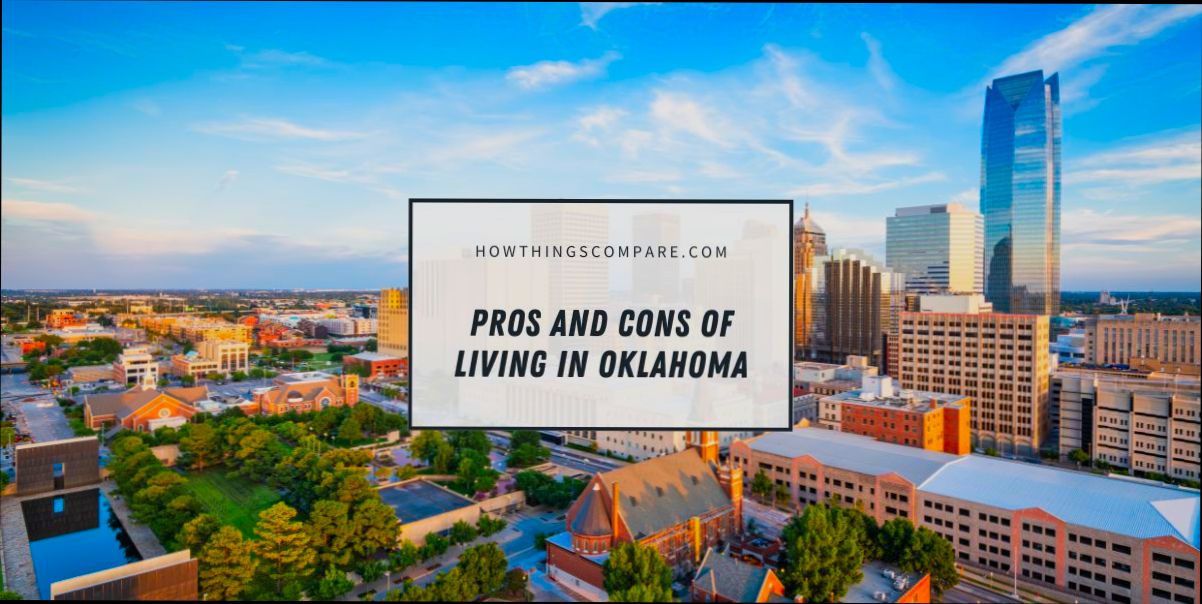
Demographic Trends and Population Statistics
Understanding the demographic trends and population statistics of Oklahoma City can shed light on who lives there and how the community is evolving. In this section, we’ll dive into some key figures that reflect the city’s diversity, growth patterns, and age distribution.
Population Growth
Oklahoma City has seen significant population growth in recent years. As of the latest estimates:
- The population stands at approximately 655,000 residents, making it the largest city in Oklahoma.
- The growth rate over the last decade is about 10.5%, which indicates a robust influx of new residents.
This increasing population not only suggests a thriving community but also presents opportunities for businesses and services catering to a larger customer base.
Age Distribution
Age demographics provide insights into the community’s composition:
- The median age in Oklahoma City is 35.8 years old, which is younger than the national median age of 38.5 years.
- Approximately 26% of the population is under 18, signifying a substantial younger demographic.
- In contrast, about 13% of residents are aged 65 and older, indicating a growing need for senior services and healthcare.
This age distribution highlights that Oklahoma City is family-friendly while also catering to the needs of a younger workforce.
Diversity and Ethnic Composition
Oklahoma City boasts a diverse population, reflecting various ethnic backgrounds:
- The racial makeup includes approximately 59% White, 15% African American, 6% Asian, and 15% Hispanic or Latino residents.
- Spanish is the second most spoken language in the city, with over 13% of the population being bilingual.
This diversity enriches cultural experiences and community events, thereby enhancing the city’s character.
| Ethnic Group | Percentage of Population |
|---|---|
| White | 59% |
| African American | 15% |
| Asian | 6% |
| Hispanic or Latino | 15% |
| Other | 5% |
Real-World Examples
Oklahoma City’s population growth can be attributed to several factors, including economic opportunities and an attractive lifestyle. The city has become a hub for young professionals, particularly in sectors such as technology and healthcare, drawn by the flourishing job market.
One notable area of development is the Plaza District, which has seen an increase in restaurants, shops, and entertainment venues, catering to the increasing number of residents looking for urban amenities.
Practical Implications for Readers
For those considering relocating to Oklahoma City, understanding these demographic trends can help you make informed decisions.
- If you’re a young professional or a family, the youthful median age and growth of schools indicate a vibrant community.
- Companies and entrepreneurs should recognize the diverse market as an opportunity for tailored products and services catering to different ethnic groups and age demographics.
Actionable Advice
When evaluating life in Oklahoma City, consider tapping into community networks and local organizations that reflect the city’s demographic diversity. Engaging with various cultural groups can provide a richer understanding of the city’s dynamics and enhance your living experience.
Employment Landscape and Job Market
Oklahoma City’s employment landscape presents a dynamic mix of opportunities across various sectors. Understanding the job market here can empower you to make an informed decision about moving or working in the area. In this section, we will explore the current employment trends, key sectors, and practical insights to help you navigate the job market effectively.
Key Employment Sectors
Oklahoma City has a diverse economy, which translates into a variety of job opportunities. The primary sectors driving employment include:
- Government and Public Administration: As the capital city, Oklahoma City has a strong presence of government jobs, providing stability and benefits.
- Healthcare: The region is home to several major hospitals and healthcare facilities, making health-related jobs one of the top employment sectors.
- Energy: Oklahoma has a rich history in energy, and many companies focus on oil, natural gas, and renewable energy sectors.
- Aerospace and Defense: With prominent companies in the aerospace industry, there are numerous engineering and manufacturing positions.
Employment Statistics
Here are some notable statistics about the job market in Oklahoma City:
- The unemployment rate in Oklahoma City is approximately 3.5%, which is significantly lower than the national average of around 4.3%.
- Major employers like the Oklahoma Health Care Authority and Tinker Air Force Base employ thousands, driving local economic growth.
- The average annual salary in Oklahoma City is around $50,000, with some sectors like healthcare and aerospace offering even higher compensation.
Comparative Job Market Overview
| Sector | Employment Growth (%) | Average Salary ($) | Notable Employers |
|---|---|---|---|
| Government | 2.5% | 54,000 | State of Oklahoma |
| Healthcare | 5% | 65,000 | OU Medicine |
| Energy | 3% | 72,000 | Devon Energy, Chesapeake |
| Aerospace and Defense | 4% | 78,000 | Boeing, Northrop Grumman |
Real-World Examples
Consider the story of Lisa, a healthcare professional who relocated to Oklahoma City. After securing a position at a local hospital, she noted that the demand for nurses was incredibly high, leading to several job offers with competitive salaries and benefits. Similarly, James, an aerospace engineer, reported successful career advancement opportunities at one of the local defense contractors, emphasizing the supportive professional network in the sector.
Practical Implications
If you’re looking to enter or advance in the job market in Oklahoma City, consider these actionable strategies:
- Networking: Engage with local professional groups, attend job fairs, and connect with industry professionals on platforms like LinkedIn.
- Skill Development: Explore training programs or online courses in high-demand fields like healthcare or technology to enhance your employability.
- Local Resources: Utilize local employment agencies and job boards specifically targeting sectors in Oklahoma City to find opportunities that match your skills and interests.
Specific Facts and Advice
- With the recent investments in technology, consider roles in IT and software development, where you might find growing opportunities.
- Keep an eye on emerging sectors like renewable energy; Oklahoma’s investments in green technology are expected to yield a higher demand for skilled workers.
- Lastly, don’t overlook the benefits of reaching out directly to employers; many companies in Oklahoma City appreciate proactive candidates and may consider you for roles that haven’t been publicly advertised.

Community Engagement and Local Initiatives
In Oklahoma City, community engagement thrives through various local initiatives designed to bring residents together and enhance neighborhood connections. Whether it’s through volunteer opportunities, local festivals, or participatory governance, Oklahomans actively engage in shaping their community.
Vibrant Volunteerism
Oklahoma City ranks high in volunteerism, with approximately 30% of residents participating in formal volunteer activities. This spirit of giving back is essential as residents support local nonprofits, schools, and community projects. Engaging in volunteerism allows you to be part of something larger, fostering a sense of belonging and purpose.
- Key Volunteer Opportunities:
- Habitat for Humanity
- The Ronald McDonald House
- Local Food Banks
Local Initiatives in Action
Numerous initiatives are designed to enhance community engagement:
1. Neighborhood Associations: These groups empower residents to have a voice in local governance and issues affecting their neighborhoods.
2. Community Events: Oklahoma City hosts events such as the Festival of the Arts, which promotes local artists and cultural expression while bringing together thousands of residents.
3. Workshops and Seminars: Regularly scheduled events focus on topics like gardening, sustainability, and entrepreneurship, providing a platform for residents to learn and connect.
Comparative Table of Community Engagement Programs
| Program Name | Description | Participation Rate |
|---|---|---|
| Neighborhood Associations | Groups that represent local interests and issues | 20% |
| Festival of the Arts | Annual event celebrating art and culture | 50,000 visitors |
| Community Workshops | Educational programs on various subjects | 1,500 attendees |
Real-World Examples
One notable initiative is the Oklahoma City Beautiful program, which aims to beautify and revitalize public spaces through community clean-up days and tree-planting events. Last year, over 5,000 volunteers participated, planting 2,000 trees, which significantly enhanced local parks and green areas.
Another example is the Community Engagement Initiative, a collaborative program between the city and local nonprofits that encourages civic participation through town hall meetings and public forums. This initiative reported a 25% increase in community participation in local governance strategies, making sure residents’ voices are heard.
Practical Implications for Residents
For you as a resident, engaging in community initiatives is more than just personal fulfillment; it’s about building a stronger network. Whether you are working to clean up a local park or attending neighborhood association meetings, your involvement helps shape the decisions that impact your living environment.
You can easily find opportunities through the local bulletin, community center boards, or social media groups dedicated to Oklahoma City activities. By participating, not only do you contribute to the community but also make connections that can enhance your life in the city.
Here are actionable steps to engage further in community initiatives:
- Join a local neighborhood association to stay informed and have your voice heard.
- Volunteer at upcoming events—the connections you make through shared passions can lead to lifelong friendships.
- Attend town hall meetings to understand local governance and express concerns or ideas.
By taking these proactive steps, you can enhance your living experience in Oklahoma City through community engagement and local initiatives.