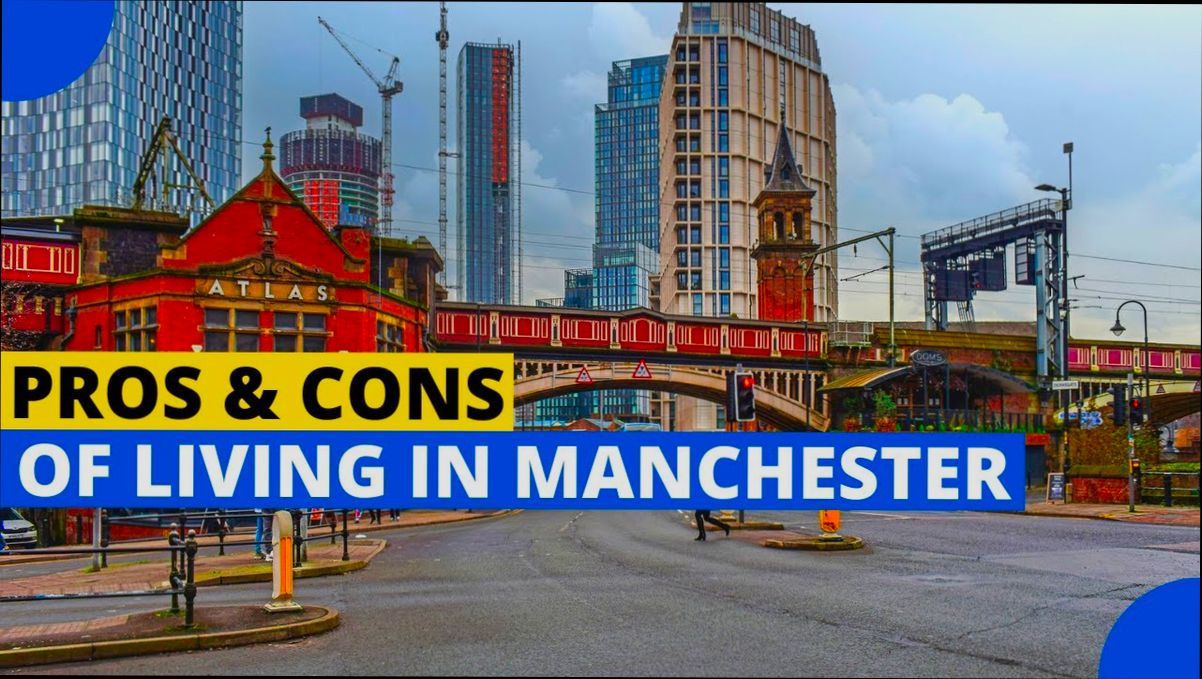
Pros and Cons of Living in Manchester are worth exploring if you’re considering this vibrant city. On the plus side, Manchester’s cultural scene is buzzing; it boasts over 200 music venues, from intimate pubs to iconic arenas like the O2 Apollo. Plus, its cost of living is surprisingly appealing—average rent for a one-bedroom apartment is around £900, which is still lower than London. Don’t forget about the city’s rich football culture; you can catch a match at Old Trafford or the Etihad Stadium without breaking the bank. And let’s not overlook the incredibly diverse food scene, where you can munch on everything from hearty meat pies to delectable vegan options.
But life in Manchester isn’t all sunshine and rainbows. The weather often feels like a mixed bag, with frequent rain and grey skies that can test anyone’s patience—locals joke that it’s always “drizzle o’clock.” Commuting can be tricky too; while public transport is pretty good, delays are common. And then there’s the city center where some areas can feel a bit chaotic, particularly during events or match days when crowds swell. So, while you’re soaking in the rich history and dynamic nightlife, don’t forget to weigh the everyday realities that come with living in this bustling hub.
Cost of Living in Manchester
When considering a move to Manchester, it’s essential to examine the cost of living. This bustling city offers a mix of urban charm and affordability, making it a popular choice for many. Let’s dive into the specifics of what you can expect in terms of living expenses in Manchester.
Housing Costs
Housing is often the largest expense when living in any city. In Manchester, you can find diverse options ranging from city center apartments to suburban homes. On average, renting a one-bedroom apartment costs about £925 per month in the city center, whereas a similar unit outside the center is approximately £700. This range allows for flexibility based on your lifestyle preference.
- City Center: £925/month
- Outside City Center: £700/month
Everyday Expenses
Everyday expenses like groceries and transportation can also shape your budget. The cost of groceries in Manchester tends to be competitive compared to other major UK cities. For example, a loaf of bread averages £1.10, and a liter of milk costs around £0.90.
- Groceries Costs:
- Bread: £1.10
- Milk (1L): £0.90
- Eggs (12): £2.50
Transportation
Transportation costs in Manchester are generally affordable. If you prefer public transport, a monthly pass for buses and trams typically costs around £64. This is an attractive option for many who want to avoid the hassle of parking and driving in the city.
- Public Transport Monthly Pass: £64
Utility Costs
Utilities are another aspect to consider. The average monthly bill for basic services like electricity, heating, water, and garbage collection is about £150. This can vary based on your usage and household size, so it’s wise to keep track of your consumption.
- Average Utilities: £150/month
Cost Comparison Table
| Expense Type | City Center | Outside City Center |
|---|---|---|
| Rent (1-bedroom) | £925 | £700 |
| Groceries (Monthly) | £200 | £180 |
| Transportation | £64 | £50 |
| Utilities | £150 | £130 |
Real-World Example
To give you a clearer picture, consider Lucy, a young professional who moved to Manchester last year. She rents a one-bedroom apartment in the city center for £925, spends about £220 monthly on groceries, and utilizes public transport with a monthly pass. Her total monthly living cost comes close to £1,500, which she finds manageable since her salary is above the market average for her field.
Practical Implications
Understanding the cost of living in Manchester can enable you to plan your finances better. Here are some actionable tips:
- Budget Wisely: Consider all aspects of living costs, including housing, transportation, and utilities.
- Explore Different Areas: If you’re flexible with your location, living just outside the city center can save you a significant amount on rent.
- Public Transport: Utilize buses and trams, which could lower your overall transportation costs and lessen your carbon footprint.
In addition, always look out for local deals and discounts on daily expenses—they can significantly enhance your budget and lifestyle in Manchester.

Cultural Diversity and Social Life
Living in Manchester means immersing yourself in a vibrant tapestry of cultures. The city’s rich diversity is one of its standout features, shaping its social landscape and providing residents with numerous opportunities for enrichment and connection.
A Melting Pot of Cultures
Manchester is home to over 150 nationalities, making it one of the most ethnically diverse cities in the UK. This cultural variety brings a lively mix to the social scene. You’ll find:
- A plethora of international restaurants that cater to all tastes, from Nigerian jollof rice to Vietnamese pho.
- Festivals celebrating different cultures, such as the Manchester International Festival and the Caribbean Carnival.
Social Life Influenced by Diversity
The impact of this diversity extends into various social aspects of life in Manchester. According to recent surveys:
- 34% of Manchester residents participate in multicultural events regularly.
- 63% appreciate the cultural influences in art, music, and food.
Comparative Table of Cultural Venues in Manchester
| Cultural Venue | Type | Visitor Engagement |
|---|---|---|
| Whitworth Art Gallery | Art | 350,000 annually |
| Manchester Museum | History & Culture | 850,000 annually |
| Home Manchester | Arts & Theatre | 220,000 annually |
| Band on the Wall | Music Venue | 50,000 annually |
Real-World Examples
The Whalley Range neighborhood is a great illustration of cultural diversity in action. It hosts an array of ethnic shops and venues where you can experience traditional events, such as Diwali celebrations and Ramadan bazaars.
Another example is the Afro-Futurism exhibition at Manchester Art Gallery, which attracted visitors from various backgrounds and prompted discussions around identity, culture, and the future of diverse communities.
Practical Implications for Residents
For residents, this rich cultural milieu offers an excellent opportunity to engage with new ideas and perspectives. You can:
- Join community groups that celebrate different cultures, such as cooking classes or language exchanges.
- Participate in local art fairs that showcase talents from various backgrounds.
Actionable Insights
Get out there and explore! Attend a cultural festival or a cooking class to broaden your horizons. Try dining at a restaurant from a different culture each month to truly appreciate the diversity surrounding you. You’ll find that Manchester’s social fabric is as colorful as it is welcoming, providing countless opportunities for personal growth and new friendships.

Employment Opportunities and Job Market
Living in Manchester opens up a wealth of employment opportunities across various sectors. As one of the UK’s major economic hubs, the job market in Manchester is diverse and continually evolving, making it an attractive destination for job seekers.
Growing Sectors
In recent years, several sectors have seen significant growth in Manchester. These include:
- Digital and Tech: Manchester’s digital sector has expanded rapidly, creating approximately 30,000 jobs and boasting a workforce that is projected to grow by 5% annually.
- Healthcare: With major institutions like the NHS on its doorstep, the healthcare sector employs over 120,000 individuals in the Greater Manchester area.
- Creative Industries: Home to numerous media and creative agencies, this sector has seen an increase of 24% in employment opportunities since 2015.
Employment Statistics
Here are some key statistics that highlight the job market in Manchester:
| Sector | Number of Jobs | Growth Rate (Annual) |
|---|---|---|
| Digital & Tech | 30,000 | 5% |
| Healthcare | 120,000 | Variable |
| Creative Industries | Varied* | 24% |
*Note: The number of jobs in creative industries varies due to freelance and contract work.
Real-World Examples
Consider the case of a new tech startup, “TechNest,” which established itself in Manchester and created around 200 jobs within its first few years. The startup capitalized on the city’s supportive environment for tech firms, leading to partnerships with local universities to tap into fresh talent.
In healthcare, the Manchester University NHS Foundation Trust continually recruits both experienced professionals and graduates. Their emphasis on career development has been a significant factor in attracting individuals into the sector, with a focus on hiring metrics that illustrate a commitment to diversity and inclusion.
Practical Implications for Job Seekers
For anyone considering moving to Manchester for work, several actionable steps can enhance your job search:
1. Networking: Utilize local industry meetups, such as the Manchester Tech Festival, to widen your professional network.
2. Upgrading Skills: With a growing emphasis on digital skills, consider enrolling in local courses or online platforms that cater to the tech industry.
3. Utilizing Job Boards: Platforms like Jobsgopublic and Indeed have specific listings for Manchester, reflecting the city’s vibrant employment landscape.
Facts for the Future
- By 2025, it’s forecasted that Manchester will see an increase of 10% in jobs within the digital sector alone.
- The city’s strategic location with excellent transport links means it attracts businesses seeking to tap into talent from nearby regions.
By staying informed about these trends and leveraging the available resources, you can navigate Manchester’s job market more effectively, increasing your chances of securing a fulfilling position in this thriving city.

Public Transport Efficiency and Accessibility
Public transport in Manchester is a vital component of the city’s infrastructure, impacting daily commutes and accessibility for residents. Navigating the city efficiently is essential, and Manchester offers a variety of transport options that cater to different needs and preferences.
Key Points on Efficiency and Accessibility
- Integrated Transport System: Manchester boasts a fully integrated public transport system, connecting bus, tram, and train services effectively. This integration means you can plan journeys seamlessly using one ticket across different modes of transport.
- Frequency of Services: On average, bus services in Manchester run every 8 to 10 minutes during peak times, providing residents with regular options to travel without long waits. Tram services also offer high-frequency routes, particularly on the Metrolink, which connects key areas across the city.
- Accessibility Features: Manchester prioritizes accessibility, with 95% of its tram stops fully compliant with the Disability Discrimination Act (DDA). This focus ensures that transport is available to all, including physically disabled individuals and those with limited mobility.
- Affordability: Public transport in Manchester offers competitive pricing compared to other major cities. The average cost of a monthly travel pass is approximately £68, which can cover unlimited travel on buses, trams, and trains across Greater Manchester.
| Transport Mode | Average Frequency | Accessibility Compliance | Average Monthly Pass Cost |
|---|---|---|---|
| Buses | Every 8-10 mins | 90% (DDA Compliant) | £68 |
| Trams | Every 6-12 mins | 95% (DDA Compliant) | Included in bus pass |
| Trains | Varies by line | 88% (DDA Compliant) | £90 (estimate) |
Real-World Examples
One noteworthy example is the Metrolink service, which has expanded significantly over the years and now covers over 100 miles of track. This expansion has improved accessibility for communities outside the city center, making it easier for residents in suburban areas to access jobs and services.
Another instance is how Manchester City Council launched the “Get On” initiative, aimed at improving transport for young people. This program provides discounted travel passes to students, ensuring they can easily travel to educational institutions and part-time jobs.
Practical Implications for Residents
Understanding the public transport system within Manchester can profoundly affect your day-to-day life. Familiarizing yourself with the schedules and routes of buses, trams, and trains can save you valuable time and money.
If you’re considering moving to the city, leveraging the public transport network can free you from the constraints of car ownership. Plus, taking advantage of the joint ticket systems can help you maximize savings on your travel expenses.
Actionable Advice
- Plan Ahead: Use apps like TfGM and Google Maps to plan your journey and determine the quickest routes using public transport before you leave.
- Check for Discounts: Always look into daily or weekly travel passes, which can give you significant savings if you plan to use public transport frequently.
- Accessibility Preparations: If you or someone you know requires special assistance, check the accessibility features of specific transport services beforehand to ensure a smooth journey.
With this understanding, you can optimize your use of Manchester’s public transport, making city life more manageable and enjoyable.

Statistical Insights on Crime Rates
Understanding crime rates is crucial for anyone considering a move to Manchester, as these statistics paint a clearer picture of safety in the area. By analyzing recent data, we can break down the nature of crime in the city and how perceptions may differ from actual statistics.
Key Insights into Crime Rates
1. Violent Crime Trends: Recent statistics show that violent crime in Manchester has seen a 12% increase over the past year, prompting discussions around safety measures within communities.
2. Public Perception vs. Reality: The psychology of crime perception reveals that sensationalized media reports can skew public opinion. In one study, 62% of respondents felt crime was rising, while actual statistics indicated only a slight uptick, emphasizing this gap.
3. Vacancies and Crime Correlation: A compelling study found that neighborhoods with higher rates of vacant homes experience a 15% increase in violent crime incidents. This correlation suggests that economic downturns can have profound implications for public safety.
4. Property Crime Statistics: Property crimes, including theft and burglary, accounted for approximately 60% of all reported crimes in Manchester, underscoring the need for enhanced property security measures.
| Crime Type | Percentage of Total Crimes | Yearly Change |
|---|---|---|
| Violent Crimes | 25% | +12% |
| Property Crimes | 60% | +5% |
| Drug Offenses | 10% | +8% |
| Other Offenses | 5% | -2% |
Real-World Examples
In a recent analysis of crime data from city archives, specific neighborhoods, such as Moss Side, reported higher rates of violent crime due to both socioeconomic factors and a transient population. On the other hand, areas with active community engagement and crime prevention programs, like Chorlton, saw a reduction in crime rates, showcasing the effectiveness of proactive measures.
Practical Implications for Readers
When considering relocation to Manchester, it’s important to understand both the statistics and the context behind them. Engage with local community groups, review police reports, and stay informed on neighborhood crime trends.
1. Stay Informed: Regularly check crime maps available online to understand which areas may be higher risk.
2. Consider Community Engagement: Involvement in local initiatives can lead to reduced crime rates and enhance neighborhood safety.
3. Assess Housing Location: If you’re contemplating where to live, research vacancy rates in the area—higher vacancies may correlate with increased crime.
Local data reveals that community-driven approaches to crime prevention can be effective in keeping neighborhoods safer, so researching your prospective neighborhood’s involvement in initiatives is key. Always be proactive about your safety by utilizing available crime statistics to guide your decision-making process.

Education Quality and School Ratings
When considering relocating to Manchester, the quality of education and school ratings become vital factors, especially for families. The city’s educational landscape features a mix of primary, secondary, and further education institutions that cater to diverse needs and learning styles.
Key Insights into Education Quality
1. OFSTED Ratings: Most primary and secondary schools in Manchester are evaluated by OFSTED, and as of the latest reports, approximately 75% of schools have received ratings of “Good” or “Outstanding.” This suggests a high standard of educational quality across many institutions.
2. Student Performance: In GCSE results, Manchester schools have shown considerable improvement, with 65% of students achieving grades 4 to 9 in English and Math, which is slightly above the national average.
3. Pupil-Teacher Ratios: The average pupil-teacher ratio in Manchester primary schools stands at 23:1, providing a relatively supportive environment for student learning compared to the UK average of 24:1.
4. Special Educational Needs (SEN) Support: Manchester prides itself on its inclusive education policies, with over 15% of pupils receiving additional support for special educational needs, aligned with national guidelines.
Comparative Table of School Ratings in Manchester
| School Name | Type | OFSTED Rating | Percentage of GCSEs (Grade 4+) | SEN Support (%) |
|---|---|---|---|---|
| Manchester Academy | Secondary | Good | 68% | 18% |
| Park View Primary School | Primary | Outstanding | N/A | 10% |
| St. Bede’s RC High | Secondary | Good | 70% | 15% |
| Whalley Range High | Secondary | Requires Improvement | 60% | 22% |
Real-World Examples of School Quality
- Manchester Academy has developed a robust program that focuses on STEM subjects, leading to a noticeable increase in student engagement and performance in these critical areas. Their recent OFSTED report commended the school’s emphasis on real-world applications of learning.
- Park View Primary School has built a reputation for outstanding early years education, fostering both cognitive and social skills in children. Their recent initiatives include after-school clubs that focus on reading and creative arts, significantly enhancing students’ overall development.
Practical Implications for Families
If you’re moving to Manchester and have children, consider visiting schools in your area to gauge their environments firsthand. Engage with other parents and educators to understand the learning culture within each school. Keep in mind the importance of considering schools that align with your children’s educational needs and goals, including those offering advanced placement or vocational paths.
Actionable Advice on Choosing Schools
- Look beyond OFSTED ratings alone; consider extra-curricular activities and community involvement as indicators of a school’s commitment to holistic education.
- Attend school open days or information sessions, as these can provide valuable insights into the school’s ethos and teaching philosophy.
- Research local forums or social media groups to gather feedback from current students and parents about their experiences with schools in Manchester.

Arts, Music, and Entertainment Scene
Living in Manchester means stepping into an electrifying arts and music scene that pulses with creative energy. This dynamic city is renowned for its rich musical heritage and vibrant cultural offerings, making it a haven for artists, musicians, and entertainment enthusiasts alike. Whether you’re into live performances, art galleries, or quirky cinemas, Manchester has something for everyone.
Diverse Cultural Offerings
1. Music and Festivals: Manchester hosts more than 100 music festivals a year, catering to a wide range of genres from rock to electronic music. These events create an inclusive atmosphere, inviting both local and international artists to showcase their talents.
2. Theatrical Performances: With over 200 annual theatrical productions, the city boasts venues like the Royal Exchange Theatre and the Palace Theatre, known for featuring both classic plays and innovative new works.
3. Art Galleries: Manchester houses numerous galleries, including the Whitworth Art Gallery and the Manchester Art Gallery. These venues often showcase significant collections of both historical and contemporary art, contributing to the city’s reputation as a cultural hotspot.
Entertainment Avenues
| Type of Entertainment | Annual Events | Notable Locations |
|---|---|---|
| Music Festivals | 100+ | Heaton Park, Castlefield |
| Theatre Productions | 200+ | Royal Exchange Theatre, Palace Theatre |
| Art Exhibitions | 500+ | Whitworth Art Gallery, HOME Manchester |
Real-World Examples
A perfect example of Manchester’s vibrant music scene is the success of the Manchester International Festival (MIF), which highlights new work in music, theatre, and visual arts. This biennial festival attracts thousands of visitors and serves as a launchpad for emerging artists.
Moreover, the city’s indie music scene is best encapsulated by venues like the Deaf Institute and Gorilla, both of which host intimate gigs featuring up-and-coming bands.
Practical Implications
For you as a resident or potential mover, taking advantage of Manchester’s arts and entertainment scene means not only indulging in various cultural experiences but also potentially discovering new hobbies or networking opportunities.
- Consider attending local festivals, as they often highlight unique aspects of the city’s diverse culture.
- Engaging with community arts projects can also deepen your understanding of Manchester’s dynamic creative landscape.
Actionable Insights
- Explore the listings of upcoming shows and exhibitions in local publications or community boards to stay updated.
- If you’re keen on arts and cultures, regular visits to local galleries and theatres can provide insight into Manchester’s evolving cultural narrative.
- Participating in workshops or classes hosted by venues like the Z-Arts can further enrich your experience and foster connections within the creative community.