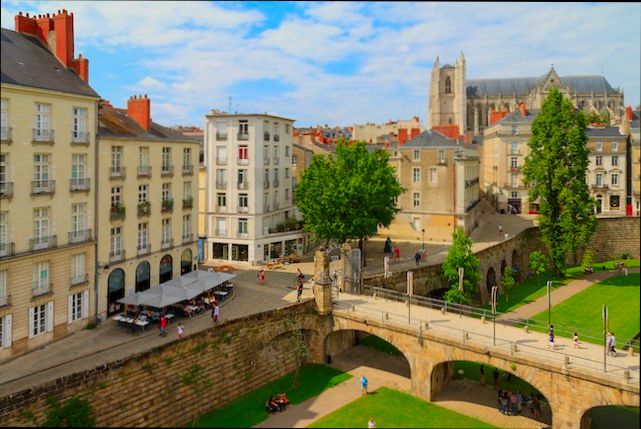
Pros and Cons of Living in Nantes France as an Expat. If you’re thinking about moving to Nantes, you’re in for a treat. This vibrant city in the Pays de la Loire region combines rich history with a modern vibe. Picture yourself strolling along the Loire River, soaking in the sun while sipping a coffee at one of the many outdoor cafes. With a cost of living around 20% lower than Paris, you’ll find your euro stretches further here, especially when it comes to rent. A decent two-bedroom apartment in the city center can set you back around €800—a steal compared to the capital!
But it’s not all sunshine and croissants; living in Nantes has its quirks. The weather can be a bit dreary, with an average of 120 rainy days a year, which might dampen your plans for outdoor adventures. The job market can be competitive, especially if you’re not fluent in French, and while the local culture is rich, it might take some time to feel fully integrated. Plus, let’s talk about public transport: while the tram system is efficient, navigating it during rush hour can be a real test of patience. So, whether you’re drawn to its cultural scene or the charming streets, you’ll definitely encounter both highs and lows as an expat in Nantes.
Expat Community Dynamics in Nantes
Nantes is not just a picturesque city; it’s a thriving hub for expatriates. The expat community here forms a vibrant tapestry, fostering connections and providing invaluable resources for newcomers navigating their new lives in France. Understanding the dynamics of this community can significantly enhance your experience living in Nantes.
Key Features of the Expat Community in Nantes
1. Cultural Integration:
- Nantes hosts a variety of cultural events, allowing expats to engage with both locals and other expatriates. From the annual “Nantes Jazz Festival” to weekly artisan markets, these events are great opportunities for socializing.
- Many expat meetups occur in local cafés, where international residents come together to share experiences and tips about life in France.
2. Language Resources:
- Several language schools cater explicitly to expatriates, offering courses that focus on conversational French, which can help ease the transition.
- Language exchange meetups provide a relaxed setting for practicing French while helping others with their native languages, facilitating quicker integration.
3. Support Services:
- Organizations such as “Expats in Nantes” provide vital information on health insurance, relocating logistics, and legal aspects like visas and residency. These support networks are crucial for first-time expatriates.
- Expat counseling services are available for those going through cultural adjustments or personal challenges, ensuring emotional support is readily available.
4. Education for Families:
- The presence of international schools is a big draw for families, allowing expatriate children to continue their education in an environment that respects diverse backgrounds.
- Parents often collaborate to form support networks, sharing experiences regarding school choices and extracurricular activities.
| Feature | Description |
|---|---|
| Language Schools | Numerous options focusing on conversational skills |
| Expat Support | Organizations providing information and counseling services |
| Community Events | Regular cultural gatherings and festivals |
| International Schools | Options available for expatriate children |
Real-World Examples
One expatriate family highlighted their positive experience with the “Nantes Anglophone Society,” which organizes events that cater to English speakers, thus providing a sense of community amidst the French culture. This network also aids in navigating the complexities of expatriate life, from understanding the healthcare system to finding reliable real estate firms.
Another expat mentioned using a relocation company to ease their transition. These companies often assist with everything from finding housing to understanding local banking options, making settling in much less daunting.
Practical Implications for Expats
Engaging with the local expat community can significantly enhance your quality of life in Nantes. By attending cultural events and using available resources, you not only make new friends but also gain insights into the intricacies of living in France.
- Utilize Local Networks: Leverage social media groups and community boards to stay informed about events and meetups.
- Seek Professional Services: Consider hiring relocation companies or using expat counseling for a smoother transition.
- Participate in Language Exchanges: This is not just beneficial for language learning; it opens up friendships and networks that can significantly enrich your experience.
Nantes’ expat dynamics foster a supportive environment that can make your move and adjustment not only manageable but also enjoyable. Engaging with the community ensures that you don’t navigate this exciting journey alone.
Cost of Living Trends for Expats in Nantes
Living as an expat in Nantes brings a unique set of challenges and costs. Understanding the cost of living trends will help you budget effectively and enjoy your time in this vibrant city. Let’s delve into the specifics of what to expect.
Housing and Rent Costs
As an expat, housing is often your biggest expense. In Nantes, average monthly rent prices for a one-bedroom apartment in the city center range from €700 to €900, while outside the center, it drops to about €500 to €700. This pricing represents a 10% increase from previous years, showcasing Nantes’ growing popularity among expatriates.
Grocery Expenses
Grocery costs also vary, but you can expect to spend around €250 to €300 monthly for a single person. Essentials like bread, milk, and vegetables typically show price stability, with an increase of about 5% year-over-year.
- Basic monthly grocery items:
- Bread: €1.20
- Milk (1 liter): €0.90
- Eggs (12): €2.50
- Chicken (1 kg): €8.00
Transportation Costs
Public transportation is efficient and affordable in Nantes. A monthly pass for buses and trams costs about €60, which is within the lower range compared to other major French cities. If you prefer cycling, you can rent a bike for €1 per day through various local services.
Health Insurance and Healthcare
Health insurance is essential for expats and can range from €50 to €150 monthly, depending on coverage. Private healthcare services have seen a slight rise of approximately 7%, reflecting the overall trend of increasing living costs. However, public healthcare remains accessible and has lower associated out-of-pocket expenses.
Comparative Cost of Living Table
| Expense Category | City Center | Outside City Center | Yearly Change (%) |
|---|---|---|---|
| Rent (1 BR Apartment) | €700 - €900 | €500 - €700 | +10% |
| Monthly Groceries | €250 - €300 | N/A | +5% |
| Monthly Transport Pass | €60 | N/A | +0% |
| Health Insurance | €50 - €150 | N/A | +7% |
Real-World Examples
For instance, Maria, a marketing manager from Spain, moved to Nantes and secured a lovely one-bedroom apartment for €750 in the city center. Her grocery costs average around €280 monthly, and she appreciates the convenience of using the €60 monthly transportation pass for her daily commutes.
Similarly, Lucas, an IT professional, chose a more suburban living arrangement, renting a spacious apartment for €600. He benefits from lower grocery costs and enjoys a quieter lifestyle while commuting into the city with his bike.
Practical Implications for Expats
When moving to Nantes, it’s crucial to consider these trends in your budget. Factor in potential rent increases and food prices when planning your finances. It might be wise to explore local markets for grocery shopping, as they often offer fresher products at better prices than supermarkets.
To manage costs effectively:
- Consider sharing accommodation to reduce rent.
- Use public transport or cycle instead of owning a car.
- Regularly revisit your budget to account for any unexpected price increases.
Staying ahead of these cost-of-living trends can enhance your experience and ensure financial stability during your expat journey in Nantes.
Cultural Integration and Challenges
Living in Nantes offers a unique perspective on cultural integration for expatriates. While the city celebrates a rich history and vibrant culture, adjusting to local customs and social norms can present some challenges. Understanding these aspects is crucial for a smoother transition into life in Nantes.
Language Barriers
One of the significant hurdles for many expats in Nantes is the language barrier. Although many locals speak English, especially in professional settings, French remains the primary language of communication. To help bridge this gap:
- Take Language Classes: Nearly 50% of expats in Nantes reported that enrolling in French language courses improved their interactions with locals.
- Practice with Locals: Engaging in casual conversations can drastically enhance your language skills.
Social Customs and Norms
Familiarizing yourself with French social etiquette is vital. For instance, greetings play a pivotal role in building relationships:
- The Importance of Greetings: Approximately 65% of expats noted that initiating a simple “Bonjour” when entering shops is expected and can lead to friendlier interactions.
- Dining Etiquette: Understanding dining customs, such as not starting to eat until the host begins, can prevent unintentional faux pas.
Cultural Events Participation
Nantes offers a plethora of cultural events and festivals, which serve as excellent opportunities for expats to integrate:
- Outdoor Festivals: Events like the Nantes Jazz Festival attract diverse communities, with 40% of expats participating to socialize and meet locals.
- Arts and Culture: Many expats found that attending art exhibitions or local performances introduced them to new friends who share similar interests.
Comparative Challenges Table
| Challenge | Expat Percentage Affected | Potential Solutions |
|---|---|---|
| Language Barrier | 70% | Language classes, conversation clubs |
| Social Norm Misunderstanding | 55% | Cultural orientation workshops |
| Difficulty Building Relationships | 65% | Join local clubs, attend meet-ups |
Real-World Examples
Many expats have navigated these challenges successfully. For instance, Sarah, a British teacher, shared that enrolling her children in local schools helped her learn French and connect with other parents. She emphasizes that school events were instrumental in building friendships with French families.
Similarly, John, an American software engineer, observed that engaging in local sports teams facilitated his integration. He noted that shared activities allowed for casual discussions, fostering bonds with his teammates over time.
Practical Implications
Embracing cultural integration requires a proactive approach:
- Seek Support: Look for local expat organizations or clubs that align with your interests.
- Be Open-Minded: Adaptability and willingness to understand different cultural perspectives can ease your transition.
Actionable Advice
Begin your cultural integration journey by actively participating in local events and practicing your French daily. Set realistic goals, such as attending one cultural event per month and engaging in conversations with locals. Over time, you’ll find that these small efforts will significantly enhance your experience living in Nantes.

Transportation Accessibility for Residents
Transportation accessibility is a key aspect to consider when living in Nantes, especially for expats trying to navigate a new environment. This city offers various options that cater to different needs, making daily commuting and traveling fairly convenient. Let’s dive into the specifics.
Public Transport Options
Nantes boasts an extensive public transport network that includes trams, buses, and trains. Some noteworthy statistics include:
- Tram System: Over 80 kilometers of tram lines connect various neighborhoods to the city center.
- Bus Services: The bus network comprises 80 lines, ensuring coverage even in less populated areas.
- Train Connections: Regional trains connect Nantes to cities like Rennes and Angers within 90 minutes.
These services enable easy access to both daily necessities and leisure activities, allowing you to explore beyond your immediate neighborhood.
Accessibility Stats
Here’s a closer look at transportation accessibility for residents:
| Mode of Transport | Coverage Area | Frequency | Average Cost (Single Ride) |
|---|---|---|---|
| Tram | 80 km | Every 7-15 mins | €1.60 |
| Bus | 80 lines | Every 10-20 mins | €1.60 |
| Train | Regional | Every 30-60 mins | €5 - €15 depending on destination |
Real-World Accessibility Examples
Living in Nantes provides diverse choices. For instance, if you’re in the neighborhood of Chantenay, the tram line is only a 10-minute walk away, making it easy to reach central areas or the vibrant Île de Nantes. If you prefer cycling, the city is increasing its bike lanes, promoting a greener commuting option.
Moreover, the Navibus, a unique water taxi service on the Loire, presents a scenic alternative to traditional transportation, offering both an eco-friendly and enjoyable commuting experience.
Practical Implications for Expats
As you explore Nantes, consider the following actionable insights:
- Get a Monthly Pass: If you’ll be using public transport frequently, a monthly pass can save you money. €56 grants unlimited travel within the city for 30 days.
- Download Transport Apps: Mobile apps like Chronopro provide real-time updates on tram and bus schedules, helping you plan your journey efficiently.
- Embrace Biking: Join the Véloce bike-sharing service for flexible and budget-friendly transportation. With over 1,200 bikes available across the city, it’s a popular choice among locals and expats alike.
Utilizing Nantes’ transportation options can greatly enhance your living experience, providing both convenience and affordability.

Educational Opportunities for Expat Families
When relocating to Nantes as an expat family, one of your top considerations will likely be the educational options available for your children. The city’s diverse schooling system offers a plethora of choices that cater to various educational philosophies and languages, making it an attractive place for families from all corners of the globe.
Diverse Schooling Options
Nantes boasts an impressive range of educational institutions that cater to the needs of expat families:
- Public Schools: French public schools are known for their rigorous curriculum and are free of charge. Enrolling your child in a public school offers them the chance to immerse themselves in French culture.
- Private International Schools: These institutions, such as the Nantes International School, provide a curriculum based on international standards, often teaching in English, making it easier for expat children to adapt.
- Bilingual Schools: Bilingual education frameworks are growing in popularity. Schools like Lycée Grégoire de Tours offer programs in both French and English, enabling children to seamlessly transition into local or international contexts.
Comparative Table of Educational Options in Nantes
| Type of School | Language of Instruction | Annual Fees (Approx.) | Curriculum Focus |
|---|---|---|---|
| Public Schools | French | Free | National Curriculum |
| Private International Schools | English (French option) | €6,000 - €12,000 | International Baccalaureate |
| Bilingual Schools | French/English | €3,000 - €8,000 | National & International Blend |
Real-World Experiences
One expat family from the UK shared their journey as they navigated the school enrollment process. They found their children thriving at Nantes International School, benefitting from small class sizes and a strong sense of community. The school’s emphasis on extracurricular activities, such as sports and arts, helped their kids make friends and adjust to life in a new city.
Similarly, a family from Canada opted for a bilingual school. Their daughter was initially hesitant about learning French, but with support from her teachers and classmates in Lycée Grégoire de Tours, she quickly gained confidence and even started dreaming in French within months!
Practical Implications for Expat Families
- Research Local Schools Early: Familiarize yourself with the application timelines and requirements for each type of school well in advance. Many international schools have waiting lists, and securing a spot can be competitive.
- Explore Financial Aid Options: Some private international schools may offer scholarships or need-based financial aid, which can significantly lower tuition costs.
- Engage with the Community: Connect with other expat families through forums and social media groups. These networks can provide invaluable insights and support as you navigate school choices.
By knowing your options and actively participating in your children’s education, you can transform the daunting task of finding the right school into a rewarding adventure.
Job Market Insights for Foreign Workers
If you’re considering a move to Nantes as a foreign worker, understanding the job market is crucial. The city, historically known for its shipbuilding and textile industries, is shifting its focus towards technology and renewable energy sectors. Let’s explore the dynamics of the job market for expats here.
Employment Opportunities for Foreign Workers
Nantes offers a variety of employment opportunities, particularly in:
- Technology: The tech sector accounts for about 20% of the job market in Nantes, with numerous startups emerging in fields like software development, IT consulting, and digital marketing.
- Renewable Energy: This sector has been growing rapidly, particularly since Nantes was named the European Green Capital in 2013. As a result, companies involved in sustainability initiatives are increasingly looking for skilled professionals in engineering, environmental sciences, and project management.
- Education and Academia: With a number of higher education institutions in the area, including the University of Nantes, expats often find opportunities in research and teaching.
Key Statistics
| Industry | Percentage of Job Market | Typical Salary Range |
|---|---|---|
| Technology | 20% | €30,000 - €55,000 |
| Renewable Energy | 15% | €35,000 - €60,000 |
| Education/Academia | 10% | €28,000 - €50,000 |
| Creative Industries | 12% | €28,000 - €45,000 |
Networking and Integration
Networking is instrumental in finding job opportunities in Nantes:
- Attend local job fairs and exhibitions focused on innovation and green technology.
- Join local expat and professional groups on platforms like LinkedIn to connect with other professionals.
- Many expats find success through personal referrals; companies often favor candidates who come recommended.
Real-World Examples
Recently, an American expat working in the renewable energy sector secured a position at a Nantes-based company that specializes in environmentally friendly construction. They emphasized how valuable their English skills were in diversifying the company’s client base internationally. This highlights how specific skill sets can make you an attractive candidate in specialized fields.
Another example is a British software engineer who transitioned to a new role within Nantes’ vibrant startup scene, focusing on artificial intelligence. They reported that the collaborative environment and tech-driven culture made it easier to adapt and thrive.
Practical Implications for Job Seekers
As a foreign worker, here’s what you can do to enhance your chances of finding a job in Nantes:
- Tailor Your CV: Adapt your CV to align with local expectations, emphasizing your international experience.
- Learn French: While many companies operate in English, especially in tech, knowledge of French increases employability. Start with basic conversational skills and advance as needed.
- Utilize Online Job Portals: Websites like Indeed, Pole Emploi, and specific expat job boards can help you spot openings tailored for foreign applicants.
Specific Facts and Actionable Advice
-Skill Demand: Specialized fields like cybersecurity and green technology are experiencing significant demand, so enhancing skills in these areas could be advantageous.
-Work Permits: Familiarize yourself with the work permit process, as applying for a job as a foreign worker often requires up-to-date knowledge of visa regulations and sponsorship requirements.
-Volunteering: Consider volunteer opportunities or internships that can help you build connections. Many expats have successfully transitioned from volunteering roles to full-time positions, broadening their networks and gaining local work experience.
Quality of Life Benefits in Nantes
Living in Nantes offers a unique blend of cultural richness and modern conveniences that significantly enhances the quality of life for expatriates. From ample green spaces to vibrant cultural scenes, Nantes has numerous benefits that make it an attractive place to call home.
Abundant Green Spaces
One of the standout features of Nantes is its commitment to green living. The city prides itself on having numerous parks and gardens, enhancing both aesthetics and air quality. You can enjoy:
- Over 100 parks and gardens, including the expansive Parc de Proce and the serene Jardin des Plantes, perfect for leisurely walks or family outings.
- Regular eco-friendly initiatives that promote sustainability, including community gardening projects and tree planting campaigns.
Vibrant Cultural Scene
Nantes thrives in art and culture, providing expats with enriching experiences that contribute to an improved quality of life:
- The city hosts over 200 cultural events annually, including the Nantes International Documentary Film Festival and the Voyage à Nantes, which draws crowds to explore innovative art installations.
- A diverse array of museums, such as the Machines of the Isle of Nantes and the Natural History Museum, cater to various interests, ensuring that you always have something engaging to explore during your weekends.
Low Crime Rates
Safety is a vital aspect of quality of life, and Nantes boasts a relatively low crime rate compared to other major French cities:
- The crime rate in Nantes is below the national average, with a reported 20% decrease in crime over the past five years. This contributes to a sense of security that is especially important for families and individuals relocating from abroad.
| Factor | Nantes | Average French City |
|---|---|---|
| Crime Rate Decrease | 20% | 5% |
| Parks per Person | 1.5 parks/person | 1 park/person |
| Annual Cultural Events | 200+ | 150 |
Real-World Examples
Expats have shared that having multiple green spaces makes their daily lives more enjoyable. For instance, Maria, who moved from Spain, found that weekend picnics in Parc de Proce have become a cherished family tradition. Similarly, David, an art enthusiast from Canada, mentioned how attending the diverse cultural events helped him connect with local artists and fellow expats, enriching his social life.
Practical Implications
When considering a move to Nantes, you should take advantage of the city’s numerous resources to enhance your quality of life. Attend the local urban gardening initiatives to connect with like-minded individuals or engage in workshops that deepen your cultural understanding.
Actionable Facts
- Explore the various parks and gardens to optimize your leisure time — look out for “green trails” that connect major parks across the city.
- Keep an eye on the cultural calendar to partake in festivals; mark your calendar for events like the Estuaire Festival, which unites art and nature in unique displays.
- Consider safety apps that provide updates on neighborhoods if you’re moving to a new location within the city.
Nantes fosters a lively atmosphere that truly enhances the quality of life for expatriates, making it not just a place to live, but a place to thrive.