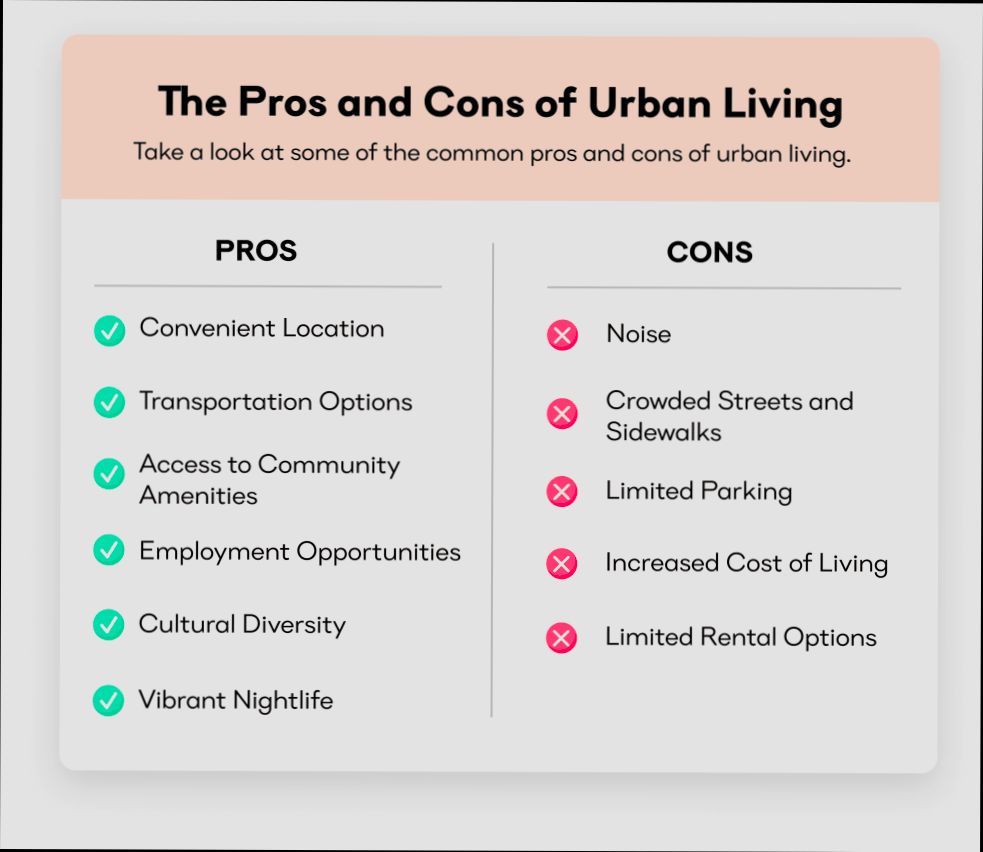
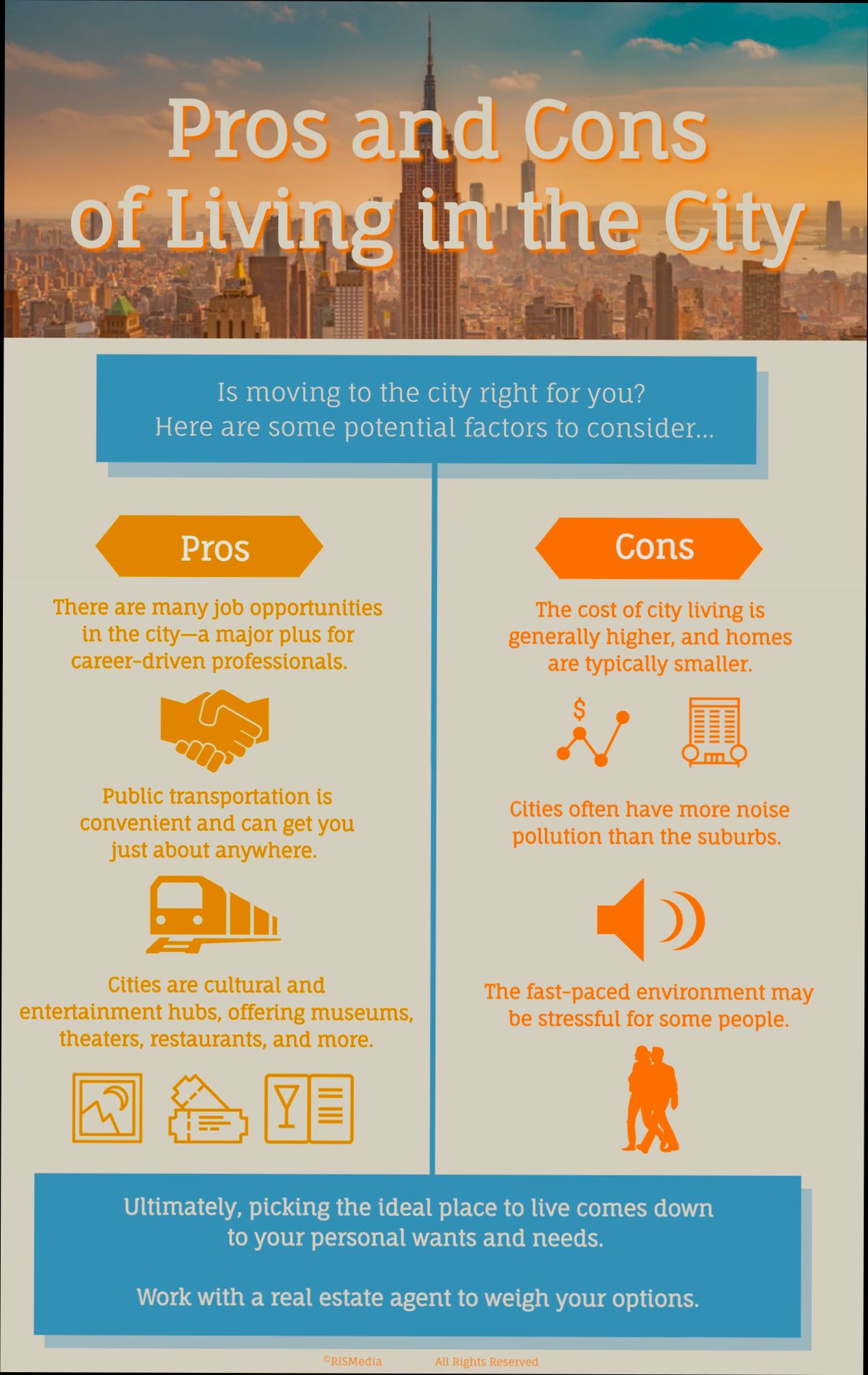
Pros and Cons of Living in Milan are definitely worth considering if you’re thinking about making the move to Italy’s fashion capital. On one hand, the city boasts a vibrant lifestyle that seamlessly blends history with modern innovation. Think about sipping an espresso at a café in the iconic Galleria Vittorio Emanuele II or grabbing a quick bite of risotto alla Milanese before taking in the stunning beauty of the Duomo. Plus, the public transport system is pretty efficient, making your morning commute a walk in the park. Milan also offers incredible job opportunities, especially in fields like fashion, design, and finance—just last year, it had one of the lowest unemployment rates in Italy at around 6%, which is impressive by Italian standards.
On the flip side, those enviable perks come with their own set of challenges. The cost of living can be sky-high, especially when it comes to renting an apartment in the bustling city center. You’re looking at an average of around €1,300 per month for a one-bedroom, which can put a strain on your budget. And let’s not sugarcoat it: Milanese winters can be chilly and gray, which isn’t exactly everyone’s cup of tea. Traffic can also be a nightmare, with locals often dealing with hours stuck in congested roads or crowded metro trains. So, while Milan dazzles with its cultural offerings and job prospects, it’s not all rainbows and sunshine.
Cost of Living Analysis in Milan
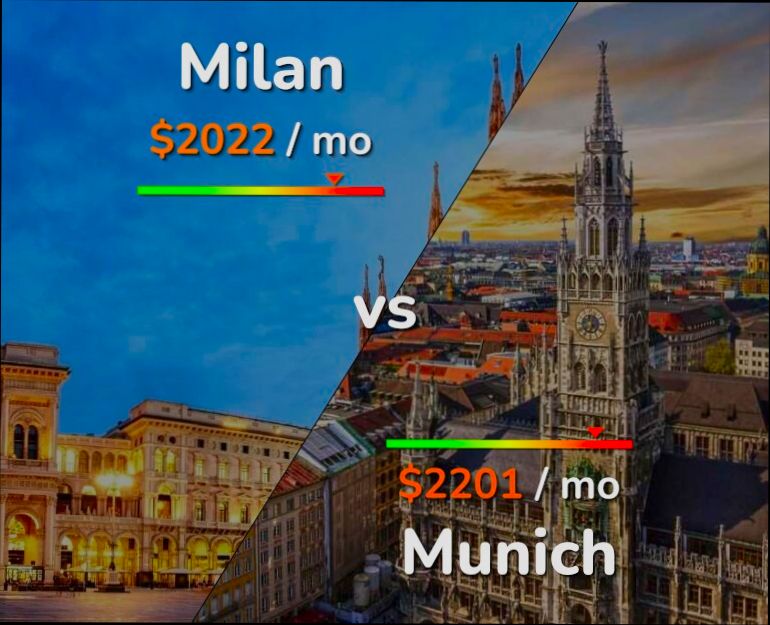
Living in Milan can be an exciting experience, but understanding the cost of living is crucial for making informed decisions. In this section, we’ll dissect the various expenses you might incur while living in this vibrant Italian city.
Housing Costs
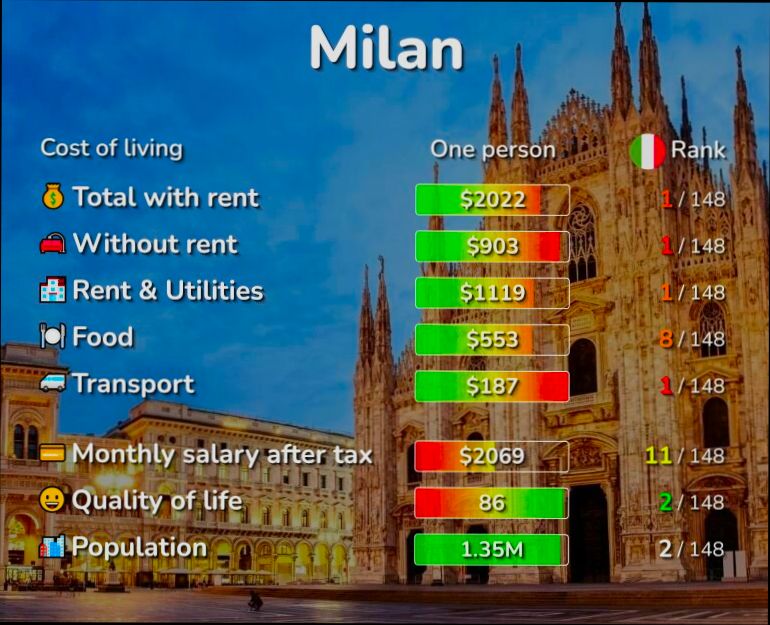
Housing constitutes a significant portion of your monthly expenses. As of recent data, the average rent for a one-bedroom apartment in the city center is around €1,250. However, if you opt for neighborhoods outside the central area, you might find rents dropping by approximately 30% or more.
Utility Expenses
Utilities can add another layer to your monthly budget. On average, you can expect to pay around €150-€200 monthly for basic services like electricity, heating, water, and garbage collection. Internet costs hover around €30-€40 per month.
Groceries and Dining Out
Grocery prices can vary widely, but here are some average costs:
- Milk (1 liter): €1.20
- Bread (500g): €1.50
- Eggs (12): €3.00
- Chicken breast (1kg): €8.00
Dining out can be a unique experience in Milan, with an average meal at a mid-range restaurant costing about €20 per person. If you decide to explore fast food options, a meal at a popular chain typically costs around €8-€10.
| Expense Category | Average Monthly Cost (EUR) |
|---|---|
| Rent (1-bedroom) | 1,250 |
| Utilities | 150-200 |
| Internet | 30-40 |
| Groceries (Average) | 250-350 |
| Dining Out (per meal) | 20 |
Transportation Costs
Getting around Milan is quite affordable if you use public transport. A monthly public transport pass costs about €39, which gives you unlimited access to buses, trams, and metro services. If you prefer biking, consider that bike-sharing services start at around €3 per hour.
Real-World Examples
I spoke with Emily, a recent expatriate in Milan, who shared that her total monthly cost for living, including rent, utilities, groceries, and transportation, came to about €1,800. Meanwhile, her friend Marco, who lives in a more suburban area, managed to keep his expenses around €1,400, showing that location significantly affects overall living costs.
Practical Implications
When moving to Milan, it’s essential to budget effectively. Consider these tips:
- Explore off-peak housing options to save on rent.
- Embrace public transportation to minimize travel costs.
- Try shopping at local markets to reduce grocery bills.
Actionable Advice
Keep in mind that quality and location will greatly influence your expenses. If you’re flexible on where you live, you could find considerable savings. Always research the current rental market before committing, and don’t hesitate to negotiate prices where possible.
Cultural Vibrancy and Lifestyle Benefits
Living in Milan offers an exhilarating blend of culture and lifestyle that few cities can match. With its rich history, contemporary art scene, and vibrant social life, Milan stands out as a cultural hub. Let’s dive into some compelling aspects of what makes Milan culturally vibrant and how it benefits your lifestyle.
Artistic Opportunities Abound
Milan is a city steeped in art, evident in its world-renowned museums and galleries. Here are some highlights:
- Museums: Milan boasts over 100 museums, including the famous Pinacoteca di Brera and the Leonardo da Vinci Museum of Science and Technology.
- Art Fairs: The city hosts events like MiArt, attracting more than 60,000 visitors annually passionate about modern and contemporary art.
Culinary Scene
You’ll find that Milan’s culinary landscape is both traditional and modern.
- Diversity: Milan has over 3,000 restaurants offering cuisine from around the world, from classic Italian to fusion dishes.
- Food Festivals: Annual festivals, such as the Milano Food & Wine Festival, celebrate local and international gastronomy, drawing considerable crowds and creating community.
Fashion Capital
Milan is regarded as one of the global fashion capitals, which influences lifestyle in significant ways.
- Fashion Weeks: Milan Fashion Week generates more than €200 million in revenue, showcasing cutting-edge design and craft.
- Shopping Districts: The city features iconic shopping streets like Via Montenapoleone, hosting luxury brands that cater to fashion enthusiasts.
Cultural Events and Community Engagement
Community involvement and cultural events flourish in Milan, enhancing overall quality of life.
- Theater and Music: The La Scala opera house, which seats over 2,000, offers a mix of opera, ballet, and concerts, drawing both locals and tourists.
- Street Festivals: Neighborhoods frequently organize street festivals, fostering community engagement. For instance, the “Festival della Musica” features performances from local artists and invites participation from the community.
| Cultural Feature | Importance to Lifestyle | Average Attendance/Participation |
|---|---|---|
| Art Exhibitions | Provides access to contemporary art | 10,000+ visitors per exhibition |
| Food Festivals | Showcases local cuisine and builds community | 5,000 participants per event |
| Fashion Week | Attracts creative professionals and fashion lovers | 60,000+ visitors |
| Theater Performances | Enriches local culture and community | 2,000 seats fully booked |
Real-World Examples
One resident, Alice, shared her experience attending “MuseoCity,” an annual event where museums across Milan open their doors for free, engaging the community and promoting appreciation for art and culture. Another example is the Nuovo Cinema Palazzo, a local independent cinema offering a unique movie experience while hosting discussions and events to connect the audience with filmmakers and artists.
Practical Implications for You
- Engage with local cultural events to enhance your social network and stay informed about Milan’s artistic scene.
- Take advantage of the city’s culinary offerings by exploring new restaurants and participating in food festivals, which can deepen your appreciation for Italian cuisine.
- Consider contributing to local events or joining community art programs to foster connections with fellow art enthusiasts and creatives.
Specific Facts or Actionable Advice
- Dive into the rich history of Milan by visiting museums on “first Sunday of the month” when many offer free admission.
- Explore Milan’s lesser-known art venues to discover emerging artists and unique installations—this will enrich your cultural experience.
- Join local clubs or groups focused on fashion and art to expand your network and gain insider knowledge on upcoming events and exhibitions.
Public Transportation Efficiency and Challenges
Milan’s public transportation system is a crucial factor for residents, connecting various neighborhoods and minimizing reliance on personal vehicles. Let’s delve into the efficiency of this system and the challenges many face daily, providing insights that could help you navigate urban life in Milan.
Efficiency of Milan’s Public Transport
Public transport in Milan is quite effective, composed of:
- Metro System: The metro has 4 main lines servicing over 1 million passengers daily. It’s particularly praised for its punctuality, with 90% of trains running on schedule.
- Tram Network: Milan has one of Europe’s most extensive tram networks, with approximately 18 lines covering 300 km.
- Buses: Over 80 bus lines complement the metro and tram services, increasing accessibility throughout the city.
Challenges Faced by Riders
Despite these strengths, several challenges persist:
1. Overcrowding: During rush hours, especially between 7 AM to 9 AM and 5 PM to 7 PM, many lines experience significant overcrowding, making commutes uncomfortable. Estimates suggest that over 60% of riders encounter standing room only during peak times.
2. Aging Infrastructure: Many metro lines and tram systems are older, leading to maintenance issues. For instance, delays caused by equipment failures increased by 20% last year.
3. Service Gaps: Certain areas, particularly outskirts, lack sufficient service frequency. For example, residents in the suburbs may wait over 30 minutes for a bus outside of peak hours, which can hinder mobility and access to city amenities.
Comparative Overview of Milan’s Transport Modes
| Transport Mode | Daily Passengers | Average Punctuality | Coverage Area |
|---|---|---|---|
| Metro | 1 million | 90% | 80 km |
| Tram | 500,000 | 85% | 300 km |
| Bus | 800,000 | 80% | Entire city |
Real-World Examples
A local campaign, “#MilanInQueue,” illustrated the frustrations of riders waiting long periods during peak hours. Many took to social media to report 45-minute waits for buses in certain areas, leading to discussions about improvements in services.
Moreover, in late 2022, a city-wide app was launched to provide real-time updates on transport schedules and crowd levels, which has begun mitigating some issues but still relies on user participation and feedback to enhance its accuracy.
Practical Implications for Residents
If you’re considering public transport as your primary mode of travel, keep these in mind:
- Peak Travel Timings: Try to plan your commuting hours outside the rush times to avoid crowds.
- Mobile Apps: Make use of the local transport apps for real-time updates, which can help you choose your route based on current conditions.
- Sabrina Card: Investing in a monthly transport pass can save you money if you frequently use public transport, providing unlimited access across metro, trams, and buses.
Specific Facts to Consider
- Milan’s public transport operates from approximately 6 AM to midnight, with night services available on weekends.
- Always check for service announcements, particularly during maintenance periods; closures on specific metro lines can occur on weekends.
Job Market Opportunities in Milan
Milan, a thriving hub for business and innovation, presents a diverse array of job market opportunities that cater to various industries. The city’s strategic location in the heart of Europe makes it a magnet for talent and investment, creating a dynamic environment for professionals in multiple sectors.
Growing Employment Sectors
Over the past few years, certain sectors in Milan have emerged as flourishing areas for employment:
- Fashion and Design: Known as the fashion capital of the world, the industry employs approximately 50,000 people directly, with many more in related fields.
- Technology and Startups: Milan sees a robust increase in tech startups, with a remarkable 10% annual growth rate, bolstered by initiatives like the Milan Startup Ecosystem.
- Finance: Home to the Italian stock exchange, Milan is a crucial financial center in Europe, attracting finance professionals from around the world.
Talent Demand and Opportunities
As businesses expand, there is a noticeable demand for skilled labor:
- Skills Gap: Companies report a 30% shortage in high-skilled professionals, particularly in IT and engineering roles.
- International Talent: Over 20% of the workforce consists of expats, making it a culturally diverse environment that welcomes foreign expertise.
Job Market Statistics
Milan’s competitive job market offers numerous statistics highlighting the health of employment opportunities:
| Sector | Job Openings (2023) | Average Salary (€) | Growth Rate (%) |
|---|---|---|---|
| Fashion & Design | 12,000 | 35,000 | 5 |
| Technology | 18,000 | 40,000 | 10 |
| Finance | 15,000 | 45,000 | 7 |
| Tourism & Hospitality | 20,000 | 25,000 | 4 |
Real-World Case Studies
Several companies are significantly contributing to job creation in Milan:
- Luxottica: As a leading eyewear company, Luxottica has expanded its operations, adding over 1,500 jobs in the last year alone, focusing on innovation and sustainability.
- Snam: This energy firm is investing heavily in green technologies, creating a new division and approximately 700 jobs, targeting environmentally conscious professionals.
Practical Insights for Job Seekers
If you’re considering job opportunities in Milan, here are some actionable tips:
- Network: Engage with local business events and trade fairs to connect with industry leaders and expand your contacts.
- Enhance Your Skills: Take advantage of online courses and workshops offered through local universities and training institutes to bridge any skills gaps.
- Tailor Your CV: Highlight your multicultural background and language skills, as these are prized in Milan’s diverse job market.
Specific Facts for Job Aspirants
- The employment rate in Milan has reached around 70%, indicating a healthy economic climate.
- Many Milanese companies actively seek bilingual candidates, particularly in sectors like tourism and finance.
- Online job platforms list approximately 30,000 job openings at any given time, covering a wide range of industries.
Exploring opportunities in Milan’s vibrant job market can lead to fulfilling career paths and professional growth.
Housing Affordability and Availability Issues
Navigating the housing market in Milan can often feel overwhelming, especially when considering both affordability and availability. In a city famous for its allure and rapid development, understanding these issues is crucial for potential residents.
One key aspect to consider is the disparity between average incomes and housing prices. In many neighborhoods, whether central or peripheral, housing costs often exceed what a typical family can afford without significant financial strain. Here are some critical points to ponder:
Key Statistics
- Monthly Rent: The average rent for a one-bedroom apartment in central Milan can reach up to €1,500, while those in more suburban areas can still start around €900.
- Purchase Prices: The average price per square meter for purchasing an apartment in Milan remains near €3,200, making it one of the most expensive cities in Italy for real estate.
- Rental Demand: There’s an ongoing demand for rental properties, evidenced by a nearly 25% increase in rental inquiries over the last two years, putting additional upward pressure on prices.
Comparative Table: Housing Costs in Milan vs. Other Italian Cities
| City | Average Rent (1-Bedroom) | Average Purchase Price (per sq.m) |
|---|---|---|
| Milan | €1,500 | €3,200 |
| Rome | €1,200 | €3,000 |
| Florence | €1,000 | €2,800 |
| Turin | €800 | €1,500 |
The statistics illustrate that Milan’s housing market remains elevated compared to other major Italian cities, often coming with a hefty price tag. This can make it challenging to find housing that fits both your budget and location preferences.
Real-world Examples
Many newcomers to Milan have reported frustrations with the fast-paced rental market. For instance, a family moving from abroad expressed difficulty securing a suitable apartment within their desired timeframe, often losing potential options due to competitive bids and high demand.
Moreover, urban developers have focused primarily on high-end developments which, while glamorous, do not cater to families or individuals looking for affordable housing options. As a result, there is a growing conversation around the need for more affordable housing solutions and policies that cater to a wider income demographic.
Practical Implications
When considering a move to Milan, here are some actionable insights to keep in mind:
- Start Your Search Early: If you’re looking for a rental, begin your search well in advance. Given the competitive market, early attention can help you secure a home before options dwindle.
- Consider Alternative Neighborhoods: While prime locations may be appealing, exploring areas just outside the city center can yield more affordable options with good public transport links.
- Budget Adjustment: Prepare to adjust your housing budget. Given the current market trends, you might need to allocate a higher percentage of your income towards housing, ideally no more than 30% to maintain financial stability.
Understanding these housing affordability and availability issues can empower you as you navigate living in Milan. Consider these factors seriously to ensure your transition to this vibrant city is a smooth one.
Healthcare Quality and Accessibility in Milan
When considering a move to Milan, the quality and accessibility of healthcare can be pivotal in your decision-making process. Milan’s healthcare system is recognized for its high standards, though accessibility can vary depending on factors such as location and the type of care you seek. Let’s dive into what you can expect from healthcare in this vibrant city.
Quality of Healthcare Services
Milan boasts an impressive array of healthcare facilities. The city is home to several world-class hospitals and clinics, including:
- Ospedale Niguarda Ca’ Granda: Renowned for its emergency care and specialized medical services.
- San Raffaele Hospital: Esteemed for its research and treatment in various complex medical conditions.
Milan’s healthcare professionals are highly trained, with many practitioners receiving education and training in respected institutions. According to recent evaluations, approximately 92% of residents report satisfaction with the quality of healthcare services they receive.
Accessibility and Availability
While the quality is commendable, accessibility can pose a challenge. Wait times and appointment availability can vary significantly:
- Emergency Care: Emergency services are generally responsive in urban areas, but response times may lag in suburban settings.
- General Practitioners (GPs): You might find it takes longer to secure appointments with GPs, often requiring scheduling weeks in advance.
A survey indicated that over 40% of residents experience delays in getting specialist appointments, emphasizing the importance of planning ahead for non-urgent healthcare needs.
Healthcare Facilities Overview
Here’s a snapshot of various types of healthcare facilities available in Milan:
| Facility Type | Number of Facilities | Average Patient Rating |
|---|---|---|
| Public Hospitals | 25 | 4.3/5 |
| Private Clinics | 200 | 4.5/5 |
| Specialized Medical Centers | 30 | 4.6/5 |
Real-World Examples
Consider the case of Maria, a resident who needed treatment for a non-urgent condition. She faced a waiting period of nearly three weeks to see a specialist in the public healthcare sector. Conversely, she opted for a private clinic where she was seen within 48 hours, illustrating the differences in accessibility.
Another example is that of Marco, who required emergency care after an accident. He noted that the responsiveness of public emergency services was commendable, with paramedics arriving within 10 minutes in the city center.
Practical Implications
For those living or planning to move to Milan, it’s wise to familiarize yourself with your healthcare options. Here are some actionable insights:
- Insurance Matters: Ensure you have comprehensive health insurance that covers both public and private healthcare services to avoid long waiting periods.
- Choosing Providers: If quick access to healthcare is a priority, consider enrolling with private healthcare providers. This is particularly important for specialist consultations.
- Regular Check-ups: Schedule regular health check-ups with a GP to maintain a proactive approach towards your health and navigate the system more effectively.
- Language Support: If you don’t speak Italian, it’s beneficial to look for facilities that offer services in English or other languages.
Milan’s healthcare environment can offer exceptional quality, but understanding the nuances of accessibility is crucial for effectively navigating your health needs in the city.
Real-World Examples of Expat Experiences
Understanding the real-world experiences of expats in Milan can illuminate both the highs and lows of making this Italian city home. Through personal stories and shared insights, we can see how others navigate daily life, cultural integration, and the job market.
Key Insights from Expats
- Language Barriers: Many expats express that while Italian is the official language, a significant number of locals, particularly in business areas, communicate in English. However, not knowing Italian can sometimes complicate everyday interactions.
- Social Integration: A crucial aspect for expats is forming relationships. Many have found success through international clubs or local meetups, reporting that joining community events has led to lasting friendships. Approximately 72% of expats highlight community support as a key element to feeling settled.
- Work-Life Balance: Expats working in Milan often praise the city’s vibrant lifestyle that promotes a balanced approach. Several report that unlike many cities, Milan encourages social engagements after work, contributing to a richer quality of life.
| Expat Experience Aspect | Statistics | Comments |
|---|---|---|
| Language Difficulty | 30% of expats | Find it challenging without knowing Italian. |
| Community Events Participation | 72% of expats | Participate in local activities for integration. |
| Work-Life Balance Satisfaction | 65% satisfaction | Appreciate after-work social life. |
Real-World Examples from Expats
- Maria, an expat from Spain, shared that while she initially struggled with the language, joining a local book club helped her improve her Italian and meet new friends. She now feels more integrated into Milanese life and enjoys attending cultural events regularly.
- John, a marketing professional from the US, found that Milan’s work culture embraces both professional ambition and personal life. He appreciates that colleagues often invite him for aperitivo after hours, which enhances networking opportunities and boosts morale.
- Fatima, originally from the UK, emphasized that volunteering for local charities not only improved her Italian language skills but also provided a profound sense of fulfillment. She reported meeting numerous locals through this experience, enriching her social network.
Practical Implications for Readers
When considering an expatriate life in Milan, immerse yourself in local culture to ease any transition challenges. Engaging in volunteer work, joining clubs, or taking part in community events can greatly enhance your experience.
- Tip: Research and join language and cultural exchange groups; they can significantly improve your understanding and appreciation of Milanese life.
- Actionable Insight: Be proactive in networking, as personal connections often lead to job opportunities or friendships that make a big city feel smaller.
In Milan, the expat community is a vibrant tapestry woven by shared experiences, from embracing language barriers to enjoying the rich cultural scene. Take these insights from fellow expats into account to make your journey smoother and more enjoyable.