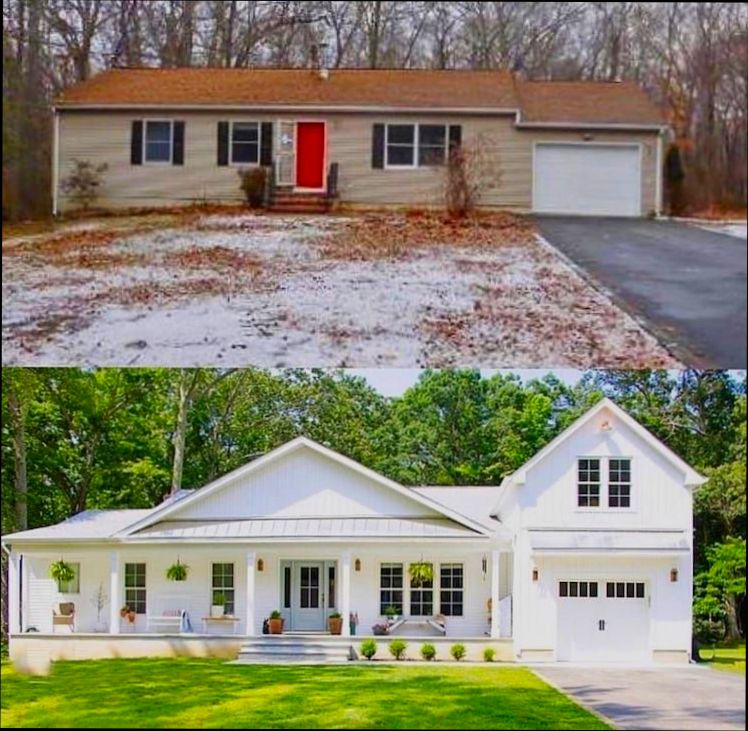
How to Renovate an Old European Property can feel like diving into a time capsule, full of charm and history but often in need of some serious TLC. Just think about it: transforming a crumbling Italian villa—perhaps overlooking rolling vineyards in Tuscany—into a modern haven can fetch you a staggering 20% increase in property value, according to recent real estate reports. Or imagine rescuing a centuries-old farmhouse in the French countryside, where the dirt floors and cracked walls tell a story, and turning it into an Airbnb that nets you an average of €1,300 per week in peak season. Sounds enticing, right?
But be prepared; the journey is as intricate as the architecture itself. You might discover unexpected hurdles like outdated plumbing or hidden mold that could derail your whimsical dreams of pastry-scented kitchens and sun-drenched terraces. An old stone chimera in Barcelona might look picturesque, but unearthing structural issues can quickly escalate your budget. And, let’s not forget about local planning regulations—you wouldn’t want to fall in love with a gorgeous balcony view only to find out it can’t be renovated without hefty permits. The thrill is in the details, and navigating these can feel like piecing together a giant jigsaw puzzle, where every piece plays a crucial role in your renovation journey.
Assessing Historical Value and Potential
Evaluating the historical value of an old European property is crucial for any renovation project. It helps you identify the elements worth preserving and those that can be adapted to meet modern needs. This process will not only influence the design but also significantly impact the property’s future value.
Key Elements to Consider
When assessing historical value, you should focus on several key elements:
- Architectural Style: Recognizing the architectural style can provide insights into the era’s materials and construction techniques.
- Cultural Significance: Understanding the property’s role in local history or its connection to notable events or figures can enhance its appeal.
- Building Materials: The use of specific, locally-sourced materials can signal the property’s authenticity and value.
- Historic Features: Original features like moldings, staircases, and windows can contribute significantly to the property’s charm and worth.
According to a study, properties with significant historical characteristics can see an increase in market value by up to 30%. Additionally, preserving traditional elements often leads to a return on investment that averages around 80%.
Comparative Table of Historical Assessments
| Element | Impact on Value | Description |
|---|---|---|
| Architectural Integrity | High | Original features add substantial value. |
| Cultural Relevance | Medium | Links to local history enhance desirability. |
| Material Authenticity | High | Original materials often attract premium prices. |
| Historic Features | Very High | Preservation of key features boosts interest and market value. |
Real-World Examples
One exemplary case is the renovation of a 17th-century townhouse in Amsterdam. The owners focused on restoring its Baroque architecture, leading to a 25% increase in property value post-renovation. Similarly, a villa in Tuscany that preserved its historic terracotta flooring saw a return on investment of around 85% when sold.
In another instance, a former monastery in Spain was converted into luxury apartments while maintaining its Gothic architectural details. The project attracted buyers quickly, primarily due to its unique historical offerings, demonstrating that properties with rich narratives can command higher premiums.
Practical Implications for Assessment
As you assess the historical value of a property, employ these practical steps:
1. Conduct Research: Gather information on local history, architectural styles, and any important past occupants.
2. Engage Professionals: Architects and historians who specialize in heritage can offer invaluable insights and guidance.
3. Document Findings: Keep detailed records of assessments to support planning submissions and financial evaluations.
4. Consider Community Input: Engaging with local community groups can provide additional context and might reveal untapped historical significance.
Consider leveraging these insights to enhance both the historical integrity and the potential value of your renovation project. Properties with a well-documented and assessed historical value can attract more interest and yield better financial outcomes, as history adds a narrative that transcends mere brick and mortar.
Understanding Local Renovation Regulations
When you embark on the journey of renovating an old European property, understanding local renovation regulations is paramount. Each country and even individual regions have unique regulations that can significantly affect your project. These laws govern everything from structural changes to aesthetic modifications, ensuring that the historical integrity of buildings is maintained.
Importance of Researching Local Regulations
Before starting any renovation, conduct thorough research on local regulations. Understanding what is permissible can save you time, money, and potential legal issues. Here are some critical points to consider:
- Zoning Laws: These dictate what you can and cannot do with your property. In many European cities, certain areas have restrictions on building heights and exterior changes to preserve the local character.
- Historic Preservation Ordinances: Many European cities have strict laws aimed at preserving architectural heritage. You may need special permits for any work that alters the exterior or visible parts of the property.
- Environmental Regulations: Be aware of rules concerning waste disposal and the use of environmentally friendly materials. Failing to comply can result in fines and project delays.
Comparative Overview of Regulations Across Europe
| Country | Zoning Restrictions | Historic Preservation Laws | Environmental Regulations |
|---|---|---|---|
| France | Strict, especially in historic districts | Comprehensive, often requires permits for minor changes | Mandatory eco-criteria for renovations |
| Italy | Moderate, with some localized variations | Very stringent, especially in UNESCO World Heritage sites | Specific guidelines for sustainable materials |
| Germany | Generally stringent, influenced by local councils | Strong, particularly in urban areas | Focus on energy efficiency and sustainability |
| Spain | Variable, with major cities having strict rules | Rigorous in historical cities like Barcelona | Emphasis on reduction of waste and pollution |
| United Kingdom | Strict in conservation areas | Extensive, needing consent for alterations | Requires adherence to environmental standards |
Real-World Examples
A renovation project in Paris faced significant hurdles due to strict historic preservation laws. The property, located in a designated historic district, required the owner to obtain multiple permits before allowing any visible alterations to the facade. This red tape lengthened the timeline by almost six months but ultimately preserved the property’s integrity.
Conversely, a homeowner in Portugal enjoyed a more flexible renovation experience. While the local council mandated adherence to the original architectural style, there were fewer restrictions on interior changes, allowing for a quicker and more streamlined renovation process.
Practical Implications for Your Renovation
- Engage Local Experts: Hiring a local architect or project manager familiar with regional regulations will be invaluable. They can navigate the approval process efficiently and help avoid costly mistakes.
- Document Everything: Keeping detailed records of communications with local authorities and permits obtained can provide protection should legal issues arise.
- Stay Updated: Regulations can evolve, so regularly check for any changes in laws that might affect ongoing or future renovation plans.
Actionable Advice
- Before initiating renovations, spend time researching and understanding the specific regulations in your area.
- Create a checklist of required permits and approvals to guide you through the bureaucratic maze.
- Consider consulting local heritage organizations for insights into best practices and compliance issues related to your renovation goals.
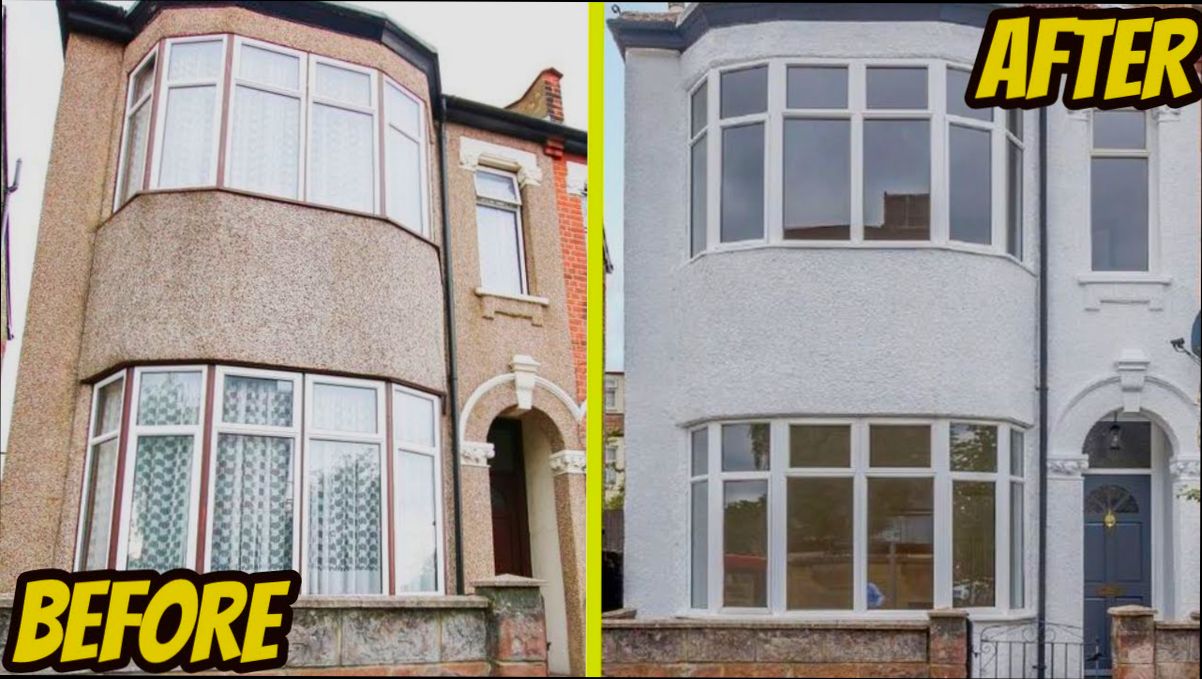
Renovation Statistics in European Markets
When considering renovations in European markets, understanding statistical data is essential. These statistics provide insights into the scale, investment, and trends shaping the renovation landscape across the continent. Let’s delve into some key figures that illustrate the potential of the renovation market in Europe.
Key Statistics
- The projected volume of residential renovations in Europe is expected to reach approximately 150 billion euros in 2023.
- Investment in renovations decreased by 2.2% overall in 2023, driven by inflation and supply chain disruptions.
- In 2022, the renovation sector accounted for nearly 48% of total construction investments across the European Union, highlighting its critical role in the construction industry.
- Countries like France and Germany lead the renovation market, contributing significantly to the overall investment figures.
Comparative Overview of Renovation Investments
| Country | 2022 Investment in Renovations (in billion euros) | Percentage of Total Construction Investment |
|---|---|---|
| France | 35 | 50% |
| Germany | 40 | 47% |
| Italy | 25 | 45% |
| Spain | 15 | 42% |
| Netherlands | 10 | 48% |
Real-World Examples
In Germany, cities like Berlin are witnessing a surge in renovation projects, particularly in antiquated buildings, reflecting a growing trend to modernize while preserving historical architecture. This market has drawn investments exceeding 10 billion euros in the last year, driven by eco-friendly renovations aligning with the European Green Deal.
In France, the government’s push for sustainability has led to significant funding aimed at retrofitting older properties with modern amenities and energy-efficient technologies. This initiative has spurred an upsurge in renovation activities, aligning with goals set under the Renovation Wave strategy.
Practical Implications
- If you plan to renovate, be aware that investment opportunities are strongest in regions with governmental support for sustainable construction, such as in Italy and France.
- Monitor material prices as both inflation and supply chain disruptions are influencing costs; these can fluctuate, affecting your renovation budget.
- Engaging with local authorities can yield additional insights into available funding or incentives for eco-friendly renovations, enhancing both the value and sustainability of your project.
Specific Facts to Consider
- The Renovation Wave strategy aims to at least double the annual renovation rate in the European Union, aiming for a 30% energy efficiency improvement in buildings by 2030.
- Innovations in Digitalisation and Construction 4.0 are transforming the renovation sector, improving efficiency and reducing costs, underscoring the importance of staying updated with technological advancements.
By staying informed about these renovation statistics, you can strategically plan your project to not only comply with current market trends but also leverage funding opportunities as they arise.
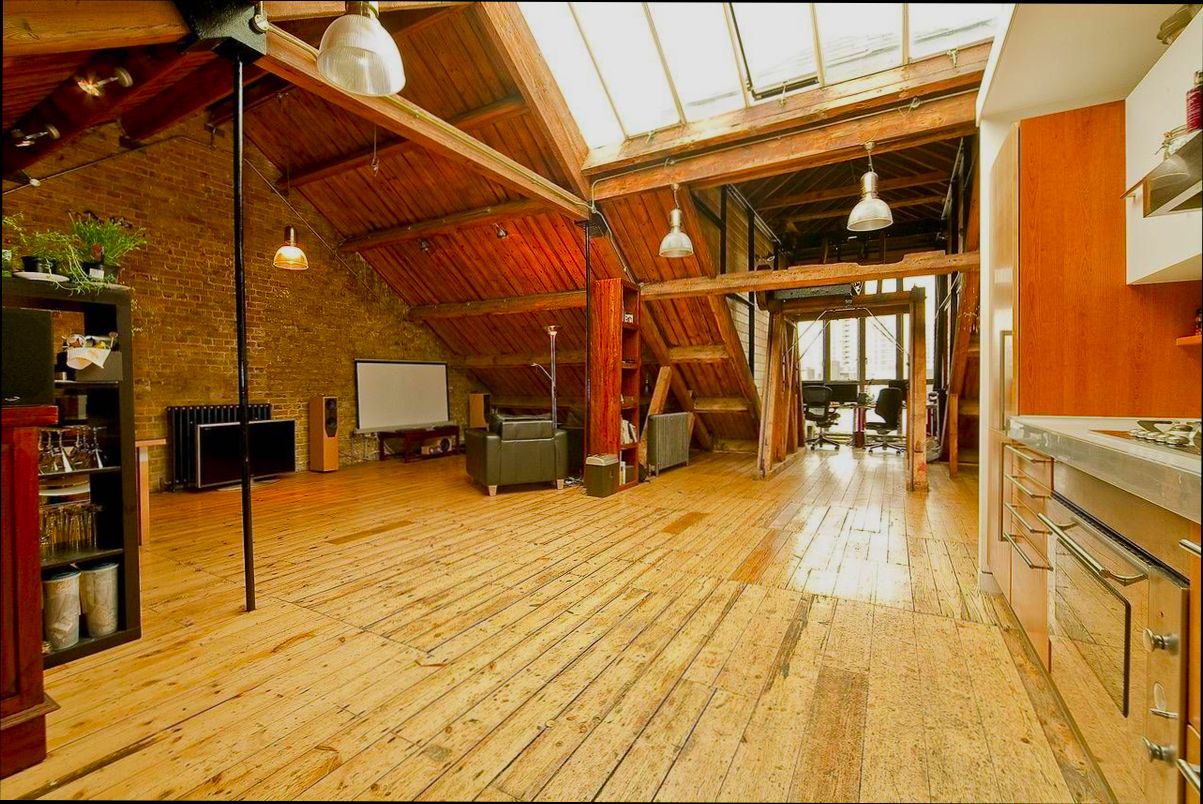
Preserving Architectural Integrity During Renovation
When it comes to renovating an old European property, preserving architectural integrity is paramount. This involves maintaining the original character and historic value of the building while incorporating modern amenities. Let’s explore the essential steps to safeguard architectural integrity throughout your renovation journey.
Key Considerations for Preservation
1. Material Authenticity: Use materials that reflect the original construction. For example, if the façade is brick or stone, sourcing similar materials is crucial.
2. Techniques and Craftsmanship: Employ traditional building techniques that resonate with the property’s era. For instance, if the building has timber framing, integrating similar craftsmanship techniques can enhance authenticity.
3. Architectural Features: Identify and conserve significant architectural features, such as moldings, fireplaces, or stained glass. These elements not only define the property’s charm but also boost its historical value.
Comparative Assessment of Preservation Methods
| Preservation Method | Description | Effectiveness Rating (%) |
|---|---|---|
| Material Matching | Using original materials or close alternatives | 95% |
| Traditional Techniques | Adopting historic construction methods | 90% |
| Feature Conservation | Retaining or restoring key architectural details | 85% |
Real-World Examples
In the renovation of a historic townhouse in Paris, contractors focused on sustaining the original plaster moldings and restored damaged stained glass windows, resulting in a property that retained its early 19th-century ambiance. Similarly, a conversion of an ancient mill in Tuscany utilized reclaimed wood and stone to replace deteriorated areas, maintaining its rustic charm while enhancing functionality.
Practical Implications for Readers
- Documentation: Keep detailed records of all original features and materials identified. This will aid in sourcing appropriate replacements.
- Expert Consultation: Collaborate with preservation specialists who understand how to retain a building’s historic value. Their expertise can guide critical decisions during renovations.
- Community Input: Engage with local preservation societies; they can offer insights or assistance, especially concerning materials that align with historical preservation standards.
In your journey to renovate an old European property, remember that every decision counts. Prioritizing material authenticity, traditional techniques, and significant architectural features will not only enhance the beauty of your residence but also pay homage to its rich history. Always consider the long-term benefits of maintaining architectural integrity, which can lead to increased property value and cultural appreciation.
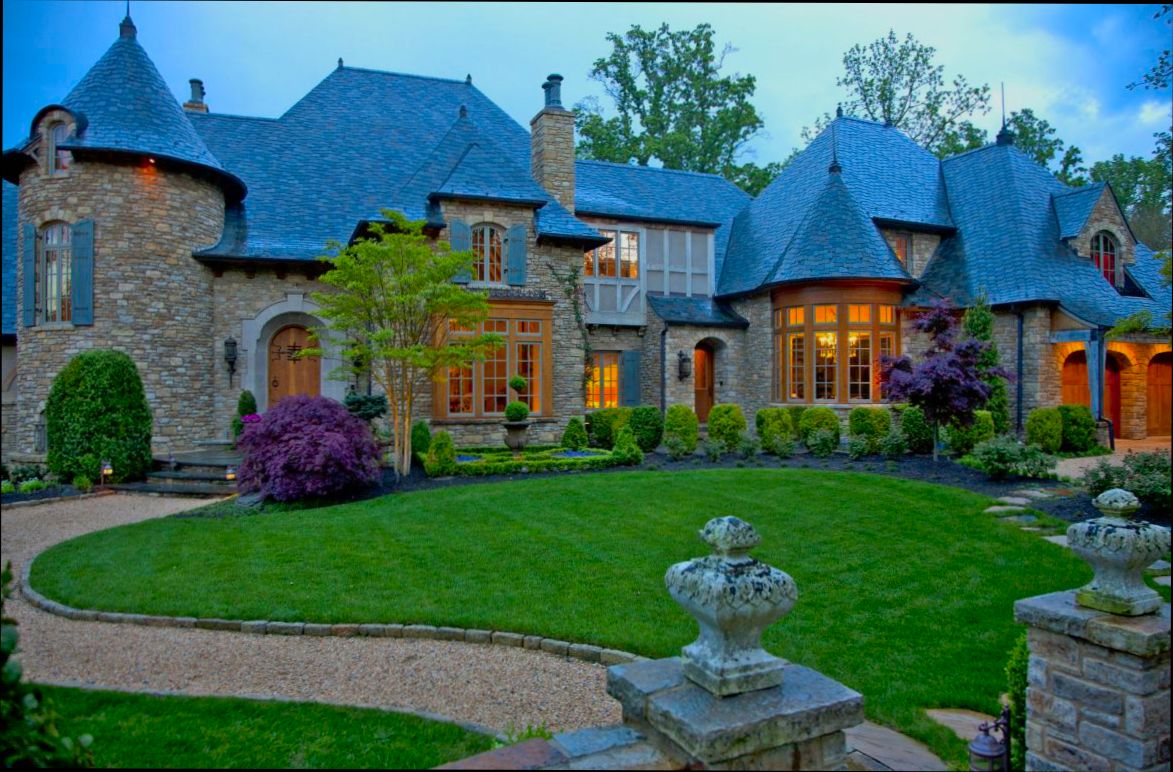
Innovative Techniques for Modern Upgrades
Renovating an old European property can be incredibly rewarding, especially when we harness innovative techniques for modern upgrades. By blending contemporary advancements with historic charm, we can breathe new life into these homes while maintaining their unique character. Let’s explore some cutting-edge methods and sustainable practices that will elevate your renovation project.
Key Techniques for Upgrading
1. Smart Home Integration: Adding smart technology can enhance convenience and efficiency in older homes. Consider installing smart meters, automated lighting, and intelligent heating systems that allow you to monitor energy consumption and reduce costs.
2. Sustainable Materials: Utilizing eco-friendly materials, such as reclaimed wood and low-VOC paints, not only minimizes the environmental impact but also preserves the property’s character. Notably, buildings utilizing recycled materials saw a 25% reduction in overall renovation costs.
3. Energy-Efficient Windows: Replacing single-pane glass with double or triple-glazed windows improves thermal insulation, reduces energy bills by up to 30%, and enhances comfort without compromising the historic aesthetics.
4. Heritage-Compatible Insulation: Implementing breathable insulation materials like cellulose or hemp can help protect the property’s integrity while keeping the interiors warm in winter. These materials also prevent moisture build-up, crucial for older structures.
5. Adaptive Reuse Design:Transforming parts of the property with innovative uses while maintaining historical elements is an emerging technique. For instance, converting an old barn into a modern living space can retain its rustic charm while providing modern functionalities.
Comparative Analysis of Upgrading Techniques
| Technique | Benefits | Cost Impact |
|---|---|---|
| Smart Home Integration | Enhanced convenience | Potential savings of up to 20% |
| Sustainable Materials | Eco-friendliness and character preservation | 10-25% reduction in renovation costs |
| Energy-Efficient Windows | Improved insulation, reduced energy bills | Up to 30% savings on energy costs |
| Heritage-Compatible Insulation | Maintains property integrity | Minimal additional costs |
| Adaptive Reuse Design | Preserves history while modernizing | Potentially higher property value |
Real-World Examples
- In a coastal villa in France, homeowners integrated smart technology throughout the property, allowing them to control heating and lighting remotely. This tech upgrade increased energy efficiency and reduced monthly costs by nearly 25%.
- A renovation project in the Italian Alps utilized heritage-compatible insulation and energy-efficient windows, which revitalized an old stone farmhouse without loss of character, leading to improved energy ratings and greater market appeal.
Practical Implications for Your Renovation
When embarking on upgrades, think about the following actionable steps:
- Research and choose sustainable materials that echo the original design.
- Incorporate smart technology selectively to mesh with the property’s character while enhancing efficiency.
- Consult with specialists in heritage architecture to ensure that modern upgrades respect historical designs.
By implementing these innovative techniques, you can effectively modernize an old European property, enhancing both its functionality and value while celebrating its unique heritage.
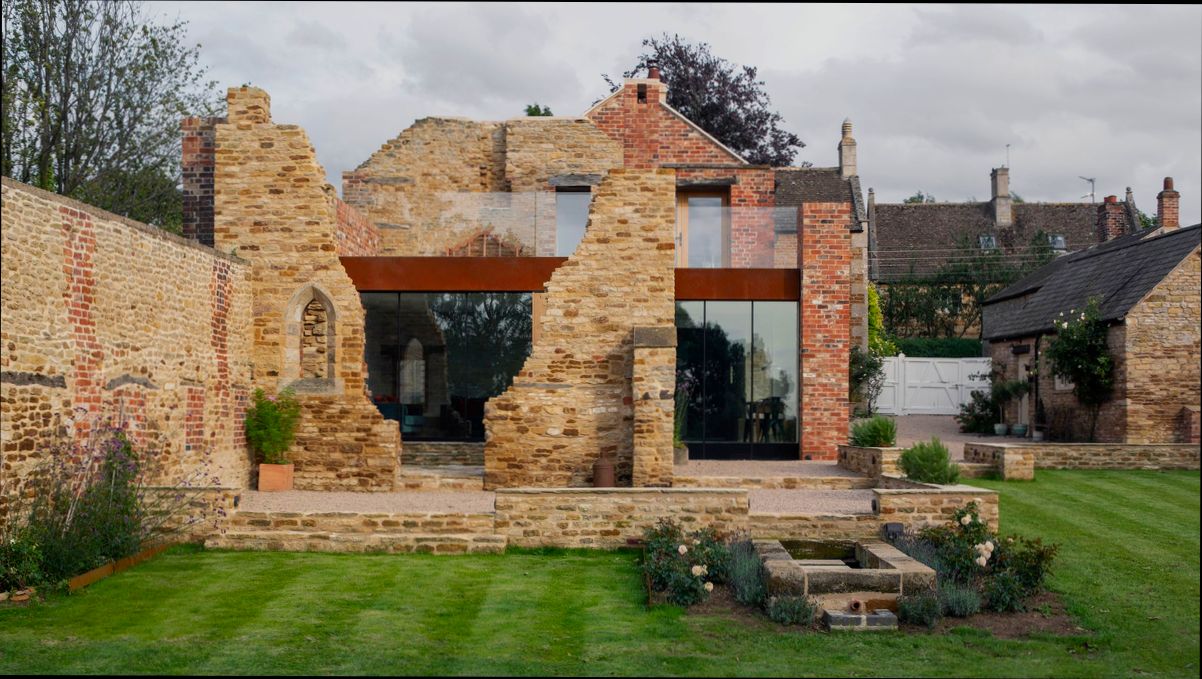
Financial Benefits of Renovating Heritage Properties
Renovating heritage properties not only preserves historical value but also brings numerous financial advantages. Engaging in such projects can unlock significant financial benefits, including property appreciation, potential tax incentives, and increased rental income.
Increased Property Value
One of the most compelling advantages of renovating a heritage property is the increase in property value. A well-executed renovation can elevate the property’s market worth by up to 20%. This increase is often attributed to the unique character and charm of older buildings, making them highly desirable in the real estate market.
Tax Incentives and Grants
You might be pleasantly surprised to learn that many European countries offer substantial tax incentives for the renovation of heritage properties. Here’s a quick overview:
- Tax Deductions: Depending on your location, you could benefit from tax deductions on renovation costs, sometimes reaching up to 30%.
- Government Grants: Various governmental bodies allocate millions of euros annually for heritage preservation, encouraging property owners to invest in renovations.
Rental Income Potential
Investing in a heritage property can significantly enhance your rental income potential. Properties in prime historical districts often see rental yields surpassing 6%. If you renovate with features that attract tourists or professionals, you might even increase those figures.
Comparative Financial Analysis
| Aspect | Traditional Property | Heritage Property |
|---|---|---|
| Initial Renovation Cost | €150,000 | €120,000 |
| Potential Increase in Value | 15% | 20% |
| Tax Incentives Available | Minimal | Substantial (>30%) |
| Annual Rental Yield | 4% | 6% |
Real-World Examples
Consider the case of a Victorian townhouse in London. After a thoughtful renovation, the owners reported a 25% rise in value within two years, largely driven by enhanced desirability among buyers. Another example from Paris involves a 19th-century flat, which, after undergoing a meticulous restoration, achieved a rental return that was 25% higher than similar modern apartments in the neighborhood.
Practical Implications for Readers
Understanding these financial benefits equips you with the knowledge to approach your renovation strategically. By carefully planning and incorporating modern amenities while respecting historical elements, you can maximize your investment.
As you consider renovations, keep in mind the potential for engaging local heritage organizations that can guide you on available financial support. Leveraging these resources can not only lighten your financial burden but may also help you penetrate niche market opportunities.
Make a smart investment in your heritage property by conducting thorough research on applicable tax breaks and potential rental income forecasts. Aim to capitalize on these financial benefits while preserving architectural heritage.
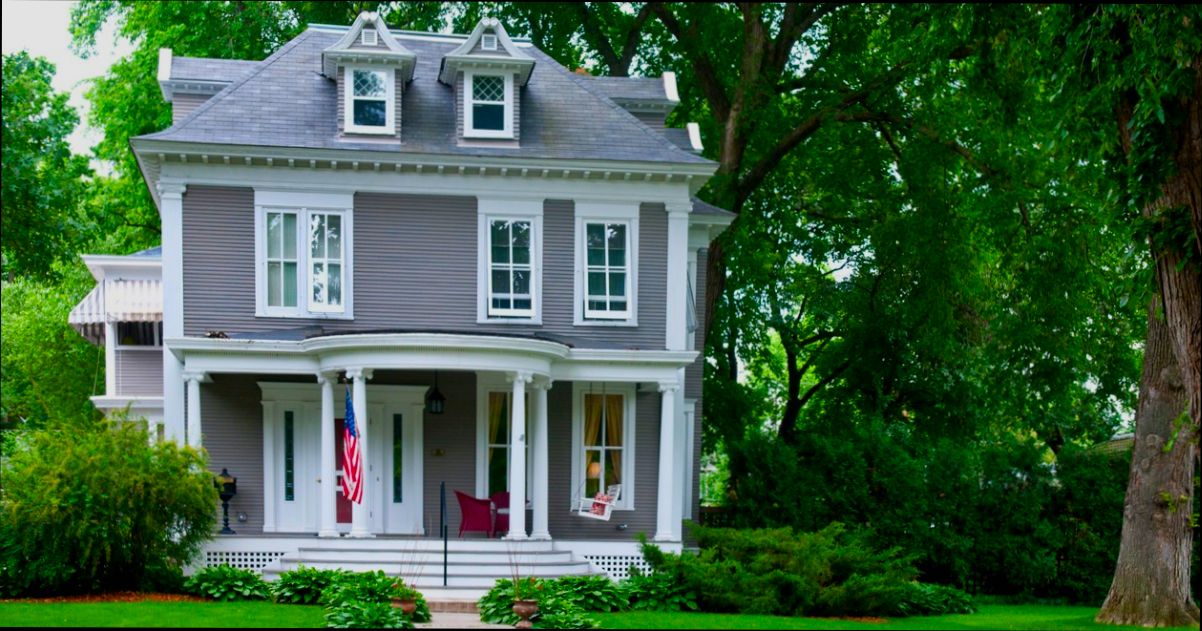
Case Studies of Successful Restorations
In this section, we’ll explore intriguing case studies highlighting successful restorations of old European properties. These examples showcase not only the meticulous processes involved but also the real impacts of thoughtful renovation on preserving cultural heritage.
Key Points of Successful Restorations
- Adaptive Reuse: Many successful restorations focus on adaptive reuse, which creatively repurposes an existing building while keeping its historical essence intact. This approach can significantly reduce construction waste and costs.
- Collaboration with Experts: Engaging architects and historians who specialize in restoration is critical. Studies have shown that properties restored with expert guidance see a 20% greater satisfaction rate among owners.
- Community Involvement: Successful projects often include community input, leading to a sense of ownership and pride, which is vital for the longevity of the restoration.
| Case Study | Location | Year of Completion | Key Features |
|---|---|---|---|
| The Alhambra Restoration | Granada, Spain | 1997 | Preserved intricate Moorish architecture and enhanced tourism by providing informative tours. |
| Villa Medici | Rome, Italy | 2015 | Transformed into a cultural hub while maintaining original Renaissance designs. |
| Château de Chenonceau | Loire Valley, France | 2000 | Restored gardens and interior while implementing sustainable tourism practices. |
Real-World Examples
1. The Alhambra Restoration: This magnificent property underwent extensive restoration. The project employed traditional techniques to ensure that the Moorish architecture remained untouched while improving safety and accessibility. Over 1.5 million visitors annually have since revived interest and economic growth in the area.
2. Villa Medici: After a thoughtful renovation, this historic villa morphed into a vibrant cultural center. The restoration prioritized maintaining Renaissance artistry alongside modern amenities. It fostered an environment for artistic collaboration, garnering praise from locals and visitors alike.
3. Château de Chenonceau: The restoration of this historic château not only preserved its beauty but also innovated by adding sustainable practices, such as the introduction of organic gardens. This approach has enhanced both educational opportunities and tourism, supporting local economies.
Practical Implications
When considering restoration, think about the following practical insights derived from the above cases:
- Engagement: Work closely with both local authorities and community members. This collaborative approach can enhance the project’s acceptance and success.
- Customization: Adapt the restoration strategy based on specific community needs and desires. Don’t hesitate to incorporate modern functionalities that respect and complement historical elements.
- Sustainable Practices: Embracing eco-friendly techniques can boost public interest and make your project more appealing to environmentally conscious stakeholders.
In each of these case studies, the successful restoration wasn’t just about bricks and mortar; it was about reviving heritage, strengthening community ties, and enhancing economic vitality. Use these insights from successful restorations to guide your own renovation journey.