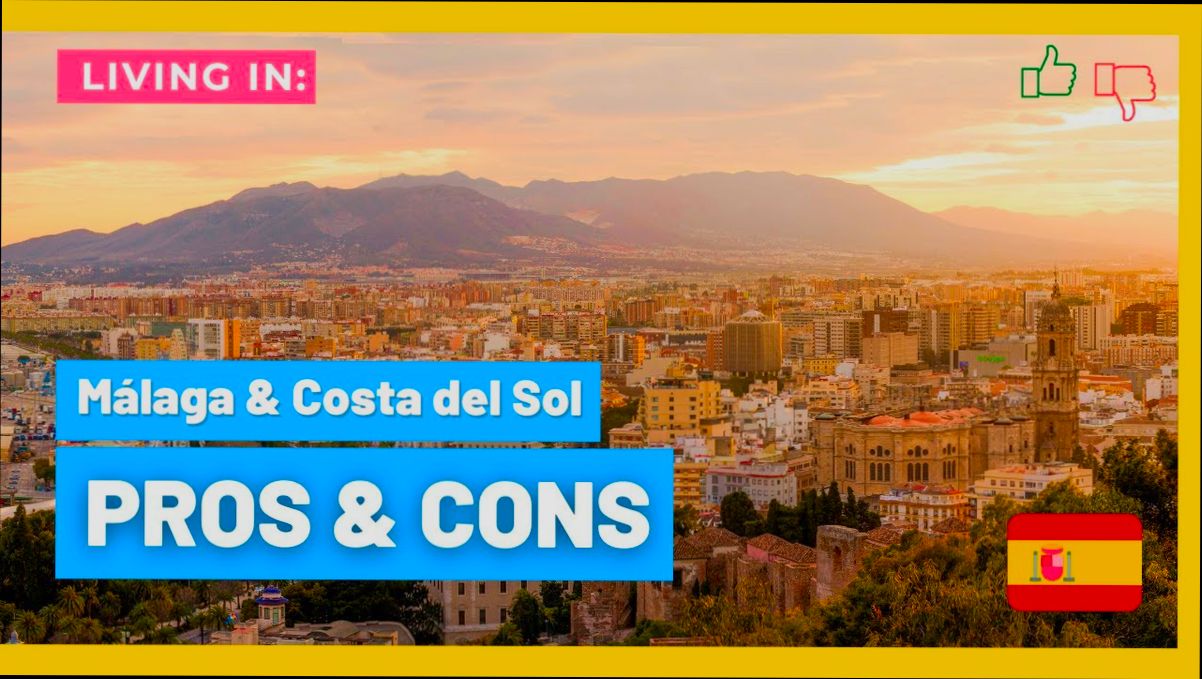
Pros and Cons of Living in Málaga can really shape your experience in this stunning city on Spain’s Costa del Sol. First off, let’s talk about the weather. With over 300 sunny days a year and an average annual temperature of around 18°C (64°F), you’ll rarely have to dig out an umbrella. The Mediterranean vibe is infectious, making it perfect for enjoying beach days or outdoor festivals. But hold on, while the sunny skies are inviting, they also come with a downside: summers can be scorching, with temperatures sometimes hitting the high 30s Celsius (around 100°F), leading many locals to retreat indoors during the hottest hours.
Now, let’s dive into the cost of living. On one hand, you’ve got affordable rent; a one-bedroom apartment in the city center can set you back around €900 per month, significantly cheaper than other Spanish cities like Barcelona or Madrid. Food is another perk, with tapas bars serving delicious bites for just a few euros. But on the flip side, job opportunities can be a bit tricky. Most high-paying jobs are concentrated in tourism or expat services, which might not suit everyone. Plus, if you don’t speak Spanish, navigating the local job market could give you a headache. It’s a mixed bag, for sure!
Cultural Richness and Historical Heritage
Living in Málaga offers you a unique opportunity to immerse yourself in a tapestry of cultural richness and historical heritage. The city is a treasure trove of traditions, art, and flavors that trace back centuries, making it a vibrant place to call home.
Key Aspects of Cultural Heritage
- Diverse Cultural Influence: Málaga’s rich cultural heritage is a blend of Moorish, Roman, and Christian influences. Over 600,000 visitors annually flock to historical sites like the Alcazaba and the Roman Theatre, highlighting the city’s profound historical significance.
- Art and Museums: Did you know that Málaga is the birthplace of Pablo Picasso? With over 40 museums, including the Picasso Museum and the Carmen Thyssen Museum, the city boasts an impressive art scene. Around 1.5 million people visit these museums each year, showcasing the city’s reputation as a cultural hub.
- Festivals and Traditions: Málaga hosts various annual festivals, celebrating everything from Holy Week (Semana Santa) with its stunning processions to the Fair of Málaga, which attracts over 700,000 participants each August. Engaging in these festivities lets you experience the city’s vibrant community spirit.
Comparative Table of Cultural Events and Historical Sites in Málaga
| Event/Site | Description | Annual Visitors | Cultural Significance |
|---|---|---|---|
| Alcazaba | Moorish fortress with stunning views | 300,000 | Represents Málaga’s Islamic architectural heritage |
| Semana Santa | Holy Week celebrations with processions | 1,000,000 | Key religious and cultural event in the region |
| Picasso Museum | Home to many works by Pablo Picasso | 400,000 | Showcases the city’s modern artistic heritage |
| Feria de Málaga | Week-long summer fair with music and dance | 700,000 | Celebrates Andalusian culture and community spirit |
Real-World Examples
One fascinating example is the Festival de Cine Español, held annually, which celebrates Spanish cinema. It draws visitors from all over Spain, enhancing Málaga’s status as a cultural capital. On the culinary front, you can explore local flavors at the Mercado Central de Atarazanas, an iconic market where the blend of historical architecture and vibrant food culture captures the essence of Málaga’s heritage.
Practical Implications
Integrating yourself into Málaga’s rich cultural landscape can enhance your living experience. Here are some actionable insights:
- Visit Historical Sites: Make a habit of exploring the city’s historical sites. Each visit deepens your understanding of the local culture and history.
- Participate in Festivals: Join in local festivals. It’s a fantastic way to meet new people while celebrating Málaga’s rich heritage.
- Engage with Local Art: Attend opening nights or exhibitions at local museums. Supporting local artists helps preserve and promote Málaga’s cultural vitality.
Did you know that about 83% of residents believe that Málaga’s cultural offering significantly enhances their quality of life? Engaging with the local arts and heritage will not only enrich your experience but also connect you to the community on a deeper level.
Cost of Living Comparisons with Other Cities
When considering a move to Málaga, understanding the cost of living compared to other cities is crucial. It helps you make an informed decision about your new life in this vibrant coastal city. In this section, we’ll dive into specific comparisons that can highlight the economic feasibility of living in Málaga.
Key Points on Cost of Living
Málaga’s cost of living is often cited as one of its major advantages. Here’s how it stacks up against other popular cities:
- Housing Costs: The average rent for a one-bedroom apartment in the city center of Málaga is around €700. In comparison, similar accommodations in Barcelona can set you back about €1,200, while Madrid averages €1,000 per month.
- Groceries and Dining: Grocery prices in Málaga are generally 15-20% lower than in major urban centers like London or Paris. For example, a loaf of bread costs approximately €1.00 in Málaga compared to €1.50 in London.
- Transportation: Public transportation in Málaga is affordable, with a monthly pass costing around €40, while in Berlin, it can go up to €84.
Comparative Cost of Living Table
| Category | Málaga | Barcelona | Madrid | London | Berlin |
|---|---|---|---|---|---|
| Rent (1-bedroom) | €700 | €1,200 | €1,000 | €2,000 | €900 |
| Grocery (Bread) | €1.00 | €1.20 | €1.10 | €1.50 | €1.10 |
| Transportation Pass | €40 | €54 | €56 | €150 | €84 |
| Dining Out (Meal) | €12 | €18 | €15 | €25 | €13 |
Real-World Examples
Consider the case of a couple moving from London to Málaga. They save almost €1200 on rent alone! Additionally, dining out in Málaga for a meal typically costs €12, while they faced €25 for similar meals in London. This substantial difference allows them to enjoy a comfortable lifestyle without breaking the bank.
Another example involves young professionals relocating from Berlin. They find that, despite similar salaries, they enjoy a higher quality of life in Málaga, as the cumulative savings from rent and daily expenses (approximately €400-€500 monthly) allow for more leisure activities and savings.
Practical Implications
If you’re evaluating a move, keep these numbers in mind as they reflect the tangible benefits of living in Málaga compared to other cities. Lower living costs can translate into an enhanced quality of life, with more disposable income for travel, entertainment, and investments.
- Tip: Conduct a detailed budget analysis relative to your current city. Factor in housing, food, and transportation costs to get a clearer picture of potential savings.
- Recommendation: Before making any decisions, spend some time in Málaga. Live like a local and gather firsthand experience of the cost of living versus your current location.
The differences in costs can often be surprising, and understanding this aspect can significantly impact your decision to relocate to Málaga.

Climate Advantages for Outdoor Enthusiasts
Málaga’s climate is nothing short of a paradise for outdoor enthusiasts. With its mild winters and hot summers, this coastal city in southern Spain offers a year-round playground for those who love to be active outside. Let’s explore the specific climate advantages that make Málaga an ideal location for outdoor pursuits.
Ideal Weather Conditions
- More than 300 sunny days per year: Málaga boasts one of the sunniest climates in Europe, which means you can enjoy outdoor activities almost any day.
- Average annual temperature of 18°C (64°F): This moderate temperature supports a range of activities from hiking to beach sports comfortably.
- Minimal rainfall: The average annual rainfall is only about 600 mm (23.6 inches), most of which occurs during the winter months, leaving ample dry days for outdoor fun.
Seasonal Activity Opportunities
In Málaga, every season offers unique outdoor adventures:
- Spring and Autumn: Temperatures range from 20°C to 25°C (68°F to 77°F), perfect for trekking and cycling in the nearby hills.
- Summer months: While temperatures can soar to 30°C (86°F) or more, the coastal breeze provides relief, enabling water sports like sailing and snorkeling.
- Winter: The mild climate allows for outdoor activities such as golfing and paddleboarding, with average daytime temperatures still hovering around 15°C to 20°C (59°F to 68°F).
| Season | Avg. Temp (°C) | Avg. Rainfall (mm) | Ideal Activities |
|---|---|---|---|
| Winter | 15-20 | 60 | Golfing, hiking |
| Spring | 20-25 | 30 | Trekking, cycling |
| Summer | 25-30 | 10 | Beach sports, water sports |
| Autumn | 20-25 | 40 | Hiking, cycling |
Real-World Activity Highlights
Málaga hosts numerous outdoor events that take advantage of its favorable climate:
- The Málaga Marathon: Held annually in November, this event draws runners from around the globe, showcasing the scenic coastal routes.
- The “Día de la Playa” festival: Celebrated in late spring, this beach festival includes various sports competitions like beach volleyball and open-water swimming.
- Hiking Trails: The Montes de Málaga Natural Park offers stunning landscapes and several well-marked trails that are accessible throughout the year.
Practical Tips for Outdoor Enthusiasts
- Take advantage of early mornings: Beat the heat during summer by scheduling your outdoor activities for early in the day.
- Invest in sun protection: With over 3,000 hours of sunshine annually, don’t forget sunscreen, hats, and appropriate clothing for UV protection.
- Stay hydrated: Always carry water, especially during the hotter months, to keep yourself refreshed during your adventures.
Whether you’re a surfer riding the waves or a hiker exploring the hills, the favorable climate conditions in Málaga provide an outstanding backdrop for your outdoor lifestyle. With these specific insights and practical tips, you can fully embrace the active outdoor life that this beautiful region has to offer.
Real Estate Trends and Housing Considerations
When considering a move to Málaga, it’s essential to dive into the real estate trends and housing considerations that shape the experience of living here. Whether you’re renting or buying, understanding the landscape can help you make informed decisions.
Current Market Trends
The Málaga real estate market has shown considerable growth over recent years, driven by both local demand and foreign investment. Here are some essential trends to note:
- Rising Property Prices: Over the past year, property prices in Málaga have surged by approximately 5.2%, reflecting a healthy demand. This trend indicates that buying now could be a beneficial long-term investment.
- Foreign Buyers: An estimated 20% of property sales involve foreign buyers, particularly from the UK and Northern Europe. This growing interest suggests a vibrant expat community and potential rental opportunities.
- Rental Market Dynamics: The rental market is also robust, with an increased demand for long-term rentals. Approximately 45% of rented properties are taken up by expatriates, making it an attractive option for newcomers.
Comparative Housing Data
To give you a clearer picture of the housing landscape, here’s a comparison of property types in Málaga:
| Property Type | Average Price per Sq. Meter | Average Monthly Rent | Percentage Change in Last Year |
|---|---|---|---|
| City Center | €2,500 | €1,000 | +5% |
| Suburbs | €1,800 | €700 | +4.5% |
| Coastal Properties | €3,200 | €1,500 | +6% |
Real-world Examples
A recent study highlighted a development project in the coastal area of El Palo, where new luxury apartments were selling for €350,000. This project saw a 25% increase in inquiries within the first month of launch, highlighting the appeal of waterfront lifestyles.
Consider the mixed-use development in the downtown area of Málaga, which offers both residential properties and commercial spaces. Properties in this area have appreciated by nearly 10% over the last year, showcasing the value of mixed-use living.
Practical Implications
Understanding these trends can help you navigate the real estate landscape effectively. If you’re looking to buy a property, consider the following actionable steps:
- Timing Your Purchase: Since property prices continue to rise, it’s wise to analyze market trends periodically. Buying before the peak can lead to significant savings.
- Exploring Rental Options: If buying seems like a daunting commitment, the rental market offers various choices. Look for areas with higher expatriate populations for a supportive community.
- Engaging Local Agents: Leverage local real estate agents for insights into the neighborhoods that meet your preferences and budget. They often have the most up-to-date information.
Specific Facts for Consideration
- Whether you plan to rent or buy, be prepared for competition in desirable areas, especially those with access to amenities and cultural sites.
- Budget for additional costs, such as property taxes and maintenance fees, which can impact the overall affordability of homes in Málaga.
- Continuously monitor market trends to capitalize on investment opportunities as the area develops and attracts more residents.
Transport Accessibility and Public Transit Options
Living in Málaga offers a variety of transport options that can make daily commuting and exploring the city easy and convenient. Understanding the public transit landscape will help you navigate your new home more efficiently.
Key Points on Transport Accessibility
- Integrated Public Transit System: Málaga features a comprehensive public transit network that includes buses, a metro system, and local trains. This integration makes it easy to move from one area to another without relying on personal vehicles.
- Metro System: The Málaga Metro has two lines covering around 20 kilometers, connecting key neighborhoods and the city center. This metro system operates frequently, with trains running every 7-15 minutes depending on the time of day.
- Bus Network: Málaga boasts over 40 bus lines that connect different parts of the city and surrounding suburbs. The buses are generally reliable, with services running from early morning until late at night. Approximately 90% of the city’s residents live within a 10-minute walk of a bus stop.
- Walking and Cycling: With an average walk score of 66, many neighborhoods in Málaga are quite pedestrian-friendly. Additionally, the city has been expanding its cycling lanes, making it more accessible for cyclists.
Public Transport Options Comparison
| Transport Mode | Coverage | Frequency | Cost (Single Ticket) | Mobility Features |
|---|---|---|---|---|
| Metro | 20 km | 7-15 mins | €1.35 | Accessibility ramps |
| Bus | 40 lines | 10-20 mins | €1.30 | Priority seating |
| Local Train | Regional | 30 mins | €2.00 | Bicycle allowance |
Real-World Examples of Transport Accessibility
- Success of the Metro: Since its opening, the Málaga Metro has seen an increase in ridership with estimates suggesting that around 16 million passengers used the service last year alone. This shows a strong public preference for metro travel, especially among commuters.
- Environmental Initiatives: The city is actively promoting eco-friendly transport options. For instance, the local government has introduced a bike-sharing program that allows residents to rent bicycles from various docking stations across the city, supporting the shift towards sustainable transport.
Practical Implications for Residents
To maximize your transport efficiency in Málaga, consider the following tips:
- Get a Transport Card: If you plan to use public transit often, invest in the transport card, which allows for discounted fares and easy transfers between transport modes.
- Plan Your Journeys: Utilize mobile apps that provide real-time updates on transit schedules and route planning to make your commutes smoother.
- Explore Beyond the City Center: Take advantage of the local train services to explore nearby attractions, thereby significantly expanding your weekend getaway options without a car.
For anyone living or planning to move to Málaga, being familiar with the transport system and its accessibility features can save time and enhance your experience of this vibrant city.
Healthcare Services and Quality of Life
When considering the quality of life in Málaga, access to healthcare services plays a vital role. The region’s healthcare system is well-regarded, offering a variety of services that cater to its diverse population. With an increase in residents aged 65 and over, it’s crucial to understand how this impacts healthcare resources and quality of life.
Key Aspects of Healthcare in Málaga
- Public Healthcare System: Spain’s public healthcare system is known for being comprehensive and generally offers free or low-cost services to residents. In Málaga, public hospitals and clinics provide around-the-clock medical coverage.
- Health Care Accessibility: Many residents live within a short distance of healthcare facilities, and the integration of primary care with specialized services ensures continuity of care.
- Aging Population: With the percentage of adults aged 65 years and over increasing from 13.0% in 2010 to 16.8% in 2021, Málaga has adapted its healthcare services to cater better to an aging demographic, which often requires more frequent medical attention.
Healthcare Service Statistics in Málaga
| Statistic | Data |
|---|---|
| Public healthcare users | 93% of residents |
| Ratio of doctors per capita | 3.9 doctors per 1,000 residents |
| Hospital bed availability | 3.1 beds per 1,000 residents |
| Percentage of preventive care visits | 45% of total visits |
Real-World Examples
Consider a recent report that highlighted how Málaga’s healthcare system effectively managed the surge in seniors seeking care during the pandemic. The availability of specialized geriatric services ensured that older adults received timely care, which is crucial for maintaining their quality of life.
In urban centers like Málaga, health initiatives focus on preventive care, such as vaccination campaigns and health screenings, which aim to reduce hospital admissions and improve community health outcomes. This proactive approach illustrates the commitment of health services to enhance overall health and quality of life.
Practical Implications for Residents
- Utilization of Services: Take advantage of preventive care services offered by clinics and hospitals. Early detection can lead to better health outcomes, especially as one ages.
- Community Programs: Participate in community health programs that focus on wellness and chronic disease management, which can provide both social support and health benefits.
- Emergency Services: Familiarize yourself with the nearest hospital and emergency numbers to ensure quick access to care when needed.
Specific Insight
With around 45% of healthcare visits being preventive, this statistic emphasizes the importance of engaging in regular health check-ups and screenings. This not only improves individual health outcomes but fosters a community culture prioritizing wellness. Staying informed about local health resources can significantly enhance your quality of life in Málaga.
Job Market Opportunities in Málaga
Málaga presents a vibrant job market that caters to a variety of sectors, making it an attractive destination for both locals and expatriates. With a mix of traditional and emerging industries, the opportunities are as diverse as the city itself. Whether you’re in tourism, technology, or healthcare, there’s something for everyone in this sunny city.
Key Sectors Driving Employment
Málaga’s economy is largely driven by key sectors that offer a wide range of job opportunities:
- Tourism and Hospitality: As a major travel destination, Málaga sees heavy investment in its tourism sector. This includes jobs in hotels, restaurants, and recreational activities.
- Technology: The city is becoming a tech hub with increasing job offerings in software development, IT services, and R&D. Companies like Fujitsu and Oracle are based here, creating a strong demand for tech talent.
- Construction and Real Estate: With ongoing development projects, there’s a steady need for construction workers, architects, and real estate professionals.
- Logistics: Málaga’s port facilities contribute to booming logistics and transport jobs, catering to both national and international shipping needs.
Comparative Job Market Overview
| Sector | Job Opportunities | Salary Range (approx.) |
|---|---|---|
| Tourism and Hospitality | Increasing | €18,000 - €25,000 |
| Technology | Rapidly Growing | €30,000 - €50,000 |
| Construction | Stable Demand | €25,000 - €40,000 |
| Logistics | Expanding | €22,000 - €35,000 |
Real-World Examples
Let’s look at some experiences from individuals working in Málaga’s job market:
- Sofia, a Software Engineer: Sofia moved to Málaga for its blossoming tech scene. She found a job at a startup focusing on cloud solutions, providing a competitive salary plus benefits. The relaxed work-life balance in the city has allowed her to enjoy personal time while advancing her career.
- David, a Hospitality Manager: David shifted his career from Madrid to Málaga to work in high-end tourism. He was able to leverage his previous experience and quickly found a managerial position in a top hotel, leading a diverse team and enjoying better quality of life due to Málaga’s lower cost of living compared to the capital.
Practical Considerations for Job Seekers
To maximize your job search in Málaga, consider the following:
- Network Effectively: Connect with local business communities or attend industry-specific events to meet potential employers.
- Language Skills: Improve your Spanish. While many businesses, especially in tech, operate in English, speaking the local language enhances job prospects.
- Utilize Job Portals: Websites like InfoJobs, LinkedIn, and local recruitment agencies can be beneficial for finding the latest job openings.
Actionable Advice
- If you’re looking to enter the technology sector, consider taking relevant courses in coding or digital skills that can give you an edge in job applications.
- Being part of expatriate communities can provide support and leads on job openings, especially in the hospitality sector where personal connections can be crucial.
Málaga’s job market is brimming with potential - the key is to align your skills with what the local economy is asking for and actively engage with the community.