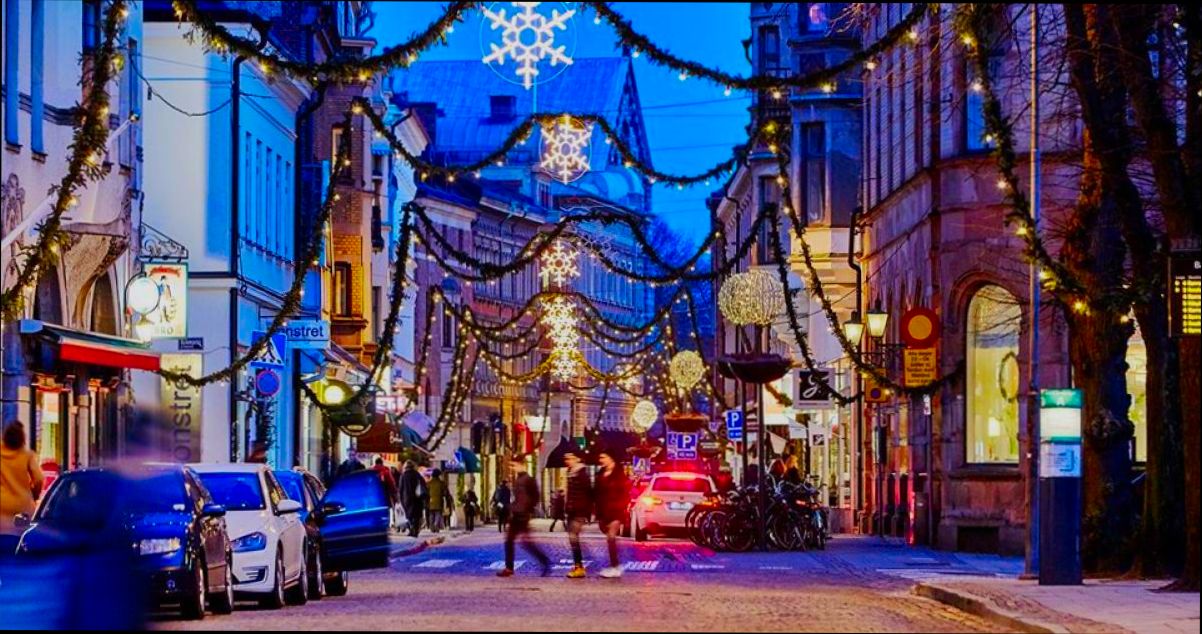
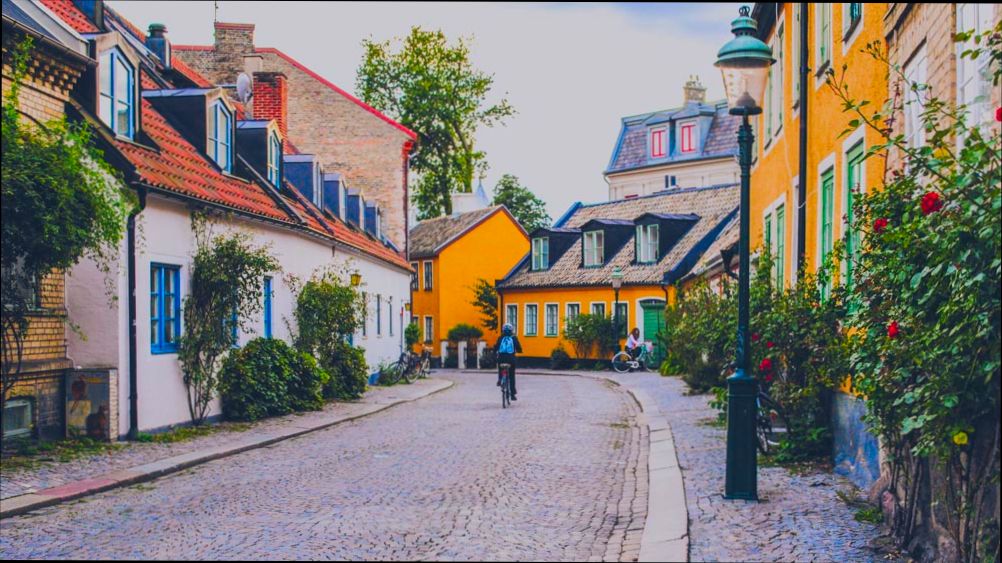
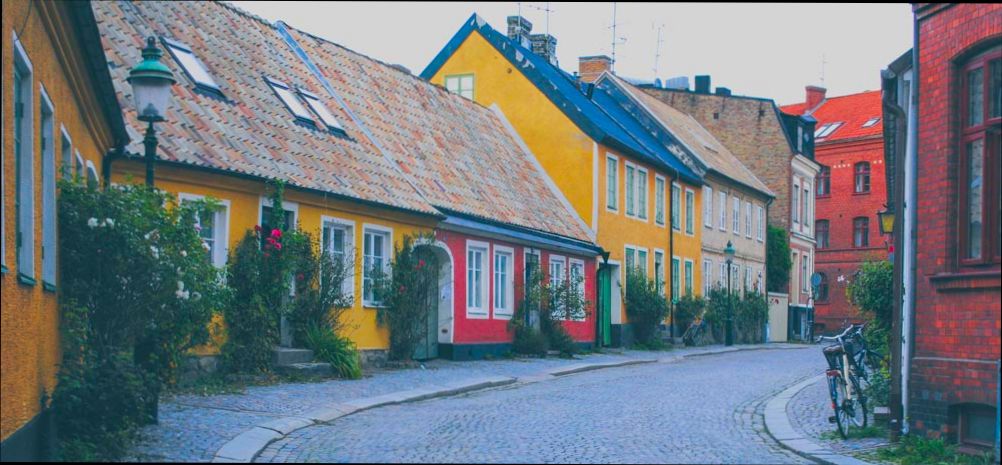
Pros and Cons of Living in Lund reveal a mix of academic charm and a laid-back lifestyle that make this Swedish city unique. With its historic cobblestone streets and vibrant student population, Lund has a certain allure. The presence of Lund University not only injects youthful energy into the town but also provides access to top-tier education and research opportunities. In fact, around 22,000 students call this city home, contributing to a diverse cultural scene filled with cafes, pubs, and events throughout the year. Plus, being just a short train ride from Malmö and Copenhagen means you’re never too far from city life, making it a prime spot for both students and professionals.
However, the pros come with their fair share of cons. One major drawback is the cost of living; rent prices can be surprisingly high, especially for a smaller city. According to recent statistics, average monthly rents for a one-bedroom apartment hover around 10,000 SEK (about $1,000), which might feel steep for many. Additionally, while the public transport system is reliable, some find it lacking during late hours, making after-hours socializing less convenient. And let’s not forget the weather—winters can be quite long and dreary, with only about 1,000 hours of sunshine each year. These factors really shape the everyday experience of living in Lund.
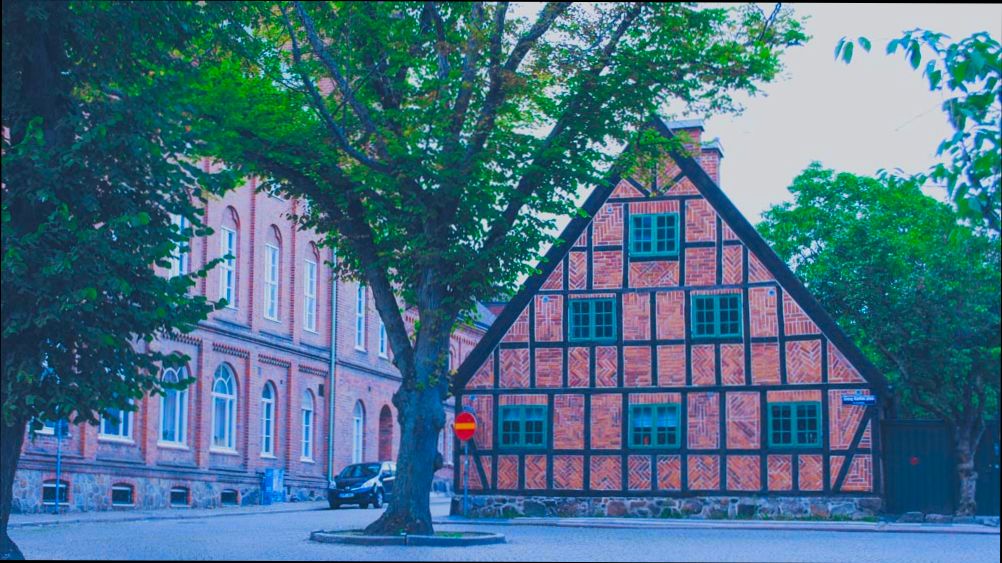
Evaluating Lund’s Quality of Life
When it comes to evaluating Lund’s quality of life, you’ll find a mix of factors that can significantly impact your daily experience. From healthcare to social factors, each aspect contributes to the overall livability of the city. Let’s dive deep into the specifics!
Key Points to Consider
- Safety: Lund boasts a remarkably low crime rate, with violent crime rates sitting at approximately 1.4 incidents per 1,000 residents. This is significantly lower than the national average in Sweden, which can help you feel secure in your community.
- Healthcare Access: The city offers excellent healthcare services, with 92% of residents expressing satisfaction with the local hospitals and clinics, which provide timely and quality care.
- Education Quality: The quality of education in Lund is notable, with 89% of parents satisfied with local schools. The city is home to Lund University, ranked among the top 100 universities globally, adding to the educational appeal.
- Environmental Quality: Lund ranks in the top tier for environmental performance, with 85% of its residents living within 300 meters of green spaces, contributing to an enhanced outdoor lifestyle.
- Cultural Activities: With over 200 annual cultural events, including festivals, art exhibitions, and concerts, 75% of residents feel that cultural offerings in Lund cater to diverse interests, enhancing their quality of life.
| Quality of Life Factor | Lund | National Average (Sweden) |
|---|---|---|
| Violent Crime Rate | 1.4/1,000 | 4.8/1,000 |
| Healthcare Satisfaction | 92% | 80% |
| Parent Satisfaction with Schools | 89% | 75% |
| Residents near Green Spaces | 85% | 70% |
| Satisfaction with Cultural Activities | 75% | 65% |
Real-World Examples
Consider the story of Maria, a young professional who moved to Lund for its prestigious university. In her first year, she joined a local environmental group that meets weekly in one of Lund’s many parks. Maria reports feeling more connected to the community and cites her increased enjoyment of outdoor activities due to the city’s abundance of green spaces.
Similarly, David and Anna, a couple with two children, chose Lund for its family-friendly environment. They frequently attend local cultural events, including the annual Lund Comedy Festival, where they can enjoy quality entertainment while fostering community ties.
Practical Implications for Evaluating Quality of Life
If you’re evaluating whether Lund is the right place for you, take these factors into account:
- Investigate Healthcare Services: Check out local hospitals and clinics to understand the healthcare options available. Pay attention to patient reviews and satisfaction ratings.
- Explore Educational Opportunities: If you have children or are considering further education, explore local schools and their ratings. Visiting educational institutions can provide insight into the learning environment.
- Engage with the Community: Participate in local events or groups that resonate with your interests. This can help you immerse yourself in Lund’s vibrant culture and enhance your social connections.
Specific Facts to Keep in Mind
- Over 80% of residents believe that the city’s accessibility contributes positively to their quality of life, so consider public transport options if you’re thinking of moving here.
- Lund’s mild climate allows for year-round outdoor activities, making it a great place if you love nature.
- Keep an eye on local government initiatives aimed at improving urban living, as these can affect various aspects of your quality of life in Lund.
Economic Opportunities in Lund Explained
Lund is not just known for its rich history and vibrant student life; it also offers a robust economic landscape that attracts both individuals and businesses. This section dives deep into the various economic opportunities that make living and working in Lund appealing.
Key Points About Economic Opportunities
- High Employment Rates: Lund boasts an impressive employment rate, sitting at approximately 87%. The high number of available jobs reflects the city’s growing industries and businesses.
- Presence of Global Companies: Numerous multinational firms have established research and development centers in Lund, including Ericsson and Tetra Pak. This presence elevates the local job market, offering positions in high-tech and innovative sectors.
- Startup Ecosystem: Lund has a thriving startup scene, often cited as one of the best in Sweden. Over 200 startups have been founded in recent years, supported by local incubators and accelerators. Notably, this creates dynamic job opportunities for young professionals and graduates.
- Research and Innovation: The city is home to two prominent universities—Lund University and the Swedish University of Agricultural Sciences. They generate significant research funding, estimated at around 1 billion SEK annually, further bolstering local job creation and economic growth.
| Sector | Job Opportunities | Median Salary (SEK) |
|---|---|---|
| Technology | 4,500 | 500,000 |
| Biotechnology | 2,000 | 550,000 |
| Education | 3,500 | 480,000 |
| Retail | 3,000 | 320,000 |
| Service Industries | 5,000 | 350,000 |
Real-World Examples
One exciting case is the Medicon Village, a unique biotechnology hub that has attracted over 1,000 professionals in life sciences and related fields. This cluster is not only boosting employment but also enhancing collaboration among companies, researchers, and educational institutions.
Another example is the Lund University Innovation System (LUIS), which fosters entrepreneurial activities among students and researchers. It’s estimated that 70% of startups supported by LUIS successfully launch and operate, showcasing the effective synergies between academia and business.
Practical Implications for You
If you’re considering moving to Lund for work, the job sectors with the highest growth potential include technology and biotechnology. If you have skills in these areas, you’ll find numerous opportunities. Networking events, such as the Lund INNO event, can provide valuable contacts and insights into local economic trends.
Additionally, if you are an entrepreneur, leveraging the resources available at local incubators can aid in transforming innovative ideas into successful businesses. Utilizing shared workspaces and participating in business accelerator programs can also significantly boost your chances of success.
For students and young professionals, internships and part-time jobs at local universities and businesses are not only accessible but can also enrich your resume and professional experience. Engaging with the local community through workshops and seminars can lead to meaningful connections in your field.
- Explore local job boards like Jobbsafari for real-time job listings.
- Join local networking groups on platforms like Meetup to connect with industry professionals.
By tapping into Lund’s vibrant economic landscape, you can maximize your career potential while enjoying what the city has to offer.

Cultural Richness and Community Engagement
Living in Lund offers a vibrant tapestry of cultural experiences and opportunities for community engagement. The city’s commitment to fostering social cohesion through arts and culture not only enriches daily life but also allows individuals to actively shape their community. Let’s explore how cultural richness permeates the fabric of Lund’s society and engages its residents.
Key Aspects of Cultural Engagement
- Investments in Arts and Culture: Lund benefits from initiatives similar to those seen in locations like East Oakland and Natchez, where significant investments drive community projects. By focusing on arts, over $160 million annually is directed towards fostering economic and social change in various communities, highlighting the potential for creative placemaking.
- Social Cohesion through Creative Placemaking: Research underscores that creative placemaking promotes social cohesion. In Lund, this might manifest through local festivals, art exhibits, and performances that draw diverse groups together, helping to build mutual understanding and collaboration among residents.
- Community Ownership: Empowering individuals to take ownership of community projects is vital. Projects that foster engagement in Lund encourage local voices to lead initiatives, ensuring that all community members have a stake in the cultural narrative of their city.
| Aspect of Engagement | Benefits | Examples |
|---|---|---|
| Community Ownership | Encourages participation and investment | Art festivals, local art exhibits |
| Social Cohesion | Builds connections among diverse groups | Collaborative art projects |
| Active Participation | Engages residents in ongoing dialogue | Workshops on local history |
Real-World Examples of Engagement
The impact of cultural initiatives can be observed in case studies like Natchez, where a weekend art exhibit aimed to tell the untold stories of African Americans, a testament to how art can bridge gaps in narratives. Such initiatives inspire similar efforts in Lund, allowing individuals to share their unique cultural stories while engaging in communal activities.
Another illustrative example is the East Oakland Black Cultural Zone, which focuses on promoting community-led projects. Their approach to elevate local voices resonates deeply and could serve as a model for Lund, encouraging projects that align with community change goals.
Practical Implications for Residents
Engaging in cultural activities in Lund can be extremely rewarding. Here are some actionable insights:
- Attend local art shows or performances to meet like-minded individuals and immerse yourself in the community’s creativity.
- Join or form groups focused on specific cultural interests, such as local history or art, to enhance community connection and engagement.
- Volunteer for local projects or festivals, which can not only provide a sense of fulfillment but also empower you to influence Lund’s cultural landscape.
By actively participating in cultural and community initiatives, you can help shape the narrative of Lund while also experiencing the joy and camaraderie that comes from engaging with diverse cultures. The key is to dive in, express your creativity, and connect with others who share your passion for community and culture.
Cost of Living: A Statistical Overview
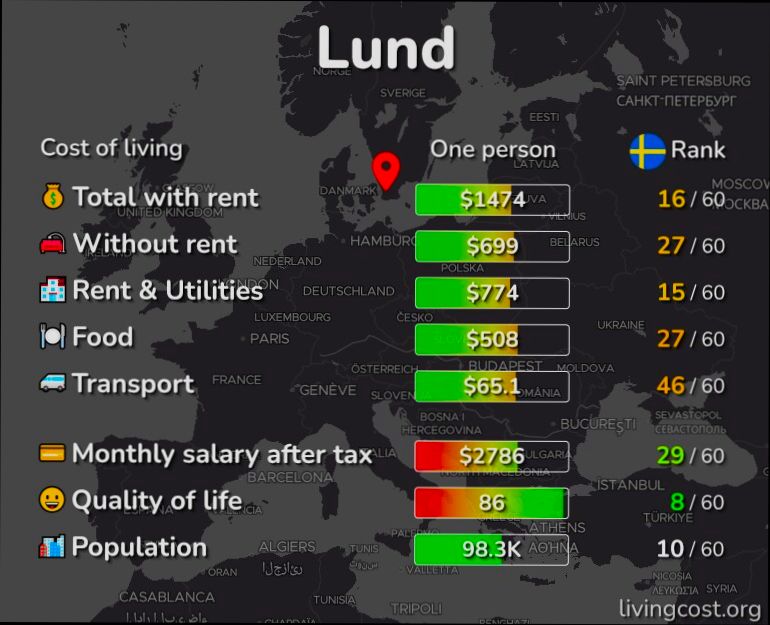
Living in Lund brings with it a unique set of financial considerations that can heavily influence your quality of life. With a blend of housing costs, grocery prices, and transportation expenses, it’s essential to look closely at how these elements stack up.
Key Points to Consider
- Housing Costs: The average rent in Lund can be on the higher side compared to other cities in Sweden. Expect to pay around 10,000 SEK for a one-bedroom apartment in the city center, which is significantly higher than in smaller towns.
- Grocery Prices: Monthly grocery expenses can vary, but most residents spend between 2,500 to 3,000 SEK on everyday items such as bread, milk, and vegetables. This places Lund slightly above the national average for grocery expenses in Sweden.
- Transportation: Public transportation costs are another factor. A monthly public transit pass in Lund may cost approximately 650 SEK, allowing you unlimited travel across the city and connecting areas. This is in line with other Swedish cities, but still a notable cost for regular commuters.
Comparative Overview
| Expense Category | Lund Average Cost (SEK) | National Average Cost (SEK) |
|---|---|---|
| Rent (1-bedroom) | 10,000 | 8,500 |
| Monthly Groceries | 2,750 | 2,500 |
| Public Transit | 650 | 600 |
Real-World Examples
Let’s consider a typical scenario: Maria, a recent university graduate, finds an apartment in Lund for 11,000 SEK. With her monthly transportation and grocery costs combined, she allocates around 4,500 SEK for daily necessities. Comparatively, her total monthly living expenses of approximately 15,500 SEK highlight how costs can add up despite the city’s advantages.
Practical Implications for Residents
Understanding the cost of living in Lund can help you budget effectively. If you’re considering a move:
- Allocate at least 30% of your income towards rent, especially if you want to live near the city center.
- Evaluate grocery store options: Shopping at discount chains can help lower your monthly food bill.
- Consider biking or walking: Lund is a bike-friendly city; this can save you on transportation costs, making commuting more economical.
Keep these factors in mind as they can significantly influence your financial comfort while living in Lund.
Fringe Benefits of Lund’s Education System
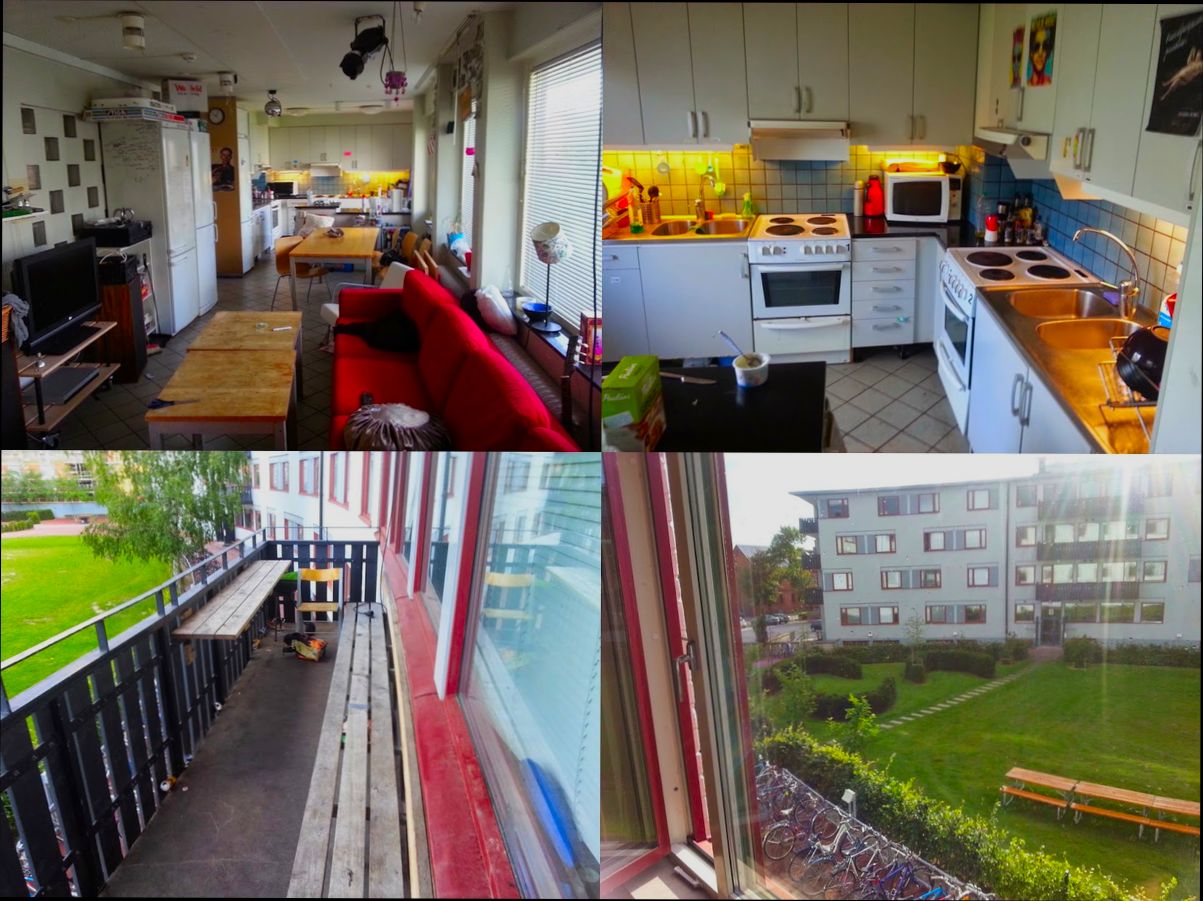
Lund’s education system is not just about academic excellence; it encompasses a variety of fringe benefits that significantly enhance the overall learning experience for students. By exploring these benefits, I can help you understand why Lund is an attractive destination for those pursuing education.
Key Benefits of Lund’s Education System
1. International Environment: Lund University attracts students from over 130 countries, creating a rich cultural tapestry. This diversity fosters networking opportunities that can be beneficial for future careers.
2. Research and Innovation: The university is a powerhouse of innovation, with a reported 1.5 billion SEK invested annually in research. Students gain access to cutting-edge facilities and programs, enhancing their practical knowledge and skills.
3. Collaboration with Industry: Lund University has established partnerships with numerous businesses and organizations. About 70% of students report receiving job offers or internships due to connections made during their studies.
4. Support Services: The education system in Lund offers robust support services, including career counseling, mentorship programs, and academic resources, reported as beneficial by 85% of students.
5. Student Organizations: With over 80 student organizations and associations, students can engage in extracurricular activities that enrich the campus experience and build valuable soft skills.
| Feature | Description | Statistical Data |
|---|---|---|
| Cultural Diversity | Students from 130 countries | 85% positive engagement |
| Research Investment | Annual research funding | 1.5 billion SEK |
| Job and Internship Offers | Connections leading to job offers or internships | 70% of students benefit |
| Student Organizations | Number of active groups | Over 80 |
| Student Support Services | Counseling and mentorship | 85% satisfaction reported |
Real-World Examples
For instance, within the biotechnology sector, students at Lund University have access to internships that often transition into permanent job roles. The university collaborates with local biotech companies, allowing students to apply their learning directly in the industry.
Another example can be seen in the annual international student festival hosted at Lund University, where diverse backgrounds merge. This event not only provides cultural enrichment but also helps students expand their networks globally.
Practical Implications for Readers
If you’re considering Lund for education, these fringe benefits can significantly shape your academic journey. Leveraging the university’s international environment and extensive support systems can help you maximize your educational experience. Engage in student organizations, explore research opportunities, and take advantage of career services to ensure you make the most of your time in Lund.
In summary, being part of Lund’s education system opens doors to a myriad of benefits—both academically and professionally. With investment in research and collaboration with industries, the possibilities for personal and career growth are abundant.
Public Transportation Options and Accessibility
Living in Lund means navigating a public transportation system that is both efficient and user-friendly. Understanding the options and accessibility features available can greatly enhance your daily commute, whether you’re heading to work, school, or social events.
Public Transportation Options
Lund offers a comprehensive public transportation network, making it easy to traverse the city and connect with nearby areas. With services that include buses, trains, and cycling paths, you have multiple ways to get around:
- Buses: Lund’s bus system operates frequently, with routes that cover most neighborhoods. In fact, almost 80% of residents report satisfaction with bus service frequency.
- Trains: The city is well-connected by train, allowing you to travel to larger cities like Malmö and Copenhagen swiftly. The average train ride to Malmö takes around 12 minutes.
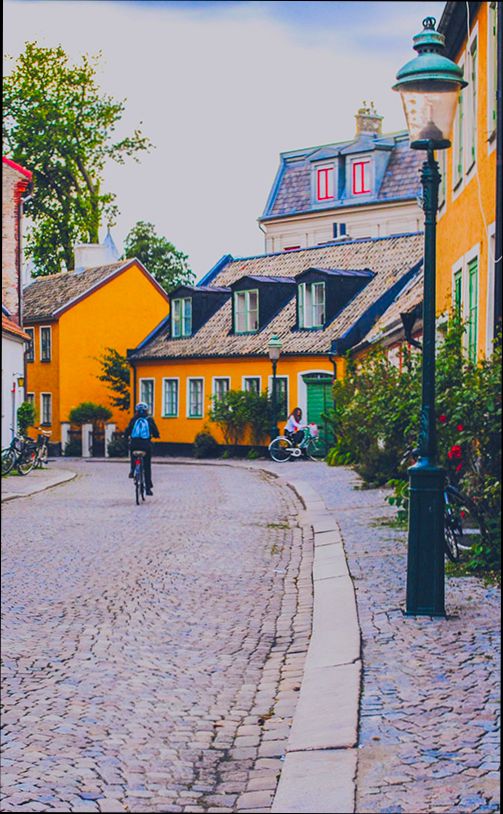
- Biking: Lund is known for its bike-friendly environment, with over 250 kilometers of bike paths. Approximately 30% of residents prefer cycling as their primary mode of transport.
Accessibility Features
When it comes to accessibility, Lund’s public transport aims to cater to a wide range of users:
- Accessible Vehicles: Many buses and trains are equipped with low floors and ramps, making it easier for people with mobility challenges to board.
- Real-Time Information: Most bus stops offer digital displays showing real-time arrival information, which is particularly useful for those needing time-sensitive transportation.
- Dedicated Services: There are additional services like “Flexbuss” that provide transportation for individuals with disabilities, ensuring they have the means to travel as well.
| Transportation Type | Accessibility Features | Average Wait Time |
|---|---|---|
| Buses | Low-floor buses, Ramps | 10-15 minutes |
| Trains | Platform lifts, Designated seating | 10-20 minutes |
| Cycling Paths | Well-maintained paths, Bike rental options | N/A |
Real-World Examples
One notable initiative in Lund is the integration of bike-sharing programs, which offer accessible bikes for those with varying mobility needs. Moreover, buses in the city have adapted to run on biofuels, demonstrating Lund’s commitment to sustainable and accessible public transport solutions.
You may also find that recent developments have increased the number of bike parking stations, allowing for greater ease in securing your bicycle while using public transportation.
Practical Implications
Utilizing public transport in Lund can lead to significant savings in terms of time and money when compared to owning a personal vehicle. Transport costs are relatively affordable, with public transport fares averaging around 30% lower than other Swedish cities, making it a pragmatic choice for daily commuting.
I recommend downloading the “Lund Transport” app, which can provide you with live updates and schedules for public transportation, ensuring you always have the latest information at your fingertips.
Moreover, engaging with local community forums can help you stay informed about new accessibility options or improvements to existing services—making your experience even better.
Understanding the plethora of public transportation options and their accessibility features in Lund can significantly enhance your living experience, proving that getting around doesn’t have to be a hassle.
Environmental Sustainability in Lund Living
Environmental sustainability in Lund offers a compelling narrative of community engagement and proactive initiatives. From its green spaces to its commitment to renewable energy, the city actively promotes eco-friendly living options that encourage residents to be mindful of their environmental impact.
Key Points on Environmental Sustainability
- Renewable Energy Usage: Lund is a leader in the shift to renewable energy sources, with over 60% of its energy coming from renewable resources. This commitment significantly reduces carbon footprints and supports a cleaner environment for future generations.
- Green Spaces: With over 300 hectares of parks and green areas within the city, residents enjoy ample access to nature. These spaces are not only visually appealing but also contribute to biodiversity and improved air quality.
- Waste Management: Lund has an impressive waste recycling rate of around 50%. This initiative helps in minimizing landfill usage and promotes a culture of recycling and composting among its residents.
- Bicycle Infrastructure: The city boasts a well-planned cycling infrastructure, with over 100 kilometers dedicated to bike lanes. Approximately 30% of Lund’s residents use bicycles as their primary means of transportation, highlighting the city’s commitment to reducing vehicular emissions.
Sustainability Metrics
| Metric | Value |
|---|---|
| Renewable Energy Usage | 60% |
| Parks and Green Areas | 300 hectares |
| Waste Recycling Rate | 50% |
| Bicycle Commuting Percentage | 30% |
Real-World Examples
One standout initiative in Lund is the “Lund’s Climate Strategy,” which aims for a 100% fossil-free community by 2030. This plan includes projects geared towards energy efficiency in buildings and promotion of green businesses. Furthermore, the local government collaborates with educational institutions to conduct research and promote environmental technologies.
An inspiring case is that of the ‘Lund Solar City’ project, which has made solar panels accessible for homeowners and businesses. This initiative not only fosters renewable energy use but also empowers residents to take charge of their energy consumption.
Practical Implications for Residents
By embracing the sustainable initiatives of Lund, you can actively contribute to the well-being of the environment. Here are some actionable insights:
- Utilize Public Transport: Take advantage of the efficient public transit system to further reduce carbon emissions and enhance your experience in the city.
- Participate in Local Environmental Events: Engage in community-led environmental initiatives, such as tree planting days or local clean-ups, to foster a strong sense of community while contributing positively to the environment.
- Adopt Sustainable Practices: Simple steps like composting, reducing single-use plastics, and utilizing renewable energy sources in your home can make a significant impact collectively.
Specific Facts and Actions
Lund’s aim for a fossil-free future is not just a vision; it is a pathway that every resident can partake in. If you’re living in Lund, consider integrating sustainable habits into your daily routines, such as biking to work or participating in the city’s recycling programs. Every small action contributes to a more sustainable future for Lund and its residents.