Pros and Cons of Living in London can feel like a rollercoaster, with exhilarating highs and some dizzying lows. On one hand, you’ve got vibrant neighborhoods like Shoreditch and Camden, where street art and eclectic markets pulse with energy, not to mention the iconic sights like the Tower of London and Westminster Abbey. You’ll be part of a city that never sleeps, where over 300 languages are spoken and the cultural melting pot is palpable. In 2021, London’s unemployment rate was around 5%, showcasing a job market that’s tough but also teeming with opportunities across sectors like finance, tech, and creative industries.
But hold on; it’s not all sunshine and rainbows. The average rent for a one-bedroom flat in central London can hit a staggering £2,000 per month, which is enough to make anyone cringe. Public transport is usually efficient, but during rush hour, you might find yourself squished into the Tube like a sardine, questioning your life choices. And let’s be real—the weather can often be a downer, with gray skies and rain lingering longer than you’d like. Whether it’s the struggle to balance finances or the daily grind of city life, living in London comes with its fair share of challenges.

Cost of Living and Real Estate Insights
Living in London can be a thrilling experience, but it’s essential to get a grip on the cost of living and the real estate market. This section dives deep into the financial landscape, providing you with the data and insights crucial for making informed decisions.
Understanding the Cost of Living
When it comes to the cost of living in London, you should anticipate that it’s higher than many other cities. Here are some key figures:
- The average monthly rent for a one-bedroom apartment in central London can reach up to £2,500, while in outer zones, it drops to around £1,500.
- The overall cost of living is approximately 20% higher than in other major UK cities, which can significantly impact your budget.
- Public transportation remains a crucial aspect; a monthly travel pass in London can cost around £150, making it essential to factor this into monthly expenses.
Comparative Housing Costs
| Area | Average Rent for 1-Bedroom Apartment | Average Cost of Living Index |
|---|---|---|
| Central London | £2,500 | 100 |
| North London | £1,800 | 80 |
| South London | £1,600 | 75 |
| West London | £2,200 | 90 |
| East London | £1,500 | 70 |
Real-World Examples
To give you a more vivid picture, let’s consider two exemplars:
1. Young Professional in Shoreditch: A creative professional rented a one-bedroom flat for £2,300 monthly. Alongside her rent, she budgets an additional £350 for groceries and utilities, plus £160 for transport. Her total living expense rounds up to £2,810 monthly.
2. Family in Croydon: A family of four chooses to live in Croydon, paying £1,700 for a three-bedroom home. With childcare costing approximately £900 and groceries around £500, their total monthly expenditure comes to £3,100, demonstrating how location impacts financial planning.
Practical Considerations
Here are some actionable tips on managing the cost of living and navigating the real estate market in London:
- Consider Flatsharing: If you’re moving alone, consider renting a room in a shared apartment to save significantly on rent. This can help you reduce your monthly expenditure by up to 50%.
- Explore Different Boroughs: Expand your search beyond the well-known areas. For instance, areas like Walthamstow and Barking can offer better rent-to-quality ratios.
- Public Transport: Invest in an Oyster card or consider a monthly travel card for savings on public transport. Walking or biking can also yield significant savings and promote a healthier lifestyle.
Specific Facts and Advice
- When budgeting for housing, always allocate about 30% of your net income for rent to maintain a comfortable lifestyle.
- Research shows that average home prices in London’s outskirts have seen a decrease of 5% in the last year, presenting opportunities for first-time buyers.
- Always account for rising utility costs; average yearly bills can range between £1,200 and £1,500 depending on usage and energy efficiency.
Navigating London’s real estate landscape doesn’t have to be overwhelming. By using these insights and strategies, you can find a home that fits your budget while enjoying all the cultural advantages the city has to offer.
Cultural Diversity and Social Opportunities
Living in London means immersing yourself in one of the most culturally diverse cities on the planet. With over 300 languages spoken and a population exceeding 10 million, London is a melting pot of traditions, ethnic backgrounds, and lifestyles. This vibrant tapestry enriches not just the social fabric but also opens endless opportunities for engagement, learning, and personal growth.
Key Data Points
- As of 2023, around 37% of London’s population identifies as an ethnic minority, showcasing the city’s multicultural character.
- The city features more than 300 cultural festivals throughout the year, giving residents ample opportunities to celebrate various art forms, food, and traditions.
- Approximately 50% of London’s restaurants are international or ethnic cuisine, making it a global food center and an exciting place for food lovers.
Cultural Diversity Insights Table
| Aspect | Details |
|---|---|
| Total Languages Spoken | 300+ |
| Percent of Ethnic Minorities | 37% |
| Cultural Festivals Annually | 300+ |
| Percentage of International Restaurants | 50% |
Real-World Examples
The Notting Hill Carnival is a fantastic example of London’s cultural vibrancy. This annual event, rooted in Caribbean culture, attracts over a million attendees and showcases music, dance, and delicious food. It’s a time when individuals from all walks of life come together in celebration, highlighting how cultural diversity fosters communal bonds.
Another significant cultural opportunity is the London Design Festival. This event brings together designers and creators from various backgrounds, showcasing innovative projects that reflect the city’s eclectic spirit. It operates as a platform for creative discussions and networking, aiding career growth in design and arts industries.
Practical Implications
Embracing cultural diversity in London means there’s always something new to learn or experience. You can take part in language exchange events, where you can practice a new language with native speakers, making it an invaluable tool for both social connection and professional development.
Participating in local community organizations can also open doors. Many groups focus on promoting diversity and inclusion, offering seminars, workshops, and volunteer opportunities. This is an excellent way to enhance your social network while contributing to the community.
Actionable Tips
- Explore neighborhoods like Brixton, where you can experience a range of cultures through food markets, shops, and cultural events.
- Attend multicultural festivals to expand your knowledge of different cultures, all while making friends.
- Consider joining clubs or groups that reflect your interests but also encourage diversity; these can significantly enhance your social experiences and opportunities in London.
Fostering connections in such a diverse city not only provides social satisfaction but also broadens your horizons in professional and personal landscapes.

Public Transport Efficiency and Accessibility
Public transport in London is renowned for its extensive network and generally high levels of service efficiency. When considering living in this vibrant city, understanding how easily you can navigate its public transport system is crucial. Let’s dive into the specifics of public transport efficiency and accessibility and see what makes it a standout feature.
Key Points on Efficiency and Accessibility
- Integrated Transport System: London boasts an integrated transport network that includes buses, trains, the Tube, and trams. This connectivity allows for seamless transfers between different modes of transport, with about 80% of public transport journeys accommodated by this system.
- On-time Performance: As of 2023, transport services in London have reported a punctuality rate of around 87%. This means that a significant majority of services run on schedule, making daily commuting more predictable for residents.
- Accessibility Options: Approximately 40% of Tube stations are fully accessible for those with disabilities, and London’s buses are all low-floor models. This makes it easier for people with mobility challenges to navigate the city.
- Affordability: The use of smart cards like the Oyster card contributes to cost savings; commuters can save up to 30% compared to buying paper tickets. As of 2023, around 10 million Oyster cards are in circulation, underscoring their popularity among users.
| Transport Mode | Accessibility Rate | Punctuality Rate | Cost Efficiency (Oyster compared to paper) |
|---|---|---|---|
| Tube | 40% | 87% | Up to 30% less |
| Buses | 100% (low-floor) | 85% | - |
| DLR | 100% | 90% | - |
| Thames Clippers | 90% | 88% | - |
Real-world Examples
For instance, the Docklands Light Railway (DLR) is entirely accessible, featuring automatic trains and low-floor boarding, making it a popular choice for individuals with disabilities. In areas like Stratford, the ease of transferring between the DLR and the Central Line has noticeably reduced commute times for many residents.
Additionally, the introduction of contactless payment options on buses has simplified transactions. Commuters can board and alight swiftly without fiddling with tickets or cash, enhancing the overall efficiency of bus services in London.
Practical Implications for Readers
Understanding the efficiency and accessibility of London’s transport can significantly impact your daily life. Here’s what you can do:
- Explore Transport Modes: Familiarize yourself with the various transport modes available. Use apps like Citymapper to assess the quickest route based on real-time data.
- Take Advantage of Discounts: If you’re planning to use public transport frequently, consider getting an Oyster card or using contactless payment. This can save you considerable money throughout your daily travels.
- Check Accessibility: If you or a family member has mobility concerns, check which stations and transport services are fully accessible. Planning your route with accessibility in mind can save time and stress.
- Monitor Service Updates: Stay informed about any changes in schedule or services by following Transport for London’s updates. This ensures you can adjust your routines accordingly.
- Engage with the Community: Joining local forums or social media groups focused on transport can provide insights and tips from fellow residents, enhancing your commuting experience.
Actionable Facts
- London’s public transport network is among the largest in the world, with over 1,000 bus routes catering to around 6 million daily riders.
- Make sure to plan your journeys during off-peak hours when possible; this can reduce travel times and overcrowding on services.
- Always check for any travel disruptions on your route before setting out to avoid unexpected delays.

Job Market Trends and Employment Rates
When considering a move to London, understanding the job market and employment rates is crucial. The capital’s dynamic economy often translates into a vibrant job landscape, but it also presents unique challenges. Let’s dive into the current trends that can help you navigate your career prospects while living in this bustling city.
Current Employment Rates
As of 2023, London’s employment rate stands at around 74%, reflecting strong job availability compared to other major European cities. The unemployment rate in London is approximately 5%, which, while higher than the national average of 4.5%, still indicates a robust job market.
Industry Trends
Key sectors driving job growth in London include technology, finance, and healthcare. The technology sector has particularly soared, with a 15% increase in job postings over the last year alone. Here’s a breakdown of employment trends by sector:
| Sector | Growth Rate (%) | Notable Job Roles |
|---|---|---|
| Technology | 15% | Data Analysts, Developers |
| Finance | 8% | Financial Analysts, Traders |
| Healthcare | 5% | Nurses, Healthcare Admin |
| Creative Industries | 4% | Designers, Marketing Roles |
Real-World Examples
London has become a tech hub, attracting companies like Google and Facebook, which are expanding their offices in the city. This expansion alone is predicted to create over 10,000 new tech jobs in the next five years. Similarly, the finance sector is witnessing a shift towards fintech, with startups gaining ground, revealing opportunities for innovation and new roles.
Additionally, the NHS continues to recruit heavily to meet rising healthcare demands, offering various roles that can be fulfilling for those looking to enter this sector. For instance, the organization has initiated initiatives to fill 20,000 nursing positions in response to a growing ageing population and increased healthcare needs.
Practical Implications
If you’re contemplating a career move, consider the sectors experiencing the most growth. Networking events and job fairs are great ways to connect with potential employers. Online platforms like LinkedIn can also help you stay updated on job postings and industry insights.
Many Londoners take advantage of the city’s vibrant hiring climate by up-skilling or transitioning into high-demand fields. Whether it’s through online courses or networking workshops, invest time into learning skills that enhance your employability.
Actionable Advice
- Research Your Sector: Make sure you understand which industries are hiring and the skills in demand.
- Leverage Networking Platforms: Use social media to connect with professionals in your field.
- Stay Updated: Regularly check local job boards to understand emerging job trends and available opportunities.
With the current job market trends and steady employment rates, London offers a vibrant landscape for building a career, provided you approach it with foresight and strategy.

Quality of Life: Parks and Recreation
Living in London offers an incredible array of parks and recreational spaces that greatly enhance the quality of life for its residents. With over 3,000 parks and green spaces, there’s a little something for everyone, whether you’re looking to stroll, exercise, or simply relax outdoors.
Key Features of Parks in London
- Variety of Green Spaces: From expansive royal parks like Hyde Park and Kensington Gardens to smaller neighborhood parks, you have diverse options for enjoying nature and community activities.
- Accessibility: Approximately 94% of Londoners live within a 10-minute walk of a green space, making parks incredibly accessible for recreation and relaxation.
- Community Engagement: Many parks offer community programs, fitness classes, and events promoting social interaction and health.
| Park Name | Size (Acres) | Activities Available | Community Programs |
|---|---|---|---|
| Hyde Park | 350 | Boating, cycling, jogging, picnicking | Yoga classes, concerts, and art exhibitions |
| Regent’s Park | 410 | Sports facilities, open-air theatre | Community gardening and seasonal markets |
| Hampstead Heath | 790 | Swimming, wildlife watching, trails | Family fun days and educational nature tours |
Real-World Examples
Hyde Park is not only one of London’s largest and most famous parks, but it also hosts a range of activities, including boating on the Serpentine and open-air concerts that attract thousands each summer. Regent’s Park features beautiful gardens and even has a dedicated space for an open-air theatre, perfect for cultural experiences in a scenic setting.
In addition, Hampstead Heath allows you to enjoy stunning views of the city while also providing areas for outdoor sports, such as swimming in its natural ponds. These examples highlight how parks in London not only serve as spaces for leisure but also as vital community hubs.
Practical Implications for Residents
For those looking to improve their health and well-being, London’s parks provide ample opportunities for physical activity. Consider joining a local sports group or participating in fitness classes held in these green spaces. This not only promotes physical health but also fosters social connections.
When choosing where to live in London, think about proximity to these parks. Living near green spaces can significantly impact your lifestyle, making it easier to incorporate outdoor activities into your daily routine.
Ensuring you take advantage of London’s rich park culture is simple. Participate in local events, make time for regular walks or fitness sessions in these green spaces, and explore the various programs available throughout the year to make the most of your urban experience.

Healthcare Services and Availability
When living in London, the healthcare services and their availability are paramount for your peace of mind and well-being. The city offers a mix of public and private healthcare options, providing a wide range of resources for residents. Here’s a closer look at what you can expect regarding healthcare in this vibrant metropolis.
Key Points on Healthcare Services
- NHS Coverage: The National Health Service (NHS) provides comprehensive healthcare services to London residents, covering general practitioners (GPs), hospitals, specialists, and emergency services. Approximately 90% of residents report satisfaction with NHS services.
- Private Healthcare Growth: In addition to NHS facilities, private healthcare providers have expanded significantly in London. Currently, around 30% of Londoners opt for private health insurance, often to reduce waiting times and gain faster access to specialists.
- Emergency Services: London has a robust emergency service framework. The average response time for emergency services in urban areas is around 7 minutes, ensuring quick assistance in critical situations.
- Community and Mental Health Services: London has seen a notable increase in community health programs and mental health services in recent years, with funding for mental health increasing by approximately 7% year-on-year.
Healthcare Facilities Comparison
| Facility Type | Number in London | Average Wait Time (Weeks) | Percentage of Private Patients |
|---|---|---|---|
| NHS Hospitals | 38 | 12 | 15% |
| Private Hospitals | 60 | 2 | 70% |
| GP Practices | 1,400 | 3 | 20% |
Real-World Examples
The integration of healthcare services is exemplified by the partnership between NHS and several private entities, leading to reduced waiting times for surgeries. For instance, the Royal London Hospital has collaborated with private clinics to offer quicker access to orthopedic surgeries, resulting in a 25% reduction in wait times.
Moreover, mental health initiatives like the “Crisis Resolution and Home Treatment” teams have been formed to provide immediate support, resulting in a significant decrease in hospital admissions for mental health crises by almost 50% in certain boroughs.
Practical Implications for Residents
- Choosing Between NHS and Private Care: You might want to evaluate your healthcare needs carefully. While NHS services are readily available, considering private healthcare for elective procedures or quicker access to specialists can be beneficial.
- Knowing Your Rights: If you’re using NHS services, familiarize yourself with your rights to get timely and quality care. Always keep your NHS number handy for easier access to your medical records.
- Taking Advantage of Resources: Many community health programs offer free workshops, health screenings, and mental health resources, which can greatly enhance your overall well-being.
By staying informed about the healthcare landscape and the variety of options available, you can make better choices for your health needs while living in London.
Historic Landmarks and Urban Aesthetics
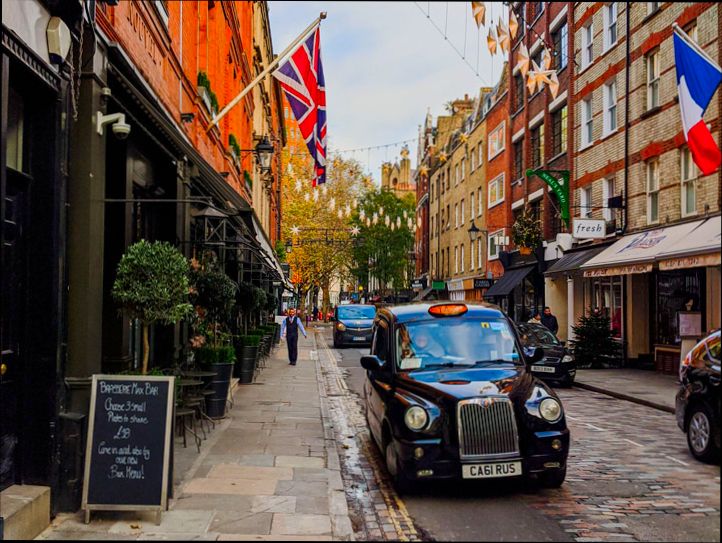
Living in London offers a unique opportunity to be surrounded by historic landmarks that reflect the city’s rich history and cultural identity. The urban aesthetics of London are deeply intertwined with these historical sites, providing not only beauty but also a sense of connection to the past.
Significance of Historic Landmarks
Historic landmarks serve as crucial markers of a city’s heritage, and in London, this is particularly evident. Here are some key points to consider:
- Civic Pride: Monuments like the Tower of London and Buckingham Palace are not just tourist attractions; they embody the civic pride and history of England, which has been shaped over centuries.
- Tourism Impact: Approximately 13% of the global GDP is related to tourism, highlighting the importance of landmarks in boosting local economies and their contribution to economic development (Source: Preservation of Urban Aesthetics).
- Architectural Diversity: London’s architecture showcases a blend of styles from different eras, making the city a living museum. The mix of classical buildings, such as St. Paul’s Cathedral, with contemporary structures like The Shard, illustrates urban evolution.
Comparison of Notable Historic Landmarks in London
| Landmark | Year Established | Architectural Style | Key Features |
|---|---|---|---|
| Tower of London | 1066 | Norman, Gothic | Historic royal palace, fortress |
| St. Paul’s Cathedral | 1708 | English Baroque | Iconic dome, significant artwork |
| Buckingham Palace | 1703 | Neoclassical | Working royal residence, gardens |
| The Shard | 2012 | Modern | Tallest building in the EU, observation deck |
Real-World Examples of Preservation Efforts
Restoration and preservation initiatives have been crucial in maintaining London’s urban aesthetics. Organizations like PURA focus on safeguarding cultural landmarks across the globe. In London, specific sites exemplify success in this area:
- Westminster Abbey: This iconic church has undergone substantial restoration to preserve its beauty and significance, remaining a hub for major ceremonies and royal events.
- The Royal Albert Hall: Ongoing maintenance efforts have kept this Victorian concert hall vibrant and functional, serving as a cultural beacon in the heart of the city.
Practical Implications for Residents
For you as a resident, these landmarks offer more than just aesthetics; they enrich your daily life and provide a sense of belonging and identity. Engaging with your surroundings can lead to:
- Enhanced Community Involvement: Attend events or guided tours that connect you with London’s history and promote appreciation for local architecture.
- Cultural Engagement: Visiting historic sites can enhance your cultural understanding and appreciation for the diverse narratives that shape London.
If you seek actionable steps, consider exploring lesser-known landmarks off the beaten path. Engage with local community programs aimed at preserving urban aesthetics, from neighborhood clean-ups to fundraising for restoration projects. Being part of these initiatives fosters a deeper connection to the city’s history and its ongoing legacy.