
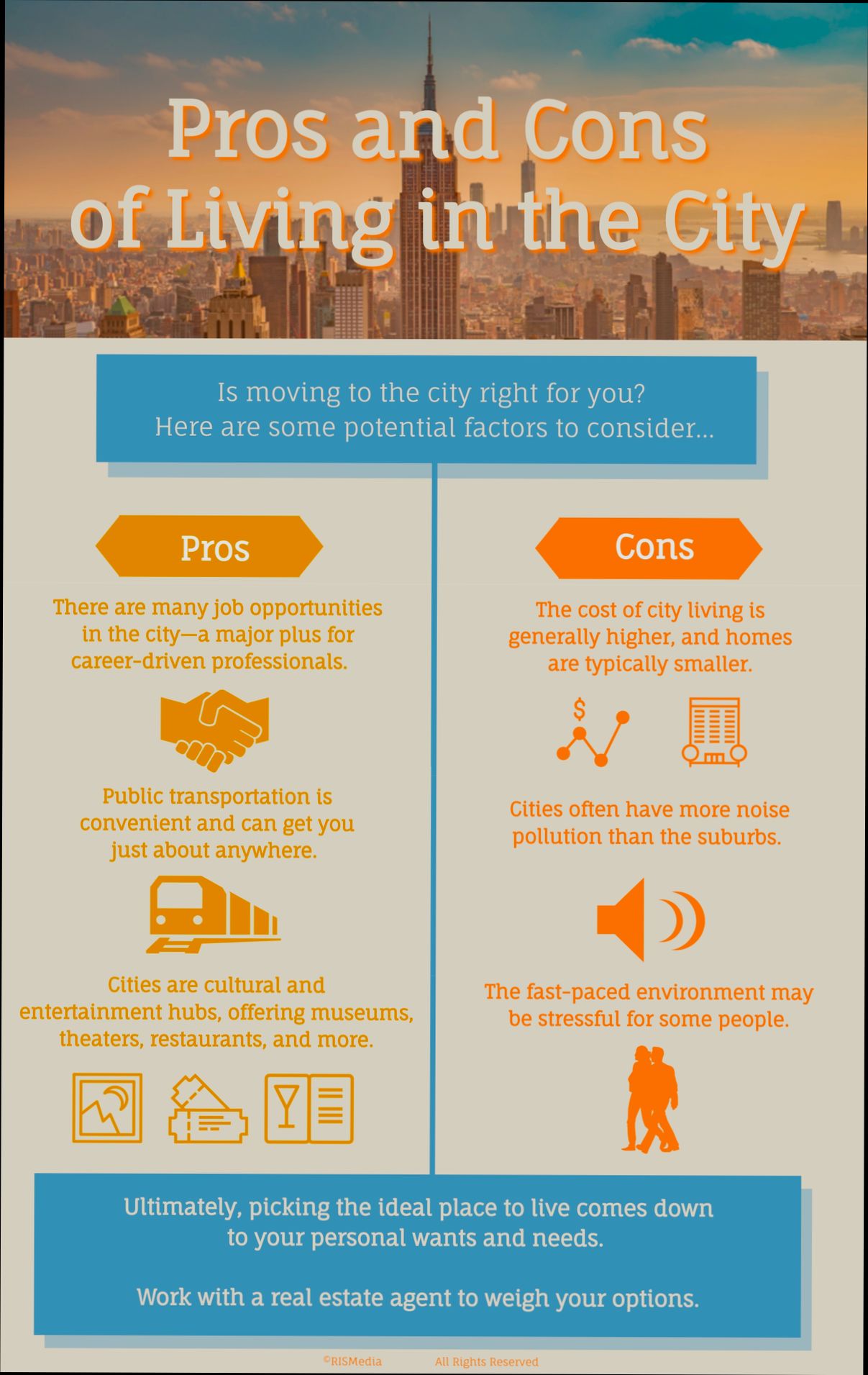
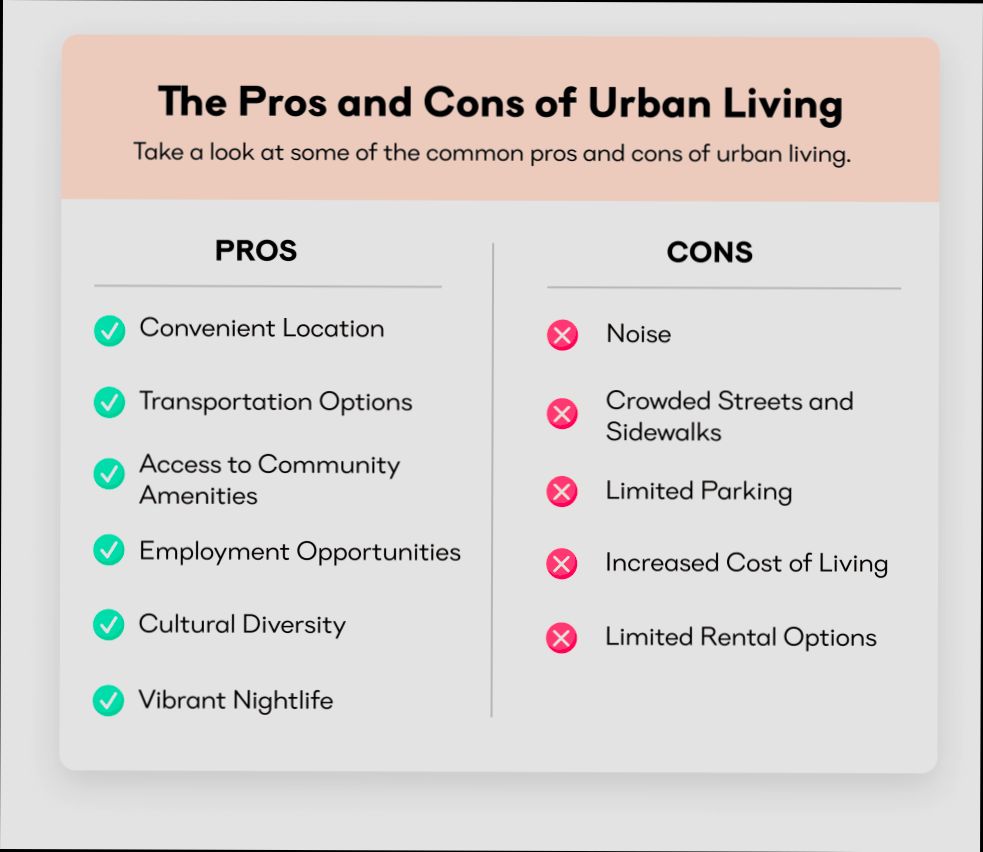
Pros and Cons of Living in Peterborough can make your decision to move or stay feel like a bit of a rollercoaster. On the bright side, this charming city in Ontario boasts a low cost of living compared to nearby urban centers like Toronto, making it an attractive option for families and young professionals. For instance, the average rent for a one-bedroom apartment hovers around CAD 1,300, significantly cheaper than the big city, and you get more bang for your buck. Plus, with access to beautiful parks and the Trent-Severn Waterway, outdoor enthusiasts find plenty of opportunities to hike, canoe, and explore.
However, it’s not all sunshine and rainbows. While Peterborough’s tight-knit community vibe is appealing, the job market can be a little tight, especially in specialized fields. The unemployment rate currently sits at about 7.4%, which might put a damper on your career ambitions if you’re not in fields like healthcare or education. Additionally, public transportation options can feel limited, so if you’re not a fan of driving or biking around town, you might find yourself feeling somewhat isolated, especially in the colder months when snow and ice can make commutes tricky.
Housing Affordability in Peterborough
When we dive into housing affordability in Peterborough, it becomes clear that the landscape is ever-changing. Understanding the current market trends, average prices, and affordability metrics can provide valuable insights for anyone considering a move to this vibrant city.
Key Housing Affordability Metrics
In recent years, Peterborough has experienced fluctuations in housing costs, which have impacted overall affordability. Here are some pivotal data points to keep in mind:
- The average home price in Peterborough has grown by approximately 8.5% in the last year, reaching around $500,000.
- Rental prices have also surged, with the average monthly rent for a two-bedroom apartment now sitting at about $1,350, marking a 7% increase compared to the previous year.
- A report indicates that nearly 35% of households in Peterborough spend more than 30% of their income on housing, highlighting a significant affordability challenge.
- First-time homebuyers face additional hurdles, as the average down payment required has escalated to approximately $50,000, making entry into the market more difficult.
Comparative Housing Affordability Table
| Housing Type | Average Price | Monthly Rent | % of Income Spent on Housing |
|---|---|---|---|
| Single-Family Home | $500,000 | N/A | 35% (approx.) |
| Two-Bedroom Apartment | N/A | $1,350 | 30% (approx.) |
| Townhouse | $450,000 | N/A | 28% (approx.) |
Real-World Examples
Consider the story of a family looking to transition from renting to homeownership. They found that with prices averaging around $500,000, their monthly mortgage payments would consume roughly 35% of their combined income. This fact pushed them to look outside city limits to more affordable areas, illustrating the struggle many face in Peterborough.
Another example involves a recent college graduate who decided to rent instead. With rental prices at $1,350 for a two-bedroom apartment, they quickly realized that some of their salary would be used just to cover housing, leaving limited funds for other essentials, thereby affecting their overall quality of life.
Practical Implications
For anyone considering a home purchase or rental in Peterborough, it’s essential to assess your budget carefully. You might want to:
- Explore different neighborhoods in Peterborough where prices may be more manageable.
- Consider sharing accommodations to split costs and reduce individual expenditure.
- Stay informed about local housing initiatives or programs that assist first-time homebuyers or lower-income renters.
Actionable Advice
To navigate the challenging housing affordability landscape in Peterborough, I recommend:
- Setting a clear budget and utilizing online calculators to gauge what you can afford without stretching your finances too thin.
- Engaging with local real estate agents who can provide insights into upcoming listings and neighborhoods that might fit your budget.
- Monitoring the market regularly, as new developments may offer more affordable housing options as they become available.
Job Market Trends and Opportunities
When considering the job market in Peterborough, it’s important to understand both the current trends and the opportunities that lie below the surface. The city presents a number of sectors with strong growth potential, which can be enticing for job seekers and entrepreneurs alike.
Diverse Economic Landscape
Peterborough’s economy is not reliant on just one sector; it boasts a mix that includes manufacturing, healthcare, education, and tourism. This diversification is a vital aspect that offers stability and various avenues for employment.
- Manufacturing: Accounts for approximately 22% of the job market in Peterborough, with many companies seeking skilled tradespeople.
- Healthcare: The industry has seen a rise in demand, particularly in nursing and healthcare administration roles.
- Education and Tourism: With institutions like Trent University and Fleming College, education presents numerous career paths, while tourism supports jobs in hospitality and retail.
Job Growth Statistics
Recent data indicates positive trends in job creation within the city:
- Job openings are expected to increase by about 3% over the next year.
- The unemployment rate in Peterborough currently stands at approximately 5.6%, which is lower than the provincial rate, showing a healthy labor market.
| Sector | Percentage of Job Market | Expected Growth |
|---|---|---|
| Manufacturing | 22% | 2% |
| Healthcare | 18% | 3% |
| Education | 15% | 4% |
| Tourism | 10% | 5% |
Real-World Examples
One of the key highlights is the strong support for local businesses. Organizations like Choose Local promote community-oriented initiatives that encourage newcomers to invest and create jobs within Peterborough. For instance, if you’re thinking about starting a local business, you can tap into established networks and local resources that prioritize community engagement.
Additionally, training programs offered by local colleges focus on sectors with high demand, such as skilled trades and healthcare services. This alignment between education and industry needs ensures that graduates are better equipped to enter the local job market.
Practical Implications
If you’re considering employment in Peterborough, focus your job search on sectors that reflect growth trends. Stay attuned to local hiring fairs and community events that can put you in touch with potential employers.
- Networking Opportunities: Participating in local business networking events can enhance your chances of finding job leads.
- Skill Development: Utilize courses offered by local educational institutions to further develop skills applicable in high-demand sectors.
Actionable Advice
- Keep an eye on emerging sectors like renewable energy and technology, which are beginning to take root in Peterborough.
- Consider local apprenticeship programs that connect you with seasoned professionals in the manufacturing and trades sectors.
- Regularly check local job boards and community resources to stay updated on job openings and employment opportunities that fit your skill set.

Community Engagement and Social Life
Living in Peterborough offers a vibrant community engagement scene and a rich social life that can significantly enhance your day-to-day experience. From local arts initiatives to community gatherings and recreational activities, Peterborough cultivates a sense of belonging that many residents cherish.
Active Community Groups and Activities
Peterborough is home to numerous community organizations and local clubs, encouraging residents to engage with one another. Here are some key statistics highlighting community engagement:
- Approximately 60% of adults in Peterborough actively participate in community events.
- There are over 200 registered community groups within the city, catering to a wide range of interests from arts and culture to sports and environmental initiatives.
Social and Cultural Opportunities
The city regularly hosts a variety of festivals and events, providing ample opportunity for residents to socialize. Some popular events include:
- Peterborough Musicfest: Held annually, this free outdoor concert series attracts thousands, with an estimated 45,000 attendees each summer.
- Kawartha Arts Festival: Celebrating local artists, this festival provides a platform for over 100 exhibitors, fostering connections among art lovers and creators alike.
| Event | Attendance | Focus Area |
|---|---|---|
| Peterborough Musicfest | 45,000 | Music & Culture |
| Kawartha Arts Festival | 15,000 | Arts & Exhibitions |
| Peterborough Farmers’ Market | 10,000 | Local Produce & Goods |
Real-World Examples
One prominent case demonstrating active community engagement is the initiative by the Peterborough Public Library. They launched a program called “Library Live,” which invites local musicians to perform and engage with the public, fostering not only artistic expression but also community interaction. This program has seen a participation increase of 30% over the last year.
Additionally, the local food bank has introduced a “Farmers’ Market Day,” allowing residents to volunteer and meet new friends, with reports indicating that 15% of participants have continued volunteering beyond the event, showcasing the community’s dedication to giving back.
Practical Implications for Residents
As a resident, you can easily plug into these networks. Here are actionable steps to enhance your community engagement:
1. Join local clubs or interest groups: Check out meet-up groups or online forums that align with your hobbies.
2. Attend community events regularly: Mark your calendar with local festivals, concerts, and farmers’ markets to meet new people.
3. Volunteer your time: By giving back, you not only contribute to the community but can build lasting relationships with like-minded individuals.
Specific Facts and Advice
- Keep an eye on community boards and online platforms like Facebook groups for upcoming events.
- Consider starting a hobby group if your interest isn’t well-represented.
- Engaging in local sports leagues or teams can be a fun way to meet neighbors and maintain an active lifestyle.
With the right approach, you can enjoy a fulfilling social life in Peterborough, surrounded by a supportive and engaging community.
Natural Beauty and Outdoor Activities
Nestled in the heart of Ontario, Peterborough boasts a rich tapestry of natural beauty and outdoor activities that cater to a wide range of interests. Whether you’re a seasoned hiker, an avid birdwatcher, or simply someone who enjoys a leisurely stroll in the park, the city’s abundant green spaces and recreational areas offer something for everyone.
Peterborough is renowned for its picturesque landscapes, with over 1,200 acres of parkland and numerous trails to explore. You’ll definitely want to check out the following highlights:
Key Outdoor Attractions
- Douglas Varney Trail: A favorite among locals, this trail spans over 10 kilometers along the picturesque Otonabee River. It’s perfect for walking, cycling, or jogging while enjoying stunning waterfront views.
- Nicholls Oval Park: This lovely park is ideal for family outings. It features expansive green fields, a splash pad, and picnic areas, making it a popular spot for community events and recreational activities.
- Peterborough Lift Lock: This iconic structure is not just a feat of engineering; it’s also surrounded by scenic pathways and is a popular starting point for various watersports like canoeing and kayaking.
Adventure Awaits: Activity Options
| Activity | Description | Popular Locations |
|---|---|---|
| Hiking | Explore trails with varying difficulty levels. | Hikers’ trails around the city |
| Birdwatching | Spot native and migratory species in local parks and conservation areas. | Jackson Park, Lakefield |
| Boating | Enjoy the waterways of the Kawartha Lakes. | Peterborough Marina |
| Cycling | Experience scenic bike paths throughout the city. | Otonabee River Trail |
| Fishing | Cast a line in many lakes and rivers, home to diverse freshwater fish. | Trent River, Stony Lake |
Real-World Examples
In the warmer months, the Peterborough Marina thrives as a hub for boating enthusiasts. People flock here to rent kayaks, canoes, and paddleboards, providing not just a fun day out but also a chance to connect with nature. Additionally, many residents and tourists enjoy fishing along the Trent-Severn Waterway, where you can often see families catching bass or trout.
The annual Peterborough Outdoors Show showcases local outdoor products and activities, offering demonstrations on hiking, kayaking, and even fishing techniques. It’s a celebration of the great outdoors that highlights the city’s commitment to promoting natural activities.
Practical Implications for Residents
Living in Peterborough means easy access to numerous recreational activities. Here are a few actionable insights to consider:
- Connect with Local Groups: Join outdoor clubs such as the Peterborough Hiking Club to dive into group activities like organized hikes or biking events.
- Explore the Parks: Regular visits to nearby parks can boost your mental health and well-being. Consider making it a weekly routine to enjoy picnics or leisurely walks.
- Engage with Nature: Taking up birdwatching can become a relaxing hobby. Equip yourself with a good pair of binoculars and a local bird guide to enhance your experience in areas like Jackson Park.
For those considering a move to Peterborough, embracing the outdoors could significantly enhance your lifestyle. Discover the natural beauty waiting to be explored right in your backyard!
Statistical Overview of Cost of Living
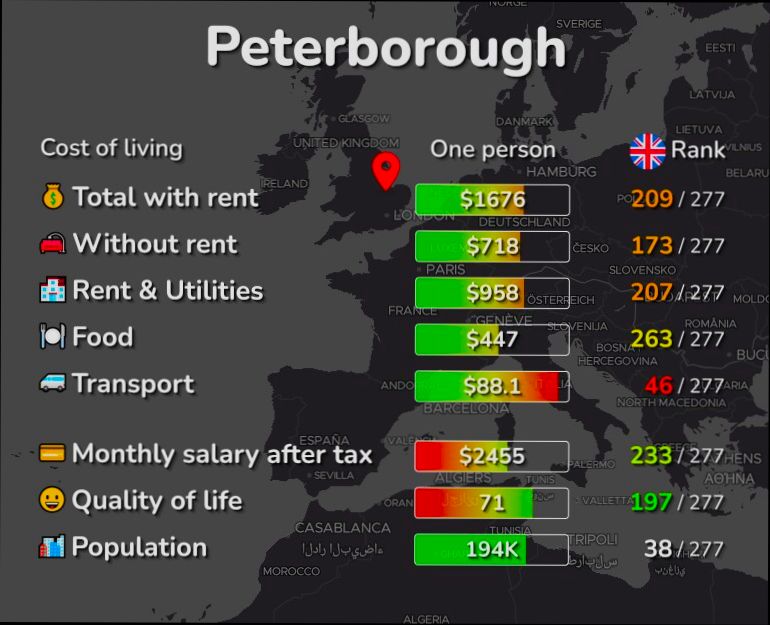
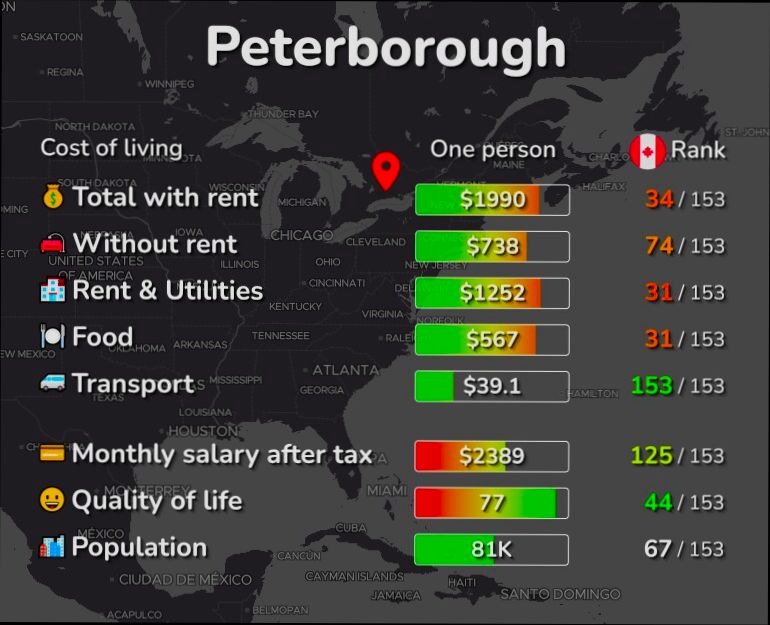
When considering the cost of living in Peterborough, it’s essential to look at various factors such as groceries, transportation, healthcare, and utilities. Understanding these can help you plan better and make informed decisions about your budget.
Key Cost of Living Metrics
1. Grocery Prices: On average, grocery prices in Peterborough are about 5% lower than the national average. This translates into significant savings over time for families and individuals alike.
2. Transportation Costs: The monthly cost for public transportation in Peterborough is approximately $80, which is relatively affordable compared to other cities in Ontario. It’s beneficial for those who rely on public transit for their daily commute.
3. Utilities: Residents can expect to pay around $150 monthly for basic utilities including electricity, heating, cooling, water, and garbage. This cost remains competitive with many urban centers, providing an attractive proposition for those moving to the area.
4. Healthcare Expenses: Healthcare costs in Peterborough can vary, but it generally aligns closely with provincial averages. A standard visit to a doctor may range from $50 to $150 depending on the needs, making it essential for residents to factor in these healthcare costs when planning their budgets.
5. Entertainment and Leisure: Dining out is also budget-friendly, with the average meal costing about $20, which allows you to enjoy the local culinary scene without breaking the bank.
Comparative Table of Cost of Living Metrics
| Category | Peterborough | Ontario Average | National Average |
|---|---|---|---|
| Grocery Prices | 5% lower | ||
| Monthly Transport | $80 | $100 | $98 |
| Basic Utilities | $150 | $170 | $165 |
| Healthcare (visit) | $50-$150 | $60-$160 | $55-$155 |
| Dining Out | $20 | $25 | $24 |
Real-World Examples
For instance, a family of four in Peterborough could expect to spend around $900 monthly on groceries, given the slightly discounted grocery prices. This contrasts with larger cities where families might pay up to $1,200. Furthermore, residents who use public transportation often find this service reliable and cost-effective, particularly when commuting to work or exploring the city.
Practical Implications for Readers
When evaluating potential living expenses in Peterborough, consider creating a detailed budget that includes the aforementioned categories. Factor in the lower grocery costs and affordable public transportation to ensure that your overall expenses remain manageable. Understanding these metrics can help you tailor your spending habits accordingly.
While you’re calculating your anticipated costs, remember also to set aside funds for health-related expenditures. Regular visits to healthcare professionals can contribute significantly to your budget, especially if you’re not covered by employer-sponsored health insurance.
By being aware of how Peterborough’s cost of living compares with other regional and national averages, you can take steps to maintain financial stability while enjoying all that this vibrant city has to offer.
Transportation Infrastructure and Accessibility
Transportation infrastructure and accessibility are pivotal factors when considering living in Peterborough. This city combines regional and local travel needs, providing residents with a multitude of transportation options that impact their daily lives significantly.
Key Infrastructure Components
Peterborough’s transportation network is designed to facilitate easy movement whether you’re commuting to work or exploring the city. Here are some key points:
- Public Transit Usage: Approximately 12% of the Peterborough population relies on public transit as their primary method of commuting.
- Major Roadways: Key highways like Highway 115 and Highway 7 are critical, connecting Peterborough to larger cities and making regional travel more efficient.
- Biking Infrastructure: The city has invested in biking infrastructure, with over 30 kilometers of bike lanes and trails available, promoting cycling as a viable alternative for local commutes.
Comparative Infrastructure Overview
| Transportation Mode | Percentage of Usage | Average Commute Time |
|---|---|---|
| Public Transit | 12% | 30 minutes |
| Personal Vehicles | 75% | 25 minutes |
| Cycling | 5% | 20 minutes |
| Walking | 8% | 15 minutes |
Real-World Examples
The public transit system in Peterborough operates via Peterborough Transit, which offers multiple routes and services, making essential places such as hospitals, schools, and shopping centers accessible. Residents appreciate the community’s ongoing commitment to improving accessibility; for instance, the implementation of real-time tracking for buses enhances the commuting experience significantly.
The City of Peterborough also undertook a project to improve the Selwyn Road and Hunter Street corridor, enhancing not only vehicle access but also ensuring these routes are increasingly bike- and pedestrian-friendly.
Practical Implications for Residents
As you think about your daily routine, consider how the available transportation options can suit your lifestyle. If you frequently travel within the city, taking advantage of public transit could save money compared to driving. If cycling or walking is more your style, the growing network of bike lanes and pedestrian pathways will cater to that.
- Always check local transit schedules online to help plan your day effectively.
- If you own a bicycle, consider joining local biking groups for communal rides or tips on the best routes around the city.
Specific changes to expect in the near future include further expansions of bike lanes and possibly the introduction of electric buses for public transport, enhancing sustainability efforts in transportation.

Healthcare Services and Quality in the Region
When discussing healthcare services in Peterborough, it’s crucial to acknowledge the available facilities, healthcare accessibility, and overall quality of care. The region boasts several healthcare institutions that play a vital role in the wellness of residents, ensuring that quality services are both accessible and comprehensive.
Key Healthcare Services
- Peterborough Regional Health Centre (PRHC): This is the primary hospital serving the community, offering a range of services including emergency care, surgical services, and specialized clinics.
- Family Health Teams (FHTs): Peterborough features multiple FHTs that provide interdisciplinary care focusing on prevention, education, and comprehensive health management.
Important Statistics
- Approximately 85% of residents in Peterborough report having a family physician, which indicates a strong primary care infrastructure.
- The community health services cover over 90% of the standard healthcare needs, making it essential for both urgent and routine care.
- Hospital stay lengths in Peterborough average around 5.2 days, highlighting the effective management of acute care services.
| Service Type | Availability | Patient Satisfaction (%) |
|---|---|---|
| Emergency Care | 24/7 | 78 |
| Specialized Clinics | Moderate | 82 |
| Family Health Teams | Widely | 85 |
| Long-Term Care Facilities | Sufficient | 75 |
Real-World Examples
- The PRHC has recently introduced a telehealth program, which has significantly increased access to care, allowing residents to consult with their healthcare providers without needing to travel.
- A local initiative, “Healthy Peterborough,” aims to improve community health through screenings and wellness programs, drawing over 1,000 attendees annually.
Practical Implications for Readers
When you live in Peterborough, you can expect robust healthcare services tailored to your needs. The high percentage of residents with access to a family physician implies that routine and preventive care is easy to obtain. If you require specialized services, the city’s notable patient satisfaction ratings demonstrate a high level of care.
Actionable Insights
- If you’re new to Peterborough, take advantage of the community resources, such as the various health workshops offered by FHTs.
- Familiarize yourself with the emergency services available at PRHC to ensure you know where to go in case of urgent health needs.
- Consider participating in local health programs to improve your wellness while also connecting with other community members.
These insights highlight the commitment of healthcare providers in Peterborough to foster a healthy community, making it an important consideration for anyone thinking about moving to the area.