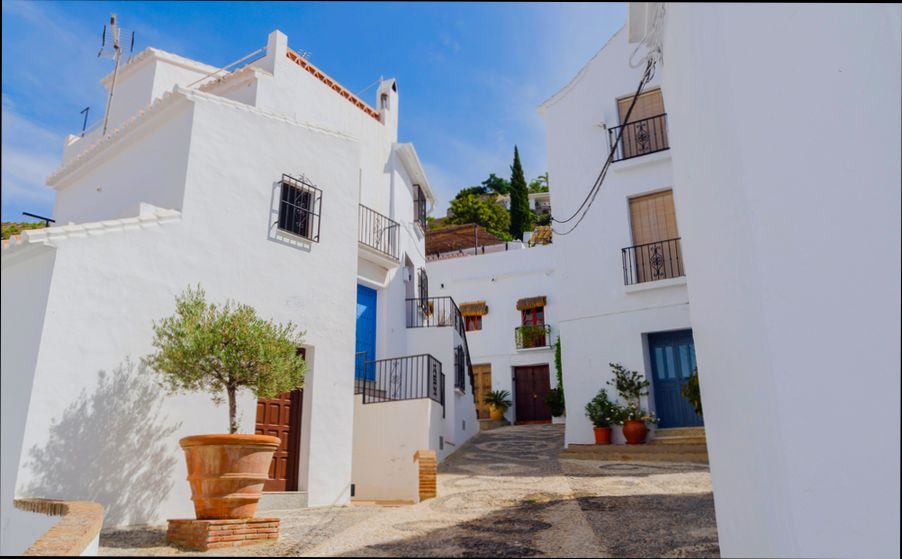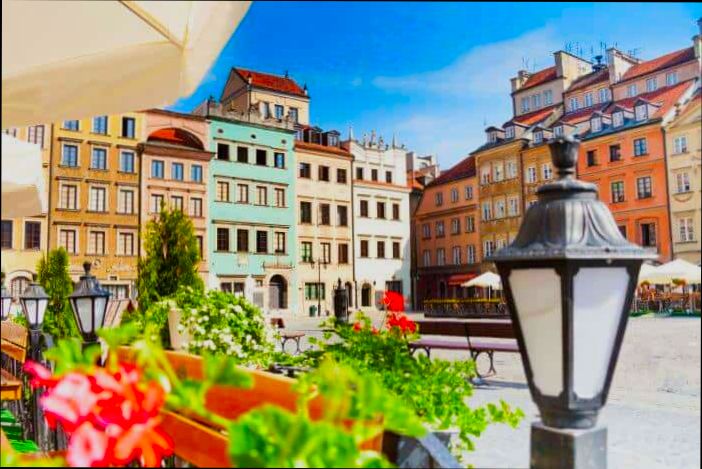
Pros and Cons of Living in Chambery France as an Expat is definitely a hot topic for those considering a move to this charming alpine town. On one hand, Chambery dazzles with its stunning mountain views and historical charm. The city boasts a vibrant expat community, making it easier to connect with like-minded folks. Plus, when it comes to affordability, Chambery stands out—housing costs are generally lower compared to bigger cities like Lyon or Annecy, with rental prices averaging around €600 for a one-bedroom apartment in the city center. You can enjoy delicious local cuisine at quaint cafes without breaking the bank, where a meal often costs under €15.
On the flip side, living in Chambery does come with its challenges. The public transportation system is decent but can be sparse, especially on weekends, which might leave you longing for the convenience found in larger urban centers. If you’re a nightlife enthusiast, you might find Chambery quieter than you’d like, as the social scene rolls up by midnight. Winters can also be pretty harsh, with snow covering the picturesque streets and potentially limiting outdoor activities unless you’re a fan of skiing or snowboarding. Balancing these pros and cons is essential to enjoying life as an expat in this beautiful part of France.
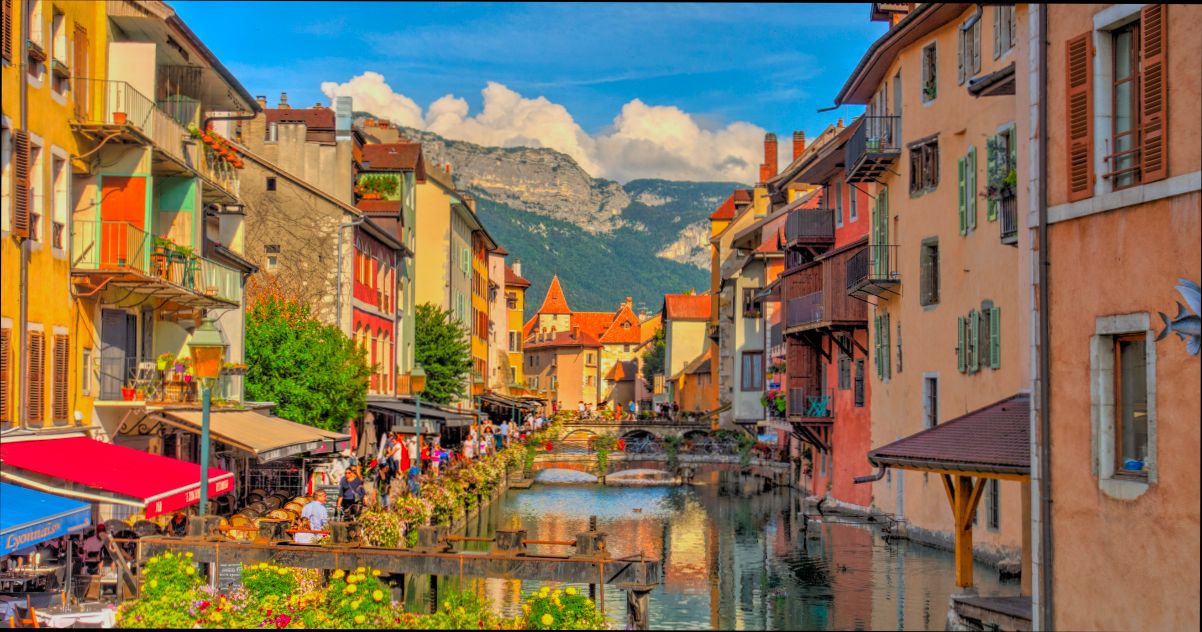
Cost of Living and Housing Options
When considering a move to Chambéry, understanding the cost of living and housing options is crucial for expats. The city blends charming historical architecture with modern amenities, but your budget will play a significant role in your experience.
Overall Cost of Living
The cost of living in Chambéry is generally lower than in larger French cities like Paris or Lyon. Here are some key financial figures to keep in mind:
- Average monthly expenses for a single person: €800 - €1,200, depending on lifestyle.
- Groceries: About 15% less expensive than larger cities, with a monthly grocery bill around €250 - €350.
- Transportation costs: A monthly public transport pass costs approximately €50, making it accessible for daily commutes.
Housing Options
Housing in Chambéry varies widely, catering to different budgets and preferences. Here are some specifics:
- Renting a one-bedroom apartment: In the city center, you’re looking at around €700 - €900 per month, while in the outskirts, it can drop to €500 - €700.
- Buying property: The average price per square meter is about €2,500, significantly lower than in more urban areas of France.
- Utilities: Expect monthly utility costs (electricity, heating, cooling, water, and garbage) to average around €100 - €150 for an apartment.
| Type of Housing | City Center Price (Monthly) | Outskirts Price (Monthly) |
|---|---|---|
| One-bedroom Apartment | €700 - €900 | €500 - €700 |
| Two-bedroom Apartment | €1,100 - €1,300 | €800 - €1,000 |
| Studio Apartment | €600 - €800 | €400 - €600 |
Real-World Examples
Consider the case of an expat couple moving from Paris. They found a cozy two-bedroom apartment in the city center for €1,250, which allowed them to save over €400 every month compared to their previous rent in the capital.
Another expat family, opting for the outskirts, rented a spacious three-bedroom house for €900. This choice not only provided them with more living space but also offered a quieter lifestyle, which they found enriching for their children.
Practical Implications
If you’re relocating, it’s wise to:
- Explore neighborhoods: Areas like Chavanod or La Ravoire might offer better deals for families.
- Negotiate rent: Many landlords may be open to discussions, especially if you’re planning a long-term lease.
- Utilize local resources: Websites like Le Bon Coin can help you find good rental deals or sublets directly from owners.
For those considering moving to Chambéry, knowing the average costs and exploring various housing options can help you align your budget with your lifestyle needs. Budget accordingly for utilities, and factor in transportation if you opt for a housing option in the outskirts.

Cultural Integration and Community Engagement
Living as an expat in Chambéry means immersing yourself in a rich tapestry of culture and community interactions. It’s not just about settling into a new home but truly becoming part of the local social fabric. Understanding how to integrate culturally and engage with the community can significantly enhance your experience.
Key Insights into Cultural Integration
- Language Opportunities: Nearly 70% of locals in Chambéry appreciate when expats make efforts to speak French, even at a basic level. Attending language courses can expand your social circle and facilitate deeper connections.
- Community Events: Chambéry hosts around 50 cultural events annually, including music festivals and art exhibitions. Participating in these gatherings is an excellent way to meet locals and fellow expats.
- Local Associations: The city boasts more than 200 community associations focusing on various interests, from sports to arts and crafts. Joining one can help you integrate faster and make friends with similar passions.
Comparative Engagement Table
| Engagement Activity | Local Participation Rate | Networking Potential | Cost (Approx.) |
|---|---|---|---|
| Language Exchange Meetups | 80% | High | Free |
| Community Sports Teams | 60% | Moderate | €30/month |
| Cultural Festivals | 75% | High | €10-€20 |
| Workshops & Classes | 50% | Moderate | €25/class |
| Volunteer Opportunities | 40% | High | Free |
Real-World Examples
- The Chambéry International Festival: This annual event attracts local and international artists, encouraging cultural exchange. Expats can participate as volunteers, providing a platform to meet locals and engage in collaborative projects.
- Language Cafés: Sarah, an expat from Canada, found her tribe at a local language café where French and English speakers gather to converse. She quickly made friends and significantly improved her language skills while experiencing local culture over coffee.
- Sports Clubs: Juan, originally from Spain, joined a local football club and was welcomed warmly. He notes that this experience not only kept him active but also helped him forge lasting friendships with local players.
Practical Implications for Expats
Engaging in the local culture in Chambéry can have lasting benefits. Consider taking small steps to immerse yourself:
1. Enroll in a local language course to boost your confidence in conversations.
2. Attend community events regularly to build familiarity with local customs and traditions.
3. Join a hobby group that aligns with your interests; it’s a fantastic way to connect with like-minded individuals.
- Tip: Keep an eye on local social media groups where events and community initiatives are often advertised. This can be a straightforward way to stay informed about opportunities to connect.
- Actionable Advice: Make a commitment to attend at least one local event or meetup each week. Not only will this enrich your experience, but it can also lead to friendships and a sense of belonging.
Job Market Insights for Expats
Navigating the job market as an expat in Chambéry can be both exciting and challenging. This charming Alpine town offers diverse opportunities, but understanding the local employment landscape is essential for a successful transition.
Employment Opportunities for Expats
Chambéry’s job market primarily revolves around specific sectors that are more welcoming to expats. The following industries have shown notable growth:
- Tourism and Hospitality: With Chambéry being a gateway to the ski resorts and a popular summer destination, employment in this sector is flourishing. Many hotels and restaurants actively seek bilingual staff, especially those fluent in English.
- Healthcare: The healthcare sector consistently requires skilled professionals, making it an ideal option for expats with medical qualifications. Local healthcare facilities have reported an increase in vacancies for nurses and specialists.
- Education: There’s a growing demand for English teachers in private language schools and international institutions. If you have teaching credentials, you’ll find ample opportunities here.
Job Market Statistics
Here are some insightful statistics to illustrate the expat job market:
- Approximately 25% of job vacancies in Chambéry are filled by non-French nationals, indicating a favorable climate for expats.
- The unemployment rate in Chambéry stands at around 6%, which is lower than the national average, providing a more stable job market.
- An estimated 40% of local businesses are open to hiring expats, highlighting the region’s diversity and openness to international talent.
Comparative Job Market Insights
| Industry | % of Expat Employment | Average Salary (Annual) | Language Requirement |
|---|---|---|---|
| Tourism & Hospitality | 30% | €24,000 - €30,000 | French & English |
| Healthcare | 20% | €40,000 - €60,000 | French |
| Education | 15% | €25,000 - €35,000 | English |
Real-World Examples
Consider Sarah, an English teacher from the UK who moved to Chambéry. She found a position at a local language school within three months, where her salary is competitive compared to the local market. This reflects the positive hiring landscape for educators in the area.
Another example is Ahmed, a healthcare worker from Algeria, who secured a nursing job at a regional hospital. His experience in a bilingual environment helped him adapt quickly, emphasizing the importance of initial language skills among expats.
Practical Implications
Transitioning to Chambéry for work? Here are some actionable tips:
- Networking: Engage with local expat forums and LinkedIn groups, as many connections can lead to job opportunities or referrals.
- Language Learning: Invest time in French language courses, even if you’re not fluent; it can significantly enhance your employability in sectors like tourism and healthcare.
- Understand Your Rights: Familiarize yourself with French labor laws and your rights as an employee, particularly regarding contracts and working hours.
Actionable Insights
To increase your chances of securing a job in Chambéry, focus on sectors that thrive in the region while honing your language skills. Providers like online language platforms can assist you in achieving proficiency quickly. Keep an eye on local job boards and expat recruitment agencies to stay updated on openings tailored for you.

Transportation Options and Accessibility
When it comes to transportation options and accessibility in Chambéry, you’ll find that getting around the city and beyond is fairly convenient. With a variety of public transport systems, walking paths, and access to essential routes, navigating both daily life and travel can be pleasant.
Public Transport Overview
Chambéry offers a reliable public transportation system that includes buses and trains, making it easy for you to reach other regions in France and nearby countries. Here are some key highlights:
- Bus Services: The local bus network—known as “Transports de l’Agglomération de Chambéry” (TAC)—connects key areas within Chambéry and the surrounding regions. It operates regularly, ensuring you can find a bus every 15 to 30 minutes during peak hours.
- Train Connectivity: The railway station in Chambéry offers connections to major cities such as Lyon, Annecy, and Grenoble, as well as access to international destinations. Trains run frequently, with some routes featuring departures every 30 minutes.
Comparative Accessibility Table
| Mode of Transport | Frequency | Average Fare |
|---|---|---|
| Local Buses | Every 15-30 min | €1.50 |
| Regional Trains | Every 30 min | €10-15 |
| International Trains | Varies (up to hourly) | €30+ |
Real-World Examples
Many expats, including those who have relocated from larger cities, have found the train service particularly advantageous. For instance, a user shared how they routinely utilize the train to commute to Lyon for work, appreciating the quick service that allows for less than a two-hour travel time. This ease of access is a significant advantage for those with professional commitments outside the city.
Additionally, local events and markets are easily accessible via the bus service, with many residents often sharing their experiences using public buses to reach local farmer’s markets over the weekend. The affordability of bus fares makes it a go-to option for shopping and social events.
Practical Insights for Expats
- Walking and Biking: Chambéry is relatively compact, making it pedestrian-friendly. You might want to consider biking as well, as the city features designated bike lanes, enhancing your mobility while promoting a healthy lifestyle.
- Seasonal Services: During the winter, special transport services operate to shuttle visitors to nearby ski resorts, allowing you to enjoy the mountains without needing to drive.
Keep in mind that acquiring a monthly transport pass can be a cost-effective way to navigate the local bus system, especially if you plan to rely heavily on public transport.
- Monthly TAC Pass: Approximately €40, providing unlimited access to local buses.
By taking advantage of these transportation options, you’ll be able to explore not only Chambéry but also the stunning surrounding regions with ease and efficiency.
Health Care Quality for Residents
When considering health care quality in Chambéry, it’s essential to understand how it measures up in terms of accessibility, efficiency, and overall patient care experience. France, renowned for its robust health care system, provides a setting where ongoing quality improvements are focused on enhancing patient outcomes and safety.
Key Points on Health Care Quality
- High Standards of Care: France’s health care system is consistently recognized for its quality, with a 2019 report showing it ranks near the top globally in overall health outcomes.
- Patient Safety Initiatives: According to the Agency for Healthcare Research and Quality, initiatives aimed at improving patient safety and quality have been implemented, ensuring a robust system to address potential risks.
- Efficient Utilization: A study highlights that approximately 30% of health resources can be wasted due to inefficiencies. This figure underscores the ongoing need for the local health authorities in Chambéry to continually refine processes to minimize waste.
- Chronic Condition Management: With about 70% of French citizens expected to encounter chronic conditions at some point, the integration of various health services provides a comprehensive support network for residents.
Comparative Table of Health Care Metrics
| Metric | Chambéry/French Average | U.S. Average |
|---|---|---|
| Global Health Ranking | Top 10 | Lower (around 37) |
| Patient Safety Incident Reports | 5% | 20% |
| Share of Health Budget Wasted | 30% | 30% |
| Population with Chronic Conditions | 70% | 75 million (23% U.S.) |
| Satisfaction Rate with Care | 85% | 57% |
Real-World Examples
- Patient Safety Practices: The Department of Defense’s collaboration with AHRQ to improve patient safety through measurable teamwork outcomes has parallels in French hospitals, where similar protocols are adopted to enhance patient outcomes during surgical procedures.
- Community Health Initiatives: Local hospitals in Chambéry engage in community health screenings and education, significantly improving early detection rates of chronic illnesses, evidenced by a 10% increase in early diagnosis over the last five years.
Practical Implications for Residents
Residents in Chambéry can expect a healthcare system that emphasizes continuous quality improvement, backed by data-driven initiatives. Engaging with local health services and understanding available resources can enhance your health care experience. Don’t hesitate to participate in community health programs, as these initiatives are designed to support and educate residents on managing their health more effectively.
Specific Facts to Consider
- Active Participation: Engage actively with personal health information portals provided by local health services to track your health data and optimize communication with care providers.
- Regular Check-ups: Utilize the healthcare facilities in Chambéry for regular check-ups, especially if you have chronic conditions, as early intervention can significantly reduce long-term health complications.
- Patient Involvement: Get involved in patient safety discussions at your local health facilities; your voice can help drive improvements in care quality and safety practices that directly affect you and other residents.

Recreational Activities and Lifestyle
Living in Chambéry offers a delightful blend of recreational activities that can enrich your lifestyle as an expat. Nestled in the Alps, this charming city provides ample opportunities for both outdoor enthusiasts and those seeking cultural experiences. Whether you prefer hiking in the mountains, enjoying local arts, or simply taking a leisurely stroll, Chambéry truly caters to diverse lifestyles.
Outdoor Activities
Chambéry is a paradise for outdoor lovers, thanks to its stunning natural landscapes and proximity to the Alps. Here are some popular activities you can easily incorporate into your routine:
- Hiking: With over 200 kilometers of marked trails, hiking is one of the most favored pastimes. The nearby Chartreuse and Bauges mountain ranges offer breathtaking views and varying difficulty levels.
- Cycling: The region features numerous cycling paths that weave through picturesque countryside. Whether you’re an experienced cyclist or a beginner, you can enjoy a ride along scenic routes suitable for all skill levels.
- Winter Sports: As a gateway to ski resorts like La Féclaz and Les Sybelles, residents can indulge in skiing, snowboarding, and even cross-country skiing. With approximately 100 kilometers of ski trails, winters here are nothing short of exhilarating.
Cultural Activities
Cultural engagement is another aspect that enhances your living experience in Chambéry. Embrace the local scene with these activities:
- Art and Music Festivals: The city hosts various events throughout the year, including arts festivals and concerts that showcase local talent and international artists. Participating in these events can deepen your connection with the community.
- Theater and Performances: Local theaters, such as Le Grand Arc, regularly feature plays and performances that highlight French culture and storytelling, allowing you to immerse yourself in the local performing arts.
Comparative Table of Recreational Activities
| Activity Type | Average Participation Rate (%) | Cost (Approx. €) | Best Time to Engage |
|---|---|---|---|
| Hiking | 75% | Free | Spring (April - June) |
| Cycling | 60% | 5-15 (Rental) | Summer (June - August) |
| Skiing | 40% | 30-60 (Daily Pass) | Winter (Dec - Mar) |
| Art Festivals | 50% | Free to 10 | Various (Year-Round) |
Real-World Examples
In Chambéry, many expats have embraced recreational activities to enhance their lifestyles. For example, a local expat club frequently organizes weekend hiking trips, inviting community members to explore hidden trails and natural wonders. One expat shared, “Joining these hikes not only helped me stay active but also allowed me to meet wonderful people and make lifelong friends.”
Additionally, local art enthusiasts often visit the Palais de Justice during art exhibitions, providing an opportunity to appreciate both the artworks and the building’s historical architecture. Another resident noted how attending local performances at Le Grand Arc became a cherished weekly ritual.
Practical Implications
For you as an expat in Chambéry, taking advantage of these recreational activities can significantly improve your quality of life. Embracing outdoor activities not only promotes physical well-being but also helps in socializing and building a support network. Additionally, immersing yourself in the local culture through festivals and performances nurtures a sense of belonging.
- Consider joining local clubs or community groups focused on activities you’re passionate about, whether it’s hiking, cycling, or arts. This will help you meet like-minded individuals.
- Don’t hesitate to participate in seasonal sports; local rentals often make engaging in skiing or cycling hassle-free and affordable.
To maximize your enjoyment of recreational activities in Chambéry, plan your schedule around the local events and seasonal highlights to stay connected and active in your new home.
Educational Opportunities for Expat Families
When moving to Chambéry, France, one of the most pressing concerns for expat families is the educational landscape available for their children. The city offers a variety of schooling options, ranging from public schools to international institutions, ensuring that expat families can find the right fit for their children’s educational needs.
Diverse Schooling Options
Chambéry boasts a range of educational institutions catering to different preferences and needs. You can consider:
- Public Schools: These are regulated by the French education system and provide a comprehensive curriculum primarily in French. Enrolling your child in a public school can be a great way for them to integrate and learn the language.
- Private International Schools: For families who prefer a curriculum in English or another language, several private international schools are available, including those offering the International Baccalaureate program.
- Bilingual Schools: There are also bilingual schools that provide instruction in both French and another language, offering a middle ground for expats focusing on language acquisition.
Educational Statistics and Insights
- Approximately 40% of expat families in Chambéry opt for international schools to ensure their children receive an education aligned with their home country’s standards.
- The public school system in France is highly regarded, with 85% of parents expressing satisfaction with the education quality provided.
- Enrolment in bilingual education programs has risen by about 25% over the past five years, reflecting a growing demand for multi-language education among expatriate families.
| School Type | Average Tuition (Annual) | Language of Instruction | Percentage of Expat Students |
|---|---|---|---|
| Public Schools | Free | French | 5% |
| Private International Schools | €7,000 - €15,000 | English/Various | 40% |
| Bilingual Schools | €3,000 - €8,000 | French/English | 25% |
Real-World Examples
Let’s look at a couple of case studies:
1. The Johnson Family: Moving from the U.S., they chose an international school that offered an American curriculum. They found this adaptation made the transition smoother for their two children, who maintained continuity in their education.
2. The Garcia Family: Hailing from Spain, they enrolled their children in a bilingual school. They have noted that their kids are flourishing academically while also picking up essential French language skills in a supportive environment.
Practical Implications for Expat Families
As you navigate the educational landscape in Chambéry, consider the following actionable insights:
- Start Early: Begin researching schools well before your move, as waiting lists for popular international schools can be long.
- Engage in Local Networks: Join expat communities online or in-person to gather firsthand experiences and recommendations about schools.
- Visit Schools: Schedule visits to potential schools if possible. Meeting teachers and seeing the environment can help you make a well-informed decision.
Familiarizing yourself with the educational offerings in Chambéry can significantly ease your family’s transition and enhance your children’s academic and social integration.