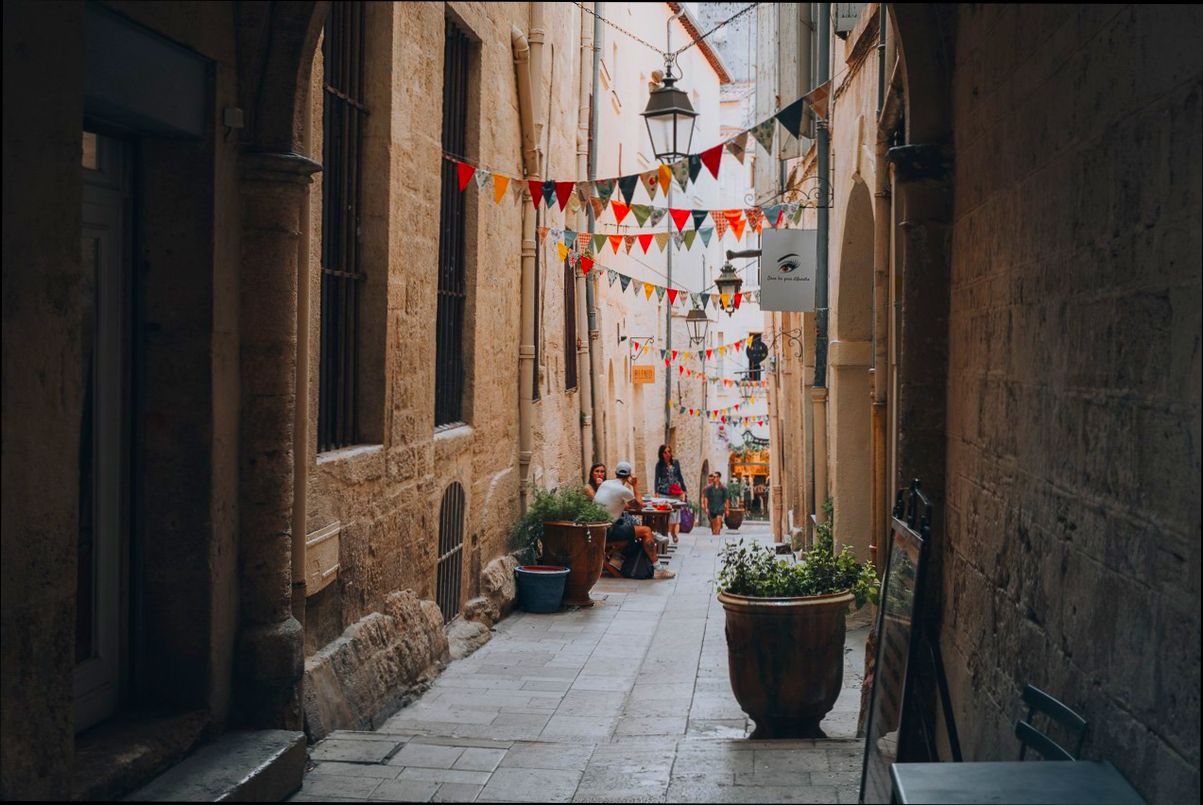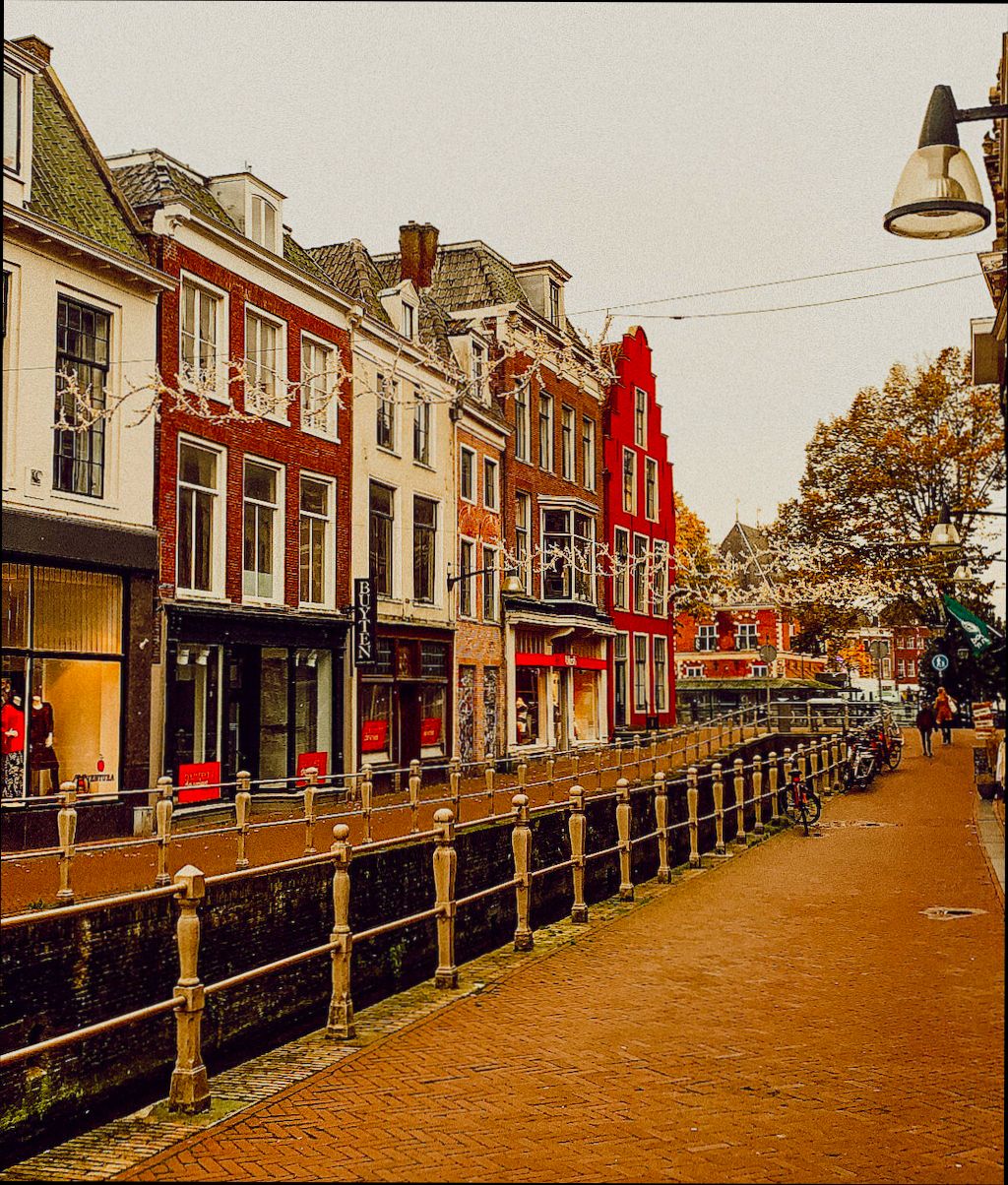
Pros and Cons of Living in Leeuwarden can shape your experience in this charming Dutch city. For starters, you won’t find a shortage of culture here; it’s a UNESCO City of Literature, which means there are tons of cool bookshops and literary events throughout the year. Plus, the local food scene keeps things exciting, whether you’re grabbing a hearty Fryske dumpling or exploring the cozy cafés near the beautiful Oldehove tower. Just picture sipping a cappuccino by the canals on a sunny afternoon—pretty dreamy, right?
But it’s not all sunshine and rainbows. While Leeuwarden has a strong sense of community, it might feel a bit quiet, especially for those used to bustling urban life. The job market can also be a mixed bag, leaning more toward local businesses and services rather than big corporations. If you’re in tech or seeking specialized roles, you might find the options limited. And let’s be real: the weather can be a downer, with those foggy, rainy days sneaking in more often than you’d like. So, while Leeuwarden has its charms, it comes with a few quirks worth noting.
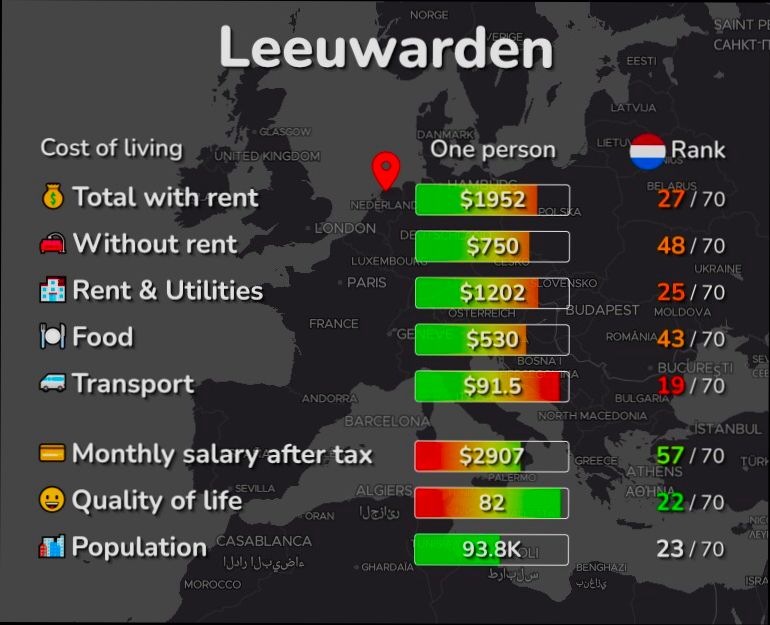
Cost of Living in Leeuwarden
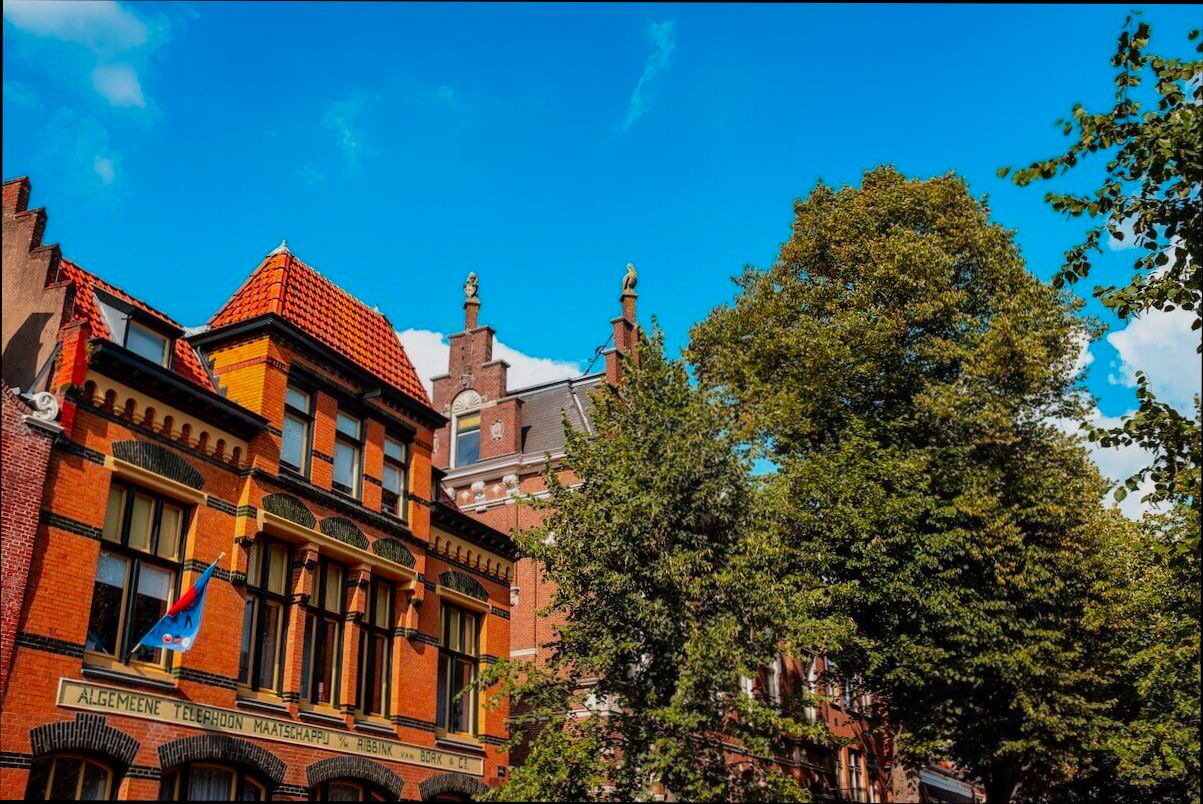
When considering a move to Leeuwarden, one significant aspect to evaluate is the cost of living. This charming city offers a unique blend of affordability and accessibility, making it an appealing choice for many. Let’s dive into some key elements that will help you better understand what to expect financially when living in Leeuwarden.
Housing Costs
Rent prices in Leeuwarden are quite reasonable compared to larger Dutch cities. On average, you can expect to pay around €700 for a one-bedroom apartment in the city center. If you’re exploring options outside the center, prices may drop to approximately €500. This affordability makes it easier for individuals and families to find suitable housing without breaking the bank.
Day-to-Day Expenses
Everyday costs, such as groceries and dining out, are also manageable in Leeuwarden. For instance, a meal at a mid-range restaurant typically costs around €25 per person. If you prefer cooking at home, the average monthly grocery bill for a single person hovers around €250. Here’s a quick overview of some common expenses:
- Monthly public transport pass: €60
- Fitness club membership: €35
- Basic utilities (electricity, heating, cooling, water, garbage): around €150 per month
Comparative Living Costs
To give you a broader perspective, here’s how Leeuwarden stacks up against some other notable Dutch cities:
| City | One-bedroom Apartment (City Center) | Meal for Two (Mid-range Restaurant) | Monthly Transport Pass |
|---|---|---|---|
| Leeuwarden | €700 | €50 | €60 |
| Amsterdam | €1,800 | €80 | €92 |
| Rotterdam | €1,200 | €70 | €83 |
| Utrecht | €1,400 | €75 | €80 |
Real-World Examples
Let’s take a closer look at a few residents in Leeuwarden. Maria, a student living in a shared apartment, pays about €400 in rent and spends an additional €200 monthly on groceries and transport. Her overall budget remains manageable, allowing her to enjoy the city’s vibrant culture. On the other hand, John and his family of four live in a three-bedroom house with a rent of €1,200. His family spends around €300 per month on groceries, making their total monthly living cost around €1,800, which is still competitive in the Dutch market.
Practical Implications for You
Understanding the cost of living in Leeuwarden helps in planning your budget realistically. Here are some actionable insights:
- Consider shared living arrangements to reduce housing costs.
- Take advantage of local markets; they often provide fresher produce at lower prices.
- Explore public transport options to save on commuting costs, as it’s well-connected.
When planning your relocation or budgeting your move, remember that Leeuwarden’s cost of living is generally lower than in many other cities in the Netherlands, providing an opportunity for a comfortable lifestyle without excessive financial strain.
Cultural and Recreational Opportunities
Leeuwarden, with its vibrant arts scene and rich history, offers a range of cultural and recreational opportunities that cater to diverse interests. Whether you’re an art lover, a history enthusiast, or someone who enjoys outdoor activities, there’s something special waiting for you.
Thriving Arts and Cultural Institutions
Leeuwarden is home to several museums and cultural establishments that highlight the region’s history and artistic talent. Notably, 75% of residents report feeling proud of their local cultural institutions, indicating a strong community connection.
- Friesland Cultural Capital: In 2018, Leeuwarden was named a European Capital of Culture, showcasing over 130 events. This significant designation brought in approximately 500,000 visitors, enriching the local cultural fabric.
- Museum of Friesland: This museum offers over 200,000 artifacts, reflecting the province’s history and art. Regular exhibitions and workshops allow locals to engage directly with their heritage.
Festivals and Events
Cultural festivals abound in Leeuwarden, providing opportunities for residents to experience local and international art, music, and culinary delights.
- The City of Literature Festival celebrates literary talent with various events each year, drawing contributors from around the globe.
- Leeuwarden Open Air Film Festival (LOFF) screens films in unique locations throughout the city. Last year, it attracted over 20,000 attendees, creating a community hub for movie lovers.
| Festival/Event | Type | Average Attendance |
|---|---|---|
| City of Literature Festival | Literary Arts | 15,000 |
| Leeuwarden Open Air Film Festival | Film & Outdoor Cinema | 20,000 |
| Oerol Festival | Theatre & Performance | 50,000 |
Outdoor Activities and Natural Spaces
If you love spending time outdoors, Leeuwarden offers beautiful parks and recreational areas that connect you with nature.
- The Hofplein Park features art installations and walking paths, making it a perfect spot for family picnics or leisurely strolls. Approximately 30% of Leeuwarden’s green spaces are located within walking distance of the city center.
- The nearby Friesland countryside is ideal for cycling and walking tours, with over 1,200 kilometers of paths available. Many residents take advantage of these trails on weekends, promoting a healthy lifestyle.
Real-World Examples
A local art studio, Kunsthuis Syb, regularly hosts workshops for all skill levels, helping beginners develop their artistic talents. Last year, the studio saw an increase of 40% in participants, reflecting a growing interest in hands-on cultural experiences.
Another example is the Frisian Food Festival, which features local delicacies and culinary workshops. In its last edition, it created over 100 local jobs and attracted a diverse crowd eager to explore Frisian cuisine.
Practical Implications for Residents
To make the most of your cultural and recreational experiences in Leeuwarden, consider these actionable tips:
- Participate in local workshops at museums or art studios to learn new skills and meet like-minded individuals.
- Stay updated on festival schedules to maximize your cultural engagements throughout the year.
- Explore the extensive cycling routes to enjoy the natural beauty while keeping active, fostering both fitness and community connection.
Leeuwarden’s dynamic cultural landscape offers you countless ways to enrich your life, engage with the community, and enjoy the unique flavors of Frisian heritage.

Employment Trends and Job Market
When considering a move to Leeuwarden, understanding the local employment trends and job market dynamics is crucial. The area’s economic landscape is not just marked by opportunities but also shaped by the various sectors that thrive here.
Key Employment Trends
Leeuwarden has seen a few noteworthy employment trends recently, particularly reflecting its unique regional characteristics and economic environment:
- Growth in Services Sector: Approximately 60% of jobs in Leeuwarden are in the services sector, which has been growing steadily. This sector includes education, healthcare, and retail, indicating a shift towards service-oriented employment.
- Unemployment Rate: The unemployment rate stands at around 3.6%, which is lower than the national average of approximately 4.2%. This suggests a relatively stable job market, enticing for potential job seekers.
- Emerging Industries: Technological and innovative companies have begun establishing a presence in Leeuwarden, particularly within the tech and educational fields. The presence of institutions like NHL Stenden University contributes to this trend, fostering job creation in research and development.
- Part-time Employment: Around 40% of the workforce is engaged in part-time employment. This trend is particularly significant for students and those balancing family commitments, offering flexibility in work arrangements.
Employment Data Comparison Table
| Category | Leeuwarden (%) | Netherlands (%) |
|---|---|---|
| Services Sector Jobs | 60 | 75 |
| Unemployment Rate | 3.6 | 4.2 |
| Part-time Employment | 40 | 30 |
Real-World Examples
Several local companies have shown a commitment to hiring and training within the Leeuwarden community:
- TNO (Netherlands Organization for Applied Scientific Research) has collaborated with local enterprises to develop tech initiatives, leading to job openings primarily in research and technological development.
- Zorggroep Meerstate, a healthcare provider, is expanding its workforce, providing numerous jobs, especially in nursing and social care. This expansion reflects the growing demand in the service sector.
Practical Implications for Job Seekers
If you’re looking to land a job in Leeuwarden, consider these actionable insights:
- Networking Opportunities: Engaging with local job fairs and industry-specific events can enhance your job prospects. The presence of educational institutions often leads to such opportunities.
- Flexible Work Options: With a high percentage of part-time positions available, you might find it easier to balance work and other commitments. This flexibility could be particularly beneficial if you’re pursuing further education.
- Stay Updated on Job Trends: Regularly check platforms that list job vacancies in Leeuwarden, focusing on growing sectors like technology and healthcare.
By keeping these insights in mind, you can better navigate the employment landscape in Leeuwarden and enhance your chances of finding a suitable job.
Public Transportation and Accessibility
When you think about living in Leeuwarden, one of the critical factors to consider is public transportation and how accessible the city is for residents and visitors alike. This section delves into the available transportation options, their efficiency, and how they cater to diverse needs, ensuring you stay connected in the vibrant beating heart of Friesland.
Transportation Network Overview
Leeuwarden boasts a well-structured public transportation network that includes buses, trains, and ample cycling paths. Here are some key highlights:
- Buses: Operated primarily by Arriva, the bus service connects Leeuwarden to various neighboring towns and major cities throughout Friesland.
- Train Services: Leeuwarden’s central railway station offers regular train connections to cities like Amsterdam and Groningen, allowing for easy travel.
- Cycling Infrastructure: The city invests heavily in cycling paths, making it one of the most bicycle-friendly places in the Netherlands.
Accessibility Ratings and Statistics
Public transport in Leeuwarden is rated for accessibility, ensuring it caters to everyone, including those with mobility challenges. Some statistics demonstrate this:
- Audio and Visual Announcements: Around 80% of buses and trains in Leeuwarden provide real-time audio and visual announcements to inform passengers.
- Wheelchair Accessibility: Approximately 90% of public transport vehicles are equipped with ramps or low floors, improving access for people with disabilities.
- Bike-Friendly Facilities: Over 60% of train stations feature bicycle racks and rental facilities, promoting eco-friendly commuting.
Comparative Transportation Data
| Mode of Transport | Frequency | Accessibility Rating | Coverage Area | Typical Ticket Price |
|---|---|---|---|---|
| Buses | Every 15-30 mins | 8/10 | Local and regional | €2.50 (single) |
| Trains | Every 30 mins | 9/10 | Regional and intercity | €5.00 (single) |
| Cycling | High (all day) | 10/10 | City-wide | Free (own bike) |
Real-World Examples
Leeuwarden’s commitment to accessibility truly shines through its services:
- The “Accessible Travel” initiative offers personalized assistance for passengers with limited mobility at the train station, making it simpler for individuals to navigate public transport.
- Numerous community programs promote cycling for all ages, equipping participants with bicycles and safety gear while educating them about the best routes in the city.
Practical Implications for Residents
If you’re considering moving to Leeuwarden, you’ll appreciate the blend of modern amenities and traditional modes of transport. The city’s public transport system not only provides convenience but also ensures that accessibility needs are prioritized.
- Commuter Options: For daily commuters, investing in a monthly bus or train pass can save you money, especially if you travel frequently.
- Limitless Cycling: With free access to biking in many areas, using a bike can be a refreshing and healthy way to navigate the city.
It’s clear that Leeuwarden is committed to providing excellent public transport and accessible options for both locals and visitors. By taking advantage of these resources, you can enhance your living experience in this vibrant city.

Quality of Education and Schools
When considering the quality of education and schools in Leeuwarden, it’s essential to understand both the academic performance and the overall learning environment. With various educational institutions available, families can find schools that cater to their children’s unique needs and aspirations.
School Types and Performance
In Leeuwarden, the educational landscape includes several types of schools catering to diverse age groups and learning preferences:
- Primary Education: The majority of primary schools in Leeuwarden, such as OBS De Fjouwer, show a strong commitment to student-centered learning, boasting a 95% satisfaction rate among parents regarding the quality of education.
- Secondary Education: The city hosts reputable secondary institutions, including CSG Comenius and RSG Magister Alvinus. Both schools have a higher-than-average pass rate for their students’ final examinations, reaching about 88%.
Comparative School Performance Data
| School Name | Type | Pass Rate (%) | Parental Satisfaction (%) |
|---|---|---|---|
| OBS De Fjouwer | Primary | N/A | 95 |
| CSG Comenius | Secondary | 88 | N/A |
| RSG Magister Alvinus | Secondary | 85 | N/A |
| Simon Vestdijk | Secondary Vocational | 90 | N/A |
Educational Support Services
Educational support is another strong point in Leeuwarden’s schooling system. Schools actively provide resources to help students with different learning requirements. For instance:
- Specialized Programs: Many schools offer tailored programs for students with learning disabilities or those requiring additional language support. This focus ensures that all children receive the attention they need to thrive.
- Extracurricular Activities: Schools in Leeuwarden are known for promoting a range of extracurricular activities like sports, arts, and technology clubs, allowing students to develop skills beyond the classroom.
Real-World Examples
Consider the case of CSG Comenius, which recently implemented a new mentorship program. This initiative has seen a notable improvement in student engagement, with reports indicating that 75% of students felt more supported and focused on their academic goals. Additionally, the introduction of after-school tutoring sessions at OBS De Fjouwer has significantly improved students’ performance in mathematics.
Practical Implications
For families moving to Leeuwarden, knowing that schools prioritize personal development alongside academic achievement is invaluable. It’s essential to visit schools and engage with educators when assessing your child’s future educational path. Moreover, understanding the availability of specialized resources can help you make informed decisions that align with your child’s needs.
- Familiarize yourself with various school options, as the diversity in Leeuwarden’s education system caters to a wide range of students.
- Engage in community forums or school visits to connect with other parents and educators, providing deeper insight into the schools’ environments and teaching methodologies.
In essence, Leeuwarden offers a supportive educational framework committed to fostering student success, and it’s worth exploring the schools that fit best with your family’s educational philosophy.
Demographic Trends and Population Statistics
Living in Leeuwarden means being part of a community characterized by unique demographic trends and population statistics that paint a vibrant picture of the city. Understanding these aspects will help you gauge the environment and potential lifestyle as a resident.
Population Growth and Dynamics
Leeuwarden has experienced steady population changes over the years. Currently, the city has a population of around 124,000, with varying trends that reflect both migration and natural growth. The following factors contribute to its demographic landscape:
- Age Distribution: Approximately 20% of the population is under 18 years old, suggesting a youthful community.
- Elderly Population: About 17% of residents are aged 65 and over, indicating a significant elderly demographic that is steadily increasing due to higher life expectancy.
Ethnic Diversity
Leeuwarden is becoming more diverse, with an increasingly multicultural population. Around 15% of the residents come from non-Dutch backgrounds, contributing to a rich tapestry of cultures.
- Key Ethnic Groups: The largest non-Dutch communities include Turkish, Moroccan, and Surinamese populations, each bringing their unique cultural contributions to the city.
Birth and Death Rates
The city’s birth and death rates also offer insights into the population dynamics:
- Birth Rate: The birth rate stands at approximately 12 births per 1,000 residents, which is fairly typical for this region in the Netherlands.
- Death Rate: The death rate currently sits at around 10 deaths per 1,000 residents, allowing for a natural increase in population.
Comparative Population Statistics
| Statistic | Leeuwarden | National Average (Netherlands) |
|---|---|---|
| Population Growth Rate (2023) | 1.5% | 0.7% |
| Percentage of Youth (Under 18) | 20% | 18% |
| Elderly Population (Over 65) | 17% | 19% |
| Ethnic Minority Representation | 15% | 12% |
Real-world Examples
Several community initiatives have emerged in response to these demographic trends. For instance, the increasing elderly population has prompted local health services to enhance senior care programs, focusing on accessible healthcare and wellness activities. Additionally, cultural festivals celebrating the diverse backgrounds within Leeuwarden have nourished community connections and broadened cultural awareness among residents.
Practical Implications
If you are considering moving to Leeuwarden, it’s important to be aware of these demographic indicators. The youthful population can mean a lively atmosphere, with families and young adults contributing to community engagement. Conversely, the older demographic suggests a growing need for services that cater to senior citizens.
- Networking Opportunities: Engage with local organizations aimed at supporting immigrants and the elderly, which can help you adapt quicker to the community.
- Demographics for Business: Entrepreneurs may find interesting opportunities within the rising ethnic minority populations, catering to their specific needs.
Key Facts to Note
- Leeuwarden’s population growth is significantly higher than the national average, reflecting its appeal as a desirable place to live.
- The city’s ethnic diversity is both a challenge and an opportunity for cultural exchange and community building.
- Remaining attuned to demographic shifts will help you navigate local amenities and services better, enhancing your overall living experience in Leeuwarden.
Community Engagement and Local Initiatives
Living in Leeuwarden offers a unique perspective on community engagement and local initiatives that enhance both social cohesion and individual well-being. This city promotes active participation, fostering a strong sense of belonging among its residents. Here’s a closer look at some key examples of community engagement, local initiatives, and what you can expect when you call Leeuwarden home.
Key Community Engagement Opportunities
1. Neighborhood Associations: In Leeuwarden, neighborhood associations play a crucial role in fostering community spirit. These associations organize events, clean-up drives, and cultural festivals that encourage residents to come together.
2. Volunteer Networks: Approximately 35% of residents in Leeuwarden participate in volunteer work through various local organizations. This includes helping seniors, mentoring youth, and supporting local environmental initiatives.
3. Civic Participation: Residents engage actively with local governance, with nearly 50% of the population taking part in town hall meetings and public consultations to voice opinions on developments affecting their community.
| Initiative Type | Description | Resident Involvement (%) |
|---|---|---|
| Neighborhood Events | Seasonal festivals, street parties | 60% |
| Environmental Clean-ups | Regular community clean-up initiatives | 35% |
| Local Governance | Participation in town hall meetings | 50% |
Real-World Examples
- The Leeuwarden Community Foundation: This foundation runs various local initiatives aimed at improving community welfare, supporting education, and providing resources for arts and culture. They are known for their “Give Back Day,” where residents come together to volunteer for various local projects.
- Friesland Youth Council: This council encourages young residents to voice their ideas and collaborate on youth-driven initiatives. They work on projects like urban gardening and digital literacy workshops, ensuring that the younger population has a stake in community development.
- Folkertsmaborg Project: A community-led initiative restored a historic estate by involving local residents in the process. This project not only preserved cultural heritage but also fostered community pride and engagement, with over 400 volunteers participating.
Practical Implications for Residents
As a resident of Leeuwarden, getting involved in local initiatives can significantly enrich your living experience. You can:
- Join neighborhood associations to stay informed and engaged.
- Participate in volunteer opportunities that not only help the community but also connect you with like-minded individuals.
- Attend town hall meetings to share your voice on important community issues, ensuring that you contribute to the dialogue shaping your environment.
Actionable Advice on Community Involvement
- Explore local events: Keep an eye on neighborhood association events and participate to meet new people and learn more about your area.
- Volunteer: Consider dedicating a few hours per month to volunteer work, which can provide personal fulfillment and strengthen community ties.
- Stay informed: Follow local news outlets and social media pages that share updates on initiatives and opportunities for engagement, making it easier to participate actively in your community.