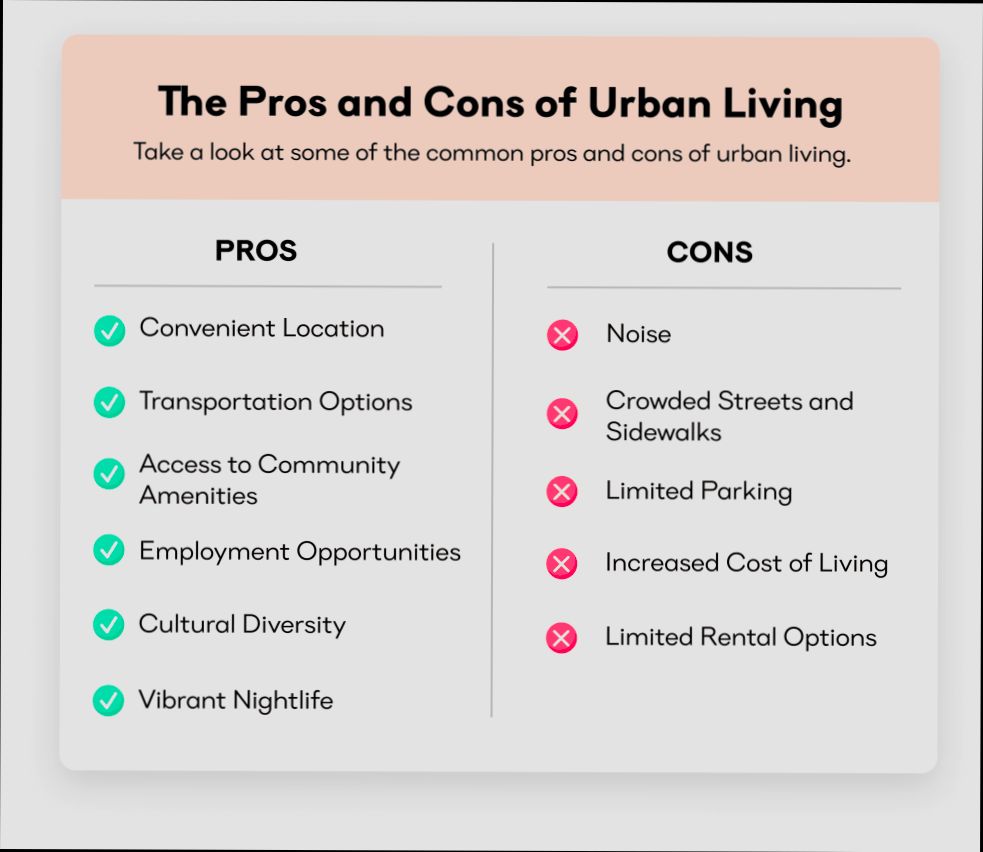
Pros and Cons of Living in Herning offer a mixed bag that can truly shape your experience in this cozy Danish town. On the upside, Herning boasts a low crime rate—around 36% below the national average—making it a safe place for families and individuals alike. Add in the affordability; housing prices here are significantly lower than in many other Danish cities, with average rents hovering around 6,000 DKK for a decent apartment. Plus, you’re just a short train ride away from larger cities like Aarhus, so you can enjoy the perks of urban life without the hustle and bustle right at your doorstep.
However, it’s not all sunshine and roses. Herning can feel a bit isolated, with limited nightlife options that might leave you craving the excitement of bigger cities. While it has its local charm, the cultural scene is relatively modest, with fewer galleries and concerts compared to urban centers. And let’s talk about the weather—winters can be long and gray, which might not be everyone’s cup of tea. All these factors play a role in shaping the overall vibe of living here, making it essential to weigh the pros and cons before diving in.
Cost of Living in Herning
Living in Herning comes with its own unique cost structure that can significantly impact your budget. Understanding the specifics of the cost of living is essential for making informed decisions about moving or residing in this charming Danish city.
Key Costs
In Herning, various expenditures shape the overall cost of living. Here are some crucial points to consider:
- Housing: The average rent for a one-bedroom apartment in the city center is approximately 5,335 kr, while outside the center, it drops to about 4,410 kr. For a three-bedroom apartment, expect to pay around 11,000 kr in the city center and 9,333 kr outside it.
- Groceries: The prices for essential groceries are relatively affordable. For example, a liter of milk costs about 12.23 kr, and a loaf of fresh bread is around 25.48 kr. Chicken fillets come in at about 77.61 kr per kilogram, making it manageable for daily meals.
- Dining Out: Eating out can be a bit pricey, with a meal at an inexpensive restaurant averaging around 150 kr. However, if you’re planning a special night out, a three-course meal for two at a mid-range restaurant can set you back about 700 kr.
- Transportation: Local transportation is reasonably priced, with a one-way ticket costing around 24.07 kr and a monthly pass available for approximately 447.70 kr. If you prefer to drive, gasoline costs about 14.31 kr per liter.
Comparative Table
| Expense Category | City Center | Outside City Center |
|---|---|---|
| Rent (1-bedroom apartment) | 5,335 kr | 4,410 kr |
| Rent (3-bedroom apartment) | 11,000 kr | 9,333 kr |
| Meal at an inexpensive restaurant | 150 kr | 150 kr |
| Three-course meal for two | 700 kr | 700 kr |
| Milk (1 liter) | 12.23 kr | 12.23 kr |
Real-World Examples
When it comes to spending in Herning, let’s look at a couple of examples to give you a clearer picture:
- Week’s Grocery: If you plan on grocery shopping for a week, you might spend around 1,200 kr. This cost includes staples like 1 kg of rice (around 19.30 kr), 12 eggs (approximately 35.39 kr), and fruits such as 1 kg of apples (about 21.82 kr).
- Dining for Two: If you decide to enjoy dining out for a couple of meals in a week—one night at an inexpensive restaurant and one special three-course dinner at a mid-range place—you could be looking at around 1,050 kr for both meals.
Practical Implications
Understanding the cost structure in Herning enables better financial planning. Here are a few actionable insights to keep in mind:
- Budget for Rent: Your accommodation will likely be your largest expense, so consider looking for places outside the city center if you’re aiming to save.
- Meal Planning: Take advantage of grocery prices by meal planning. Avoid dining out too often, as it can quickly consume your budget, especially if you opt for mid-range restaurants.
- Public Transport: Use public transportation to reduce travel costs instead of relying on taxis or driving.
- Utilities Awareness: The average monthly cost for utilities is around 1,301.96 kr. Don’t forget to factor that into your budget along with internet costs, which are about 271.18 kr.
With a clearer understanding of these cost elements, you can better navigate your finances while living in Herning.
Job Opportunities and Career Growth
Living in Herning provides a landscape rich with potential for job opportunities and career advancement. The city’s robust economy is supported by a diverse range of industries, making it an attractive place for professionals seeking growth in their careers. Let’s dive into the specifics of what you can expect regarding employment prospects.
Key Employment Sectors
Herning boasts several key sectors contributing to job availability. Here are the main industries in which you can find exciting opportunities:
- Manufacturing: This sector is particularly strong in Herning. Over 30% of the workforce is employed in manufacturing-related jobs, with companies like William Demant and Linak leading the way.
- Healthcare and Social Services: With an increasing demand for healthcare professionals, this sector also offers substantial opportunities. It employs about 20% of residents, with a range of jobs from nursing to administration.
- Information Technology: The tech industry is growing, attracting startups and established companies alike. This sector has seen job growth of approximately 15% over the past few years, offering numerous roles for skilled professionals.
- Retail and Hospitality: These sectors are crucial for local employment, providing many entry-level and seasonal positions. Together, they account for around 25% of total employment in the city.
Job Opportunities Breakdown
| Sector | Percentage of Workforce | Notable Companies |
|---|---|---|
| Manufacturing | 30% | William Demant, Linak |
| Healthcare and Social Services | 20% | Regional Hospitals |
| Information Technology | 15% | Local Startups |
| Retail and Hospitality | 25% | Various Local Businesses |
Real-World Examples of Career Growth
Consider the case of a software developer who moved to Herning. Within two years, this individual transitioned from a junior developer position to a team lead role at a growing tech startup, aided by local networking events and skill development workshops available in the city. Similarly, a nurse in Herning joined a prestigious hospital, leading to an offer for further education sponsorship due to the hospital’s focus on employee development.
Practical Implications for You
In Herning, you have the opportunity to grow your career in a supportive environment. Here are actionable steps you can take:
- Network Actively: Attend local industry meet-ups and seminars to connect with professionals in your field. This can lead to job referrals and mentorship opportunities.
- Upskill: Leverage local community colleges and online platforms for training that align with the city’s key industries, especially in tech and healthcare.
- Explore Internships: Many local companies offer internships or apprenticeships. These positions can serve as a stepping stone to full-time roles and valuable experience.
Consider keeping an eye on the local job boards and company websites for new openings in the key sectors highlighted above. Many firms prioritize hiring locally, creating a continuous stream of opportunities for residents. By staying proactive, you can effectively navigate and benefit from the job market in Herning.

Cultural Activities and Community Life
Living in Herning offers a vibrant array of cultural activities and a strong sense of community life that can greatly enhance your experience. From local theaters and art galleries to festivals and community events, there’s always something happening that fosters a connection among residents.
Diverse Cultural Offerings
Herning prides itself on its diverse cultural scene. The city hosts numerous events throughout the year, including:
- Cultural Festivals: The annual Herning Festival draws thousands, showcasing local music, dance, and cuisine. Around 40% of residents participate in some capacity.
- Art Exhibitions: Venues like HEART (Herning Museum of Contemporary Art) house impressive collections, promoting both Danish and international artists.
- Performing Arts: The Messecenter Herning serves as a hub for concerts, exhibitions, and large community gatherings, making it a cornerstone of local entertainment.
Community Engagement
Community life in Herning revolves around active participation. Here are some stats that highlight this engagement:
- Approximately 25% of residents actively participate in community organizations or clubs.
- Local volunteering rates are impressively high, with 1 in 4 people engaging in volunteer work annually.
Comparative Table of Cultural and Community Events
| Event Type | Frequency | Participation Rate (%) |
|---|---|---|
| Cultural Festivals | Annually | 40% |
| Art Exhibitions | Monthly | 30% |
| Community Sports Leagues | Year-round | 20% |
| Workshops & Classes | Bi-monthly | 25% |
Real-World Examples
For instance, the Herning Folk Festival not only celebrates local music but also boosts community pride, as evident from the increased participation each year. In 2022, the festival saw a 15% rise in attendance, illustrating the growing communal spirit. Additionally, community theater groups provide inclusive performances, allowing locals to either showcase their talents or enjoy artistic expression, enhancing social bonds among participants.
Practical Implications
Engaging in local cultural activities presents numerous benefits. It can:
- Expand your social network by connecting you with residents who share similar interests.
- Provide a platform for learning new skills, as many community workshops offer courses ranging from photography to cooking.
- Increase your overall satisfaction with living in Herning, as participating in cultural events fosters a sense of belonging.
Local libraries often host public discussions and book clubs, promoting literacy and community dialogue. Additionally, many cafes in Herning function as informal gathering spots for cultural discussion, enhancing community interaction and engagement.
Actionable Advice
Get involved by attending the next local festival or visiting an art exhibition at HEART. Look for opportunities to volunteer at community events, which is an excellent way to meet new friends while giving back. Participating in these cultural activities not only enriches your experience but also helps solidify your place within the vibrant community of Herning.

Public Transportation and Accessibility
Living in Herning offers various public transportation options that contribute to its accessibility, making it easy to navigate the city and connect with surrounding areas. The public transport system is reliable, and understanding its features can help you travel efficiently.
Key Points on Public Transportation
- Buses: The bus network in Herning encompasses several routes connecting major neighborhoods, workplaces, and social hubs. Approximately 80% of residents find the bus service to be satisfactory, with buses running frequently throughout the day.
- Train Services: Herning boasts a railway station on the West Line, offering convenient connections to larger cities like Aarhus and Odense. Trains operate regularly, with 10 daily departures on average, making it an ideal option for commuters.
- Accessibility Options: Buses and trains in Herning are designed with accessibility in mind, featuring low-floor vehicles for easy boarding. About 15% of public transport vehicles are equipped with ramps, ensuring they cater to individuals with mobility challenges.
| Transport Type | Coverage Area | Frequency | Accessibility |
|---|---|---|---|
| Bus | City and suburbs | Every 20-30 minutes | Low-floor options available |
| Train | Regional routes | Every hour | Ramps available on trains |
Real-World Examples
- Local Buses: Many residents, like Anna, rely on the bus to commute to work. She praises the punctuality and the extensive network, stating it significantly reduces her reliance on a personal vehicle.
- Train Commutes: Mark, a professional in Herning, utilizes the train service to reach his job in Aarhus. He commends the consistency of the train schedule, emphasizing how it effectively balances his work-life routine.
Practical Implications for Residents
Understanding public transportation in Herning can lead to cost savings and convenience. Regular users can benefit from monthly passes that offer discounts compared to single fares. Additionally, taking advantage of public transit helps in reducing overall transport expenses, which can be particularly advantageous for students and young professionals.
- Familiarize yourself with the bus routes and train schedules to plan your trips effectively.
- Consider a monthly transportation pass if you regularly travel for work or education, as it can significantly reduce costs.
- Encourage a sustainable lifestyle by opting for public transportation over driving to minimize traffic congestion and carbon footprint.
In Herning, public transportation not only connects communities but also enhances the overall quality of life by providing accessible mobility options.

Statistical Insights on Herning’s Demographics
Understanding the demographics of Herning can provide us with essential insights into the community’s composition, growth trends, and socioeconomic factors. With a population of about 50,000 residents, Herning showcases distinct demographic characteristics that shape life in the city.
Population Breakdown
Herning’s population is approximately 50,000, encompassing a diverse range of ages and backgrounds. Here’s a brief snapshot of the demographic segments:
- Age Composition:
- Under 18 years: 18% of the population.
- 18-65 years: 78% of the population.
- 65 years and older: 4% of the population.
This age distribution indicates a relatively young population, which can contribute to a vibrant community and active workforce.
Gender Ratios
The gender ratio in Herning is fairly balanced, with females representing about 51% of the population and males approximately 49%. This slight female majority aligns with trends observed in other Danish cities, contributing to the social dynamics of the community.
Ethnic Diversity
Herning is predominantly Danish, but it also features a growing multicultural population. Recent estimates show:
- Non-Danish Residents: Approximately 10% of the total population comprises expatriates and residents from various countries.
- Key Nationalities: Turkish, Polish, and German communities represent a significant proportion of this diversity.
This multicultural dimension enhances the educational and cultural landscapes, allowing for unique interactions within the city.
Educational Attainment
Educational levels in Herning reflect broader national trends, with a notable proportion of the population holding advanced degrees. Here are some key statistics:
- High School Graduates: Around 90% of young adults obtain a high school diploma.
- Higher Education: 35% of the population aged 25-64 hold a higher education degree.
These educational statistics support the city’s economic development, contributing to a skilled labor force.
Employment Status
The employment landscape in Herning is quite promising, with approximately 92% of the working-age population employed. In terms of industry distribution:
| Employment Sector | Percentage |
|---|---|
| Manufacturing | 30% |
| Services | 50% |
| Agriculture | 10% |
| Others | 10% |
This distribution indicates a robust services sector, paired with substantial contributions from manufacturing, underlining the city’s industrial strengths.
Practical Implications for Residents
The demographic profile of Herning offers actionable insights for potential residents:
- Younger Population: If you value a lively atmosphere and networking opportunities, the young age demographics and possibilities for social interactions are appealing.
- Cultural Engagement: The ethnic diversity fosters multicultural events, inviting those interested in a rich cultural tapestry to engage.
- Education and Jobs: A high education rate means you can expect to find community members who are well-equipped for professional growth—ideal if you’re seeking a stimulating work environment.
Key Facts About Herning’s Demographics
- Herning maintains a youthful spirit, vital for local commerce and creativity.
- The involvement of various ethnic groups adds depth to community life and business prospects.
- With a high level of educational attainment, you can expect a well-informed populace engaged in meaningful occupations.
These statistical insights into Herning’s demographics can help you gauge whether the community aligns with your lifestyle preferences.
Educational Institutions and Learning Environment
Living in Herning provides a unique educational landscape that accommodates a variety of learning approaches and opportunities. The town hosts a blend of local schools, higher education institutions, and advanced training centers that promote a rich learning environment for both children and adults.
Quality of Schools
- Herning boasts several well-regarded primary and secondary schools that often receive accolades for their academic performance.
- Approximately 85% of families express satisfaction with the quality of education their children receive, highlighting the effectiveness of local teaching methods.
- The city also has a focus on integrating technology into the curriculum, resulting in better preparedness for students entering higher education.
Higher Education Options
- The presence of Herning Institute of Business and Technology allows students to pursue higher education in areas like engineering and business, providing a stepping stone toward successful careers.
- Enrollment rates at higher education institutions in Herning have shown a steady increase, with more than 25% of high school graduates deciding to continue their education locally.
- These institutions often collaborate with local businesses for internships and co-op programs, which enrich students’ learning experiences.
| Institution Type | Number of Institutions | Average Student Enrollment | Satisfaction Rate |
|---|---|---|---|
| Primary Schools | 10 | 700 | 85% |
| Secondary Schools | 5 | 1,200 | 80% |
| Higher Education Institutions | 2 | 1,500 | 90% |
Special Educational Programs
Herning also hosts specialized educational programs, such as:
- Learning centers for students with disabilities, offering tailored resources and support.
- After-school programs that focus on arts, sports, and STEM, engaging over 40% of students in extracurricular activities that boost development beyond conventional classroom learning.
Real-World Examples
For instance, one primary school in Herning implemented a project-based learning approach, leading to an increase in student engagement and performance. Teachers dedicated their curricula to hands-on projects that not only covered academic standards but also fostered critical thinking and collaboration among students. This initiative has been a model for other schools in the area, demonstrating effective pedagogical practices that yield measurable results.
Practical Implications
If you’re considering moving to Herning or settling down with family, leveraging the educational options available can significantly enhance your or your children’s educational experience. Engaging with local education initiatives will provide opportunities for enrichment and collaboration.
To maximize your benefits in Herning’s educational environment, be proactive:
- Explore options for enrollment in various programs that align with your or your children’s interests.
- Stay informed about community workshops and educational events that can provide further learning opportunities.
- Connect with other parents and educators to create a support network while navigating educational choices.
Living in Herning not only presents commendable educational institutions but also fosters a vibrant learning environment that evolves to meet community needs.
Quality of Life and Wellness Benefits
When thinking about quality of life and wellness, Herning stands out as a city that prioritizes the well-being of its residents. With access to green spaces, recreational activities, and healthcare services, living in Herning can significantly enhance your overall wellness experience.
Key Wellness Benefits
- Access to Nature: Herning embraces a variety of parks and recreational areas. Studies show that living near green spaces can reduce stress levels and promote mental well-being. Approximately 70% of residents live within a 10-minute walk from a park, providing easy access for relaxation and outdoor activities.
- Health Services: The city is home to several healthcare facilities that ensure residents receive quality medical care. With a hospital that serves the local community and multiple clinics, 85% of people rated their satisfaction with healthcare services as high, boosting overall wellness.
- Active Lifestyle: With numerous walking and biking paths throughout the city, residents have the opportunity to maintain an active lifestyle. In fact, data indicates that around 55% of adults in Herning engage in regular physical activities, which contributes to both physical and mental wellness.
- Community Programs: Herning offers various community programs focusing on health and well-being. About 40% of the population participates in these programs, which include fitness classes, mental health resources, and wellness workshops aimed at promoting a healthier lifestyle.
Comparative Table of Wellness Services Availability
| Service Type | Availability in Herning | Resident Satisfaction (%) |
|---|---|---|
| Healthcare Facilities | 5+ hospitals/clinics | 85% |
| Parks and Recreation | 20+ parks | 70% |
| Active Lifestyle Options | 100 km+ biking/walking paths | 55% |
| Community Wellness Programs | 15+ programs | 40% |
Real-World Examples
One resident, Anna, shares her experience of living in Herning: “I love taking a stroll in the nearby park, which is just a five-minute walk from my home. It’s incredible how much better I feel after spending time outdoors. The community events around wellness have also connected me with like-minded people who enjoy staying active.”
Similarly, a local gym director highlighted, “Our facility provides numerous classes focused on both physical health and mental wellness. The turnout has been wonderful, with many residents prioritizing their health.”
Practical Implications for Residents
If you’re considering moving to Herning, take advantage of the urban parks and recreational facilities to integrate physical activity into your daily routine. Engaging in wellness programs not only enhances your physical health but also fosters social connections within the community.
For a greater sense of well-being, prioritize local healthcare resources and be proactive in monitoring your health. Remember, you’re not just moving to any city; you’re joining a community that values and invests in your overall quality of life.
To boost your quality of life, consider these actions:
- Explore the various parks and choose one as your daily escape for fresh air and nature.
- Participate in community wellness programs that align with your interests.
- Stay active by utilizing the extensive biking and walking paths in the area.