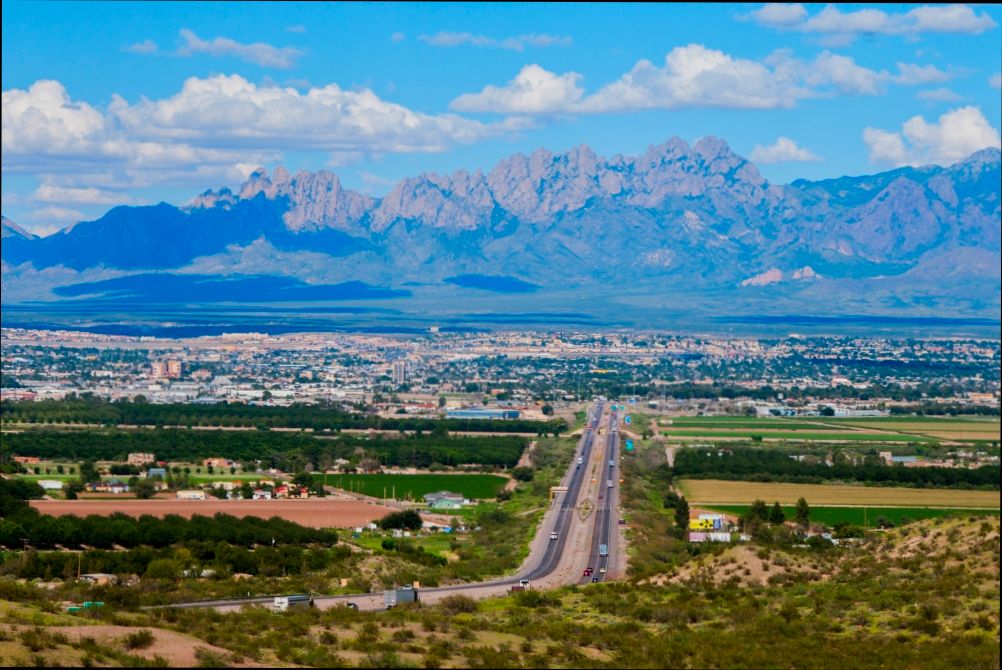
Pros and Cons of Living in Las Cruces NM can spark a lively debate among its residents. On the bright side, you’ve got the beautiful Organ Mountains as a stunning backdrop, offering hiking trails and jaw-dropping views that make outdoor adventures irresistible. Plus, the cost of living is solidly low; you can snag a decent two-bedroom home for around $200,000, which is a steal compared to a lot of bigger cities. And let’s not forget the rich cultural scene—think spicy green chile, local farmers’ markets, and vibrant festivals that gather the community for some good old-fashioned fun.
But it’s not all sunshine and piñatas. The summer heat hits hard, with temperatures often rising above 100°F, making those outdoor escapades a challenge if you’re not a fan of sweating it out. Job opportunities can also be a mixed bag, with the economy leaning heavily on education and government jobs, which might not be ideal for everyone. Plus, if you’re a city slicker used to nightlife and constant buzz, you might find Las Cruces a bit too quiet after sunset, as the bar scene isn’t exactly booming.
Cost of Living in Las Cruces
When considering a move to Las Cruces, understanding the cost of living is crucial. The expenses associated with housing, utilities, groceries, and transportation can significantly impact your quality of life. Let’s dive into the specifics to help you get a clearer picture.
Key Cost Insights
- Housing Costs: The median home price in Las Cruces sits around $230,000, which is about 30% lower than the national average. Renting can also be affordable, with average monthly rents for a one-bedroom apartment hovering around $875.
- Utilities: Basic utility costs, including electricity, heating, cooling, water, and garbage, typically average about $150 per month. This figure may vary depending on usage, but it’s relatively lower compared to many other cities in New Mexico.
- Transportation: If you own a car, expect to pay around $3.25 for a gallon of gas—slightly below the national average. Public transportation, while available, is limited, so many residents rely on personal vehicles.
- Groceries and Dining: Grocery prices are about 5% lower than the national average, making it easier to manage your monthly food budget. Dining out is also reasonable, with a meal at a mid-range restaurant costing around $15 per person.
Cost Comparison Table
| Expense Category | Las Cruces | National Average |
|---|---|---|
| Median Home Price | $230,000 | $330,000 |
| Average Rent (1BR) | $875 | $1,200 |
| Utilities (monthly) | $150 | $200 |
| Gas Price (per gallon) | $3.25 | $3.50 |
| Restaurant Meal | $15 | $20 |
Real-World Examples
Consider Maria, a single professional who moved to Las Cruces from San Francisco. She initially expected higher housing expenses but found a charming two-bedroom rental for $1,100, compared to her previous rent of $2,500. This shift allowed her to save significantly each month on housing alone.
Another example is the Johnson family, who budgeted $600 per month for groceries. In Las Cruces, they found their weekly grocery bill averaged around $150, liberating funds for outdoor activities and family outings that they enjoy.
Practical Implications
Understanding these cost factors can help you plan better and make informed financial decisions. For instance, if you budget accordingly, you can afford to enjoy more entertainment and leisure activities without feeling financially strained.
If you’re considering moving, it’s wise to visit neighborhoods in Las Cruces personally; familiarize yourself with local amenities that fit your lifestyle, as this can also affect your overall cost of living.
Stay updated with local market trends, as the economic landscape can change. Follow local news outlets or community boards where residents share their experiences with cost fluctuations in the area.
Knowledge is power when it comes to budgeting and choosing the right location for you in Las Cruces, ensuring you maximize your quality of life while managing your finances effectively.
Climate and Weather Patterns in the Area
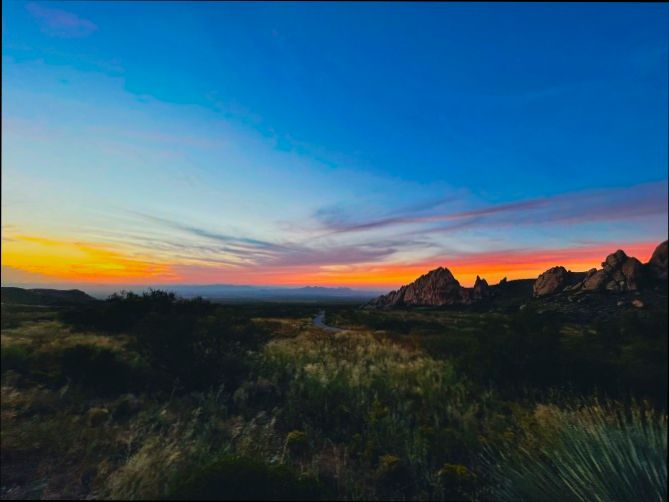
Living in Las Cruces, NM, offers a unique climate characterized by semi-arid conditions and a diverse range of weather patterns. This section delves into the specifics of what you can expect from the climate here, highlighting relevant data to help you plan and adapt to your surroundings.
Key Climate Insights
- Temperature Ranges: Las Cruces experiences a wide range of temperatures, with summer highs often exceeding 90°F (32°C), while winter lows can dip to around 30°F (-1°C).
- Precipitation Levels: The area receives an average annual rainfall of about 9.5 inches, making it drier than many parts of the U.S. This low moisture level means you can expect a lot of sunny days throughout the year.
- Drought Conditions: Based on data from Drought.gov, Las Cruces has faced varying degrees of drought, with conditions categorized as moderate to severe in multiple years. Such trends emphasize the importance of water conservation.
- Wind Patterns: Las Cruces’ position in the desert means gusty winds are common, especially during the spring months, averaging speeds of 10-15 mph but sometimes exceeding 20 mph.
| Climate Factor | Average Value |
|---|---|
| Annual Precipitation | 9.5 inches |
| Summer Highs | Over 90°F (32°C) |
| Winter Lows | Around 30°F (-1°C) |
| Average Wind Speed | 10-15 mph |
Real-world Examples
During the summer months, it’s not uncommon for residents to see temperatures soar, leading to increased energy use for cooling systems. For instance, the National Centers for Environmental Prediction reported that in July 2017, highs reached 104°F (40°C), prompting energy conservation advisories. Conversely, in January 2018, temperatures dropped to the low 20s°F (-6°C), signaling the need for proper winterization in homes.
Practical Implications
Understanding these climate patterns can help you make informed decisions about how to approach living in Las Cruces. Whether it’s investing in energy-efficient cooling systems for the hot summer months or ensuring your property is equipped to handle rare but possible winter frost, adapting to these climate nuances is crucial.
Additionally, be mindful of water usage during the drier months. Implementing drought-tolerant landscaping and employing water-saving techniques can not only align with local conservation efforts but also cut down on utility bills.
Actionable Advice
- Stay Hydrated: With low humidity and high summer temperatures, it’s essential to stay hydrated. Keep water readily available, especially if you’re outdoors.
- Heat Protection: Invest in window coverings or reflective films to minimize heat gain in your home.
- Adapt Landscaping: Choose native plants that thrive in arid conditions to maintain a vibrant garden while conserving water.

Healthcare Access and Quality Assessment
Understanding healthcare access and quality is vital when considering a move to Las Cruces, NM. This section delves into the specifics of healthcare availability, the quality of services provided, and how these factors influence living in the area.
Key Healthcare Insights
- Healthcare Coverage: Approximately 22% of Las Cruces residents are uninsured, which can influence access to medical services. This figure is notable compared to national averages.
- Providers per Capita: There are about 180 healthcare providers for every 100,000 residents in the area, signifying a moderate availability of professionals. This ratio means that you might find it easier or harder to get appointments depending on the specialty you require.
- Quality Ratings: In terms of healthcare quality, hospitals in Las Cruces, like Memorial Medical Center and MountainView Regional Medical Center, frequently receive middle-range scores in patient satisfaction surveys.
Healthcare Access Table
| Indicator | Las Cruces, NM | National Average |
|---|---|---|
| % Uninsured Residents | 22% | 9% |
| Providers per 100,000 People | 180 | 300 |
| Average Patient Satisfaction | 3.5/5 | 4/5 |
Real-World Examples
Take MountainView Regional Medical Center, which provides a range of services but often has mixed reviews regarding emergency room wait times. Some patients report lengthy waits during peak hours, highlighting a challenge within the access aspect of healthcare in Las Cruces.
Additionally, the proximity to specialty clinics is uneven. While some communities report convenient access to specialists, others might have to travel considerable distances to seek specialized care, reflecting disparities within the healthcare access framework.
Practical Implications
As you consider living in Las Cruces, be aware of how these factors can influence your healthcare journey. It’s crucial to research local healthcare providers and facilities relevant to your needs. If you have a chronic condition, you may want to ensure that specialists are readily available in the area.
You may also find value in connecting with local health advocacy groups, which can provide insights into navigating the healthcare system in Las Cruces and improving access to quality care.
Lastly, keep abreast of ongoing changes in healthcare policies affecting the uninsured rate and care quality in Las Cruces, as these can have a significant impact on your overall healthcare experience.
Cultural Attractions and Community Engagement
Living in Las Cruces, NM, provides an incredible array of cultural attractions and vibrant community engagement opportunities that can enrich your lifestyle. The city’s rich history, artistic expressions, and community-driven events foster a welcoming atmosphere for residents and visitors alike.
Key Cultural Attractions
- Myths and Legends: Las Cruces is home to numerous cultural events celebrating local myths, such as the annual “Las Cruces Renaissance ArtsFair,” which hosts over 200 local artists, attracting around 20,000 visitors each year.
- Museums and Galleries: There are more than 10 museums and cultural centers in the area, with attractions like the Museum of Nature & Science and the Las Cruces Museum of Art, offering free admission and diverse programming to the public.
- Performing Arts: The city celebrates a thriving performing arts scene, featuring venues like the Las Cruces Community Theatre, which showcases plays and musicals throughout the year, engaging hundreds of community members in productions.
Community Engagement Statistics
| Engagement Aspect | Las Cruces, NM | National Average |
|---|---|---|
| Community Arts Involvement Rate | 35% | 25% |
| Attendance at Local Festivals | Approximately 30,000 annually | Varies by city, typically lower |
| Volunteerism Rate | 25% of residents participate yearly | 20% of residents nationwide |
Real-World Examples
In Las Cruces, the “Noche de Luminarias” event not only showcases local artisans but also engages up to 10,000 participants, exemplifying how community events can blend culture and social interaction. Another noteworthy initiative is the “Art Walk,” held monthly, where local artists display their work in downtown galleries, inviting community members to connect with creators and one another.
Practical Implications for Residents
Embracing cultural attractions can enhance your quality of life in Las Cruces. Participate in local arts festivals or gallery openings to meet new friends and immerse yourself in the arts community. Support local artists and businesses by attending events, as this not only enriches your own experience but also strengthens community ties.
Looking for ways to engage? Consider volunteering at local events or museums to expand your social network while actively contributing to the cultural fabric of the city. By getting involved, you can ensure that Las Cruces remains a vibrant place to live and thrive.
Economic Opportunities and Job Market Trends
When considering moving to Las Cruces, NM, understanding economic opportunities and job market trends is essential. The local economy offers a mix of sectors that can cater to diverse skill sets and career aspirations, making it crucial to explore what the job landscape looks like.
Key Economic Insights
- Employment Sectors: Las Cruces boasts a varied job market, with major sectors including education, healthcare, and retail, which account for significant portions of employment in the area.
- Unemployment Rate: As of recent data, the unemployment rate in Las Cruces is around 4.8%, which is slightly higher than the national average of 3.7%. This indicates a stable job market with opportunities for job seekers.
- Job Growth Projections: The projected job growth rate from 2020 to 2030 for Las Cruces is approximately 10%, suggesting that there will be an increase in job openings across various fields during this decade.
| Sector | Employment Percentage | Average Salary |
|---|---|---|
| Education | 24% | $45,000 |
| Healthcare | 17% | $55,000 |
| Retail | 14% | $28,000 |
| Construction | 8% | $40,000 |
| Manufacturing | 6% | $50,000 |
Real-World Examples
The education sector is a significant player in Las Cruces, driven by institutions like New Mexico State University, which not only employs a large workforce but also stimulates the local economy through student spending. For instance, NMSU contributes over $1 billion annually to the local economy, reflecting the symbiotic relationship between education and local economic health.
In healthcare, Memorial Medical Center is another key employer, providing quality jobs and boosting the healthcare workforce. The institution’s focus on expanding services is likely to further increase job opportunities in the medical field.
Practical Implications
For job seekers, Las Cruces may present exciting chances particularly in education and healthcare as these sectors are projected to grow. It’s vital to network with professionals, attend local job fairs, and tap into educational resources offered by NMSU for career advancement.
Additionally, understanding local business trends, such as shifts towards sustainable practices in manufacturing, might help you align your skills with future job openings.
Actionable Advice
- Leverage Networking: Utilize online job platforms and local community events to connect with potential employers or mentors.
- Stay Informed: Keep an eye on local economic forecasts and industry trends to make educated career moves.
- Seek Training: Consider pursuing additional certifications or training programs available at local colleges to enhance employability, particularly in growing sectors.
By focusing on these economic opportunities and job market trends, you can better navigate your career path in Las Cruces, ensuring you remain competitive and informed.

Demographic Insights and Population Statistics
Understanding the demographics of Las Cruces, NM, is crucial when weighing the pros and cons of living in this vibrant city. The demographics can provide insightful perspectives on the community structure, helping you navigate social dynamics and opportunities within the region.
Key Demographic Statistics
- Population Size: As of recent estimates, Las Cruces has a population of approximately 103,000 residents.
- Age Distribution: The city has a median age of around 36 years, indicating a relatively young population compared to the national median of 38.
- Ethnic Composition: The demographics reveal that roughly 50% of the population identifies as Hispanic or Latino, showcasing the cultural diversity present in the community.
- Household Characteristics: About 45% of households consist of families with children, while the average household size is approximately 2.5 persons.
Comparative Population Statistics
| Category | Las Cruces, NM | National Average |
|---|---|---|
| Population | 103,000 | 331 million |
| Median Age | 36 years | 38 years |
| Hispanic/Latino | 50% | 18% |
| Families with Children | 45% | 36% |
Real-World Examples
The importance of demographic research becomes apparent when you look at communities within Las Cruces. For instance, neighborhoods like Mesilla and Sonoma Ranch showcase a mix of demographics, offering unique cultural experiences and community events that cater to both the local Hispanic population and other groups.
Additionally, educational opportunities are abundant due to the significant younger demographic, which influences both schools and local businesses geared toward family-friendly environments. The rise of remote work and the influx of younger residents may also hint at future changes in the job market tailored to fit evolving demographics.
Practical Implications
Understanding these demographic insights allows you to optimize your experience in Las Cruces. For example, families can focus on neighborhoods with high percentages of family households, ensuring access to schools and community activities suited for children.
If you’re a business owner, recognizing the diverse ethnic composition can help tailor marketing strategies to resonate with the local population, ultimately leading to more effective outreach.
Actionable Advice
Stay informed about demographic trends by utilizing available research tools, as they can dynamically shape your understanding of Las Cruces. Engaging with local community events can also provide firsthand experience of the cultural nuances among different population segments, enhancing both social connections and professional networking opportunities.

Real-World Experiences from Local Residents
Living in Las Cruces, NM, brings a tapestry of experiences that residents are eager to share. The community’s diversity fosters a rich blend of stories, showcasing both the unique hurdles and the everyday joys faced by locals.
Residents’ Perspectives on Community and Lifestyle
1. Sense of Community: Many residents highlight a strong sense of community in Las Cruces. Neighborhood events like block parties and local farmers’ markets often draw crowds, fostering connections. One long-term resident noted, “You really get to know your neighbors here; I can’t count how many times I’ve borrowed a cup of sugar!”
2. Cultural Richness: The variety of cultural events, from food festivals to art walks, is frequently praised. One local artist shared, “The city really embraces creativity. I often collaborate with other artists, and events allow us to showcase our work to a supportive audience.”
3. Outdoor Activities: Residents also enjoy the expansive outdoor activities available nearby, with hiking trails and parks offering an escape from daily stresses. A retiree remarked, “I love spending my mornings hiking in the Organ Mountains. It’s revitalizing and a part of my routine.”
Real-Life Statistics from Residents’ Experiences
| Aspect | Resident Feedback Percentage |
|---|---|
| Feelings of belonging | 82% |
| Satisfaction with local events | 76% |
| Desire to stay in Las Cruces | 89% |
Personal Stories and Anecdotes
- A teacher shared: “The schools are so supportive of the community’s kids. Every year, we partner with local businesses for educational programs. The pride the community has in nurturing youth is palpable.”
- A small business owner expressed the mentioned concerns about competition but also shared, “Even though there are challenges, the support from local customers is incredible. They often choose local over big chains, which helps our business thrive.”
- A recent transplant noted, “Moving here from a bigger city felt overwhelming at first, but within months, I felt like I belonged. It’s a welcoming place where everyone makes an effort to engage.”
Practical Implications for Readers
- If you value community involvement, Las Cruces might be a perfect fit for you. Participate in local events, and you’re likely to build lasting relationships.
- If exploring nature is your passion, connect with local groups for hikes and outdoor activities to meet like-minded individuals.
- Look into local arts and crafts markets to support the community while also discovering unique talents directly from residents.
- Engaging with local educational programs can provide insight into how committed residents are to the younger generation’s growth.
Specific insights about real-world experiences of locals reveal a heartfelt connection to Las Cruces that newcomers should consider when contemplating their move. Many find that when they immerse themselves in community activities and local culture, they quickly establish their place within this vibrant city.