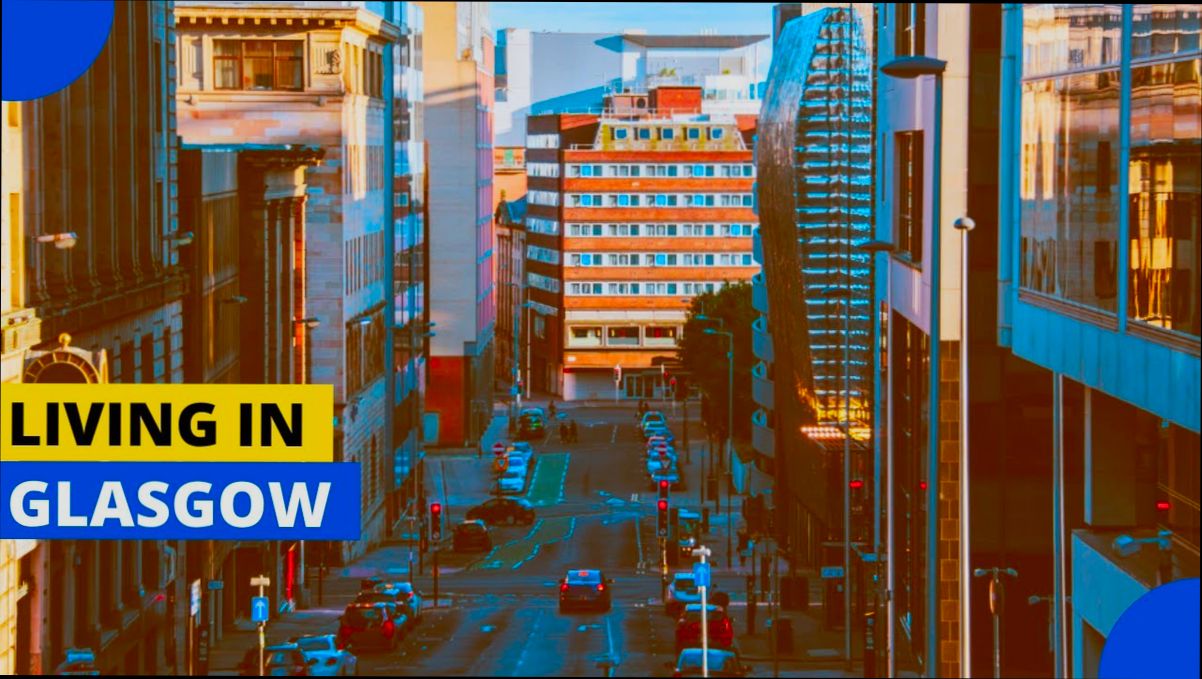
Pros and Cons of Living in Glasgow paint a vivid picture of a city bursting with character but also facing its share of challenges. On the positive side, Glasgow’s vibrant culture delivers an endless stream of entertainment, from the world-renowned Glasgow Film Festival to the lively music scene rooted in venues like the iconic Barrowland Ballroom. Don’t forget about the stunning architecture, too; the city’s mix of Victorian and modern design, highlighted by the Kelvingrove Art Gallery, gives it a unique flair. Plus, with an average cost of living that’s around 15% lower than London’s, you can enjoy that vibrant lifestyle without breaking the bank.
However, life in Glasgow isn’t all sunshine and slàinte. The city does struggle with higher crime rates, particularly in certain neighborhoods, which can raise eyebrows for potential newcomers. The weather is another point of contention—let’s face it, the frequent rain and grey skies can dampen spirits. With an average of 170 rainy days per year, those sun-seekers might need to invest in a solid umbrella! And while public transport is generally reliable, delays and overcrowding during peak hours can be a frustrating reality for daily commuters. Glasgow is full of contrasts, making it a land of both opportunity and hurdles.

Cultural Richness and Diversity in Glasgow
Glasgow is a vibrant hub of cultural richness and diversity, making it a fascinating place to live. The city’s history is a tapestry woven from various cultural influences, significantly enriching its social landscape. Let’s dive into some of the aspects that showcase Glasgow’s unique cultural character.
Key Cultural Highlights
- Multicultural Population: Glasgow boasts a diverse population, with approximately 25% of its residents identifying as part of a minority ethnic group. This cultural mix brings together traditions, languages, and cuisines from around the globe.
- Cultural Events: The city hosts over 120 festivals annually, showcasing everything from music and art to food and dance. The Glasgow International Festival of Visual Art highlights local talents while also inviting international artists, further enhancing the city’s cultural footprint.
- Art and History: Glasgow is home to more than 20 museums and galleries, including the renowned Kelvingrove Art Gallery and Museum and the Glasgow Science Centre. The city’s commitment to preserving its cultural heritage is evident, with over 30 designated heritage sites.
Comparative Insights
| Cultural Element | Glasgow | Average UK City |
|---|---|---|
| Percentage of Minority Ethnic Groups | 25% | 14% |
| Annual Festivals | 120+ | 50 |
| Museums and Galleries | 20+ | 10 |
| Heritage Sites | 30+ | 15 |
Real-World Examples
One significant initiative is the Glasgow Cultural Strategy 2024-2030, focusing on enhancing the city’s cultural vibrancy. For example, the Glasgow Life programme champions inclusivity with arts projects that engage local communities, ensuring everyone can participate in cultural activities.
Organizations such as the West End Festival reflect the city’s dynamic arts scene by promoting local artists and cultural expressions that resonate with the city’s diverse communities. This event alone attracts thousands of visitors each year, celebrating music, theatre, and more within the heart of Glasgow.
Practical Implications
Living in Glasgow means you’ll experience a blend of cultures in everyday life. From the thriving culinary scene featuring restaurants that serve authentic dishes from around the world to international film festivals showcasing diverse cinematic expressions, you can immerse yourself in a world of cultural experiences.
Consider engaging with local cultural groups or attending festivals to fully integrate into the community. Participating in these events not only fosters connections but also deepens your appreciation for the rich tapestry of cultures that make Glasgow unique.
Actionable Facts
- Explore different cultural neighborhoods like the Merchant City and Pollokshields, where you can experience various art forms and culinary delights.
- Visit local markets, such as Barras Market, to discover hand-crafted items and traditional foods representative of Glasgow’s diverse communities.
- Get involved in community projects or workshops focused on cultural arts; they often welcome contributions from residents and can be a great way to meet new people.
Glasgow’s cultural richness and diversity offer a unique lifestyle, constantly evolving and full of opportunities for personal discovery and connection.
Cost of Living: What the Numbers Say
When considering a move to Glasgow, understanding the cost of living is crucial. It helps you evaluate whether the vibrant culture and opportunities align with your budget. Let’s dive into some specific figures that illustrate what you can expect when it comes to living expenses in this dynamic city.
Key Cost of Living Data
1. Housing Costs: The average rent for a one-bedroom apartment in Glasgow’s city center is around £950 per month. If you venture outside the center, you can expect prices to drop to approximately £700.
2. Groceries: A typical monthly grocery bill for one person hovers around £230, a figure that reflects the blend of local and international products available at various supermarkets.
3. Transportation: Public transport is quite affordable, with a monthly pass costing about £55. This makes it easier to navigate the city’s public transit system without breaking the bank.
4. Utilities: Average monthly utility bills, including electricity, heating, cooling, water, and garbage, can range from £150 to £200 for an average-sized apartment.
5. Dining Out: Eating out can vary widely; a meal at an inexpensive restaurant costs about £15, while a three-course meal for two at a mid-range restaurant can set you back around £60.
Comparative Costs Overview
| Expense Category | Average Cost (City Center) | Average Cost (Outside Center) |
|---|---|---|
| One-bedroom Rent (Monthly) | £950 | £700 |
| Groceries (Monthly) | £230 | £230 |
| Public Transport (Monthly Pass) | £55 | £55 |
| Utilities (Monthly) | £175 | £175 |
| Dining Out (Inexpensive Meal) | £15 | £15 |
Real-World Examples
- Housing: A couple moving to Glasgow from London found that they could afford a spacious two-bedroom flat in the West End for £1,200 a month, providing them with a higher quality of living compared to their previous rent.
- Transport: A student using public transport for commuting to university estimated that the £55 monthly pass was significantly cheaper than owning a car, saving them around £200 monthly on fuel, maintenance, and parking.
Practical Implications for Budgeting
Understanding these costs allows you to create a practical budget that factors in essential expenses. If you’re planning to move, consider the following actionable insights:
- Rent Decisions: If you’re on a tight budget, exploring neighborhoods outside the city center can offer substantial savings on rent.
- Grocery Shopping: Opt for local markets and discount grocers to manage your monthly grocery bill more effectively.
- Public Transport vs. Driving: Always compare the costs of public transport against the expenses of owning a vehicle, especially if daily commuting is part of your routine.
Stay informed about typical living costs in Glasgow to make educated financial decisions that enhance your overall experience in this vibrant city.

Public Transportation: Accessibility and Efficiency
Glasgow’s public transport system is designed with accessibility and efficiency in mind, making it a practical choice for both residents and visitors. With various modes of transport at your disposal, navigating the city can be straightforward and convenient.
Key Accessibility Features
1. Comprehensive Coverage: Public transport services cover all weekdays with at least 90% of the maximum daily trips, ensuring reliable access to destinations across the city.
2. Integration of Modes: Glasgow incorporates multiple transport modes, including buses, trains, and the subway, allowing seamless transitions between them. This integration makes it easier for you to plan your journeys without hassle.
3. Walking Distances: The walking distances between public transport stops are generally manageable. The routing data indicates that most connections are within a 1,000-meter range, providing options for those who prefer to walk a short distance rather than wait for transfers.
Accessibility Statistics
| Accessibility Feature | Detail |
|---|---|
| Coverage | 90% of daily public transport trips |
| Walking Distance | Most stops within 1,000 meters |
| Transit Modes Available | Buses, trains, subways |
Real-World Efficiency Examples
- Digital Data Utilization: Glasgow’s public transport utilizes technologies such as digital curation to continuously update and optimize routing and schedules. This ensures that you have access to the latest information regarding service times and connections.
- Timeliness: Observations from the network data highlight that on average, public transport trips maintain a punctuality level critical for commuters. Faster connections between integrated modes reduce waiting times significantly.
Practical Insights for Residents
- Plan Your Route: You can maximize your journey efficiency by checking real-time data through apps that integrate various modes of public transport. Understanding the layout of stops and transit frequencies can save you time.
- Accessibility Options: For those with mobility needs, Glasgow’s transport services are equipped with suitable facilities, enhancing inclusivity. Always check in advance for specific services tailored to accessibility.
Actionable Advice
When using public transport in Glasgow, make it a habit to explore the integrated transport apps which provide live updates on routes and potential delays. Staying informed about your options can enhance your commuting experience and help you navigate the city with ease.

Job Market Opportunities in Glasgow
Glasgow’s job market offers a diverse range of opportunities across various sectors, making it an enticing prospect for both job seekers and employers. With a rich tapestry of industry and a responsive labour market, residents can find a career path suited to their skills and interests.
Key Growth Sectors
Glasgow is experiencing notable growth in several key sectors:
- Finance and Insurance: This sector employs around 30,000 people, with companies like Standard Life and Barclays making significant investments in the city.
- Creative Industries: The creative sector continues to flourish, employing over 16,000 individuals in areas like media, design, and the performing arts.
- Healthcare: Spurred by institutions like the NHS Greater Glasgow and Clyde, the healthcare sector provides around 80,000 jobs, showing resilience and steady demand.
Job Market Data Snapshot
| Sector | Total Employment | Job Growth Rate (%) |
|---|---|---|
| Finance and Insurance | 30,000 | 3.5 |
| Creative Industries | 16,000 | 5.8 |
| Healthcare | 80,000 | 4.2 |
Real-World Examples
1. Innovative Startups: The rise of tech startups in Glasgow, such as FanDuel, showcases the city’s evolution into a tech hub. These companies often attract top talent and offer attractive career pathways in tech development.
2. Educational Institutions: Glasgow’s universities are strong contributors to the job market. For instance, the University of Glasgow has a strong focus on research initiatives, continually generating job opportunities in academia and related fields.
3. Job Creation Initiatives: The Glasgow City Region City Deal aims to create over 29,000 jobs and attract £1.13 billion of investment over the next 20 years, significantly injecting vitality into the local job market.
Practical Insights for Job Seekers
- Networking Opportunities: Engaging in local events or seminars related to your field can expand your professional network significantly.
- Skills Development: With an emphasis on lifelong learning, Glasgow offers numerous courses and workshops. Consider enrolling in courses at local universities or community colleges to enhance your skills and employability.
Actionable Advice
If you’re looking to tap into Glasgow’s job market, leverage online job platforms specific to the region, like S1Jobs or JobsInGlasgow. Tailoring your CV to highlight local experiences and relevant skills can set you apart. Also, considering sectors marked for growth, such as creative or healthcare, may provide the most opportunities for career advancement.

Safety Considerations for Residents
As a resident of Glasgow, it’s essential to understand the safety landscape of the city. While Glasgow is known for its cultural vibrancy, safety remains a key concern for its inhabitants. Here, we’ll delve into various safety considerations, focusing on crime statistics, residential safety measures, and community initiatives aimed at fostering a secure environment.
Crime Rates and Types
Understanding the types of crime prevalent in Glasgow can help residents make informed decisions. Here are a few key statistics:
- Violent Crime: Glasgow has seen fluctuations in violent crime rates, with a reported 4% increase in specific districts over the last year, prompting community awareness.
- Property Crime: The city reported a 10% rise in theft from motor vehicles, emphasizing the need for vigilance among drivers and homeowners.
- Drug-related Offenses: Drug crime, while concerning, has prompted increased police presence in neighborhoods to combat these incidents, providing an avenue for residents to report suspicious activities.
Safety Measures and Resources
Glasgow has strengthened local safety initiatives that empower residents. Here are some measures that can help you feel more secure:
- Neighborhood Watch Programs: Many areas have active Neighbourhood Watch schemes, which involve community members in crime prevention and encourage reporting suspicious activities.
- Community Policing: The community policing model has been adopted, with local officers dedicated to specific neighborhoods, fostering trust and communication between the police and residents.
Comparative Safety Statistics
| Type of Crime | Current Rate (%) | Previous Year Rate (%) | Trend |
|---|---|---|---|
| Violent Crime | 4% | 2% | Increase |
| Property Crime | 10% | 7% | Increase |
| Drug Offenses | 5% | 3% | Increase |
Real-World Examples
Consider the partnership between local councils and the Glasgow community, which launched the “Safe Glasgow” initiative. This program focuses on reducing crime by engaging local youth in workshops and creating recreational opportunities to deter them from negative influences.
Residents of certain neighborhoods have also reported a significant drop in local crime rates after participating in community safety meetings, highlighting the effectiveness of citizen involvement.
Practical Implications
As you navigate life in Glasgow, consider these actionable insights:
- Stay informed about local crime trends by subscribing to neighborhood alerts.
- Engage with your local community policing team; they can provide valuable resources and support.
- Participate in or start a neighborhood watch program to foster collective vigilance.
Knowing what kinds of threats exist and how to respond can significantly empower you as a resident. In Glasgow, risks vary by neighborhood, so connect with your local community to stay ahead of potential safety challenges. Always keep your personal security in mind, whether you’re out, at home, or using public transport.

Local Amenities and Community Resources
When considering a move to Glasgow, you’ll be pleased to find a wide array of local amenities and community resources designed to enhance your lifestyle. From parks and recreational facilities to healthcare and educational services, Glasgow offers a wealth of opportunities for residents to engage with their community.
Parks and Recreation
Glasgow is known for its extensive green spaces, boasting over 90 parks and gardens. For those looking to enjoy outdoor activities, these spaces are perfect for:
- Walking and jogging
- Family picnics
- Sports and fitness classes
Interestingly, about 45% of Glasgow residents live within a 10-minute walk of a public park, making it convenient to access green space without needing a car.
Healthcare Services
The National Health Service (NHS) provides comprehensive healthcare services across Glasgow. With over 30 local clinics and hospitals, residents can find:
- General practitioners (GPs) within close proximity
- Specialized medical services
- Mental health resources
Approximately 72% of residents report high satisfaction with the NHS services available in the city.
Educational Facilities
Glasgow is home to several renowned educational institutions, catering to learners of all ages. You’ll find:
- 40 primary schools and 16 secondary schools, along with numerous nurseries.
- Four major universities, including the University of Glasgow and Glasgow Caledonian University.
Around 65% of residents support the local educational initiatives, which foster community involvement and continual learning.
Community Centers
Community centers play an essential role in fostering connections among residents. Glasgow hosts over 50 community centers, providing:
- Classes and workshops for skill development
- Social events and activities
- Spaces for local groups to meet
These centers are often supported by active volunteers, promoting civic engagement and neighborhood camaraderie.
| Feature | Availability | Resident Satisfaction |
|---|---|---|
| Parks | 90+ | 45% within 10 mins |
| Healthcare Clinics | 30+ | 72% |
| Educational Institutions | 60+ (combined) | 65% |
| Community Centers | 50+ | Varies (high engagement) |
Real-World Examples
For instance, the Lochwinnoch Community Centre is a model for how local resources can enhance community life. It offers a mix of activities from yoga classes to art workshops, exhibiting how community centers can cater to diverse interests.
Similarly, the Riverside Museum not only serves as a cultural landmark but also regularly hosts educational programs aimed at school children, significantly contributing to the community’s educational landscape.
Practical Insights
As you explore the local amenities in Glasgow, consider how proximity to parks, healthcare, and educational facilities aligns with your lifestyle needs. Evaluate the community centers that interest you to see how they can keep you engaged and active.
Utilize local online platforms like Glasgow Life, which provide updates and announcements about community events, classes, and available resources, making it easier to stay connected and informed.
With its rich tapestry of local amenities and community resources, Glasgow clearly supports a fulfilling and engaged lifestyle.
Quality of Life: Benefits of Glasgow Living
Living in Glasgow offers a unique blend of features that significantly enhance your quality of life.From affordable housing to a vibrant community, Glasgow stands out as an attractive choice for many. Let’s dive into some specific benefits that make living in this city enjoyable.
Positive Aspects of Quality of Life in Glasgow
- High Purchasing Power: Glasgow boasts a Purchasing Power Index of 127.03, which indicates a very high purchasing power compared to other cities. This means as a resident, your salary stretches further, allowing for a comfortable lifestyle with opportunities for savings and leisure.
- Accessible Healthcare: With a Health Care Index of 78.71, Glasgow provides residents with access to high-quality medical services. This is particularly important for those with families or anyone looking to prioritize their health.
- Mild Climate: The Climate Index of 84.78 suggests that Glasgow experiences a very high quality of weather. This means you can enjoy a range of outdoor activities year-round, contributing to a more active and enjoyable lifestyle.
- Low Pollution Levels: With a Pollution Index of 33.74, Glasgow features low pollution levels compared to many other urban areas. This is beneficial for both physical health and overall quality of life, preventing health complications associated with high levels of pollution.
- Short Commute Times: The Traffic Commute Time Index stands at 32.05, indicating that residents typically experience low traffic congestion. This efficiency translates into more free time for leisure activities and reducing the stress associated with commuting.
| Index | Value |
|---|---|
| Quality of Life Index | 187.24 |
| Purchasing Power Index | 127.03 |
| Health Care Index | 78.71 |
| Climate Index | 84.78 |
| Pollution Index | 33.74 |
Real-World Examples
Many residents speak highly of Glasgow’s quality of life. For instance, families appreciate the city’s healthcare system and educational resources. Schools often receive positive reviews for their community involvement and academic standards.
Additionally, local initiatives aimed at enhancing public spaces have made walking and biking more enjoyable. Community events frequently take place in parks and popular areas, promoting a sense of belonging among residents and visitors alike.
Practical Implications
If you consider relocating to Glasgow, here are actionable insights:
- Budgeting for Enjoyment: With a high purchasing power, you should allocate part of your budget to explore Glasgow’s cultural scene. Look for local exhibitions, concerts, and festivals that elevate your living experience.
- Health and Wellness: Take advantage of the healthcare services available. Regular check-ups are more accessible, and you can participate in community health initiatives that foster a healthier lifestyle.
- Utilizing Green Spaces: Since pollution levels are low, make it a routine to spend time in one of the many parks. Engaging in outdoor activities not only benefits your physical health but also enhances mental well-being.
- Commute Wisely: With low traffic times, consider cycling or using public transport. This not only saves money but allows you to engage more with your surroundings.
Did you know? Glasgow’s vibrant atmosphere not only fosters a welcoming community but also supports local businesses, creating a cycle of economic growth that benefits all residents. Embrace the city and its opportunities!