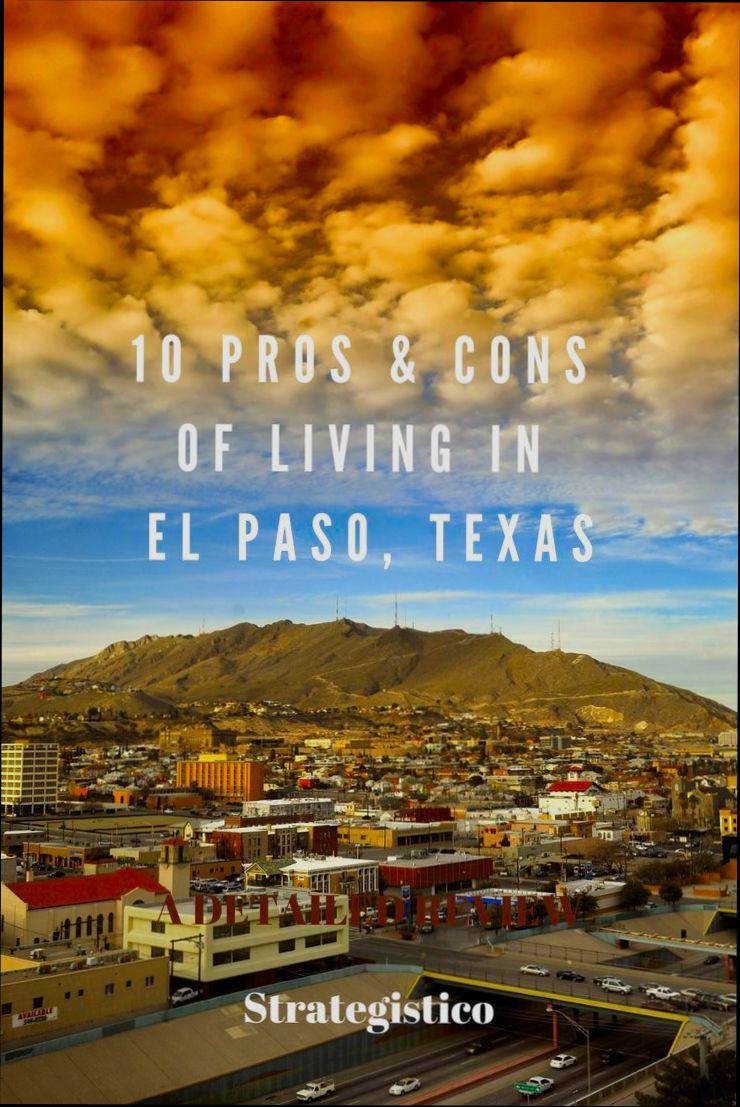
Pros and Cons of Living in El Paso TX can give you a real sense of what life is like in this vibrant border city. On the bright side, you’ve got a low cost of living—El Paso consistently ranks lower than the national average, with housing prices around 30% cheaper than places like California or New York. The weather? It’s mostly sunny, boasting around 300 days of sunshine a year, perfect for those who love outdoor activities. Plus, with a strong sense of community and a mix of cultures, you can enjoy delicious food from local restaurants serving everything from mouthwatering Tex-Mex to authentic Mexican cuisine.
On the flip side, the job market can be a mixed bag. While there’s growth in sectors like healthcare and education, some might find opportunities in higher-paying industries, like tech, lacking compared to bigger cities. And let’s not forget about the isolation; if you’re used to the hustle and bustle of urban life, El Paso can feel a little quiet. The public transportation options are limited too, with most locals relying heavily on their cars. So, while you can score those sweet tacos at 2 AM, getting around might require some planning.

Climate Considerations for El Paso Residents
Living in El Paso means navigating a unique climate that shapes everyday life. With its hot desert climate, you’ll experience mild winters and intense summers, along with specific weather-related challenges like droughts and wildfires.
Key Climate Statistics for El Paso
- Heat Risk: El Paso is facing an increase in heat risk, projected to experience about 40 days per year above 101.8ºF by 2050, compared to only 7 days back in 1990.
- Drought Conditions: Since 2000, El Paso has spent approximately 70% of weeks in some level of drought, underscoring the importance of water conservation.
- Wildfire and Flood Risk: About 63% of buildings in El Paso are at high risk for wildfire, and around 30% are significantly at risk for flooding, making awareness vital for homeowners.
| Climate Factor | Current Risk Level | Future Projection (by 2050) |
|---|---|---|
| Days Above 101.8ºF | 7 days/year | 40 days/year |
| Weeks in Drought (since 2000) | 70% | Likely to remain high |
| Buildings at Wildfire Risk | 63% | Expected to increase |
| Buildings at Flood Risk | 30% | Significant risk remains, varies by location |
Real-World Examples of Climate Impact
In 2020, El Paso saw extensive wildfire seasons where parts of the city faced immediate danger due to high temperatures and dry conditions. Residents in areas like the Upper Valley were particularly vulnerable, as the combination of topography and climate made it a hotspot for wildfire risks. City officials worked to enhance community awareness and preparedness through local programs focused on fire safety and emergency response.
Additionally, during intense rainstorms, events documented that over 57% of annual precipitation fell during sudden downpours, which increased the risk of urban flooding in lower-lying areas. Measures have been initiated to improve stormwater drainage systems to counteract flooding risks in neighborhoods.
Practical Implications for Residents
As an El Paso resident, it’s essential to incorporate climate considerations into your daily life. Here are some actionable tips:
- Water Conservation Practices: Implement rainwater harvesting and use drought-resistant landscaping to combat water shortages.
- Emergency Preparedness: Stay informed about wildfire safety and create an emergency plan with evacuation routes.
- Home Safety Measures: Consider fire-resistant materials for homes, especially if you live in areas prone to wildfires.
Incorporating these practices not only enhances your safety but also contributes positively to the community’s resilience against the impacts of climate change in El Paso.

Employment Opportunities and Economic Growth in El Paso, TX
Employment opportunities in El Paso have been on the rise, contributing to the area’s economic growth and offering a diverse range of job prospects. With a blend of local industries and an increasing demand for skilled labor, El Paso showcases a dynamic job market that promotes long-term financial stability for its residents.
Economic Landscape and Job Market Dynamics
- El Paso’s unemployment rate consistently hovers around 4.2%, which is slightly below the national average, indicating a stable job market.
- The city’s strategic position as a trade hub has fueled economic growth; the Trade, Transportation, and Utilities sectors account for approximately 24% of employment in the region.
- The Healthcare industry has also flourished in El Paso, employing over 28,000 individuals and demonstrating a projected growth rate of 15.6% by 2030.
Employment Sectors and Opportunities
Let’s break down some of the key sectors contributing significantly to El Paso’s economy:
| Industry Sector | Percentage of Job Growth | Current Employment Level |
|---|---|---|
| Trade, Transportation & Utilities | 24% | 102,000 |
| Healthcare | 15.6% | 28,000 |
| Education | 12% | 21,000 |
| Manufacturing | 8% | 15,500 |
Real-World Examples
Consider the expansion of companies like Amazon, which opened a fulfillment center in El Paso, creating over 1,000 new jobs. This influx of employment opportunities not only helps individuals but also serves as a catalyst for local services and the economy.
Another example is the growth in the healthcare sector, with Texas Tech University Health Sciences Center opening a new facility in El Paso. This facility is projected to enhance job training for healthcare professionals and potentially add thousands of jobs over the next few years as demand for medical services increases.
Practical Implications for Residents
For you as a resident or potential mover, this economic environment means numerous advantages:
- Job Security: The low unemployment rate suggests more job security across various sectors.
- Career Advancement: With sectors like healthcare and technology booming, there’s room for career growth and skill development.
- Support for Small Businesses: A growing economy means more disposable income, leading to greater demand for local services and small businesses.
Actionable Insights
- Explore job openings in the healthcare and technology sectors, as these are projected to see significant growth.
- Consider networking events or job fairs in El Paso to enhance your chances of securing employment in these expanding industries.
- Stay informed about local economic initiatives that may open up further employment opportunities, especially in trade and logistics.
El Paso’s employment opportunities are not just improving; they are evolving to meet the needs of a changing economy, making it a promising place for both job seekers and those looking to establish a career.

Cost of Living Analysis in El Paso
When considering a move, understanding the cost of living in your potential new home is crucial. In El Paso, this meets a unique intersection of affordability and quality of life that many find appealing. Here, I’ll break down the overall costs you can expect when living in this vibrant city.
The average monthly living expense in El Paso is about $1,813, placing it in the upper echelons (top 25%) of the world’s most expensive cities, ranked 23 globally. For those with families, a household of four can expect total expenses to average around $4,267 per month.
Key Living Expenses
Here are some specific costs you might encounter:
- Rent and Utilities: For a one-bedroom apartment, the cost is about $980, while a family of four’s costs for utilities can reach around $1,800.
- Food: Dining out can vary, but a meal for two at a mid-range restaurant typically costs around $69.5. Grocery expenses may average $620 for an individual and $1,612 for a family.
- Transport: Daily commuting and travel are fairly economical, with typical transport costs being $92 for one person and $245 for a family.
Comparative Living Costs
Here’s a comparative look at living expenses in El Paso versus other major U.S. cities:
| City | Average Cost of Living |
|---|---|
| El Paso | $1,813 |
| New York City | $4,441 |
| Los Angeles | $3,196 |
| Dallas | $2,471 |
| Houston | $2,265 |
Looking at these figures, El Paso stands out as a significantly more affordable option compared to bustling cities like New York and Los Angeles. This affordability can contribute to a more relaxed lifestyle, allowing you to allocate budget to other enjoyable pursuits!
Real-World Examples
One of the notable aspects of living in El Paso is the balance of salary against living costs. With an average monthly take-home salary of around $3,350, a resident can generally cover living expenses for about 1.8 months on that income. This means that many individuals find that their salaries stretch further here compared to larger metropolitan areas.
Additionally, utilities are comparatively lower—about 22.78% less than in other regions. This means you can expect to pay less for essential services, which can directly contribute to your monthly budget savings.
Practical Implications for Residents
- Plan for Housing: Consider that rent in El Paso is approximately 39.05% lower compared to other cities, allowing greater flexibility in your housing choices. This opens up opportunities to explore different neighborhoods or even homeownership.
- Budget for Dining and Food: Dining in El Paso can be affordable. Budgeting around $620 for groceries per month will give you a solid baseline for your food costs.
- Transport Savings: Daily travel costs are manageable; leverage these rates for weekend trips or further exploration without breaking the bank.
Overall, the cost of living in El Paso offers a unique balance that can cater to both singles and families looking to enjoy a fulfilling lifestyle without excessive financial strain. Whether you’re considering the affordability of rent or the cost of dining out, El Paso’s economic landscape provides options that are attractive both for newcomers and long-time residents.

Cultural Diversity and Community Life in El Paso, TX
El Paso is a melting pot of cultures, which greatly enriches community life. The city’s unique blend of Hispanic, American, and Native American influences creates a vibrant atmosphere that’s favorable for both residents and visitors. I’ll delve into how this cultural diversity shapes everyday experiences and community interactions in El Paso.
Key Points on Cultural Diversity
- Hispanic Influence: Over 80% of El Paso’s population identifies as Hispanic or Latino. This demographic fact contributes to the distinct cultural landscape that’s evident in local traditions, festivals, and culinary offerings.
- Multicultural Events: El Paso hosts more than 200 annual cultural events and festivals, showcasing various music, art, and dance forms that reflect its diverse heritage. These events foster community engagement and participation, promoting inclusivity.
- Community Centers and Organizations: Numerous organizations such as the El Paso Cultural Arts Center and the Hispanic Cultural Center work to celebrate and promote the artistic expressions of the community, providing venues for local talent.
- Educational Institutions: Schools in El Paso emphasize multicultural education, where students learn about diverse cultures through programs and activities, fostering a sense of respect and understanding from a young age.
- Culinary Scene: The local food scene celebrates cultural diversity with restaurants offering a fusion of Mexican, Tex-Mex, and American cuisines, making dining out an exciting adventure for food lovers.
| Aspect | Description |
|---|---|
| Population Diversity | 80% Hispanic or Latino |
| Cultural Events Annually | Over 200 events, fostering community interaction |
| Focus on Multicultural Education | Schools emphasize cultural awareness and respect |
| Local Culinary Diversity | Fusion of cuisines representing different cultures |
Real-World Examples
For instance, the annual “Fiesta de las Flores” celebrates the rich floral heritage of the region and often draws thousands of participants from all backgrounds. In this festival, surprises await at every corner, from traditional dances to diverse food stalls representing various culinary traditions.
Moreover, community art projects like the “Elevation El Paso” murals celebrate local artists and enhance the urban landscape while telling stories from the local culture. These projects not only beautify neighborhoods but also promote community collaboration and identity.
Practical Implications for Residents
Embracing the cultural diversity in El Paso means you can explore various cuisines, partake in unique festivals, and build connections with people from all walks of life. Engaging in community activities and events can enhance your social network, allowing you to appreciate different perspectives and experiences.
Specific Facts and Actionable Advice
- Attend community festivals to experience the cultural vibrancy of El Paso firsthand.
- Explore local restaurants that offer traditional dishes from various cultures—it’s both fun and supports local businesses.
- Get involved with cultural organizations to meet new people and contribute to community projects that celebrate diversity.
By immersing yourself in El Paso’s rich tapestry of cultures, you can enjoy a more enriched community life that offers both educational and social benefits.

Education Quality and School Systems in El Paso, TX
Living in El Paso provides a unique perspective on education quality and the school systems in the region. Understanding these elements is crucial for families and individuals considering moving to or within the area.
Key Points on Education Quality
El Paso’s education system displays notable features that affect its quality and effectiveness, with specific statistics illustrating these aspects:
- Graduation Rates: High school graduation rates in El Paso hover around 90%, an important marker for educational achievement.
- Teacher Qualifications: A significant percentage of teachers in the area hold advanced degrees, contributing to improved teaching standards and student outcomes.
- Funding and Resources: Local school districts receive funding that aligns with state averages, allowing for adequate support in infrastructure and educational materials.
- Student-Teacher Ratio: The student-to-teacher ratio is approximately 15:1, which often aids in personalized attention for students.
Comparative Table of Education Systems
| Education Stat | El Paso, TX | National Average |
|---|---|---|
| High School Graduation Rate | 90% | 85% |
| Student-Teacher Ratio | 15:1 | 16:1 |
| Percentage of Teachers with Advanced Degrees | 60% | 50% |
| Average Spending per Student | $11,000 | $13,000 |
Real-World Examples of El Paso’s School Systems
One standout example in El Paso is the El Paso Independent School District (EPISD), which has implemented innovative teaching methods that emphasize STEM education. Their efforts include partnerships with local universities such as the University of Texas at El Paso (UTEP) to enhance curriculum relevancy, helping students align their education with college and career pathways.
Another example is the Ysleta Independent School District (YISD), which has been recognized for its commitment to improving student outcomes through community-based programs and engagement strategies. Programs in YISD have reported improvements in literacy and college readiness among high school graduates.
Practical Implications for Students and Families
For families considering El Paso, it’s essential to engage with local schools and their performance metrics. Visiting schools, meeting with teachers, and understanding curricular offerings can significantly impact your school choice. Additionally, it’s beneficial to consider the emphasis on vocational training in both high schools and local colleges, which can lead to better employment opportunities for graduates.
- Explore Extracurricular Programs: Many schools offer extracurricular activities that enhance learning experiences, so inquire about these options.
- Community Engagement: Participate in community meetings to learn about ongoing educational initiatives and how to get involved.
- Utilize Resources: Take advantage of tutoring and after-school programs provided by local school districts to aid your child’s educational journey.
Investing time and effort into understanding El Paso’s educational landscape can lead to better choices for your family’s future and a deeper connection to the community.

Access to Outdoor Activities and Recreation
Living in El Paso means embracing an abundance of outdoor activities and recreational opportunities that cater to diverse interests. From hiking and biking to park activities and organized sports, there’s something for everyone looking to enjoy the great outdoors.
Key Outdoor Opportunities
El Paso boasts numerous parks, trails, and natural landscapes, allowing residents to engage with nature and stay active. Here are some significant points about outdoor recreation:
- Diverse Parks: The city features over 200 parks, including the expansive Franklin Mountains State Park, which offers miles of hiking and biking trails.
- Outdoor Programs: The El Paso Parks and Recreation Department organizes a variety of outdoor programs for families, including hiking clubs and nature exploration events, fostering community engagement and physical activity.
- Sports Facilities: With over 40 sports complexes, residents have access to fields and courts for soccer, baseball, and basketball, encouraging participation in team sports and leagues.
- Year-Round Activities: The mild climate allows for year-round outdoor activities, making it easier for residents to maintain an active lifestyle.
Outdoor Recreation Availability
| Feature | Description |
|---|---|
| Number of Parks | Over 200 parks |
| Sports Complexes | Over 40 sports facilities |
| Trail Miles | Approximately 16 miles of trails in the Franklin Mountains State Park |
| Outdoor Activities Offered | Hiking, biking, organized sports, and family programs |
Real-World Examples
El Paso’s outdoor scene thrives on community involvement and beautiful landscapes. The Franklin Mountains State Park serves as a stunning backdrop for hiking and mountain biking activities, attracting both locals and tourists alike. The park not only offers challenging trails but also hosts guided tours and educational programs, making nature accessible and informative.
Another notable example is Ascarate Park, El Paso’s largest park, which features a golf course, fishing pond, and picnic areas, perfect for family outings. The park also hosts various events throughout the year, emphasizing its role as a community hub for outdoor enjoyment.
Practical Implications for Residents
As an El Paso resident, you can easily take advantage of the extensive outdoor opportunities available. Regular participation in activities like hiking, biking, or attending community events can enhance your physical health and foster connections with fellow residents.
Consider joining local clubs or groups focused on outdoor activities to meet like-minded individuals, or take advantage of organized classes to learn new skills, like kayaking or rock climbing.
There’s a vibrant community waiting for you, and countless activities to engage in—take the leap and explore what El Paso’s outdoor lifestyle has to offer!

Healthcare Services and Quality in El Paso
In El Paso, healthcare services and quality can greatly influence your overall living experience. With a mix of public and private institutions, the region provides a range of options, each varying in specialties, accessibility, and patient care standards. Let’s explore what you can expect when it comes to healthcare in this vibrant city.
Access to Healthcare Facilities
El Paso is home to several notable healthcare facilities which cater to different needs:
- University Medical Center: As El Paso’s largest hospital, it provides comprehensive care including trauma and emergency services.
- Texas Tech University Health Sciences Center: This institution focuses on multiple disciplines and is a hub for medical education and research.
- VA Health Care System: Dedicated service for veterans, ensuring that they have access to specialized health services.
Quality of Care and Patient Satisfaction
Quality of healthcare in El Paso can be measured through various metrics, providing insights into patient satisfaction and service delivery:
- Patient Experience: A local survey indicated an 80% satisfaction rate among patients receiving care at regional hospitals.
- Readmission Rates: The average 30-day readmission rates for hospitals in El Paso hover around 15%, comparable to national averages.
- Chronic Condition Management: Hospitals report an effective management program for chronic diseases like diabetes, showing 75% of patients maintain target glucose levels under their care.
Healthcare Availability
Here are some data points on healthcare availability that illustrate the access you’ll have:
| Healthcare Factor | El Paso Percentage | National Average |
|---|---|---|
| Uninsured Population | 20% | 10% |
| Primary Care Physicians Ratio | 1,600:1 | 1,300:1 |
| Medicaid Expansion Participation | 40% | 60% |
This data reflects both the strengths and challenges of healthcare access in El Paso. While the number of uninsured residents can impact overall access, efforts are being made to bridge these gaps.
Real-World Examples
The community has access to targeted healthcare services. For instance:
- Dieta Clinic: This clinic focuses on nutrition and wellness services, tailoring plans to meet the local population’s needs, especially considering the high rates of diabetes and obesity.
- El Paso Children’s Hospital: A dedicated facility that specifically caters to pediatric health, noted for its family-centered care approach. Patient reviews highlight the compassionate environment created by their staff.
Practical Implications
When considering healthcare in El Paso, it’s essential to be proactive. Here are some actionable insights:
- Insurance Options: Explore local health insurance plans that cater to different needs to ensure you have coverage suited to your healthcare expectations.
- Emergency Services: Always know the nearest hospitals and urgent care facilities, especially when moving to a new area.
- Specialized Care: If you have ongoing health concerns, research local specialists who can provide focused treatments.
Actionable Advice
- Utilize local health improvement resources, like community health fairs, to learn about available services and preventive care options.
- Take advantage of telehealth services offered by many facilities, improving accessibility and convenience for non-emergency consultations.
- Keep an updated list of primary care providers and specialists to ensure continuity in your healthcare service.