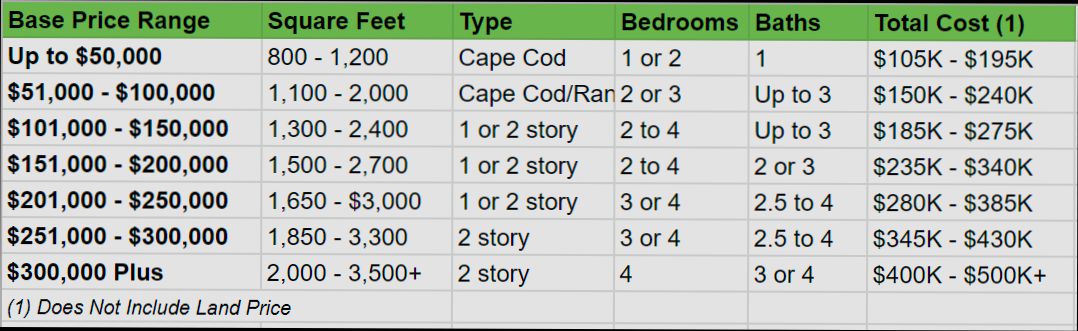
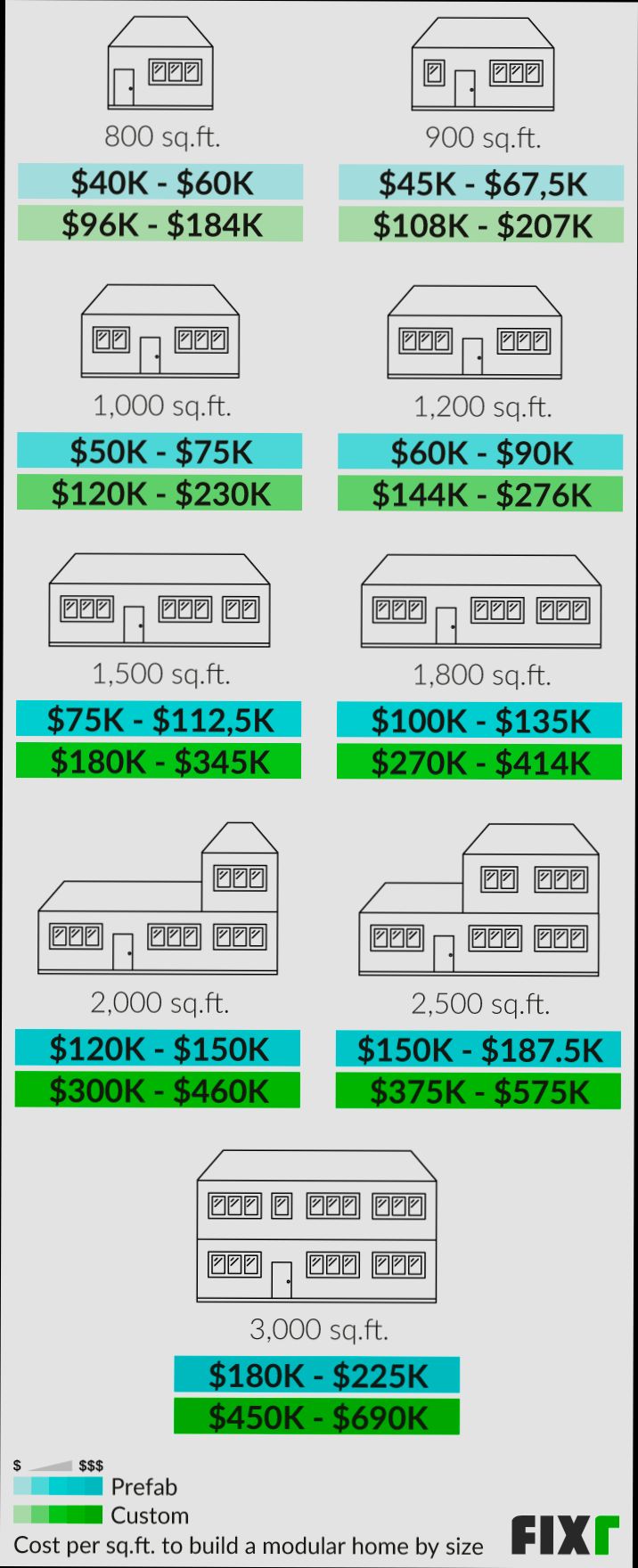
How Much Do Modular Homes Cost? If you’re thinking about diving into the modular home world, you’re not alone. Many people are opting for these efficient living spaces, which often come in at a lower price point compared to traditional builds. For example, a basic modular home can run you around $100 to $200 per square foot, while custom features can push that up to $300 or more. Total costs can range from as low as $50,000 for smaller models all the way up to $300,000 or beyond for larger, more luxurious setups.
The cool part? Modular homes are designed for quick assembly and often come with fewer hidden costs than traditional homes. Take the average price of a home built on-site at about $300,000 compared to a modular one that delivers similar square footage and quality for around $250,000. That’s a significant difference! Plus, many manufacturers offer eco-friendly options that save you money in the long run with energy-efficient designs. So, whether you’re a first-time buyer or looking to downsize, modular homes might just be the budget-friendly solution you need.
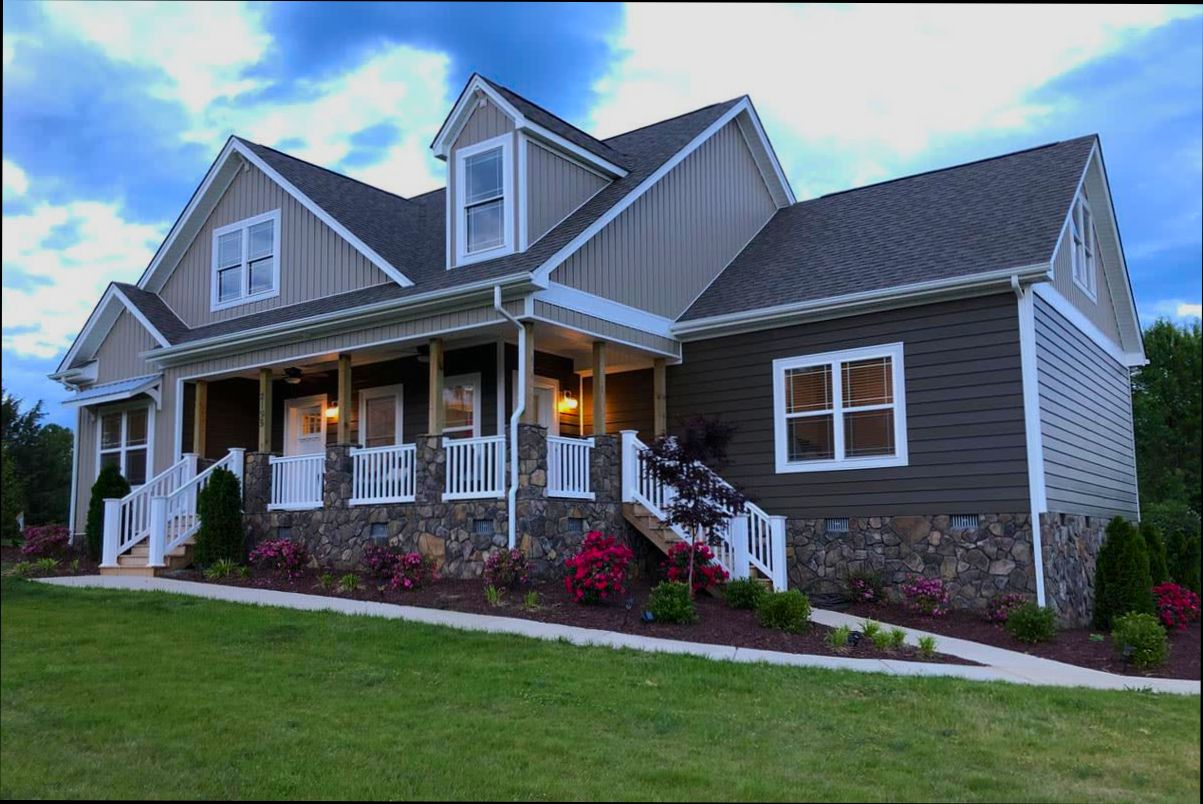
Comparative Analysis of Modular Home Costs
When considering modular homes, understanding how costs stack up against traditional homes and other modular options is crucial. This section dives into the comparative analysis of modular home costs, highlighting specific data points, real-world examples, and actionable insights to guide your decision-making.
Understanding Cost Differences
Modular homes often present a more cost-effective alternative to traditional construction methods. Below are some key points to consider:
- The average cost of modular homes typically ranges from $100 to $200 per square foot, making them about 10-20% cheaper than traditionally built homes.
- On average, modular homes can provide savings of approximately 30% on labor costs compared to conventional housing.
- Location significantly influences pricing; for instance, modular homes in urban areas may have higher transportation costs but still offer advantages in construction speed and efficiency.
Comparative Cost Breakdown
Here’s a comparative table showcasing the cost differences between modular homes, traditional homes, and mobile homes:
| Housing Type | Average Cost Per Square Foot | Average Completion Time | Labor Cost Savings |
|---|---|---|---|
| Modular Homes | $100 - $200 | 3 - 6 months | Up to 30% |
| Traditional Homes | $150 - $250 | 6 - 12 months | Minimal |
| Mobile Homes | $60 - $120 | 1 - 3 months | Varies |
Real-World Examples
To illustrate these points, consider the case of a couple in suburban Texas who opted for a modular home. They built a 1,500 sq. ft. modular house for around $150,000, which is significantly lower than the estimated $225,000 for a traditional home of equal size in the same area. They also benefited from reduced labor costs and faster build time, allowing them to move in within four months.
Another example involves a family in a rural part of Colorado, who chose a high-end modular home. The family found that for $200,000, they could get custom features not typically available at that price point in traditional construction. Their modular home not only met their aesthetic desires but also stayed within their budget due to cost savings in both transportation and labor.
Practical Implications
Here are some actionable insights for you as you consider modular home options:
- Budget and Plan Accordingly: Knowing that modular homes generally save on costs can help you allocate a larger budget for design and customization without exceeding your overall financial plan.
- Location Matters: Research local builders and assess transportation costs if you live in remote areas; sometimes, urban settings offer better overall savings despite higher initial costs.
- Explore Customization: Many modular home builders offer extensive customization options within similar price brackets, so don’t shy away from asking about upgrades that might fit your vision.
Key Takeaways
- Modular homes often provide significant cost savings in both construction and labor.
- Understand the geographic implications on cost; building in high-demand areas can still yield substantial savings.
- Take advantage of custom options to receive more value for your investment while staying within your budget.
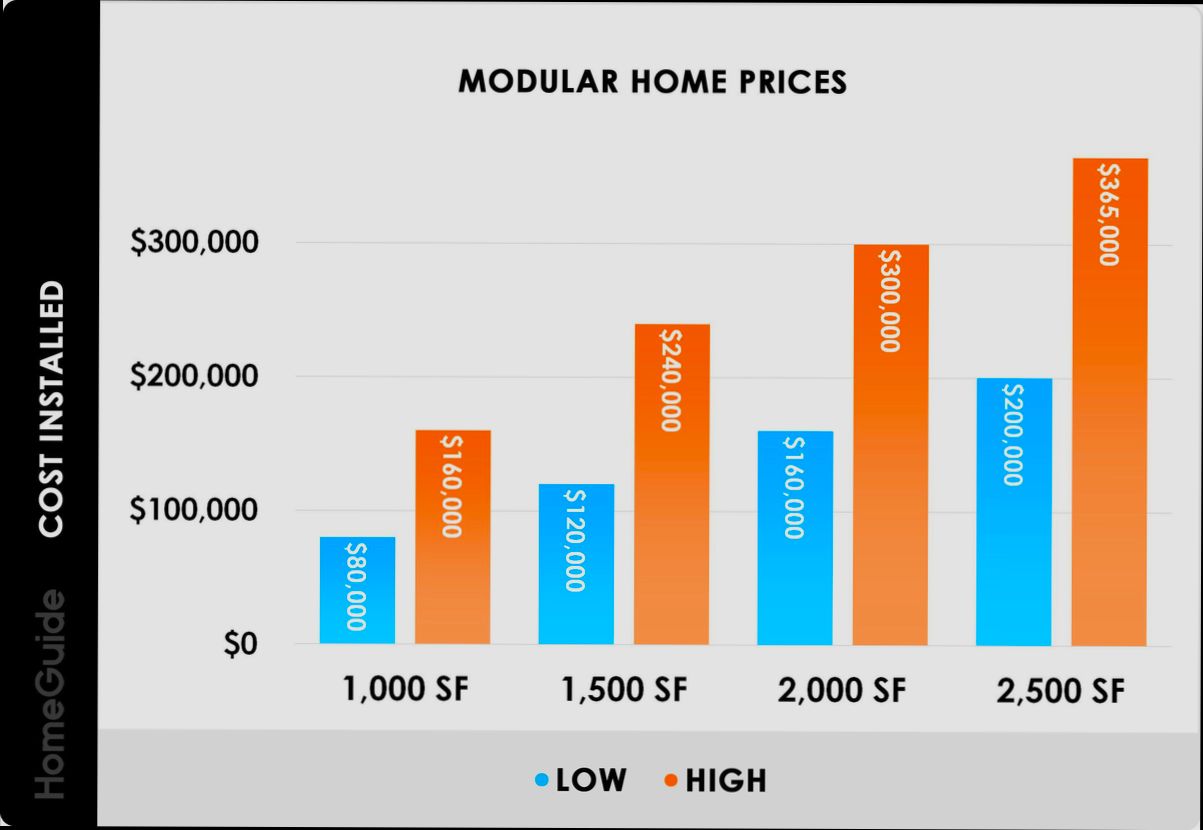
Understanding Modular Home Pricing Factors
When diving into the world of modular homes, grasping the pricing factors at play is essential. These factors can significantly influence the overall cost and value of your home, so let’s explore them in detail.
Key Pricing Factors to Consider
1. Location and Land Costs:
- The geographical area where you plan to set up your modular home can greatly affect the total cost. For example, urban areas often have higher land acquisition costs compared to rural locations. Depending on the region, land costs can range from $10,000 to $200,000.
2. Customization Options:
- Modular homes are designed for flexibility, and the customization options can vary in price. A basic model might cost $100,000, but fully customizing features such as layout, fixtures, and materials can increase costs by 15-30%.
3. Transportation and Setup Fees:
- After production, the cost of transporting modular sections to the site and assembling them is crucial. This can add anywhere from $5,000 to $15,000 to your overall cost depending on the distance from the factory and the complexity of setup.
4. Building Codes and Permits:
- Different states or municipalities have their own regulations and codes which can impact pricing. Budgeting for permits and inspections is vital; these fees can range from $500 to $5,000 depending on local requirements.
5. Site Preparation Costs:
- Before your modular unit can be set up, the land must be prepared, which includes grading, excavation, and possibly installing utilities. This could cost between $10,000 to $30,000 based on the condition of the land and the necessary infrastructure.
Pricing Breakdown Table
| Factor | Cost Range |
|---|---|
| Land Acquisition | $10,000 - $200,000 |
| Customization | +15% - 30% |
| Transportation & Setup | $5,000 - $15,000 |
| Permits & Code Compliance | $500 - $5,000 |
| Site Preparation | $10,000 - $30,000 |
Real-World Examples
- Case Study: A Modular Home in Seattle
In Seattle, a couple found land for $150,000. They chose a basic modular home for $120,000 but spent an additional $40,000 on customization and setup, bringing their total to $310,000.
- Case Study: Rural Modular Home in Texas
A family in rural Texas acquired land for $20,000. They opted for a standard modular model priced at $90,000, with additional costs for setup around $10,000, totaling $120,000.
Practical Implications
Understanding these factors allows you to develop a clearer budget, avoiding unseen expenses. As you navigate your modular home journey, consider:
- Carrying out a detailed analysis of land options and the associated costs in your desired area.
- Evaluating customization trends and how they impact your overall budget, factoring in both immediate costs and long-term value.
- Contacting local authorities early on to get estimates for permits to prevent surprises down the road.
Actionable Advice
Before committing to a modular home, gather quotes related to each pricing factor. Engaging with a knowledgeable modular home builder can provide you with a better understanding of potential costs and help you to fine-tune your budget accurately. Aim to keep an additional 10-20% on top of your projected costs to accommodate unforeseen expenses that could arise during the building process.
Statistical Overview of Modular Home Prices
When delving into the statistics surrounding modular home prices, you’ll find a comprehensive landscape of data that provides insight into current market trends and investment opportunities. Understanding these figures can significantly aid potential buyers and investors in making informed decisions.
Key Price Statistics
- The median price for modular homes stands at approximately $150,000, varying based on location and customization options.
- In some states, such as Florida and Texas, average prices can rise to around $180,000 due to heightened demand and land costs.
- A notable trend shows that modular homes have appreciated in value by about 5% annually over the past five years, reflecting their growing acceptance and market stability.
| Region | Average Cost (USD) | Price per Square Foot (USD) | Annual Appreciation (%) |
|---|---|---|---|
| National Average | $150,000 | $125 | 5% |
| Florida | $180,000 | $150 | 6% |
| Texas | $175,000 | $140 | 5% |
| California | $230,000 | $180 | 4% |
| New York | $200,000 | $160 | 5.5% |
Real-World Examples
Consider the case of modular homes in Texas, where a family purchased a three-bedroom modular home for $175,000. This home came fully equipped and with energy-efficient upgrades, leading to lower utility costs. The family’s home has appreciated roughly 5% annually, making it a strong investment over time.
In contrast, in California, a modular home valued at $230,000 not only provided more space but also showcased premium finishes that appealed to buyers who were previously skeptical about modular construction. This home benefitted from a 4% annual appreciation, indicating a stable investment in an expensive market.
Practical Implications for Buyers
As you navigate the landscape of modular home prices, keep in mind the following actionable insights:
- Research Local Market Trends: Prices can vary significantly by region. Knowing your local market can help you target better deals.
- Understand Investment Potential: With prices appreciating steadily in many areas, investing in a modular home can yield long-term financial benefits.
- Evaluate Customization Options: Prices can increase based on specific upgrades and features, so prioritize essential improvements that maximize resale value.
Knowing these statistics equips you with the knowledge to make savvy decisions regarding your modular home investments. Track these trends and adapt your strategy accordingly, as they can profoundly impact your financial outcomes in the modular housing market.
Case Studies of Modular Home Expenses
When you delve into the world of modular homes, it’s illuminating to look at real case studies highlighting the diverse expenses involved. This overview reveals practical insights into budgeting for your modular home journey and how various factors influence overall costs.
Key Financial Insights
1. Costs vs. Traditional Options: A case study from Arizona shows a family opting for a 1,500 square foot modular home, achieving a total expense of $150,000. Comparatively, a similar traditional home project was quoted at $200,000, underscoring a potential savings of 25%.
2. Customization Impact: A Massachusetts case highlighted a family spending an additional $30,000 on custom features, like upgraded finishes and energy-efficient systems, which increased their total to $180,000. Customization can significantly affect final costs, and it’s vital to plan budget allowances.
3. Land and Site Preparation: A Florida couple faced an unexpected $20,000 expense for land preparation, which they had not factored into their initial budget of $160,000. This demonstrates the importance of including site-specific expenses in your overall plans.
Cost Breakdown Table
| Case Study Location | Home Size (sq ft) | Initial Quote (USD) | Final Cost (USD) | Customization (USD) | Unexpected Expenses (USD) |
|---|---|---|---|---|---|
| Arizona | 1,500 | $125,000 | $150,000 | $0 | $0 |
| Massachusetts | 1,800 | $150,000 | $180,000 | $30,000 | $0 |
| Florida | 1,600 | $160,000 | $180,000 | $0 | $20,000 |
Real-World Examples
- Arizona Family: They achieved a streamlined process with a reputable modular builder, resulting in a quick build time. They were able to maintain their budget, thanks to meticulous planning and a fixed-cost agreement from the builder.
- Massachusetts Home: The inclusion of eco-friendly materials and aesthetic customizations reflected a growing trend among buyers who are willing to invest more upfront for long-term savings.
- Florida Couple: Initially underestimating land preparation costs led to budget adjustments. They successfully secured financing options that covered both the home and the prep work, demonstrating the necessity of thorough upfront research.
Practical Implications for Budgeting
As you consider modular homes, it’s crucial to outline a comprehensive budget that considers all potential expenses:
- Always include site preparation and land costs.
- Factor in customization potential early on, as it can swell your budget beyond initial estimates.
- Contemplate financing options that accommodate unexpected costs, as these projects can incorporate various financial aspects.
The diversity in these case studies illustrates the unique financial landscapes of modular home projects. Be diligent in researching specific regional expenses and consider each aspect of the building process carefully to ensure that your modular home journey aligns with your financial goals.
Investment Benefits of Modular Housing
When it comes to investing in real estate, modular homes present unique opportunities that can significantly boost your returns. Understanding the investment benefits of modular housing is essential for anyone considering entering this market. Let’s explore the advantages that modular homes offer to savvy investors.
Cost-Effectiveness and Quick Returns
One of the most compelling benefits of investing in modular housing is its cost-effectiveness. Modular homes can be built in as little as a few weeks, allowing you to start generating rental income sooner. This faster construction timeline can mean a quick return on investment (ROI). For instance, if you assume a 10 percent net profit margin, the potential monthly profit can translate to approximately $70. Over the first year, this would yield an impressive ROI of around 17 percent, leading to $8,400—not just $840—in your pocket.
Quality and Durability
Unlike site-built homes, modular homes are constructed in controlled factory environments, ensuring high-quality construction that adheres to stringent building codes. This level of quality not only enhances the property’s durability but also minimizes maintenance costs in the long run. When considering investment properties, durability can lead to long-term savings and a stable income stream.
Reduced Management Hassles
Investing in modular homes may also reduce property management complexities. By establishing a solid rental agreement, you can minimize turnovers and manage costs effectively. For example, you could implement a strategy where you only pay community fees when your property is occupied, thus limiting financial risk during vacancies. This approach keeps your margins healthy and makes property management less stress-inducing.
Comparative Investment Benefits
| Benefit | Modular Homes | Traditional Real Estate |
|---|---|---|
| Construction Time | As little as a few weeks | Several months |
| Quality Control | Built under strict factory conditions | Varies based on site conditions |
| Profit Margin Potential | 10-17 percent ROI per year | Typically lower ROI (percent varies greatly) |
| Management Complexity | Lower; flexible fee arrangements possible | Generally higher; consistent management required |
Real-World Example of Modular Investment
A practical example of successful modular home investment involves placing a modular home on its own land. Investors purchasing land with an existing modular home can avoid high community fees and maximize their profit margins. Furthermore, when selling to tenants on a contract, many find they can act as both landlord and lender, effectively transferring the costs associated with community fees to the tenant. This not only allows for increased profitability but also leads to a more stable financial arrangement.
Actionable Insights for Investors
If you’re considering modular housing as an investment, here are some actionable tips to maximize your benefits:
- Negotiate Fees: Before placing a modular home in a community, negotiate terms to reduce any ongoing fees related to vacancy.
- Purchase Land: Whenever possible, buy your own land where you can place your modular home. This eliminates community-associated costs and enhances your profit potential.
- Consider Owner Financing: By selling your property on a contract, you can attract tenants eager to purchase while managing financial risks associated with vacancies.
Modular homes are not just affordable options; they can also provide significant financial upside for skilled investors. By leveraging their unique advantages, you can position yourself to reap substantial rewards in the real estate market.
Regional Variations in Modular Home Pricing
When it comes to modular home pricing, regional variations play a significant role in determining how much you’ll spend. Factors such as local labor costs, regional demand, and material availability can each influence prices differently across the country. Understanding these variations can help you budget effectively and make more informed decisions.
Key Factors Influencing Regional Pricing
1. Labor Costs: Labor costs can vary significantly from one region to another. For example, areas with high demand for construction labor may see higher installation costs compared to regions where labor is more readily available.
2. Material Availability: Some regions may have better access to affordable building materials, lowering overall costs for modular homes. Conversely, areas that rely on imported materials may face higher prices.
3. Local Building Codes and Regulations: Strict building codes can increase the total cost of modular homes in certain regions, as additional permits or modifications may be needed to comply.
4. Local Market Demand: In regions where modular homes are highly sought after, prices may be elevated. For instance, fast-growing areas may see a surge in prices due to increased competition among buyers.
5. Transport Costs: The cost of transporting modules from the manufacturing facility to the building site can fluctuate based on distance and logistical complexities, further affecting regional pricing.
Comparative Table of Regional Modular Home Costs
| Region | Average Cost (USD) | Price per Square Foot (USD) |
|---|---|---|
| Northeast | $200,000 | $160 |
| Midwest | $150,000 | $120 |
| Southeast | $180,000 | $140 |
| Southwest | $175,000 | $140 |
| West Coast | $230,000 | $180 |
Real-World Examples of Pricing Variations
- In the Northeast, high demand and a robust real estate market have surged average prices to around $200,000, with costs hitting approximately $160 per square foot. This locality tends to have stricter building regulations, which can lead to increased costs.
- Conversely, in the Midwest, where land is generally more affordable, the average cost of modular homes is around $150,000. Prices here may be more friendly on your wallet largely due to lower labor costs and less regulatory burden.
- Looking to the West Coast, prices rise sharply, with an average of $230,000. The high demand in urban areas like San Francisco contributes significantly to increased costs per square foot, often reaching $180.
Practical Implications for Homebuyers
As a potential homebuyer, it’s crucial to:
- Explore multiple manufacturers and local contractors to compare pricing based on your region.
- Investigate local market trends that might affect future values, which can differ drastically based on regional dynamics.
- Factor in shipping and installation costs to your overall budget, as these can vary significantly from one area to another.
Specific Facts to Consider
- In high-demand areas, like major cities on the West Coast, modular home prices can see a premium, suggesting a need to start your search early to find the best deals.
- Understanding local regulations can save you time and costs; ensure you check what is required for your specific region before deciding on your modular home.
By keeping these regional variations in mind, you can navigate the modular home market more efficiently and ensure that your investment aligns with local conditions.
Cost-Effectiveness of Modular versus Traditional Homes
When considering the cost-effectiveness of modular versus traditional homes, it’s essential to look beyond the initial price tags. Modular homes typically deliver significant savings through streamlined construction processes, reduced labor costs, and more efficient material usage compared to their traditional counterparts.
Key Cost Advantages
1. Reduced Construction Time: Modular homes can be completed in about half the time of traditional homes, which directly translates to lower labor costs and minimized financing expenses.
2. Lower Material Waste: Factory construction allows modular homes to use materials more efficiently, leading to approximately 10-15% less waste than traditional home building methods.
3. Consistent Pricing: Modular homes often have fixed prices based on standardized designs, whereas traditional homes can experience unpredictable cost overruns due to labor and materials fluctuations.
4. Energy Efficiency: Many modular homes are built with energy-efficient materials and technologies, which can result in long-term savings on energy bills—potentially reducing energy costs by 20% over time.
Comparative Cost Breakdown
| Feature | Modular Homes | Traditional Homes |
|---|---|---|
| Construction Time | Average of 3-4 months | Average of 6-12 months |
| Labor Costs | 20-30% less due to factory work | Higher, subject to local wages |
| Material Waste | 10-15% reduction | Higher, results in increased costs |
| Energy Efficiency Savings | Up to 20% off energy costs | Varies widely based on design |
| Average Cost per Square Foot | $100 - $200 | $125 - $250 |
Real-World Examples
In Green Valley, one family chose a modular home for its cost-effectiveness. By opting for a modular build, they completed their home in just four months, saving approximately $25,000 on labor and financing compared to a traditional build of similar size.
Another couple in a nearby region selected a modular home, taking into account its energy-efficient features. They reported a 15% reduction in their monthly utility bills once they moved in, illustrating not only immediate savings but also ongoing economic benefits.
Practical Implications for Homebuyers
Understanding the cost-effectiveness of modular versus traditional homes enables you to make informed decisions. Here are some actionable steps you can take:
- Evaluate Construction Timelines: Consider the financial impact of time savings when reviewing different home options.
- Assess Energy Efficiency: Investigate the energy costs associated with different home designs to anticipate long-term savings.
- Get Detailed Quotes: When comparing homes, request detailed breakdowns of labor and material costs to help gauge which option truly provides better value.
Actionable Facts
Choosing modular homes can lead to immediate financial benefits and long-term savings. By leveraging shorter construction times, reduced waste, and greater energy efficiency, you can ensure that your investment in homeownership is both financially sound and operationally efficient.