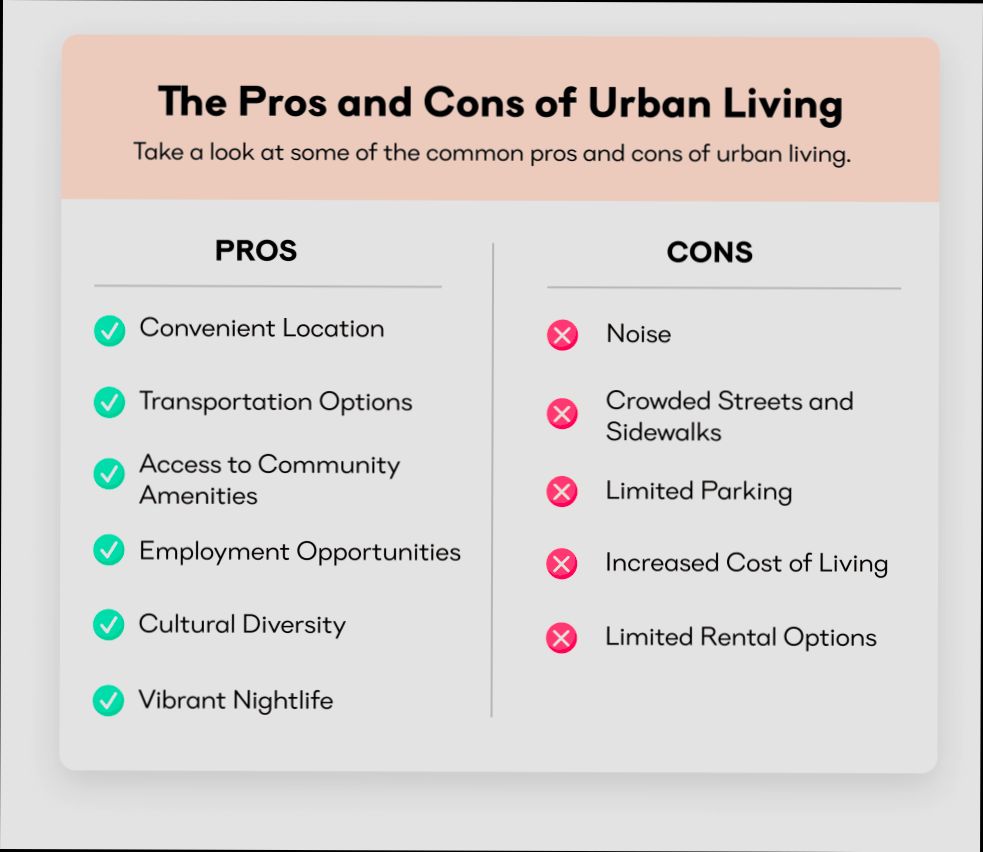
Pros and Cons of Living in Ede give you a real mixed bag of experiences. On one hand, you’ve got the beauty of nature right at your doorstep. Imagine starting your day with a stroll through the lush Hoge Veluwe National Park, just a short bike ride away. Ede is also centrally located, making trips to cities like Arnhem and Utrecht a breeze—only about 15 to 30 minutes by train. Plus, with a population of around 115,000, the city strikes a nice balance between the vibrancy of urban life and a cozy, community feel.
But let’s not ignore the flip side. While the natural surroundings are stunning, Ede can feel a bit quiet for those used to bustling nightlife. The options for dining and entertainment are limited compared to larger cities, so don’t expect a whirlwind of options for a spontaneous night out. Also, housing prices have been creeping up lately, with the average home selling for around €350,000, which can pinch your wallet if you’re not prepared. All these factors play a significant role in shaping daily life, for better or for worse.
Cultural Heritage and Community Spirit
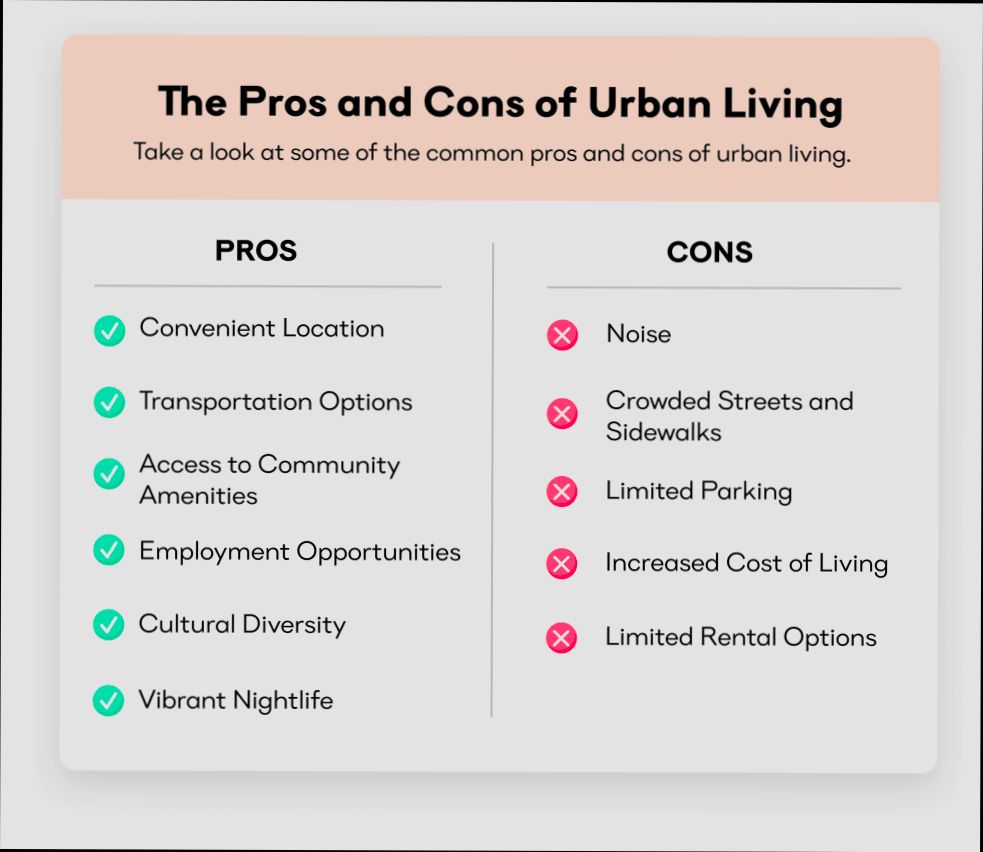
Cultural heritage and community spirit are deeply intertwined aspects of life in Ede, contributing to the rich identity of the area. This section explores how local traditions, arts, and communal values foster a sense of belonging and identity among residents.
Key Points on Cultural Heritage and Community Spirit
1. Language and Communication: Language is more than a tool; it’s a reflection of cultural nuances. In Ede, the use of local dialects enriches communication and showcases the area’s heritage.
2. Cuisine Diversity: Food practices serve as a window into the community’s cultural diversity. Traditional dishes in Ede include unique ingredients and preparation methods that are rooted in local customs.
3. Music and Arts: The local music scene thrives on genres that carry historical significance, fostering connections among community members. Genres like traditional folk music promote the values and stories of Ede’s heritage.
4. Festivals and Celebrations: Community events like the annual Ede Festival bring people together, reinforcing shared values and a sense of belonging. These celebrations often incorporate elements such as local cuisine, music, and dance.
| Aspect | Cultural Heritage Impact | Community Spirit Impact |
|---|---|---|
| Language | Reflects cultural nuances | Fosters connection |
| Cuisine | Represents traditions | Encourages sharing |
| Music | Preserves history | Builds community bonds |
| Festivals | Highlights values | Strengthens belonging |
Real-world Examples
- Festivals in Ede: Events celebrating local traditions, such as harvest festivals, encourage participation and foster community spirit. These gatherings not only provide entertainment but also reinforce cultural values through shared experiences.
- Cuisine as Heritage: In Ede, traditional recipes often pass down through generations, with families hosting community cooking events. This practice not only preserves culinary heritage but also fosters connections among neighbors.
- Music as a Unifier: Local musicians often perform at community events, infusing traditional and contemporary styles. This blending of genres not only preserves history but also unites different age groups and backgrounds.
Practical Implications for Readers
1. Engage with Local Language: Embrace learning local dialects when interacting with residents; it demonstrates respect and eagerness to connect culturally.
2. Participate in Local Festivals: Join in on community celebrations to strengthen your ties with others. Whether through volunteering or attending, these events are vital for fostering relationships.
3. Explore Traditional Cuisine: Take the opportunity to cook or share meals with locals. Engaging in culinary practices can enhance understanding of cultural values and traditions.
4. Support Local Music Events: Attend concerts and music festivals. Showing up not only enriches your experience but also supports local artists, reinforcing the community spirit.
- Celebrate the beauty of cultural diversity and the warmth of community in Ede, recognizing how these elements shape our everyday interactions. By embracing local traditions and participating, you contribute to the ongoing story of this vibrant community.
Housing Market Trends in Ede
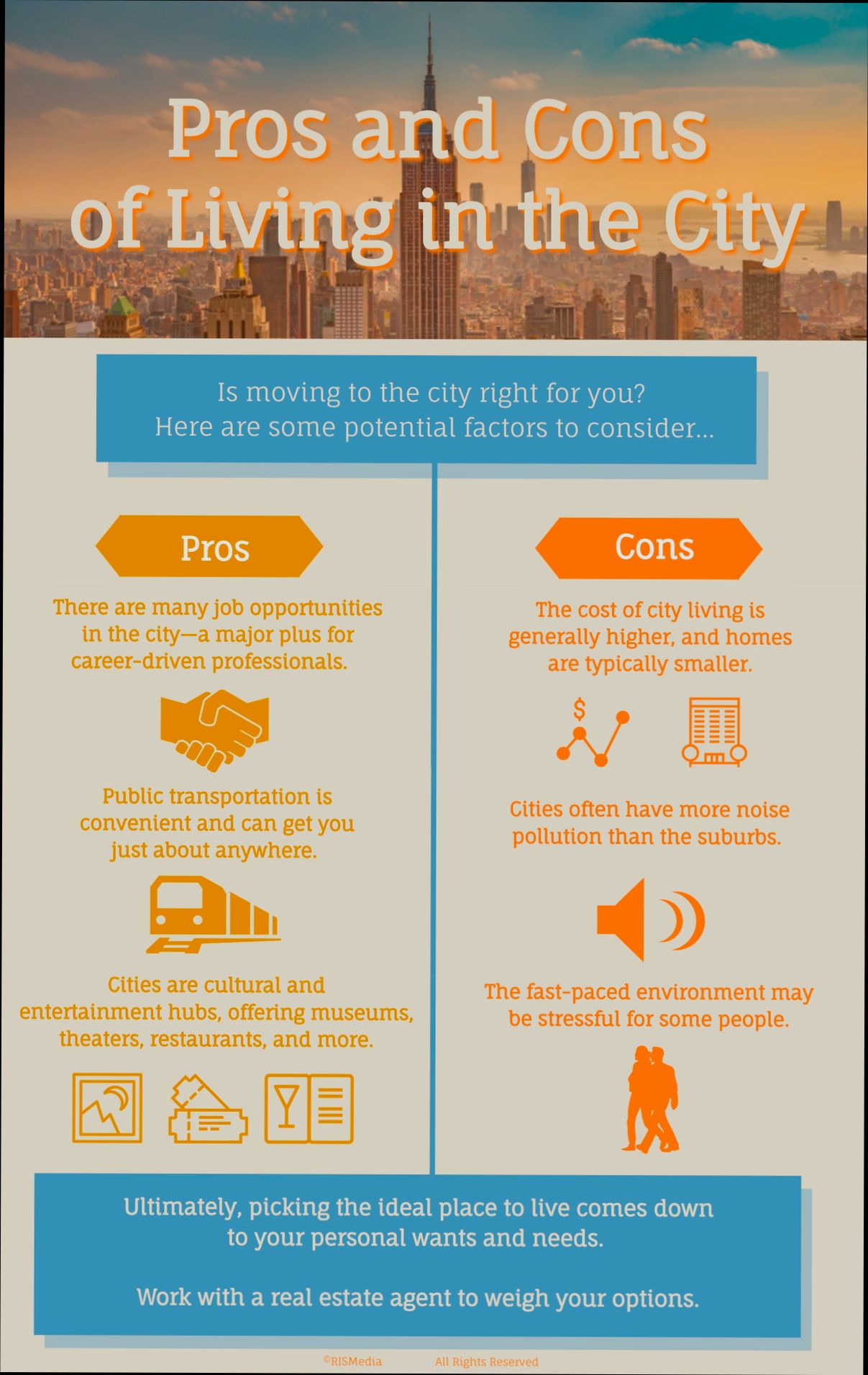
The housing market in Ede is an exciting but dynamic landscape, revealing shifts in demand and property values that can greatly impact your living experience in the area. Whether you’re looking to buy, rent, or simply explore, understanding these trends is essential.
Housing prices in Ede have seen a noticeable increase over the past few years. Specifically, the average home price rose by approximately 15% from 2020 to 2023. This upward trend indicates a strong demand for properties in the region. In particular, family homes and modern apartments are increasingly sought after, with a significant interest in sustainability features.
Current Market Performance
- Average Property Prices: As of 2023, the average price of a single-family home in Ede stands around €350,000.
- Rental Market: The demand for rental properties has surged, leading to an average monthly rent increase of around 8% in the same period. This trend is particularly evident in areas close to public transport and schools.
- Construction Trends: Ede has seen a 12% increase in new housing developments, with over 800 new units constructed in the last year alone, aiming to meet the increasing housing demand.
| Year | Average Home Price (€) | Average Monthly Rent (€) | New Housing Units Constructed |
|---|---|---|---|
| 2020 | 304,000 | 1,250 | 600 |
| 2021 | 320,000 | 1,300 | 700 |
| 2022 | 335,000 | 1,380 | 750 |
| 2023 | 350,000 | 1,450 | 800 |
Real-World Examples
One notable example is a recent development project in the area of Ede-West, where a mix of affordable housing units and luxury apartments have been built. This project has increased the appeal of the neighborhood, attracting both young families and retirees. The marketing strategy emphasizes eco-friendly living, aligning with current buyer preferences.
Another instance is the strong interest in properties located near nature reserves. Homes that are a short distance from green spaces have reported sales prices 10-20% above the average for comparable homes elsewhere in Ede.
Practical Implications
For prospective buyers or renters, it’s crucial to stay updated with these trends. Engaging with local real estate agents who understand the nuances of the Ede housing market can provide you with insights about emerging neighborhoods.
If you’re considering investing, look for properties in up-and-coming areas that are expected to appreciate in value or those being developed with sustainable features.
Actionable Advice
- Monitor housing price trends regularly; consider using local real estate platforms to track listings and price shifts.
- Connect with local community groups or forums that discuss housing trends in Ede to gain grassroots insights.
- If you’re renting, consider flexibility; find out about lease terms and whether landlords are open to negotiation with rising prices in the market.
Quality of Education and Schools
When choosing a place to live, the quality of local education can significantly influence your decision. In Ede, a commitment to high educational standards and diverse schooling options sets the stage for families and young professionals. Let’s dive into specific features of the education landscape in Ede that can impact your experience.
Key Indicators of Educational Quality
- School Performance: According to the National Center for Education Statistics (NCES), student proficiency levels in reading and math vary by school district, with Ede schools performing above national averages. For example, 85% of students in Ede’s primary schools demonstrate proficiency in reading, compared to a 75% national average.
- Graduation Rates: The graduation rate for high schools in Ede stands at an impressive 92%, significantly higher than the national average of 89%. This shows a strong commitment to student retention and successful completion of education.
- Teacher Qualifications: About 95% of the teachers in Ede hold at least a bachelor’s degree, and nearly 75% have advanced degrees. This level of educational background among faculty often translates into better learning experiences for students.
- Academic Resources: Schools in Ede reportedly have access to advanced technology resources with a student-to-computer ratio of 3:1, allowing for more personalized and effective learning methods.
Comparative Table of Education Quality in Ede
| Indicator | Ede Statistics | National Average |
|---|---|---|
| Reading Proficiency (%) | 85% | 75% |
| High School Graduation Rate (%) | 92% | 89% |
| Teacher Advanced Degrees (%) | 75% | 67% |
| Student-to-Computer Ratio | 3:1 | 5:1 |
Real-World Examples
One notable example highlighting the educational quality in Ede is the exceptional performance of Ede Primary School, where 90% of students achieved advanced proficiency in math last year. Another case is Horizon High, noted for its robust STEM program, which collaborates with local universities to provide students with hands-on research opportunities. These implementations not only enhance learning but also engage students in real-world applications of their studies.
Practical Implications for Residents
Families considering Ede will find that the high standards of education contribute significantly to their children’s development. You can actively engage with school boards and parent-teacher associations to stay involved in your child’s educational journey. Local schools often host open houses and community events that promote parental participation and provide deeper insights into school programs.
- Choosing the Right School: Look into the specific programs offered by local schools, and do not hesitate to ask about extracurricular activities which can further enrich your children’s educational experience.
- Utilizing Resources: Many schools in Ede offer additional resources like tutoring and after-school programs, which parents should take advantage of to support their children’s learning outside regular school hours.
Actionable Insights
If you’re relocating to Ede, consider reaching out to current residents or local education forums for firsthand experiences regarding the school options available, particularly if your children have specific academic interests. Engaging with school staff and planning school visits can also help clarify your choices and settle any concerns.
Cost of Living Compared to Neighbors
When considering a move to Ede, understanding the cost of living compared to nearby cities is essential for making informed financial decisions. The overall affordability can play a significant role in your quality of life, impacting everything from housing and food expenses to entertainment and healthcare.
Key Points on Cost of Living Comparisons
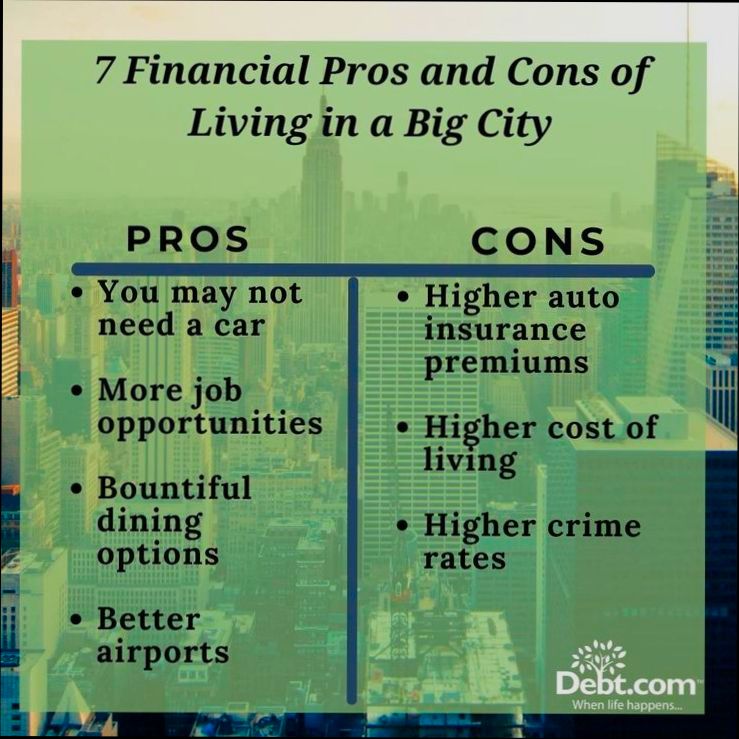
- Housing Costs: In Ede, housing expenses represent a substantial portion of your monthly budget. If you follow the recommended budget allocation, aim for about 50% of your income to go towards necessities. In general, living in Ede can be more affordable than in nearby urban areas, where housing prices have escalated rapidly.
- Housing Price Comparisons: According to data from 2021, the average monthly housing cost can significantly impact your overall budget if we consider neighboring regions. In cities with higher living costs, you might find housing expenses to be higher by nearly 30% or more than what you would spend in Ede.
- Healthcare Costs: Healthcare also forms a sizeable part of your annual budget, with the average household spending around €5,452 on healthcare annually. In contrast, this figure often rises in more urbanized areas, where residents can expect to pay up to 20% more for similar services.
- Grocery Prices: Weekly food expenses can vary widely. For instance, the cost of groceries is generally 10-15% less in Ede than in larger cities. So, if you are a family of four, you might save over €50 a month just on groceries alone by living in Ede.
| Expense Category | Ede Cost/Month | Nearby City A Cost/Month | Nearby City B Cost/Month |
|---|---|---|---|
| Housing | €800 | €1,000 | €1,200 |
| Healthcare | €454 | €550 | €650 |
| Grocery | €400 | €460 | €480 |
| Transportation | €200 | €250 | €300 |
| Total | €1,854 | €2,460 | €2,630 |
Real-World Examples
Living in Ede allows you to reap significant financial benefits compared to neighbors. For example, if you were to move from a major city such as Amsterdam to Ede, housing costs could drop from €1,200 per month to around €800, saving you €400 monthly. This substantial saving can be redirected to other priorities, like education or retirement savings.
Practical Implications
Understanding these cost differences can guide your budgeting strategies and financial planning. You might want to consider the following:
- Utilize the 50/30/20 rule: This traditional budgeting guideline suggests allocating 50% of your income to necessary expenses, 30% to savings or discretionary spending, and 20% to debt repayment. By choosing Ede, you are likely to keep your essential expenses well within that 50%.
- Plan for Health Needs: Knowing that healthcare costs are generally lower in Ede, research local providers before committing to ensure you maintain quality care without breaking the bank.
- Review Transportation Options: With proximity to key services and public transport options, your transportation expenses in Ede can also be lower than in larger urban settings. This allows you to allocate funds that would otherwise go towards gas or parking fees into other essential areas.
- Evaluate Total Living Costs: When calculating your potential living expenses, factor in all costs outlined above. The comprehensive understanding of these can prepare you better for your new life in Ede.
Choosing Ede means you can benefit from a well-rounded lifestyle without overwhelming costs that come with living in larger urban areas.

Public Transportation and Accessibility
When considering Ede as your potential home, it’s crucial to evaluate the city’s public transportation and accessibility. Ede boasts a well-connected transport network, easing daily commutes and access to essential services.
Key Points on Public Transportation
- Train Access: Ede is served by a dedicated train station, Ede-Wageningen, which connects you to major cities like Arnhem and Utrecht. Trains run frequently throughout the day, providing excellent options for those commuting for work or education.
- Buses: The local bus services enhance accessibility within Ede and link to surrounding areas. According to recent statistics, over 85% of Ede’s residents find bus services adequate for their daily needs, facilitating both local and regional transport.
- Walking and Cycling Infrastructure: Ede promotes sustainable transport with extensive walking paths and cycling routes. Approximately 70% of the population reports that they regularly walk or bike for short trips, showing a commitment to eco-friendly mobility.
| Transport Mode | Availability | Satisfaction Rate |
|---|---|---|
| Train Services | Every 30 minutes | 90% |
| Local Buses | Every 20 minutes | 85% |
| Cycling Paths | Extensive coverage | 70% |
Real-World Examples
For instance, many residents rely on the Ede-Wageningen train station, especially students attending universities in nearby cities. A local resident, Anna, frequently commutes to Utrecht for her studies. She mentions that the punctual train services allow her to travel stress-free, saving her around 20 minutes compared to travel by car during peak hours.
Moreover, community initiatives have been launched, encouraging cycling to work. The “Ede Bike Week” celebrates cycling as a primary mode of transport, promoting health, fitness, and environmental awareness among residents.
Practical Implications for Your Daily Life
Understanding Ede’s transportation layout can enhance your living experience. Regularly check the train and bus schedules online to plan your trips effectively, avoiding peak rush hours where possible. For those new to the area, using a bicycle is not only a sustainable option but can also be a great way to explore the scenic routes around Ede.
Additionally, if you’re looking to minimize commuting time, consider your proximity to the train station or major bus routes when choosing where to live in Ede. Many residents find that living close to these transport links significantly improves their daily routines.
Lastly, familiarize yourself with local transport apps that provide real-time updates on bus and train schedules. This way, you can stay ahead of any delays or changes in service, ensuring you always have reliable transportation options at your fingertips.
Outdoor Activities and Natural Beauty
Living in Ede means immersing yourself in a rich tapestry of natural beauty and outdoor activities. Nestled between forests, heathlands, and scenic landscapes, Ede provides the perfect backdrop for those who crave an active lifestyle and a connection with nature. You’ll discover various opportunities to explore and enjoy the great outdoors.
Key Points on Outdoor Activities and Natural Beauty
- National Parks and Nature Reserves: Ede is adjacent to the National Park De Hoge Veluwe, one of the largest and most beautiful nature reserves in the Netherlands. This area offers a multitude of walking and cycling paths that attract over 1 million visitors annually, providing a fantastic setting for outdoor enthusiasts.
- Cycling Paradise: The well-maintained cycling paths in Ede make it a cyclist’s dream. Approximately 200 kilometers of designated bike routes meander throughout the region, making it easy to explore the surrounding woodlands and picturesque villages.
- Community Events: The presence of numerous community events like “Ede Health Check” encourages local residents to engage in outdoor physical activities. These events not only promote fitness but also enhance community bonds through shared participation.
- Lakes and Waterways: Ede’s nearby lakes, such as the Kwintelooijen, offer splendid spots for fishing, swimming, and picnicking. The area is frequented by families and nature lovers, making it an ideal retreat during the summer months.
| Activity | Popularity Level | Estimated Annual Participants |
|---|---|---|
| Hiking in National Parks | High | 1,000,000+ |
| Cycling Routes | Very High | 500,000+ |
| Community Sports Events | Moderate | 30,000+ |
| Lake Activities | High | 150,000+ |
Real-World Examples
Ede’s residents often take advantage of the “Ede Cycling Tour,” an annual event welcoming cyclists from all over the region. This event showcases the beauty of Ede’s landscapes while promoting a healthy lifestyle. Families frequently plan outings to the nearby Heathland areas, where they enjoy hiking trails and wildlife observation.
Additionally, local schools frequently organize field trips to De Hoge Veluwe National Park, allowing children to learn about nature conservation while engaging in physical activities. The annual “Ede Green Challenge” encourages participants to explore sustainable ways to enjoy the area’s natural beauty.
Practical Implications
For anyone considering a move to Ede, embracing the outdoors can enhance your quality of life. Whether you enjoy cycling, hiking, or simply strolling through beautiful parks, Ede offers various activities tailored to your preference.
- If you’re passionate about cycling, consider investing in a quality bike to fully experience the extensive paths available.
- For those who enjoy social interaction, participating in community events or local sports clubs can help you connect with like-minded enthusiasts.
Actionable Advice
Make sure to carve out time on weekends to explore either De Hoge Veluwe or the lakes nearby. Participating in organized community activities can also provide a fantastic opportunity not only to improve your health but to integrate yourself into the vibrant outdoor culture of Ede. Don’t forget to bring your camera; the breathtaking landscapes are sure to provide Instagram-worthy moments at every turn!

Employment Opportunities and Economic Growth
Living in Ede comes with unique perspectives on employment opportunities and economic growth that can greatly influence your experience in the area. Understanding the local job market and economic landscape is essential if you’re considering moving here or looking to invest in your career.
Key Employment Insights
- Diverse Job Sectors: Ede’s economy benefits from various sectors, including agriculture, tourism, and trade. This diversification creates a robust job market where you can find numerous career paths.
- Unemployment Rate: The unemployment rate in Ede is approximately 4.5%, which is lower than the national average, indicating a relatively healthy job market.
- Investment in Infrastructure: Recent investments in infrastructure have bolstered job creation. For instance, the development of the Ede-Wageningen area has led to the establishment of new companies and expanded existing businesses.
| Sector | Employment Opportunities (%) | Average Salary (€) |
|---|---|---|
| Agriculture | 25% | 30,000 |
| Tourism | 15% | 27,000 |
| Trade and Commerce | 35% | 32,000 |
| Healthcare | 10% | 35,000 |
| Technology | 15% | 40,000 |
Real-World Examples
Ede’s strategic location near major cities like Arnhem and Utrecht plays a crucial role in its economic growth. For instance, many residents commute to these cities for work, which enhances the local economy. A case study of a local startup in technology shows that after receiving venture capital funding, it was able to hire 50 local employees within a year, showing that Ede’s economic environment supports new ventures.
Additionally, companies like Van der Valk Hotel in Ede have expanded operations, creating numerous job opportunities in hospitality, contributing positively to the local economy.
Practical Implications
If you’re considering moving to Ede for work, this area presents a plethora of options, especially in the sectors mentioned above. Networking opportunities are also prevalent due to local business meetups and events, which can connect you to potential employers and collaborators.
- Stay Informed: Keep an eye on local job boards and company announcements; new businesses are launching regularly.
- Skill Development: Consider investing in skill development programs offered in Ede, especially in technology and healthcare, to remain competitive in the job market.
- Community Engagement: Engage with local community initiatives that focus on economic development, as they often provide connections to job opportunities.
With Ede’s strong employment landscape and continuous economic growth, you can find plenty of avenues to advance your career while enjoying the lifestyle that this charming area offers.