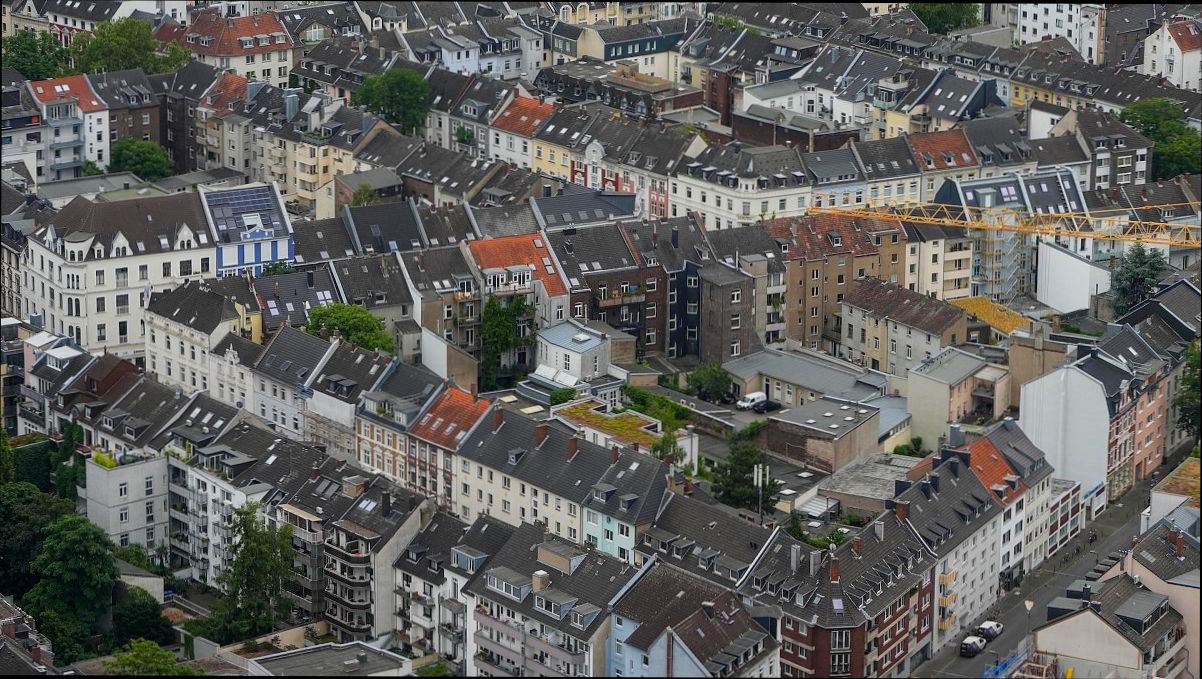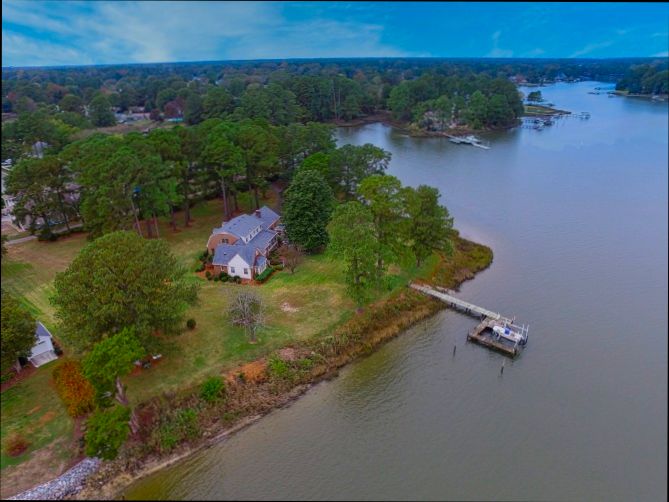
Pros and Cons of Living in Chesapeake VA can really give you a feel for what it’s like to call this mid-sized city home. With a population of about 245,000, Chesapeake boasts a unique blend of suburban charm and access to urban conveniences. Picture this: you can enjoy a weekend kayaking on the crisp waters of the Dismal Swamp or exploring the scenic trails at Great Dismal Swamp National Wildlife Refuge, all while being just a hop away from bustling Norfolk and Virginia Beach. Plus, with a median home price around $290,000, affordable living can be found amongst the tree-lined neighborhoods.
On the flip side, it’s not all sunshine and kayaks. Commuting can sometimes feel like a test of patience, especially if you’re heading into Norfolk during rush hour. Traffic on major arteries like I-64 can get heavy, turning a quick trip into a test of endurance. And while Chesapeake is rich in natural beauty, the nightlife scene may leave some looking for options. If you thrive on vibrant nightlife and cultural experiences, you might find yourself making that drive to nearby cities more often than you’d like.

Cost of Living Insights in Chesapeake
When considering a move to Chesapeake, it’s vital to understand the local cost of living. This detail not only impacts your daily life but also shapes your overall financial decision-making. Let’s explore several key aspects of Chesapeake’s cost of living that can help you gauge whether this city fits your budget.
Living in Chesapeake costs around $2,314 monthly for an individual, placing it in the top 12% of the most expensive cities worldwide. For a family of four, the figure jumps to approximately $5,090. Understanding the breakdown of these expenses can provide a clearer perspective.
Monthly Cost Breakdown
| Cost of Living | One Person | Family of 4 |
|---|---|---|
| 💰 Total with Rent | $2,314 | $5,090 |
| 🏨 Rent & Utilities | $1,495 | $2,231 |
| 🍽️ Food | $591 | $1,547 |
| 🚐 Transport | $72.4 | $188 |
The average rent and utilities for a single person amount to roughly $1,495, which is a substantial portion of the monthly budget. Food expenses also reflect a significant investment; a single person spends around $591 on groceries, while a family of four will spend about $1,547. This increased cost underscores the importance of budgeting effectively in Chesapeake.
Real-World Implications
Let’s consider a scenario: If you enjoy dining out occasionally, be prepared for the costs. For a nice dinner for two at a local restaurant, you can expect to pay approximately $82.60. Think about how often you plan to eat out; this could quickly add to your monthly expenses. Even a simple lunch menu typically costs around $13, not including drinks.
Moreover, if you rely on public transport, the average monthly transport cost is only about $72.40 for an individual, making it a reasonable option to consider compared to driving. However, a family might find their transport costs rise to $188, depending on how often they travel.
With the median after-tax salary in Chesapeake being about $4,702, it’s essential to calculate your expenses realistically. After accounting for living costs, particularly rent and food, many individuals find they only have enough to cover about two months of living expenses at a time.
Practical Tips
- Budget Wisely: Track your expenses for the first few months to understand your spending habits.
- Consider Housing Options: Explore different neighborhoods; rental prices can vary significantly throughout Chesapeake.
- Shop Local: Look for local food markets and discounts to manage food costs effectively.
Keeping these figures in mind can help you navigate the financial landscape of Chesapeake more confidently. Always remember to adjust your budget based on personal lifestyle choices and family needs.
Quality of Education in Chesapeake Schools
When considering the educational landscape in Chesapeake, Virginia, you’ll find a robust system that serves a diverse student population. With 48 schools catering to around 40,769 students, Chesapeake Public Schools has made notable strides in educational quality and accessibility.
Accreditation Status
Accreditation is a key indicator of educational quality, and Chesapeake schools largely uphold high standards. Here’s a snapshot of the accreditation status for various schools:
| School Type | Accredited | Accredited with Conditions |
|---|---|---|
| Elementary Schools | 35 | 2 |
| Middle Schools | 11 | 0 |
| High Schools | 7 | 0 |
As you can see, the majority of schools in Chesapeake hold full accreditation, which reflects a commitment to maintaining certain educational benchmarks.
Academic Performance Metrics
Chesapeake’s schools also focus on measurable academic outcomes. For instance, during the 2023-2024 academic year, the overall reading performance of students remained strong:
- All Students passed rates for English Reading: 79%, with 14% achieving advanced scores.
- Grade 3 students showed similar results, with 74% passing and 12% in the advanced category.
Nonetheless, challenges persist. Specifically, economically disadvantaged students recorded a passing rate of 68%, indicating that while advancements have been made, there is still work to be done in closing achievement gaps.
Real-World Example: Reading Performance
Let’s break down the reading performance by grade level to offer insight into how different age groups are faring:
| Grade | Advanced (%) | Proficient (%) | Passed (%) | Failed (%) |
|---|---|---|---|---|
| Grade 3 | 12 | 74 | 74 | 26 |
| Grade 5 | 11 | 76 | 76 | 24 |
| Grade 8 | 11 | 78 | 78 | 22 |
This table highlights the consistent passing percentages across grade levels, underscoring a steady improvement in literacy as students progress through school.
Focused Initiatives
Chesapeake schools prioritize programs aimed at improving educational outcomes for all students. Initiatives include:
- Assessment Tools: Regular updates to their assessment programs help identify and support struggling students.
- Support for Diverse Groups: Specialized programs are in place for English Learners and students with disabilities, ensuring an inclusive learning environment.
Actionable Insights for Parents
If you’re evaluating the education option in Chesapeake, here are some actionable tips:
- Get Involved: Actively participate in school activities or local educational committees to better understand school dynamics.
- Utilize Resources: Take advantage of available school resources to support your child’s specific learning needs.
- Monitor Performance: Regularly review your child’s performance through school reports and communicate with teachers to stay informed.
With a substantial focus on quality education, Chesapeake schools demonstrate a strong commitment to preparing students for future success through innovative practices and a supportive community.

Recreational Opportunities and Outdoor Activities
Living in Chesapeake, VA, offers a diverse array of recreational opportunities and outdoor activities that cater to all interests and age groups. Whether you’re a fan of sports, arts, or nature, there are countless ways to stay active and engaged in the community.
Active Sports and Games
Engaging in team sports and outdoor activities can significantly enhance your quality of life. Chesapeake has numerous facilities and open spaces that promote physical fitness, teamwork, and strategic gameplay:
- Soccer and Basketball: Local parks frequently host organized soccer and basketball leagues. These sports encourage physical activity and foster camaraderie, with most teams consisting of community members of varying skill levels.
- Indoor and Outdoor Swimming: From lap swimming to recreational swim sessions, local pools cater to all ages, making it easy for families to learn swimming skills in a safe environment.
Creative and Cultural Pursuits
Chesapeake also excels in offering arts and crafts opportunities that allow residents to express themselves creatively:
- Art and Craft Workshops: Numerous community centers provide workshops where residents can explore their artistic talents, from pottery to calligraphy classes.
- Music & Dance Lessons: Local studios regularly offer classes in various music styles and dance forms, making it easy for you to immerse yourself in the local cultural scene.
Parks and Outdoor Exploration
Chesapeake’s natural landscapes and parks provide several outdoor recreation options:
- Nature Trails: The city boasts a network of trails perfect for walking, running, or biking. These paths wind through scenic areas, allowing you to connect with nature without leaving the city.
- Parks with Playgrounds: For families, parks with safe playgrounds ensure that children have a space for unstructured play while adults can enjoy outdoor fitness options.
Recreational Opportunities at a Glance
| Activity | Frequency | Location |
|---|---|---|
| Soccer Leagues | Year-round | Various local parks |
| Art Workshops | Monthly | Community centers |
| Nature Trails Access | Daily | Chesapeake parks |
| Swimming Classes | Seasonal | Indoor and outdoor pools |
Real-world Examples
- Local Festivals: Events like the Chesapeake Wine Festival offer not only culinary delights but also live music and artistic showcases, strengthening community ties through cultural engagement.
- Chess Clubs: Community centers and schools host chess clubs to promote strategic thinking amongst participants, demonstrating the intellectual side of recreational activities.
Practical Implications
If you’re considering joining a local sports league or enrolling in an arts class, many community resources are available. Local parks often post schedules for sports events, while workshops may require pre-registration through community centers.
Remember to keep an eye on community boards or social media groups for updates on seasonal activities, festivals, and classes that can enrich your experience in Chesapeake—enjoy making the most of what the outdoors and local culture have to offer!

Cultural Diversity and Community Events
Chesapeake, VA, is a vibrant city that celebrates its cultural diversity through a variety of engaging community events. These events create a rich tapestry of experiences, connecting residents regardless of their backgrounds. If you’re looking to immerse yourself in the community or simply explore different cultures, you’re in for a treat.
The Fabric of Cultural Diversity
Chesapeake boasts a melting pot of traditions, languages, and customs, making it a lively place to live. The city’s diverse population plays a significant role in shaping the community events that take place throughout the year. Here are some compelling highlights:
- Cultural Festivals: Chesapeake hosts annual events such as the “Chesapeake Jubilee,” which features food, music, and arts from various cultures. This festival attracts thousands of attendees and celebrates the city’s rich diversity.
- Ethnic Heritage Celebrations: Events like “Hispanic Heritage Month” and “Black History Month” observances showcase performances, art, and discussions that highlight the contributions of various ethnic groups.
- Multicultural Events: Events like the “Chesapeake Arts and Cultural Alliance” festivities spotlight local artists and performers from different backgrounds, providing a platform for cultural exchange and understanding.
Community Events Breakdown
| Event Type | Frequency | Audience Size | Cultural Focus |
|---|---|---|---|
| Chesapeake Jubilee | Annually | 20,000+ | Diverse cultural traditions |
| Ethnic Heritage Month | Monthly in Sept. | Varies | Hispanic, African American |
| Multicultural Arts Fest | Biannually | 10,000+ | Local artists’ backgrounds |
Real-World Examples of Community Engagement
Take, for example, the Chesapeake Jubilee held every May. This event not only features local businesses and artists but also includes culinary showcases where attendees can try dishes from different cuisines. A local resident shared how this event helped her children learn more about the rich traditions of their peers.
Another great example is the annual “Chesapeake Caribbean Festival,” which highlights Caribbean culture through food, music, and dance. This festival fosters connections across different communities, encouraging attendees to engage in cultural dialogue.
Practical Implications for Residents
For anyone considering moving to Chesapeake or even just visiting, engaging in these community events can enhance your understanding and appreciation of the diverse cultures around you. Here are a couple of actionable tips:
- Get Involved: Volunteer for local cultural festivals or community programs. Engaging directly with these events helps forge connections and offers firsthand experiences of different customs.
- Attend Workshops: Many cultural organizations offer workshops and classes, such as dance or cooking classes. Participating can provide not only fun but also a deeper appreciation of the city’s diverse cultural landscape.
Facts and Advice
Chesapeake’s cultural diversity is reflected in its events, drawing thousands of residents and visitors alike. Make it a point to check local calendars for upcoming festivals and events. Participating can enrich your life and provide a deeper sense of community!

Local Economy and Job Market Trends
When you consider moving to Chesapeake, Virginia, understanding the local economy and job market trends plays a pivotal role in your decision-making process. The city’s economic landscape is shaped by its diverse industries, employment rates, and overall growth potential, which significantly impacts your quality of life.
Economic Overview
Chesapeake boasts a robust economic environment with a mix of industries ranging from retail and manufacturing to healthcare and technology. The city has seen a steady increase in job opportunities, leading to a competitive job market that appeals to various professionals. As of the latest data, the unemployment rate in Chesapeake is approximately 3.6%, which is on par with the national average, providing a favorable landscape for job seekers.
Key Economic Indicators:
- Employment Rate: Around 96.4% of the working-age population is employed, indicating a healthy job market.
- Job Growth: There has been a significant increase of 1.5% in job growth over the past year, suggesting a thriving economy.
Comparative Job Market Trends
To give you a clearer view of Chesapeake’s job market, here’s a comparison highlighting key sectors and their employment rates:
| Industry | Employment Rate (%) | Annual Growth Rate (%) |
|---|---|---|
| Healthcare Services | 19% | 3.2% |
| Retail Trade | 15% | 1.8% |
| Manufacturing | 12% | 2.5% |
| Educational Services | 10% | 1.0% |
| Professional Services | 11% | 3.0% |
Real-World Examples
Several companies contribute to Chesapeake’s diverse job market. For instance, Sentara Healthcare, a major player in the healthcare sector, employs thousands in the region, regularly expanding its facilities and services. Additionally, the retail sector has seen growth with the introduction of new stores and services in local shopping centers, providing various job opportunities for residents.
Practical Insights for Job Seekers
If you’re considering relocating to Chesapeake, here are some actionable insights to keep in mind:
- Networking is crucial. Engage with local job fairs and community events to make connections that could open doors.
- Consider employment in growth sectors. Focus on industries like healthcare and technology, which are expanding and often offer competitive salaries.
- Utilize online job boards and local resources, such as the Chesapeake Economic Development website, to stay updated on job listings and economic trends.
Facts to Consider
As you weigh your options, remember that the job market in Chesapeake is not only stable but also evolving. With an average salary slightly above the national average, it’s a city that can support a comfortable lifestyle while offering various employment opportunities. Focus on building your resume in fields that show consistent growth, and don’t hesitate to explore Chesapeake’s vibrant economic scene!
Climate and Weather Considerations for Residents
When considering a move to Chesapeake, VA, understanding the local climate and weather can significantly impact your lifestyle. Let’s dive into what you can expect from the weather patterns throughout the year.
Seasonal Overview
Chesapeake experiences a humid subtropical climate, characterized by four distinct seasons. Residents enjoy:
- Hot, Humid Summers: Average highs can reach into the low 90s °F (around 33 °C) in July.
- Mild Winters: January temperatures typically hover in the mid-30s °F (approximately 2 °C).
- Lengthy Transitional Seasons: Spring and autumn showcase average temperatures ranging from the 50s to 70s °F (10-25 °C).
Precipitation and Humidity
Chesapeake receives approximately 46 inches of rainfall annually, which supports lush greenery but also means potential flooding in low-lying areas. The humidity levels can exceed 85% in the summer, making it essential to be prepared for sticky conditions.
| Month | Average Precipitation (inches) | Average Humidity (%) |
|---|---|---|
| January | 3.1 | 74 |
| April | 3.6 | 66 |
| July | 5.2 | 84 |
| October | 3.2 | 65 |
| December | 3.1 | 70 |
Storms and Severe Weather
Chesapeake is prone to occasional severe weather events, such as hurricanes and thunderstorms.
- Hurricane Season: Running from June 1 to November 30, residents should stay vigilant as Chesapeake can experience heavy rains and winds during storms.
- Tornado Risk: While tornadoes are less frequent, they can occur, particularly in the spring and summer months.
Personal Preparations
1. Home Insurance: It’s essential to have adequate homeowners insurance that covers flooding and storm damage.
2. Emergency Kits: Assemble emergency supplies for hurricane season, including food, water, and medical provisions.
3. Outdoor Maintenance: Regularly maintain your yard and gutters to minimize flooding risks during heavy rainfalls.
Real-World Implications
For instance, a Chesapeake resident shared their experience during Hurricane Florence in 2018, emphasizing the importance of being adequately prepared. They noted how a sturdy home with proper drainage minimized damage and the need for quick access to food and water during extended power outages.
Actionable Insights
Keep an updated weather app to stay informed about local conditions and potential alerts. Understanding the seasonal changes and preparing for extreme weather can enhance your living experience in Chesapeake and ensure your safety and comfort year-round.

Safety and Crime Rates in Chesapeake
When considering moving to Chesapeake, Virginia, understanding the safety landscape and crime rates in the area is crucial. This vibrant city offers a mix of suburban comfort and urban amenities, but like any city, it has its safety challenges. Let’s explore current crime statistics, specific safety concerns, and what you need to know to feel secure in this community.
Current Crime Statistics
Chesapeake demonstrates a relatively low crime rate compared to national averages. Here are some key data points:
- Violent crime rate: Approximately 2.89 per 1,000 residents, which is significantly lower than the national average of 3.7 per 1,000.
- Property crime rate: Roughly 22.94 per 1,000 residents, again better than the national rate of about 28.4 per 1,000.
- The overall crime index in Chesapeake indicates a safety score that suggests it is safer than 54% of U.S. cities.
Comparative Crime Table
| Crime Type | Chesapeake Rate (2020) | National Average Rate |
|---|---|---|
| Violent Crime | 2.89 per 1,000 | 3.7 per 1,000 |
| Property Crime | 22.94 per 1,000 | 28.4 per 1,000 |
| Overall Safety Rank | Safer than 54% | N/A |
Examples of Crime Trends
While the statistics look promising, it’s important to highlight where certain issues may arise. For instance, areas such as South Norfolk have had reported spikes in property crimes, including burglaries and thefts. Local law enforcement is actively addressing these trends through community policing initiatives and neighborhood watch programs that actively engage residents in crime prevention.
Additionally, reports from 911 call data indicate a noticeable uptick in calls related to drug-related incidents over the past few years. This has led to community outreach programs aimed at educating the public about local drug issues and establishing resources for help.
Practical Implications
For anyone considering a move to Chesapeake, it’s vital to stay informed about local crime trends and engage with community safety resources. Here are some actionable insights:
- Get involved in community safety programs: Joining neighborhood watch groups can help build a sense of security and encourage proactive measures against crime.
- Be aware of your surroundings: Always trust your instincts when it comes to safety. Familiarizing yourself with the safer neighborhoods can enhance your comfort level in the city.
- Stay updated on local news: Monitoring local police reports and community bulletins can arm you with information on the latest safety concerns.
Chesapeake’s crime rates suggest a relatively safe environment, but understanding specific areas with challenges is essential for safety-minded residents. Investing in community engagement and local resources can further augment your sense of security while living in this inviting Virginia city.