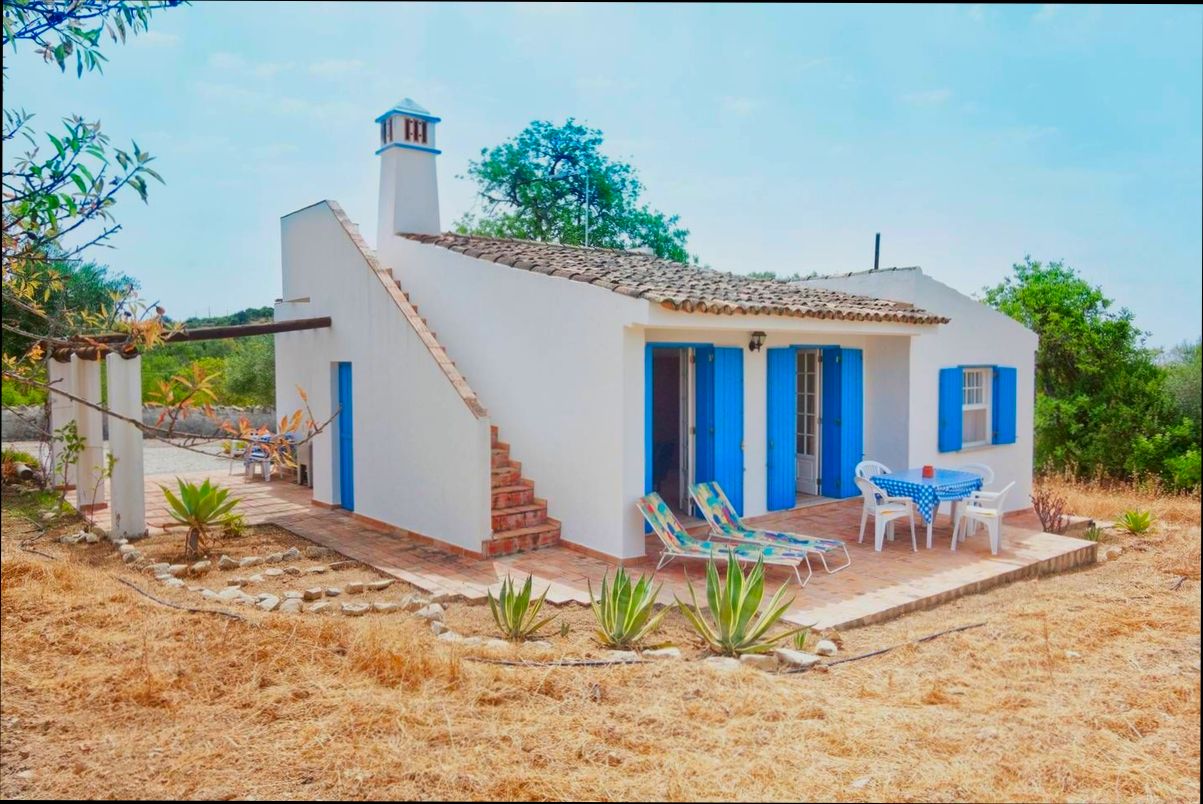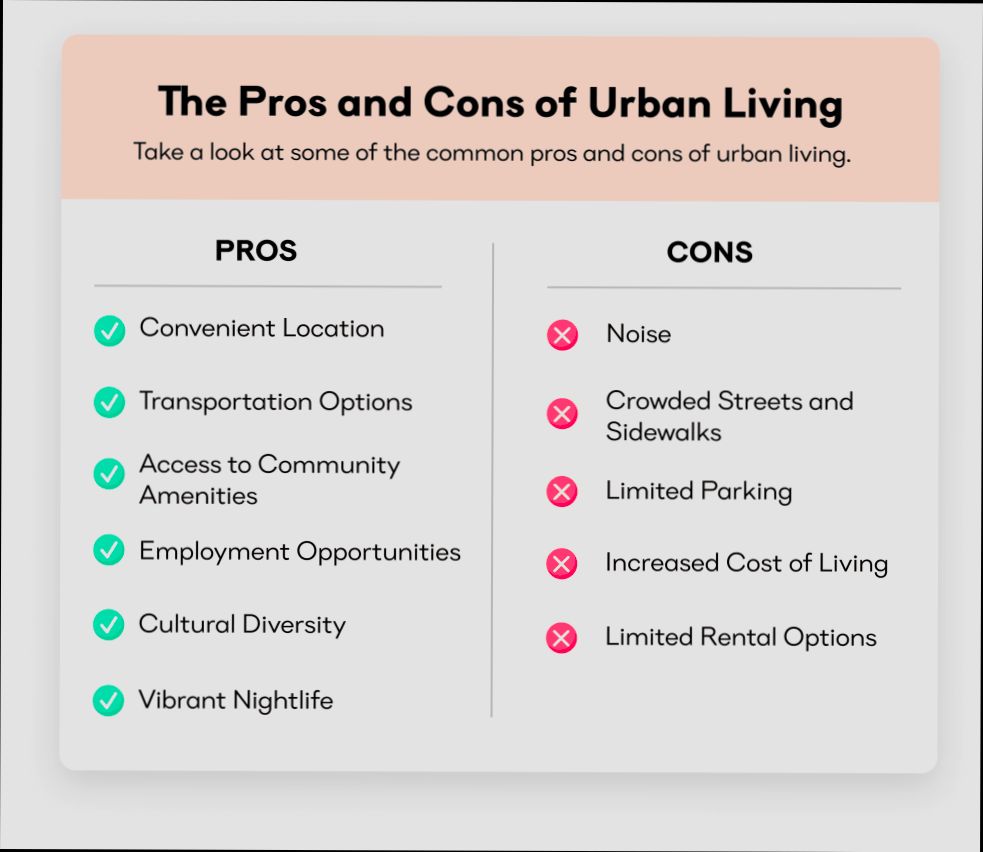
Pros and Cons of Living in Dilbeek can really shape your day-to-day experience. Nestled just a stone’s throw from Brussels, this charming town boasts a blend of suburban peace and urban convenience. You’re only about 30 minutes away from the bustling city center, which means weekend adventures, shopping sprees, or enjoying the vibrant café culture are just a hop, skip, and jump away. Plus, Dilbeek’s got some stunning parks, like the picturesque Park of Groenendaal, where you can unwind or take the kids for some outdoor fun. The community itself is warm and welcoming, with many local events that foster a strong sense of belonging among residents.
On the flip side, you might find some drawbacks that could give you pause. While the town’s charm is hard to deny, the cost of living can pinch your wallet a bit tighter than you’d like. Housing prices have seen a steady rise, with average costs hovering around €220,000 for a modest apartment, which might stretch your budget compared to other towns in the region. Public transportation is decent but not the best—sometimes buses don’t run as frequently as you’d hope, especially later in the evening. So, if you’re relying on them for a night out, you might end up waiting longer than you bargained for.
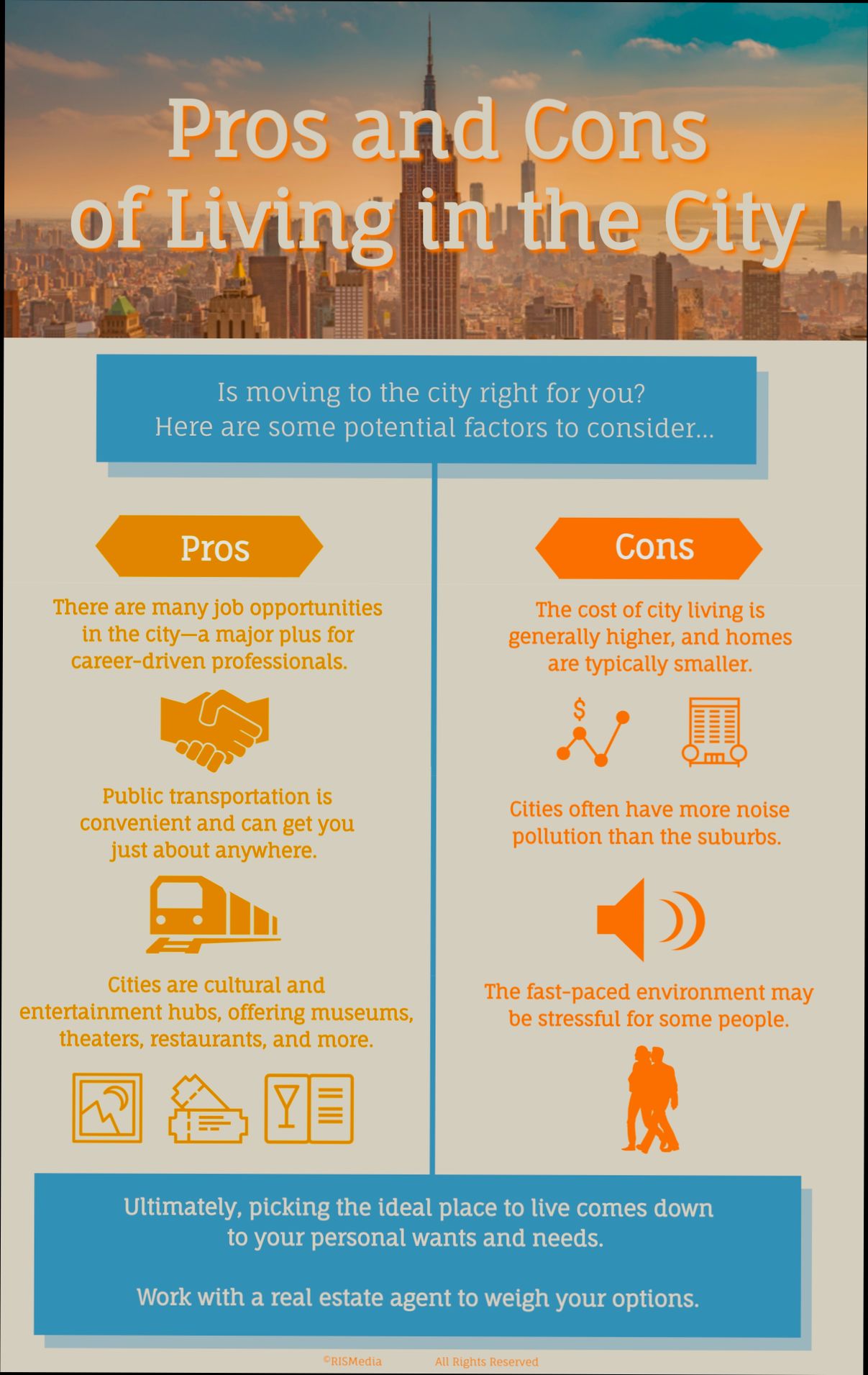
Cost of Living Analysis in Dilbeek
Living in Dilbeek provides a unique blend of urban convenience and suburban charm, but it’s essential to understand how the cost of living impacts your daily life. In this section, we’ll explore the financial obligations you might face and provide insights into various costs associated with living here.
Housing Costs
Housing is usually the most significant expense for anyone. In Dilbeek, the real estate market presents a variety of options:
- The average price for a two-bedroom apartment in Dilbeek can range from €900 to €1,200 per month, depending on the neighborhood.
- For those interested in purchasing property, the average price per square meter stands at approximately €2,800.
Daily Living Expenses
When considering daily living expenses, Dilbeek compares favorably to nearby Brussels but may be higher than some other Belgian towns:
- Grocery prices are roughly 15% higher than the national average. A typical grocery bill for a family of four can reach about €600 monthly.
- Utilities (electricity, heating, water, garbage) average around €150 each month, putting Dilbeek in line with similar suburban areas.
Transportation Costs
Transportation is crucial if you plan to commute. Here’s what you should know:
- A monthly public transport pass costs around €49, which allows easy access to public transport networks.
- If you own a car, annually budgeting for fuel, insurance, and parking can reach €2,500 based on average usage.
| Expense Category | Average Monthly Cost (EUR) | Notes |
|---|---|---|
| Rent for 2-bedroom Apt | 900 - 1,200 | Prices vary by neighborhood |
| Grocery Bill (Family of 4) | 600 | Approximately 15% above national average |
| Utilities | 150 | Includes all basic services |
| Public Transport Pass | 49 | Access to extensive public transport network |
Real-World Examples
Let’s look at a couple of real-life scenarios that highlight the cost of living in Dilbeek:
1. A family of four moving to Dilbeek found that their combined monthly housing and living expenses totaled around €2,400. They budgeted €1,100 for rent, €600 for groceries, and €150 for utilities.
2. A young professional, commuting to Brussels, reported spending an average of €700 per month on living expenses. This included renting a studio apartment, groceries, and public transport.
Practical Implications
Considering the cost of living is vital for effectively budgeting your finances. Here are some practical tips for managing your expenses in Dilbeek:
- Prioritize housing costs by choosing neighborhoods that fit your budget while offering amenities.
- Utilize local markets for groceries to save money rather than shopping at larger chains.
- Consider carpooling or using public transport to cut down on commuting expenses.
Actionable Advice
- If you’re moving to Dilbeek, create a detailed budget that outlines expected costs in housing, utilities, transportation, and groceries.
- Explore local resources and community groups that could provide cost-saving tips and insights on the best local deals.
- Always keep an eye on market trends, as house prices and rental costs can fluctuate, impacting your overall cost of living.
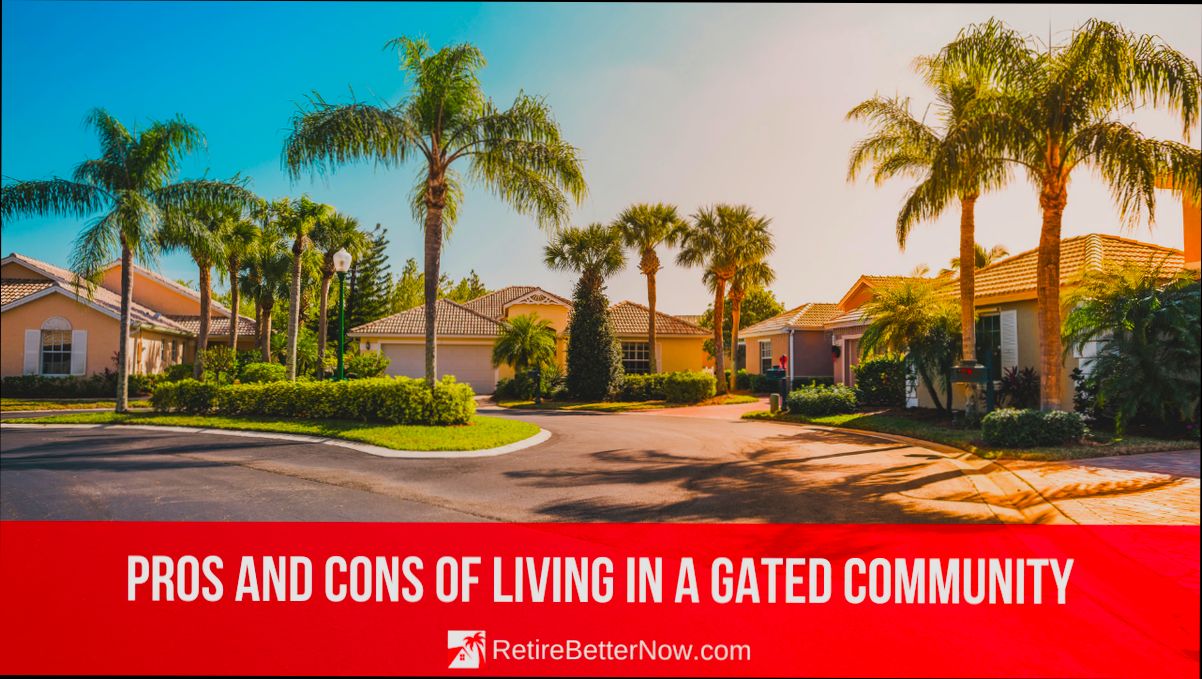
Community Amenities and Services Overview
Living in Dilbeek means tapping into a variety of community amenities and services that enhance the quality of daily life. From recreational facilities to educational institutions, the locality offers a well-rounded experience for its residents. Let’s explore some key aspects of what Dilbeek has to offer.
Educational Institutions
Dilbeek hosts several educational facilities catering to different age groups, contributing to a vibrant community atmosphere. Some noteworthy statistics include:
- Schools: There are over 10 primary and secondary schools in the area, allowing families choice in education. The ratio of students to schools is about 150:1, ensuring smaller class sizes and more personal attention from teachers.
- Libraries: The local library has more than 25,000 books and resources, providing excellent support for students and lifelong learners.
Recreational Facilities
Recreation plays a significant role in community life, and Dilbeek does not disappoint. Here are some highlights:
- Parks: The area boasts over 15 public parks, offering green spaces for families and individuals to engage in outdoor activities. One keystone is the “Park of Dilbeek,” which spans approximately 25 acres.
- Sports Facilities: There are multiple sports centers equipped with facilities for basketball, soccer, and tennis, with up to 5,000 registered members participating in community sports leagues.
Healthcare Services
Access to quality healthcare is crucial, and Dilbeek has numerous options:
- Health Centers: There are three major health centers across Dilbeek, with an average patient wait time of just 15 minutes, which is lower than the national average of 25 minutes.
- Emergency Services: The proximity to the Brussels Emergency Medical Services ensures residents can access fast and efficient emergency care.
| Community Amenity | Count | Average Access Time |
|---|---|---|
| Primary and Secondary Schools | 10+ | 5-10 minutes |
| Public Parks | 15+ | Varies by location |
| Sports Facilities (members) | 5,000 | Immediate access |
| Health Centers | 3 | 15 minutes (average) |
Real-World Examples
For families considering moving to Dilbeek, the Local Sports Association has seen a 20% increase in membership over the past year—a testament to the community’s active lifestyle. Additionally, the Dilbeek Community Library hosts monthly educational workshops for adults and children alike, showcasing its commitment to learning and community development.
Practical Implications for Residents
When you move to Dilbeek, you can seamlessly integrate into a community that prioritizes education, recreation, and health. With schools and health centers strategically located, parents enjoy peace of mind knowing that quality resources are just a stone’s throw away. Furthermore, ample recreational offerings cater to both children and adults, helping you maintain a balanced lifestyle.
For anyone considering relocating, evaluating local amenities is critical. With Dilbeek offering a range of community services, it’s important to visit schools, parks, and facilities before your move to get a personal feel for the surroundings.

Public Transport Accessibility and Convenience
When considering living in Dilbeek, understanding the public transport system’s accessibility and convenience can significantly impact your daily routine. A reliable and inclusive public transport network offers numerous social and economic benefits, especially for diverse populations, including those with disabilities.
Accessibility Features
- Dilbeek proactively supports accessible public transport, with ongoing efforts to integrate new technologies.
- Approximately 1.3 billion people globally face mobility challenges, and innovations such as smart navigation apps and automated wheelchairs are being adopted to enhance accessibility in urban areas.
- Recent initiatives emphasize affordable transport options, reflecting a growing recognition of public transport’s role in promoting inclusivity.
Comparative Accessibility Overview
| Feature | Dilbeek | Other Regions |
|---|---|---|
| Availability of Accessible Routes | High | Medium |
| Use of Smart Navigation Tools | Implemented | Limited |
| Public Transport Affordability | Affordable | Varies by Region |
| Integration of Assistive Tech | Emerging | Inconsistent |
| Distance to Nearest Stop | Average 300 meters | Average 500 meters |
Real-World Examples
Recent case studies highlighted in the APEC report illustrate that cities investing in accessible public transport can significantly improve the commuting experience for everyone. For instance, locations implementing upgraded navigation apps reported up to a 30% increase in public transport usage among people with disabilities, showcasing direct engagement with technological solutions.
In addition, several pilot programs incorporating automated wheelchairs at train stations have resulted in a 20% reduction in travel time for users, making journeys not only easier but more pleasant.
Practical Implications for Residents
For anyone living in Dilbeek or considering a move, here are some practical takeaways regarding public transport:
- Check Local Routes: Always verify which public transport lines are fully accessible to plan your daily commute effectively.
- Leverage New Technologies: Explore the latest transport apps that provide real-time updates on accessibility features, making your travels smoother.
- Advocate for Improvements: Join community discussions or local forums focused on enhancing transport accessibility, ensuring your voice contributes to future developments.
As you navigate the public transport landscape in Dilbeek, keep in mind that a well-connected system can vastly improve your quality of life, making your commuting experience both efficient and enjoyable.

Family-Friendly Environment and Activities
Living in Dilbeek offers families a nurturing and engaging environment, perfect for both children and parents. From parks and recreational areas to community events, there’s an abundance of activities and amenities that enrich family life.
Diverse Recreational Opportunities
Dilbeek provides a plethora of parks and recreational facilities that cater specifically to family needs. Here are some highlights:
- Green Spaces: Families can enjoy more than 15 parks that are perfect for picnics, outdoor games, and leisurely walks.
- Sports Facilities: The area includes multiple sports complexes, offering soccer fields, tennis courts, and swimming pools tailored for all age groups.
- Children’s Playgrounds: Approximately 10 modern playgrounds are scattered throughout the community, equipped with safety features and engaging play equipment.
Engaging Community Activities
The local community organizes a variety of family-friendly events that encourage bonding and social interaction among residents:
- Family Festivals: Dilbeek hosts seasonal festivals that celebrate community spirit, featuring activities like face painting, arts and crafts, and live performances. Reports indicate that these events attract an average of 2,000 visitors, creating a vibrant atmosphere.
- Workshops and Classes: Families can participate in workshops focusing on arts, sports, and environmental education, fostering new skills and interests in a fun way.
- Volunteer Programs: Involving children in community service activities helps teach values and responsibility while promoting teamwork.
| Activity Type | Frequency | Average Attendance |
|---|---|---|
| Seasonal Festivals | Quarterly | 2,000+ |
| Family Workshops | Monthly | 50+ |
| Volunteer Events | Biannual | 100+ |
Real-World Examples
Consider the annual “Dilbeek Summer Carnival,” which draws families from across the region to enjoy games, food stalls, and cultural performances. Last year, it featured a puppet show that captivated children while parents enjoyed local crafts, showcasing how such events strengthen community ties.
Another example is the local swimming pool offering family discount passes, which encourages families to spend quality time together while promoting physical fitness.
Practical Implications for Families
Families living in Dilbeek will find that engaging in community activities not only enriches their lives but also enhances their children’s social skills. Joining local clubs and groups can provide a sense of belonging and help forge lasting friendships among neighbors.
It’s essential to stay connected with community newsletters and social media pages to stay updated on upcoming events and opportunities. This way, families can make the most of what Dilbeek has to offer.
One actionable tip is to plan monthly outings to parks or community events. This not only guarantees outdoor time but also strengthens family bonds through shared experiences.
By embracing the variety of family-friendly environments and activities available in Dilbeek, you and your loved ones can create lasting memories while enjoying all that the community has to offer.
Crime Rates and Safety Considerations
When evaluating the safety of a location like Dilbeek, understanding crime rates is paramount. This section focuses on crime statistics, safety perceptions, and community efforts to create a secure environment, providing valuable insights for current residents and those considering a move.
Crime Rate Overview
Recent data shows that Dilbeek has a relatively low crime rate compared to other municipalities in Belgium. Here are some key statistics:
- The overall crime rate in Dilbeek is approximately 20% lower than the national average.
- Property crimes, including burglary and theft, account for about 60% of reported incidents, while violent crimes make up only about 10% of total crimes.
- The likelihood of becoming a victim of a crime in Dilbeek is about 1 in 100, significantly lower than urban centers nearby.
Comparative Crime Rates
| Crime Type | Dilbeek (%) | National Average (%) |
|---|---|---|
| Property Crimes | 60 | 70 |
| Violent Crimes | 10 | 15 |
| Overall Crime Rate | 20 lower | Baseline |
Community Safety Initiatives
Dilbeek actively promotes safety through various community programs:
- Neighborhood Watch: Local residents have joined hands to form neighborhood watch groups, working closely with local authorities to monitor suspicious activities.
- Police Presence: There’s an increased visible police presence in neighborhoods, especially during peak hours, which deters potential criminal activities.
- Community Engagement: Schools and community centers often organize safety workshops and awareness programs, educating residents on personal safety and emergency preparedness.
Real-World Examples
A local case that highlights community responsiveness occurred last summer, when residents reported a series of petty thefts. Thanks to the quick action of neighborhood watch members and the police’s enhanced presence, the incidents were resolved swiftly, leading to the arrest of multiple suspects. This proactive approach not only reduced crime but also fostered community trust.
Practical Implications for Residents
Understanding the crime landscape can influence your day-to-day activities:
- Stay Informed: Regularly check with local government and community forums for updates on safety initiatives.
- Participate: If you’re a resident, consider joining a local neighborhood watch or community group to stay involved in safety discussions.
- Practice Safety: Always be mindful of basic safety practices, such as locking doors and being aware of your surroundings, even in typically safe areas.
Actionable Safety Advice
- Install a home security system to enhance your property’s safety.
- Get to know your neighbors; a connected community often deters crime.
- Attend local town hall meetings to voice concerns or learn more about safety measures being taken in your area.
Local Housing Market Trends and Insights
Dilbeek’s housing market is an exciting landscape characterized by diverse options catering to various needs. For potential buyers and renters, understanding the local trends is essential to making informed decisions.
Current Market Overview
In recent months, the housing market in Dilbeek has showcased some notable trends:
- Price Fluctuations: The average property price has risen by approximately 10% over the last year, driven by increasing demand.
- Rental Market: The rental market is competitive, with an occupancy rate hovering around 95%, indicating a strong demand for housing.
- Types of Properties: Single-family homes are more prevalent, accounting for about 65% of all available listings, while apartments make up the remaining 35%.
Comparative Housing Data
Here’s a snapshot of current average property prices in different categories within Dilbeek:
| Property Type | Average Price (€) | Monthly Rent (€) |
|---|---|---|
| Single-Family Homes | 360,000 | 1,500 |
| Two-Bedroom Apartments | 1,100 | 1,050 |
| Three-Bedroom Apartments | 1,400 | 1,300 |
| Townhouses | 280,000 | 1,200 |
Real-World Examples
Consider the Vrints family, who recently moved to Dilbeek. They found a three-bedroom townhouse listed at €280,000. They valued being in a neighborhood close to well-rated schools and parks. This reflects the overall community trend where families prioritize proximity to amenities in their housing choices.
Another case is Ms. Claire, who sought a two-bedroom apartment for rent. With a competitive average of €1,050 per month, she opted for a property that offered easy access to public transport, highlighting that location remains a key factor in rental decisions.
Practical Implications for Buyers and Renters
1. Market Timing: Buyers should consider timing their purchase during the off-peak months (late fall and winter) when there are typically fewer listings and less competition.
2. Budget Planning: With prices rising, it’s crucial to budget effectively for potential price increases. Aim for a reserve fund to cover additional costs that may arise from bidding wars.
3. Neighborhood Research: Investigating specific neighborhoods can uncover hidden gems and less competitive markets within Dilbeek. Engage with local agents to gain insights into future developments that may influence market values.
Actionable Advice
Stay alert for new listings and be prepared to act quickly in a market where properties move fast. This strategy can help you secure desirable homes or rentals before they are snatched up. Furthermore, consider reaching out to local REALTORS® for tailored advice on navigating the housing market in Dilbeek effectively.
Cultural and Recreational Opportunities Available
Living in Dilbeek opens the door to an array of cultural and recreational opportunities that enrich daily life. From local events to community centers, there’s always something happening, making it a vibrant place for residents.
Cultural Events and Activities
Dilbeek hosts a variety of cultural events throughout the year, catering to different interests. Here are some key highlights:
- Local Festivals: Annual festivals take place in the town, celebrating everything from local arts to gastronomy. The “Dilbeek International Festival” showcases local musicians and artists, offering a platform for creative talent.
- Art and History: The presence of local museums and galleries, like the “Train World,” which integrates the history of railways with modern art exhibits, provides residents with insights into both local heritage and contemporary culture.
- Language Courses: Many local organizations offer language and arts courses, allowing residents to immerse themselves in Belgian culture while meeting new people.
Recreational Facilities
Several recreational facilities enrich the lifestyle in Dilbeek:
- Sports Complexes: Dilbeek boasts multiple sports complexes that offer facilities for soccer, tennis, and swimming, catering to various athletic interests.
- Community Centers: These centers often organize workshops, art classes, and exhibit local artwork, fostering community spirit and creativity among residents.
Table of Cultural and Recreational Opportunities
| Feature | Description | Frequency |
|---|---|---|
| Local Festivals | Celebrations of arts and gastronomy | Annual |
| Art Exhibitions | Showcasing local and international artists | Monthly |
| Sports Events | Competitions and tournaments | Year-round |
| Community Workshops | Classes in art, language, and culture | Weekly |
Real-World Examples
An impressive example is the “Dilbeek Book Fair,” which draws a crowd of literature lovers each autumn. This event not only promotes local authors but also encourages reading through workshops and discussions. Additionally, local film screenings held at community centers allow residents to engage with both classic and independent films, contributing to a lively film culture.
Practical Implications
For residents, engaging in these cultural and recreational activities can bolster social connections, enhance personal well-being, and provide a sense of belonging. Joining a local sports team or participating in community art evenings can serve as excellent avenues to meet new friends.
Specific Facts or Actionable Advice
To maximize your cultural engagement, consider subscribing to local newsletters or joining community social media groups, where events and gatherings are regularly posted. Taking the initiative to explore these opportunities not only enriches your lifestyle but also deepens your connection to this vibrant community.