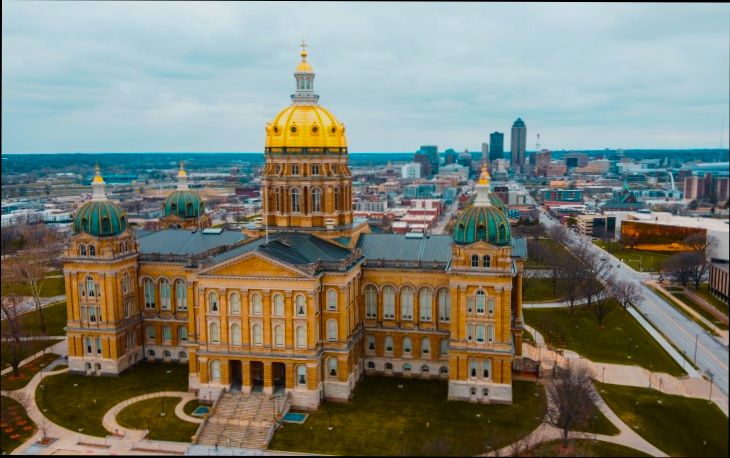
Pros and Cons of Living in Des Moines IA offer a really interesting mix of benefits and challenges. For starters, you can’t beat the affordability. The cost of living here is around 10% lower than the national average, which means you can snag a decent apartment for around $1,200 a month. Plus, the job market is solid, especially in finance and insurance—think companies like Wells Fargo and Principal Financial Group. With a growing number of startups popping up, there are plenty of opportunities, especially for young professionals looking to make their mark.
On the flip side, there’s the weather to consider. Winters can be brutal, with temperatures often dipping below freezing and snow piles forming on every corner. If you’re not a fan of cold, you might find those months a bit dreary. And while Des Moines has a growing culinary scene, some may argue it doesn’t quite have the vibrancy of larger cities. You might crave more diverse dining options, especially if you’re used to the hustle and bustle of a bigger urban lifestyle. So, whether you’re lured by the low costs and friendly vibes or deterred by the harsh winters and limited food variety, there’s a lot to weigh when thinking about making Des Moines your home.
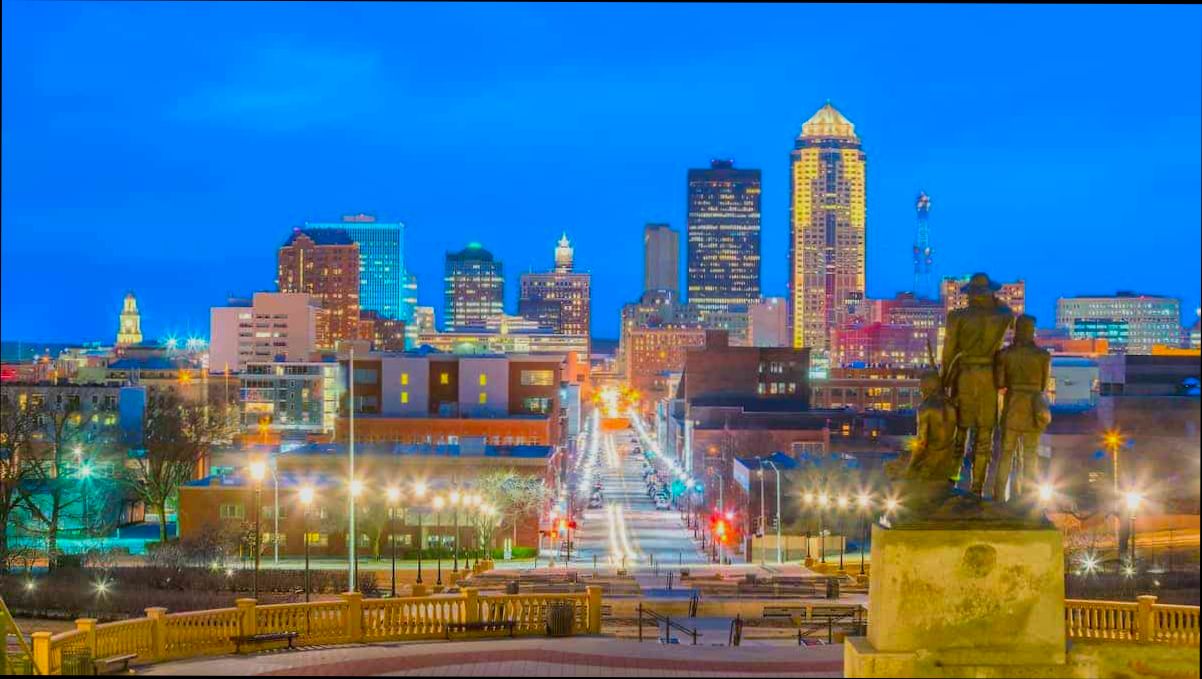
Cost of Living Analysis in Des Moines
When considering a move to Des Moines, one of the most pivotal factors you’ll want to analyze is the cost of living. In this section, we’ll break down what you can expect regarding housing, groceries, utilities, and overall affordability to help you make informed decisions about potential relocation.
Key Cost of Living Metrics
Des Moines offers a competitive cost of living, making it attractive for many. Here are some critical statistics:
- Housing Costs: The median home price in Des Moines is approximately $220,000. This price point is significantly lower than the national average, which hovers around $348,000.
- Rent: If you’re leaning towards renting, expect an average rent of about $1,100 per month for a two-bedroom apartment. This is a 22% lower than the national average.
- Groceries: A typical grocery bill for one person is around $300 monthly, which is about 10% lower compared to the national figure.
- Utilities: Average monthly utility costs, including electricity, heating, cooling, water, and garbage, run around $170. This is notably lower than in many larger metropolitan areas.
Cost of Living Comparison Table
| Category | Des Moines Average | National Average | Difference |
|---|---|---|---|
| Median Home Price | $220,000 | $348,000 | -$128,000 |
| Average Rent | $1,100 | $1,409 | -$309 |
| Monthly Groceries | $300 | $333 | -$33 |
| Monthly Utilities | $170 | $220 | -$50 |
Real-World Examples
Take Tracy, a professional who recently relocated to Des Moines from Chicago. Switching to Des Moines allowed her to purchase a quaint bungalow for $215,000, saving her nearly $160,000 compared to her former home. She also noted her grocery budget decreased by 12%, freeing up funds for discretionary spending.
Then there’s Mike, a renter who moved from Seattle and found a modern two-bedroom apartment for just $1,050 per month. He spent nearly $300 less on rent compared to what he paid before, allowing him to invest more in his savings.
Practical Implications for You
Understanding the cost of living in Des Moines can help you budget effectively. Expect:
- Opportunity to save significantly on housing, allowing you to focus on other financial goals, like retirement savings or travel.
- The chance to enjoy a quality lifestyle without being overwhelmed by living expenses, making it easier to participate in local activities and community events.
- Forecasted growth in housing, as many new developments indicate a thriving real estate market.
Actionable Advice on Cost of Living in Des Moines
When planning your move, stack up your savings and look for homes or apartments in neighborhoods that appeal to you. Keep an eye on utilities; investing in energy-efficient appliances can lead to additional savings. Lastly, consider local farmer’s markets for fresh groceries, which can help you save even more on your food budget as compared to larger grocery chains.
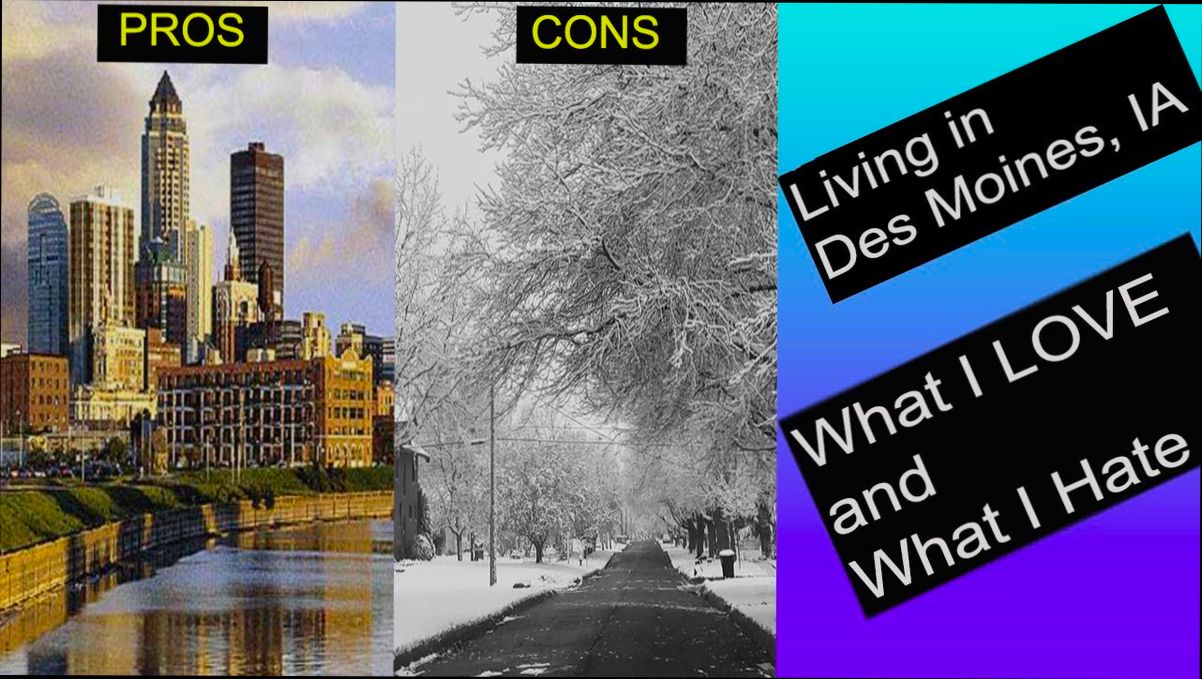
Exploring Job Opportunities in Iowa’s Capital
When it comes to job opportunities in Des Moines, you’ll find a vibrant landscape of industries and companies that cater to a diverse workforce. Let’s dive into what makes this city an appealing destination for job seekers.
Strong Employment Sectors
Des Moines boasts a strong job market, particularly in certain sectors:
- Insurance: Home to several major insurance companies, this sector employs about 20% of the local workforce.
- Healthcare: Medical institutions offer a wealth of opportunities, contributing to 10% of job growth.
- Finance: The financial sector is robust, with over 5,000 professionals working for various financial service providers.
- Technology: A growing tech scene has emerged, with a 15% increase in tech job postings over the past year.
Job Growth Statistics
The job growth in Des Moines has been impressive:
- According to the latest figures, the unemployment rate stands at a low 3.5%, indicating a healthy job market.
- Des Moines is projected to see a 7% increase in job opportunities over the next five years, which outpaces the national average.
- Nearly 35% of companies in the area plan to hire over the next 12 months, showcasing the demand for new talent.
| Sector | Percentage of Workforce | Projected Job Growth (Next 5 Years) |
|---|---|---|
| Insurance | 20% | 5% |
| Healthcare | 10% | 8% |
| Finance | 8% | 6% |
| Technology | 7% | 15% |
Real-World Examples
To better understand the job landscape, let’s look at some companies and initiatives:
- Principal Financial Group: One of the largest employers in Des Moines, actively seeks talent in finance and insurance, demonstrating commitment to workforce development through internships.
- UnityPoint Health: A major healthcare player, reported an increase in hiring and has implemented programs to improve employee retention rates.
- Tech Meetups: Various networking events in the area provide platforms for start-ups and tech firms, facilitating connections between job seekers and employers.
Practical Job Search Implications
If you’re thinking of landing a job in Des Moines, here are some actionable steps:
1. Utilize Local Job Boards: Sites like “Work in Iowa” or the Des Moines Chamber of Commerce can be invaluable resources.
2. Networking Events: Engage with organizations like the Greater Des Moines Partnership to connect with industry leaders.
3. Upskill: Consider enrolling in local community colleges or online courses that focus on in-demand skills, particularly in healthcare and technology.
4. Follow Businesses: Stay updated by following companies on social media platforms to catch real-time job postings.
Key Actionable Insights
- Stay proactive by attending local job fairs and industry meetups.
- Join LinkedIn groups specific to the Des Moines job market to network and discover hidden job opportunities.
- Continuously update your resume and tailor it based on the roles you are interested in, emphasizing transferable skills from your previous experiences.
Des Moines offers a wide array of job opportunities across various thriving sectors, making it an ideal place to advance your career.

Cultural Attractions and Community Events
Living in Des Moines offers a unique blend of cultural attractions and vibrant community events that can enrich your lifestyle. Whether you’re an art aficionado, a music lover, or someone who enjoys engaging with local festivities, Des Moines has something special to offer. Let’s dive into why these cultural aspects are significant in the Des Moines experience.
Cultural Landmarks and Institutions
Des Moines is home to several notable cultural institutions that make the city a hub for arts and education:
- Des Moines Art Center: This facility features a diverse collection of modern and contemporary art, along with various temporary exhibitions. It’s not just a gallery; it also provides classes and workshops for all ages, encouraging artistic expression throughout the community.
- The Science Center of Iowa: Aimed at inspiring curiosity and exploration, this interactive science museum attracts families and visitors with hands-on exhibits and a planetarium. Engaging educational programs are offered, making it a popular destination for school field trips and family outings.
- Civic Center of Greater Des Moines: This premier venue hosts Broadway shows, concerts, and other cultural performances, drawing in crowds from across Iowa. The diverse programming includes everything from classical music to contemporary dance, catering to a wide array of tastes.
Community Events
The city’s community events foster a sense of belonging and provide opportunities for residents to connect. Here are a few highlights:
- Des Moines Downtown Farmers’ Market: Held every Saturday from May to October, this farmers’ market is one of the largest in the Midwest, featuring over 300 vendors. It offers everything from fresh produce to handmade crafts, promoting local businesses and sustainable practices.
- Iowa State Fair: Taking place each August, this iconic fair is a must-visit event for locals. It features agricultural exhibits, live music, and mouthwatering food options, attracting approximately 1.1 million visitors. It’s a great way to celebrate Iowa’s agricultural heritage.
- World Food & Music Festival: This event showcases the rich tapestry of global cultures through food and music. Held annually in September, attendees indulge in international cuisine and enjoy live performances, creating a vibrant atmosphere that highlights community diversity.
Comparative Table of Cultural Events
| Event Name | Type | Frequency | Attendance Estimate |
|---|---|---|---|
| Des Moines Downtown Farmers’ Market | Farmers Market | Weekly (May - October) | 25,000+ per week |
| Iowa State Fair | Cultural Fair | Annual (August) | 1.1 million |
| World Food & Music Festival | Cultural Festival | Annual (September) | 150,000+ |
Real-World Examples
Des Moines has seen an increase in cultural participation. For instance, attendance at the downtown farmers’ market has surged over the years, showcasing the community’s support for local farmers and artisans. Additionally, the success of events like the Iowa State Fair demonstrates the city’s deep-rooted traditions and community spirit, bringing people together to celebrate Iowa’s culture.
Practical Implications for Residents
As a resident in Des Moines, taking part in these cultural experiences not only enriches your personal life but also helps support local artists and businesses. Engaging in community events builds connections and friendships while promoting a stronger sense of belonging.
Being aware of local cultural attractions and upcoming events can significantly enhance your living experience. For example, check out events on platforms like Eventbrite or the city’s official tourism website to stay informed about what’s happening around you.
If you are passionate about the arts or community engagement, get involved! Attend gallery openings, volunteer at local festivals, or join neighborhood groups. Des Moines provides ample opportunity for you to contribute and connect, making your time here even more fulfilling.

Quality of Education and School Systems
When considering a move to Des Moines, the quality of education and school systems can significantly impact your family’s lifestyle and opportunities. This area is known for its focus on educational excellence, which can be a crucial factor in your decision-making process.
Educational Performance Metrics
Des Moines schools generally perform well on various educational metrics. Here are some key facts to consider:
- Graduation Rate: The graduation rate for high schools in Des Moines is approximately 89%, which is slightly above the national average.
- Standardized Test Scores: On average, students in Des Moines score around 22% higher than the national average in mathematics and reading assessments.
- Teacher Qualification: About 95% of teachers in the district hold a master’s degree or higher, indicating a well-qualified teaching workforce.
Comparative Education Statistics
| Metric | Des Moines (IA) | National Average |
|---|---|---|
| High School Graduation Rate | 89% | 85% |
| Average ACT Score | 23 | 20.8 |
| Percentage of Teachers with Master’s Degree | 95% | 55% |
Real-World Examples
Several schools in Des Moines stand out for their educational quality. For instance, East High School has been recognized for implementing innovative programs that improve student engagement and performance. Furthermore, the Des Moines Public Schools district has launched initiatives to provide advanced coursework and college preparatory programs, which have seen participation increase by over 30% in the last two years.
Another great example is the inclusion of technology in classrooms, featuring partnerships with tech organizations that have enhanced the resources available for students. This forward-thinking approach helps better prepare students for future job markets.
Practical Implications for Families
If you have children or plan to in the near future, it’s worth exploring the school options in Des Moines:
- Research Schools: Take the time to visit schools and meet with administrators. You may find programs or initiatives that align with your child’s needs.
- Extracurricular Opportunities: Look into what extracurricular activities are offered. Schools in Des Moines typically provide a wide range of sports, arts, and academic clubs, enriching the educational experience.
Actionable Advice
For families considering relocation to Des Moines, I recommend:
- Utilizing school rating websites to compare schools in specific neighborhoods.
- Engaging with local parent groups on social media to gain insights into the educational landscape.
- Attending open houses or school events to get a feel for the school culture and community involvement.
By focusing on these aspects, you can ensure a smooth transition and an enriching educational experience for your children in Des Moines.
Public Transportation: Pros and Limitations
When discussing public transportation in Des Moines, it’s crucial to evaluate both its benefits and its drawbacks. While the system aims to offer access and affordability to residents, several factors influence its effectiveness.
Key Benefits of Public Transportation
1. Affordability: Public transportation offers an economical choice for getting around. A one-way bus fare is roughly $1.75, making it a budget-friendly option compared to the costs associated with owning a vehicle.
2. Accessibility: The DART (Des Moines Area Regional Transit) provides extensive coverage, which helps connect various neighborhoods to key areas like downtown, shopping districts, and educational institutions.
3. Environmental Impact: Utilizing public transportation can significantly reduce individual carbon footprints. In urban settings, bus systems are often more energy-efficient than individual car usage.
4. Frequency and Coverage: DART operates over 20 routes, providing relatively frequent services throughout the day. This convenience encourages residents to opt for public transportation over driving.
Limitations of Public Transportation
1. Limited Service Hours: While DART operates extensively during the week, the service hours are limited on weekends and evenings, which may be problematic for night shift workers or those who enjoy late-night outings.
2. Route Coverage Gaps: Certain suburban areas are not as well connected as central neighborhoods, which can hinder access for residents living outside the more urbanized sections of Des Moines.
3. Commute Times: Public transportation can lead to longer travel times due to stops along the route and potential wait times for transfers, making it less appealing for those who prioritize speed.
| Feature | DART Public Transportation | Personal Vehicle |
|---|---|---|
| Cost per One-Way Trip | $1.75 | Varies (fuel, maintenance) |
| Service Hours | Weekdays until 10 PM, limited on weekends | 24/7 |
| Average Commute Time | Longer compared to driving | Generally faster |
| Environmental Efficiency | High (fewer cars on the road) | Lower (more emissions per capita) |
| Coverage in Suburbs | Limited | Extensive within and outside suburbia |
Real-World Examples
In 2022, residents voiced concerns during a public meeting about the infrequency of late-night services, which cater to service and hospitality workers. This highlights a gap in accessibility that can affect employment opportunities in the hospitality sector. Another community initiative led to the addition of a new bus route that connects specific neighborhoods to schools, addressing a critical need for student transportation.
Practical Implications
For those considering using public transportation in Des Moines, it’s worthwhile to review the DART schedule beforehand. Planning your trips during peak hours ensures quicker rides and better connectivity. If you rely on public transit for work, consider your employer’s location and the nearest bus routes to avoid hassles.
Consider the overall convenience as well—if you frequently need to travel during off-peak hours or to less accessible areas, investing in a personal vehicle might be more beneficial.
Stay informed about any upcoming enhancements to the DART system, as local government sometimes revises routes and schedules based on community feedback, which could improve your commuting experience.

Demographics and Population Trends Overview
Understanding the demographics and population trends in Des Moines is crucial for anyone considering making this vibrant city their home. With a population that reflects a blend of cultures and backgrounds, you’ll find a community rich in diversity and opportunity. Let’s delve into the key demographic aspects and the trends shaping Des Moines.
Population Growth
Des Moines has experienced steady population growth over the years, highlighting its appeal as a place to live and work.
- Current Population: Approximately 214,000 residents.
- Growth Rate: The city has seen about a 5% increase in population over the past decade, indicating a positive trend in attracting new residents.
Age Distribution
When evaluating where you fit into the Des Moines lifestyle, it helps to know the age demographics:
- Median Age: The median age in Des Moines is around 34 years. This relatively young population fosters vibrant community events and an active social scene.
- Age Breakdown:
- Children (0-14 years): Approximately 22%
- Working-age adults (15-64 years): About 73%
- Seniors (65 years and older): Around 5%
Ethnic Diversity
Des Moines is recognized for its growing ethnic diversity, which enriches the cultural experiences available in the city:
- White (Non-Hispanic): Roughly 73%
- Hispanic or Latino: About 16%
- Black or African American: Approximately 10%
- Asian and Other Races: Around 6%
This diversity can create a more inclusive environment, fostering different perspectives and community engagement.
Housing Trends
Demographic shifts correlate closely with housing trends, influencing buying and renting decisions:
- Young Professionals: A significant portion of the population comprises young professionals, who are driving up demand in areas with modern amenities.
- Family Growth: Families are increasingly moving into suburban areas around Des Moines, contributing to the expansion of schools and family-oriented services.
| Demographic Feature | Percentage |
|---|---|
| Population Growth (last decade) | 5% |
| Median Age | 34 years |
| Children (0-14 years) | 22% |
| Seniors (65 years and older) | 5% |
| Hispanic or Latino | 16% |
Real-World Examples
Real-life scenarios showcase how demographic trends shape daily life:
- A rise in young professionals has led to a boom in local businesses, including coffee shops and tech start-ups, particularly in areas close to downtown.
- Ethnic festivals have become more prominent, allowing residents to celebrate diverse heritages and bridging cultural gaps within the community.
Practical Implications
For future residents, understanding population trends helps you align with community services and social activities that cater to your demographic. Whether you’re seeking educational opportunities, family activities, or nightlife options, knowing the local population’s makeup and growth trends can guide your choices effectively.
Specific insights include considering:
- Employment Opportunities: Young professionals may benefit from networking events and workshops that are abundantly available.
- Cultural Engagement: Participating in local cultural events could enrich your experience, allowing for connections with diverse groups.
By familiarizing yourself with these demographics and population trends, you can make informed decisions about living in Des Moines.
Recreational Activities and Outdoor Spaces
Des Moines offers a vibrant array of recreational activities and outdoor spaces that invite residents to engage with nature while promoting an active lifestyle. With an emphasis on community engagement and inclusivity, there’s something for everyone in this bustling urban landscape.
What Can You Do?
In Des Moines, residents can enjoy a plethora of outdoor activities that cater to diverse interests and age groups. Key options include:
- Hiking and Walking: Explore trails in parks like Gray’s Lake Park or Jester Park, which provide scenic routes for leisurely strolls or vigorous hikes.
- Cycling: With an expanding network of bike paths, cycling enthusiasts can hit the trails on routes such as the Central Iowa Trail Network.
- Water Activities: Participation in kayaking or paddleboarding on local lakes gives adventurers a chance to experience the waterways of Iowa.
- Sports: The city hosts various leagues for adults and children in sports like soccer, baseball, and ultimate frisbee, available through community centers.
- Community Events: Seasonal outdoor events, like the Des Moines Farmers’ Market, encourage physical activity while fostering community connections.
Outdoor Space Accessibility
Access to recreational areas is crucial for fostering a healthy community. Here’s how Des Moines is improving access to outdoor recreational spaces:
- Parks and Green Spaces: Des Moines is committed to expanding and improving parks, with multiple initiatives aimed at increasing the number of accessible and well-designed parks close to residential areas.
- Walking and Biking Infrastructure: Ongoing collaborations with local planning departments are enhancing sidewalks, bike paths, and crosswalks to ensure safe routes to parks and recreational areas.
- Community Engagement: Local coalitions regularly solicit input from residents regarding what features they wish to see in parks, which ensures a welcoming environment for all.
| Outdoor Feature | Des Moines Count | National Average Count |
|---|---|---|
| Public Parks | 60 | 49 |
| Miles of Bike Trails | 72 | 50 |
| Community Recreation Facilities | 20 | 15 |
Real-World Examples
Several successful community initiatives highlight the focus on recreational activities in Des Moines:
- Inclusive Programs: Programs tailored to the specific needs of the community have been developed, addressing barriers such as physical limitations and cultural preferences, ensuring that everyone can participate in outdoor activities.
- Pop-Up Parks: Using temporary installations, local leaders have transformed underused spaces into pop-up parks, allowing residents to engage in outdoor activities and provide feedback for permanent changes.
- Play Streets: Community efforts have embraced Play Streets, where temporary street closures create safe areas for children to play freely, fostering connections among neighbors.
Practical Implications for Residents
Residents can take advantage of many resources to enhance their outdoor experience:
- Community Engagement: Participate in local planning meetings to voice your preferences for park features and recreational facilities.
- Explore Local Trails: Utilize mapping tools provided by the city to find nearby parks and trails suited to your lifestyle and fitness goals.
- Engage in Programs: Look for inclusive programs organized by local community groups that target barriers to accessing outdoor spaces.
Specific Facts and Actionable Advice
- Over 60 public parks are in Des Moines, offering various amenities for recreation and leisure.
- The city boasts 72 miles of bike trails, facilitating safe and enjoyable cycling experiences.
- When visiting local parks, consider joining community events or regularly maintaining group sports schedules to enhance social connections.
By actively engaging with these recreational offerings, you can enjoy an active and fulfilling lifestyle in Des Moines while contributing to a more vibrant community.