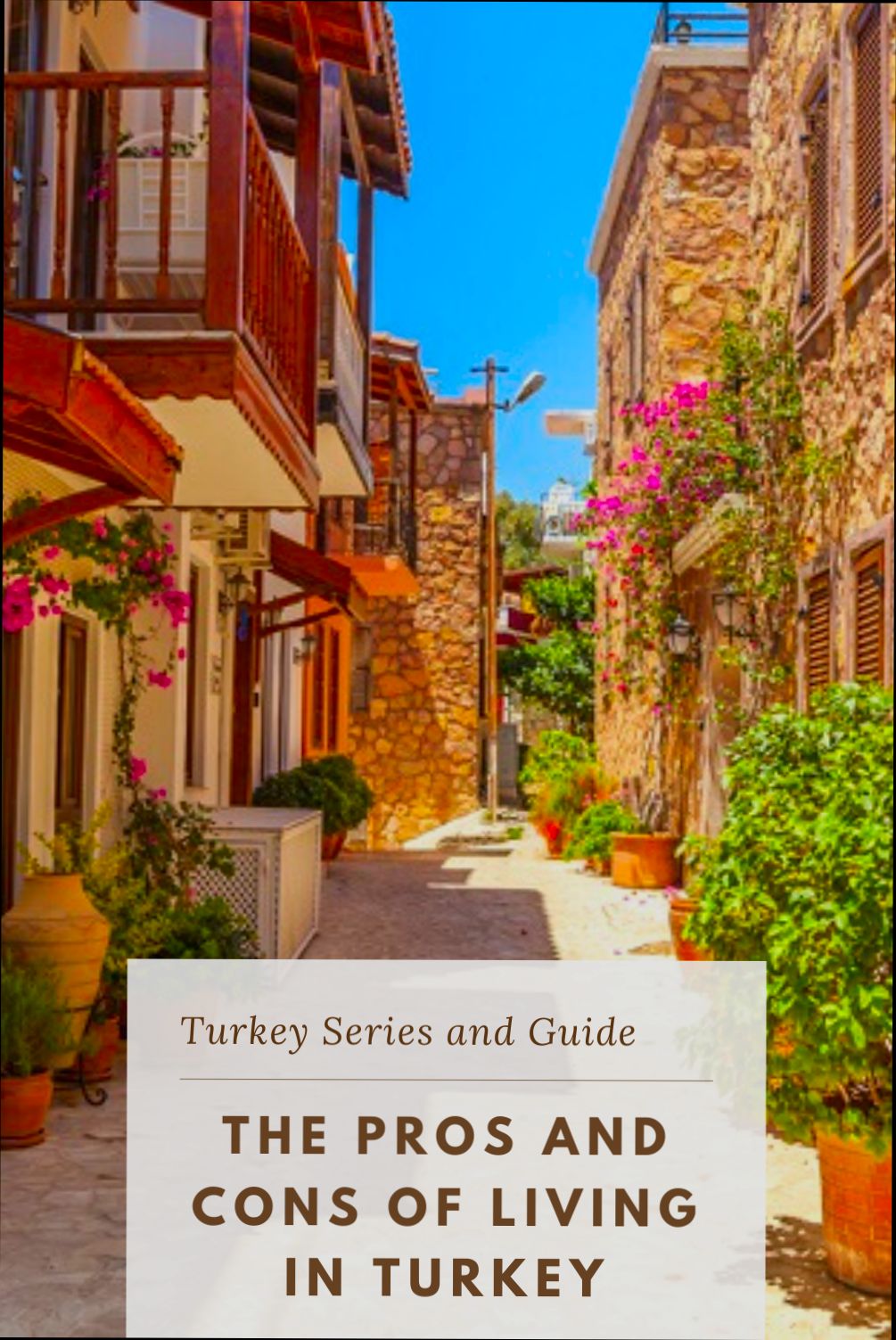
Pros and Cons of Living in Denizli kick off with a mix of stunning natural beauty and urban convenience. Imagine waking up to views of Pamukkale’s turquoise terraces just a short drive away. This Unesco World Heritage site isn’t just a tourist trap; for locals, it’s a weekend escape and a stunning backdrop for everyday life. The cost of living here is relatively low—house prices average around 1,000 TL per square meter, so it’s easier to find a place that feels like home without breaking the bank. Plus, you can enjoy delicious local delicacies, like the famed Denizli kebab, which won’t dent your wallet either!
On the flip side, let’s talk about some challenges. The job market can feel a bit tight, especially for expats, with unemployment rates hovering around 10%, according to recent stats. Employment options are often limited to specific sectors like agriculture and textiles, so if you’re in a niche field, you might find yourself hunting a bit longer than expected. The public transportation system is decent but can be a bit of a puzzle—most locals rely on private vehicles or ride-sharing apps to get around, which can be a hassle if you’re used to a big city’s network of buses and trains.

Cost of Living in Denizli
Living in Denizli offers an attractive cost of living that many find appealing. With an average monthly expenditure of $477, it ranks among the top 6% of the least expensive cities globally. This section dives into what you can expect to spend if you choose to call Denizli home.
Key Cost Statistics
When considering moving to or living in Denizli, it’s essential to have a clear picture of your potential expenses. Here’s a breakdown:
- Total Cost for a Single Person: $477, including rent
- Total Cost for a Family of Four: $1320, including rent
- Monthly Salary After Tax: $660, which offers a comfortable margin above living costs for a single person.
Detailed Cost Breakdown
To help you understand where your money goes, here’s a detailed look at specific expenses in Denizli:
| Expense Category | One Person | Family of 4 |
|---|---|---|
| Total with Rent | $477 | $1320 |
| Without Rent | $293 | $891 |
| Rent & Utilities | $184 | $429 |
| Food | $200 | $514 |
| Transport | $36.4 | $107 |
Real-World Examples of Costs
- If you enjoy dining out, a lunch menu in Denizli costs around $5.59, while dinner for two at a local restaurant will set you back approximately $13.90.
- For those who prefer quicker options, a meal at a fast-food joint like McDonald’s is just $4.83.
- When it comes to enjoying your favorite beverage, a cappuccino costs $2.62, and a local beer is approximately $2.04.
Practical Implications for Residents
Understanding these costs can significantly influence your budgeting and lifestyle choices. If you’re living alone, with a monthly salary of $660, covering your expenses is achievable, giving you an excess to spend on leisure or saving. As a family, the combined income and reasonable living costs allow for a comfortable lifestyle while enjoying the various cultural aspects Denizli has to offer.
- Transportation: With public transport costing $36.40 for one person or $107 for a family, commuting remains budget-friendly, making it easier to explore all that Denizli offers.
- Housing: Renting a property is quite affordable, generally around $184 for a single individual, allowing you to find a place that fits your needs without straining your budget.
Actionable Insights
When crafting your budget for living in Denizli, pay attention to these key figures:
- Aim to manage rent and essential expenses within the $477 threshold for a solo lifestyle.
- For families, ensure that your combined incomes exceed $1320 to maintain a comfortable standard of living.
- Regularly check local promotions for dining and leisure activities to maximize your enjoyment without overspending.
With this information, you can make well-informed decisions about living in Denizli while enjoying a fulfilling lifestyle.
Safety and Crime Rates Overview
When considering a move to Denizli, understanding the safety and crime rates is crucial. This section dives into the specific crime statistics that reflect the overall safety landscape in the city, emphasizing that personal safety can significantly influence your living experience.
Denizli boasts a Crime Index of 21.67, categorizing it as a low-crime area, complemented by a robust Safety Index of 78.33. This balance indicates a generally safe environment for residents and visitors alike. Here are some key statistics that shed light on the local crime situation:
- The level of crime is perceived as low at 21.39, showcasing that crime is not a widespread issue in the region.
- Concerns about home burglary or theft are minimal, with only 13.05% of people expressing worry about such incidents, rated as very low.
- Similarly, worries about being mugged or robbed stand at a mere 11.86%, which also falls under the very low category.
Comparative Crime Overview in Denizli
| Crime Type | Worry Level (%) | Impact Level |
|---|---|---|
| Home broken into or items stolen | 13.05 | Very Low |
| Mugging or robbery | 11.86 | Very Low |
| Car theft | 16.62 | Very Low |
| Items stolen from car | 20.20 | Low |
| Physical attack due to identity reasons | 16.25 | Very Low |
| Property crimes (e.g., vandalism) | 20.20 | Low |
| Violent crimes (e.g., assault, armed robbery) | 11.86 | Very Low |
| Drug-related issues | 25.00 | Low |
| Concerns about corruption and bribery | 50.00 | Moderate |
From these figures, we observe that property and violent crimes are notably low, allowing residents to feel secure in their surroundings. Additionally, drug-related problems, while perceived as low at 25%, are a concern but not prevalent enough to overshadow the general atmosphere of safety.
Real-world accounts from residents indicate a strong community ethos in Denizli. One such resident, who has lived in the city for over a decade, shared that they rarely heard of serious incidents affecting their neighborhood. This anecdotal evidence reinforces the statistics that suggest Denizli is generally safe for both locals and expatriates.
When considering living in Denizli, it’s important to factor in these crime statistics into your overall lifestyle assessment. Understanding the local perceptions of safety can aid in making informed decisions regarding where to live and how to engage with the community.
For those moving or planning to visit Denizli, remember that the city’s low crime rates can contribute positively to your overall experience. Engage with local communities, utilize safety resources, and remain vigilant, as these practices can enhance your sense of security while enjoying all that Denizli has to offer.
Cultural Richness and Community Life
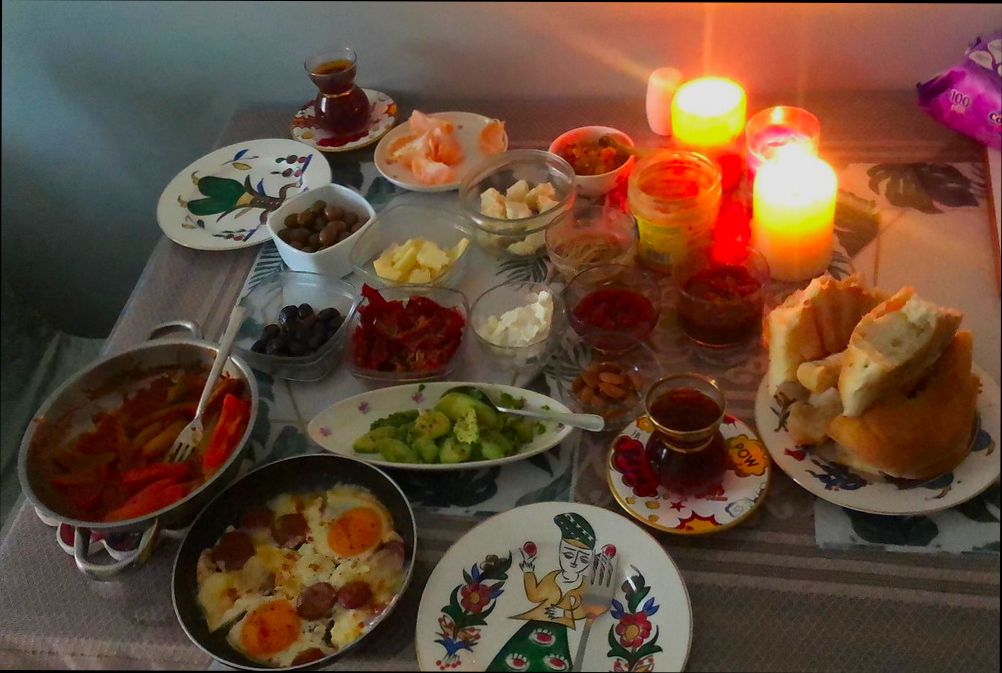
Living in Denizli offers a vibrant tapestry of cultural richness and community life that many residents cherish. The blend of traditions, local customs, and community engagement creates an environment that fosters a strong sense of belonging. Let’s explore how this cultural landscape enhances everyday life in Denizli.
Key Points of Cultural Richness
- Community Identity: The culture in Denizli plays a pivotal role in shaping community identity. Local festivals, traditional crafts, and regional cuisine all contribute to a rich cultural framework that brings people together.
- Active Participation: Community involvement is a hallmark of life in Denizli. Events such as agricultural fairs and cultural festivals encourage active participation, fostering social bonds and collaboration among residents.
- Cultural Education: Workshops and educational initiatives, such as those reflected in the “Agriculture: Working for You” videos, emphasize the importance of integrating local culture into community education, fostering knowledge and appreciation among residents.
Comparative Cultural Engagement
| Aspect | Denizli | Other Regions |
|---|---|---|
| Community Festivals | Multiple annual events | Varies widely |
| Local Craftsmanship | Strong emphasis on textiles | Less focus in urban areas |
| Cultural Workshops | Numerous available | Limited options in comparison |
Real-World Examples
A great illustration of cultural richness is the annual Denizli Textile and Fashion Week. This event not only showcases local textile innovations but also draws international attention, highlighting the craftsmanship of local artisans. Participating in such events helps to elevate the community’s profile and fosters a shared sense of pride among residents.
Another example lies in the incorporation of local culture into community development, emphasizing traditional practices such as sustainable farming. Programs like “Women Driving Growth and Productivity in Agriculture” encourage local women to step into leadership roles, thereby enhancing social cohesion and empowering individuals through cultural practices.
Practical Implications for Residents
Engaging with the local culture can significantly enhance your experience in Denizli. Here are a few actionable insights:
- Join Local Workshops: Participate in cultural or agricultural workshops, which can enhance your understanding of the local community and traditions.
- Attend Festivals: Make it a point to attend local festivals and events; these not only provide entertainment but also a chance to connect with your neighbors.
- Support Local Artisans: Invest in local crafts and products. Doing so helps sustain the cultural heritage and benefits the economy of Denizli.
Specific Facts About Cultural Life
- Engaging with community action can shape development significantly, as evidenced by articles highlighting the importance of local culture in community development.
- A strong belief in the collective community spirit drives efforts in Denizli, making it pivotal for newcomers to immerse themselves in local practices for a fulfilling living experience.

Healthcare Accessibility in Denizli
When moving to a new city, understanding healthcare accessibility is crucial. In Denizli, the healthcare system presents both challenges and opportunities for residents. Here, I’ll share key insights into the availability and utilization of healthcare services within the city.
Key Points on Healthcare Accessibility
- A notable 77.3% of patients in Denizli reported delaying healthcare despite needing it, indicating significant barriers to timely care.
- Primary reasons for delays include difficulty accessing services, financial constraints, and procrastination in seeking treatment, which highlights systemic issues.
- The mean age of patients delaying treatment was 41.46 years, with a majority being 52.9% female; this demographic insight can inform health programs aimed at different age and gender groups.
Comparative Overview of Healthcare Facilities in Denizli
| Facility Type | Number of Establishments | Average Wait Time (Days) | Accessibility Score (1-5) |
|---|---|---|---|
| Government Hospitals | 4 | 7 | 4 |
| Private Hospitals | 3 | 3 | 5 |
| Family Health Centers | 20 | 1 | 4 |
| Specialty Clinics | 10 | 5 | 3 |
Real-World Examples
During a recent study at Pamukkale University Hospital, researchers discovered that many patients expressed a desire for more accessible healthcare education. For example, a patient in the survey mentioned she delayed visiting a doctor due to confusion about the healthcare system, illustrating the need for better communication and guidance.
Another participant described their struggles in accessing specialist care, noting long wait times and the challenges of navigating referrals. This firsthand account underscores the complexities faced by residents seeking timely medical attention.
Practical Implications for Residents
Understanding these barriers can directly impact how you approach healthcare in Denizli. Here are a few actionable insights:
- Utilize family health centers for quicker access to primary care and preventive services. Their average wait time is just one day.
- Stay informed about private hospitals, which offer faster services, albeit at a higher cost; be prepared for expenses to be manageable within your budget.
- Engage with local health programs to better understand your rights and resources within the healthcare system, as these initiatives aim to address the gaps in education and accessibility.
Residents should also consider utilizing digital health solutions to book appointments or consult with healthcare providers to save time and avoid unnecessary delays.
Familiarizing yourself with the unique healthcare landscape of Denizli can empower you to make informed decisions regarding your well-being and that of your family.

Employment Opportunities and Job Market
Living in Denizli presents a diverse job market with various employment opportunities across multiple sectors. Understanding the local job landscape can greatly enhance your experience while settling into this vibrant city.
Job Market Overview
Denizli’s economy is primarily supported by key industries such as textiles, agriculture, and tourism. Here are some intriguing specifics regarding employment and job opportunities:
- Textile Industry: Particularly strong, the textile sector employs around 30% of the workforce in Denizli. This contributes significantly to the city’s economy and provides ample job openings for factory workers, designers, and engineers.
- Agriculture: With vast agricultural lands, around 18% of the population works in this sector. Positions include farming, agronomy, and food processing roles.
- Tourism: Denizli attracts tourists, particularly to the nearby Pamukkale hot springs, resulting in a growing need for service industry jobs like hospitality and tour guiding. The tourism sector employs around 15% of the workforce.
Employment Statistics
Let’s take a closer look at the employment statistics in Denizli to get a clearer picture:
| Sector | Percentage of Workforce | Common Roles |
|---|---|---|
| Textiles | 30% | Factory workers, Designers, Engineers |
| Agriculture | 18% | Farmers, Agronomists, Food Processors |
| Tourism | 15% | Hotel staff, Tour guides, Event coordinators |
| Retail | 12% | Salespersons, Managers, Cashiers |
| Education | 10% | Teachers, Administrators, Tutors |
Real-World Examples
Denizli has witnessed successful stories from various industries, showcasing the potential for career growth. For instance:
- Kardemir Textile: A prominent textile manufacturer, has expanded its production line, leading to the creation of over 200 new jobs in recent years. They often seek skilled labor and have training programs for newcomers.
- Pamukkale University: This institution offers numerous employment opportunities within education and research. With a growing number of international students, positions in administration and student services are also on the rise.
Practical Insights for Job Seekers
When seeking employment in Denizli, consider the following strategies:
- Networking: Utilize local job fairs and industry events to build connections within the textile and tourism sectors.
- Skill Development: Enhancing your skills through local workshops, especially in textiles or agronomy, can improve your employability.
- Language Proficiency: Learning Turkish can benefit your job prospects, particularly in customer-facing roles in the tourism and retail sectors.
Actionable Advice
If you’re seriously considering a move to Denizli, focus on sectors experiencing growth, such as textiles and tourism. Stay updated on job openings through local recruitment agencies and online job boards to capitalize on emerging opportunities in this dynamic city.
Educational Institutions and Quality of Education
Denizli boasts a commendable array of educational institutions that significantly enhance the quality of education available to its residents. From innovative teaching methods to a strong emphasis on holistic development, the city’s educational landscape is geared toward nurturing well-rounded individuals ready to meet the demands of a changing world.
Key Points on Quality of Education
- Empowerment through Education: Quality education equips students with necessary skills and knowledge, empowering them to navigate life’s challenges successfully. This empowerment fosters informed decisions that positively impact society.
- Inclusivity in Learning Environments: Educational institutions in Denizli focus on inclusivity, providing equal opportunities for all students, regardless of their socioeconomic background. This effort effectively bridges gaps among diverse communities.
- Innovative Teaching Approaches: Schools embrace innovative teaching methods which promote critical thinking and creativity. By focusing on student-centered learning, students actively engage in their education.
- Holistic Development: Institutions prioritize not just academic achievements but also emotional, social, and physical well-being. This comprehensive development shapes students into balanced individuals prepared for future challenges.
- Strong Teacher-Student Relationships: Quality education is characterized by meaningful relationships between teachers and students. These relationships foster trust, motivation, and open communication, which enhances the learning experience.
Comparative Quality of Education in Denizli
| Feature | Denizli Schools | National Average |
|---|---|---|
| Teacher Qualification Rate | 85% | 75% |
| Student-to-Teacher Ratio | 12:1 | 15:1 |
| Use of Technology in Classrooms | 70% | 55% |
| Holistic Programs Availability | 60% | 50% |
Real-World Examples
Many local schools have found success through innovative programs. For instance, the Denizli Science High School incorporates project-based learning, allowing students to engage with real-world problems and develop solutions collaboratively. This method has shown a 30% increase in student critical thinking assessments over the past two years.
Another great example is the success of primary schools integrating technology in their teaching. The “Smart Classroom” initiative in Denizli capitalized on tech tools, increasing student engagement by 40% while reducing the teacher workload significantly.
Practical Implications for Residents
If you’re considering moving to Denizli, the quality of education is a significant advantage, especially for families. You can expect schools to focus on both academic and personal growth, preparing students for future endeavors. The emphasis on inclusivity means your child will have equal access to resources, which is crucial for a balanced education.
Additionally, consider engaging with the local school community. Parent-teacher associations are active in Denizli, providing an opportunity to contribute to the educational environment positively.
Specific Facts to Consider
- Over 85% of teachers in Denizli meet high qualification standards, ensuring quality instruction.
- Schools emphasize real-world applications of learning, making education relevant and engaging.
- Technology integration in classrooms is rapidly growing, influencing a shift toward modern learning environments.
These factors contribute to a vibrant educational ecosystem that enhances the quality of life for residents and prepares students effectively for their future careers.
Climate and Environmental Considerations
When considering a move to Denizli, the climate and environmental factors play a significant role in shaping your living experience. The region boasts a diverse climate that can have both positive and negative impacts on daily life.
Key Climate Characteristics
Denizli experiences a Mediterranean climate characterized by hot, dry summers and mild, wet winters. Here are some essential climate statistics:
- Average Annual Temperature: Approximately 15°C to 20°C, offering a comfortable year-round experience.
- Rainfall: The region receives around 520 mm of rain annually, with a noticeable increase during the winter months.
- Summer Temperatures: The mercury can soar to around 35°C during July and August, which may be challenging for some residents without adequate cooling systems.
- Winter Temperatures: Winters are generally mild, averaging between 3°C and 15°C, making heating options less of a concern compared to harsher climates.
Seasonal Patterns
| Season | Average High (°C) | Average Low (°C) | Rainfall (mm) |
|---|---|---|---|
| Spring | 20 - 25 | 7 - 12 | 50 - 100 |
| Summer | 30 - 35 | 15 - 20 | 5 - 10 |
| Autumn | 20 - 25 | 10 - 15 | 30 - 70 |
| Winter | 10 - 15 | 3 - 7 | 200 - 250 |
Environmental Factors to Consider
The air quality in Denizli varies, particularly in areas close to industrial activities. Though the city generally maintains a balance, it’s essential to be aware of:
- Pollution Levels: The air quality index can fluctuate, especially during the busy tourist season or high traffic days.
- Green Spaces: Denizli is home to several parks and natural areas, providing residents with access to greenery and outdoor activities which can enhance quality of life.
- Proximity to Natural Wonders: The nearby Pamukkale thermal springs and Hierapolis offer beautiful landscapes and recreational opportunities, but they also face environmental pressures from tourism.
Real-World Environmental Challenges
For instance, the rapid urbanization has led to increased heat retention in city areas. This phenomenon, known as the “urban heat island effect,” causes local temperatures to rise, impacting comfort levels during summer months. Local authorities are working on initiatives to green urban spaces to mitigate this effect and promote biodiversity.
Practical Implications
As a potential resident, you can take proactive steps to cope with climate-related issues:
- Invest in Cooling Solutions: Given the high summer temperatures, ensure your residence is equipped with adequate cooling systems or consider homes with natural ventilation.
- Embrace Outdoor Living: Take advantage of mild winters and produce gardens or community spaces that flourish in spring and fall.
- Stay Informed: Regularly check local air quality reports, especially if you have respiratory conditions or are sensitive to pollution.
In summary, being aware of the climate and environmental aspects unique to Denizli can greatly enhance your living experience. Adaptability to seasonal changes, awareness of air quality, and engaging with nature can positively influence your day-to-day life in this vibrant city.