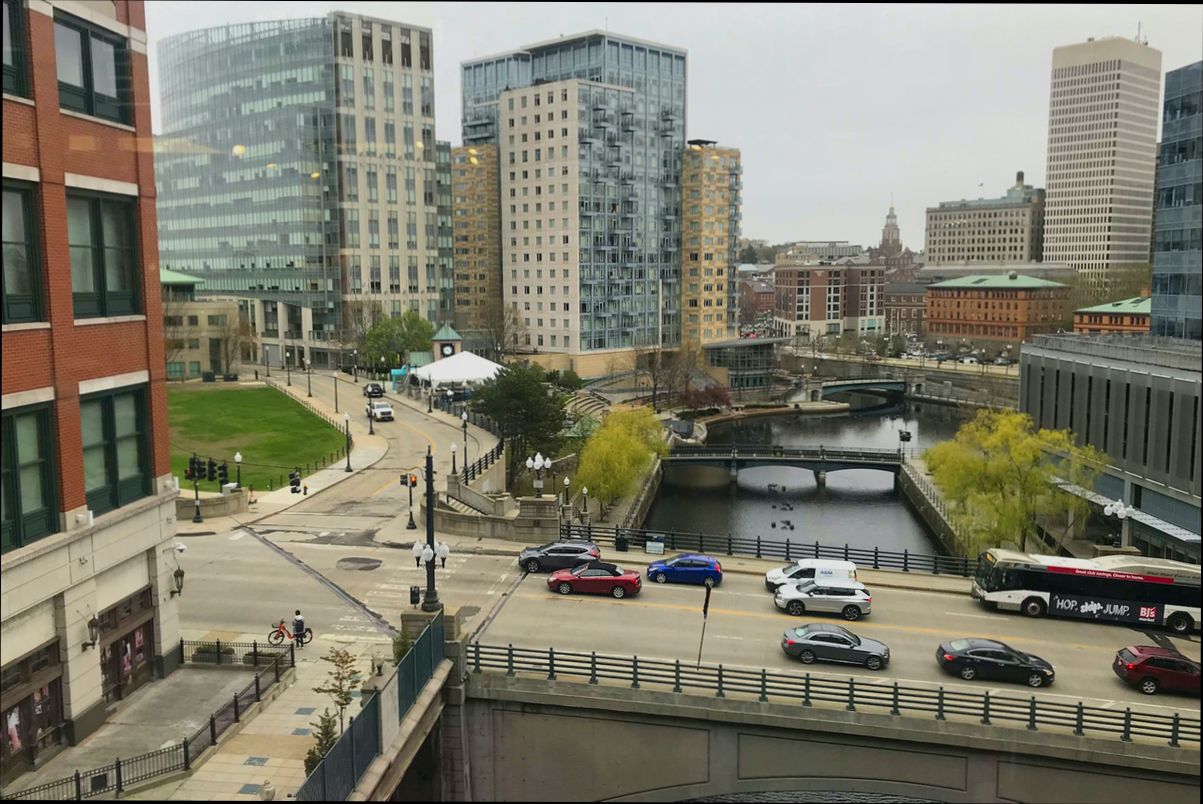
Pros and Cons of Living in Providence RI: If you’re considering moving to Providence, you’re in for a mix of charming New England vibes and modern urban perks. The city boasts a vibrant arts scene, with events like WaterFire attracting thousands each season. You’ll find historic architecture nestled alongside contemporary cafes, making every stroll through Federal Hill or the East Side feel like a mini-adventure. Plus, the cost of living remains reasonable compared to nearby Boston, with median home prices around $330,000—much more accessible for first-time buyers looking to plant roots.
On the flip side, it’s not all sunshine and rainbows. Winters can be brutally cold, with average snowfall reaching about 30 inches, so if you’re not a fan of shoveling your driveway, you might want to think twice. The public transportation system is also something to consider; while RIPTA services the area, many residents end up relying on their cars. And let’s not forget about the job market—while there are opportunities in sectors like healthcare and education, the overall job growth isn’t as robust as in larger cities. It’s a mixed bag, and knowing the balance can really shape your experience here.
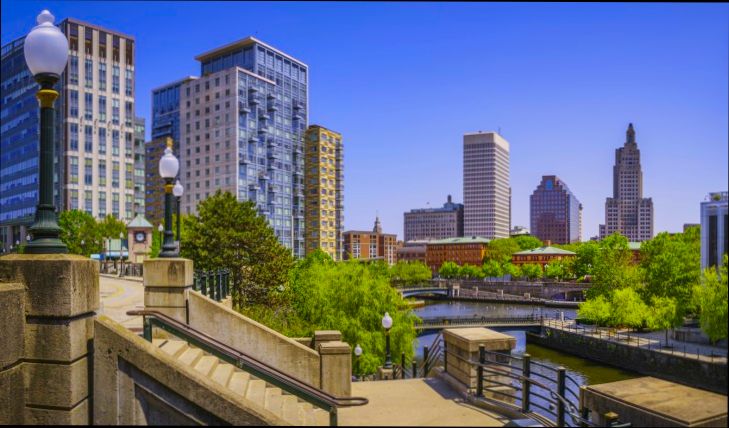
Cost of Living in Providence
Living in Providence, RI, can feel quite different depending on your lifestyle and preferences regarding spending. This section dives specifically into the various components that shape the cost of living in this quaint New England city, helping you understand how it might align with your financial situation.
Housing Costs
Housing in Providence plays a significant role in the overall cost of living. The median home price in Providence is approximately $380,000. Renting a one-bedroom apartment in the city center typically costs around $2,000 per month, whereas a similar apartment outside the city center averages $1,600.
Transportation Expenses
Transportation is another critical factor to consider. The cost of public transportation is relatively affordable, with a monthly pass costing about $70. If you choose to drive, be prepared for average gas prices hovering around $3.50 per gallon.
Utilities and Groceries
Utility costs in Providence can vary depending on the season. For an average-sized apartment, utilities—including electricity, heating, cooling, water, and garbage—cost about $200 per month. When it comes to grocery shopping, you can expect to spend around $320 per month on essential items like bread, milk, and eggs.
| Expense Type | Average Monthly Cost |
|---|---|
| Rent (1BR City) | $2,000 |
| Rent (1BR Non-City) | $1,600 |
| Utilities | $200 |
| Public Transport | $70 |
| Groceries | $320 |
Real-World Examples
Consider Sarah, a young professional living in an apartment in downtown Providence. She pays around $2,000 for rent and spends about $150 per month on utilities. Her total monthly housing costs tallies up to $2,150. On the other hand, Mike and Lisa, a young couple living a little outside the city, pay $1,600 for their apartment and allocate $200 for utilities, bringing their housing expenditure to $1,800.
Practical Implications for You
When budgeting for living in Providence, you should factor in the higher rent in the city center and consider your commuting options. If you can find housing a bit farther out, you might save a significant amount monthly. Also, if you’re mindful of your utility and grocery expenses, you may find more financial flexibility.
- Actionable Tip: Consider using public transportation instead of driving; you might save on gas and parking fees.
- Recommendation: Shop at local markets for groceries to potentially lower your monthly food costs and support local farmers.
The cost of living in Providence is multifaceted and largely influenced by your lifestyle choices, but with some planning, you can navigate it effectively.

Cultural Attractions and Community Life
Living in Providence, Rhode Island, offers a vibrant mix of cultural attractions and community engagement that can enrich your everyday experience. With a rich tapestry of history, arts, and local events, residents can immerse themselves into a dynamic social fabric that promotes both creativity and connection.
Diverse Cultural Scene
Providence boasts a plethora of cultural attractions that cater to various interests:
- Art and History: The Rhode Island School of Design Museum, hosting over 100,000 works, is a must-visit. The museum attracts over 150,000 visitors annually, showcasing local and international artworks.
- Theater and Performance: The city is home to the renowned Trinity Repertory Company, which performs more than 20 productions each season, contributing to Providence’s vibrant performing arts scene.
- Music and Festivals: The annual WaterFire event features over 80 bonfires lining the rivers of downtown Providence, drawing thousands of attendees each time, fostering a unique community atmosphere.
Community Life and Engagement
One of the standout features of Providence is its strong sense of community. Here are some statistics highlighting community engagement:
- Approximately 65% of Providence residents participate in community-focused events or activities, ranging from local food festivals to art fairs.
- The city hosts over 200 community events each year, connecting locals through cultural celebrations, farmers markets, and public performances.
| Cultural Attraction | Type | Annual Visitors |
|---|---|---|
| Rhode Island School of Design Museum | Art and History | 150,000 |
| Trinity Repertory Company | Performing Arts | 100,000 |
| WaterFire | Community Festival | 1,000,000+ |
Engaging Local Examples
- The Providence Community Library serves as a cultural and educational hub, offering workshops, book clubs, and events that regularly engage over 40,000 residents yearly.
- The Federal Hill neighborhood, known for its rich Italian-American culture, hosts the annual Federal Hill Feast, drawing thousands to celebrate food, music, and community spirit.
Practical Insights for Residents
To fully enjoy the cultural attractions and community life in Providence, consider:
- Exploring Local Art: Attend Providence’s First Fridays, where local galleries, shops, and restaurants stay open late to promote the arts.
- Joining Community Groups: Discover clubs or organizations that align with your interests, such as running clubs or art collectives; they enhance social connections and enrich your lifestyle.
- Participating in Festivals: Engage in local festivals like the Providence International Arts Festival, which highlights diverse cultures and promotes community cohesion.
Hosting around 200 community-oriented activities throughout the year, there are ample opportunities for you to engage and experience the cultural heartbeat of Providence. The combination of festivals, diverse neighborhoods, and artistic endeavors creates an unparalleled community life that reflects the city’s unique character.
Job Market Dynamics and Opportunities
As we explore the job market dynamics and opportunities in Providence, RI, it’s important to understand the unique conditions influencing employment in the area. With a diverse economy, a strong educational sector, and a growing tech scene, Providence presents various job prospects across different industries.
Key Trends in Job Market
- Unemployment Rate: The unemployment rate in Providence is at approximately 4.8%, slightly higher than the national average. This indicates a relatively healthy job market, with many residents actively seeking employment.
- Industry Growth: Key industries in Providence include healthcare, education, and technology, which have shown growth over the past few years. The healthcare sector, for instance, comprises about 14% of the workforce, making it a critical employer in the region.
- Median Salary: The median salary for jobs in Providence is about $60,000 annually, with roles in technology and healthcare often commanding higher wages. This figure helps to gauge the earning potential relative to the cost of living.
Job Market by Sector
| Industry | Percentage of Workforce | Average Salary |
|---|---|---|
| Healthcare | 14% | $75,000 |
| Education | 10% | $65,000 |
| Technology | 8% | $80,000 |
| Retail | 12% | $45,000 |
| Hospitality | 9% | $40,000 |
Real-World Examples
One of the notable success stories is Lifespan Corporation, a leading healthcare provider in the region. They have recently expanded their workforce by 10% due to increased demand, showcasing the resilience and growth potential in the healthcare sector. Moreover, tech start-ups like Greentech Media are emerging, adding innovation and attracting talent, further diversifying the job market.
Another exemplary case is Johnson & Wales University, which not only serves as an educational institution but also contributes significantly to the local job market, employing a large number of faculty and staff while generating numerous internships and job opportunities for students.
Practical Implications
If you’re considering moving to Providence or are currently navigating the job market, here are some actionable insights:
- Networking: Attend local job fairs or industry meetups to connect with potential employers in booming sectors. Engaging with the community can provide hidden job opportunities.
- Skill Development: Focus on acquiring skills that are in high demand, such as those found in tech and healthcare. Free or low-cost online courses can bolster qualifications and improve job prospects.
- Local Resources: Utilize local job boards and resources, like the Greater Providence Chamber of Commerce, to find job listings and gain insights into hiring trends specific to the city.
Specific data indicates that job openings in tech and healthcare are growing at a faster rate than in other sectors, suggesting a strategic focus on these fields can yield fruitful employment options.
Educational Institutions and Student Life
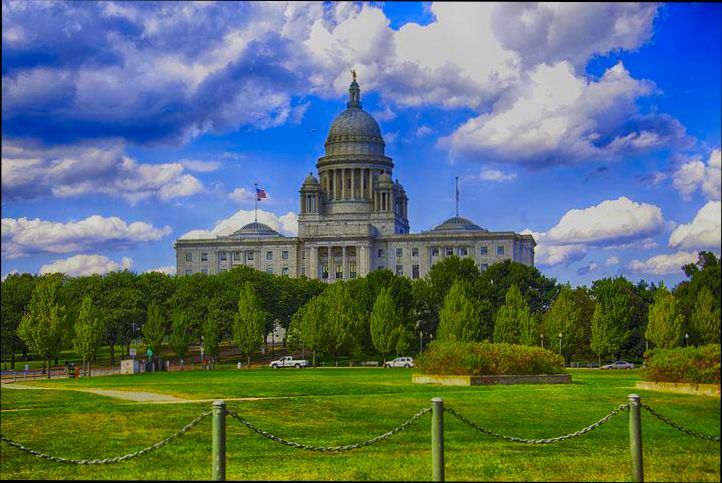
Living in Providence, Rhode Island, offers unique experiences centered around its educational institutions and vibrant student life. The city is home to several renowned colleges and universities, creating a youthful energy that permeates the community and enhances local culture.
Key Educational Institutions
Providence’s educational landscape is defined by a mix of prestigious universities and colleges. Here’s a snapshot of some key institutions:
- Brown University: A member of the Ivy League, Brown has a strong emphasis on research and offers a flexible curriculum, allowing students to explore a wide range of academic interests.
- Rhode Island School of Design (RISD): Known for its prominent art and design programs, RISD attracts creative minds from around the globe, contributing significantly to the local arts scene.
- Providence College: This liberal arts college provides a diverse educational experience with a strong focus on developing critical thinking and ethical reasoning skills.
| Institution | Type | Student Enrollment | Notable Programs |
|---|---|---|---|
| Brown University | Ivy League Research University | 10,585 | Engineering, Social Sciences |
| Rhode Island School of Design | Art & Design College | 2,504 | Fine Arts, Architecture |
| Providence College | Private Liberal Arts College | 4,200 | Business, Education |
Active Student Life
Student life in Providence is not just about academics; it encompasses a range of extracurricular activities that enhance the overall university experience. According to recent surveys, approximately 80% of students at Brown University engage in at least one campus organization, which promotes networking and personal development.
- Student Organizations: Students can choose from various clubs, sports teams, and academic groups that foster a sense of community. For instance, RISD boasts over 150 student organizations focused on arts, culture, and advocacy.
- Events and Festivals: The city hosts numerous events throughout the academic year, including the popular WaterFire art installation, which draws students and locals alike, creating a sense of belonging.
Real-World Examples
Let’s look at how educational institutions influence student life:
- At Brown University, the “Open Curriculum” allows students to craft their own academic pathways, resulting in diverse intellectual discussions and collaborations among various fields.
- RISD students often collaborate with local businesses for real-world projects, which enhances their learning experience and strengthens ties with the Providence community.
Practical Implications for Students
As you navigate student life in Providence, consider the opportunities for networking, cultural engagement, and professional growth offered by these institutions. Getting involved in local events or internships can greatly enrich your educational journey.
- Networking Opportunities: Leverage career fairs and networking events organized by universities to connect with industry professionals.
- Community Engagement: Participate in workshops or community service organized by your institution to build a well-rounded experience beyond academics.
Specific Facts and Actionable Advice
- Explore Providence’s creative scene by engaging with galleries and workshops organized by RISD, as they often welcome students from all disciplines.
- Take advantage of Brown University’s extensive library system and resources, which can support both your academic and personal projects.
By immersing yourself in Providence’s educational offerings and vibrant student life, you can maximize your growth and enjoyment while studying in this culturally rich city.
Climate Considerations and Outdoor Activities
Climate plays a crucial role in shaping our outdoor activities and experiences, especially in a city like Providence, RI. With its distinct seasons, understanding the local climate can enhance your recreational options and daily lifestyle.
Seasonal Overview
Providence experiences a humid subtropical climate, which means you’ll enjoy four distinct seasons:
- Winter (December to February): Cold temperatures often dip below freezing, with an average low of around 25°F. Snow is common, averaging about 30 inches per year, providing opportunities for winter sports.
- Spring (March to May): Temperatures gradually rise, averaging from the mid-40s to the low 70s°F. This season bursts with blooms, perfect for outdoor activities like hiking and biking as the parks come alive.
- Summer (June to August): Warm and humid, summer temperatures can reach up to 85°F. The pleasant weather encourages outdoor festivals and beach outings, particularly to nearby Narragansett Bay.
- Fall (September to November): With stunning foliage, fall temperatures range from the mid-50s to the low 70s°F, ideal for scenic hikes and local events celebrating harvest season.
Activity Opportunities by Season
| Season | Average Temperature | Outdoor Activities |
|---|---|---|
| Winter | 25°F to 40°F | Skiing, snowboarding, ice skating |
| Spring | 45°F to 70°F | Hiking, cycling, gardens and park visits |
| Summer | 70°F to 85°F | Beach days, festivals, outdoor concerts |
| Fall | 55°F to 70°F | Leaf-peeping, apple picking, hiking |
Real-World Examples of Activities
- Winter Sports: The nearby ski resorts offer excellent options for both beginners and experienced enthusiasts. For example, Yawgoo Valley Ski Area provides a place to ski and snowboard, making it a popular winter destination in Providence.
- Summer Events: The Summer Concert Series at India Point Park is a highlight, attracting thousands to enjoy live music amid beautiful views of the bay.
- Fall Activities: Local apple orchards, such as Sweet Berry Farm, give residents the chance to pick apples, with many also offering hayrides and pumpkin picking in October.
Practical Implications for Enjoying Outdoor Life
To make the most of your outdoor experiences in Providence, consider these actionable tips:
- Plan for Weather Changes: With rapid weather changes, having a layered wardrobe helps you adapt to fluctuating temperatures, especially in spring and fall.
- Embrace Seasonal Activities: Engage in seasonal outdoor events. For instance, join a winter sports club or a summer kayaking group to connect with the community.
- Explore Local Parks: Parks like Roger Williams Park offer vast green spaces and are perfect for picnicking, bird watching, or simply enjoying nature throughout the year.
Specific Facts to Note
- Rainfall: Providence averages about 45 inches of rainfall annually, so keep a reliable umbrella handy for those unexpectedly wet days.
- Snow Days: On average, about 5-10 snow days occur each year, influencing local school and transportation schedules. Plan winter activities around these days for uninterrupted fun.
Incorporating this climate awareness into your lifestyle will enrich your outdoor experiences in Providence, allowing you to appreciate all that the changing seasons have to offer.
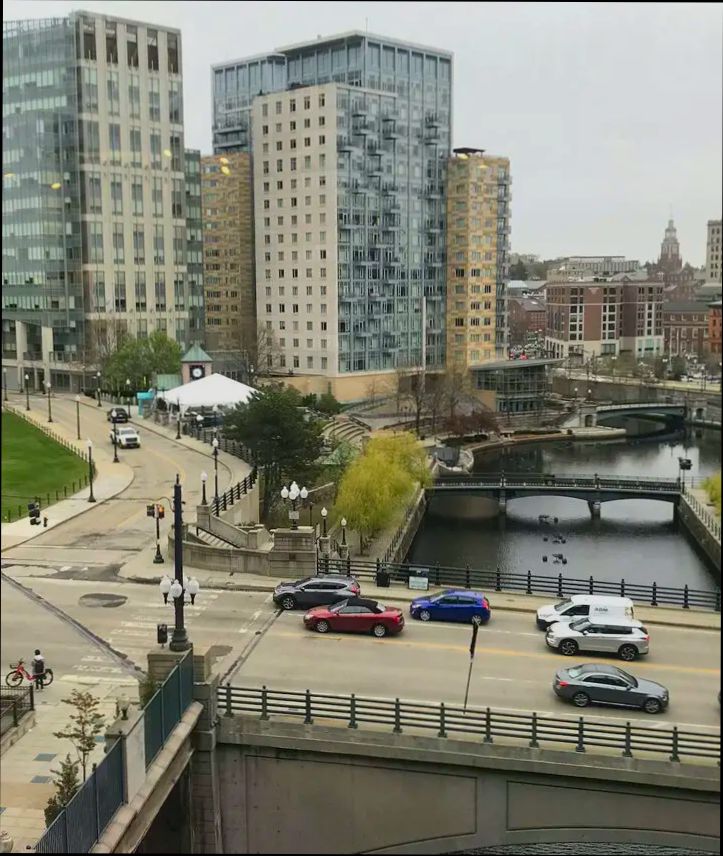
Statistics on Housing and Demographics
When considering Providence, RI, understanding the housing market and demographic statistics is essential to making informed decisions about living here. The city presents a unique blend of opportunities and challenges reflected in its housing statistics and demographic shifts.
Key Housing Statistics
- The median home price in Providence is approximately $325,000, which is competitive compared to other urban areas in the Northeast.
- The rental market thrives as well, with the average rent for a one-bedroom apartment sitting around $1,800 per month.
- Homeownership rates in Providence hover around 47%, indicating a significant proportion of residents are renting rather than buying.
| Housing Aspect | Providence, RI | National Average |
|---|---|---|
| Median Home Price | $325,000 | $400,000 |
| Average Rent (1BR) | $1,800 | $1,500 |
| Homeownership Rate | 47% | 65% |
Demographic Insights
- The population of Providence is around 190,000, with a significant growth trend seen in recent years, particularly among young professionals and families.
- Ethnically, Providence is diverse, with approximately 32% of the population identifying as Hispanic or Latino and nearly 23% as Black or African American. This melting pot of cultures enriches local community life.
- The median age in Providence is approximately 30 years, highlighting a youthful demographic that might be appealing for those looking to engage with vibrant community activities and professional networks.
Real-world Examples
In recent years, several neighborhoods in Providence, like the West End and College Hill, have experienced increased demand for housing, driving home prices and rents higher. Real estate developments in these areas have attracted young renters and buyers, contributing to a shift in the city’s landscape and community dynamics.
Moreover, the growing population of students and young professionals—particularly from institutions like Brown University and the Rhode Island School of Design—fuels demand in the housing sector, creating a lively renting market.
Practical Implications
Knowing these statistics can guide your decisions. For instance, if you’re considering renting, understanding that the average rent is $1,800 helps set your budget accordingly. If you’re thinking about homeownership, the median home price of $325,000 might encourage you to explore financing options or consider neighborhoods with lower prices, such as East Side or Federal Hill.
Homeownership trends show potential for investment; with the homeownership rate at 47%, there may be opportunities to purchase properties in emerging neighborhoods.
Actionable Advice
- If you’re renting, start your search with a clear budget based on the average rental prices to avoid overspending.
- Keep an eye on neighborhoods that are gaining popularity, as this might present good timing to invest in home purchasing or renting.
- Network with local real estate agents to stay informed about market trends and potential deals that align with demographic shifts.
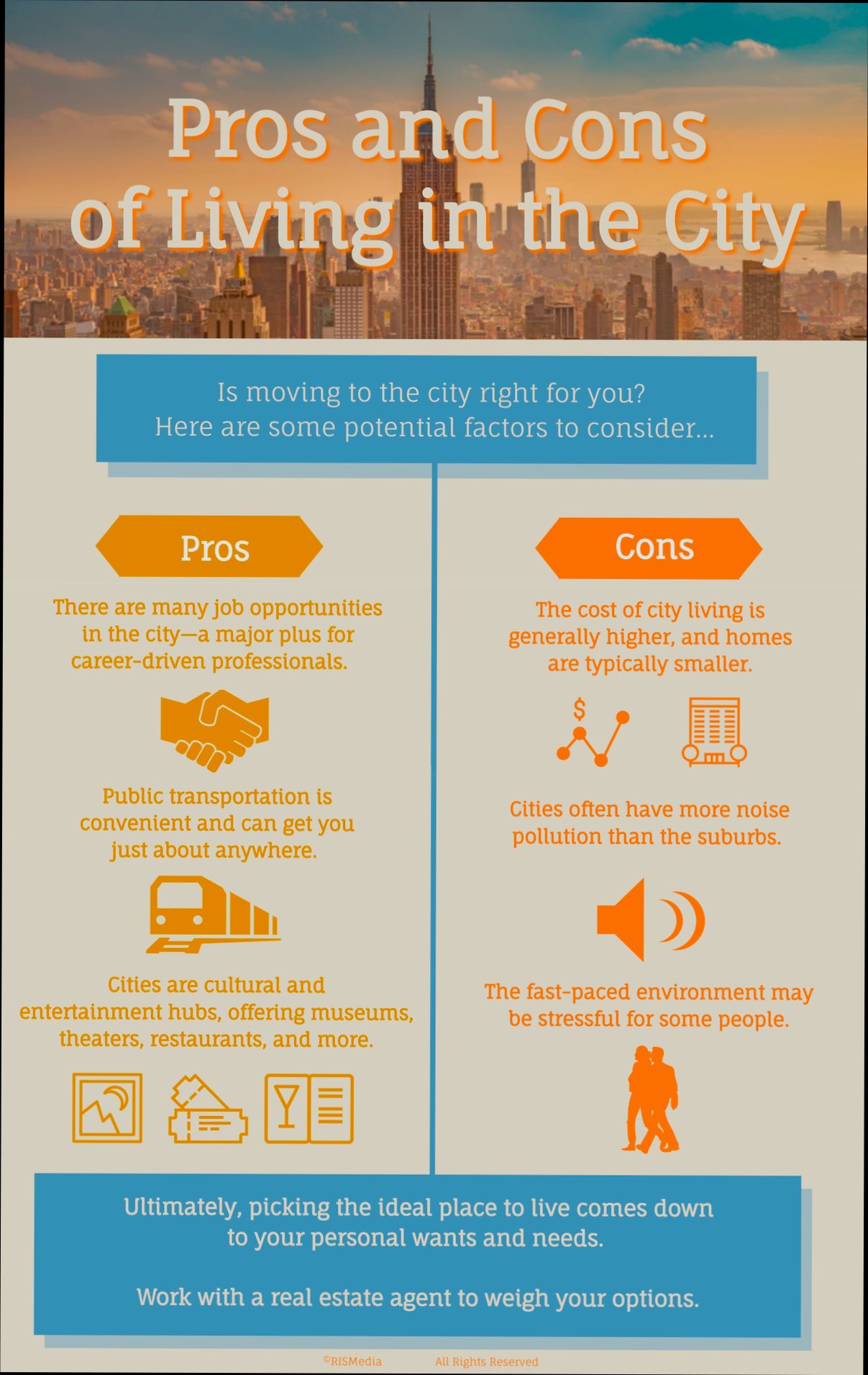
Quality of Healthcare Services Available
When considering a move to Providence, RI, the quality of healthcare services available can significantly influence your experience. The city has several healthcare facilities that cater to a diverse population, emphasizing not just treatment but also patient satisfaction and access to specialized care.
Access to Healthcare Providers
In Providence, access to healthcare providers is quite strong. The city offers:
- Numerous Hospitals: With major hospitals like Rhode Island Hospital and The Miriam Hospital, residents have access to comprehensive services.
- Specialty Clinics: Over 90 specialized clinics and outpatient facilities ensure that specific health needs are met efficiently.
In fact, surveys indicate that nearly 85% of residents report satisfaction with their healthcare providers, a testament to the quality of care in the area.
Health Insurance and Coverage
Most residents benefit from a variety of health insurance options, including employer-sponsored plans, Medicaid, and Medicare. Approximately 12% of the population is uninsured, lower than the national average, reflecting a robust safety net for residents. This means that access to quality healthcare services is more attainable for you and your family.
Quality of Care Data
The quality of care metrics in Providence are noteworthy:
- Hospital Readmission Rates: Rhode Island hospitals maintain an overall readmission rate of 12%, which is considered competitive nationally, indicating effective patient management post-discharge.
- Patient Satisfaction Scores: Local hospitals average patient satisfaction scores of around 92%, higher than the national average, which indicates a focus on patient-centered care.
Healthcare Quality Metrics Comparison
| Quality Metric | Providence, RI | National Average |
|---|---|---|
| Hospital Readmission Rate | 12% | 15% |
| Patient Satisfaction Score | 92% | 87% |
| Uninsured Population | 12% | 14% |
Real-World Examples
Consider the Rhode Island Primary Care Physician’s Group, which has initiated community health programs emphasizing preventive care, benefiting countless families by focusing on chronic disease management. Moreover, local hospitals have invested in telemedicine services, allowing residents to consult healthcare professionals from the comfort of home, especially beneficial for those with mobility issues or busy schedules.
Practical Implications for Residents
If you’re moving to or living in Providence, take advantage of the abundant healthcare resources available. Here are some actionable insights for you:
- Explore Insurance Options: Ensure you understand the insurance plans available to maximize your healthcare access.
- Utilize Preventive Care Services: Make regular visits to your primary care provider to catch potential health issues early.
- Access Telehealth Services: Consider using telehealth options for routine check-ups and management of chronic conditions to save time and increase convenience.
According to the Rhode Island Department of Health, being proactive about your healthcare can lead to better long-term outcomes. As you navigate life in Providence, stay informed about the quality of healthcare services available to you for a healthier lifestyle.