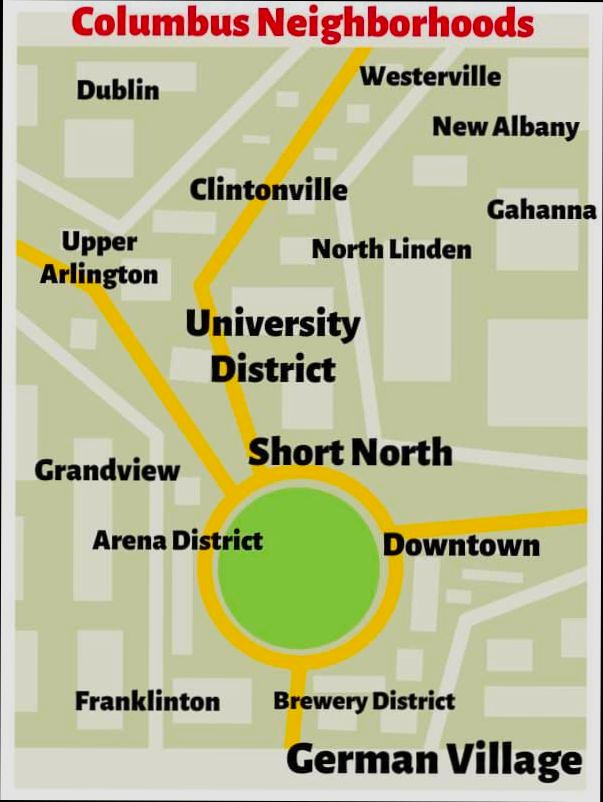
Pros and Cons of Living in Columbus OH offers a mixed bag that can really influence your experience here. On the plus side, the cost of living is surprisingly affordable. You can snag a cozy, two-bedroom apartment in the heart of the Short North for around $1,200, while enjoying a vibrant foodie scene filled with local gems like North Market. Columbus is also home to The Ohio State University, bringing a youthful vibe and plenty of cultural events, ranging from football games to art festivals. Plus, the job market is pretty solid, especially in sectors like education, healthcare, and technology, with unemployment rates consistently hovering below the national average.
On the flip side, some drawbacks are hard to ignore. The city’s public transportation isn’t the best; you might end up relying on your car more than you’d prefer. Winters can be brutal too, with temperatures dipping into the teens in January, and let’s not forget about the gray, snowy days that linger longer than you’d like. Additionally, while Columbus is growing, the traffic can get tricky, especially during rush hours, making it frustrating to navigate. If you’re looking for a fast-paced nightlife akin to a bigger city like Chicago, you could feel a bit let down; the scene here is fun but not as extensive.
Cost of Living Comparison with Nationwide Trends
Understanding the cost of living in Columbus, OH, compared to national trends is crucial for anyone considering a move or relocation. You may be curious about how your paycheck will hold up against everyday expenses like housing, groceries, and transportation. Let’s dive into the specifics!
Key Data Points
- The cost of living index in Columbus is approximately 83, compared to the national average of 100, indicating that everyday expenses are generally lower here.
- Housing costs in Columbus are about 35% lower than the national average, with an average home price of $258,500 versus the national median of $389,000.
- Groceries in Columbus are roughly 8% lower than the national average, making it a budget-friendly option for families and individuals who enjoy cooking at home.
- Transportation expenses in Columbus fall about 12% below the national average, where gas prices and public transport options play a significant role.
| Expense Category | Columbus Average | Nationwide Average | Difference |
|---|---|---|---|
| Housing | $258,500 | $389,000 | -35% |
| Groceries | $300 | $326 | -8% |
| Transportation | $120 | $136 | -12% |
| Utilities | $160 | $180 | -11% |
| Healthcare | $400 | $450 | -11% |
Real-World Examples
Consider Sarah, a graphic designer who moved to Columbus from San Francisco. She previously paid $3,000 in rent for a small apartment but now enjoys a spacious two-bedroom for just $1,500 per month in Columbus. That’s a savings of 50% on housing alone!
Another example is the Johnson family, who relocated from Boston. They found that their grocery expenses have decreased from about $750 monthly to around $650, providing them extra funds for leisure activities or savings.
Practical Implications
When evaluating a potential move to Columbus, it’s essential to consider how these cost differences will impact your lifestyle. Here are some actionable insights:
- Budget Planning: Use the lower housing costs to allocate more funds for investments or savings.
- Grocery Shopping: Take advantage of local markets and coupons to maximize savings on your grocery bills.
- Transportation Choices: If you typically rely on a vehicle, consider Columbus’ lower transportation costs. Public transit options can save even more.
Specific Facts or Actionable Advice
When planning your budget, keep in mind that the lower cost of living in Columbus allows you to stretch your dollar further. For instance, even with potential income adjustments, your purchasing power remains strong. Investigating local tax incentives or community programs can further enhance your financial situation, making Columbus not just a place to live but a smart choice for financial growth.
Job Market Opportunities in Columbus
Columbus, Ohio, boasts a diverse and vibrant job market, with a variety of industries offering exciting opportunities for job seekers. Whether you’re a recent graduate or an experienced professional, plenty of paths can lead you to a rewarding career in this growing metropolitan region.
Key Industries Driving Job Growth
The Columbus job market is particularly robust, featuring multiple sectors that collectively create a strong employment climate. Here are some key industries to consider:
- Health Care: As the largest employment sector in the area, health care employs a significant portion of the workforce and is experiencing rapid growth due to increasing demand for services.
- Professional and Technical Services: This sector is expanding quickly, with high-wage opportunities in areas like consulting, legal services, and IT support.
- Manufacturing: Known for its rich history, manufacturing continues to thrive in Columbus, providing jobs that focus on advanced technology and skilled trades.
- Information Technology: Columbus is becoming a technology hub, with a growing number of companies investing in software development and IT services.
- Finance and Insurance: This sector not only offers traditional financial roles but is increasingly integrating technology, leading to innovative positions in fintech.
Industry Breakdown
Here is an overview of the employment distribution across major industries in Columbus to give you a clearer picture of the job landscape:
| Industry | Percentage of Employment |
|---|---|
| Health Care | 18% |
| Professional and Technical | 12% |
| Manufacturing | 10% |
| Retail Trade | 9% |
| Finance and Insurance | 7% |
| Information Technology | 10% |
| Accommodation and Food Services | 6% |
| Construction | 5% |
| Wholesale Trade | 4% |
| Transportation and Warehousing | 3% |
Real-World Examples
In Columbus, notable companies exemplify the strengths of various industries. For instance, Cardinal Health, a major player in the health care sector, is headquartered here and offers numerous career opportunities in logistics, technology, and health care management. Similarly, Nationwide Insurance provides various positions ranging from actuarial sciences to customer service in finance and insurance.
Additionally, the Greater Columbus Chamber of Commerce actively supports the local business ecosystem, providing resources and networking events that help enhance job opportunities for new and marginalized businesses alike.
Practical Implications for Job Seekers
If you’re looking to relocate or advance your career in Columbus, consider the following actionable insights:
- Network Actively: Attend local industry meetups, workshops, and alumni events to build valuable connections.
- Skill Development: Invest in expanding your skills, especially in emerging industries like IT or health care, where demand is high.
- Research Local Companies: Focus on applying to companies that align with your career goals and values; many organizations prioritize community involvement.
Columbus is a city where diverse industries intersect, creating a comprehensive job market ripe with opportunity. Whether you’re entering the workforce or considering a career change, the environment here encourages growth and supports new ventures.
Cultural Attractions Enhancing Quality of Life
Cultural attractions play a pivotal role in enriching the quality of life for residents in Columbus, Ohio. By fostering a sense of community and identity, these attractions create vibrant spaces that encourage social interaction, leisure, and lifelong learning. Let’s explore how key cultural offerings in Columbus uplift our daily lives.
Economic and Community Impact
Research shows that cultural tourism enhances community well-being, acting as a catalyst for local economic development. In Columbus:
- Job Creation: Cultural institutions contribute significantly to job creation. For instance, the arts and culture sector supports thousands of jobs annually, stimulating local spending.
- Community Engagement: A survey conducted by the local arts council indicated that 78% of residents believe that community arts programs improve their sense of belonging and civic pride.
Cultural Institutions
Columbus boasts a rich tapestry of museums, theaters, and galleries. Here’s how these institutions enhance our quality of life:
| Institution | Attraction Type | Annual Visitors | Community Benefit |
|---|---|---|---|
| Columbus Museum of Art | Visual Arts | 300,000 | Offers free educational programs for families |
| Ohio Theatre | Performing Arts | 150,000 | Hosts local productions that engage community talent |
| Franklin Park Conservatory | Botanical Gardens | 200,000 | Provides nature-based therapies and workshops |
Real-World Examples
One prominent example is the Columbus Museum of Art, where their “Art after Work” program has proven to enhance the local community by providing a space for networking and relaxation after work hours. Such initiatives not only draw visitors to the museum but also create a forum for social interactions, enriching our lives.
Additionally, festivals like the Columbus Arts Festival attract artists and visitors from all over, creating opportunities for cultural exchange. Participation in such events offers us direct engagement with diverse art forms and fosters a sense of community.
Practical Implications for Residents
Engaging with local cultural attractions can lead to numerous benefits, including:
- Enhanced Well-being: Regular visits to museums or community events can reduce stress and inspire creativity.
- Strengthened Connections: Participating in cultural activities brings people together, fostering friendships and collaborations that enhance our social lives.
Actionable Insights
To make the most of Columbus’s cultural offerings:
- Explore Local Events: Check out free community events or workshops at local museums.
- Get Involved: Volunteer at cultural institutions to deepen your connection with the community while enriching others’ experiences.
- Attend Festivals: Participate in cultural festivals to enjoy artistic expressions and meet new people.
Utilizing these cultural attractions not only improves our personal quality of life but also strengthens the community as a whole.
Public Transportation Accessibility and Limitations
When considering public transportation in Columbus, Ohio, it’s essential to understand both its accessibility and limitations. The Central Ohio Transit Authority (COTA) operates the main public transit system, providing bus services across the city. However, how well these services meet residents’ needs can significantly impact daily life.
Accessibility Highlights
- COTA operates over 50 routes throughout the city, connecting many neighborhoods to key areas like downtown, universities, and business hubs.
- Approximately 30% of households in Columbus do not own a car, highlighting the need for reliable public transport.
- The transit routes are designed to serve high-demand areas, particularly during peak hours.
Limitations
Despite the strengths, there are notable limitations to COTA’s service:
- Frequency of Service: Many routes have limited frequency, especially during off-peak hours, which can lead to longer wait times for riders.
- Coverage Gaps: Some suburban areas have minimal access to public transportation, making it challenging for residents in those regions to commute without a car.
- Access for People with Disabilities: While COTA has made strides in improving accessibility for individuals with disabilities, there are still areas that lack proper features like audible announcements or sufficient wheelchair access.
| Aspect | Data/Commentary |
|---|---|
| Bus Routes | Over 50 routes across the city |
| Car Ownership | 30% of households do not own a car |
| Frequency of Service | Limited in off-peak hours resulting in longer wait times |
| Coverage | Gaps in suburban areas affecting accessibility |
| Accessibility for Disabilities | Improvements exist, but gaps remain |
Real-World Examples
One interesting case study is the COTA’s CBUS line, a free shuttle that operates in the downtown area. Designed to increase accessibility, the CBUS has significantly increased foot traffic and made it easier for residents and visitors to navigate the area without a car. However, the reliance on this shuttle also highlights the need for more consistent service across other routes.
Additionally, communities in Franklin County reported that while COTA provides essential access, some areas are underserved, particularly during evenings and weekends. Public feedback indicates frustration over the inability to reach nearby job opportunities when bus service is not available.
Practical Implications
For residents, understanding the public transportation landscape is vital for planning daily commutes or running errands. If you rely on public transit, factor in the following:
- Route Planning: Use COTA’s online resources to check routes and times. Familiarize yourself with schedules to minimize wait times, especially during off-peak hours.
- Neighborhood Considerations: If you’re moving to areas with less frequent service, consider how this will impact your commute. Proximity to major routes can save valuable time.
- Advocacy: Get involved in community forums or local transit discussions to address gaps in service or advocate for improvements.
Actionable Advice
Before choosing your housing, assess the public transport options in that area. Take a test trip on COTA to gauge the experience firsthand, and don’t hesitate to reach out to local government representatives for ways to enhance public transportation options in your community. Keep informed about proposed changes in routes or services that could affect accessibility.
Educational Institutions and Resources Available
Columbus, Ohio, is home to a rich tapestry of educational institutions, offering a variety of resources that cater to learners of all ages. From primary schools to prestigious universities and vocational training centers, the educational landscape here is both diverse and robust. Whether you’re a parent, a student, or a lifelong learner, Columbus provides ample opportunities to advance your education.
Key Educational Institutions
Columbus hosts several notable educational institutions recognized for their academic excellence:
- The Ohio State University (OSU): As one of the largest universities in the U.S., OSU enrolls over 61,000 students. It offers more than 200 undergraduate majors and has a strong research focus, contributing approximately $1 billion annually in research funding.
- Columbus State Community College (CSCC): Serving more than 40,000 students, CSCC provides a wide range of associate degree programs and vocational training, making it an important resource for career-oriented education in the region.
- K-12 Education: The Columbus City Schools district, one of the largest in Ohio, serves about 50,000 students across numerous elementary, middle, and high schools. The district emphasizes innovative programs and partnerships with local businesses to enhance educational outcomes.
Comparison of Key Institutions
| Institution | Type | Enrollment | Notable Programs |
|---|---|---|---|
| The Ohio State University | Public Research University | 61,000 | Engineering, Business, Medicine |
| Columbus State Community College | Community College | 40,000 | Nursing, IT, Business Administration |
| Columbus City Schools | Public K-12 Schools | 50,000 | STEAM programs, Early College High School |
Local Educational Resources
Columbus also boasts various educational resources outside traditional institutions.
- Public Libraries: The Columbus Metropolitan Library system includes 23 branches, providing free access to books, e-resources, and community programs. This network serves as a vital learning hub for residents.
- Adult and Continuing Education: Programs and workshops are available through local organizations that focus on enriching skills for adult learners. Many community centers offer classes in areas like technology, art, and personal finance.
Real-World Examples
In recent years, the Columbus Education Association has partnered with the city to promote innovative teaching practices in local schools. One successful initiative was the implementation of a mentorship program connecting veteran teachers with newer educators, aiming to improve classroom engagement and learning outcomes. This program highlights how collaboration between educational institutions and community organizations can enhance educational experiences.
Additionally, through state funding, Columbus has launched initiatives like the Great Schools Initiative, aimed at improving underperforming schools by providing extra resources and support. These targeted efforts showcase how collective resources can be leveraged for educational improvement across the community.
Practical Implications for Residents
If you’re considering settling in Columbus, embrace the educational opportunities available to you and your family:
- Explore the Diverse Educational Options: Whether it’s a cutting-edge program at OSU or adult education classes through CSCC, there’s something for everyone. Take time to visit institutions and see what best fits your educational goals.
- Utilize Public Resources: Don’t overlook the public libraries and community centers, which offer free programs and workshops. These local resources can significantly enrich your educational journey.
- Engage with Community Initiatives: Consider participating in or supporting local educational initiatives. Engaging in the community can open doors and build connections that enhance the educational experience for everyone involved.
Specific Facts and Advice
- OSU consistently ranks among the top 20 public universities in the U.S., making it a prime destination for scholars looking for quality education. Use this to your advantage by networking with alumni and exploring partnership opportunities for career advancement.
- The Columbus Metropolitan Library hosts over 1.5 million visits annually. Make regular visits or participate in their special events to benefit from community learning opportunities.
- Education in Columbus is significantly supported by community and state initiatives, ensuring that residents have access to quality educational resources. Explore these initiatives and consider how they can benefit your or your family’s educational pursuits.
Crime Rates and Safety Considerations
When considering a move to Columbus, Ohio, understanding crime rates and safety concerns is crucial for making an informed decision. With national attention on crime rates impacting local politics and community safety, it’s important to delve into what the statistics really mean for residents.
By the Numbers
- Violent Crime Rates: Columbus has experienced fluctuations in violent crime rates, contributing to community anxiety. According to recent data, the city has seen trends in violence that some might find alarming. In particular, the FBI reports that violent crimes typically include murder, rape, robbery, and aggravated assault.
- Property Crime Statistics: Similarly, property crimes, which include burglaries and vehicle thefts, play a significant role in how residents perceive safety. While there have been reductions in certain areas, incidents can still affect daily life and neighborhood security.
- Public Safety Initiatives: As part of addressing these concerns, the American Rescue Plan Act of 2021 allocated $10 million towards policing and public safety improvements, signaling efforts by government bodies to tackle crime.
Comparative Crime Statistics
| Crime Category | Columbus Rate per 100,000 | National Average per 100,000 |
|---|---|---|
| Violent Crimes | 860 | 367 |
| Property Crimes | 2,675 | 2,200 |
Real-World Examples
A notable case that brought crime concerns to the forefront in Columbus involved the tragic events surrounding a recently released inmate. Reports highlighted how he, despite being on parole and monitored, committed serious offenses, showcasing responsibility issues within the justice system. Such instances stir community fears and call attention to the efficacy of current monitoring and rehabilitation measures.
Another insightful examination by The Brookings Institution revealed the connection between disinvestment and rising crime in urban areas like Columbus. Communities that face economic struggles often see a parallel rise in crime, reflecting socio-economic instability in neighborhoods heavily affected by unemployment and low educational attainment.
Practical Implications for Residents
- Neighborhood Selection: When looking for a place to live in Columbus, consider researching specific neighborhoods with lower crime rates or actively community-oriented policing efforts that foster safer environments.
- Community Engagement: Engaging in local crime watches or neighborhood associations can help bolster community safety. It allows residents to stay informed about local crime trends and collaborate on solutions.
- Emergency Resources: Knowing how to contact local law enforcement or community safety programs, especially in high-risk areas, can provide peace of mind. Being aware of which resources are available can also empower residents to take proactive steps toward ensuring their safety.
- Personal Safety Measures: Implementing personal safety strategies, such as home security systems and awareness of environmental cues, can significantly reduce the risk of crime and enhance peace of mind in daily living.
By understanding crime rates and applying these insights, you can make more informed decisions about living in Columbus, ensuring a personalized approach to your safety and community engagement.
Community Engagement and Local Initiatives
Living in Columbus, Ohio, comes with a vibrant and active community engagement scene. Residents take pride in local initiatives that foster connection, support, and empowerment throughout the city. Let’s explore how community involvement thrives in Columbus and what it means for you as a potential resident.
Key Community Engagement Initiatives
Columbus is brimming with programs that enhance community involvement. Here are some highlights:
- Neighborhood Revitalization: Initiatives like the “We Love Columbus” program focus on promoting beautification and improvement efforts in local neighborhoods. This program thrives on volunteer participation, showcasing community members working to enhance their surroundings.
- Local Events and Festivals: Columbus hosts over 200 annual festivals, bringing together diverse community members to celebrate culture, music, food, and art. Events such as the Columbus Arts Festival and the Ohio State Fair attract attendees from all over, fostering community spirit.
- Volunteer Opportunities: Organizations like United Way of Central Ohio offer various volunteering options, with around 30% of residents participating in local community service efforts. Engaging in volunteer work allows you to connect with others and make meaningful contributions to the city.
Comparative Community Engagement Statistics
| Engagement Initiative | Columbus Participation Rates |
|---|---|
| Local Festivals | 200+ annual events |
| Neighborhood Volunteer Efforts | 30% of residents involved |
| Community Projects | 50+ active initiatives |
Real-World Examples of Community Initiatives
One outstanding example of community engagement is the “Franklinton Arts District” project. This initiative has transformed an area through local artists’ contributions, focusing on collaborative spaces and honors community art. It has successfully galvanized residents to participate in neighborhood development, fostering a sense of pride and ownership.
Another notable example is “Columbus Community Venture Partners,” which works on economic empowerment through local entrepreneurship. This initiative has supported over 100 local startups, promoting local economic growth and enhancing community resilience.
Practical Implications for Residents
If you’re considering moving to Columbus, take advantage of the myriad ways to engage with the local community. Engaging in neighborhood meetings, attending festivals, or volunteering can dramatically improve your connections and enjoyment of city life. Each small effort contributes to a broader sense of community and belonging.
- Consider participating in the neighborhood beautification programs to meet fellow residents and enhance your living space.
- Attend local festivals to immerse yourself in the culture and meet people who share your interests.
- Explore volunteering options that align with your skills and passions; it’s a great way to make new friends and engage with the community.
Actionable Advice
Get involved in community initiatives by exploring local websites and social media groups that focus on community events and participatory projects. Keeping an eye on local government announcements can also alert you to new programs needing volunteers or community support. Your engagement not only enriches your experience in Columbus but also positively impacts those around you.