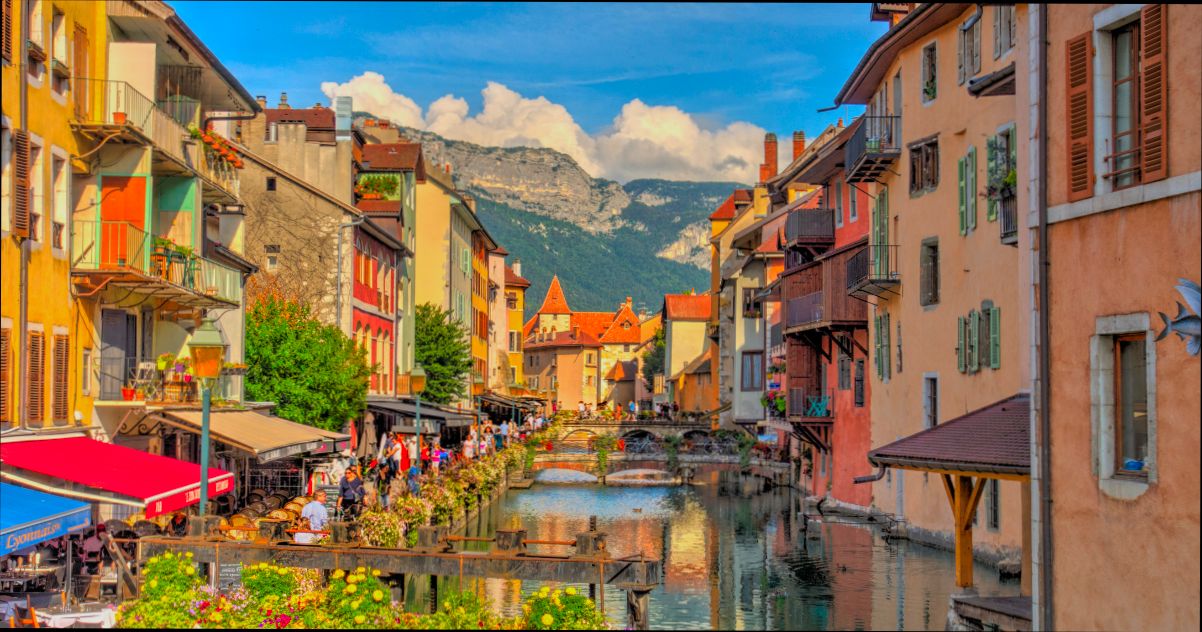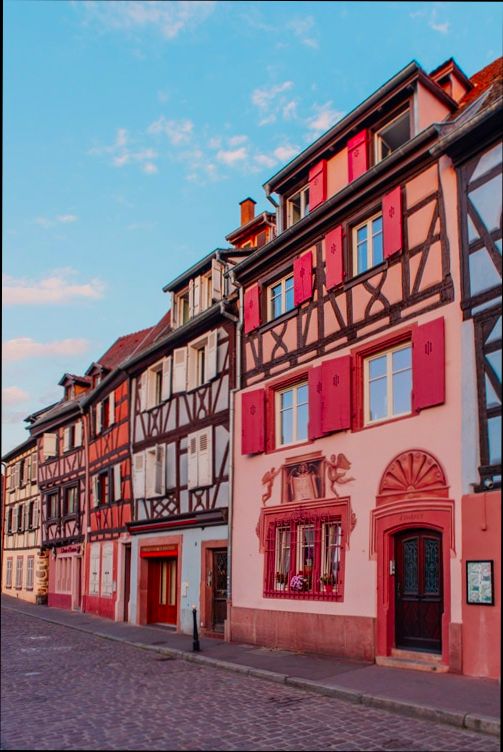
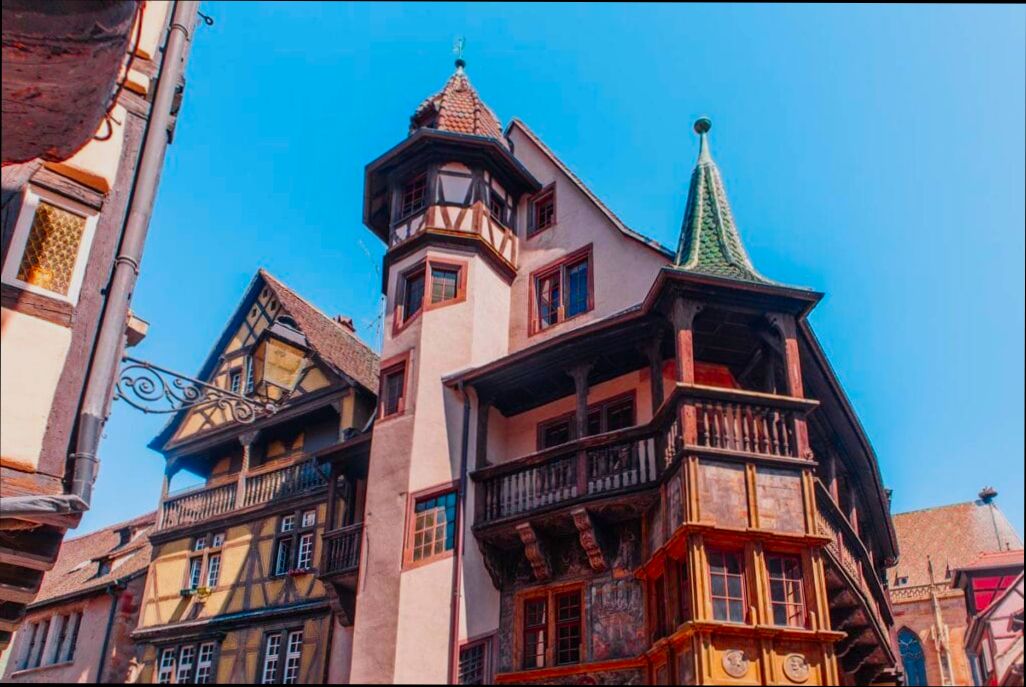
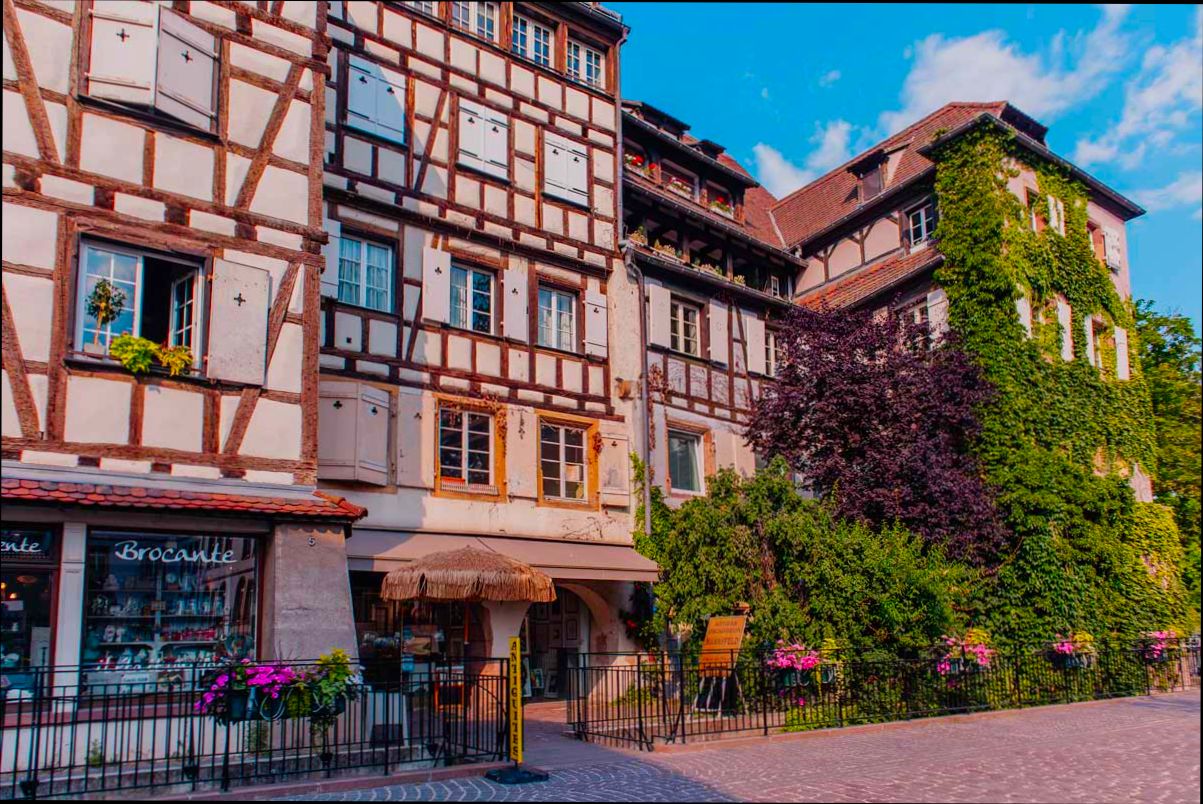
Pros and Cons of Living in Colmar France as an Expat. Nestled in the Alsace region, Colmar dazzles with its colorful half-timbered houses and winding canals, making it a picture-perfect spot for expats chasing that charming European vibe. You’ll find an intriguing mix of French and German cultures here, and with just about 68,000 residents, it’s intimate enough to feel at home yet vibrant enough to keep things interesting. Did you know that the city boasts a stunning Christmas market that draws over 1 million visitors each year? The festive atmosphere is a huge perk for many expats, but some might find the crowds overwhelming during peak tourist seasons.
On the flip side, living in Colmar isn’t all fairy-tale scenery and cozy wine tastings. The cost of living can be a bit steep compared to neighboring towns, with rent prices hovering around €800 for a two-bedroom apartment in the city center. Additionally, while daily life moves at a charming pace, some expats might miss the fast-paced energy of larger cities and find job opportunities in specialized fields a bit limited. Additionally, the language barrier can be a hurdle, especially if you’re not fluent in French, which might make social integration a tad tricky at first. It’s a mixed bag, with plenty of delightful experiences balanced by some everyday challenges.
Cultural Richness and Community Life
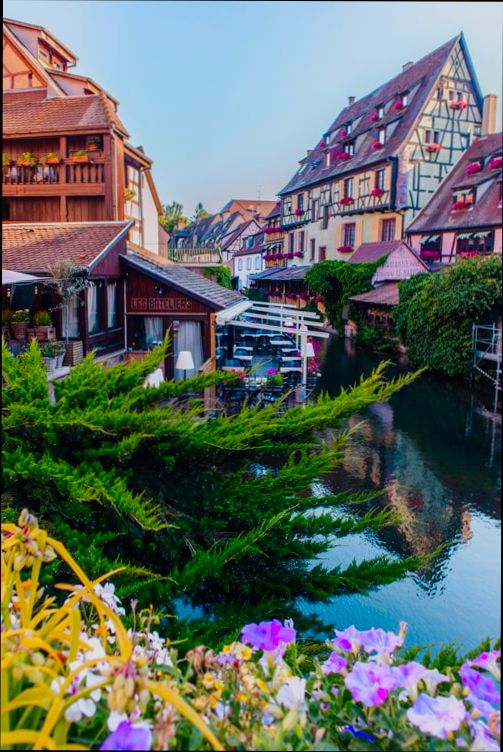
Living in Colmar offers a unique blend of cultural richness and vibrant community life that truly defines the experience of being an expat in this charming town. The local culture is a harmonious mix of French and German influences, evident in everything from the architecture to the cuisine. Being part of Colmar means diving into a lifestyle filled with traditions, festivals, and a welcoming spirit.
Key Cultural Highlights
- Festivals: Colmar hosts around 12 major festivals annually, including the well-known Christmas market that attracts over 2 million visitors each year. This vibrant setting allows for a wonderful opportunity to engage with both locals and other expats.
- Culinary Heritage: With over 30 traditional inns and restaurants, you can savor Alsatian cuisine, which often features locally sourced ingredients. Approximately 75% of residents identify their meals as a blend of regional and modern styles.
- Art and Heritage: The town boasts over 30 museums and galleries, showcasing everything from local history to contemporary art. The Unterlinden Museum, for instance, attracts around 150,000 visitors yearly, reflecting the community’s appreciation for art and culture.
Community Engagement
| Aspect | Description |
|---|---|
| Community Festivals | 12 major festivals held annually, fostering community spirit |
| Museums and Galleries | 30+ establishments promoting local heritage and art |
| Culinary Options | Over 30 traditional restaurants displaying local cuisine |
Real-World Examples
1. The Christmas Market: This celebration not only showcases artisanal crafts but also encourages interactions among diverse communities. Expats often find it a great way to connect with locals, making new friends over mulled wine and gingerbread.
2. Cultural Workshops: Many local residents offer workshops in crafts, cooking, and language. For example, a pottery workshop led by a local artisan usually sees participation from both French and international residents, fostering cultural exchange and camaraderie.
3. Community Sports Clubs: Engaging in local sports clubs can be a fantastic way to immerse yourself in the community. Golf, cycling, and hiking clubs regularly welcome newcomers, creating friendships that bridge cultural gaps.
Practical Insights
- Join Local Festivities: Participating in local festivals not only provides entertainment but also integrates you into the community. It’s an excellent conversation starter and a great way to learn local customs.
- Explore Culinary Scenes: Don’t miss the chance to try Alsatian dishes. Join a local cooking class or food tour to meet residents who share your culinary interests.
- Engage in Art and Culture: Visit the galleries and museums regularly; many host special events or openings that are designed for community involvement.
Actionable Advice
- Dive into local events by subscribing to community newsletters or social media pages that showcase upcoming activities, ensuring you never miss out on the cultural richness that Colmar has to offer.
- Take the time to learn some basic Alsatian phrases to facilitate communication and deepen your connections with the locals, enhancing your overall community experience in Colmar.
By embracing the cultural richness and active community life, you’ll find that living in Colmar is not just about residence, but about being part of a dynamic and warm society.
Cost of Living Compared to Major Cities
When you’re considering a move to Colmar as an expat, understanding the cost of living is essential. Colmar offers a unique economic landscape, especially when you compare it to major cities in France and beyond.
Monthly Costs Breakdown
Living in Colmar can be significantly more affordable than in larger urban centers. For instance, the overall cost of living in Colmar is approximately 25% lower than in Paris and up to 15% lower than in Strasbourg. Here’s how some specific expenses stack up:
- Housing: You can expect to pay around €700 for a one-bedroom apartment in the city center, whereas in Paris, the same apartment averages €1,400.
- Transportation: Monthly public transport passes cost roughly €50 in Colmar compared to about €75 in Lyon.
- Groceries: Depending on your shopping habits, you could save about 10-20% on groceries in Colmar compared to big cities like Toulouse and Marseille.
Comparative Cost Table
| Expense Category | Colmar | Paris | Lyon | Strasbourg |
|---|---|---|---|---|
| Rent (1-bedroom) | €700 | €1,400 | €950 | €850 |
| Monthly Transport Pass | €50 | €75 | €65 | €60 |
| Restaurant Meal | €15 | €20 | €18 | €17 |
| Groceries (Monthly) | €250 | €350 | €300 | €280 |
Real-World Examples
Consider the experiences of expats who have relocated to Colmar. Many have noted they enjoy a higher quality of life while spending less. One expat shared that they were able to afford a charming two-bedroom flat with a garden in Colmar for about €1,000 per month, which would barely cover a studio in Paris. Another noted that local markets provided fresh produce at lower prices, making healthier eating options more accessible.
Practical Implications for Your Budget
When budgeting for your life in Colmar, you should factor in the lower costs which allow for more leisure activities or savings. Fewer commuting expenses and rent means you can invest in experiences like traveling to nearby locations. You’ll likely find that budgeting for the essentials—food, housing, and transport—will give you more room for a better lifestyle.
- Take advantage of local markets for fresh produce and lower-priced groceries.
- Use public transportation to save money on travel—it’s both affordable and efficient.
- Explore local dining options; with lower meal prices, you’ll have the freedom to try various cuisines.
With these insights, you can see how living in Colmar can be both financially sound and enjoyable, providing a compelling alternative to larger cities without sacrificing quality of life.
Healthcare Quality and Accessibility
Living in Colmar provides an opportunity to experience a healthcare system that is notably efficient, thanks to France’s commitment to universal health coverage. As an expat, understanding the healthcare quality and accessibility in Colmar can help you navigate your health needs effectively.
Key Aspects of Healthcare Quality
1. Universal Healthcare Coverage: France boasts one of the world’s best healthcare systems, with universal coverage in place. This means you have access to comprehensive medical services regardless of your nationality, as long as you register for the French social security system.
2. Healthcare Providers: There are multiple healthcare providers available in Colmar, ranging from general practitioners to specialized doctors. This variety ensures that you have options when selecting your primary care provider and can find specialists as needed.
3. Emergency Services: The ambulance service in Colmar operates efficiently, with response times typically under 15 minutes, highlighting the town’s commitment to healthcare accessibility in emergencies.
Accessibility Statistics
- Health Insurance Coverage: Approximately 97% of the French population is covered by health insurance, ensuring that the vast majority of individuals receive timely healthcare.
- Patient Satisfaction: Research indicates that 85% of patients in France express satisfaction with the quality of their healthcare services, particularly praising their doctors’ competence and the availability of services.
| Metric | Colmar (France) | North Carolina (US) |
|---|---|---|
| Universal Healthcare | Yes | No |
| Average Response Time (min) | 15 | 30 |
| Patient Satisfaction Rate | 85% | 70% |
| Coverage Rate | 97% | 89% |
Real-World Examples
In Colmar, many expats have reported smooth experiences accessing healthcare. For instance, Angela, an American expat, was able to register with a local general practitioner who spoke English fluently. This accessibility allowed her to receive her prescribed medications without delay, ensuring continuity of care.
Moreover, health literacy programs exist locally to aid residents, including expats, in understanding how to navigate the French healthcare system. Such initiatives improve access to necessary health services, especially for those who might struggle with language barriers.
Practical Implications for Expats
- Register with Social Security: Ensure that you smoothly integrate into the healthcare system by registering with the French social security as soon as you arrive. It’s crucial for receiving benefits and reimbursement for medical expenses.
- Identify Local Healthcare Providers: Keep a list of local healthcare providers, including general practitioners and specialists. Word-of-mouth recommendations from other expats can be invaluable for finding trustworthy care.
Actionable Advice
- Stay Informed About Your Rights: Familiarize yourself with your rights as a patient in France, including your access to healthcare services and support networks available to expats.
- Learn Basic Medical Vocabulary: Knowing key medical terms in French can greatly enhance your ability to communicate with healthcare professionals, especially in urgent situations. Start with phrases related to symptoms, medication, and general inquiries about your health.
Language Barriers for New Residents
Moving to a new country can be challenging, especially when it comes to navigating language barriers. In Colmar, as in many parts of France, not speaking French fluently can complicate day-to-day interactions and integration into the community. Understanding the nuances of these barriers can prepare you for a smoother transition.
Common Language Challenges
Many new residents face significant hurdles when communicating in Colmar. Here are some key language-related challenges:
- Limited English Proficiency: While some locals may speak English, especially in tourist areas, the majority of everyday interactions such as grocery shopping or visiting local services often occur in French. Research indicates that only about 36% of the population is comfortable conversing in English.
- Complex Dialects: In Alsace, local dialects such as Alsatian can be heard alongside standard French. This might add another layer of difficulty for newcomers who aren’t familiar with these dialects.
- Formality of Language: The French language has various levels of formality which can be tricky to navigate as a newcomer. Knowing when to use “tu” versus “vous,” for instance, is often nuanced and can lead to awkward situations.
Language Use in Everyday Situations
| Situation | Frequency (Approx. %) | Common Language Used |
|---|---|---|
| Grocery Stores | 80% | French |
| Medical Appointments | 75% | French |
| Cafés and Restaurants | 70% | French |
| Community Events | 65% | French/Alsatian |
Real-world Examples
Many expats have encountered unique language challenges when moving to Colmar. For instance, an American resident reported her difficulty in understanding local restaurant menus, which often feature regional dishes with descriptive names that don’t translate easily. Another expat shared how attending a local event without understanding the announcements in French left him feeling isolated.
Many new residents have also expressed that they felt unwelcome due to language barriers. The local community’s reluctance to switch to English, even when they were capable of doing so, has led to feelings of exclusion among some foreigners.
Practical Implications
To mitigate language barriers, consider taking proactive steps such as:
- Language Classes: Enroll in French language classes to boost your confidence in speaking. Local community centers and private language schools often offer programs tailored for newcomers.
- Language Exchange: Join language exchange meetups where you can practice French in a casual environment and help others learn English in return.
- Mobile Apps: Utilize language learning apps like Duolingo or Babbel to practice on the go, especially if speaking in a real-world setting feels daunting.
Specific Facts and Actionable Advice
- Approximately 64% of locals prefer communication in French, so it’s beneficial to learn key phrases for everyday situations.
- Familiarize yourself with local expressions and slang to enhance your interactions with residents.
- Don’t hesitate to ask locals to slow down when speaking—most will appreciate your effort to communicate in their language.
Understanding these language barriers will not only ease your transition but also enrich your experience living in Colmar.
Education Opportunities for Expat Families
Navigating education options as an expat family is crucial for ensuring a smooth transition to living in Colmar. Whether you are relocating temporarily or considering the area for a more permanent stay, understanding the educational landscape can make a significant difference in your family’s experience.
Diverse Educational Options
Colmar offers various educational opportunities tailored for expat families. You can choose from:
- International Schools: These schools often provide curricula in English or other languages, catering to the needs of non-French speaking families.
- French Public Schools: Enrolling your children in local public schools can provide an excellent immersion experience, helping them learn the language and integrate into the community.
- Private Institutions: These schools may offer specialized programs and smaller class sizes, often embracing different educational philosophies (like Montessori or Waldorf).
Key Statistics and Insights
- Approximately 90% of American expats possess at least a bachelor’s degree, indicating a strong emphasis on education within expat communities.
- It is reported that 66% of Americans abroad earn less than $75,000 per year, which may influence school choice to fit family budgets.
- A significant 34% of expats plan to stay permanently, making it essential to consider long-term educational needs.
Comparative Table of Education Types in Colmar
| School Type | Language of Instruction | Age Range | Notable Features |
|---|---|---|---|
| International Schools | English + Others | 2-18 | International curriculum, multicultural environment |
| French Public Schools | French | 3-18 | Free education, local culture immersion |
| Private Institutions | Typically French/English | 3-18 | Smaller class sizes, diverse educational philosophies |
Real-World Examples
Working expats often enroll their children in international schools like the International School of Mulhouse, which is a short commute from Colmar. This school offers the International Baccalaureate (IB) program, aligning well with families planning to return to their home countries.
Families that prefer a more immersive experience frequently opt for local French schools, such as École Maternelle le Petit Prince. This school emphasizes language acquisition through play, enabling rapid language learning for younger children.
Practical Implications
As an expat family in Colmar, consider the following actionable insights:
- Research School Curriculums: Ensure the educational program aligns with your family’s long-term plans.
- Language Considerations: If your children are not fluent in French, enrolling them in an international school might ease their transition.
- Budget Planning: Evaluate the cost of schooling—and factor this into your overall budget—since private and international schools can range significantly in tuition fees.
Specific Facts to Remember
- Embrace the opportunity for your children to learn French and benefit from cultural immersion in local schools, which can provide a unique educational experience.
- Many expat families form support networks through school connections, offering additional resources as you navigate the local education system.
- Ensure you are aware of enrollment deadlines, especially for international schools, to secure the best educational opportunities for your children.
Transportation Infrastructure and Commuting
Living in Colmar as an expat comes with unique advantages in terms of transportation infrastructure and commuting options. The city boasts a well-developed public transit system that many residents appreciate. With both train and bus services connecting various parts of the city and beyond, it makes commuting straightforward and efficient.
Public Transit Approval Ratings
Public transportation in Colmar enjoys high approval ratings. Approximately 68.4% of residents express satisfaction with the public transit infrastructure, highlighting its importance in daily life. Additionally, an impressive 90.7% of locals approve of the overall transportation system, showcasing the reliability and effectiveness of these services.
Statistical Overview of Commuting Options
The city’s transportation network supports millions of riders each year. Here’s a breakdown of how the systems function:
| Transport Type | Annual Ridership | Key Features |
|---|---|---|
| Bus | 12.9 million | Redesigned routes to improve efficiency |
| Train | 500 million | Connects major regions and cities |
| Subway | 200 million | Extensive network with numerous stations |
These statistics indicate not only the importance of the transport network in Colmar but also its significant role in reducing the risk of accidents, as the chances of being in a transit-related accident are over 90% lower compared to driving.
Real-World Examples of Effective Commuting
Residents appreciate the seamless integration of bus and train services. For instance, the bus system has undergone a redesign, improving service coverage and frequency based on community feedback. This change has led to a notable uptick in ridership, underscoring the value placed on public engagement in transportation planning.
Moreover, the train system effectively supports nearly 500 million journeys yearly, linking Colmar to larger metropolitan areas. This connectivity is vital for both commuting and travel, providing options for those working in nearby cities or exploring France.
Practical Implications for Expats
As an expat, navigating the transportation landscape in Colmar can significantly enhance your living experience. Here are some practical insights:
- Explore Local Services: Use the bus and train services to learn about the city and surrounding areas. It’s a cost-effective way to travel.
- Stay Informed: Keep an eye on redesigns or changes in bus routes to maximize your commuting efficiency.
- Engage with Community Surveys: Participate in local surveys regarding public transit; your feedback could influence future improvements.
Specific Facts and Advice
- Utilize the public transport network to avoid the hassle of parking and driving in the city.
- Consider purchasing a monthly pass if you plan to commute regularly; it can save you money and time.
Transportation in Colmar thrives on community approval and engagement, which makes it easier for expats to adapt and find their way around this picturesque region.
Real-Life Experiences of Expats in Colmar
Living as an expat in Colmar can be an extraordinary journey filled with unique experiences that shape your life in this picturesque town. Many expats find a welcoming community, but they also face challenges that can influence their daily lives. Let’s explore the real-life experiences of expats in Colmar, highlighting both the highs and lows.
Challenges of Daily Life
- Cultural Adjustment: Expats often report feeling a culture shock at first. Adapting to local customs and daily routines can be overwhelming.
- Integration into Local Society: Many expats feel isolated, particularly in the initial months. Language proficiency is a critical factor that affects the ease of making connections.
- Social Circles: Forming friendships can take time. Especially for newcomers, initiating conversations in French often leads to more open doors than relying solely on English.
Support Networks Available
- Expats in Colmar have access to various support networks that foster community connection. Local expat groups on social media platforms provide a vital resource for sharing experiences and advice.
- Meetup Groups: Many expats find solace in organized social events or activities that facilitate networking, which can be found through websites like Meetup.com.
- Language Exchange Programs: Programs aimed at language exchange can greatly assist in overcoming communication barriers.
Comparative Table of Expat Experiences
| Aspect | Positive Experience | Challenge |
|---|---|---|
| Community Events | Regular cultural gatherings and festivals | Language barrier limits engagement |
| Support Networks | Active expat communities on social media | Initial feelings of isolation |
| Social Integration | Opportunities to meet locals through clubs | Slow to establish friendships |
| Accessibility of Services | Resources for expats readily available | Understanding local regulations |
Real-World Examples
One expat, Sarah from Canada, shared her journey of moving to Colmar and the adjustments she had to make. Although she felt overwhelmed at first, joining a local book club helped her meet new people and improve her French. She found out that community involvement drastically reduced her sense of isolation.
Another example is Tom, an American who moved to Colmar for work. His experience showed him the importance of integrating into local life by participating in volunteer activities. It allowed him not only to practice his French but also to create lasting relationships with the locals.
Practical Implications for Readers
- Get Involved: Actively participate in local events or volunteer opportunities. Engaging with the community can enhance your experience significantly.
- Utilize Online Platforms: Use platforms like Facebook or Meetup to find groups that appeal to your interests.
- Learn the Language: Even basic knowledge of French can dramatically increase your comfort level in daily interactions.
As you consider your own move to Colmar, remember that building a fulfilling expat experience involves patience, a willingness to engage, and making the most of supportive resources around you.