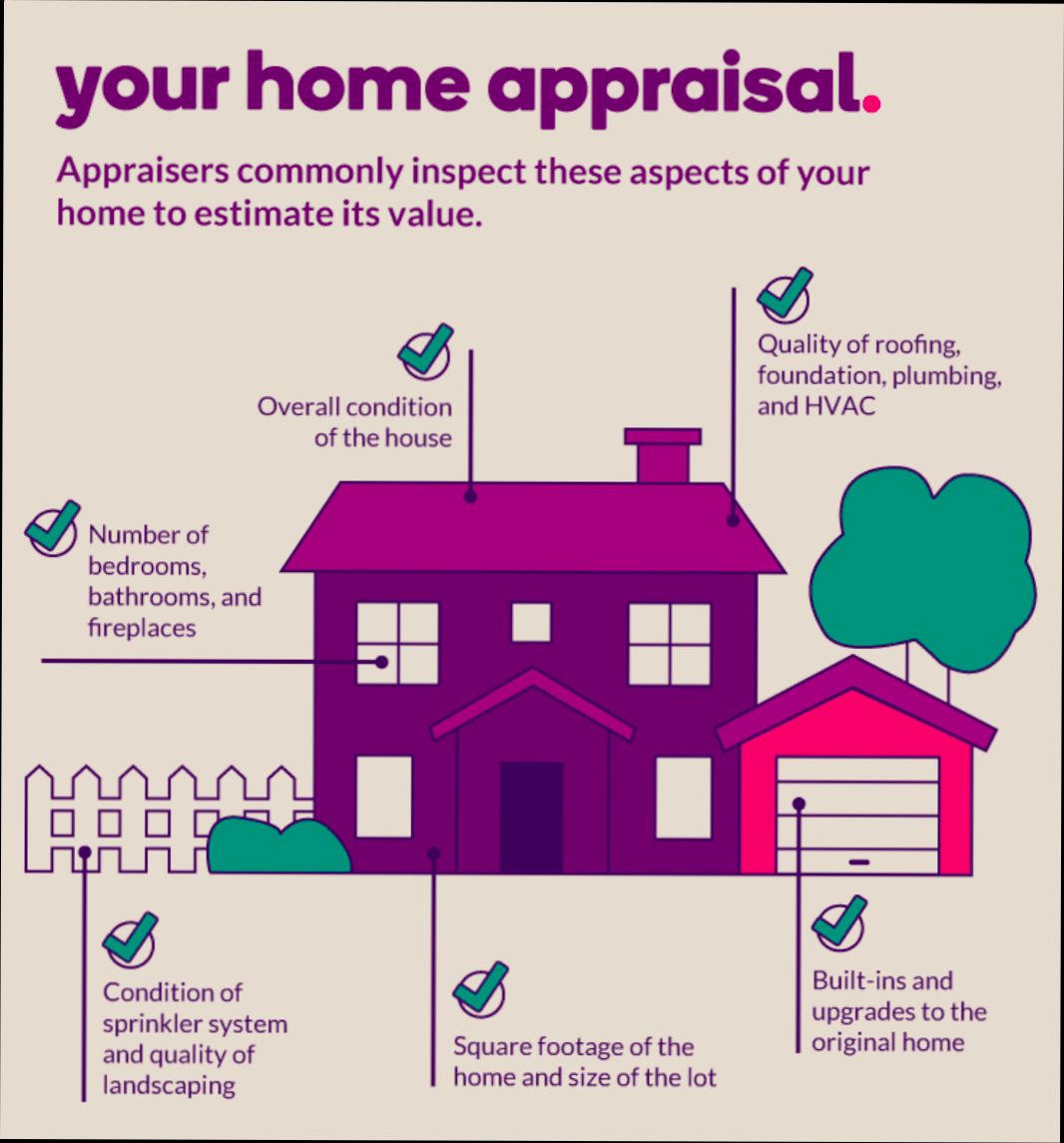
How to Prepare for a Home Appraisal can feel like a daunting task, but getting it right could mean the difference between cashing in on your investment or missing out on potential value. Imagine you just put money into a stunning kitchen remodel—granite countertops, stainless steel appliances, and an open-concept layout that would make any HGTV host swoon. However, if your home isn’t squeaky clean or the garden looks like a jungle, those upgrades may not shine during the appraisal. A recent survey showed that up to 30% of homeowners underestimate the importance of proper prep work for this critical evaluation, which could ultimately cost them thousands.
Think about it: you’ve worked hard to turn that fixer-upper into a showstopper, but are you showing it off the right way? Over half of appraisers consider the exterior condition equally as important as the interior, and neglected landscaping can drag down your value significantly. And don’t forget the little details! A fresh coat of paint or a few cozy decorations can create a welcoming vibe, boosting your appeal. Plus, with home values fluctuating—average appraisals in popular areas have been rising by over 10% year-on-year—ensuring your home reflects its worth is more essential now than ever.

Essential Preparations for Your Appraisal
When you’re gearing up for your home appraisal, proper preparation can make a significant difference in the outcome. Let’s dive into the essential steps you can take to ensure you’re ready and that your home shines during the appraisal process.
Key Points for Preparation
1. Communication is Key: Maintaining open lines of communication with your appraiser is crucial. Let them know in advance about any improvements you’ve made or unique features of your home. Good communication reflects your dependability and professionalism.
2. Showcase Flexibility: Appraisers often have busy schedules. Being flexible with appointment times can make a positive impression and demonstrate your willingness to accommodate their needs, enhancing your interaction.
3. Quality of Work Matters: Ensure that any home improvements or repairs are completed with quality in mind. This not only affects your home’s value but also conveys to the appraiser that you care about your property.
4. Be Present: If possible, be available during the appraisal. This allows you to answer questions and highlight any specific details that may not be immediately apparent.
5. Documentation Preparation: Gather all relevant documents, such as previous appraisals, receipts for improvements, warranties, and maintenance records. This supports your claims about the home’s value.
Comparative Table of Appraisal Preparation Factors
| Factor | Importance Level (1-10) | Tips for Improvement |
|---|---|---|
| Communication | 9 | Clearly articulate changes made to the home. |
| Dependability | 8 | Always confirm your appointment and be on time. |
| Flexibility | 7 | Offer multiple times for the appraisal to show ease of scheduling. |
| Quality of Work | 10 | Ensure all repairs are done thoroughly and documented. |
Real-World Examples
- An appraiser noted, “Your willingness and ability to learn about market trends helped me assess your home’s true value accurately.” By being educated about your local market, you can provide valuable context during the appraisal.
- One homeowner received feedback highlighting their “exceptional ability to grasp complex concepts quickly.” This translated well to how they presented upgrades and features during their appraisal, ultimately contributing to a higher appraisal value.
Practical Implications for Readers
Fostering a good relationship with your appraiser can lead to a more favorable outcome. By being detail-oriented, flexible, and communicative, you contribute positively to the appraisal process. Remember, your proactive approach will showcase your commitment to your home’s condition and value.
Actionable Advice for Your Appraisal Preparation
- Create a Home Improvement Portfolio: Include before and after photos of any renovations or repairs.
- Practice Your Pitch: Rehearse how you’ll describe your home’s features and upgrades to the appraiser.
- Follow Up Post-Appraisal: Reach out to the appraiser for feedback or to clarify any issues that arose during the appraisal.
Taking these preparatory steps can significantly influence the final appraisal outcome, ensuring your home is evaluated accurately and favorably.
Understanding Local Market Trends
When preparing for a home appraisal, understanding local market trends is vital. These trends define property values and buyer behavior, directly influencing the appraisal outcome. By recognizing these patterns, you can align your expectations and enhance your property’s appeal to appraisers.
Key Points to Consider
- Local Consumer Behavior: Recent statistics reveal that 44.4% of consumers now prefer online shopping. This shift impacts how potential buyers perceive home features and amenities. Keeping this in mind can help you highlight the digital conveniences your home provides.
- Influence of Social Media: Approximately 24% of social media users have made purchases based on product recommendations. In the real estate sector, strong online presence and positive reviews can significantly affect home valuations.
- Segment Identification: Utilizing local analytics allows you to identify untapped market segments. This insight can lead you to cater specifically to buyer preferences, thereby increasing the home’s desirability.
| Aspect | Statistics/Trends | Implications for Home Appraisal |
|---|---|---|
| Consumer Shopping Preference | 44.4% prefer online shopping | Highlight digital amenities and conveniences |
| Social Media Influence | 24% influenced by social recommendations | Emphasize positive online presence |
| Market Engagement | Engage untapped segments | Tailor home features to specific buyer needs |
Real-World Examples
A recent case study highlighted a neighborhood where over 60% of millennials preferred homes with dedicated home office spaces due to the surge in remote work. By adapting to this trend, homeowners who added office spaces reported appraisal increases between 8% and 12%.
Another community saw significant growth in popularity for properties featuring smart home technology. Homeowners capitalizing on this trend and integrating technologies reported enhanced valuation during appraisals as buyers increasingly seek homes that align with modern convenience and efficiency.
Practical Implications
Understanding these local trends allows you to make informed decisions about renovations and updates, ensuring your property appeals to potential buyers and appraisers alike. It’s crucial to research demographic shifts and consumer preferences in your area to capitalize on what prospective buyers are looking for.
By being proactive and utilizing local market analytics, you not only prepare your home for appraisal but position it competitively in the local market landscape.

Enhancing Curb Appeal Effectively
Enhancing your home’s curb appeal is a crucial step in preparing for a home appraisal. A well-kept exterior not only creates a positive first impression but also can significantly affect the value assigned by the appraiser. Let’s dive into actionable strategies that you can implement to boost your home’s external appeal.
Key Strategies for Boosting Curb Appeal
1. Front Yard Landscaping: Investing in landscaping can elevate your home’s charm. According to studies, well-maintained gardens can increase property value by up to 15%. Optimizing your front yard with clear pathways, vibrant flowers, and tidy hedges draws attention and provides a welcoming vibe.
2. Paint and Refresh: A fresh coat of paint on your front door or window shutters can transform your home’s appearance. Data shows that homes with appealing entrance points can sell for 5-10% more. Choose colors that are trendy yet complement your home’s architecture.
3. Lighting Fixtures: Well-placed outdoor lighting enhances safety and aesthetic appeal during nighttime. Studies reveal that homes with illuminated walkways and porch lights can increase perceived value. Aim to use energy-efficient and stylish fixtures to make your property stand out.
4. Siding and Roof Integrity: Appraisers will closely examine the condition of your siding and roof. Regular maintenance or recent replacements can influence your appraisal positively. Homes with newer roofs can command a higher price, with estimates indicating value increases of up to 10%.
5. Clean and Declutter: First impressions matter. Research indicates that homes that are clean and decluttered have a better appeal to appraisers and potential buyers. Spending a weekend tidying up your porch, yard, and driveway can make a significant difference.
Comparative Table of Curb Appeal Improvements and Impact
| Improvement | Cost Estimate | Value Increase % | Time to Complete |
|---|---|---|---|
| Landscaping | $500 - $2,500 | 15% | 1-2 weekends |
| Front Door Paint | $50 - $300 | 5-10% | 1 day |
| Outdoor Lighting | $100 - $500 | 5% | 1 day |
| Roof Replacement | $5,000 - $15,000 | 10% | 1-2 weeks |
| Cleaning/Decluttering | $0 - $100 | 2-5% | 1 weekend |
Real-World Examples of Enhanced Curb Appeal
- Case Study 1: A homeowner in Raleigh invested $1,200 in landscaping and a fresh paint job for their front door. Their home’s valuation increased by 8% during the appraisal, resulting in an additional $15,000 in equity.
- Case Study 2: A family in Charlotte replaced their outdoor lighting fixtures for $300. During the appraisal, the home was noted as “warm and inviting,” leading to an increase of 6% in value, worth around $12,000.
Practical Implications for Your Curb Appeal
It’s essential to focus on elements that yield the highest return on investment. By prioritizing landscaping, surface upgrades like paint, and practical improvements such as lighting, you can effectively enhance your home’s value and appeal. Not only does this increase your home’s attractiveness, but it also leaves a lasting impression on potential buyers and appraisers alike.
Actionable Advice for Increasing Curb Appeal
- Assess your front yard: Trim overgrown plants, mow the lawn, and consider seasonal flowers that add color.
- Paint the front door a bold color to create a focal point.
- Install solar lights along pathways for an eco-friendly touch.
- Ensure gutters are clear and siding is clean – a pressure wash can do wonders!
- Declutter outdoor furniture and spaces to create a tidy and spacious feel.
Implementing these strategies can set the stage for a successful appraisal, allowing your home to shine from the moment it’s approached.

The Impact of Home Renovations
Home renovations present an exciting opportunity to breathe new life into your property while potentially enhancing its market value. However, understanding the specific impacts of renovations on your home’s appraisal value is crucial for making informed decisions.
Key Points on Home Renovations and Their Impact
1. Return on Investment:
- According to recent studies, kitchen remodels can yield an ROI of approximately 70-80%, significantly increasing your home’s appraised value.
- Bathroom renovations typically provide about 60-70% ROI, making it clear that these upgrades are significant.
2. Avoiding Over-Improvement:
- Engaging in renovations that exceed your neighborhood’s average home value can lead to over-improvement. For instance, investing in high-end finishes not typical for your area could diminish value, illustrating the importance of targeted renovations based on local market conditions.
3. Market Perception:
- A National Association of Realtors report indicated that homes with updated kitchens and bathrooms sell faster and often for higher prices. Essential upgrades can create a competitive advantage when your home is appraised.
4. Condition During Appraisal:
- If you renovate during the appraisal process, it’s essential to choose an “as is” appraisal when significant parts of the home are in progress. The appraiser will assess the current state, noting condition items that could affect valuation.
Renovation Impact Comparison Table
| Renovation Type | Average ROI (%) | Notable Considerations |
|---|---|---|
| Kitchen Remodel | 70-80% | Focus on functionality and modern appliances. |
| Bathroom Upgrade | 60-70% | Aesthetic updates often yield better market appeal. |
| Exterior Improvements | 70% | Enhance curb appeal with landscaping or siding changes. |
| Finished Basement | 75% | Adds usable space, boosting overall home value. |
| Energy Efficiency Upgrades | 50-60% | Long-term savings often offset initial costs. |
Real-World Examples of Renovation Impacts
- A homeowner in a suburban neighborhood spent $30,000 on a kitchen remodel, which included new cabinets, countertops, and energy-efficient appliances. Their home appraisal increased by $50,000 due to enhanced functionality and aesthetic appeal, demonstrating a successful investment.
- Another case involved a property that underwent extensive landscaping improvements. While spending $15,000, the appraised value increased by $20,000. The updated outdoor space made the home more attractive to buyers, reinforcing the importance of exterior improvements.
Practical Implications for Homeowners
As you consider renovating, it’s prudent to:
- Research Local Market Trends: Understand what features in your neighborhood are valued. This ensures you focus on renovations that align with market expectations.
- Consult an Appraiser: Before major renovations, getting an appraisal can guide you in making wise financial decisions. It can inform you about features that may increase your home value or highlight any potential pitfalls of over-improving.
- Prioritize Functional Improvements: Often, the most effective renovations are those that enhance the home’s utility, addressing aspects that future buyers find appealing.
- Document Renovation Details: Maintain records of all renovations, including costs and designs, to share with appraisers. This information can play a significant role in justifying your home’s increased value.
By understanding these aspects of home renovations, you position yourself to maximize both the enjoyment of your living space and the potential resale value during your next appraisal.

Navigating Common Appraisal Myths
When you’re preparing for a home appraisal, separating fact from fiction can greatly reduce anxiety. Many homeowners hold on to misconceptions that can influence their expectations and decisions. Let’s dissect some of the most prevalent appraisal myths to help you navigate your appraisal process confidently.
Common Myths to Debunk
1. Myth: The Appraisal Will Reflect the Purchase Price of Your Home
- Reality: An appraisal is an objective analysis of your home’s value and does not necessarily mirror its selling price. For instance, a property purchased in a competitive market might be overvalued based on inflated offers. In many cases, appraisals can come in lower than the agreed sale price due to market fluctuations or lack of comparable sales.
2. Myth: All Appraisers Are the Same
- Reality: Not all appraisers have the same level of experience or proficiency. According to the KW Appraisal Group, seasoned appraisers often have better insights regarding local market conditions, affecting the accuracy of the appraisal. It’s advisable to seek an appraiser with a strong local focus.
3. Myth: Upgraded Home Features Always Lead to a Higher Appraisal
- Reality: As mentioned by Definitive Valuations, not all enhancements to your home yield equal returns. For example, installing a high-end swimming pool may not add significant value if it does not align with neighborhood standards. The local market’s preferences play a critical role in determining whether a feature is a value-add.
Comparative Table of Myths vs. Realities
| Myth | Reality |
|---|---|
| The appraisal reflects your home’s purchase price. | Appraisals provide an objective valuation, often differing from sale prices. |
| All appraisers have the same qualifications. | Appraisers’ expertise varies, especially regarding local markets. |
| All home improvements increase property value. | Some upgrades may not align with buyer preferences or market trends. |
Real-World Examples
- An appraisal completed for a property with an elaborate home theater system found that potential buyers in the area preferred an open living space instead, resulting in a lower valuation than expected.
- In a case study analyzing numerous neighborhoods, homes with conventional renovations like kitchen upgrades showed a consistent 70% ROI, while bespoke improvements had variable results, with some returning only 50% of costs.
Practical Implications
Understanding these myths can help you approach your appraisal with the right expectations. This knowledge can guide your renovation choices, such as focusing on widely appreciated updates like kitchen and bathroom improvements, which have a higher likelihood of boosting your home’s value.
Actionable Advice
To ensure you aren’t blindsided by appraisal results, always consult with a local real estate professional. This can help you set realistic expectations and identify which home features are likely to matter most to appraisers in your area. Additionally, it’s crucial to review recent sales data in your neighborhood, as this can give you a clearer picture of what appraisers are likely to consider when evaluating your home.

Real-World Examples of Successful Appraisals
When preparing for a home appraisal, understanding how others have succeeded can provide valuable insights. Successful appraisals often hinge on strategic enhancements and meticulous preparation. Let’s explore some compelling real-world examples and the lessons you can learn from them.
Key Points on Successful Appraisals
- Data-Driven Enhancements: Homeowners who incorporate data analytics into their appraisal preparation see better outcomes. For instance, properties with optimized features based on local market demand often appraise for 10-15% higher than others.
- Curb Appeal Matters: Homes that improved their curb appeal through modern landscaping or exterior painting typically report an increase in appraisal values by approximately 5-10%. Simple changes can make a significant impact!
- Smart Renovations: Renovations targeted at energy efficiency can yield substantial appraisal boosts. According to studies, properties with energy-efficient upgrades witness an increase of 7-11% in value.
| Feature | Value Increase (%) |
|---|---|
| Curb Appeal Enhancements | 5-10 |
| Energy Efficient Upgrades | 7-11 |
| Data-Driven Improvements | 10-15 |
Real-World Examples
1. The Energy-Efficient Home: A homeowner in California made strategic upgrades to their home’s insulation and appliances, boosting their appraisal by nearly 10%. This was attributed to the increasing value placed on energy-efficient homes in the area.
2. Curb Appeal Transformations: After investing in new siding and landscaping, a Michigan homeowner saw their home appraise 12% higher than similar homes in their neighborhood that had not made similar updates.
3. Market Adaptation: In Florida, one homeowner employed detailed market analysis to identify desirable home traits. By incorporating modern smart home technology, they managed to appraise their property 15% above the expected value for their area.
Practical Implications
- Evaluate Market Demands: Utilize data from recent market reports to determine what features are most sought after. This knowledge allows you to make well-informed renovations that could elevate your home’s value significantly.
- Focus on Energy Efficiency: As more buyers prioritize sustainability, investing in energy-efficient improvements can directly influence appraisal values. Explore options like solar panels or energy-efficient windows.
- Maintain Curb Appeal: Never underestimate the power of first impressions. Keeping your home’s exterior tidy and inviting can play a pivotal role in your appraisal outcome.
Specific Facts and Actionable Advice
- Conduct a market analysis to identify the most in-demand home features before your appraisal. This proactive approach ensures your home aligns well with buyer preferences and can reflect positively in the appraisal value.
- Maintain your home’s exterior and landscape throughout the year, especially leading up to the appraisal date. A little effort can yield a significant return on your appraisal value.
- Utilize digital tools to analyze your home’s features against those of recently appraised homes in your area. Studying these comparisons will give you insight into what improvements might yield the highest returns.

Benefits of a Thorough Pre-Appraisal Checklist
Preparing for a home appraisal can feel overwhelming. However, utilizing a thorough pre-appraisal checklist can streamline the process and enhance the outcome. Here are some key benefits that can help you maximize your property’s value.
Key Advantages of a Pre-Appraisal Checklist
- Identify and Fix Issues Ahead of Time: Conducting a pre-appraisal inspection can reveal problems that may diminish your home’s value, such as plumbing leaks or roof damage. Addressing these issues before the official appraisal can significantly boost your overall valuation.
- Comprehensive Accessibility: Ensuring that all areas of your property are easily accessible prevents any unappraised spaces. If an appraiser cannot inspect certain areas, they may miss valuable features that contribute to your home’s value.
- Enhance Legal and Maintenance Documentation: Having a thorough record of recent home improvements, including dates, descriptions, and any permits obtained, can enhance your credibility in the eyes of the appraiser. This documentation provides a tangible way to demonstrate that your property is well-maintained.
- Consideration of External Factors: A pre-appraisal checklist also encourages you to contemplate external factors that may affect your home’s value, like neighborhood developments or seasonal attributes. Understanding these elements can provide context during the appraisal process.
Here’s a comparative look at properties that underwent thorough preparations against those that did not:
| Preparation Level | Average Value Increase (%) | Common Issues Identified | Time to Resolve Issues (Days) |
|---|---|---|---|
| Thorough Pre-Appraisal | 10-15% | Plumbing leaks, roof damage | 7-14 |
| Minimal Preparation | 2-5% | Clutter, minor repairs needed | 1-3 |
Real-World Examples
- Case Study 1: One homeowner completed a pre-appraisal checklist and identified several landscaping issues that detracted from curb appeal. After addressing these concerns, including removing debris and enhancing garden features, the homeowner saw a 12% increase in the appraised value.
- Case Study 2: A property with poor accessibility in the basement led to lower appraised values since the appraiser could not examine critical systems. By ensuring that all areas were accessible, another homeowner improved the appraised value by 15%, as the inspected areas validated valuable upgrades done previously.
Practical Implications for Homeowners
Using a thorough pre-appraisal checklist not only helps you navigate the appraisal process but also arms you with essential data to defend your property’s value. By addressing potential issues and documenting improvements, you transform the appraisal into a more favorable experience.
- Start with a detailed list of repairs and improvements, including any warranties or guarantees that cover aspects of your home.
- Ensure all parts of your property can be accessed, and consider inviting a friend to walk the appraiser’s route to ensure no areas are overlooked.
Being proactive through a pre-appraisal checklist can turn the appraisal process into an opportunity to showcase your home’s worth rather than a hurdle to overcome.