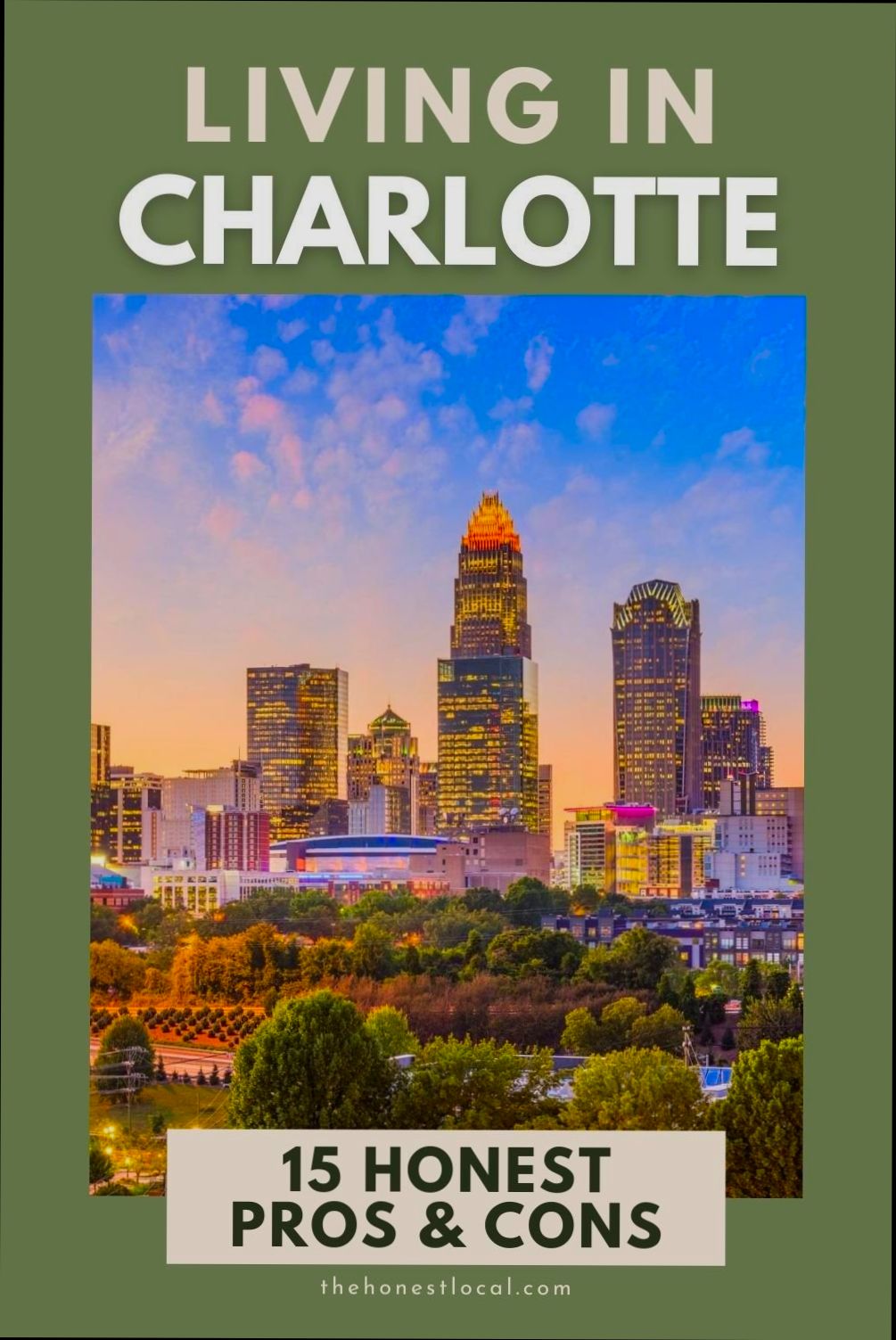
Pros and Cons of Living in Charlotte NC present a mixed bag that many potential residents find intriguing. On the plus side, Charlotte’s cost of living is about 4% lower than the national average, making it an appealing option for those looking to stretch their paycheck a little further. With a booming job market, especially in finance and tech, it’s no wonder companies like Bank of America and Wells Fargo have made their homes here. Plus, who wouldn’t love the wide range of outdoor activities? From spending weekends at the U.S. National Whitewater Center to enjoying the vibrant local food scene, there’s a little something for everyone.
But living in Charlotte isn’t all sunshine and rainbows. One of the major downsides is that the public transportation system can be a bit lackluster—you might find yourself heavily reliant on your car, even for short trips. Traffic congestion can be a real headache, especially during rush hour when the commute can easily stretch into an hour or more. Additionally, the rapidly growing population has led to increased housing demand, pushing up prices in desirable neighborhoods and making it tricky to find affordable options. It’s a city on the rise, no doubt, but with growth comes its fair share of challenges that definitely deserve a closer look.
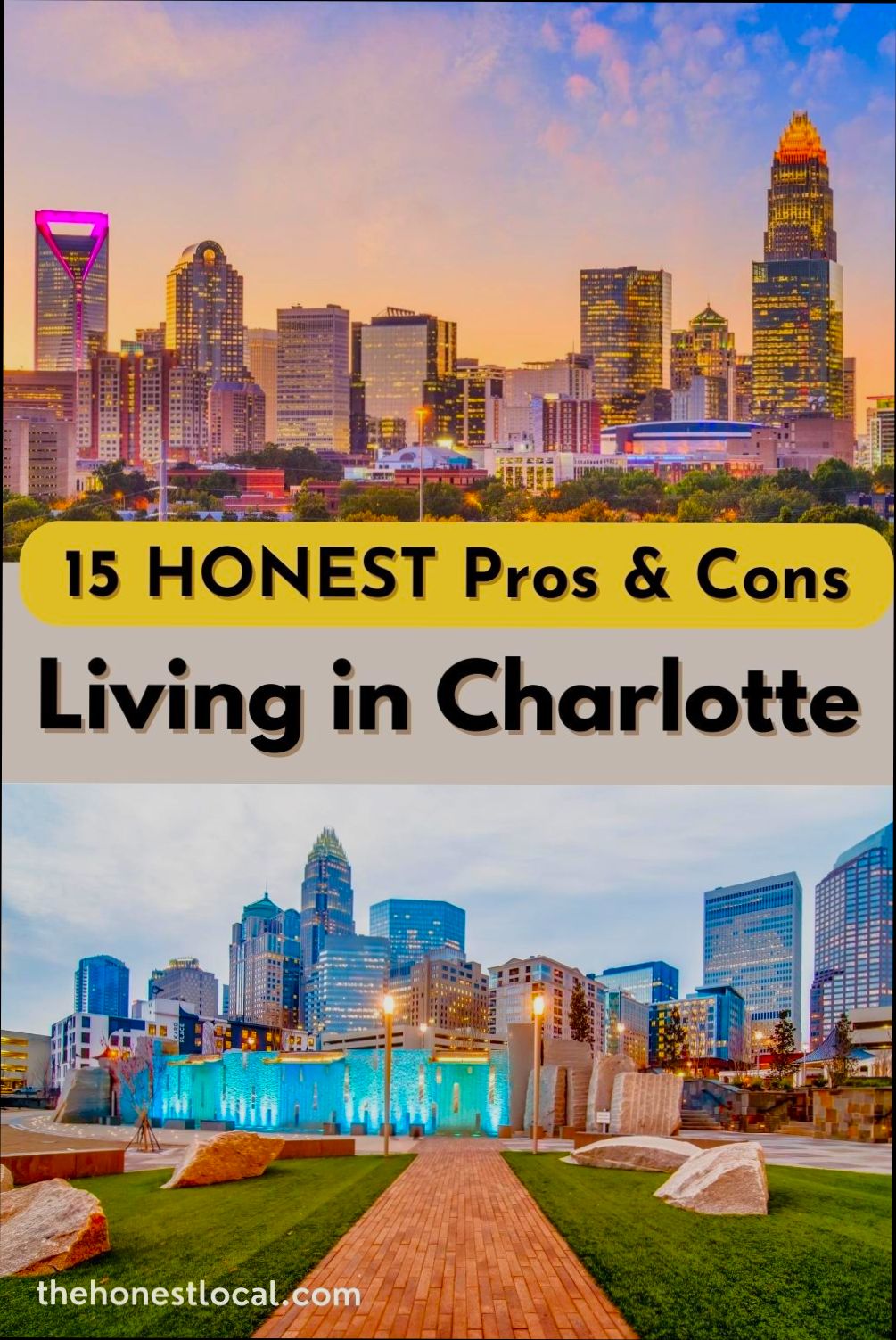
Cost of Living in Charlotte
Living in Charlotte comes with a unique set of expenses that reflect the city’s burgeoning growth and the lifestyle it offers. Understanding the cost of living is essential for anyone considering a move here or planning their budget. Let’s dive into some critical aspects of what you can expect when it comes to living expenses in the Queen City.
Key Cost Indicators
The overall cost of living in Charlotte averages around $2,528. Interestingly, this number places Charlotte in the top 8% of the most expensive cities globally, ranking 76th among more than 9,000 cities. Here are some key statistics to help you understand this better:
- Total Cost for One Person: $2,528 (with rent)
- Total Cost for a Family of 4: $5,839
- Cost Without Rent: $968 (individual), $3,215 (family of 4)
- Average Monthly Salary After Tax: $4,485
Expenses Breakdown
We can break down living expenses into various categories to show where your hard-earned money will go:
| Expense Category | One Person | Family of 4 |
|---|---|---|
| 💰 Total with rent | $2,528 | $5,839 |
| 🛋️ Without rent | $968 | $3,215 |
| 🏨 Rent & Utilities | $1,559 | $2,624 |
| 🍽️ Food | $636 | $1,640 |
| 🚐 Transport | $162 | $421 |
For instance, if you’re living alone, expect to spend about $1,559 on rent and utilities, with a monthly food budget of around $636.
Real-World Examples
Let’s put these numbers into perspective with some real-world examples. If you decide to grab a meal at a local restaurant, choosing a dinner for two might set you back around $71.60. Opting for a quick lunch could cost approximately $16.60, making dining out something to factor into your budget.
When it comes to transportation, a standard public transport fare will cost about $162 monthly, while owning a vehicle will add to your expenses in terms of fuel, insurance, and maintenance.
Practical Implications
For anyone considering living in Charlotte, it’s wise to be aware of how expenses stack up against your income. The average salary after taxes is about $4,485, which gives you roughly 1.8 months’ worth of coverage for living costs. This means it’s crucial to budget wisely to maintain a comfortable lifestyle without facing financial strain.
Furthermore, compared to other major cities, Charlotte’s living costs are relatively more affordable than places like New York City, where the cost of living hits $4,441, or Los Angeles at $3,196. This affordability makes Charlotte an appealing option for prospective residents who want city amenities without unbearable expenses.
Actionable Advice
If you are planning to relocate to Charlotte, consider the following tips:
- Budget for Rent: Ensure you account for the majority of your expenses, as rent and utilities make up a significant portion.
- Plan Your Meals: Eating out can be enjoyable but budget accordingly—making some meals at home can significantly reduce costs.
- Explore Transport Options: Evaluate public transportation versus owning a vehicle to find the most economical solution for your commuting needs.
By keeping these insights in mind, you’ll be more prepared for the financial realities of living in Charlotte, North Carolina.

Employment Opportunities and Job Market
When considering a move to Charlotte, NC, the job market and employment opportunities are significant factors influencing your decision. With a diverse economy and various industries driving employment growth, Charlotte has become an attractive destination for job seekers. Let’s dive into what this means for you.
Growing Sectors
Charlotte is known for its booming healthcare, financial services, and transportation sectors. As of February, the unemployment rate was steady at 4.1%, indicating a relatively stable job market. Here are some key statistics to consider:
- Healthcare: This sector has seen robust job growth, with a notable increase in employment within private education and health services by 943 positions over the past year.
- Financial Activities: The financial sector contributed to an increase of approximately 86 jobs in the same timeframe, emphasizing Charlotte’s role as a financial hub.
- Transportation and Warehousing: There’s been a growth of 145.6 jobs, demonstrating the city’s strategic position as a logistical center.
These sectors are critical, as they not only provide numerous job opportunities but are also projected to expand further in the coming years.
Employment Forecasts
Understanding the future job landscape can give you a leg up. The current projections suggest that total employment will grow by about 6.7 million jobs nationally from 2023 to 2033, with many of those opportunities anticipated in the Charlotte area.
Here’s a snapshot of the monthly employment figures across various sectors:
| Industry | 1-Month Net Change | 3-Month Net Change | 12-Month Net Change |
|---|---|---|---|
| Total Nonfarm | 151 | 599 | 1,947 |
| Private Education and Health Services | 73 | 222 | 943 |
| Financial Activities | 21 | 47 | 86 |
| Transportation and Warehousing | 17.8 | 70.9 | 145.6 |
| Professional and Business Services | -2 | -5 | -88 |
Real-World Insight
Several companies in Charlotte are currently hiring due to expansion plans. For example, healthcare companies are ramping up recruitment significantly. One case study involved a local hospital network that added hundreds of staff positions within a year, particularly in nursing and administrative roles, demonstrating a strong demand for qualified professionals.
Additionally, large finance firms based in the area are also on the lookout for talent, particularly in data analysis and risk management, which aligns perfectly with the city’s economic focus.
Actionable Insights
1. Networking Opportunities: Take advantage of local networking events to connect with industry leaders in sectors like finance and healthcare.
2. Skill Development: Consider enhancing your qualifications with relevant certifications, particularly in fast-growing fields such as IT and healthcare.
3. Job Alerts and Resources: Utilize job boards and local recruitment agencies specializing in the Charlotte market to stay updated on new job opportunities.
As you explore job avenues in Charlotte, remember that sectors like healthcare and finance are thriving and can offer respectable salaries and benefits. Your proactive approach to job hunting and skill enhancement can significantly impact your success in this vibrant job market.

Climate and Weather Considerations
Living in Charlotte, NC brings you into a climate characterized by a mix of Southern warmth and seasonal variation. If you’re contemplating a move, understanding the local weather patterns will be crucial in deciding whether Charlotte is the right fit for you.
Charlotte enjoys a humid subtropical climate, which means you’re in for hot summers and mild winters. Here are some key points to consider:
- Temperature Ranges: Summers can be quite hot, with average highs reaching about 90°F (32°C) in July, while winter temperatures rarely drop below freezing, averaging around 40°F (4°C) in January.
- Rainfall: The city receives around 42 inches of rainfall annually, with the wettest months typically being March and July. This should prompt you to think about water drainage and yard maintenance.
- Severe Weather: Occasionally, Charlotte is susceptible to severe weather events, including thunderstorms. While tornadoes are rare, they have occurred, so it’s wise to stay informed during stormy seasons.
- Snowfall: Snow is a rarity in Charlotte, averaging just 2 to 4 inches annually, but when it does fall, it can disrupt the city since locals aren’t accustomed to driving in snowy conditions.
Monthly Weather Averages in Charlotte
| Month | Average High (°F) | Average Low (°F) | Precipitation (inches) |
|---|---|---|---|
| January | 50 | 30 | 3.2 |
| February | 54 | 32 | 3.1 |
| March | 62 | 40 | 4.0 |
| April | 72 | 49 | 3.0 |
| May | 81 | 58 | 3.9 |
| June | 88 | 66 | 3.4 |
| July | 90 | 70 | 4.1 |
| August | 89 | 69 | 4.2 |
| September | 82 | 63 | 3.5 |
| October | 71 | 49 | 3.5 |
| November | 60 | 39 | 3.2 |
| December | 52 | 33 | 3.3 |
Charlotte’s climate allows for a variety of outdoor activities year-round, from summer picnics to fall hikes. However, it’s essential to prepare for the humidity and heat during the summer months. Staying hydrated and wearing breathable clothing can make your outdoor experience much more enjoyable.
Real-World Examples
Many locals embrace the heat by enjoying outdoor festivals like the Charlotte Jazz Festival in late summer, but be prepared with sunscreen and hydration. Conversely, the mild winters allow for unique outdoor holiday events without the extreme cold that many cities experience, potentially making your December celebrations more pleasant.
Practical Implications for Readers
If you’re considering a move and have allergies, be aware that the high humidity can foster an environment for pollen and mold, which could impact your comfort. Also, investing in air conditioning is wise due to the long, hot summers.
Lastly, remember to keep an eye on weather forecasts during the spring and summer months. Being prepared for potential thunderstorms or flash flooding can help you enjoy your Charlotte experience fully.
- Actionable Advice: Ensure your home’s drainage system is effective to handle seasonal rains. Invest in mosquito repellent solutions during the summer months to counter the area’s higher pest population.
Cultural Diversity and Community Life
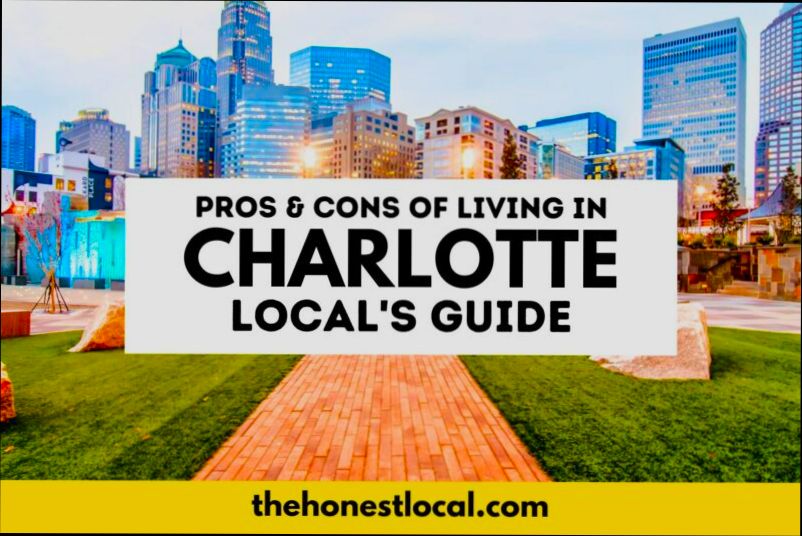
Charlotte, NC stands out significantly for its rich tapestry of cultural diversity, shaped by various racial and ethnic groups that contribute to its vibrant community life. This multicultural atmosphere fosters inclusivity, creativity, and social interaction, making Charlotte an exciting place to live.
Key Statistics on Cultural Diversity
Charlotte is home to an array of racial and ethnic communities that enhance the city’s cultural landscape:
- The Hispanic or Latino population comprises 18.7% of Charlotte’s total population, marking it as the second-largest ethnic group in the city.
- The Black or African American population represents 12.1% of the total, reflecting the city’s historical ties to African American culture and its ongoing influence on local life.
- Charlotte’s blend of racial and ethnic groups contributes to growing diversity, with the combined total of non-White populations being about 11.4%.
Comparative Diversity Breakdown
| Racial/Ethnic Group | Percentage of Population |
|---|---|
| Hispanic or Latino | 18.7% |
| Black or African American | 12.1% |
| White alone non-Hispanic | 57.8% |
| Total Non-White (combined) | 42.2% |
Real-World Examples
Charlotte’s community life is enriched by various cultural events and activities that showcase its diversity. For instance, the annual Charlotte Pride Festival is one of the largest in the Southeast, emphasizing the city’s commitment to LGBTQ+ inclusivity and cultural expression. On the culinary front, the variety of restaurants offers traditional dishes from Mexican, Indian, Vietnamese, and Caribbean cuisines, allowing residents to explore global flavors right in their neighborhood.
Additionally, neighborhoods like NoDa (North Davidson) and South End highlight artistic diversity with street murals and local galleries showcasing works from artists of diverse backgrounds. These community spaces often host events that celebrate various cultural heritages, strengthening connections among residents.
Practical Implications
For newcomers to Charlotte, embracing the city’s cultural diversity can lead to rich opportunities for personal growth and community engagement. Here are some actionable steps you might consider:
- Attend local cultural festivals or markets to immerse yourself in the diverse culinary and artistic offerings of Charlotte.
- Engage with community organizations that focus on supporting multicultural initiatives, helping foster a sense of belonging.
- Participate in cultural exchange programs or workshops to learn from different backgrounds and perspectives.
Specific Facts About Cultural Life
- The city’s diversity fosters an environment where cultural education is critical, with many organizations offering classes in languages, dance, and art reflecting the city’s ethnic variety.
- Networking through local diverse organizations can lead to building friendships across cultural boundaries, enhancing both personal and professional connections.
By actively participating in Charlotte’s diverse community life, you can not only enrich your own experiences but also contribute to the city’s ongoing narrative of inclusivity and celebration of differences.

Educational Institutions and Resources
Living in Charlotte, NC offers a wealth of educational institutions and resources that cater to a variety of learning needs. From primary schools to prestigious universities, you have numerous options to consider, depending on your circumstances.
Key Points on Educational Institutions
Charlotte boasts a robust educational landscape, which includes:
- Public Schools: The Charlotte-Mecklenburg School District serves over 147,000 students, making it one of the largest school systems in North Carolina. It emphasizes STEAM (Science, Technology, Engineering, Arts, and Mathematics) curriculum across its schools, aiming to prepare students for a modern workforce.
- Higher Education: The city hosts several universities, such as the University of North Carolina at Charlotte, which enrolls over 30,000 students and offers extensive degree programs spanning various fields including engineering, business, and the arts.
- Private Schools: Charlotte offers an array of private education options, including religious and preparatory schools, which can provide tailored curricula and smaller student-to-teacher ratios.
- Community Colleges: Central Piedmont Community College serves over 70,000 students and provides a variety of vocational and academic programs, making it an excellent resource for career advancement or skill development.
- Online Resources: Many educational institutions in Charlotte, including colleges and libraries, provide online courses and resource access, aiding those with busy schedules or remote learners.
| Institution Type | Number of Institutions | Notable Examples |
|---|---|---|
| Public Schools | 170+ | Charlotte-Mecklenburg School District |
| Private Schools | 60+ | Charlotte Catholic High School |
| Universities | 5 | University of North Carolina at Charlotte |
| Community Colleges | 1 | Central Piedmont Community College |
| Libraries | 20+ | Charlotte Mecklenburg Library System |
Real-World Examples
- University of North Carolina at Charlotte: Known for its diverse programs, it has recently enhanced its cybersecurity initiatives, allowing students to engage in cutting-edge research and providing them with valuable skills for the job market.
- Central Piedmont Community College offers tailored workforce development programs that align with local industry needs, enabling students to enter high-demand career fields quickly after graduation.
- Charlotte-Mecklenburg Schools have implemented a new program focused on technology integration in classrooms, preparing students with practical skills in coding and computer science, which are increasingly sought-after in today’s job market.
Practical Implications for Residents
For families considering a move to Charlotte, the quality and variety of educational institutions can significantly enhance your children’s learning experiences. With numerous options for both formal education and skills development, you can find the perfect fit for your family’s needs.
Additionally, the active involvement of local educational institutions in community events and collaborations with businesses reflects a commitment to creating a skilled workforce tailored to the city’s evolving economic landscape.
When choosing where to live, factor in close proximity to schools and colleges, as this can lead to greater convenience and access to essential educational resources, promoting academic success and personal development for all ages.
- Ensure your child’s school aligns with your educational goals, whether those are academic rigor, extracurricular activities, or specialized programs.
- Explore the educational resources available in nearby community colleges; they often offer evening and weekend classes perfect for working adults pursuing further education.

Crime Rates and Safety Data
When considering relocating to Charlotte, NC, understanding crime rates and safety data is essential to gauge how secure you might feel. The city’s crime statistics reveal a mix of trends that can significantly influence your quality of life.
Overview of Crime Rates
- As of the latest data, Charlotte experiences a crime rate that is higher than the national average, particularly in violent crimes such as assault and robbery.
- Property crimes are notable as well, with a reported incidence of over 2,000 burglaries and more than 6,000 cases of theft in the past year.
Crime Rate Statistics
| Type of Crime | Total Incidents | Rate per 1,000 Residents |
|---|---|---|
| Violent Crimes | 3,100 | 9.2 |
| Property Crimes | 11,400 | 34.0 |
Key Insights
- The violent crime rate in Charlotte stands at approximately 9.2 incidents per 1,000 residents, which indicates a need for heightened awareness, especially in certain neighborhoods.
- Property crime, significantly higher at 34.0 per 1,000 residents, suggests that while violent encounters may occur less frequently, the risk of burglary and theft is prevalent.
- Neighborhoods such as East Charlotte and parts of downtown are often reported to have higher crime rates compared to suburban areas like Ballantyne or Huntersville.
Real-World Examples
For instance, in 2022, a spike in residential burglaries during holiday seasons was noted, prompting local authorities to increase patrols in affected areas. Community outreach initiatives also focused on educating residents about security measures, such as neighborhood watch programs, to combat this trend.
In another example, data from local police shows that certain districts, particularly around college campuses, tend to have higher incidents of petty theft, leading students and residents to adopt additional safety precautions, like installation of security cameras and better locking mechanisms.
Practical Implications for Residents
If you plan to move to Charlotte, consider the following actions based on crime statistics:
- Familiarize yourself with neighborhood crime statistics. Websites and local police reports can provide insights.
- Engage with community safety initiatives. Joining local Facebook groups or community forums can keep you informed about crime trends and preventative measures.
- Invest in home security systems if you’re in higher crime areas. With property crime rates being substantial, secure locks and surveillance can provide peace of mind.
Important Safety Considerations
- Stay vigilant in public spaces, especially at night. Areas with higher crime rates may require you to be more cautious.
- Report suspicious activities to local law enforcement to help foster a safer community.
- Connect with local residents to share safety tips and experiences regarding crime in the area, enhancing both awareness and community ties.

Recreational Activities and Lifestyle Options
Living in Charlotte offers a plethora of recreational activities and lifestyle options that cater to diverse interests and lifestyles. Whether you’re a sports enthusiast, nature lover, or art aficionado, you’ll find plenty to keep you engaged and entertained year-round.
Outdoor Adventures
Charlotte’s proximity to the Blue Ridge Mountains and numerous parks makes it an outdoor lover’s paradise. Here’s a snapshot of what you can enjoy:
- Great Outdoors: With over 210 parks in the city, you can bask in the beauty of nature without venturing far. Notable parks include Freedom Park and Romare Bearden Park, perfect for picnics or leisurely walks.
- Lake Activities: Lake Norman, situated just north of the city, grants you access to boating, fishing, and water sports. You could enjoy a day of kayaking or jet-skiing, giving you a taste of adventure.
- Hiking and Biking Trails: For those who love to stay active, the city hosts a range of trails that support hiking and biking. The Little Sugar Creek Greenway offers a 19-mile track ideal for both walking and biking enthusiasts.
Sports Culture
Charlotte has a strong sports culture that fosters community and excitement. Here’s what you can expect:
- Professional Teams: The city is home to major league teams including the NFL’s Carolina Panthers and NBA’s Charlotte Hornets. Attending a live game offers a thrilling experience that brings residents together.
- Upcoming Events: With events like the annual Coca-Cola 600, Charlotte becomes a buzzing hub for NASCAR fans, providing thrilling race-day experiences.
Arts and Cultural Scene
Charlotte’s vibrant arts scene offers various recreational activities that celebrate creativity. Here are some notable options:
- Art Galleries and Museums: The Bechtler Museum of Modern Art and the Mint Museum are just two of the several establishments showcasing local and international art.
- Theater and Performances: Enjoy live performances at the Blumenthal Performing Arts Center, hosting Broadway shows, concerts, and local productions.
- Street Festivals: Throughout the year, Charlotte hosts numerous festivals such as the Charlotte Pride Festival and the Annual Art Walk, where you can explore local crafts, music, and culture.
Comparative Table of Recreational Facilities in Charlotte
| Type of Activity | Available Facilities | Highlights |
|---|---|---|
| Outdoor Parks | Over 210 parks | Freedom Park, Romare Bearden Park |
| Sports Teams | NFL, NBA, MLS | Carolina Panthers, Charlotte Hornets |
| Arts/Cultural Institutions | 20+ art galleries and museums | Bechtler Museum, Mint Museum |
| Festivals | Numerous throughout the year | Charlotte Pride, Art Walk |
Real-World Examples
- Goose Island: A local favorite, this park offers not only picnic areas but also disc golf, a unique way to spend time outdoors with friends or family.
- The U.S. National Whitewater Center: A popular destination, it provides opportunities for whitewater rafting, kayaking, stand-up paddleboarding, and ziplining, showcasing the adventurous spirit of Charlotte.
Practical Implications for You
When choosing activities in Charlotte, consider your interests. For relaxation, visit the parks; for thrill-seeking, head to the outdoor center. For arts and culture, explore the various galleries. Engaging in these activities can also help you connect with the community and make lasting friendships.
Make use of the expansive recreational options that Charlotte offers to enhance your lifestyle and create cherished memories, whether it’s a quiet afternoon in a local park or an action-packed day on the water.