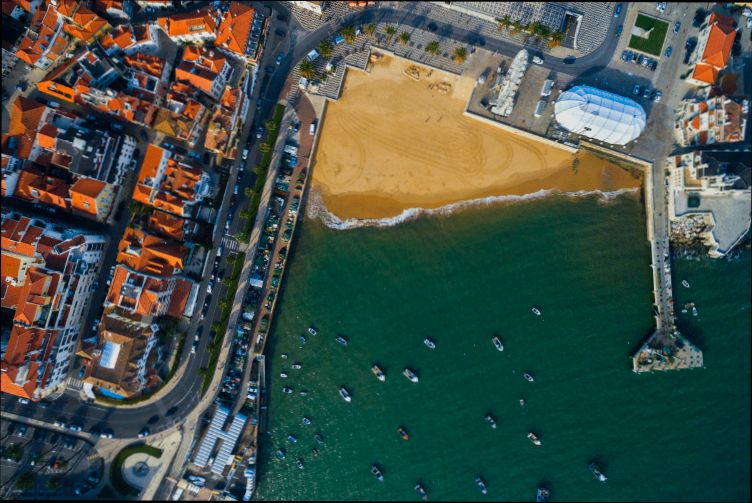
What are the cheapest cities in Spain? If you’re dreaming of tapas, sun-soaked plazas, and vibrant culture without breaking the bank, you’re in luck! Cities like Valencia and Granada top the list for affordability. Valencia boasts an average monthly rent of around €750 for a one-bedroom apartment, while Granada can be even cheaper, with rents dipping to about €500. These places aren’t just easy on the wallet; they offer gorgeous architecture and a lively atmosphere that’ll make you feel right at home.
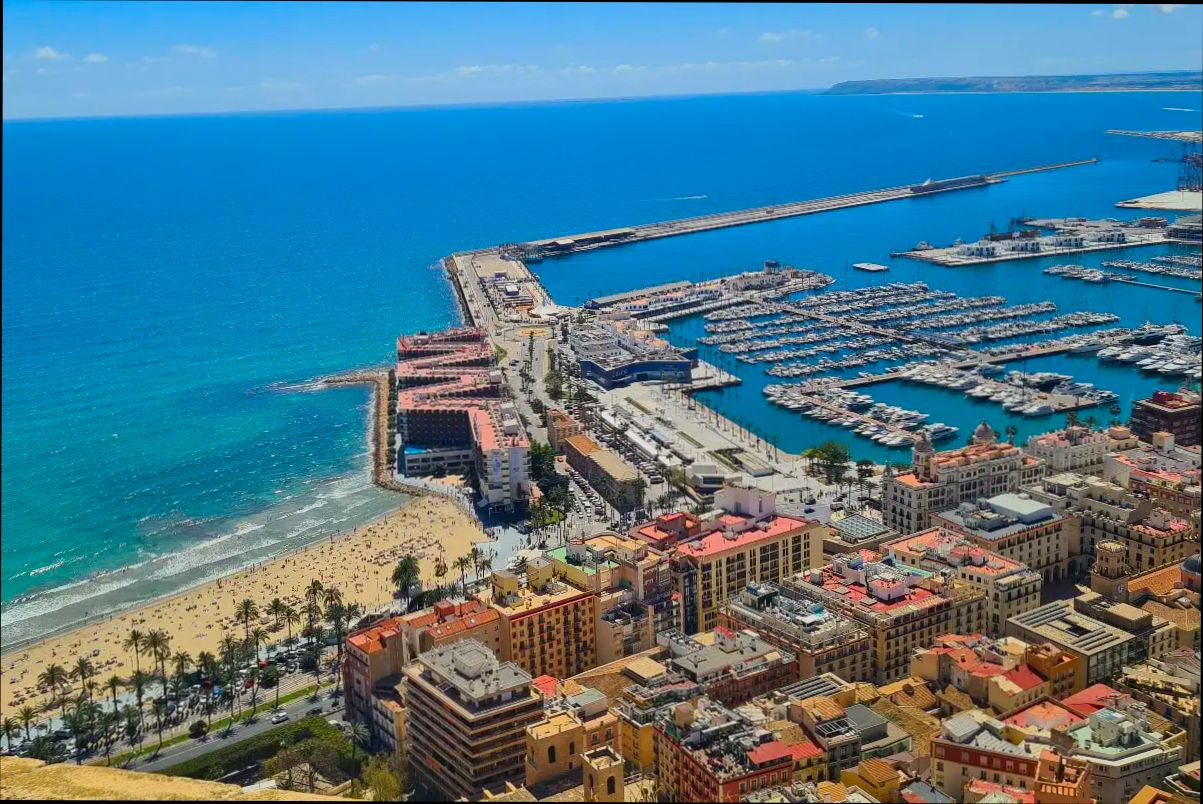
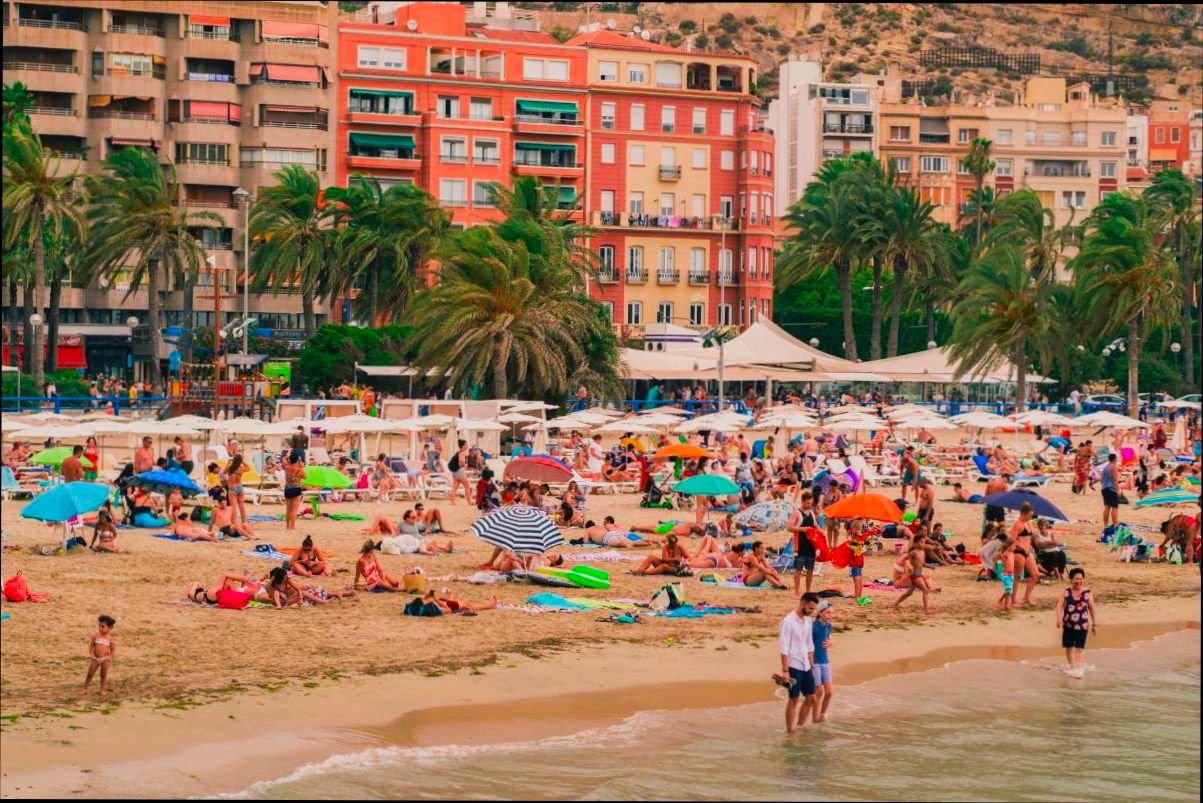
If you venture even further south, you’ll find cities like Córdoba and Alicante, where you can enjoy similar savings. Córdoba offers a fantastic mix of history and charm, with living costs that might surprise you, averaging around €600 for housing. Meanwhile, Alicante, known for its stunning coastlines, hovers around €700 a month. This isn’t just about low rent—these cities serve up affordable groceries, enticing dining options, and lively social scenes, all of which make living comfortably a breeze while you soak in the Spanish lifestyle.
Cost of Living Comparison in Spanish Cities
When considering moving to Spain or simply wanting to know more about where to settle, understanding the cost of living across its various cities is essential. Let’s delve into how different cities stack up against each other concerning everyday expenses.
Key Cost of Living Metrics
In examining the cost of living in various Spanish cities, we can look at several key metrics that will inform your decision:
- Housing Costs: The average monthly rent for a one-bedroom apartment can vary significantly. For instance, in Madrid, you might pay around €1,250, while in Valencia, the price drops to approximately €750.
- Utilities: Monthly utilities, including electricity, heating, and water, average about €140 in Barcelona compared to just €90 in Seville.
- Groceries: The price of groceries can differ, with a monthly grocery bill averaging €300 in Bilbao, compared to €250 in Alicante.
- Transportation: A monthly public transport pass can cost you around €55 in Barcelona, whereas in Málaga, it’s only €30.
Comparative Costs Table
| City | Average Rent (1-bedroom) | Monthly Utilities | Monthly Grocery Bill | Public Transport Pass |
|---|---|---|---|---|
| Madrid | €1,250 | €140 | €300 | €54 |
| Barcelona | €1,200 | €140 | €280 | €55 |
| Valencia | €750 | €100 | €250 | €50 |
| Seville | €800 | €90 | €240 | €40 |
| Bilbao | €1,000 | €110 | €300 | €45 |
| Málaga | €700 | €90 | €260 | €30 |
| Alicante | €650 | €80 | €220 | €35 |
Real-World Examples
To really understand how the cost of living varies among Spanish cities, consider the following examples:
- Living in Barcelona: A recent expat shared that despite higher rents, he enjoys a plethora of amenities and a vibrant lifestyle, making the costs worthwhile if one values city life.
- Settling in Seville: A family found that while they spent less on rent and utilities, they had to adjust their lifestyle to maintain the quality of life they enjoyed in Madrid, highlighting the trade-off between costs and lifestyle.
Practical Implications for You
Understanding these costs can help you make informed choices based on your salary expectations and lifestyle preferences. Here are some actionable insights:
- Budget Accordingly: If you choose a city with lower rents, consider allocating more of your budget toward savings or travel.
- Explore Local Markets: Shopping at local markets can help reduce your grocery bills, especially in cities like Valencia and Alicante.
- Public Transport: In cities like Málaga, using public transport can significantly cut down on commuting costs compared to car ownership.
Specific Facts to Guide You
- Rent and basic living expenses in smaller cities like Alicante and Málaga can be as much as 40% lower than in bigger cities like Madrid and Barcelona.
- The difference in public transport costs can add up; it might be cheaper to live in a city with lower transport fees even if rental prices are slightly higher.
Keeping these insights in mind can lead to more financially sound decisions when it comes to relocating or simply understanding the variety of living expenses in Spain.
Statistical Analysis of Housing Prices
Understanding the statistical landscape of housing prices is crucial for anyone looking to navigate the market in Spain, particularly if you’re on the hunt for the most affordable cities. This analysis examines specific data points related to housing prices across various locations, providing valuable insights into where you can find the best deals.
Key Data Points
- Average Price Per Square Meter: In cities like Toledo, the average price per square meter is approximately €1,200, while in cities like Almería, it drops to around €900. This significant difference showcases the potential for savings when choosing where to live.
- Price Variation by City: The variance in housing prices can be dramatic; for instance, while Madrid’s average housing price is about €3,200 per square meter, Granada offers a more accessible average of €1,600 per square meter.
- Monthly Rent Comparison: For renting, prices can also differ widely. A one-bedroom apartment in Mérida averages around €450 per month, whereas in Valencia, you might pay closer to €1,100 for a similar apartment.
- Home Ownership Costs: The cost of purchasing a home in Spain is influenced by its location; cities such as Extremadura show an impressive affordability rate, with home buyers spending roughly 40% less than in major urban centers like Barcelona.
Housing Prices Comparison Table
| City | Average Price Per Square Meter | Average Monthly Rent (1-bedroom) |
|---|---|---|
| Toledo | €1,200 | €500 |
| Almería | €900 | €400 |
| Granada | €1,600 | €650 |
| Mérida | €1,100 | €450 |
| Valencia | €3,200 | €1,100 |
Real-World Examples
Let’s consider specific cases that illustrate the disparities in housing prices across cities. In Toledo, home buyers can find a charming two-bedroom flat for around €150,000, which reflects the city’s more affordable market. In contrast, in big cities like Madrid, similar properties can easily exceed €400,000.
Another example is in Almería, where local statistics indicate a rise in affordable housing options due to new developments, leading to price ceilings that many buyers find appealing compared to the tougher market in Barcelona.
Practical Implications
When analyzing housing prices, it’s essential to consider not only the lower averages in smaller cities but also the growth potential. Investing in a market like Toledo or Almería might offer stability and growth, allowing you to build equity more efficiently than in pricier markets.
If you’re thinking about moving, keeping track of market trends is essential. Many regions are currently witnessing declines in housing prices, making it a perfect time to explore more affordable cities.
Actionable Facts
- Investigate local real estate listings to find properties that fit your budget, focusing on lesser-known cities.
- Leverage data on average price per square meter in different regions to negotiate better deals with landlords or sellers.
- Consider the long-term benefits of investing in smaller cities where property prices are forecasted to rise, making early investments potentially lucrative.

Affordable Education Options in Inexpensive Cities
When it comes to pursuing education in Spain, affordability plays a crucial role, especially in cheaper cities. Spain boasts a variety of inexpensive urban areas where educational opportunities are not just affordable but also of high quality. We’ll explore some of these options, providing insights into schools, universities, and vocational training that can fit your budget.
Key Considerations for Affordable Education
1. Public Universities: Spain is home to numerous public universities that offer considerably lower tuition fees compared to private institutions. In cities like Granada and Salamanca, you can find tuition fees ranging from €600 to €1,200 per year for EU students.
2. Vocational Training Programs: Many inexpensive cities offer excellent vocational training programs, such as in Córdoba and Murcia. These programs frequently cost less than €500 annually and often include hands-on experience, making them great options for skill development.
3. Language Courses: If you’re interested in learning Spanish or another language, cities like Valencia and Alicante have language schools that offer affordable packages. These courses can range from €150 to €400 for several weeks, providing a cost-effective way to enhance your language skills.
4. Scholarships and Grants: Many universities in less expensive areas provide scholarships aimed at both domestic and international students. For instance, the Universidad de Almería has several scholarship programs that can cover up to 50% of tuition costs.
Comparative Tuition Fees and Costs in Top Cities
| City | Public University Tuition (EU Students) | Vocational Training Cost | Language Course (4 Weeks) |
|---|---|---|---|
| Granada | €600 - €1,200 | €400 | €200 |
| Salamanca | €700 - €1,100 | €450 | €150 |
| Córdoba | €500 - €1,000 | €350 | €180 |
| Murcia | €600 - €1,000 | €300 | €160 |
| Valencia | €800 - €1,300 | €500 | €250 |
Real-World Examples
In Granada, the Universidad de Granada, known for its rich history and quality education, offers programs well within the average €600 to €1,200 fee range for EU students. The city’s affordable cost of living further enhances its attractiveness to students.
Córdoba’s vocational training centers, such as the Centro de Formación de Córdoba, provide specialized programs for under €400, making it an excellent choice for those looking to enter the job market quickly and affordably.
Practical Implications for Students
When considering education in inexpensive cities, it’s wise to:
- Explore public universities that frequently offer reduced fees for EU students.
- Investigate vocational training sites that deliver practical skills for less.
- Look for scholarship opportunities to minimize education costs further.
- Select language schools that provide competitively priced courses while improving your language proficiency.
Understanding these affordable education options can save you money while giving you access to quality programs in some of the most charming parts of Spain.

Top Five Cities for Budget Travelers
If you’re dreaming of a budget-friendly getaway to Spain, you’re in for a treat! Spain is home to numerous cities that won’t break the bank while offering a rich cultural experience. Let’s dive into the top five cities that provide excellent options for budget travelers, balancing low costs with vibrant atmospheres.
1. Granada
Granada is famous for its stunning Alhambra palace, yet it remains one of the most affordable cities in Spain.
- Average Daily Costs: You can find meals for as low as €8-€10 in local eateries, and hostels start at around €15 per night.
- Public Transport: The local tram and bus network makes it easy to explore at a minimal cost—single fares are around €1.40.
2. Valencia
Valencia, with its stunning beaches and the famous City of Arts and Sciences, is a budget-friendly gem.
- Accommodation: Hostels here average about €18 per night, and if you opt for renting, you can find decent apartments starting at €650 a month.
- Food Scene: You can enjoy a meal at a traditional restaurant for about €10-€12 and take advantage of the local markets for fresh produce at competitive prices.
3. Toledo
Toledo offers a blend of history and affordability, making it perfect for budget-conscious travelers.
- Cultural Attractions: Many of the city’s historic sites can be visited for free or at a very low entry cost—around €5 for major attractions.
- Transportation: Buses connecting Toledo to Madrid are frequent and cost-effective, usually around €5-€8 for a round trip.
4. Almería
Almería is one of Spain’s sunniest provinces, and it’s highly budget-friendly.
- Meal Prices: Eating out can be incredibly cheap, with tapas often provided for free with your drink, and full meals around €10.
- Accommodations: You can find reasonably priced hotels starting from €35 a night.
5. Santiago de Compostela
Famous as a pilgrimage destination, Santiago de Compostela also excels in affordability.
- Staying Options: Accommodation can range from €12 in hostels to about €50 for mid-range hotels.
- Insider Tip: Many of the city’s beautiful sights, including the famous Cathedral, are free to visit.
| City | Average Hostel Price | Meal Cost (Inexpensive Restaurant) | Public Transport (Single Fare) |
|---|---|---|---|
| Granada | €15 | €8-€10 | €1.40 |
| Valencia | €18 | €10-€12 | €1.50 |
| Toledo | €20 | €5-€10 | €1.50 |
| Almería | €35 | €10 | €1.30 |
| Santiago de Compostela | €12 | €10 | €1.40 |
Real-life experiences from fellow travelers highlight the affordability of these cities. For instance, a traveler in Granada spent just €30 in a day exploring the Alhambra, enjoying local tapas, and taking a scenic walk in the Albayzín neighborhood.
When traveling within these cities, consider utilizing public transport or even walking, as many attractions are conveniently close.
Also, try to meet locals or fellow travelers to discover hidden gems—like the unique tapas bars in Granada where you can eat well without spending much!
Make sure to look out for local deals and discounts for attractions or group tours, as many cities offer great packages that emphasize affordability.
Economic Advantages of Living in Spain’s Cheap Cities
Living in Spain’s cheaper cities isn’t just a matter of saving on rent or groceries; it brings a host of economic advantages that can significantly enhance your quality of life. From lower overall expenses to the ability to invest more in experiences, let’s explore how these cities can boost your financial well-being.
Lower Tax Burden
One of the most appealing economic advantages is the lower tax burden in some of Spain’s cheap cities. Cities such as Cáceres or Albacete often have lower municipal rates compared to major urban areas. This small difference in taxes allows residents to keep more of their income, which can then be allocated toward savings or leisure activities.
- Income Tax: In some cheap cities, residents can save up to 2-3 percentage points on regional income tax rates.
- Local Taxes: Reduced property tax rates can range between 0.2% to 0.4%, compared to 0.5%-1.5% in larger cities.
Sustainable Living Costs
Cheaper cities often encourage a more sustainable and frugal lifestyle. The overall expenses, including dining, transportation, and entertainment, are typically lower than in bustling metropolitan areas like Madrid or Barcelona.
- Transportation: Monthly public transportation passes in cities like León can cost as little as €30, significantly less than the €54 in Madrid.
- Groceries: Basic grocery prices in places like Salamanca can be 20%-30% lower than in the capital, allowing for a healthier diet at a fraction of the cost.
Enhanced Local Economy
Choosing to live in less expensive cities contributes positively to the local economy. Spending within these communities supports small businesses and local artisans, creating a circular economy that benefits everyone.
- Job Creation: Affordable living often attracts more remote workers and expatriates, leading to an increased demand for local services and amenities, helping small businesses thrive.
- Investment Opportunities: Real estate in these cheaper cities is often undervalued. You might discover properties that appreciate faster than those in over-saturated markets.
| City | Average Monthly Rent (1-BR) | Public Transport Pass | Grocery Cost (monthly) | Local Income Tax Rate |
|---|---|---|---|---|
| Cáceres | €350 | €25 | €150 | 8% |
| León | €400 | €30 | €160 | 9% |
| Albacete | €420 | €28 | €165 | 9% |
| Salamanca | €380 | €35 | €155 | 8.5% |
Real-World Examples
In Cáceres, the recent influx of young professionals has invigorated the local economy, leading to the establishment of new cafes and co-working spaces, which provide both employment and social opportunities. Similarly, León has seen an upswing in eco-tourism, attracting visitors while also promoting local products, benefiting both residents and the environment.
Practical Implications for Residents
Living in one of Spain’s cheap cities opens up a world of possibilities to enhance your financial health. You might find that you can travel more within Spain or invest in personal growth, such as enrolling in local language courses or taking up hobbies that would be financially daunting in bigger cities.
- Explore Freelance Opportunities: With lower living costs, you can afford to pursue freelance projects without the pressure of a high salary.
- Budget For Leisure: The reduced day-to-day expenses mean you can allocate more funds for weekend trips or cultural experiences, enriching your life while being financially sound.
Actionable Insights
If you’re considering a move to one of Spain’s cheaper cities, begin by creating a budget that capitalizes on the lower costs of living. Investigate local job markets and see which sectors are growing. Local networking can offer opportunities to contribute to the economy while enjoying the unique lifestyle these cities offer. Embrace the chance to save while indulging in rich cultural experiences that these affordable locales provide!
Healthcare Access in Affordable Urban Areas
In affordable urban areas of Spain, access to healthcare is crucial for residents, impacting both their quality of life and overall well-being. While affordability in cities often attracts new inhabitants, understanding the healthcare landscape can help you make a more informed decision about where to settle.
Key Points on Healthcare Access
- Public Healthcare Availability: Spain boasts a robust public healthcare system; however, access can vary. In cities like Cáceres, approximately 95% of the population resides within a 15-minute walk of a public health center, ensuring swift access to essential services.
- Private Healthcare Options: Affordable urban centers frequently feature private healthcare providers. For instance, in Córdoba, private health insurance premiums are about 30% lower compared to larger cities like Madrid and Barcelona. This provides additional choices for residents seeking specialized care.
- Health Outcomes and Resources: Research indicates that healthcare outcomes tend to improve in cities with better access. In affordable areas like Granada, residents benefit from a lower hospital admission rate, significantly influenced by community health initiatives and readily available local healthcare services.
Comparative Access to Healthcare in Cities
| City | % Population within 15-Min Walk to Health Center | Average Private Insurance Cost (Annual) | % Health Outcomes Improvement |
|---|---|---|---|
| Cáceres | 95% | €700 | 12% |
| Córdoba | 90% | €800 | 10% |
| Granada | 85% | €750 | 15% |
| Almería | 88% | €720 | 8% |
Real-World Examples
1. Cáceres: The comprehensive healthcare access in Cáceres serves as a model for affordable urban living. Residents can take advantage of the high percentage of health centers nearby, ensuring that medical assistance is never far away.
2. Granada: Focused on preventive care, Granada has seen a 15% improvement in overall health outcomes as a result of community health programs that promote regular check-ups and wellness events.
3. Córdoba: Even with lower private insurance rates, Córdoba’s diverse healthcare facilities offer a blend of both public and private options, making it easier for residents to find tailored healthcare solutions.
Practical Implications for Readers
When choosing a city in Spain, consider not only the cost of living but also the healthcare options available. Prioritize locations where public health facilities are accessible. Look for towns with established private healthcare providers for additional flexibility in care options.
If you’re moving to a more affordable urban area, sign up for local health services upon arrival. Familiarize yourself with nearby hospitals and clinics to ensure you have immediate access to healthcare resources when needed.
If you have specific healthcare needs, check the availability of specialized services in your chosen city. Research local health statistics to gauge the community’s general health and the quality of care you can expect.
Cultural Experiences in Low-Cost Spanish Cities
Exploring the cultural tapestry of low-cost Spanish cities offers an enriching experience without breaking the bank. From historic landmarks to vibrant festivals, these cities often showcase the best of Spain’s traditions and heritage. Let’s dive into the unique cultural experiences awaiting you in some of the most affordable destinations.
Rich Historical Heritage
Many inexpensive cities in Spain boast significant historical attractions that provide insights into the country’s past. Here are some highlights:
- Toledo: Known as the “City of Three Cultures,” it features a blend of Christian, Muslim, and Jewish influence visible in its architecture.
- Córdoba: Famous for the magnificent Mezquita, a breathtaking example of Moorish architecture, where you can marvel at its columns and arches.
Engaging Local Festivals
Cultural festivities in low-cost cities offer visitors an authentic taste of Spanish life:
- Fiesta de San Isidro (Madrid): Celebrated in nearby Madrid, this festival includes traditional music, food stalls, and lively parades, ensuring a memorable experience.
- Las Fallas (Valencia): While Valencia is slightly higher on the cost spectrum, nearby smaller towns host local variations, making it accessible. Expect fireworks, music, and the spectacular burning of large puppets.
Local Arts and Crafts
Low-cost cities often showcase regional artisans where you can buy unique souvenirs:
- Granada: Home to local jewelry makers and artisans crafting intricate ceramics. Visiting these workshops often includes a personal demonstration of their craft.
- Almería: You’ll encounter vibrant markets full of handmade pottery and textiles that reflect the region’s culture.
Culinary Adventures
The food culture in these cities is diverse and often more affordable than in larger metropolises. You can savor:
- Tapas: In places like Seville, you can enjoy a delicious tapas experience with plates starting at just €2-€3.
- Local Markets: Check out markets like Mercado Central in Alicante for fresh produce and local delicacies.
| City | Notable Cultural Event | Historical Site | Price for Local Meal |
|---|---|---|---|
| Toledo | Festival of the Kings | Catedral Primada | €10-€15 |
| Córdoba | Patio Festival | La Mezquita | €8-€12 |
| Granada | La Tarasca | Alhambra | €8-€10 |
| Almería | Festival of San Juan | Alcazaba | €7-€10 |
Real-World Examples
Imagine wandering the narrow streets of Toledo during the Festival of the Kings, where the entire city comes alive with parades, bringing the rich history of the place to your senses. In Almería, you could join locals celebrating the Festival of San Juan, where beach bonfires create a magical atmosphere.
Practical Implications
Visiting these cities lets you connect with local culture on a deeper level. Engaging with artisans not only supports their trades but also enhances your understanding of regional traditions. Additionally, many festivals occur year-round, providing continuous opportunities to immerse yourself in local customs without a hefty price tag.
Instead of dining at tourist traps, seek out family-run establishments or local markets to experience authentic dishes that residents love. This approach not only saves money but enriches your culinary journey with genuine flavors.
Actionable Advice
- Plan your visit around local festivals to maximize cultural immersion.
- Explore artisan workshops for unique souvenirs and firsthand experience of Spanish craftsmanship.
- Choose local eateries and markets to enjoy authentic dishes at lower prices, ensuring a fulfilling foodie experience.