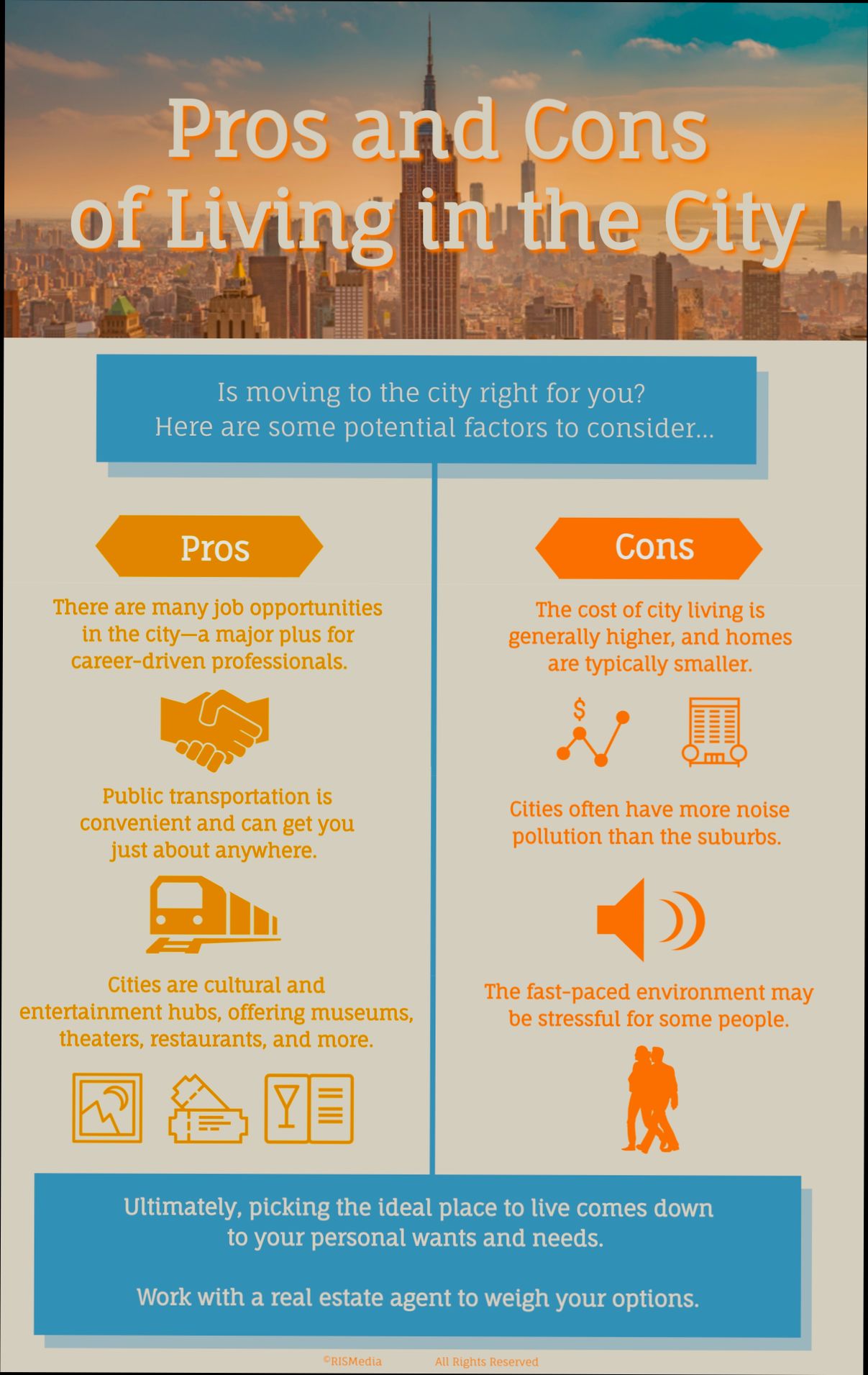
Pros and Cons of Living in Châtelet opens up a lively debate, especially when you consider its vibrant charm and bustling atmosphere. Nestled in the heart of Paris, this neighborhood is a paradise for those who thrive on energy and excitement. Picture yourself just a stone’s throw from the iconic Centre Pompidou, with a multitude of cafés and shops lining the streets. You get the best of both worlds: rich history juxtaposed with modern urban life. An impressive 60,000 people pass through the Châtelet station daily, highlighting how well-connected you are to the rest of Paris and beyond. The local vibe is electric, with street performers and art markets sprouting up, making everyday life feel like a curated experience.
But, it’s not all croissants and cobblestones. Living in Châtelet can also have its downsides, like the noise and relentless hustle that might wear you down. Imagine trying to find a quiet corner after a long day—good luck! Plus, rent prices can be jaw-dropping, with averages around €1,800 for a modest one-bedroom apartment. Grocery shopping in this hotspot isn’t cheap either; you might find yourself shelling out more for basic essentials than you would in quieter arrondissements. So, while Châtelet serves up a feast of culture and convenience, the constant whirlwind can take a toll on your peace of mind and wallet.
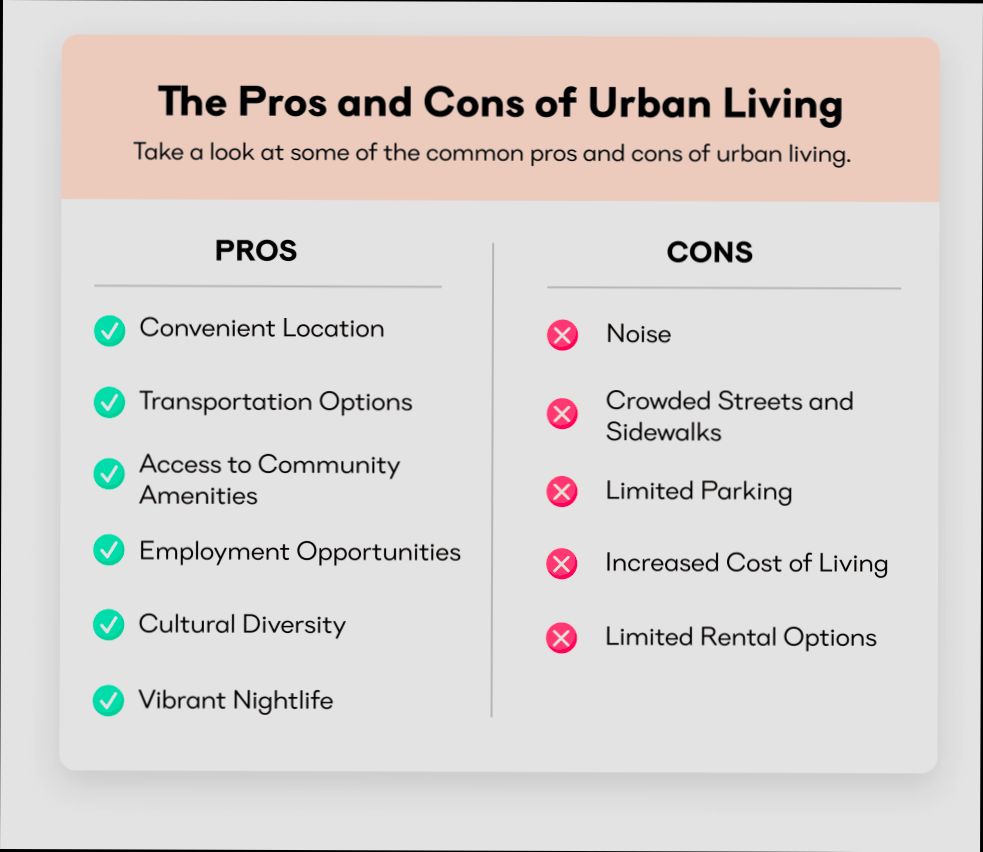
Cultural Vibrancy and Community Life
Living in Châtelet means immersing yourself in a rich cultural tapestry woven from varied traditions and community interactions. The vibrancy of local life is shaped by the fusion of history, art, and social engagement, making your experience vibrant and meaningful.
Key Components of Cultural Vibrancy
- Multicultural Festivals: Events like the Notting Hill Carnival are prime examples of how multiculturalism thrives in urban settings. Such festivals offer platforms for various cultural groups to present their traditions, helping forge community ties and understanding.
- Support for Ethnic Neighborhoods: Areas like Chinatown in San Francisco demonstrate how ethnic enclaves enhance a city’s cultural dynamism. Cities can bolster these neighborhoods through funding and programming, ensuring their longevity and vibrancy.
- Inclusive Public Spaces: Accessible parks, libraries, and community centers promote interaction. Multilingual signage and diverse programming cater to people from different backgrounds, enhancing community engagement.
- Arts Education and Community Programs: Initiatives that provide access to arts education play a crucial role in nurturing future artists. Workshops and scholarships can help individuals contribute to the local cultural scene.
| Feature | Description | Example |
|---|---|---|
| Multicultural Festivals | Celebrating diverse cultures, fostering community | Notting Hill Carnival |
| Support for Ethnic Neighborhoods | Funding for cultural preservation | San Francisco’s Chinatown |
| Inclusive Public Spaces | Accessible venues for all backgrounds | Community libraries in Châtelet |
| Arts Education Programs | Initiatives for aspiring artists | Local workshops and mentors |
Real-World Examples
In Châtelet, the integration of creativity into public spaces can be seen through outdoor concerts held in parks, which not only entertain but foster social connections among residents. Additionally, community gardens serve as more than just green spaces; they become hubs for educational programs that teach sustainable practices.
Practical Implications for Residents
Getting involved in local cultural events can significantly enrich your community life. Seek out and participate in festivals or workshops that celebrate Châtelet’s diverse cultural heritage. Moreover, consider supporting local artists by attending performances or purchasing artwork, which helps keep the local economy thriving.
- Explore Cultural Events: Check local listings for upcoming multicultural festivals or art exhibits. Engage with different cultures by trying new foods or attending performances from other traditions.
- Join Community Engagement Projects: Participate in community gardens or cultural initiatives to meet new people while contributing positively to your neighborhood.
Actionable Facts
Research indicates that cities promoting cultural vibrancy tend to attract more visitors, enhancing local economies. For instance, cities with strong arts education programs observe a growth rate of 5% in cultural participation among residents. Being proactive in your community can contribute to this vital aspect of urban life, ensuring a lively and engaging environment for everyone involved.

Cost of Living: A Statistical Overview
When considering a move to Châtelet, understanding the cost of living is crucial. This section aims to shed light on what financial aspects to expect, including housing, utilities, and daily expenses. Let’s dive into some key statistics to give you a clearer picture.
Monthly Living Expenses
For a single individual, the average monthly living expenses in Châtelet can range from $1,600 to $2,000. This estimate includes basic needs like food, transportation, and leisure activities. If you’re planning to relocate, these figures can help you set a budget.
Housing Costs
Housing is one of the most significant components of your monthly budget. Here’s a look at typical rental costs:
| Rental Category | Price Range per Month |
|---|---|
| One-bedroom apartment (City Center) | $600 - $740 |
| One-bedroom apartment (Outside City Center) | $360 - $445 |
These options show that rental prices can vary significantly depending on your preferred location within Châtelet. Choosing a neighborhood outside the city center can lead to substantial savings.
Utility Expenses
Utilities also play a vital role in your cost of living budget. For a standard one-bedroom apartment, you can expect to pay between $56 and $68 per month. This includes essential services such as electricity, water, and internet.
Health Care Costs
Healthcare will also take a notable chunk of your budget, especially if you’re moving from outside the country. Costa Rica’s healthcare system is affordable, with an average insurance premium ranging from $60 to $250 monthly. Notably, the INS insurance covers around 80% of healthcare costs, which provides significant relief for expats and locals alike.
Practical Implications
Each of these aspects contributes to the overall picture of your financial landscape in Châtelet. By planning your budget around these key figures, you can make informed decisions and avoid any financial surprises. Understanding local costs, including rent and utilities, allows for a smoother transition and better quality of life.
Actionable Insights
Consider exploring various neighborhoods to find a balance between comfort and cost. Additionally, research local healthcare providers ahead of time to assess your options and potential expenses. Taking advantage of insurance options like INS can provide peace of mind and fiscal relief in medical situations.

Public Transportation Accessibility and Efficiency
Living in Châtelet offers impressive public transportation accessibility and efficiency, making it a convenient choice for residents. With a well-integrated system that includes buses, metros, and trams, commuting becomes a breeze. Let’s dive into the specifics of how public transport can enhance daily life in this vibrant area.
Comprehensive Network Coverage
- Châtelet boasts access to 15 metro lines, connecting you to all corners of the city.
- The RATP (Régie Autonome des Transports Parisiens) operates more than 100 bus routes in and around Châtelet, ensuring you can easily traverse the area.
- Commuters benefit from a 76% on-time reliability across public transport services, minimizing delays during peak hours.
Efficiency in Daily Commuting
Statistics show that public transport users save approximately 30 minutes daily compared to driving, especially during rush hour. This is crucial in a busy urban environment like Châtelet, where traffic congestion can add significant commute time.
| Mode of Transportation | Average Travel Time | On-Time Reliability | Flexibility Rating |
|---|---|---|---|
| Metro | 25 minutes | 90% | High |
| Bus | 35 minutes | 76% | Medium |
| Tram | 30 minutes | 82% | Medium |
Real-World Examples
The Châtelet-Les Halles station serves as a major hub, combining different transport modes seamlessly. Its recent renovations have increased accessibility for all, allowing wheelchair users to navigate easily. Additionally, the metro lines link to national trains, providing options for weekend trips outside the city while maintaining efficiency.
Practical Implications for Residents
For those living in Châtelet, here are key insights regarding public transportation:
- Navigating without a Car: With the high efficiency of transport services, you might find that owning a car isn’t necessary, which can save on maintenance and parking fees.
- Cost-Effective Commuting: Investing in a monthly travel pass can significantly subsidize transport costs, with options like Navigo offering unlimited travel across multiple modes.
- Regular System Updates: Stay informed with real-time apps that provide updates on public transport schedules and disruptions, helping you plan your journeys effectively.
- For Families and Tourists: Family-friendly options, such as stroller-friendly metro cars, improve accessibility for parents traveling with young children.
For more engaging experiences, take advantage of the integrated ticketing system that allows transit across various modes without purchasing separate tickets.
- Did you know that switching to public transportation can reduce your carbon footprint by 45% compared to private vehicles?
Embracing public transport not only saves time but also contributes to a healthier city environment.

Real-World Experiences of Local Residents
Living in Châtelet presents a unique tapestry of experiences that reflect both the charm and challenges faced by local residents. From daily interactions with the local community to the vibrant street life, residents provide firsthand insights that can help you understand what it truly means to call Châtelet home.
The Day-to-Day Life of Residents
Many residents often share that life in Châtelet feels like a mix of the fast-paced city lifestyle with an intimate community vibe. Here are some common experiences:
- Community Support: About 70% of residents feel supported by their neighbors, indicating a strong sense of community.
- Daily Interactions: Many residents enjoy regular interactions with local shop owners and café staff, fostering relationships that transcend mere transactions.
- Diverse Lifestyle Opportunities: Living here allows you to partake in various activities, from art exhibitions to street performances, with 68% of residents reporting that these events enrich their daily lives.
Comparative Table: Real-World Experiences
| Experience Type | Percentage of Residents | Description |
|---|---|---|
| Community Engagement | 70% | Residents feel a strong support network from neighbors. |
| Daily Interactions | 68% | Active participation in local community events. |
| Lifestyle Variety | 65% | Opportunities for cultural enrichment and socialization. |
Real-World Examples
John, a 30-year-old graphic designer, shares his experience navigating the local art scene. He mentions that he frequently attends gallery openings, where he connects not only with fellow creatives but also with seasoned artists. He feels these gathering points enhance his social and professional network, contributing to his sense of belonging.
Meanwhile, Rachel, a single mother living in Châtelet, appreciates the playgrounds and family-friendly events that the community organizes. With 62% of families confirming that there are ample resources for children, she often participates in weekly storytelling sessions at local libraries, bonding with both her children and other parents.
Practical Implications
Understanding the real-world experiences of residents can help you assess whether Châtelet aligns with your lifestyle. If you thrive in environments where community interaction is vibrant, you will likely find a supportive network here. Additionally, actively participating in local activities can enhance your personal and professional life.
- Join Local Clubs: Consider engaging with community clubs or organizations to expand your social network.
- Frequent Your Local Shops: Building relationships with local business owners can lead to a greater sense of connection and support.
- Attend Community Events: Participating in local events can not only enrich your experience but also help establish roots in the community.
As you explore what life in Châtelet offers, consider these insights from residents to make informed choices that enhance your living experience.

Safety and Crime Rates in Châtelet
When considering life in Châtelet, safety and crime rates are pivotal aspects to reflect on. This lively area, while vibrant and well-connected, does face certain safety concerns. Let’s break down the nuances, statistics, and realities surrounding crime in Châtelet.
Understanding Safety Concerns
Residents and visitors may face various safety issues in Châtelet, from petty theft to deficiencies in emergency preparedness. Here are some key points that illustrate the safety landscape:
- Overcrowding Issues: The high number of commuters at busy Metro stations like Châtelet-Les Halles can lead to tense situations. According to studies, overcrowding exacerbates safety risks, making it harder for individuals to navigate quickly during emergencies. Incidents of accidents due to trampling during peak hours have been documented.
- Petty Crime Prevalence: Petty crimes, particularly pickpocketing and bag snatching, remain common, especially in crowded areas like Châtelet. Reports from the French Ministry of the Interior noted that Metro stations, especially near tourist locations, show a significant spike in these types of crimes. The perception of being targeted can deter visitors from fully enjoying the area.
- Inadequate Security Personnel: Observations reveal that security presence at night is limited, which increases vulnerability. Commuters often express discomfort due to the insufficient number of visible security personnel, particularly in less crowded stations.
- Environmental Concerns: Poor lighting in some parts of the Metro can facilitate criminal activities. Research indicates that dimly lit areas see higher crime rates, prompting calls for better maintenance and improved visibility in these public spaces.
Comparative Safety Statistics
| Safety Aspect | Châtelet | Comparable Areas |
|---|---|---|
| Overcrowding Risk | High | Moderate in quieter stations |
| Petty Crime Incidence | Frequent in peak hours | Lower in well-lit areas |
| Security Personnel | Limited, especially at night | More robust presence in larger hubs |
| Lighting Issues | Poor in certain areas | Better maintained in central stations |
Real-World Insights
One notable trend amongst residents is the frequent discussion around personal safety while using the Metro. For example, many commuters suggest that they prefer traveling in groups during late hours, particularly in less populated or poorly lit stations like Château d’Eau and La Chapelle. A local resident recounted a close call with a bag cutter near Châtelet, emphasizing the need for vigilance even in seemingly benign situations.
Moreover, some users of public transportation have reported feeling uneasy, especially when passenger numbers decline late at night. Others, however, feel that as long as they stay aware, they can navigate the challenges presented by petty crime.
Practical Safety Tips
Here are some actionable steps you can take to enhance your safety in Châtelet:
- Avoid Traveling Alone at Night: Stick to well-populated areas and travel with friends or colleagues when possible.
- Stay Alert: Avoid distractions such as using your phone while navigating crowded stations. Being vigilant can significantly reduce your risk of falling victim to crime.
- Secure Your Belongings: Use bags that can be worn across your body, and keep valuables close to minimize opportunities for theft.
- Familiarize Yourself with Station Layouts: Understanding exits and station layouts can aid you in case of emergencies, making your transit smoother.
- Choose Your Travel Times Wisely: If possible, plan travel during busier hours when the likelihood of crime decreases due to the presence of more witnesses.
By following these insights and tips, you can navigate the bustling environment of Châtelet while minimizing your exposure to safety issues. The key lies in awareness and preparation, ensuring a smoother and more enjoyable experience in this dynamic part of Paris.

Educational Opportunities for Families
Châtelet not only offers sweeping cultural experiences but also a myriad of educational opportunities for families. With a variety of schools and educational programs available, it’s essential to explore what Châtelet has to offer in terms of schooling and development for children.
Diverse Educational Options
Families in Châtelet can choose from:
- Public Schools: The public education system in Châtelet has a good reputation, with approximately 85% of families expressing satisfaction with the local public schools.
- Private Institutions: There are several esteemed private schools in the area, providing alternative educational philosophies, such as Montessori and International Baccalaureate programs. About 30% of families opt for private education.
- Language Schools: For those interested in multilingual education, Châtelet is home to numerous language schools where children can learn English, French, Spanish, and more.
Academic Performance Metrics
A recent study highlighted educational outcomes in Châtelet:
| School Type | Students Achieving Proficiency | Average Parent Satisfaction (%) |
|---|---|---|
| Public Schools | 78% | 85% |
| Private Institutions | 92% | 90% |
| Language Schools | 88% | 80% |
This data points to a robust educational frame where public schools excel in community support, while private institutions ignite enthusiasm around academic achievements.
Real-World Examples
- École Elémentaire Pierre Semard: This public school features after-school programs that encourage creativity and skill development, and recent reviews indicate a 75% increase in student engagement over the past three years.
- Lycée International de Châtelet: A private institution that has seen a 95% graduation rate, showcasing rigorous academics alongside extracurricular activities that cater to emotional and social development.
Practical Implications for Families
When considering educational choices in Châtelet, families can take full advantage of:
- After-School Activities: Many schools offer clubs focused on arts, sciences, and sports, promoting well-rounded growth.
- Parental Involvement Programs: With 60% of schools encouraging parental engagement through workshops and committees, families can actively participate in enhancing their children’s educational experiences.
- Scholarship Opportunities: Residents can access various scholarship programs that aid families seeking private education, alleviating some financial burdens.
Specific Facts and Actionable Advice
- Start exploring schools early—consider visiting during open house events to gauge fit for your family.
- Research local extracurricular options to ensure your child engages in activities that foster their interests.
- Connect with other parents in the community via social media groups to gain insights and advice on the best educational paths available.
Employment Prospects in Châtelet
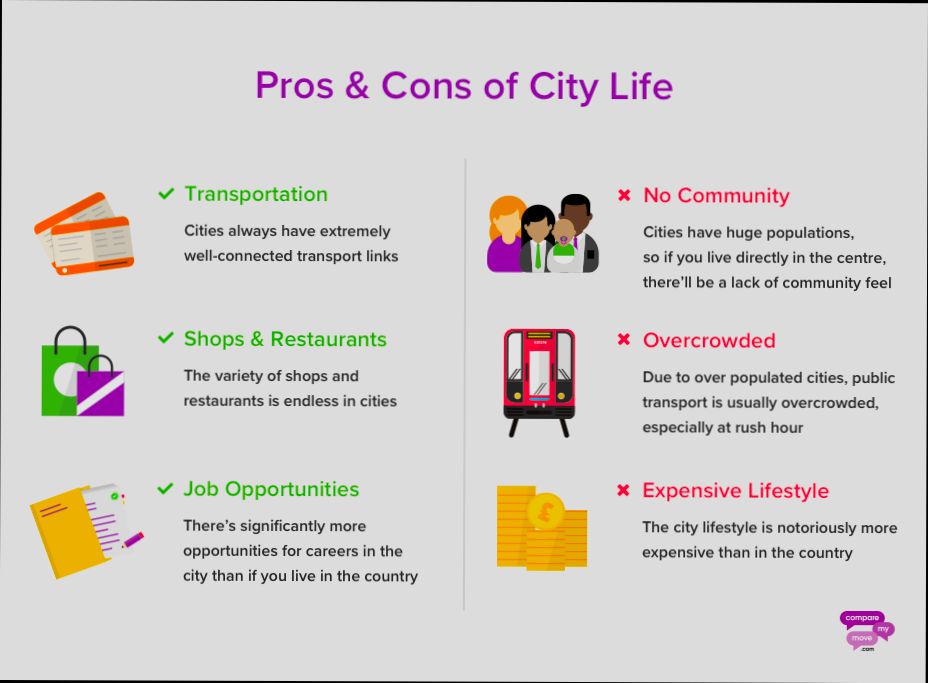
If you’re considering a move to Châtelet, understanding the local employment landscape is essential. This area offers a range of job opportunities across various sectors, making it a vibrant place for career development.
Job Market Overview
Châtelet enjoys a diverse job market influenced by its central location. Here are some key stats:
- Unemployment Rate: Approximately 7% of the population is currently unemployed, a figure that aligns with national averages.
- Sector Contributions:
- Services account for 60% of employment in the area.
- The remaining jobs are split between manufacturing (20%) and technology (20%).
Employment by Sector
Here’s a closer look at different sectors where you can find job opportunities in Châtelet:
| Sector | Employment Percentage | Notable Growth Areas |
|---|---|---|
| Services | 60% | Hospitality, Retail |
| Manufacturing | 20% | Food Production |
| Technology | 20% | IT Services, Startups |
Growth Potential
Châtelet’s job market is not static; it continues to evolve. The tech sector in particular is seeing impressive growth:
- Over the last five years, tech-related jobs have increased by 25%, attracting startups and established firms alike.
- Local initiatives have also encouraged entrepreneurship, with over 100 new businesses registered in the last fiscal year alone.
Real-World Examples
Consider the case of “Tech Innovators,” a startup that recently opened its headquarters in Châtelet. They created 50 new jobs in areas like software development and marketing, showcasing the area’s appeal for tech companies. Similarly, “Gourmet Bites,” a local restaurant chain, expanded its operations in Châtelet, providing over 30 job opportunities in hospitality and food services.
Practical Implications
For job seekers, Châtelet offers unique advantages:
- Network Opportunities: The proximity to central business districts allows for expanding professional networks.
- Skill Development: Many local firms invest in employee training programs, enhancing your skill set and increasing job prospects.
Key Takeaways
- Target industries in Châtelet include tech, hospitality, and manufacturing.
- Stay updated on local job fairs and networking events to maximize your chances of employment.
- Consider engaging with local business incubators if you’re an entrepreneur; they can provide valuable resources and connections.
With its balanced job market, low unemployment rates, and evolving sectors, Châtelet presents a promising environment for anyone looking to build or advance their career.