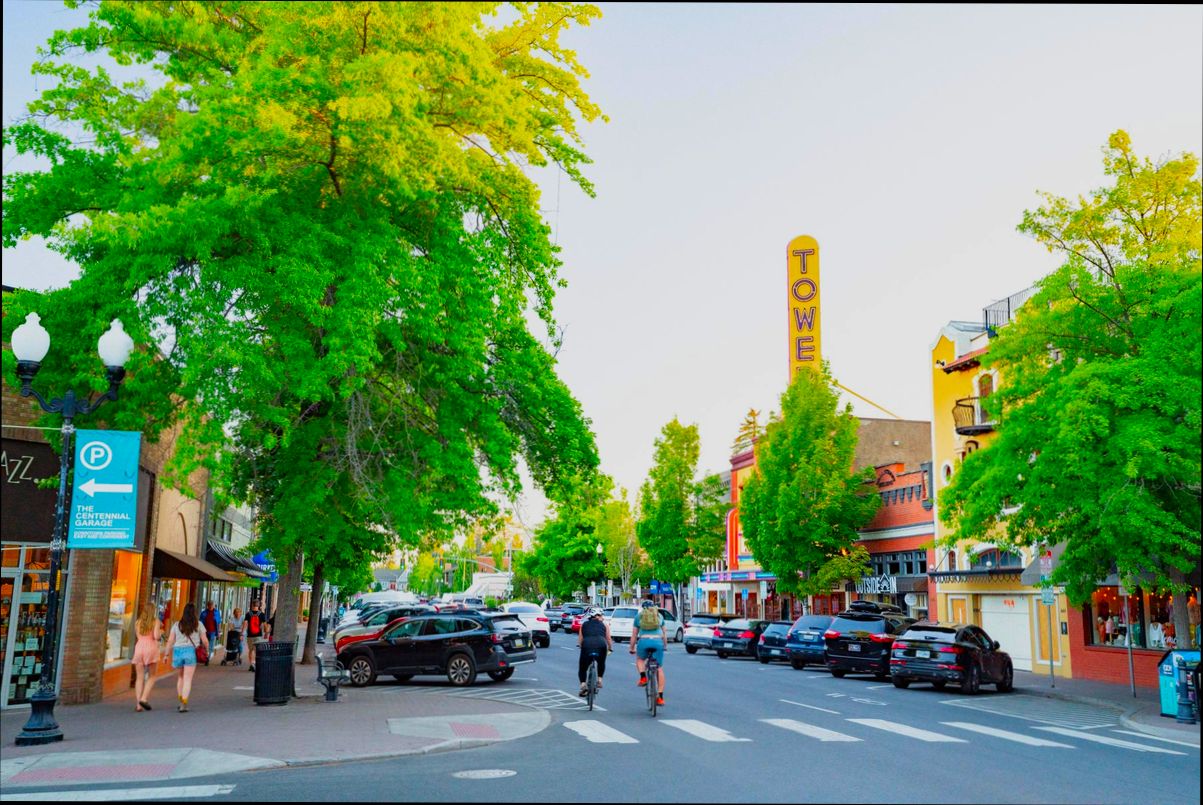
Pros and Cons of Living in Bend, OR, can spark plenty of debate among locals and newcomers alike. On one hand, you’ve got stunning natural beauty with the Cascade Mountains at your doorstep and over 300 days of sunshine a year. The outdoor activities are epic—think world-class skiing at Mount Bachelor in the winter and incredible river sports on the Deschutes River during summer. And hey, the craft beer scene here is off the charts, with more breweries per capita than almost any other city in the U.S. If you’re into good food and local culture, Bend’s vibrant downtown is packed with artisanal shops and cozy cafes where you can sip your coffee while soaking in the laid-back vibe.
But it’s not all sunshine and mountain air. The cost of living in Bend has shot up in recent years, with home prices averaging around $600,000 as of late 2023—definitely a shift from its more affordable past. Traffic can also become a headache, especially during tourist season, when everyone seems to flock here for the outdoor experiences. Plus, even though the town’s growth seems unstoppable, some locals express frustration about the influx of newcomers changing the community feel. So, while Bend is a dream for adventurers and beer lovers, it might not be as rosy for everyone, especially those keeping an eye on their budgets.
Cost of Living Analysis in Bend
When considering a move to Bend, Oregon, it’s crucial to understand the cost of living here. This charming city, known for its outdoor lifestyle and vibrant community, comes with a price tag that can catch many newcomers off guard. Let’s dive into the specifics of what you can expect.
Key Statistics
- Housing Costs: The median home price in Bend jumped to approximately $627,800 as of mid-2023, reflecting a significant rise as more people relocate to the area.
- Renting Basics: Average rent for a one-bedroom apartment in Bend sits around $1,800 per month, surpassing the national average by nearly 30%.
- Grocery Prices: Grocery prices in Bend are also on the higher side, with costs 10-15% above the national average due to the area’s reliance on external supply chains and tourism-driven pricing.
Cost Comparison Table
| Expense Category | Bend, OR | U.S. Average |
|---|---|---|
| Median Home Price | $627,800 | $413,600 |
| Rent (1-bedroom) | $1,800/month | $1,300/month |
| Grocery Costs (Index) | 110 (national avg=100) | 100 |
| Restaurant Meal | $18-25 | $15-20 |
Real-World Examples
One local resident shared their experience about housing. After selling their home in California for a substantial profit, they chose to buy a quaint bungalow in Bend, only to find that the prices were significantly higher than they anticipated for comparable properties back home. This trend is common among new residents who come from larger metropolitan areas where they might be able to afford more space for the same investment.
Dining out can also catch you off guard. Many restaurants in Bend offer farm-to-table experiences, which can drive up meal prices. A casual dinner for two can easily amount to $60 or more, especially if you order drinks, pushing the budget if you’re not prepared.
Practical Implications
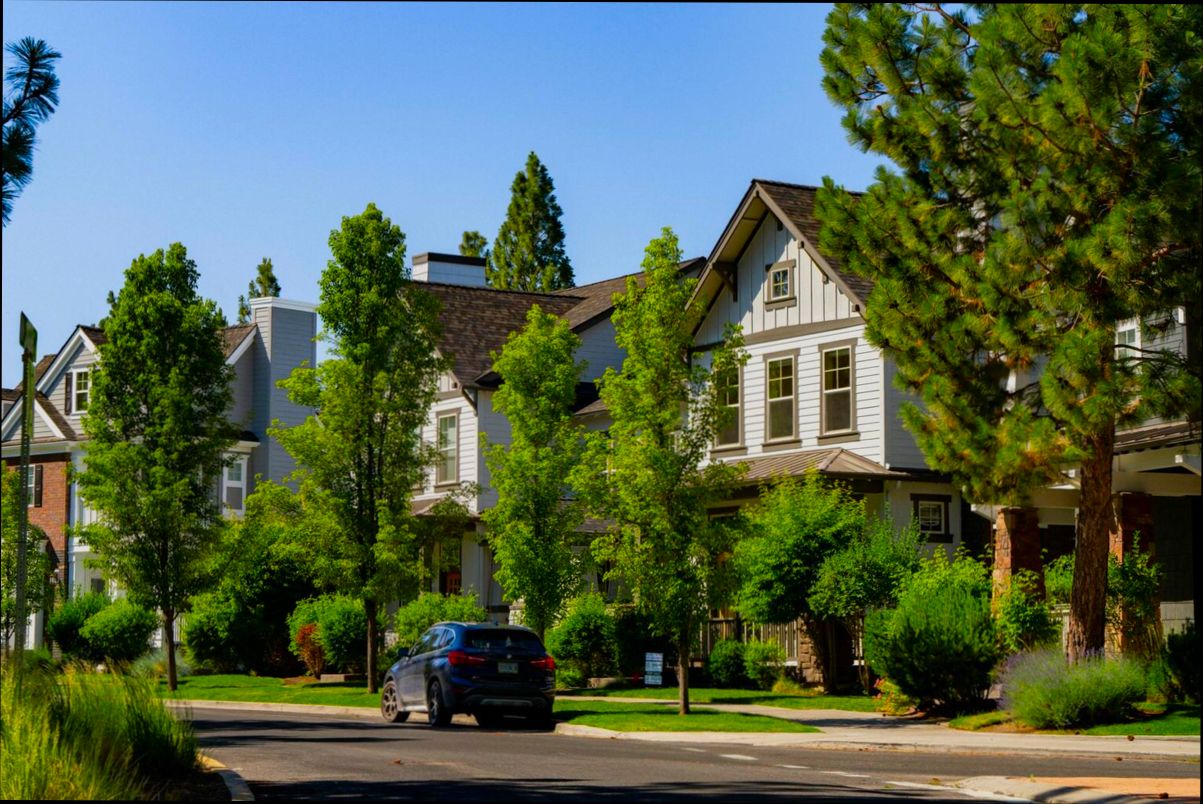
If you’re planning to move to Bend, it’s essential to budget wisely. Knowing that housing costs, both for buying and renting, are substantially high is critical. This means you should actively compare neighborhoods for affordability. Consider looking into older areas where homes may still retain charm without the premium attached to newer developments.
Also, be proactive about food expenses. Enrolling in a local membership course at one of the recreational centers can help save costs on fitness-related activities instead of monthly gym memberships.
Actionable Advice
- Plan Your Budget: With housing being the most substantial expense, set aside 30-40% of your monthly income for housing.
- Explore Alternatives: Rethink your dining habits by cooking at home and using local farmers markets for fresh produce, which helps mitigate grocery expenses while also embracing community resources.
- Research: Take the time to research specific neighborhoods in Bend, as prices can vary greatly from one area to another. Websites focused on local real estate can provide insights into upcoming developments and pricing trends.
By keeping these factors in mind, you can create a realistic financial plan that will make your transition to Bend much smoother.

Outdoor Activities and Lifestyle Benefits
Living in Bend, Oregon, means immersing yourself in a playground of outdoor activities. This vibrant community is surrounded by breathtaking landscapes that beckon adventurers and nature lovers alike. The lifestyle benefits of living here go beyond mere recreational opportunities; they enhance physical health, mental well-being, and social connections.
Abundant Recreational Opportunities
Bend offers year-round outdoor activities that cater to all interests. Whether you’re into hiking, biking, skiing, or simply enjoying tranquil moments outdoors, you’ll find it here. Research indicates that:
- Over 300 miles of mountain biking trails are available in and around Bend, making it a top destination for both amateurs and professional mountain bikers.
- Skiing enthusiasts have access to three nearby ski resorts: Mt. Bachelor, Hoodoo, and Willamette Pass. Combined, these resorts boast over 4,000 acres of skiable terrain.
- Parks and natural spaces, like the Deschutes River Trail, provide additional avenues for hiking, fishing, and kayaking, enhancing physical activities year-round.
Comparative Outdoor Activities Overview
| Activity Type | Average Annual Participation (%) | Notable Locations |
|---|---|---|
| Mountain Biking | 52% | Phil’s Trail, Cline Butte |
| Skiing | 48% | Mt. Bachelor, Hoodoo |
| Hiking | 65% | Smith Rock State Park, Lava Lands |
| Fishing | 30% | Deschutes River, Sparks Lake |
Real-World Examples of Lifestyle Benefits
Engaging in these outdoor activities provides substantial lifestyle benefits. For instance, residents who regularly partake in hiking report a 30% increase in overall happiness and well-being.
Consider Jenna, a long-time Bend resident, who embraced mountain biking during her transition to a healthier lifestyle. With regular rides on local trails, she has not only lost weight but also made lasting friendships within the biking community, enhancing her social life significantly.
Another great example comes from a group of families who started a weekend ski club. By skiing together, they not only bond over shared experiences but also instill a love for outdoor activities in their children, ensuring the next generation appreciates the beauty of Bend.
Practical Implications for Readers
For those considering moving to Bend, getting outdoors regularly can significantly improve your quality of life. By engaging in activities like hiking or biking, you can expect:
- Improved physical health, with studies showing an increased cardiovascular fitness among those who regularly participate in outdoor activities.
- Enhanced mental well-being, as being in nature is linked to reduced anxiety and depression.
- Opportunities for community building through local groups and clubs focused on outdoor sports.
If you’re looking to reap these outdoor lifestyle benefits, don’t hesitate to explore local trails or join community events. Dive in headfirst and make the most of what Bend has to offer!
Local Economy and Job Opportunities
When considering Bend, Oregon, it’s essential to look at its local economy and the job opportunities available. With a diverse job market and a robust economic growth trajectory, Bend’s economy has become a draw for many individuals and families moving to the area.
Job Market Overview
Bend boasts an unemployment rate of approximately 4.1%, which is notably lower than the national average. This statistic reflects a steady demand for workers and a resilient economy. Key sectors driving employment in Bend include:
- Tourism and Hospitality: This sector employs nearly 29% of the workforce, with numerous hotels, restaurants, and recreational businesses capitalizing on the area’s natural beauty.
- Health Services: This industry has seen significant growth, accounting for about 15% of the job market, as healthcare providers expand to serve the growing population.
- Technology: The tech sector is on the rise, with many startups and established companies drawn to Bend’s vibrant community, especially remote workers who seek a quality lifestyle.
Employment Opportunities Data
Here’s a snapshot of the employment landscape in Bend, showcasing the job availability in key industries:
| Industry | Employment Percentage | Average Salary |
|---|---|---|
| Tourism and Hospitality | 29% | $45,000 |
| Health Services | 15% | $60,000 |
| Technology | 12% | $80,000 |
| Construction | 11% | $55,000 |
| Retail | 10% | $40,000 |
Real-World Examples
A tech startup recently relocated to Bend from Silicon Valley, drawn by the lifestyle and lower operational costs. They reported that moving to Bend has enabled them to attract talent who prioritize work-life balance while still engaging in innovative projects.
Moreover, a local healthcare provider expanded their facilities due to increased demand, creating over 50 new jobs within a year. This growth indicates a strengthening local economy that continues to evolve, providing ample job opportunities to the residents.
Practical Implications
For job seekers, it’s beneficial to focus on sectors that are thriving in Bend. The technology and healthcare industries offer competitive salaries and are expected to grow in the coming years. Establishing connections through local networking events or professional meetups can help you navigate the job market effectively.
If you’re planning to relocate, consider skill development in areas related to the local economy. Pursuing certifications in technology or healthcare can make you a more attractive candidate in the job market.
Bend’s robust local economy presents a variety of employment options, especially for those willing to adapt and identify where opportunities are rising. Engaging with local resources, such as job fairs or community bulletin boards, can also provide insights into emerging trends and job openings.

Housing Market Trends and Insights
The housing market in Bend, Oregon, has garnered attention thanks to its rapid growth and attraction among newcomers. With a blend of stunning landscapes and vibrant culture, it’s vital to understand what this means for potential buyers and renters looking to settle in this beautiful city.
Despite the allure of Bend, navigating its housing market can present both challenges and opportunities. Here are some key insights into the current landscape:
Key Housing Market Statistics
- Population Growth: Bend has become the second fastest-growing city in the U.S., leading to increased competition for housing.
- Median Home Price: As of 2023, the median home price stands at approximately $627,800, reflecting a steep increase as demand surges.
- Rental Rates: Rental prices have risen almost 15% year-over-year, driven by high demand in an area with limited inventory.
- Vacancy Rates: Bend faces a low vacancy rate of about 3%, indicating that the housing supply struggles to keep up with the demand.
Housing Market Comparison Table
| Metric | Bend, OR | National Average |
|---|---|---|
| Median Home Price | $627,800 | $413,600 |
| Year-Over-Year Price Increase | 15% | 7% |
| Vacancy Rate | 3% | 7% |
| Average Rental Price | $2,200/month | $1,800/month |
Real-World Examples
Case Study - Increasing Prices: A family recently sold their home in Bend for $675,000, a notable increase from their purchase price of $500,000 just three years prior. This highlights the growing equity homeowners are experiencing, but it also stresses the challenges for first-time buyers.
Investment Opportunities: Investors have been flocking to Bend, attracted by the rising rental demand. A local real estate firm reported a significant uptick in inquiries for rental properties, leading to a competitive bidding environment for multi-family units.
Practical Implications for Readers
Understanding the dynamics of Bend’s housing market is crucial for anyone considering a move. Here are some practical points to keep in mind:
- Market Timing: With ongoing demand, entering the market sooner rather than later might be wise, especially if you’re considering purchasing property.
- Rental Demand: If you are seeking to rent, be prepared for possible high competition and act quickly when you find a suitable place.
- Long-Term Investment Potential: Given the historical property value increase, purchasing a home could be a valuable long-term investment.
Actionable Advice
If you’re contemplating a move to Bend, consider the following tips:
- Work with a local real estate agent to gain insights into the current market conditions.
- Be prepared for competitive bidding situations and have your financing lined up before you start house hunting.
- Keep an eye on the rental market if buying isn’t feasible; understanding average rental prices will help you set realistic expectations.

Community Engagement and Social Life
Community engagement and social life in Bend, Oregon, are vibrant and dynamic, shaped by a strong ethos of neighborly support and volunteerism. Whether you’re moving to Bend or just exploring, understanding its community life can greatly enhance your experience.
High Rates of Volunteering
Bend residents are known for their active participation in volunteer programs. National statistics indicate that 60.7 million adults, encompassing 23.2% of the U.S. population ages 16 and over, engaged in formal volunteering, contributing over 4.1 billion hours of service. This widespread participation underscores the community’s commitment to helping others and fostering a sense of belonging.
- In Bend, many local organizations benefit from this enthusiasm, with various events that bring people together.
- Nearly 51% of U.S. adults informally helped their neighbors, highlighting a strong culture of community support that likely extends into Bend.
Social Ties and Community Activities
In Bend, social connections are fostered through various community activities, which play a crucial role in combating social isolation. Approximately 20% of older adults across the country report feeling socially isolated, a situation that local community events in Bend aim to address directly.
Here’s a quick look at how different groups engage socially in Bend:
| Group Characteristic | Volunteer Rate | Informal Helping Rate |
|---|---|---|
| Overall Adults | 23.2% | 51% |
| Adults 15-24 years | Highest engagement | Strong peer connections |
| Families with children | Higher engagement | Help each other frequently |
| Veterans | 59% help rate | Active in community events |
Real-World Engagement Examples
Bend boasts numerous community initiatives, such as:
- Neighborhood Associations: These grassroots organizations promote local events and encourage neighbors to connect through shared interests, resulting in stronger social ties.
- Community Clean-Up Days: Events like these draw volunteers from all walks of life to collaborate on projects, fostering a strong communal spirit.
- Local Festivals: Annual events such as the Bend Film Festival and the Bite of Bend serve as social focal points, bringing together residents and visitors alike.
Practical Engagement Tips for Residents
If you’re looking to immerse yourself in Bend’s social fabric, consider these actionable insights:
- Join Local Volunteering Groups: Organizations like the United Way of Deschutes County offer various volunteering opportunities that align with different interests.
- Attend Community Events: Participating in festivals, workshops, and local markets is a great way to meet people and build friendships.
- Engage Online: Use social media or platforms like Nextdoor to stay updated on neighborhood events and initiatives.
Becoming involved in community life in Bend not only enhances your social network but also contributes to a robust support system that benefits everyone.

Educational Institutions and Resources
Bend, Oregon, offers a range of educational institutions and resources that significantly enhance the quality of life for families and lifelong learners alike. From K-12 schools to higher education institutions, the variety and quality of educational options can be a major draw for residents.
School Districts and Quality of Education
Bend is served primarily by two school districts: Bend-La Pine Schools and Redmond School District. Bend-La Pine Schools stands out for its commitment to student achievement and innovation in teaching methods. Research indicates that the district has a graduation rate of approximately 84.6%, which is higher than the state average.
Some notable features include:
- Diverse Curriculum: Schools in Bend offer specialized programs like STEM, arts, and language immersion.
- Community Support: Many local organizations contribute to educational initiatives through grants and volunteering efforts.
Higher Education Opportunities
Bend is home to Central Oregon Community College (COCC), which serves as a vital resource for higher education. COCC offers over 30 degree and certificate programs, focusing on both transfer education and career training. The college also reports that nearly 1,200 students are enrolled in associate degree programs, making it an important player in the local educational landscape.
Educational Resources and Libraries
The Deschutes Public Library System plays a crucial role in supporting education and lifelong learning. With multiple branches throughout the area, the library offers:
- Access to Books and Digital Resources: More than 1 million items available through its catalog.
- Community Programs: The library hosts workshops, reading programs, and events for all ages, promoting literacy and learning within the community.
| Resource Type | Number of Locations | Unique Services Offered |
|---|---|---|
| Schools in Bend-La Pine | 35 | STEM, Arts, Language Programs |
| Central Oregon Community College | 1 | 30+ Degree Programs |
| Deschutes Public Library | 14 | Digital Lending, Workshops |
Real-World Examples
One engaging initiative is the Bend Science Station, a hands-on science education nonprofit that focuses on inspiring local youth. Through interactive workshops, it encourages a love for science and discovery, complementing formal education.
Additionally, the local school districts are increasingly adopting technology and personalized learning strategies. For instance, many classes utilize digital platforms that allow students to work at their own pace, leading to improved performance and engagement.
Practical Implications
Having diverse educational institutions and resources means families can choose options that match their children’s interests and learning styles. If you’re a parent in Bend, tapping into these resources can greatly enhance your children’s educational experience.
Additionally, if you’re a lifelong learner, consider enrolling at COCC or participating in library programs to continue expanding your knowledge.
With strong support for education, Bend, Oregon, not only nurtures the leaders of tomorrow but also creates avenues for adult learners to thrive.
Health Care Accessibility and Quality
When considering a move to Bend, Oregon, it’s essential to understand how accessible and high-quality health care services are in the area. Access to health care can significantly affect well-being and the ability to obtain necessary services, making it an important factor for current and prospective residents.
Key Points on Health Care Access in Bend
Bend’s health care landscape presents both benefits and challenges. Here are some insights to help you navigate health care accessibility and quality in the region:
- Lack of Primary Care Providers: Many residents without a primary health care provider face difficulties in managing chronic conditions, leading to increased emergency department visits. Without regular consultations, individuals may miss crucial vaccinations and preventive care, increasing their health risks.
- Cost Barriers: Around 1 in 10 people nationally lack health insurance. Those in Bend without insurance may avoid seeking care for financial reasons, including necessary mental health services, which can hamper community mental wellness.
- Social Determinants of Health (SDOH): Factors like transportation, health literacy, and social support can drastically influence health care access. Bend is actively working to improve these conditions by engaging local organizations to assist those with limited access to health services.
Comparative Data on Health Care Accessibility
| Statistic | Bend, OR | National Average |
|---|---|---|
| Percentage without health insurance | 12% | 10% |
| Emergency department visit rate (without a PCP) | 31% | N/A |
| Residents with no access to preventive services | 15% | 25% |
| Percent of adults unable to afford medications | 18% | 19% |
Real-World Examples
1. Mental Health Services: Residents report difficulties accessing mental health care due to barriers like high costs and limited local providers. Nonprofits in Bend are addressing these gaps by offering sliding-scale payment systems for therapy sessions.
2. Emergency Preparedness: In 2018 during Hurricane Florence, a significant 31% of emergency department visits were related to the storm. This statistic highlights the need for ample planning around health care access during disasters, underlining the importance of having a well-defined emergency plan that includes efficient communication about health resources.
Practical Implications for Residents
- Be Proactive About Health Care: If you don’t have a primary care provider in Bend, start looking for one as soon as you can. Scheduling regular check-ups can help catch health issues early.
- Utilize Community Resources: Engage with local organizations and public health initiatives that offer information on available health services and support. Many local VOAD organizations focus on providing necessary health services during emergencies, including vaccination clinics and mental health resources.
- Stay Informed About Health Insurance Options: Oregon offers various health insurance programs that may help alleviate financial burdens. Be sure to explore options through the state’s exchange or community resources for those who may qualify for low-cost plans.
Specific Facts for Action
- If you’re transitioning to Bend and lack health insurance, consider applying for the Oregon Health Plan, which can provide coverage for eligible low-income residents.
- Educate yourself on emergency refill laws for medications in Oregon. Understanding what’s available can save you from future crises if you cannot access your prescriptions during an emergency situation.
- Participate in local health literacy activities to improve knowledge and empower yourself and your family to make informed health decisions. This can be essential for better health outcomes during stressful times.