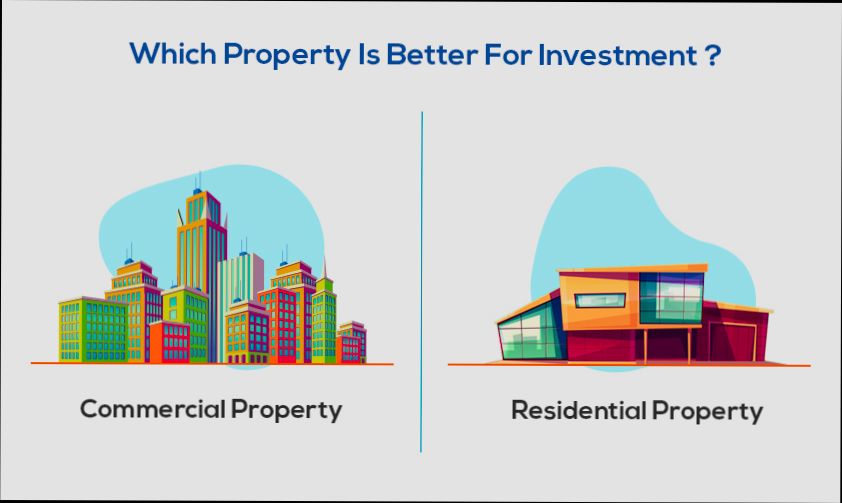
Is It Better to Invest in Residential vs Commercial Properties? It’s a question that sparks lively debates among real estate enthusiasts and seasoned investors alike. Picture this: in 2021, the average return on residential properties was around 8-12%, while commercial properties like office spaces and retail units often pulled in returns closer to 6-10%, depending on the market. If you’re diving into the deep end of investing, choosing the right path could mean the difference between sipping piña coladas on a sandy beach or scrambling last-minute to cover those mortgage payments.
Let’s say you decide to go residential. Buying a single-family home to rent out could yield steady monthly cash flow, especially if you snag a property in a desirable neighborhood. On the flip side, think about commercial real estate: you could lease a storefront to a bustling cafe, potentially raking in higher rents, but don’t forget the risk of longer vacancies. With residential properties often showing less volatility, the choice really boils down to your risk tolerance and investment goals. Are you in it for the stable income, or are you chasing higher profits with a willingness to weather the rough patches?
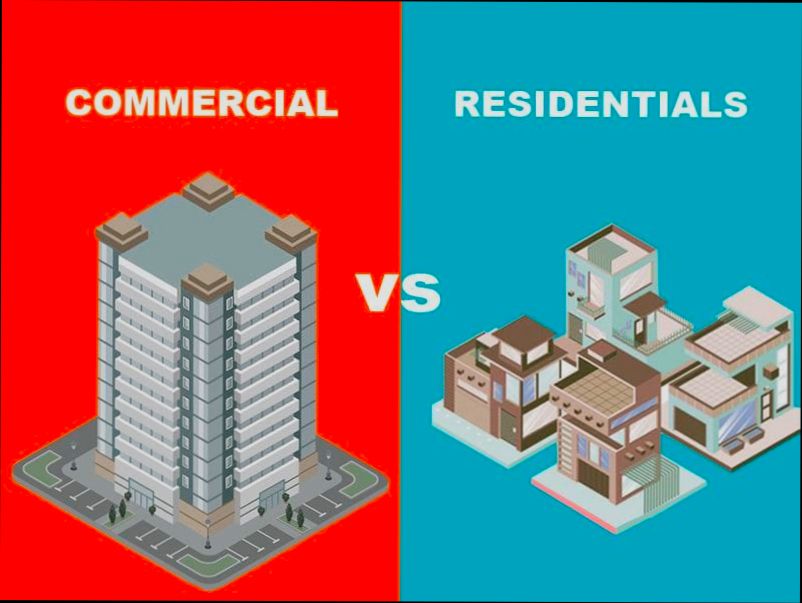
Comparing Risk Factors in Property Investment
In the realm of property investment, understanding the different risk factors is essential for making informed decisions. When we compare residential and commercial properties, each type has unique risks that can affect your investment’s performance. Let’s dig into these risk factors to help you better evaluate your options.
Key Risk Factors to Consider
- Market Risk: This risk involves fluctuations in property values driven by economic changes. Residential properties often show more stability, while commercial properties may experience sharp declines during economic downturns.
- Location Risk: Properties in sought-after areas usually enjoy better appreciation and demand. Conducting thorough research on market trends can significantly mitigate this risk. Did you know that properties in metropolitan areas tend to appreciate faster, with rates up to 7% per year compared to rural properties?
- Tenant Risk: In residential investments, you often have more tenants, which can dilute the impact of one tenant’s departure. On the other hand, commercial properties usually have fewer tenants, so losing one can dramatically affect cash flow.
- Management Risk: This risk is more pronounced in commercial real estate, where property management may require specialized knowledge or experience. Proper management can lead to higher returns.
Comparative Risk Factors Table
| Risk Factor | Residential Properties | Commercial Properties |
|---|---|---|
| Market Risk | Generally stable with moderate fluctuations | Highly sensitive to economic changes |
| Location Risk | Demand-driven with less volatility | Strongly tied to local business performance |
| Tenant Risk | More tenants dilute risk | Fewer tenants amplify risk |
| Management Risk | Easier to manage, less specialization required | Requires specialized skills and resources |
| Liquidity Risk | More liquid; easier to sell | Less liquid; longer sales cycle |
Real-World Examples of Risk Factors
Consider a case study of a multifamily residential property purchased in a high-demand area. The owner experienced lower vacancy rates and steady cash flow, even during economic fluctuations. In contrast, a commercial warehouse in a declining industrial area faced a significant downturn in both occupancy and value, illustrating location and tenant risks.
In another example, an investor who purchased a commercial retail space struggled with high tenant turnover. This led to additional costs and management headaches, showcasing the management risk involved with commercial properties.
Practical Implications for Investors
When comparing risk factors, investors should look at the mitigation strategies. Diversifying your portfolio across different property types can help reduce overall risk. Investing in residential properties with a strong tenant base can provide more stable income, while commercial investments can offer higher returns but come with increased risks.
I recommend you conduct comprehensive due diligence before making any investments. Research local markets, assess tenant demand, and evaluate your own capacity for property management. This groundwork can help you navigate the complexities of property investment with greater confidence.
To enhance your investment strategy:
- Invest in properties that serve essential needs, such as affordable housing.
- Develop connections with local real estate experts to get insights on market trends.
- Stay alert to potential changes in local zoning laws that could affect your investment.
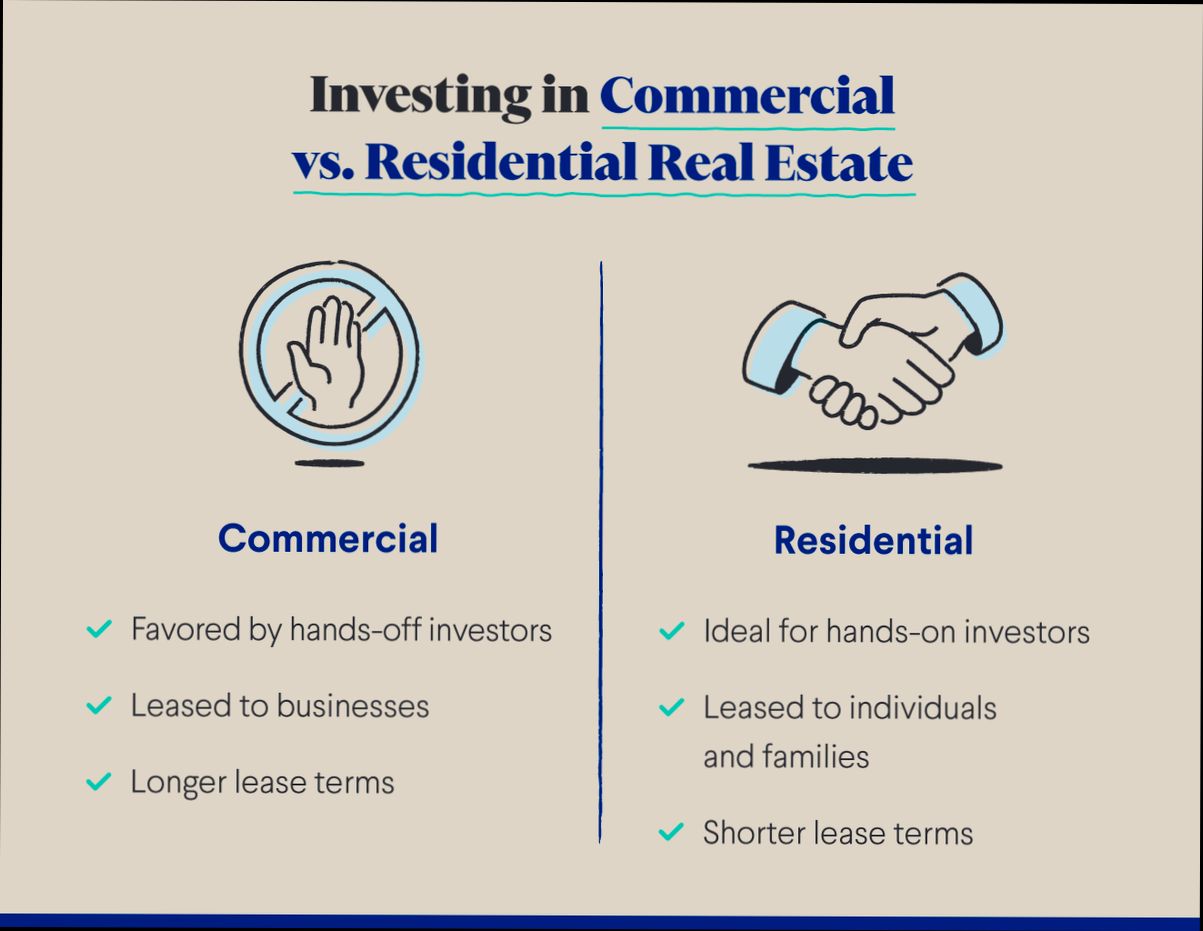
Investment Returns: Residential vs Commercial
When considering investment returns in real estate, understanding the differences between residential and commercial properties is crucial. These two sectors not only differ in their investment strategies but also provide varying returns on investment (ROI) based on their characteristics.
Key Investment Return Metrics
- Commercial properties tend to offer higher potential returns compared to residential properties. For instance, industrial real estate has an impressive 1-year ROI of 9.5%, while low-rise apartments yield around 9.0%.
- In contrast, the typical average residential property provides a ROI of just 7.5% over the same period. New single-family homes particularly lag with a meager 1.32% ROI.
- Over a longer-term perspective, commercial real estate has an average 10-year ROI of 67.9%, showcasing its enduring capacity for appreciation.
Comparative Returns Table
| Property Type | 1-Year ROI |
|---|---|
| Average Industrial | 9.50% |
| Low-Rise Apartments | 9.00% |
| Average Residential | 7.50% |
| New Single Family Home | 1.32% |
Real-World Examples
- In Alabama, residential properties experienced significant growth with a 60.7% ROI from 2020 to 2024, though this is still lower compared to the returns often seen in commercial spaces.
- California’s commercial real estate market is reflective of broader trends, boasting a 231.2% ROI from 2000-2020, which starkly contrasts with residential properties where the returns have been more muted.
- Consider Florida’s coast; while vacation rentals, a form of residential property, attract travelers, their return often hinges on location. Florida’s properties had a 276.6% ROI from 2000-2020, highlighting the potential when targeting the right market for residential investments.
Practical Implications
As you evaluate your investment choices, keep in mind that residential properties can be plagued by high maintenance costs, averaging roughly $10,225 annually—or 2.5% of its value. Conversely, commercial properties usually involve less frequent turnover due to longer lease durations, potentially reducing costs associated with vacancies.
- If you’re looking for steady, long-term appreciation, consider commercial properties for their higher ROI averages and overall resilience.
- For those interested in immediate cash flow, low-rise apartment complexes could be a solid investment given their strong 9.0% ROI.
Investing wisely requires balancing your risk tolerance and return expectations. By focusing on market conditions and performance data like these, you can better navigate the residential versus commercial investment landscape.
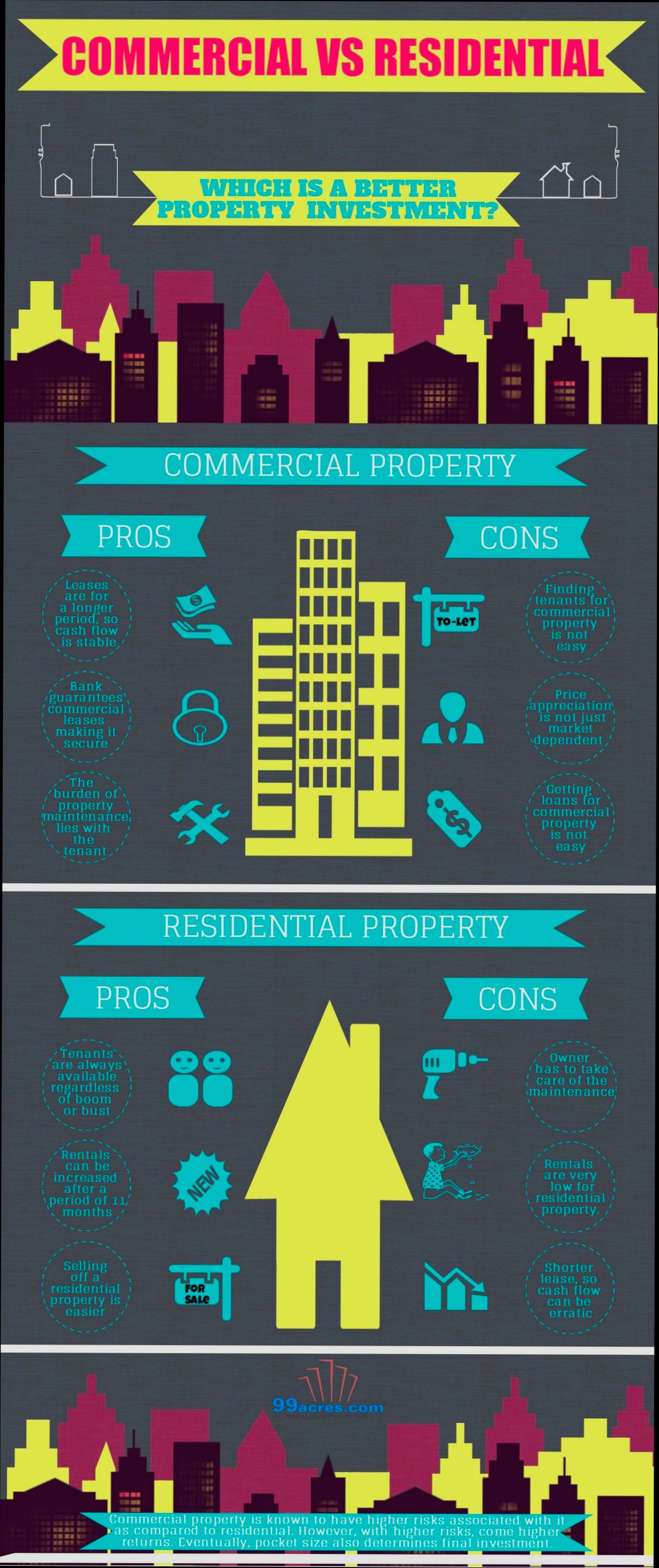
Understanding Tenant Demographics and Preferences
Understanding the demographics and preferences of tenants is crucial for making successful property investments. By identifying who your potential tenants are, you can tailor your investments to better meet their needs, ultimately leading to higher occupancy rates and satisfaction.
Key Demographic Insights
Tenant demographics reveal valuable insights into the types of residential and commercial properties that appeal to different groups:
- Age Groups: Millennials, now entering their prime renting years, prefer flexible living arrangements. In contrast, Baby Boomers are increasingly seeking downsized properties with amenities.
- Income Levels: Properties priced within the range of $2,500-$3,000 monthly rent attract high-earning professionals, while affordable units below $1,500 are in demand among younger or lower-income tenants.
- Family Composition: Single-person households make up 28% of the rental market, influencing the demand for smaller residential units. Conversely, families with children prefer larger homes with outdoor spaces.
Preferences That Matter
Understanding tenant preferences can drastically affect your property’s appeal. Here are some key preferences:
1. Amenities: A study showed that 63% of tenants prioritize access to fitness centers and communal spaces in residential units.
2. Work-from-Home Accommodations: 54% of potential tenants consider the availability of home office spaces crucial, especially after the pandemic.
3. Location Factors: Proximity to public transportation and work hubs is more important for 79% of urban tenants, compared to suburban areas where space and schools rank higher.
Comparative Tenant Preferences Table
| Feature | Residential Tenants | Commercial Tenants |
|---|---|---|
| Preferred Lease Term | 12 months | 3-5 years |
| Desired Amenities | Pools, gyms, communal areas | Conference rooms, parking, and accessibility |
| Location Importance | Walkability, nearby schools | High visibility, accessible to clients |
| Flexibility Needs | Options for short-term rentals | Long-term stability preferred |
Real-World Case Studies
- In New York City, developers have reported a 12% increase in demand for amenity-rich buildings. They found that units with rooftop gardens and communal workspaces had higher occupancy rates.
- A San Francisco property management firm saw a significant rise in interest for units with dedicated work-from-home spaces, resulting in a 15% increase in rental inquiries during the remote work trend.
Practical Implications for Investors
By leveraging tenant demographics and preferences, you can make informed decisions around property investments:
- Targeting Specific Groups: Invest in properties tailored to singles, families, or seniors based on demographic trends. For instance, creating family-friendly environments can yield higher returns in suburban areas.
- Enhancing Amenities: Consider investing in properties that offer in-demand features like high-speed internet or pet-friendly spaces to boost attractiveness.
- Flexible Leasing Options: Providing a variety of leasing arrangements can capture the growing market of transient tenants, especially in urban areas.
Keep these specific insights and trends in mind to align your property investments with tenant demographics and preferences effectively. This approach will enhance your strategy and ultimately contribute to your success in the property investment landscape.

Real-World Case Studies in Property Investment
When diving into property investment, looking at real-world case studies can provide invaluable insights. By examining concrete examples of both residential and commercial properties, we can better understand the dynamics in the market and the implications for our investment strategies.
Key Insights from Case Studies
A noteworthy aspect of property investment is the varying performance you can expect from residential and commercial sectors. Here are some key insights from case studies:
- Market Growth: In metropolitan areas, commercial properties have seen a growth rate of approximately 6% per annum, while residential properties have hovered around 4%. This trend signifies the potential of commercial investments in urban settings.
- Return on Investment: Research indicates that commercial properties typically yield an annual return of about 9.5%, compared to 7% for residential. This difference emphasizes the potential financial benefit of focusing on commercial properties.
- Vacancy Rates: Commercial vacancies are reported to be around 10% on average compared to 6% for residential properties. This statistic highlights the need for thorough market research when considering commercial options.
Comparative Returns Table
| Property Type | Average Annual Return | Average Vacancy Rate | Growth Rate |
|---|---|---|---|
| Residential | 7% | 6% | 4% |
| Commercial | 9.5% | 10% | 6% |
Real-World Examples
1. Downtown Office Space in Chicago: An investor purchased a distressed office building in 2018 for $2 million. After renovations and strategic leasing, the property now generates $250,000 annually in rent, demonstrating a strong ROI of 12.5%.
2. Residential Property in Austin: A duplex in a rapidly growing neighborhood was acquired for $500,000. The investor rented both units for a total of $48,000 a year. With expenses considered, the net operating income reflects a return of 8%, which is attractive but notably lower than the commercial figure.
3. Retail Development in Suburban Phoenix: An investment group funded a new retail center for $5 million. By leveraging lease contracts with well-known brands, they secured a stable income stream, which resulted in a stabilized annual return of 10% within three years.
Practical Implications
For those interested in property investment, each case study highlights the importance of location, tenant demand, and economic conditions. Here are some practical takeaways:
- Investigate Emerging Markets: Look for growth areas where commercial properties can outperform traditional markets.
- Long-term Planning: Consider your investment horizon; commercial properties often require a more extended commitment before seeing returns.
- Diversify Your Portfolio: Weigh the balance of risk against the potential return. A mixture of commercial and residential properties may provide a safety net against market fluctuations.
Reviewing these case studies can help you identify strategies and opportunities that can significantly influence your investment decisions in real estate. Understanding the landscape through real examples empowers you to make informed choices that align with your financial objectives.

Analyzing Market Trends and Investment Data
Analyzing market trends and investment data is a vital step for anyone looking to make informed decisions in real estate. This process helps you identify key indicators, assess economic health, and ultimately choose the right property type to invest in. Here, we’ll explore specific data points, resources, and how to apply these insights effectively.
Key Data Points to Identify
When analyzing market trends, focusing on the following data points can provide clarity:
- Market Size: Understanding how large the residential and commercial markets are can inform potential growth and profitability.
- Industry Funding: Tracking funding trends can reveal which sectors are attracting investments and gaining traction.
- Competitor Traffic: Metrics on how much traffic competitors receive can indicate market demand and consumer preferences.
- Hiring Trends: Observing hiring trends within the industry can signal growth or contraction phases.
Comparative Table of Key Market Indicators
| Indicator | Residential Properties | Commercial Properties |
|---|---|---|
| Market Size (2023 estimate) | $3.2 trillion | $1.2 trillion |
| Average Industry Growth Rate | 4% | 6% |
| Competitor Traffic Change YoY | +3% | +10% |
| New Industry Funding (2023) | $50 billion | $80 billion |
Real-World Examples of Market Trend Analysis
1. Significant Industry Funding: In 2023, the commercial real estate sector attracted $80 billion in new funding, compared to only $50 billion for residential properties. This indicates a stronger confidence in commercial sectors, signaling possible growth opportunities.
2. Traffic Insights: Research showed that competitors in the commercial sector experienced a 10% increase in traffic year-over-year, whereas residential properties observed a modest 3% increase. This discrepancy suggests that commercial properties may be more appealing to current rental or leasing trends.
3. Thermal Growth Variables: Data analysis revealed that while residential growth held steady at 4%, many metropolitan areas reported commercial property growth rates of around 6%. Analyzing such metrics can highlight which investments might yield higher future returns.
Practical Implications for Investors
Understanding these market trends allows you to create a strategic approach for your investments. Here are some practical steps:
- Leverage Industry Reports: Use resources like the Trends Database or market analysis tools like Exploding Topics to uncover detailed statistics about current industry performance.
- Attend Industry Events: Networking at property investment seminars can improve your intuition about market sentiment and trends.
- Monitor Online Activity: Keep an eye on competitors’ online traffic sources to understand what works. For instance, if a competitor experiences higher organic search traffic, consider optimizing your own SEO strategy.
Actionable Insights
- Start by compiling data from multiple trusted resources to ensure you have a comprehensive view of the market.
- Experiment with tracking and analyzing your own property performance over time—this will help fine-tune your investment strategy.
- Always compare current trends against historical data to gauge potential future movements, reinforcing your decision-making with empirical evidence rather than anecdotal observations.
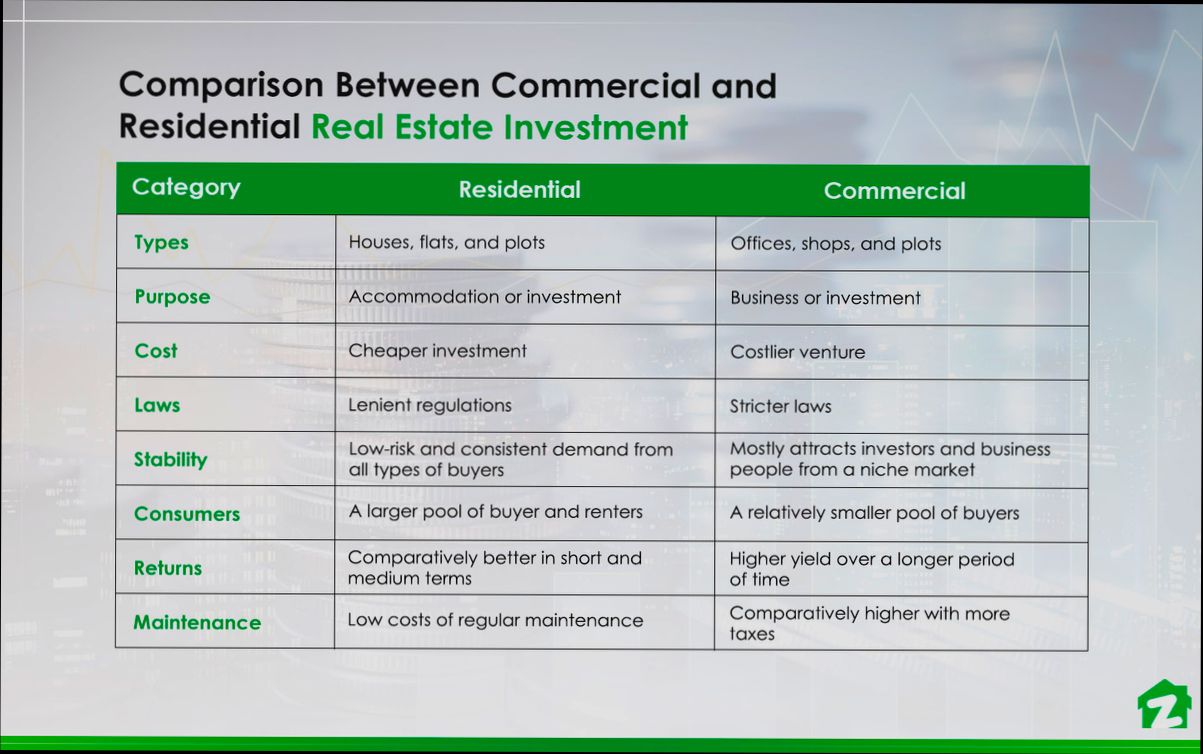
Tax Advantages of Residential and Commercial Properties
When it comes to investing in real estate, understanding the tax advantages of both residential and commercial properties can significantly impact your overall returns. Each property type offers unique tax benefits that can enhance your investment strategy and minimize your tax liability. Let’s explore these advantages in detail.
Key Tax Benefits
1. Capital Gains Exclusion: For residential property owners, the IRS allows individuals to exclude up to $250,000 of capital gains from taxable income when selling a primary residence. Couples can exclude up to $500,000, if certain conditions are met. This can be a substantial saving when you decide to sell.
2. Depreciation Deductions: Commercial property owners benefit from depreciation deductions that allow them to deduct the cost of the property over a period of 39 years. This deduction can dramatically lower your taxable income, making commercial investments particularly tax-efficient.
3. 1031 Exchanges: Both residential and commercial properties allow investors to defer capital gains taxes through a 1031 exchange, provided the proceeds from the sale are reinvested in a like-kind property. This enables you to swap properties without triggering immediate tax liabilities.
4. Mortgage Interest Deduction: Homeowners can deduct interest on qualified residence loans for their primary and secondary homes. In commercial real estate, business owners can also deduct mortgage interest as a business expense, which further reduces taxable income.
5. Opportunity Zones: Investments in designated Opportunity Zones can provide significant tax benefits, including deferral of capital gains and potentially eliminating taxes on future gains if the investment is held for a certain period.
Comparative Tax Advantages Table
| Tax Advantage | Residential Properties | Commercial Properties |
|---|---|---|
| Capital Gains Exclusion | Up to $250,000 ($500,000 for couples) | Not available |
| Depreciation Period | 27.5 years | 39 years |
| 1031 Exchange | Available for primary and investment homes | Available |
| Mortgage Interest Deduction | Yes for primary & secondary homes | Yes as business expense |
| Opportunity Zone Benefits | Limited | Significant tax incentives available |
Real-World Examples
In a recent case study, a single homeowner selling their home for $600,000 utilized the capital gains exclusion to avoid taxes on $250,000 of the gain, saving approximately $37,500 in taxes. Conversely, a commercial property owner purchased an office building for $1 million and claimed a depreciation deduction of approximately $25,641 annually, which substantially reduced their taxable income over time.
In another scenario, an investor utilized a 1031 exchange to sell a residential rental property and reinvested the proceeds into a larger multi-family apartment complex. By doing so, the investor deferred significant capital gains taxes while increasing their cash flow and equity position.
Practical Implications
Understanding these tax advantages can drastically influence your investment planning. It’s essential to:
- Keep accurate records of all expenses tied to property improvements, as these can enhance your depreciation claims.
- Consult with a tax professional to maximize deductions related to mortgage interest and depreciation.
- Explore 1031 exchange opportunities whenever selling a property to defer taxes on reinvested profits.
Utilizing these insights can help you strategically manage your tax liabilities, whether you are focused on residential or commercial properties. By capitalizing on these tax advantages, you can enhance your overall investment performance and retain more profit from your real estate ventures.
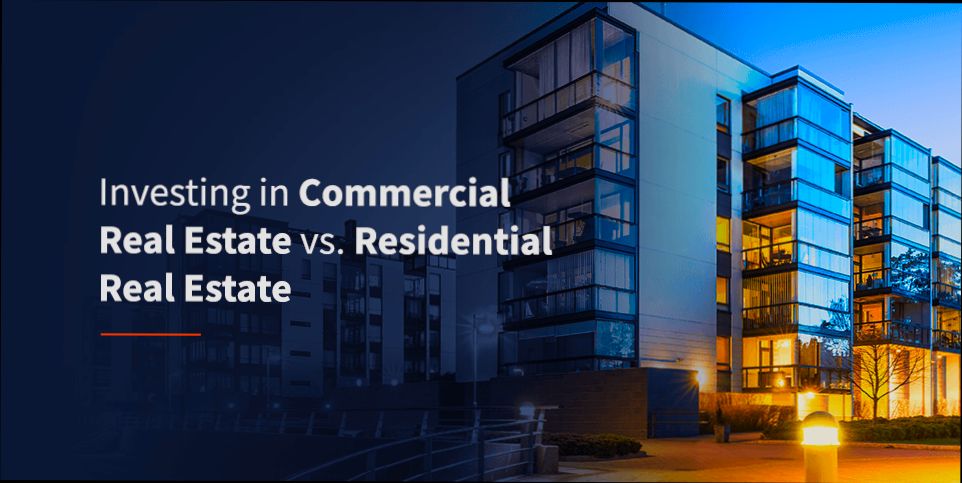
Operational Management Challenges in Different Property Types
When considering property investment, it’s important to recognize that residential and commercial properties come with distinct operational management challenges. Understanding these challenges can help you make more informed investment decisions and better prepare for the realities of managing your properties.
Key Operational Challenges
1. Tenant Turnover:
- Residential properties often face higher tenant turnover rates, sometimes reaching up to 50% annually in urban areas.
- In contrast, commercial properties generally experience lower turnover, averaging around 15% yearly, primarily due to longer lease agreements.
2. Maintenance and Repairs:
- The scope of maintenance differs significantly between property types. Residential property owners might be engaged in frequent small repairs, averaging around 10 hours per month.
- For commercial properties, maintenance can be less frequent but more complex, demanding approximately 20 hours per month of management time due to larger systems and regulations.
3. Regulatory Compliance:
- Compliance with building codes and safety regulations is more stringent for commercial properties. For instance, failing to comply with ADA (Americans with Disabilities Act) regulations can lead to penalties that can reach up to $75,000.
- Residential properties, while also subject to codes, generally have less stringent requirements.
4. Leasing Complexity:
- Residential leases are typically straightforward, requiring basic terms and conditions. However, commercial leases can involve intricate negotiations and clauses, potentially extending legal costs up to $1,500 per lease.
5. Cash Flow Management:
- Commercial properties often have specific cash flow cycles dictated by business operations, leading to unpredictable rental income.
- Residential properties tend to have more consistent cash flows since rent is usually collected monthly.
| Property Type | Tenant Turnover (%) | Maintenance Time (hrs/month) | Average Lease Length (years) | Compliance Cost Exposure |
|---|---|---|---|---|
| Residential | 50% | 10 | 1 | Low |
| Commercial | 15% | 20 | 5 | High |
Real-World Examples
- Residential Challenges: A property management company reported that increased tenant turnover in a New York City residential property led to extended vacancy periods and $20,000 in lost rental income last year due to insufficient move-in readiness and refurbishing times.
- Commercial Challenges: In a case study involving an office building in San Francisco, the owners faced compliance costs of over $50,000 due to ADA improvements required after a tenant complaint, showcasing the financial implications of neglecting regulatory requirements.
Practical Implications
Understanding these operational challenges is crucial as you strategize your property investments. Here are actionable insights:
- Invest in Property Management Software: For both residential and commercial properties, leveraging technology can significantly improve management efficiency by streamlining maintenance requests and tenant communications.
- Establish Clear Lease Terms: Ensure you’re clear about the expectations within lease agreements, especially for commercial properties, where complexities can lead to disputes.
- Regular Property Assessments: Conducting routine inspections can mitigate costly repairs later, ensuring both residential and commercial properties are maintained appropriately.
- Budget for Compliance: Always allocate a portion of your budget for potential regulatory costs, especially when investing in commercial properties where compliance demands can lead to substantial expenses.
Operational management challenges differ significantly between residential and commercial properties, and being well-prepared can enhance your investment’s success and profitability.