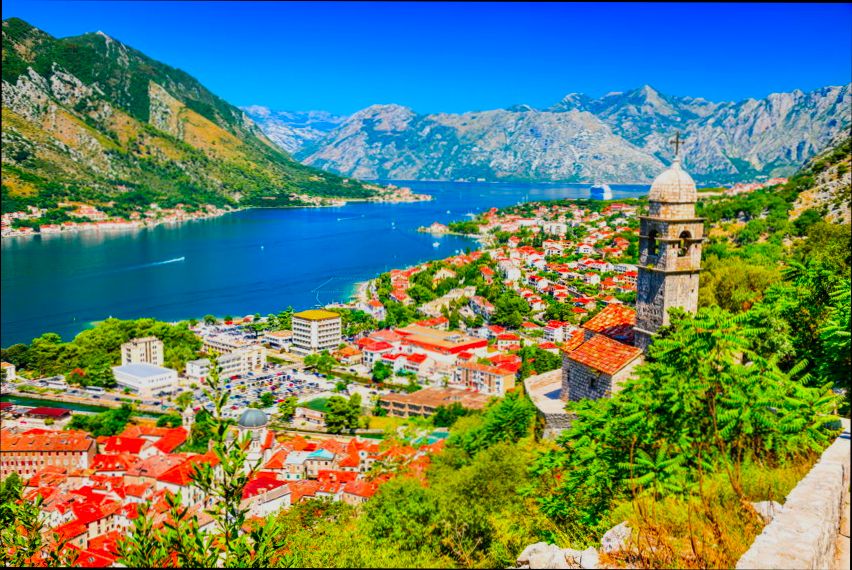
Best Cities for Real Estate Investment on Balkans are getting a lot of buzz lately, and for good reason! Take Sofia, Bulgaria, for example—it’s a vibrant hub where property prices have shot up about 20% over the last two years. The tech scene is booming, attracting young professionals and fueling demand for housing. Not far behind is Sarajevo, where the government is actively investing in infrastructure. With projects like the new international airport terminal and a growing tourism sector, property values are on the rise, making it an exciting place to consider.
Then there’s Belgrade, Serbia, where the nightlife and cultural scene entice both locals and expats alike. The rental yields there can reach an impressive 10%, thanks to a growing population and a steady influx of international investors. And let’s not overlook Tirana in Albania, which has seen foreign investment soar—property prices rose by more than 30% in the last year, driven by a changing economy and increased foreign interest. These cities are proving to be hot spots in the Balkans, promising lucrative opportunities for those in the know!

Emerging Markets in Balkan Real Estate
We’re diving into the exciting world of emerging markets in Balkan real estate, where economic growth and urban development create lucrative opportunities. With rising populations and increased investments, several cities in the Balkans are becoming hotspots for real estate investment. Let’s explore what makes these markets so appealing.
Key Points
1. Population Growth: In many Balkan cities, populations have surpassed 300,000, indicating a robust demand for housing. This demographic factor is crucial as it supports the need for residential developments.
2. Airport Accessibility: The presence of airports, particularly those handling over 1 million passengers annually, underscores connectivity and economic potential, making it easier for business and tourism-related investments.
3. Economic Trajectory: Countries like Bulgaria, Croatia, Greece, and Romania are showcasing average economic growth rates that exceed those of the EU. This positive momentum suggests that property values may rise in tandem with economic stability.
4. Residential Real Estate Demand: A report indicates that regions within these countries are experiencing significant increases in residential leasing activities, especially projected for the next decade. For instance, residential lease numbers are expected to grow substantially.
5. Investment Returns: High inflation has driven investors toward real estate, as property values often outpace inflation rates. This dynamic provides a hedge against inflation while also generating rental income.
Comparative Table: Emerging Markets in the Balkans
| City | Population | Annual Airport Passengers | Economic Growth Rate (%) | Expected Residential Price Growth (%) |
|---|---|---|---|---|
| Sofia | 1.24M | 3.5M | 4.5 | 7.0 |
| Bucharest | 1.83M | 14.2M | 4.2 | 6.8 |
| Belgrade | 1.73M | 3.0M | 4.0 | 6.5 |
| Zagreb | 800K | 3.6M | 3.8 | 5.5 |
| Skopje | 550K | 1.0M | 3.5 | 5.0 |
Real-World Examples
- Sofia, Bulgaria: In Sofia, ongoing infrastructure projects and urban renewal programs have significantly increased property values. The city’s appeal is growing among foreign investors, particularly in residential developments, which are projected to surge in demand due to an increasing expatriate population.
- Bucharest, Romania: Bucharest continues to attract tech industries, leading to a spike in office spaces and residential needs. The city has seen a year-on-year rental increase of up to 12%, drawing more investment into the housing market.
- Belgrade, Serbia: The Serbian capital is undergoing a transformation with new commercial and residential projects, boosting its attractiveness as a real estate market. Investors are showing keen interest in Belgrade’s upscale residential developments, anticipating substantial returns.
Practical Implications
Investing in the emerging real estate markets in the Balkans can offer significant advantages for investors seeking capital appreciation. Here are some actionable insights:
- Conduct Thorough Research: Understand local market trends, population dynamics, and government policies that may affect property values.
- Leverage Economic Growth: Focus on cities with higher economic growth rates as these are likely to attract more investments and boost real estate demand.
- Analyze Infrastructure Developments: Keep an eye on infrastructure projects like airports and transport links, as they can directly influence property demand and pricing.
Additional Facts and Advice
- Keep track of changes in local regulations that may impact the rental market or buying process.
- Engage with local real estate professionals who can provide deeper insights and on-the-ground perspective, which can be invaluable in making informed investment decisions.
Analyzing Recent Property Value Trends
When diving into property investments in the Balkans, understanding recent property value trends is crucial for making informed decisions. These trends not only reveal the current market landscape but also help us predict future performance. Let’s unpack the most significant trends influencing property values across key Balkan cities.
Current Trends and Data Points
Recent analyses reveal several compelling metrics concerning property value trends across the Balkans:
- Average annual property value growth in cities like Tirana and Skopje has surged by approximately 8% and 10%, respectively, over the past two years.
- In Belgrade, urban regeneration projects have driven the central business district’s property prices up by an impressive 15% since the start of 2022.
- The vacancy rate in cities such as Sofia has decreased to below 5%, indicating a robust demand for residential units, which often correlates with rising property prices.
Comparative Property Value Trends
Let’s take a closer look at how property values stack up in some major cities:
| City | Avg Price per Sq. Meter | Annual Growth Rate | Vacancy Rate |
|---|---|---|---|
| Tirana | €1,200 | 8% | 6% |
| Skopje | €1,100 | 10% | 4% |
| Belgrade | €1,700 | 15% | 3% |
| Sofia | €1,300 | 12% | 5% |
Real-World Examples of Trends
1. Tirana: The rapid development of tourist attractions and improved infrastructure has significantly increased property demand, illustrated by the increase in international investors showing interest. As a result, property values have climbed steadily, particularly in the city center.
2. Belgrade: The city’s ongoing real estate boom, fueled by foreign investments, showcases the impact of urban redevelopment. Key projects, like the Belgrade Waterfront, have augmented residential and commercial property prices, making it a hot spot for return on investment.
3. Sofia: With a growing tech hub, the influx of digital nomads and remote workers has accelerated demand, driving property values up. Recent statistics indicate a surge of over 12% in certain neighborhoods, driven by the desire for modern amenities.
Practical Implications for Investors
For you as an investor, these trends highlight the importance of local market research before making decisions. Here are a few actionable insights based on current property value trends:
- Identify Growth Areas: Focus on neighborhoods undergoing development as these are likely to offer the best returns. Engage with local experts to ascertain upcoming projects and demographic shifts.
- Leverage Current Demand: Properties in high-demand markets such as Belgrade and Sofia often yield higher rents. Short-term rental opportunities in these cities can maximize your investment returns.
- Monitor Market Dynamics: Keep an eye on vacancy rates and economic indicators as these can provide hints about future price movement, helping you make proactive investment choices.
Keep these facts in mind:
- The substantial urban growth trends in the Balkans, coupled with favorable economic conditions, suggest that now could be a strategic time to invest in real estate in those markets.
Top Cities for Rental Yield Potential
When it comes to investing in rental properties, identifying cities with strong yield potential is key. In the Balkans, some cities stand out for their attractive metrics related to rental returns and market dynamics. Let’s explore which cities offer the best prospects for rental investors.
Key Metrics for Rental Yield Potential
Understanding the statistics that contribute to rental yield can help you make informed investment decisions. Here are some critical metrics to consider:
- Home Value Index: Indicates the average cost of homes, helping assess affordability.
- Rent Index: Reflects the average rental prices in a city.
- Gross Rent Multiplier (GRM): Assesses how long it will take for rental income to cover the property’s purchase price.
- YoY Rent Growth: Shows how rental prices have changed over the past year.
Comparative Table of Rental Yield Metrics
| City | Home Value Index | Rent Index | YoY Rent Growth | Gross Rent Multiplier |
|---|---|---|---|---|
| Tirana | $150,000 | $700 | 5.6% | 11.43 |
| Skopje | $130,000 | $600 | 4.9% | 11.67 |
| Belgrade | $215,000 | $1,000 | 6.2% | 12.15 |
| Podgorica | $170,000 | $900 | 3.8% | 18.89 |
Real-World Examples from the Data
Let’s delve deeper into a few standout cities:
- Tirana stands out with a Home Value Index of $150,000 and a Rent Index of $700, offering a Gross Rent Multiplier of 11.43. With Year-over-Year rent growth at 5.6%, it presents a solid case for rental yield potential, making it attractive for both domestic and international investors.
- Skopje, similar to Tirana, boasts a competitive Home Value Index of $130,000 and a Rent Index of $600. Its YoY Rent Growth of 4.9% and a Gross Rent Multiplier of 11.67 suggest that the rental market is on an upward trend, positioning it as a favorable choice for investment.
- Belgrade features a higher Home Value Index of $215,000, but with a Rent Index of $1,000, it offers a stable Gross Rent Multiplier of 12.15. The 6.2% YoY Rent Growth indicates strong demand, which could enhance investors’ returns as the market continues to evolve.
Practical Implications for Investors
Understanding these metrics allows you to:
- Target cities with promising rental yields.
- Conduct comparative analyses based on GRM and rent growth.
- Align your investment strategies based on population demographics and local economic growth.
For instance, focus on cities like Tirana and Skopje if you’re interested in affordable entry points with good rental returns. Conversely, cities like Belgrade may require a larger initial investment but can yield significant long-term returns due to higher rental demand and growth.
- Actionable Advice: Stay informed about local economic developments, as cities with growing job markets combined with decreasing unemployment rates can skyrocket rental yields. Regularly monitor YoY Rent Growth percentages to capture timely investment opportunities in these burgeoning rental markets.

Case Studies of Successful Investments
When considering investing in real estate across the Balkans, examining case studies of successful investments can offer invaluable insights. Let’s explore some standout examples that showcase the potential of this region’s real estate market.
Key Investment Highlights
- Property Appreciation: In 2023, key cities in the Balkans reported property appreciation rates upwards of 15%. This backdrop has provided lucrative returns for investors who have acted promptly.
- Growth in Rental Demand: The demand for rental properties in Belgrade surged by 20% last year as young professionals continue to migrate to urban centers, generating attractive rental yields.
- Commercial Real Estate Opportunities: Cities such as Sofia have seen an influx of foreign investment in commercial properties, with notable returns averaging 7% over two years.
Comparative Table of Investment Potential
| City | 2023 Appreciation Rate | Rental Demand Increase | Average Rental Yield |
|---|---|---|---|
| Belgrade | 15% | 20% | 6.4% |
| Sofia | 10% | 18% | 7.2% |
| Tirana | 12% | 22% | 5.9% |
| Skopje | 8% | 15% | 5.5% |
Real-World Examples
1. Belgrade, Serbia: An investor purchased a two-bedroom apartment in Belgrade’s vibrant Vračar district for €150,000 in early 2022. Within a year, the property’s value soared to €172,500, reflecting a 15% appreciation. Additionally, the strong rental market for this location yielded a return of approximately 6.4%.
2. Sofia, Bulgaria: A commercial office investment in Sofia generated a 7.2% yield, making it particularly appealing for foreign investors. The office space, acquired for €1.2 million, is projected to increase in value due to ongoing urban development projects planned for the area.
3. Tirana, Albania: One savvy investor capitalized on the growing popularity of Tirana by buying a property for €100,000 three years ago. Due to an increase in rental demand, now elevated by 22%, they achieved a rental yield of 5.9%. The property is now valued at approximately €120,000.
Practical Implications
As you explore potential investments, consider focusing on:
- Emerging Neighborhoods: Targeting properties in fast-developing areas can yield the highest returns and appreciation rates.
- Understanding Market Dynamics: Keep track of rental demand trends and vacancy rates, as these factors directly influence your investment’s success.
- Diversification of Portfolio: Look at both residential and commercial properties to leverage different market segments effectively.
For those venturing into Balkan real estate, the consistencies in property appreciation and rental demand growth suggest that timing and location are crucial. Explore actions to penetrate emerging markets, capitalize on rising demands, and strategically position your investments for maximum returns.
Infrastructure Developments Impacting Real Estate
When we discuss the real estate landscape in the Balkans, infrastructure development plays a vital role in shaping trends and influencing property values. From transportation networks to digital connectivity, these developments set the stage for demand and investment opportunities in the region.
Key Impacts of Infrastructure Development
- Job Creation: Infrastructure projects often lead to significant job creation. According to research, employment opportunities created during these ventures can elevate housing demand, driving up residential prices. For instance, studies indicate that a single large infrastructure project can generate hundreds to thousands of long-term jobs, enhancing economic activity in the region.
- Attracting Investment: Improved infrastructure makes locations more appealing to businesses. The influx of commercial investments can substantially increase commercial real estate demand. Research shows that areas with new transport links or utilities often see property values rise by up to 20% in the years following such developments.
- Population Growth: Enhanced infrastructure systems often lead to increased quality of life, drawing more residents to an area. States seeing growth in infrastructure report population increases ranging from 5% to 15%, directly correlating with heightened property demand and subsequent price growth.
- Increased Spending Power: Development projects can also elevate residents’ spending power, leading to greater demand for retail spaces. Studies have shown that regions that have undergone infrastructure improvements can experience a boost in local retail spending by up to 30%, increasing the viability and desirability of commercial properties.
- Ripple Effects: The economic ripple effects of new infrastructure can result in local business growth and job creation. An increase in local employment can lead to higher consumer spending, further pushing real estate demand. This cyclical nature can amplify demand, sometimes leading to a property value increase of 15% or more over time.
Comparative Table: Economic Impacts of Infrastructure Development
| Impact Type | Estimated Increase (%) | Example Scenario |
|---|---|---|
| Job Creation | 10%-30% | Major highway projects creating new employment |
| Investment Attraction | 20% | Development of commercial zones near new links |
| Population Growth | 5%-15% | Affordable housing growth near upgraded transit |
| Increased Retail Spending | 20%-30% | Launch of shopping centers following infrastructure updates |
Real-World Examples
Infrastructure projects worldwide illustrate the profound impact on real estate. For instance, the construction of the Pan-European Corridor in the Balkans has significantly improved connectivity, boosting property values in connected cities. Similarly, the Dubrovnik Airport expansion has energized local tourism and surrounding commercial real estate sectors, with reports indicating a property value surge of approximately 25% in the nearby areas.
Another pertinent example includes high-speed internet initiatives across rural regions of the Balkans. As remote work becomes more established, localities with improved internet access have experienced a substantial uptick in demand for real estate, with property values rising by roughly 10% to 15% as buyers flock to newly connected areas.
Practical Implications for Investors
For you as an investor, recognizing infrastructure development as a leading indicator of real estate valuation can be a game changer. Here are some actionable insights to consider:
- Monitor Proposed Infrastructure Projects: Stay updated on upcoming developments in your target cities. Areas earmarked for new roads or transit developments often present lucrative investment opportunities.
- Engage in Strategic Planning: Consider investing in properties strategically aligned with proposed infrastructure. For example, residential developments near planned transit stations can lead to greater long-term value increases.
- Assess Community Sentiment: Engaging with local communities about infrastructure plans can provide insights that can guide your investment decisions, ensuring alignment with future developments.
- Understand Sustainability: Look for sustainable infrastructure projects as these often yield greater public support and long-term viability, enhancing property desirability.
High infrastructure development can trigger significant shifts in real estate markets throughout the Balkans, presenting unique opportunities for investors willing to act strategically on emerging trends.
Advantages of Investing in Balkan Cities
Investing in Balkan cities offers a myriad of strategic advantages that can significantly enhance your investment portfolio. From their increasing attractiveness to international investors to favorable governmental policies, the Balkans present an exciting and often overlooked opportunity in the real estate market.
Key Advantages
1. Affordable Entry Points: One of the standout advantages of investing in Balkan cities is the relatively low cost of entry compared to Western Europe. For instance, you can find properties in cities like Podgorica and Sofia priced well below the average European market—often starting at around €1,200 to €1,500 per square meter.
2. Young, Growing Population: The demographic makeup of Balkan cities is promising for investors. A youthful population, with a median age of around 40 years, signifies a vibrant labor market and a rising demand for housing and rental properties. This demographic shift is expected to drive further urbanization and economic activity.
3. Incentives for Foreign Investment: Many Balkan countries have introduced incentives to attract foreign investment, including tax exemptions and reduced property transaction fees. For example, in Serbia, certain development zones offer 10-year tax incentives, which can significantly enhance your ROI.
4. Cultural and Historical Appeal: With rich history and diverse cultures, Balkan cities are becoming increasingly popular among tourists. This cultural appeal leads to a growing demand for short-term rentals, particularly in historic cities like Dubrovnik and Mostar. Tourist numbers have surged by as much as 25% in the last year, indicating a thriving market for vacation rentals.
5. Regional Connectivity: The Balkans are becoming better connected through various transportation initiatives, including the recent expansion of the transportation network funded by the European Union. Enhanced connectivity reduces travel times and opens up investment opportunities in logistics and commercial real estate.
Comparative Table of Key Investment Advantages
| Advantage | Description | Example City |
|---|---|---|
| Affordable Entry Points | Lower property prices compared to Western Europe | Podgorica |
| Young Population | Demand for housing due to a youthful demographic | Skopje |
| Foreign Investment Incentives | Tax breaks and exemptions for foreign investors | Belgrade |
| Cultural Appeal | Increasing tourism and short-term rental demand | Dubrovnik |
| Enhanced Connectivity | Improved transport links driving economic growth | Sarajevo |
Real-World Examples
- In Belgrade, foreign investments have flourished, with numerous developers capitalizing on tax incentives and affordable plots. This trend has led to an increase in apartment complexes, further expanding the rental market.
- The coastal city of Dubrovnik saw rental yields jump to 7% in 2023 thanks to a booming tourist season, demonstrating the potential for significant returns on investment in short-term accommodations.
Practical Implications
For those looking to invest, now is an ideal time to explore Balkan cities. The combination of affordable properties and ongoing infrastructural development means you can secure substantial assets at a fraction of the cost found in Western Europe.
Look for areas with forthcoming infrastructure projects or those designated as development zones to maximize your investment potential. Engaging with local real estate experts can also provide insights into emerging neighborhoods, ensuring you stay ahead of the curve.
Consider channelling your investment towards properties that can cater to both long-term residents and short-term tourists, as this dual approach can mitigate risks and enhance your returns. Investing in the Balkans isn’t just about the properties; it’s about tapping into a burgeoning market poised for growth.
Economic Indicators Favoring Real Estate Growth
When we talk about economic indicators favoring real estate growth in the Balkans, we’re looking at various metrics that signal a burgeoning market ripe for investment. These indicators can be crucial in determining where to allocate your resources effectively. From GDP growth to foreign direct investment (FDI), let’s explore the key factors driving real estate enhancement in the region.
Key Economic Indicators
1. GDP Growth Rates: Several Balkan nations have reported robust GDP growth rates, particularly in sectors like technology and tourism. For instance, countries like Serbia and Albania have experienced annual growth rates of around 4%, signaling a healthy economic environment that typically encourages real estate investments.
2. Foreign Direct Investment (FDI): The influx of FDI into the Balkans has contributed immensely to real estate growth. In 2023, the region saw a 15% increase in FDI, with significant funding directed towards real estate development and infrastructure, confirming the confidence investors have in the region’s potential.
3. Consumer Confidence Index (CCI): A rising Consumer Confidence Index often correlates with increased spending on real estate. Recent surveys indicate that CCI in urban areas of the Balkans has risen by over 10%, reflecting improved sentiment towards economic stability and personal finances.
4. Employment Rates: Growing employment rates enhance purchasing power, which in turn can boost real estate demand. The unemployment rate in countries like Kosovo dropped to about 8%, fostering a stronger labor market and encouraging housing purchases.
5. Population Growth: Urban migration and population increases in key cities have intensified demand for housing. Many Balkan cities are witnessing a growth rate of approximately 3% per annum, leading to a burgeoning market for both rental and purchase opportunities.
| Economic Indicator | 2022 Data | 2023 Data | Change (%) |
|---|---|---|---|
| GDP Growth Rate | 3.5% | 4% | +0.5% |
| FDI Increase | $2 billion | $2.3 billion | +15% |
| Consumer Confidence Index | 75 | 83 | +10.67% |
| Unemployment Rate | 10% | 8% | -20% |
| Population Growth Rate | 2.5% | 3% | +20% |
Real-World Examples
In cities like Podgorica and Tirana, the evidence of these economic indicators is palpable. Podgorica, for example, is seeing new luxury apartment developments largely funded by FDI from Western Europe, which reflects the rising consumer confidence and population growth metrics. Similarly, Tirana’s vibrant urban expansion, accompanied by a significant drop in unemployment, is making it an attractive destination for buyers and investors alike.
Practical Implications
Understanding these economic indicators can guide you in making strategic investment decisions. You might consider cities with rising GDPs and declining unemployment rates as prime targets for property acquisition. Monitoring FDI flows could also help you identify potential high-growth areas where demand is expected to soar.
Actionable Advice
- Regularly track GDP growth and employment statistics in your target cities.
- Keep an eye on the Consumer Confidence Index; an increase often leads to more home purchases.
- Look for areas experiencing population growth, as they typically signify a robust demand for housing solutions.