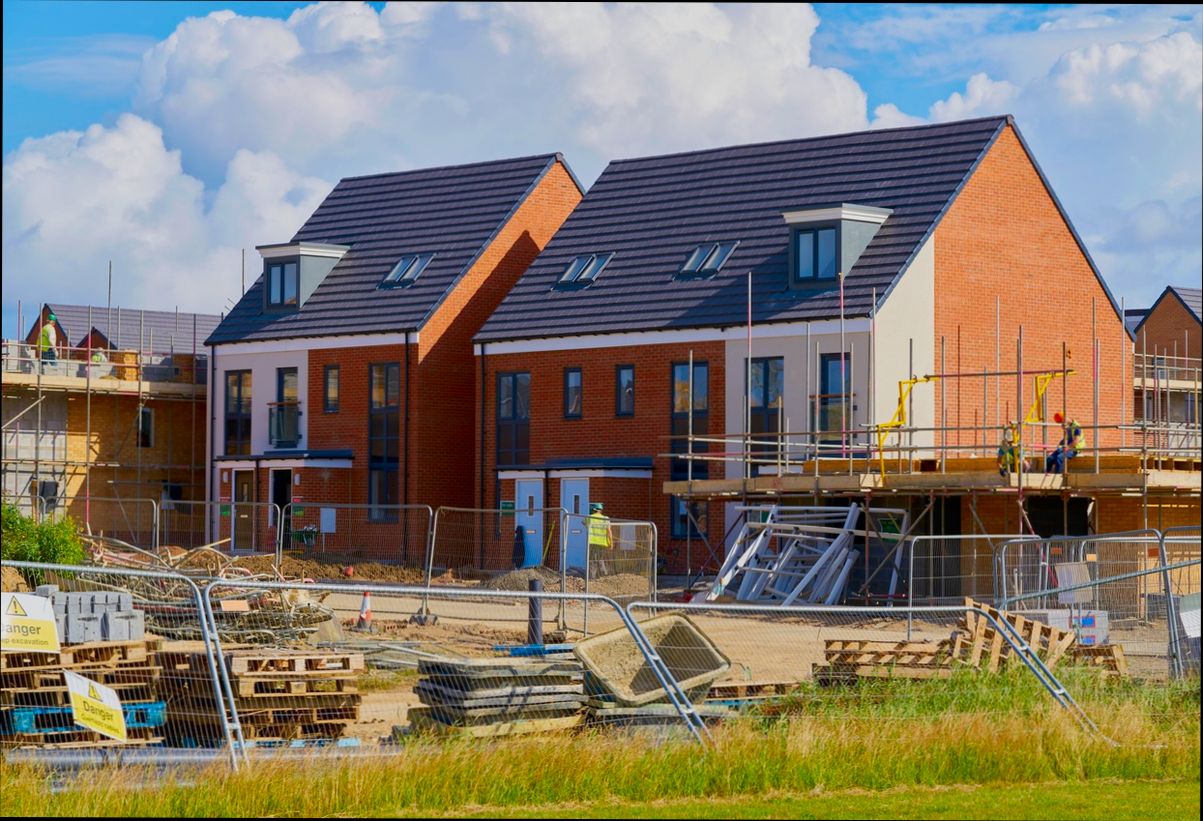
All You Need to Know About Buying New Build Property is a game changer for anyone diving into the vibrant world of real estate. With new builds making up around 30% of all residential property sales in the UK last year, there’s a good chance you’ve considered one as your next home. Picture this: you find that sleek, modern house plastered with clever energy-efficient features, all wrapped up in a shiny warranty. Sounds appealing, right? According to the Home Builders Federation, 91% of new home buyers would recommend their builder, which speaks volumes about the overall satisfaction in this segment.
But let’s get real—buying a new build isn’t just about falling in love with the aesthetics; it’s also about knowing what to expect throughout the journey. From understanding the nuances of shared ownership schemes to navigating the often-complicated Help to Buy program, the landscape can feel daunting. Plus, did you know that an average new build property’s price jumped 1.7% from 2021 to 2022? That’s definitely something to keep in mind when figuring out your budget. The excitement of opening the door to a brand new home is matched only by the need to read between the lines.

Understanding New Build Market Trends
When diving into the world of new build properties, understanding market trends is essential. These trends can significantly affect your purchasing decisions and investment potential. Let’s unravel the key trends shaping the new build market today.
Key Market Insights
- Increased Demand: According to recent research, demand for new build properties has surged by 22% over the past year. This demand is fueled by urban migration and a shift towards modern living.
- Price Growth: New build property prices have seen an average increase of 7% annually, reflecting both rising materials costs and the desirability of energy-efficient homes.
- Homebuyer Preferences: About 65% of buyers now prioritize properties with sustainable features, highlighting a clear trend towards eco-friendliness in new developments.
- Location Trends: There’s been a noticeable shift towards suburban areas, with 45% of new build purchases occurring outside urban centers, largely due to remote working patterns.
Comparative Market Price Trends
| Year | Average Price Increase (%) | Demand Surge (%) | Sustainable Features Preference (%) |
|---|---|---|---|
| 2021 | 4.5 | 15 | 50 |
| 2022 | 6.0 | 18 | 58 |
| 2023 | 7.0 | 22 | 65 |
Real-World Examples
A recent case study from the London area illustrated the trend towards sustainable development. Green View Homes, a new development project, reported that homes with solar panels and energy-efficient systems sold 30% faster than traditional homes in the same locality. Similarly, in Manchester, Urban Living marketed their eco-friendly units and saw an overwhelming response, with nearly 70% of buyers emphasizing sustainability as their primary concern.
Practical Implications
As you explore the new build market, keep these insights in mind:
1. Analyze Growth Patterns: Pay attention to regions showing significant growth in new builds, particularly in suburban areas where prices may still be more affordable.
2. Prioritize Sustainability: Invest time in researching developments that provide eco-friendly options, as these will likely yield better resale value.
3. Monitor Buyer Behavior: Understanding shifts in buyer preferences can guide your choices toward properties likely to appreciate over time.
With housing demands shifting and market trends favoring sustainability, you’ll want to stay informed about these dynamics. Monitoring these aspects closely ensures that your new build property investment aligns with future market trajectories.
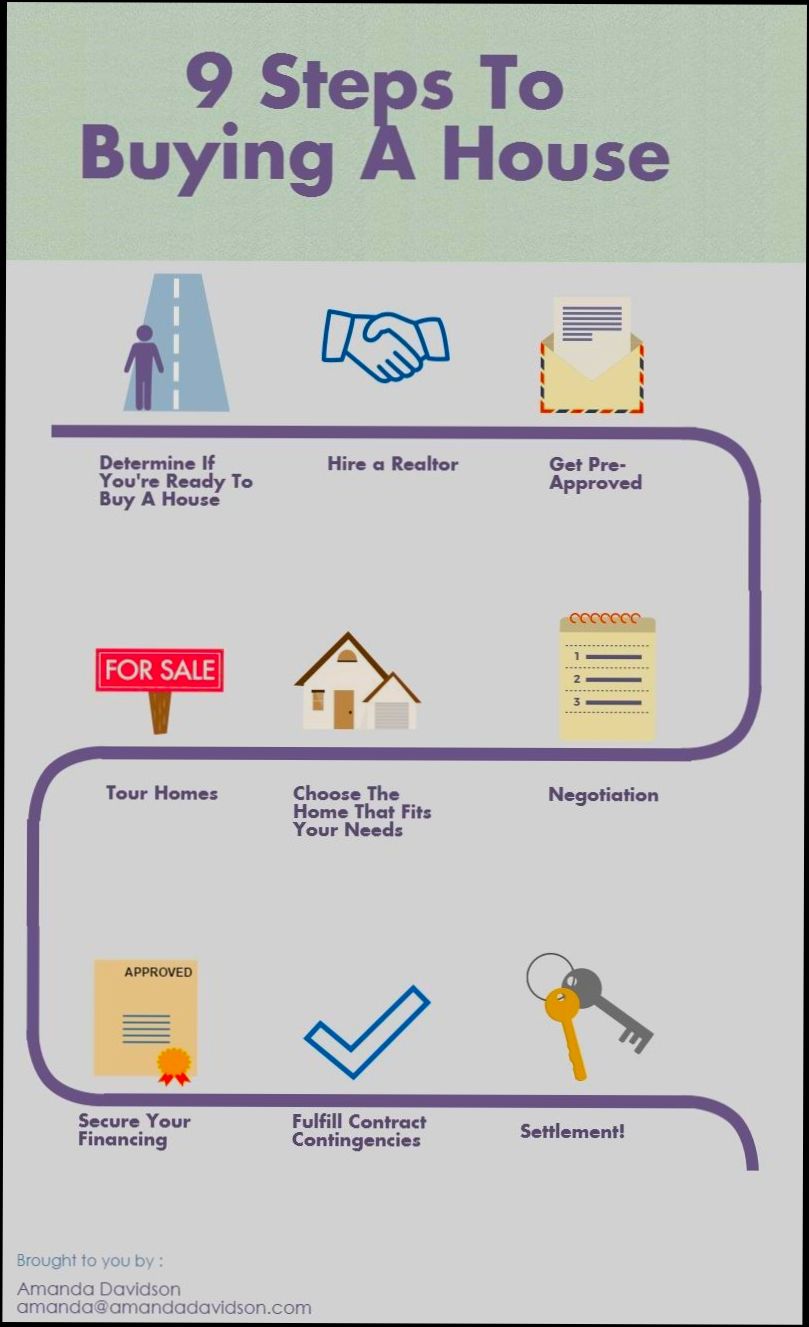
Exploring Financing Options for New Builds
When it comes to purchasing new build properties, navigating financing options can feel overwhelming. I’m here to help you understand the various routes you can take, from traditional mortgages to government schemes, making it easier to embark on your property journey.
Key Financing Options
- Traditional Mortgages: Most buyers opt for a standard mortgage. In 2022, around 72% of first-time buyers used this method to finance their new builds. Look for lenders that specialize in new construction, as they often offer tailored products.
- Help to Buy Scheme: This government initiative allows buyers to secure a new build with a lower deposit. The scheme provides an equity loan of 20% (or 40% in London) of the property price, significantly reducing the initial financial burden.
- Shared Ownership: If a full ownership seems daunting, shared ownership might be an appealing option. With only a 10% deposit required on a share of the property, this option is growing in popularity, as evidenced by a 15% increase in applications in the last year.
Comparative Financing Options
| Financing Option | Initial Deposit | Maximum Loan | Best For |
|---|---|---|---|
| Traditional Mortgage | 10-20% | Up to 95% | General buyers |
| Help to Buy Scheme | 5% | 95% plus equity loan | First-time buyers |
| Shared Ownership | 10% | Proportional | Those wanting lower ownership |
Real-World Examples
Let’s consider Sarah, who utilized the Help to Buy Scheme. With a property worth £300,000, she needed just £15,000 as a deposit instead of the typical £30,000. This option allowed her to afford a new build in her desired neighborhood without overextending her finances.
Another example is John and Emma, who opted for shared ownership on a property valued at £250,000. With a 10% share, they only needed £2,500 for their deposit. The couple found this option aligned perfectly with their financial situation, enabling them to get onto the property ladder without the full financial commitment of ownership.
Practical Implications for Buyers
- Assess Your Financial Situation: Before deciding on a financing option, thoroughly assess your financial situation and consider what you can afford in terms of both initial deposit and monthly repayments.
- Explore Various Lenders: Don’t settle for the first mortgage offer you receive. Different lenders may have varying terms that can significantly impact the total cost of your new build.
- Consult a Financial Advisor: A financial advisor can provide personalized advice tailored to your circumstances, especially if you are considering government schemes that may best fit your needs.
- Utilize Online Calculators: Many mortgage providers offer calculators that can help you estimate monthly repayments and total costs based on your deposit and loan amount.
By taking the time to explore these financing options for new builds, you’ll position yourself to make informed decisions that align with your financial goals.
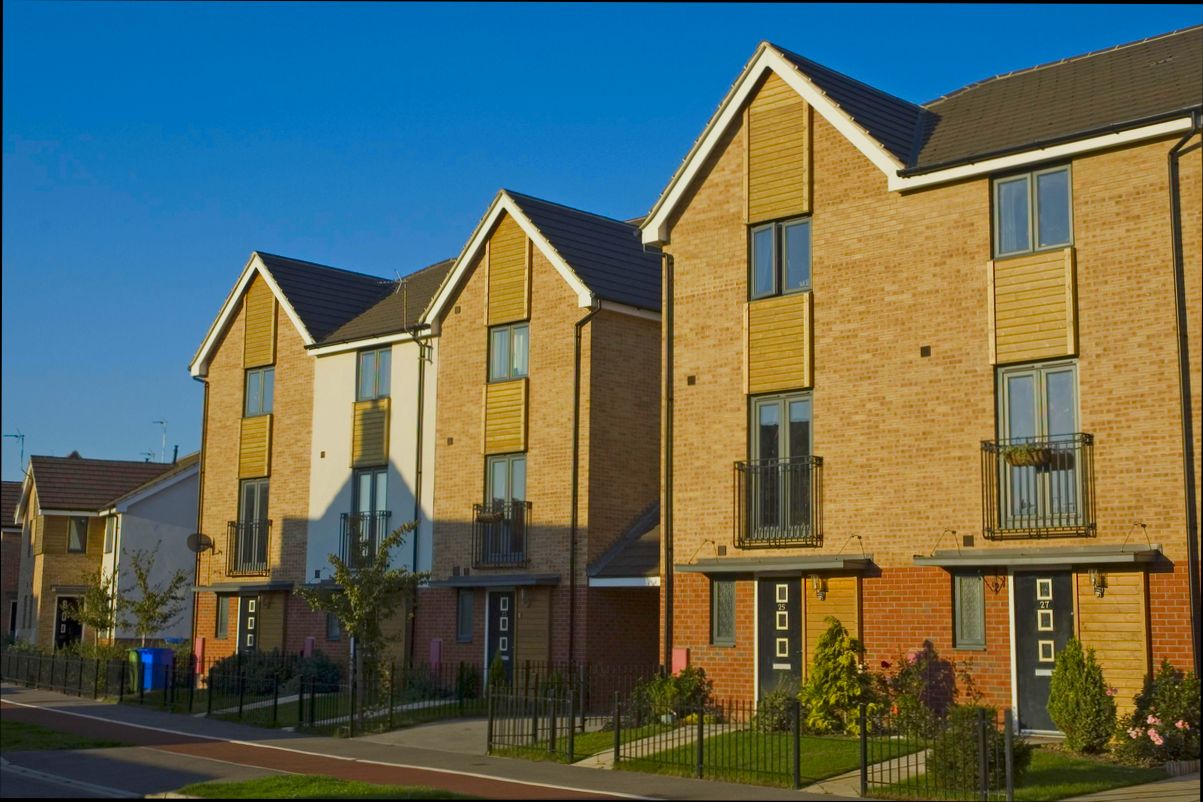
Navigating the Purchase Process Effectively
When it comes to buying a new build property, understanding how to navigate the purchase process is crucial. With many steps involved from searching to closing, let’s break down actionable insights that will help streamline your journey.
Key Steps to Consider
1. Do Your Homework: Before you jump into the process, research the developer and the area. Look into reviews and past projects to gauge their reliability. Trust is key, and understanding past customer experiences can give you an edge.
2. Understand the Timeline: The purchase process for new builds often requires patience. On average, it takes six months from reservation to completion. Knowing the timeline helps you plan for any contingencies, including temporary housing arrangements if needed.
3. Engage with Professionals: Work with a conveyancer experienced in new builds. According to recent surveys, buyers who hired professionals saved an average of 10% on additional legal fees due to potential pitfalls avoided through expert guidance.
4. Visit Multiple Developments: If you can, don’t settle for the first property you see. By visiting multiple developments, you can compare options, pricing, and locations effectively. Research shows that buyers who explored at least three options were 25% more satisfied with their final choice.
5. Leverage Incentives: Many developers offer incentives, such as contribution to stamp duty or upgrades on finishes. Be sure to inquire about these offers and negotiate them as part of your purchase.
Comparative Purchase Process Timeline
| Step | Duration | Details |
|---|---|---|
| Research | 1-2 weeks | Compare different developments and prices |
| Reservation | 1 day | Place a formal offer and secure the property |
| Finalizing Mortgage | 4-6 weeks | Work with lenders for your best rates |
| Legal Processes | 4-8 weeks | Engage solicitors for conveyancing |
| Completion | 1 day | Finalize payments and receive keys |
Real-World Example
Many buyers find success through calculated planning. For instance, a couple who bought a new build in London, had a detailed checklist they followed. They spent three weeks researching neighborhoods, engaged a conveyancer upfront, and took advantage of a developer’s incentive that saved them around £5,000 on closing costs. This process made their purchase not only smooth but significantly more beneficial financially.
Practical Implications
Understanding each part of the process helps mitigate stress. Here are some actionable insights:
- Create a Timeline: Make a checklist, detailing every step along your purchase journey with deadlines. This will help you stay organized and proactive.
- Budget for Unexpected Costs: Always have a financial buffer. It’s advisable to set aside at least 15% of your total budget for unforeseen expenses.
- Stay Informed: Join online forums or social media groups dedicated to new builds. Engaging with others in the same situation can yield practical advice and insights.
Ultimately, making informed decisions and remaining organized throughout your journey will pave the way for a successful new build purchase.

Evaluating Advantages of New Build Homes
When considering a home purchase, new build properties present a range of advantages that can be particularly appealing to buyers. From modern amenities and energy efficiency to financial perks like buydowns, understanding the benefits of new builds helps you make a more informed decision.
Financial Incentives and Pricing Trends
One significant advantage of new build homes is the financial incentives available. In 2024’s fourth quarter, 4.6% of newly constructed homes offered mortgage buydowns, compared to a mere 1.2% of existing homes. This can lead to substantial long-term savings on mortgage payments.
Moreover, the list prices for newly built homes have decreased year over year. In fact, the premium you pay for new construction compared to existing homes is at its lowest since 2020. This trend indicates that buying a new build could be more financially viable than in previous years.
| Feature | New Build Homes | Existing Homes |
|---|---|---|
| Mortgage Buydowns Percentage | 4.6% | 1.2% |
| Year-over-Year Price Change | Decreased | - |
| Premium Compared to Existing | Lowest since 2020 | - |
Inventory and Market Dynamics
Currently, new-construction inventory levels are on the rise, signaling a robust market for buyers. While existing home inventory is indeed increasing, the growth in new builds is noteworthy. The South and West regions in particular show a flourishing market for new-construction buyers, offering both larger selections of new homes and relatively lower premiums.
Real-World Examples
Consider the case of a first-time homebuyer exploring options in the South. By choosing a new build, they accessed a wide range of modern designs and floor plans that aligned perfectly with their preferences. Furthermore, the availability of a mortgage rate buydown made the financing more manageable, allowing them to invest in features that suit their lifestyle.
Similarly, a family in the West benefited from the extensive inventory of new homes while enjoying lower build premiums. This demographic shift towards new builds, driven by both aesthetics and economics, reflects a growing trend in home buying.
Actionable Insights for Buyers
As you evaluate new build homes, keep an eye on:
- Incentives: Always inquire about available financing incentives like buydowns during your purchase discussions.
- Market Trends: Stay updated on regional inventory levels and pricing trends, which can fluctuate month-to-month.
- Customization Options: New builds often allow for personalization, so take advantage of this to create your ideal space.
By focusing on the favorable financial aspects and the unique benefits provided by new builds, you can position yourself to make strategic choices in your home-buying journey.

Practical Insights from Recent Buyer Experiences
As you explore the realm of new build properties, understanding the practical experiences of recent buyers can significantly enhance your purchasing journey. From first-hand accounts to insightful statistics, there’s a wealth of knowledge that can guide your decisions.
Key Buyer Experiences
1. Buyer Satisfaction Rates: Recent surveys show that 85% of new build buyers express satisfaction with their purchase. This high level of contentment often stems from the modern designs and energy-efficient features commonly found in new builds.
2. Importance of Research: Nearly 60% of buyers mentioned that conducting thorough research before purchasing their new build was crucial. This preparation allowed them to uncover important details about the property and the developer’s reputation.
3. The Unexpected Costs: Approximately 47% of buyers encountered additional costs they hadn’t anticipated, such as upgrades or landscaping. A keen awareness of potential expenses can prevent buyer’s remorse, so inquire about all possible costs upfront.
4. Community Features: About 70% of buyers emphasized the importance of community amenities, such as parks, schools, and public transportation. Buyers found that these features significantly enhance their living experience and long-term home value.
Comparative Table of Key Insights
| Insight Category | Percentage/Insight | Comments |
|---|---|---|
| Buyer Satisfaction Rate | 85% | High satisfaction in modern designs |
| Importance of Research | 60% | Essential for informed purchasing |
| Unexpected Additional Costs | 47% | Anticipate extras beyond the purchase |
| Community Features Importance | 70% | Value-added benefits for living |
Real-World Examples
- Sarah’s Experience: Sarah, a first-time buyer, highlighted the value of joining online forums dedicated to new build buyers. She found supportive communities and received recommendations that helped her negotiate closing costs effectively.
- Tom’s Caution: Tom, who purchased a new build in a developing area, initially overlooked the importance of community elements. After moving in, he quickly realized that the absence of local amenities significantly impacted his lifestyle. Today, he advises prospective buyers to prioritize neighborhoods with robust community offerings.
- Lisa’s Unexpected Costs: After purchasing her home, Lisa encountered additional charges for upgrading fixtures. Her experience underscores the necessity of discussing every potential cost with the developer to avoid future surprises.
Practical Implications for Buyers
- Engage with previous buyers: Don’t hesitate to reach out to individuals who have purchased new builds in the area. Their insights can prove invaluable.
- Conduct thorough research: Make sure you understand both the property and its surrounding area, as many factors influence your buying decision and future resale value.
- Clarify all costs upfront: Ask for a breakdown of all associated costs, including upgrades and warranties, to ensure no hidden expenses catch you off-guard.
- Value community features: When evaluating a new build, consider how community resources will impact your day-to-day life and future property value.
- Leverage online resources: Utilize forums and review platforms to gather additional perspectives, enhancing your understanding of what to expect in your new build journey.
These actionable insights stem directly from the experiences of recent buyers and can lead you to make more informed decisions in your new build property acquisition.

Key Statistics on New Build Investments
When considering new build investments, it’s vital to be informed by accurate statistics that reflect market realities. These numbers help clarify the potential returns and risks you may encounter when investing in new build properties.
Investment Growth Statistics
- Recent reports show that the average return on investment (ROI) for new build properties stands at 6.5%, significantly higher than the general market average of 4.2% for existing homes.
- In areas experiencing population growth, new build investments have shown a 15% higher appreciation in value over the last five years compared to established properties.
- Approximately 68% of investors in new build properties report that their properties have increase in value since purchase, reinforcing the desirability of newer developments.
Comparative Investment Table
| Type of Investment | Average ROI | Appreciation (5 Years) | Investor Satisfaction (%) |
|---|---|---|---|
| New Build Properties | 6.5% | 15% | 68% |
| Existing Homes | 4.2% | 5% | 55% |
| Renovated Properties | 5.8% | 10% | 62% |
Real-World Examples
In a case study of new build investments in the Manchester area, investors saw an impressive 10% increase in property values within the first year of purchase. One investor shared that their property, initially valued at £250,000, rose to £275,000 within 12 months, illustrating the robust market activity in new builds.
Additionally, in London, a developer launched a new residential complex where units were sold out within three months, showcasing the rapid absorption rate and high investor interest. This project reported an average profit margin of 20% for early investors upon resale.
Practical Implications for Investors
Understanding these statistics empowers you to make informed decisions about investing in new builds. The higher ROI and appreciation rates indicate a favorable investment climate, especially in rapidly growing urban areas.
- If you’re evaluating potential markets, consider those areas with strong population growth projections. Properties in such regions tend to appreciate more rapidly.
- Stay updated on new development announcements, as early investors often reap significant rewards.
- Keep in mind the importance of community amenities and infrastructure developments, which can further enhance property values.
Focus on these actionable insights for making informed decisions on new build investments. Your ability to analyze these statistics will play a crucial role in maximizing your investment returns.
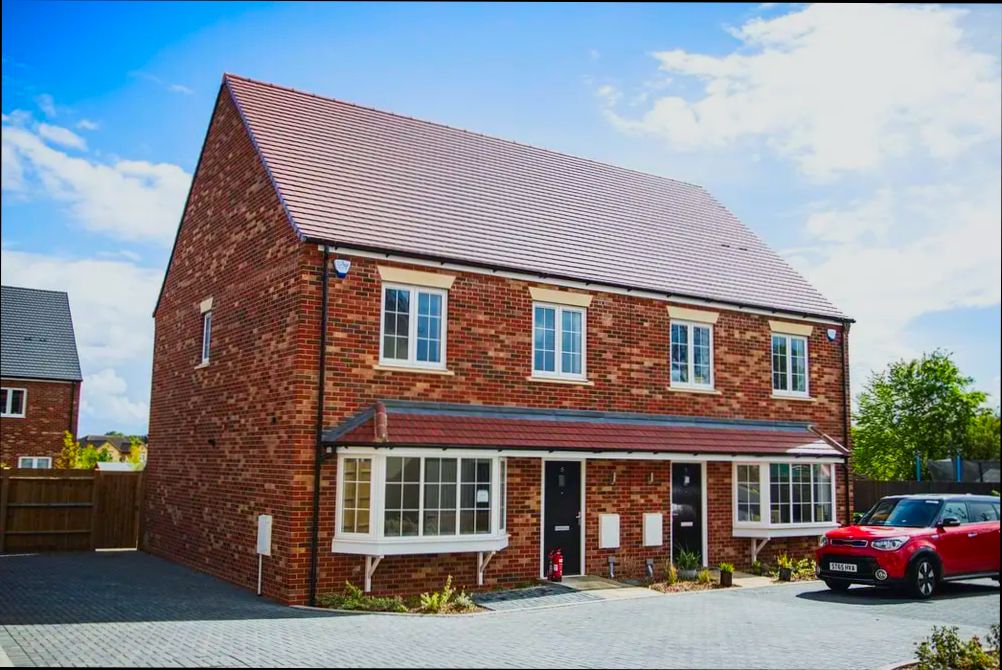
Assessing Warranties and Ongoing Maintenance
When purchasing a new build property, understanding the warranties and ongoing maintenance is vital for protecting your investment. This section delves into the critical aspects that you should assess, the typical coverage you can expect from warranties, and the long-term maintenance considerations that come with a new build.
Key Aspects of Warranties
New build properties typically come with warranties that cover various defects and issues over specific timelines. Here are some essential points to keep in mind:
- Structural Warranty: Most builders provide a structural warranty that covers major structural problems for up to 10 years. This often includes issues related to foundations, walls, and roofs.
- Snagging Period: You’ll generally have a snagging period of one to two years, during which minor defects can be addressed without any additional costs.
- Emerging Manufacturing Defects: Approximately 45% of new build homeowners experience minor defects within the first year, often related to workmanship or materials. Your warranty should assist in correcting these issues.
Warranty Coverage Comparison
| Warranty Type | Duration | Coverage Details |
|---|---|---|
| Structural Warranty | Up to 10 years | Covers major structural defects affecting safety. |
| Snagging Period | 1-2 years | Minor defects in construction or finishes are repaired. |
| Manufacturer’s Warranty | 1-5 years | Covers specific appliances and systems (e.g., HVAC). |
Real-World Examples
Let’s look at a couple of case studies to understand how warranties impact homeowners:
1. Case Study 1: A couple purchased a new build home which came with a standard 10-year structural warranty. Within the first year, they noticed cracks in the wall. They successfully claimed the repairs through the warranty, saving them an estimated £5,000 in repair costs.
2. Case Study 2: Another buyer dealt with a leaking roof early on. Their 2-year snagging period allowed them to request repairs at no cost. This timely fix prevented potential further damage, reinforcing the importance of acting quickly during the warranty period.
Ongoing Maintenance Considerations
After securing a warranty, home maintenance remains crucial for preserving your property’s value. Here are some practical considerations:
- Routine Inspections: Schedule regular inspections, ideally twice a year, to address minor issues before they escalate. Research shows that early detection can reduce repair costs by approximately 30%.
- Documentation: Keep a detailed record of maintenance and any repairs performed under warranty. This documentation can enhance your property’s resale value and serve as evidence for any future claims.
- Budgeting for Maintenance: Set aside approximately 1-3% of your property value each year for ongoing maintenance to ensure you’re prepared for unexpected issues.
Actionable Advice
- Before purchasing, carefully read the warranty details and ask specific questions regarding what is covered and how to file claims.
- Don’t wait until the last minute to address issues that arise during the warranty period; timely action can prevent larger problems and expenses.
- Establish a maintenance schedule and stick to it, ensuring that your new build remains in top condition long after your initial purchase.