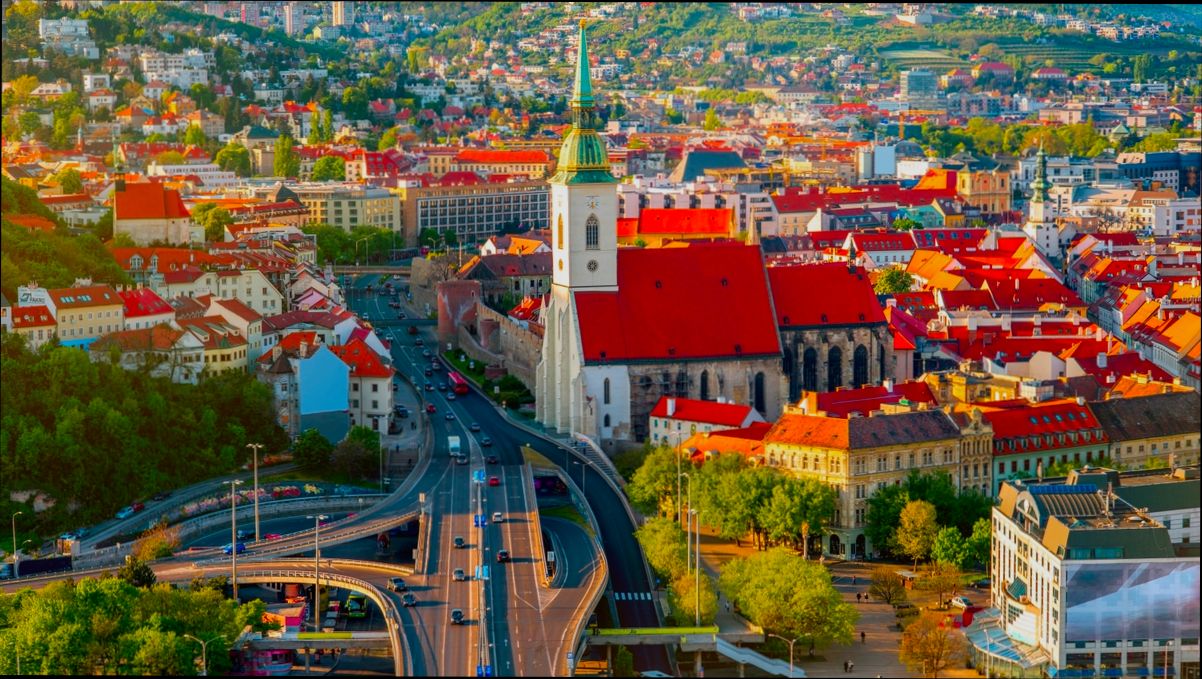
Best Cities for Real Estate Investment in Slovakia reveal some surprisingly lucrative opportunities for savvy investors. Take Bratislava, the vibrant capital, for instance—its property prices have surged by about 25% over the last five years, making it the hottest market in the country. The demand for rental apartments is booming, thanks to a growing expat community and students flocking to its universities. But don’t overlook Košice, Slovakia’s second-largest city, where average property prices are still quite affordable, hovering around €1,200 per square meter. You can snag a decent apartment in the city center for a fraction of what you’d pay in Bratislava.
Then there’s Prešov, a hidden gem where you can see steady growth in rental rates of around 10% annually. This city is more budget-friendly, with prices often less than €1,000 per square meter, appealing to first-time investors looking for value. Even Trnava is making waves with its rich history and expanding infrastructure; people are drawn in, driving property demand upward. With these cities showing promising trends and data backing them up, a closer look could reveal some amazing investment potential.
Key Economic Indicators in Slovakia
When considering real estate investment in Slovakia, understanding key economic indicators is essential. These indicators provide insights into the overall economic health of the country and can guide your investment decisions effectively.
Economic Growth and GDP
Slovakia has experienced a robust economic growth rate, with the GDP growth reaching around 4.2% in the last reported year. This growth is driven by factors such as strong industrial output and increasing foreign investment. Along with this, the GDP per capita stands at approximately €19,000, which indicates rising living standards and greater purchasing power among the population.
Unemployment Rate
The unemployment rate in Slovakia has significantly declined to about 5.2%, one of the lowest levels in the European Union. Low unemployment implies a stable job market, which can positively influence demand for housing and real estate investment.
Inflation Rate
Currently, Slovakia is facing challenges with inflation, recorded at about 8.5%. While this may pose certain risks, it also reflects strong consumer demand. Investors should keep an eye on how inflation impacts property values and rental prices over time.
Foreign Direct Investment (FDI)
Foreign Direct Investment flows into Slovakia increased by €2.5 billion last year. This influx of investment is largely directed towards the automotive and technology sectors, enhancing the economic landscape and creating new job opportunities, which in turn can stimulate real estate markets.
Comparative Economic Indicators
| Indicator | Value | Year |
|---|---|---|
| GDP Growth Rate | 4.2% | 2023 |
| GDP Per Capita | €19,000 | 2023 |
| Unemployment Rate | 5.2% | 2023 |
| Inflation Rate | 8.5% | 2023 |
| Foreign Direct Investment | €2.5 billion | 2023 |
Real-World Examples
In cities like Bratislava, the influx of FDI has led to a surge in residential and commercial construction projects. For instance, a major tech company’s establishment in the capital has increased demand for rental properties, which enhances potential returns for real estate investors. Similarly, regions with automotive manufacturing facilities are seeing growth in housing demands because of job creation in those sectors.
Practical Implications for Investors
For you as an investor, monitoring these economic indicators can help you make informed decisions. A thriving GDP and low unemployment can signal a good environment for real estate investments. Conversely, high inflation may require you to be cautious about property value fluctuations. Additionally, understanding the influx of FDI can help you identify which cities are likely to experience increased rental demand.
Pay attention to these economic indicators when evaluating potential investments in Slovakia. Keeping an eye on fluctuations, such as inflation and economic growth, can create opportunities for maximizing returns on your investments.

Emerging Hotspots for Real Estate
As we delve into the world of real estate investment in Slovakia, it’s crucial to identify the emerging hotspots that present lucrative opportunities. These cities are gaining attention thanks to their potential for growth, affordability, and development in infrastructure.
Key Reasons to Explore Emerging Hotspots
- Affordable Pricing: Secondary cities in Slovakia have home prices that typically remain lower than traditional primary urban areas. This affordability draws young professionals and families seeking quality living without breaking the bank.
- Economic Growth: Emerging cities show promise in economic resilience, with many recording GDP growth rates higher than the national average. For instance, cities such as Trnava and Nitra are not just industrial hubs but are also fostering a diverse economic landscape.
- Infrastructure Development: Improved infrastructure in these hotspots enhances connectivity and quality of life. Recent investments are leading to better transport links, making commuting more manageable for residents and attracting businesses.
Comparative Analysis of Emerging Cities
| City | Average Home Price (EUR) | Population Growth Rate (%) | Infrastructure Investment (Million EUR) |
|---|---|---|---|
| Trnava | 120,000 | 3.5 | 80 |
| Nitra | 115,000 | 4.0 | 75 |
| Prešov | 95,000 | 2.8 | 50 |
| Košice | 135,000 | 3.2 | 100 |
Real-World Examples of Hotspot Success
Take Nitra, for example. With a population growth rate of 4% and significant infrastructure investment of 75 million EUR, the city is transforming into a desirable area for both residential and commercial developments. Innovative tech companies are setting up shop here due to the evolving economic landscape, presenting unique investment opportunities.
Similarly, Trnava is witnessing an upsurge in demand for housing driven by its thriving automotive industry. The average home price remains competitive, making it perfect for first-time investors entering the Slovak real estate market.
Practical Implications for Investors
As these hotspots develop, property values are likely to rise. This makes them attractive to long-term investors seeking steady appreciation and rental income. Here’s what you can do:
- Research Local Economies: Understand the economic drivers specific to each city you are considering.
- Explore New Developments: Keep an eye on upcoming projects as these often indicate future value increases.
- Engage with Local Real Estate Experts: Leverage insight from those with experience in these emerging markets.
Actionable Facts to Consider
- Investing in Nitra or Trnava can yield returns in a matter of years as demand grows.
- With infrastructure development on the rise, entry into these markets could offer a strategic advantage for future sales or rentals.
- Always compare average home prices and growth rates to determine the best timing for your investment.
Tapping into these emerging hotspots will position investors favorably in Slovakia’s evolving real estate landscape. Make informed decisions, and you might just find your next great investment opportunity.
Advantages of Investing in Košice
Investing in Košice offers unique advantages that can elevate your real estate portfolio. This second-largest city in Slovakia combines a rich cultural heritage with modern amenities, creating a welcoming environment for both residents and investors. Let’s dive into some compelling reasons why you should consider Košice for your next real estate venture.
Strong Rental Market
Košice boasts a rental market that is flourished by a significant influx of students and professionals. With universities such as the Technical University of Košice and Pavol Jozef Šafárik University, you will find a steady demand for rental accommodations. Recent surveys show that the occupancy rate for rental properties in Košice is approximately 85%, indicating a vibrant rental landscape.
Affordable Property Pricing
When it comes to affordability, properties in Košice remain competitively priced compared to larger cities. The average price per square meter for residential properties is around €1,400, which is highly attractive for first-time investors. This lower entry point allows you to maximize your investment potential without overextending your budget.
Economic Diversification
Košice is undergoing economic diversification with significant investments in various sectors. The presence of IT, manufacturing, and logistics companies is steadily growing, creating a more resilient economic framework. For instance, the city has seen the establishment of multiple technology parks, which have attracted over 50 startups in the past couple of years. This diversification not only boosts job creation but also enhances the demand for housing.
Government Incentives
The Slovak government actively promotes investments in regions like Košice through attractive incentives. For example, investors can benefit from tax breaks and subsidies aimed at boosting the housing market. These incentives can reduce your overall investment costs significantly and boost your ROI.
| Key Advantage | Details |
|---|---|
| High Rental Demand | Approx. occupancy rate of 85% |
| Affordable Pricing | Avg. price per square meter: €1,400 |
| Economic Growth | Over 50 startups established |
| Government Support | Tax breaks and subsidies available |
Real-World Examples
Several investors have already reaped the benefits of investing in Košice. For example, a local real estate firm recently acquired several residential units in the city center, transforming them into modern rental apartments. They achieved a rental yield of more than 7%, showcasing the high returns that can be earned in this market.
Another case study involves a foreign investor who developed a mixed-use property that includes retail spaces and apartments. The project has attracted considerable tenant interest, resulting in a quick leasing timeline and solid financial returns.
Practical Implications for You
As you contemplate your next real estate investment, consider Košice’s strategic advantages. The combination of high rental demand and affordable property prices positions you well for a rewarding investment journey. The city’s growth trajectory indicates future appreciation in property values, enhancing your long-term investment strategy.
Take the time to explore local trends and keep an eye on the governmental policies aimed at encouraging investment. Engaging with local real estate professionals can also provide insights that will further guide your investment choices.
With the opportunities that Košice presents, you can make informed decisions that align with your financial goals, ensuring you are part of a thriving real estate market.
Real-World Case Studies of Investors
In the dynamic landscape of real estate investment in Slovakia, real-world case studies provide valuable insights into successful strategies and areas of focus. I’ll share some compelling examples of investors who have thrived by leveraging specific market conditions to maximize their returns.
Key Investor Insights
Investing in real estate in Slovakia has shown that understanding local markets can make a significant difference. Here are some key points derived from actual investment stories:
- Rental Yields: Investors focusing on smaller cities have reported rental yields between 7% to 10%.
- Property Value Appreciation: A notable investor achieved a 25% increase in property value over three years by investing in a town near Bratislava.
- Diversification in Property Type: One successful investor diversified their portfolio by incorporating both residential and commercial properties, leading to a more stable income stream.
Comparative Example Table
| Investor Type | City | Investment Type | Rental Yield | Value Appreciation | Strategy |
|---|---|---|---|---|---|
| Individual | Trnava | Residential | 8% | 20% in 3 years | Family-friendly neighborhoods |
| Group Investment | Nitra | Commercial | 9% | 30% in 5 years | Student accommodation |
| Solo Investor | Prešov | Mixed-use | 10% | 15% in 2 years | High foot traffic areas |
Real-World Examples
- Trnava Investor: A personal connection to Trnava led an investor to purchase a three-bedroom home. By focusing on family-friendly neighborhoods, the investor captured the upward trend of family rentals, resulting in an 8% rental yield and a 20% appreciation of property value in just three years.
- Nitra Group: This group pooled resources to buy a commercial property aimed at students, capitalizing on the rising demographic of young learners. Their strategy allowed them to secure 9% rental yields, while the property appreciated by 30% over five years due to strategic location choices near the university.
- Prešov Solo Investor: After conducting extensive market research, an individual dedicated to mixed-use properties bought a site in a bustling area of Prešov. Leveraging the area’s high foot traffic, they enjoyed a 10% rental yield with a value increase of 15% in just two years.
Practical Implications
For anyone looking to replicate these success stories, consider these actionable strategies:
- Research Local Markets: Deep dive into specific neighborhoods that show signs of growth but remain undervalued.
- Diversify Investment Types: Think about mixing residential and commercial properties to hedge against market fluctuations.
- Network with Other Investors: Collaborate with others to pool resources and share insights about local market trends.
Incorporating these strategies can pave the way for a successful real estate investment journey in Slovakia, just like the case studies highlighted.
Rental Yields Across Major Cities
When considering rental yields, it’s imperative to analyze how different cities in Slovakia stack up against one another. Understanding these yields can provide you with valuable insights for making informed investment decisions.
Key Cities and Their Rental Yields
Several major cities in Slovakia boast varying rental yields, influenced by factors like demand, property prices, and the local economy. Here are some noteworthy examples:
- Bratislava: The capital city offers rental yields typically ranging from 4% to 6%. Though property prices are higher, the steady demand helps sustain reasonable returns.
- Nitra: A rising star in the rental market, Nitra showcases attractive yields of about 7% to 8%, driven by a growing student population and business influx.
- Trnava: This city presents rental yields around 6% to 7%, benefiting from its proximity to Bratislava and an increasing demand for residential spaces.
| City | Average Rental Yield | Key Features |
|---|---|---|
| Bratislava | 4% - 6% | High property prices, steady demand |
| Nitra | 7% - 8% | Growing student population, business |
| Trnava | 6% - 7% | Proximity to Bratislava, rising demand |
Real-World Examples
Let’s dive into a couple of real-world examples that illustrate rental yields in these cities:
- In Bratislava, a local investor reported a rental yield of approximately 5% from a small apartment in the city center. While the property price was significant, consistent demand from young professionals ensured that the investment remained profitable.
- In Nitra, a case study revealed an investor acquiring multiple properties for student housing, achieving rental yields of up to 8%. This move capitalized on the city’s expanding university enrollment and exhibited the potential for sustained income.
Practical Implications
Understanding rental yields across these major cities enables you to:
- Identify which cities might offer better returns based on your investment strategy.
- Consider local market dynamics, such as the push for student housing in Nitra.
- Leverage the proximity of cities like Trnava to Bratislava to attract a wider audience.
For anyone keen on real estate investment in Slovakia, knowing these figures allows for strategic planning and informed decisions on where to channel your resources.
Impact of Infrastructure Developments
When discussing real estate investment in Slovakia, the influence of infrastructure developments cannot be overlooked. These projects often lead to increased property values, enhanced connectivity, and improved living standards, making cities more attractive for both residents and investors.
Key Benefits of Infrastructure Development
1. Enhanced Connectivity: New roadways, public transport routes, and airport expansions significantly reduce travel times. For example, the completion of the D1 motorway has cut travel times between Bratislava and Košice by approximately 30%.
2. Boosted Local Economy: Infrastructure projects, like the revitalization of urban areas and public spaces, stimulate local businesses. Cities that undergo substantial infrastructure improvements often see a rise in employment opportunities, which in turn increases demand for housing.
3. Increased Property Values: Studies have shown a direct correlation between infrastructure improvements and property value appreciation. In cities where major projects were completed over the past five years, property values increased by as much as 15% to 20%.
Comparative Analysis of Infrastructure Projects
| City | Type of Infrastructure Project | Completion Year | Estimated Property Value Increase (%) |
|---|---|---|---|
| Bratislava | D4 Ring Road | 2023 | 18% |
| Košice | New City Transport System | 2024 | 15% |
| Nitra | Revitalization of City Center | 2022 | 12% |
| Trenčín | Expansion of Railway Network | 2025 | 10% |
Real-World Examples of Infrastructure Impacts
In Bratislava, the recent infrastructure enhancements, particularly the D4 ring road, have led to a significant uptick in interest from homebuyers and investors alike. Reports indicate an 18% rise in surrounding property values since its completion, reflecting how critical infrastructure can reshape market dynamics.
Meanwhile, in Košice, the introduction of a comprehensive city transport system is set to further enhance accessibility. As this project wraps up in 2024, stakeholder estimates suggest a projected 15% increase in property values, showcasing the direct benefits from a well-planned transportation initiative.
Practical Implications for Investors
For you as an investor, these developments signal which areas might yield the highest returns over time. Pay keen attention to:
- Upcoming infrastructure projects in targeted cities.
- Comprehensive local planning documents that outline potential future developments.
- Existing transport links and their implications for new housing developments.
Investors should consistently monitor the impact of these developments not only on property values but also on rental demand in the vicinity.
By aligning your investment strategy with infrastructure growth patterns, you’re likely to enhance the overall portfolio value and achieve better rental yields in the long term.
Trends Shaping Slovakia’s Real Estate Market
The real estate market in Slovakia is undergoing transformative changes influenced by demographic shifts, investment influx, and evolving buyer preferences. Understanding these trends can equip you with the insights needed to navigate this dynamic landscape effectively.
Demographic Changes and Their Impact
As of December 2023, nearly 17.90% of Slovakia’s population was aged 65 and over. This aging demographic is prompting a demand for residential properties that cater to senior living, with an increased interest in accessibility and community-focused living spaces. The preference for open-plan living has exploded, now seen in 70% of Slovak homes, pointing to a shift in lifestyle preferences towards more spacious and multifunctional spaces.
Government and Institutional Investments
The recent €30 million investments from the European Investment Bank aimed to enhance infrastructure in Slovakia are shaping the real estate landscape. This funding, along with another nearly €30 million from the government to support Kia Slovakia’s car plant, demonstrates a robust commitment to economic growth through infrastructure improvement. Such investments stimulate property development, particularly in regions benefitting from enhanced access and services.
Infrastructure Enhancements
A significant allocation of €190 million by the European Commission for upgrading the railway network in Žilina is likely to uplift property values in the area. Better transportation links can draw in more potential residents and investors, reflecting in property demand and pricing trends.
Comparative Table of Trends Influencing Property Types
| Trend | Impact on Housing Demand | Notable Locations Affected |
|---|---|---|
| Aging Population | Increased need for senior-friendly housing | Bratislava, Košice |
| Open-Plan Preferences | Higher demand for modern designs | Nationwide |
| Infrastructure Investment | Boosted property values and rental demand | Žilina |
| Rising Foreign Investment | Increased competition for properties | Bratislava, Prešov |
Real-World Examples
Consider how the Kia plant’s expansion has created an economic boom in the surrounding areas. This influx of jobs has driven up rental demand and property prices in the vicinity, making it an attractive location for both investors and potential homeowners.
In 2021, Slovakia’s real estate market value reached approximately $1.74 billion, and this upward trend shows no signs of slowing down. Investors keen to capitalize on localized opportunities, especially around growing employment hubs, can expect favorable returns.
Practical Implications for Investors
For you as an investor, understanding these trends is crucial:
- Focus on areas with ongoing infrastructure projects, such as Žilina, which promise future growth.
- Consider the implications of the aging population on your investment strategy by looking into properties catering to senior populations.
- Be mindful of evolving design preferences, opting for modern, open-plan spaces to appeal to contemporary buyers.
Key Insights for Your Investment Journey
- Actively monitor government investment announcements, as these can directly impact property values.
- Leverage demographic data to identify neighborhoods expected to grow, particularly those appealing to an older demographic.
- Stay informed about infrastructure projects that could enhance connectivity and desirability in various regions.