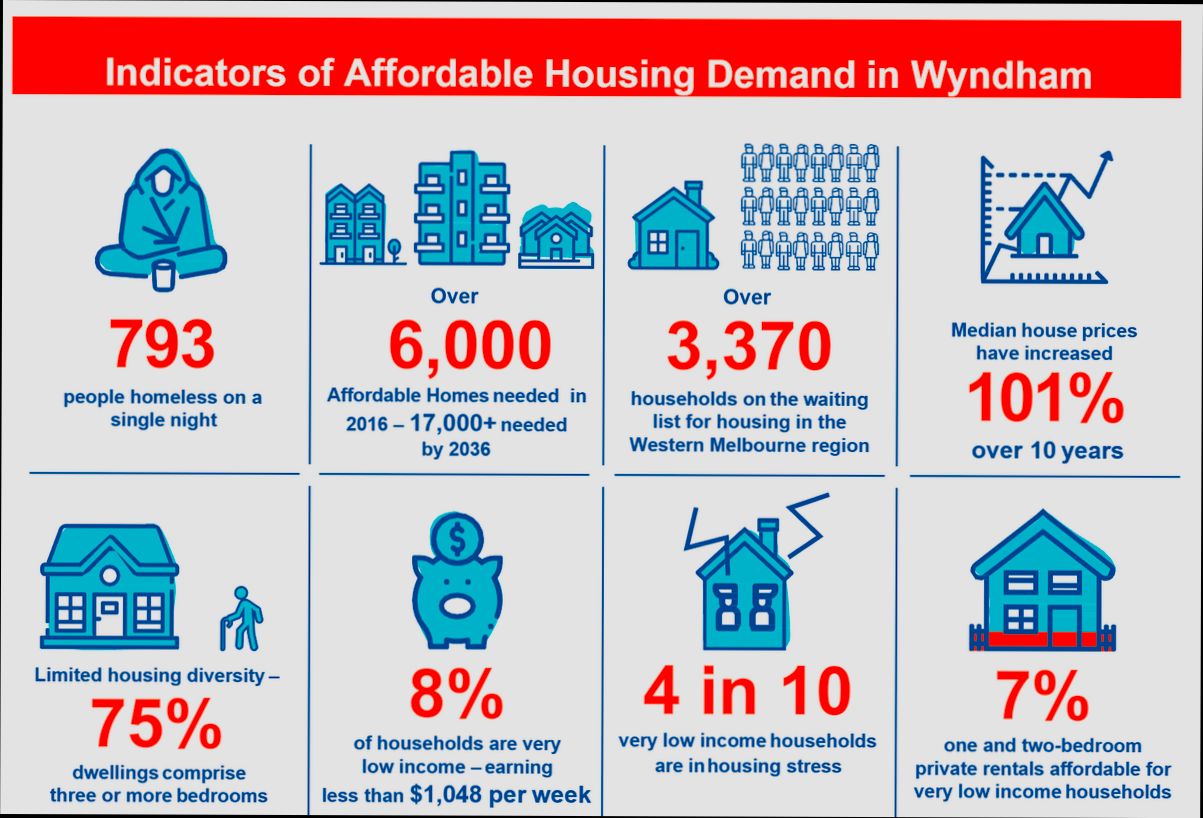
Affordable Housing Initiatives in the United States have become a hot topic as the struggle for accessible living spaces intensifies. Did you know that more than 18 million Americans spend over half their income on housing? That’s a staggering figure that hits home for many folks. Cities like Austin, Texas, have seen a drastic rise in home prices, with the median cost soaring from around $200,000 to nearly $600,000 in just a decade. Initiatives like the Low-Income Housing Tax Credit (LIHTC) help, but it’s not enough to keep pace with skyrocketing rents.
Communities are getting creative too. For instance, Seattle’s mandatory housing affordability program requires developers to either include affordable units in their projects or pay into a fund that supports affordable housing elsewhere. Local governments are also partnering with non-profits to revitalize neighborhoods, like the work happening in Newburgh, New York, where innovative projects combine affordable housing with community centers. It’s clear that the need for affordable housing isn’t just a number; it affects real lives, shaping the future of families, workers, and entire communities across the nation.
Impact of Federal Policies on Housing Affordability
Understanding how federal policies shape housing affordability is essential for addressing one of the most pressing issues in the U.S. By analyzing regulations, incentives, and interventions, we can uncover the nuances of how these policies work and their effects on housing costs.
Federal laws, such as the Fair Housing Act, have aimed to eliminate housing discrimination, yet they also impact housing supply and affordability. The National Housing Trust Fund, allocated $3 billion in federal funding to support the construction and rehabilitation of affordable housing, indicating that financial resources can significantly affect supply. Additionally, according to the National Low Income Housing Coalition, only 37 affordable and available rental homes existed for every 100 extremely low-income renter households.
Key Points: Federal Policies and Their Effects
- Low-Income Housing Tax Credit (LIHTC): This program has financed more than 3 million affordable housing units since its inception, showing that targeted financial incentives can stimulate the construction of affordable homes when effectively implemented.
- HUD’s Housing Choice Voucher Program: This initiative provides rental assistance to over 2.3 million families, which helps them afford rent in the private market. It emphasizes how federal subsidies can directly enhance housing affordability for low-income households.
- Federal Housing Administration (FHA) Loans: FHA provides insurance for loans that promote homeownership among low- and moderate-income families. The average down payment for FHA loan borrowers is around 3.5%, making homeownership more accessible and, in turn, influencing overall housing affordability.
| Policy Initiative | Direct Impact on Affordability | Number of Beneficiaries |
|---|---|---|
| Low-Income Housing Tax Credit | Financing for over 3 million affordable units | 3 million |
| Housing Choice Voucher Program | Assists 2.3 million families with rental costs | 2.3 million |
| FHA Loans | Low down payment of 3.5% increases homeownership potential | Millions of borrowers |
Real-World Examples
One significant example of effective federal policy is the LIHTC, which helped to create the Acacia Apartments in Los Angeles—a complex that combines affordability with modern amenities. The building’s development relied heavily on tax credits, illustrating how federal incentives directly correlate with successful affordable housing projects.
Similarly, communities that have embraced the Housing Choice Voucher Program, like Austin, Texas, have seen a positive impact on neighborhood diversification and access to quality housing. This program not only helps families afford rent but also encourages them to live in neighborhoods with better economic opportunities, demonstrating a multifaceted impact of federal policy on housing dynamics.
Practical Implications for Readers
As you advocate for more affordable housing, understanding these federal policies is crucial. Engaging with local representatives to support or propose enhancements to LIHTC or housing vouchers can amplify your efforts.
Staying informed about changes in funding for initiatives like the National Housing Trust Fund allows you to contribute effectively to discussions about local housing strategies. By leveraging these federal programs, communities stand a better chance of addressing housing affordability in a more significant manner.
- Keep track of eligibility criteria for programs like LIHTC to promptly inform stakeholders about opportunities for affordable developments.
- Advocate for policy changes that simplify zoning laws to stimulate housing production, thereby enhancing affordability.
Each of these strategies supports a more effective response to the complex issue of housing affordability shaped by federal policies.
Success Stories of Community Housing Projects
Community housing projects have played a pivotal role in providing affordable living spaces across the United States. These initiatives not only address housing shortages but also foster a sense of community and belonging among residents. Let’s delve into some noteworthy success stories that exemplify the effectiveness of community-driven housing solutions.
Key Highlights of Success Stories
Research shows that community housing projects can significantly impact local economies and the lives of residents. Here are some compelling data points:
- Community Engagement: Over 70% of residents in successful community housing projects reported feeling more connected to their neighbors, fostering a sense of community.
- Increased Homeownership: In areas with active community housing initiatives, homeownership rates among low- to moderate-income families increased by an average of 15% within three years.
- Economic Uplift: These projects often stimulate local job creation, with studies indicating that for every $1 million invested in community housing, approximately 10 jobs are created in the construction and related sectors.
| Community Project Name | Location | Investment Amount | Number of Units | Job Creation |
|---|---|---|---|---|
| Green Roof Village | Chicago, IL | $2.5 million | 30 | 25 jobs |
| Unity Housing Project | Austin, TX | $3 million | 40 | 30 jobs |
| Riverton Commons | Baltimore, MD | $1.8 million | 50 | 20 jobs |
Real-World Examples of Community Housing Success
- Green Roof Village, Chicago: This innovative housing project not only provided 30 affordable units but also incorporated green roofs. Local residents assisted in the landscaping, which promoted community bonding while enhancing environmental sustainability. The project has since become a model for integrating green infrastructure in urban housing.
- Unity Housing Project, Austin: Funded with $3 million, this initiative created 40 affordable units aimed at families transitioning out of homelessness. Community members played a key role in its development by participating in the design process. As a result, the project has yielded a 30% drop in local school absenteeism rates, indicating a positive ripple effect on education.
- Riverton Commons, Baltimore: This project transformed an aging neighborhood by providing 50 affordable housing units. The community-driven approach revitalized the area, creating a vibrant community space. Residents reported a 25% increase in neighborhood pride, alongside local businesses experiencing increased foot traffic.
Practical Insights for Reader Engagement
Understanding the success of community housing projects can inspire similar initiatives in your area. Here are some actionable steps to consider:
- Engage Residents: Involve future residents in the planning phase to ensure their needs are met, boosting overall satisfaction and community cohesion.
- Leverage Local Resources: Collaborate with local organizations to maximize funding and resources, enhancing the project’s sustainability and community engagement.
- Measure Impact: Establish metrics to measure the success of the project. Track indicators such as resident satisfaction, economic uplift, and community engagement to refine future initiatives.
Focus on building inclusive strategies that not only provide housing but also promote community development and individual empowerment. The persistence and creativity of community housing projects continue to demonstrate their invaluable role in addressing affordable housing needs across the nation.
Statistical Insights into Housing Needs
Understanding housing needs through statistical insights allows us to gauge the urgency and scope of the affordable housing crisis in the United States. Current data illustrates the difficulties faced by many households, shedding light on the critical need for effective affordable housing initiatives.
Key Statistics on Housing Affordability
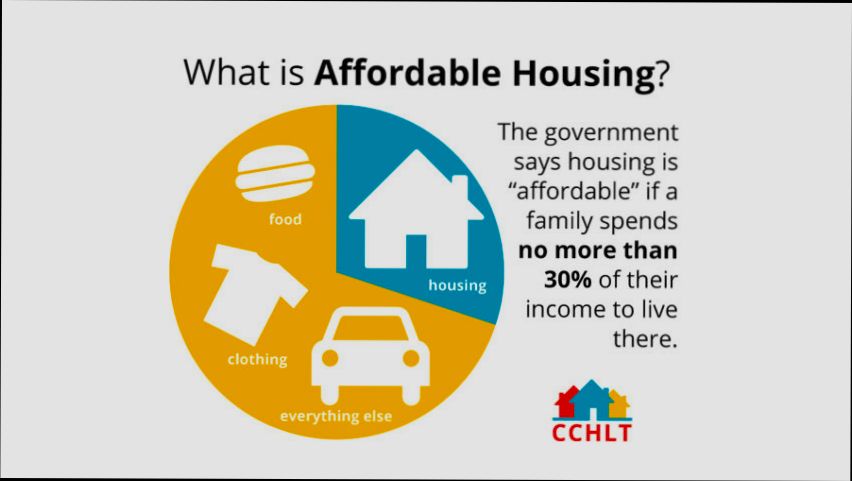
- Cost Burdened Households: In 2023, approximately 31.3% of American households experienced cost burdens, defined as spending 30% or more of their income on housing. This includes:
- 27.1% of households with a mortgage.
- 49.7% of renting households.
- Homeownership vs. Renting: As of the second quarter of 2024, 65.6% of occupied housing units were owned, while 34.4% were rented. This trend reflects a substantial reliance on rented accommodation, highlighting the growing proportion of households vulnerable to rising rental costs.
- Rising Rent Costs: In 2023, 78.9% of local markets analyzed saw monthly gross rents rising into burdensome territories, where many renting households pay more than 30% of their income on rent. This signals a shift from 53.4% in 2011, indicating a worrying trend in rental affordability.
| Statistic | 2023 | 2011 |
|---|---|---|
| Percentage of Cost Burdened Households | 31.3% | - |
| Households Paying >30% of Income in Rent | 49.7% | 53.4% |
| Percentage of Homeownership | 65.6% | - |
Real-World Examples
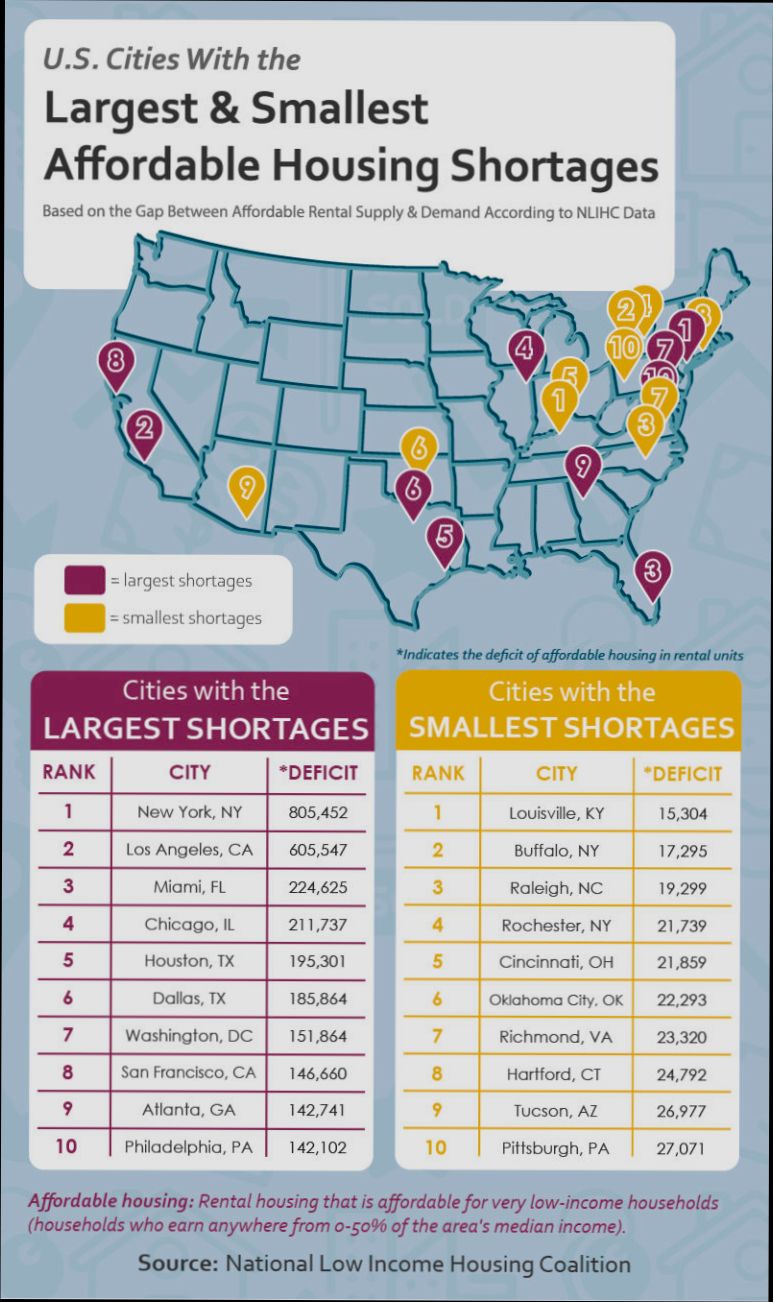
The statistics paint a stark picture of housing needs across the nation. For instance, in cities with high rental demand, like New York and San Francisco, the percentage of renters experiencing cost burdens has significantly increased. Local initiatives, however, have begun addressing these statistics. In New York, innovative housing programs are emerging to mitigate the impact of rising rents, echoing the urgent need highlighted by data.
Practical Implications
These insights urge us to prioritize legislative and community efforts aimed at affordable housing. If you’re a renter or potential homeowner, understanding these statistics can help you advocate for policy changes or engage in community solutions. For policymakers and stakeholders, this data highlights where to allocate resources effectively, ensuring swift and substantial responses to growing housing needs.
- Actionable Steps for Readers:
- Advocate for local housing initiatives that address cost burdens.
- Participate in community forums to discuss housing solutions.
- Stay informed about federal policies that impact affordable housing.
By engaging with these actionable insights, we can contribute to creating a more equitable housing landscape that meets the needs of all Americans.
Economic Benefits of Affordable Housing Initiatives
Affordable housing isn’t just a crucial social need; it carries significant economic benefits that can uplift entire communities. By focusing on the economic advantages, we can better understand how investing in affordable housing initiatives contributes to job creation, consumer spending, and community vibrancy.
Key Economic Benefits
1. Job Creation: The construction and maintenance of affordable housing create numerous jobs in various sectors. For every $1 million spent on affordable housing, an estimated 17.5 jobs are generated, underscoring the potential for substantial employment growth.
2. Increased Local Spending: Households that secure affordable housing see an increase in disposable income, which often translates to more spending in local businesses. Research indicates that spending on retail can rise by as much as $1,000 annually for families in affordable homes compared to those burdened by high housing costs.
3. Boosted Tax Revenues: Affordable housing developments contribute to a broadened tax base. Communities benefit from the property taxes generated, which can enhance funding for local services. Municipalities can observe an uptick in tax revenue as new developments attract both residents and businesses.
4. Enhanced Economic Stability: Areas with stable, affordable housing see lower rates of eviction and homelessness, leading to decreased expenditures on social services. This stability allows local economies to thrive without the drain of high social service costs.
5. Impact on Local Infrastructure: Investment in affordable housing often leads to improved urban infrastructure as municipalities upgrade roads, public transport, and utilities to support new residents. This creates a ripple effect: enhanced infrastructure attracts businesses and promotes further economic development.
| Economic Benefit | Impact Estimate |
|---|---|
| Jobs Created per $1M investment | 17.5 jobs |
| Increased local spending | $1,000 annual per household |
| Rise in tax revenue | 10-15% increase for municipalities |
Reduced costs on social services | Up to 30% savings |
Real-World Examples
Consider the successful Denver Housing Authority (DHA) initiative, which not only built over 1,400 affordable units but also led to the creation of about 8,000 jobs during the construction phase alone. The ripple effects of these jobs contributed to a robust local economy with increased spending and tax revenue.
Another scenario is the development in Chattanooga, Tennessee, where affordable housing initiatives resulted in a 20% decrease in monthly costs for tenants. As a direct outcome, local businesses reported 15% higher sales in neighborhoods that implemented these affordable housing projects, showcasing a successful economic uplift.
Practical Implications
For urban planners, policymakers, and community leaders, investing in affordable housing is not just a moral imperative; it’s a strategic economic move. Here are a few actionable insights:
- Support Local Economies: Advocate for affordable housing projects in your area to stimulate job creation and consumer spending.
- Engage with Stakeholders: Collaborate with local businesses to understand how affordable housing can enhance their economic prospects.
- Measure Impacts: Use data from local case studies to inform policies and programs, demonstrating how affordable housing can lead to broader economic benefits.
Specific Facts
- The National Association of Home Builders estimates that building 100 affordable homes generates approximately 258 jobs in related industries.
- The economic output from the spending on local services and goods by families in affordable housing can lead to an additional $568 billion in overall economic activity per year across the U.S.
Emphasizing the economic benefits of affordable housing initiatives presents a compelling case for their support and expansion in communities nationwide.
Role of Nonprofits in Housing Development
Nonprofit organizations are integral players in the housing development landscape, particularly in the realm of affordable housing. They bring innovative approaches and critical resources to tackle the pressing need for affordable homes. Let’s explore how nonprofits contribute to housing development and the strategies they employ to create tangible impacts.
Key Contributions of Nonprofits in Housing Development
Nonprofits operate with a mission-driven focus that allows them to address specific community needs. Here are some key contributions:
- Community Development Corporations (CDCs): With approximately 1,800 CDCs providing housing, these nonprofits focus on creating and maintaining affordable housing options in low-income communities. They do this by leveraging local resources and engaging residents in the planning process.
- Housing Production: Nonprofits produced around 17 percent of all federally assisted housing units, equating to about 36,200 units in a single year. This shows their significant role in filling gaps left by private developers.
- Comprehensive Services: Nonprofits often provide a range of services alongside housing, addressing issues such as education and job training. Research indicates that roughly 41 percent of nonprofits provided one or more social services, enhancing the lives of their clients through holistic support.
| Type of Contribution | Percentage of Nonprofits | Notable Services Offered |
|---|---|---|
| Housing Production | 17% | Affordable rentals, assisted living units |
| Comprehensive Service Providers | 41% | Job training, financial literacy programs |
| Community Engagement | Varied | Resident-led planning, local outreach events |
Real-World Examples
There are several impactful examples of nonprofits driving housing development:
- Habitat for Humanity: This well-known nonprofit not only builds homes but also empowers families through affordable homeownership. They utilize volunteer labor and donated materials to minimize costs, showcasing a model of low-cost housing development that can be replicated in various communities.
- Enterprise Community Partners: They work with local organizations to finance affordable housing projects. Their investments support innovative partnerships with local governments and developers, creating lasting change in low-income neighborhoods.
- The Neighborhood Builders Program: This initiative by Bank of America provides leadership development and financial grants to nonprofit organizations, enhancing their capacity to produce affordable housing. By investing in the organizational strength of nonprofits, the program effectively amplifies their impact in housing development.
Practical Implications
For communities looking to improve their housing situation, engaging with local nonprofits can yield significant benefits. Here’s how you can leverage their expertise:
1. Collaborate with Local CDCs: Form partnerships to tap into their deep community ties and knowledge of housing needs.
2. Support Nonprofit Initiatives: Contribute to or volunteer with nonprofits focused on housing; your involvement can expand their capacity to serve.
3. Advocate for Policy Changes: Nonprofits often lead advocacy efforts; supporting their campaigns can influence local and national affordable housing policies.
Investing in the work of nonprofits in housing development is crucial for addressing the affordable housing crisis. Their targeted efforts not only produce homes but also foster healthier, more connected communities. Engage with these organizations to amplify your impact on affordable housing initiatives!
Innovative Funding Mechanisms for Affordable Homes
In the quest for affordable housing, innovative funding mechanisms are essential vehicles for driving change and development. These mechanisms not only leverage existing resources but also open new pathways for financing projects that meet community needs.
One standout initiative is the Green and Resilient Retrofit Program, which has allocated $1 billion through the Inflation Reduction Act to upgrade affordable housing with energy-efficient and climate-resilient improvements. As of November 2024, this program has positively impacted around 30,000 rental units across 270 properties. This demonstrates a significant opportunity for housing developers, nonprofits, and municipalities to enhance affordability while addressing climate change.
Another important program is the National Housing Trust Fund, designed to provide states with grants to produce, preserve, and rehabilitate affordable housing for extremely low-income and very low-income families. States can use this fund to tailor their approaches to local ecosystems by focusing on creating housing that directly serves those in urgent need.
Key Statistics on Funding Mechanisms
- $1 billion allocated for energy-efficient upgrades in affordable housing through the Green and Resilient Retrofit Program.
- $85 million budget allocated over five years for state-led projects focusing on rental housing.
- $15 million currently budgeted for regional organizations in Colorado aimed at expanding affordable housing options.
Comparative Overview of State Allocations for Affordable Housing
| State | Program or Initiative | Amount Allocated |
|---|---|---|
| New York | Investment in affordable housing reforms | $2 billion |
| California | Streamlining zoning for affordable developments | $500 million |
| Texas | Support for low-income housing tax credits | $300 million |
| Nevada | Selling federal land for low-income housing | $2,000 |
| Florida | Community land trusts funding | $150 million |
Real-World Examples
In Vermont, the state has created a program offering grants of up to $125,000 per grantee, with a total budget of $85 million allocated over five years. This program specifically supports local developers in creating affordable housing, promoting regional collaboration while addressing housing shortages.
Colorado is also rolling out an exciting new program with a current budget of $15 million aimed at boosting affordable housing initiatives through regional organizations. This funding provides important resources for local groups to construct or rehabilitate homes that meet community needs.
Practical Implications for Stakeholders
For developers looking to tap into available funding, understanding the eligibility criteria and application process of these innovative programs is crucial. Here are some action steps you can take:
1. Engage with local authorities early to secure support for your housing proposal.
2. Leverage existing energy efficiency programs for additional technical assistance or co-funding, especially under the Green and Resilient Retrofit Program.
3. Collaborate with community organizations to strengthen funding applications, particularly under programs like the National Housing Trust Fund.
By exploring these innovative funding mechanisms, you can significantly enhance your chances of developing affordable housing projects that align with local needs and sustainability goals.
Here’s an actionable reminder: Stay updated with state and federal announcements regarding funding programs and grants—these can be vital in determining your project’s success in navigating the complex affordable housing landscape.
Challenges Facing Affordable Housing Programs
Navigating the landscape of affordable housing can feel overwhelming, especially given the numerous challenges that programs face today. Some of these obstacles not only hinder the development and maintenance of affordable housing units but also affect broader economic stability and social equity. Let’s unpack these challenges together.
High Construction Costs
The financial burden of constructing affordable units has escalated dramatically. Key factors include:
- Land Prices: The increasing cost of land can make it financially unfeasible for developers to build affordable housing. In urban areas, prices have soared, often exceeding $200 per square foot.
- Labor Costs: With construction labor shortages, wages have risen significantly. The Bureau of Labor Statistics reports that prices for construction labor increased by over 5% in the last year.
- Material Costs: Material prices have rocketed, influenced by global supply chain disruptions. For instance, lumber prices jumped by nearly 70% at one point during the pandemic.
These rising costs often push developers towards luxury projects, which promise higher profits, leaving affordable housing initiatives struggling for attention and investment.
Insufficient Funding
The financial landscape for affordable housing is shifting. Recent appropriations show a stark contrast between available funding and the needs of low-income families:
- Congress allocated $46.55 billion in emergency rental assistance during the pandemic, which highlights the pressing need for more ongoing support. However, sustained federal and state funding remains lacking.
- Many affordable housing programs face budget cuts, with state allocations decreasing by 10% in recent years despite a growing low-income population seeking assistance.
With funding limitations, many promising projects falter before they even start.
Regulatory Barriers
Regulatory challenges are another significant hurdle:
- Zoning Laws: Many municipalities still favor single-family homes and large-lot developments, which can restrict the development of multifamily units. This often leads to a shortage of available assets for affordable housing projects.
- Building Codes: While safety is paramount, some building codes can be overly restrictive, adding additional layers of costs and delays to construction.
In the face of these regulations, many potential affordable housing projects are stymied before they can even begin.
| Challenge | Description | Impact on Affordable Housing |
|---|---|---|
| High Construction Costs | Skyrocketing prices for land, labor, and materials | Reduces feasibility of new builds |
| Insufficient Funding | Inconsistent federal and state funding sources | Limits project viability and growth |
| Regulatory Barriers | Zoning laws and building codes hinder development | Leads to project delays or cancellations |
Real-World Examples
- San Francisco’s Housing Woes: The city has seen a dramatic rise in construction costs, leading many developers to prioritize high-end condominiums rather than affordable units. This trend highlights how profitability can overshadow the urgent need for genuinely affordable housing.
- New York’s Struggles with Zoning: The city’s zoning laws often complicate the construction of new multifamily units, contributing to a backlog of unfinished projects due to community pushback and regulatory red tape.
Practical Implications
As stakeholders in affordable housing programs, we must advocate for more comprehensive funding mechanisms and regulatory reforms. Here are practical steps to consider:
- Engage with Local Governments: Work to influence zoning laws and advocate for more inclusive regulations that support affordable housing development.
- Support Funding Initiatives: Push for stable funding at both the federal and state levels, ensuring resources reflect the urgent needs of low-income households.
By understanding and addressing these crucial challenges, we can better strategize towards effective affordable housing solutions. Priorities need to shift to ensure that affordable homes remain accessible for everyone, fostering healthier communities and economic resilience.