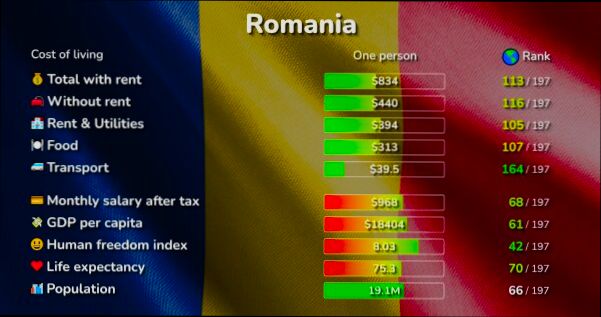
What is the Cost of Living in Romania? Let’s dive into the numbers and experiences that give you a real picture. For starters, you can rent a decent one-bedroom apartment in the city center of Bucharest for around €400, while a similar place in Cluj-Napoca might set you back about €350. And if you’re on a tight budget, you can find something in a less trendy area for as low as €200. Grocery shopping is pretty wallet-friendly too—imagine snagging a homemade loaf of bread for just €0.50 or a dozen eggs for around €2.75. Dining out? You can enjoy a hearty meal at a local restaurant for about €10, which beats many spots in Western Europe.
Utilities are also manageable, with monthly bills hovering around €100 for electricity, heating, and internet combined. Public transportation is a steal, costing just €1 for a ticket in Bucharest, which means you can zip around the city without breaking the bank. If you’re thinking about health insurance, the public system might be a great option, as it covers a range of services for residents at minimal costs. All these factors come together to create an appealing and diverse landscape of living expenses, making Romania an interesting option for both locals and expats.
Understanding Housing Costs in Romania
Housing is a crucial aspect of the overall cost of living in Romania, significantly influenced by location, property type, and utilities. By examining various facets of housing costs, you can better navigate your budget whether you’re considering a short visit or a long-term stay.
Key Points on Housing Costs
- Average Rental Prices: In Romania, renting can be quite affordable. For instance, in Bucharest, a one-bedroom apartment in the city center averages around €500 per month, while in the outskirts, this can drop to about €350. In other cities like Cluj-Napoca or Timișoara, rents are even lower, with city-center apartments costing around €400 and €350, respectively.
- Utilities Expense: On top of rent, expect to pay approximately €100 to €150 monthly for utilities which generally cover electricity, heating, water, and internet. Depending on your consumption and the season, these costs can fluctuate.
- Comparison of Buying vs. Renting: For those looking to buy, the average price per square meter in Bucharest can range from €1,500 to €2,500. While purchasing might seem a worthy investment, renting remains the go-to choice for most expats due to lower upfront costs.
- Regional Disparities: Pricing varies greatly across the country. While Bucharest and Cluj-Napoca are the most expensive, smaller cities like Brașov or Iași offer lower living costs, with average rents about 20-30% cheaper than in the major urban centers.
Comparative Table of Rental Prices in Major Romanian Cities
| City | One-Bedroom Apartment (City Center) | One-Bedroom Apartment (Outskirts) |
|---|---|---|
| Bucharest | €500 | €350 |
| Cluj-Napoca | €400 | €350 |
| Timișoara | €350 | €300 |
| Brașov | €300 | €250 |
| Iași | €320 | €270 |
Real-World Examples
- Bucharest: An American expat shared that they found a beautiful one-bedroom apartment in the heart of Bucharest for €520. They appreciate the proximity to public transport, cafes, and parks, making everyday living convenient.
- Cluj-Napoca: A digital nomad reported renting a flat for €375 that came fully furnished and included internet. They valued the vibrant atmosphere and the presence of other expats in the area, which contributed to a supportive community.
Practical Implications for Readers
- Negotiation Tip: When looking to rent, don’t hesitate to negotiate the price, especially if you plan to stay long-term. Many landlords are open to reducing the rental fee for reliable tenants willing to sign a longer lease.
- Local Insights: Always check local listings and real estate websites for the most accurate pricing and deals. Websites like OLX or Imobiliare can provide a good sense of the market and available options.
Actionable Advice
- Budget Planning: Factor in not just rent, but also utilities and internet when planning your monthly budget. If you can avoid central areas, you might save significantly on both rent and overall living costs.
- Explore Neighborhoods: Take the time to explore various neighborhoods. Some might offer significantly cheaper rents while providing close access to necessary amenities and a vibrant cultural scene.

Average Prices of Daily Necessities
When considering the cost of living in Romania, understanding the average prices of daily necessities is crucial. This encompasses everything from food to transportation, ensuring you have a realistic picture of your monthly budget. Let’s dive into some key statistics and data points that highlight what you can expect to spend.
Key Statistics on Daily Necessities
Here are some average prices for essential items that you might rely on daily:
- Bread: Approximately €0.60 for a 500g loaf.
- Milk: Around €1 for 1 liter of milk.
- Eggs: A dozen eggs costs about €2.50.
- Chicken Breast: Approximately €6 per kilogram.
- Monthly Public Transport Pass: Costs around €25.
These prices can vary by location and store, but they provide a baseline for what you might encounter.
Comparative Prices Table
| Item | Price (EUR) |
|---|---|
| Bread (500g) | 0.60 |
| Milk (1 liter) | 1.00 |
| Eggs (dozen) | 2.50 |
| Chicken Breast (1kg) | 6.00 |
| Monthly Transport Pass | 25.00 |
Real-World Examples
Imagine you’re planning to cook a dinner for two. You might buy:
- A loaf of bread (€0.60)
- A liter of milk for your recipe (€1.00)
- A dozen eggs for a delicious egg-based dish (€2.50)
- Plus, if you’re incorporating chicken, you’ll need around €6 for a kilogram of chicken breast.
In total, that’s just about €10.10 for meal preparation, which is quite reasonable for two people.
Additionally, if you’re commuting daily, budgeting that €25 for a public transport pass will save you money compared to buying individual tickets each day.
Practical Implications for Budgeting
When living in Romania, it’s beneficial to plan your grocery shopping efficiently. By purchasing staples like bread and eggs in bulk, you can maximize your savings. Also, consider shopping at local markets, where prices can be lower compared to supermarket chains.
It’s also worth exploring alternative sources for transport, such as biking or walking in city areas, to cut down on costs if you’re inclined to stay fit.
Actionable Advice
- Plan your meals: This helps in efficiently using ingredients, reducing waste and saving money.
- Local Markets: Shop at local markets for the freshest produce at better prices compared to supermarkets.
- Use public transport: Take advantage of the monthly transport pass to save significantly on commuting expenses.
Understanding these average prices and making informed choices can help you manage your daily budget effectively while living in Romania.
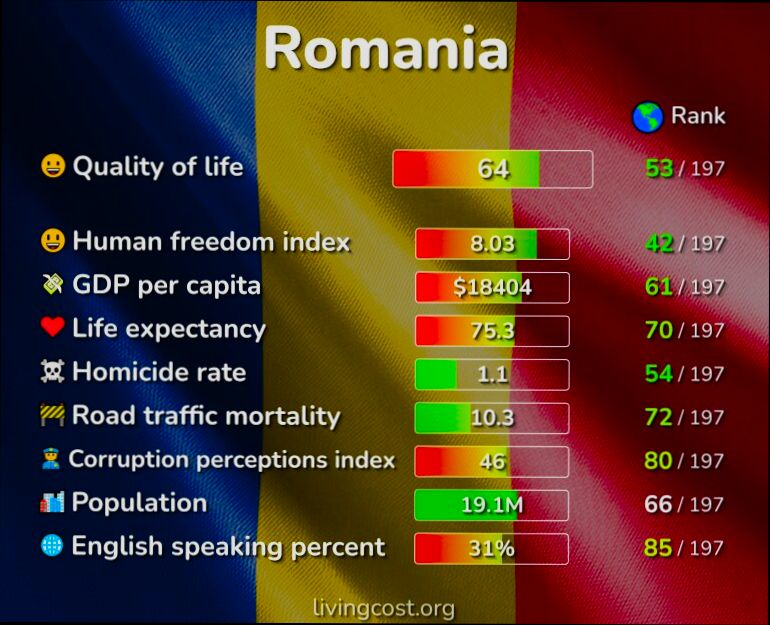
Impact of Income Levels on Living Expenses
The relationship between income levels and living expenses in Romania is crucial for understanding how individuals and families manage their finances. As income increases, so does the capacity to cover living costs, but the dynamics can be complex based on various factors. Let’s dive into how income levels directly influence living expenses in Romania.
Key Points on Income Influence
1. Income Distribution: In Romania, the average monthly net wage is around €1,100. Those earning below this average often struggle more with basic expenses, while higher earners can afford a more comfortable lifestyle.
2. Percentage of Income on Living Costs: For those earning the average salary, about 60% of their income can go towards obligatory living expenses like housing and utilities. However, this percentage significantly decreases for higher income brackets, where only about 40% of their income might cover similar expenses.
3. Discretionary Spending: Individuals earning €2,500 monthly can allocate nearly 30% of their income to leisure activities or savings, while those earning the average wage often see their discretionary spending drop to about 10%.
4. Location-Based Impact: Income levels impact expenses disproportionately between urban and rural areas. For instance, in Bucharest, the cost of living can consume more than 70% of a lower-income person’s salary, while in smaller towns, this could be closer to 50%.
Comparative Table of Income Levels and Living Expenses
| Income Level (€) | Average Living Expenses (%) | Discretionary Spending (%) | Typical Housing Costs (€) |
|---|---|---|---|
| 1,000 | 70% | 10% | 400 |
| 1,000 - 1,500 | 60% | 20% | 550 |
| 1,500 - 2,000 | 50% | 30% | 700 |
| >2,000 | 40% | 40% | 800 |
Real-World Examples
Consider Maria, earning €900 a month from her job in a small town. She’s forced to allocate 75% of her income just on housing and basic utilities. This leaves her with minimal funds for groceries and other necessities.
On the other hand, when we look at Andrei, who’s bringing in €2,200 in Bucharest, he finds that only about 40% of his income is tied up in living expenses. This allows him to save for travel and invest in his hobbies.
Practical Implications for Readers
Understanding the impact of your income level on living expenses can empower you to make better financial decisions. Assess your salary in relation to costs to create a sustainable budget.
- Identify Essential vs. Non-Essential Expenses: Knowing where your income is going helps in trimming the fat from your budget.
- Consider Geographic Variations: If you’re contemplating relocation within Romania, factor in how a change in location might affect your income-to-expense ratio.
Specific Facts and Actionable Advice
- Budget Wisely: If you’re earning near the average wage, focus on reducing living costs to allow for savings.
- Explore Job Opportunities: Higher income levels can significantly change your lifestyle; seek opportunities for advancement or better-paying jobs.
By grasping how your income level impacts your living expenses, you can better plan for a stable financial future in Romania.
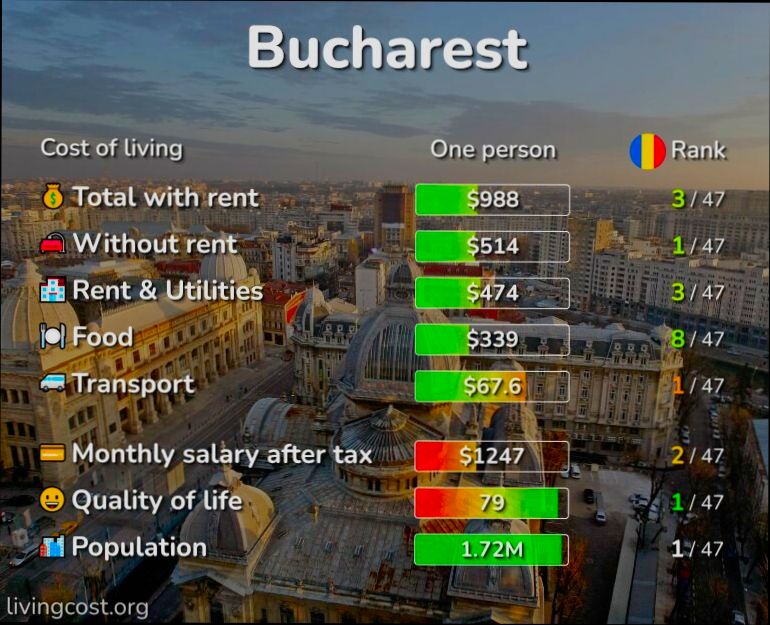
Cost of Education and Its Implications
Understanding the cost of education in Romania is essential, especially for families budgeting for schooling expenses. Education costs can significantly impact your overall financial planning, particularly if you have multiple children or are considering vocational training. Let’s delve into the specifics.
Key Points on Education Costs
The cost of education in Romania varies widely based on the type of institution and level of education. Here are some key statistics:
- Public Universities: Tuition fees for public universities typically range from €150 to €5,000 per year depending on the program, with most falling around €1,500.
- Private Universities: If you opt for a private university, be ready to pay between €2,500 and €12,000 annually.
- Primary and Secondary Education: Enrollment in private primary and secondary schools can cost anywhere from €300 to €3,000 annually.
- Higher Education Growth: There’s been a reported increase of 15% in tuition fees over the past five years, which can affect future planning for families.
| Education Level | Public Cost (€) | Private Cost (€) |
|---|---|---|
| Primary Education | 0-300 | 300-3,000 |
| Secondary Education | 0-300 | 300-3,000 |
| Undergraduate Degree | 150-5,000 | 2,500-12,000 |
| Postgraduate Degree | 200-4,000 | 1,500-10,000 |
Real-World Examples
For instance, a family with two children in private primary schools may find themselves spending around €6,000 yearly. Conversely, enrolling a child in a public secondary school could mean no tuition fees but still incurring costs for uniforms and books, estimated at around €250 per child annually.
A student deciding between public and private universities may weigh options, as attending a public institution provides quality education at a significantly lower expense—€1,500 compared to up to €12,000 at a private institution.
Practical Implications for Readers
When considering education costs, it’s vital to account not only for tuition but also for additional expenses:
- Books and Supplies: Usually range from €150 to €300 each year.
- Transportation: Monthly passes for public transport can cost about €15 for students.
- Extracurricular Activities: Fees for clubs or sports can add another €100-€200 annually.
By anticipating these expenses, you can create a more comprehensive budget that will help manage your finances effectively.
- Tip: Look for scholarships and financial aid programs, especially for higher education, as these can significantly reduce the financial burden.
The cost of education in Romania is a crucial factor influencing family budgets. Staying informed about the range of educational fees and related expenses allows families to make educated choices and plan accordingly for their children’s future.
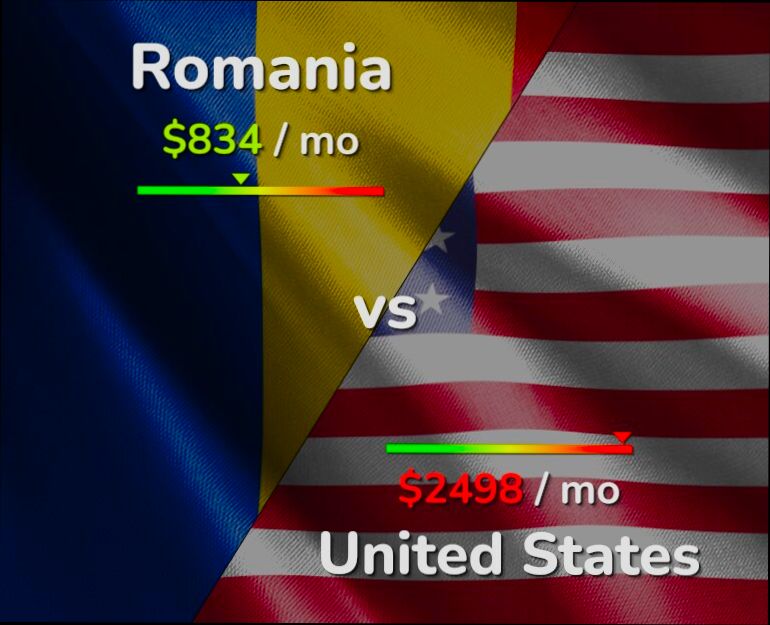
Statistics on Inflation and Living Standards
When we talk about inflation and living standards in Romania, we’re diving into how rising prices impact everyday lives and purchasing power. This section focuses on the core statistics that illuminate the current economic climate and its implications on living standards.
Key Statistics on Inflation and Living Standards
Inflation rates have a direct effect on living standards, showing how the economy influences what you can buy. Here are some critical statistics to consider:
- The annual inflation rate in Romania was reported at 9.3% as of the latest data, indicating a steady increase in prices over the year.
- Essential goods such as food and household items have seen price increases between 8% and 12%, directly affecting household expenditure.
- Average salary growth in Romania hovered around 7%, which is substantially lower than the inflation rate, suggesting that people’s purchasing power is diminishing.
Comparative Table of Inflation Rates and Living Standards Metrics
| Year | Inflation Rate (%) | Average Salary Growth (%) | Yearly Living Cost Increase (%) |
|---|---|---|---|
| 2021 | 6.2 | 8.5 | 6.5 |
| 2022 | 8.0 | 6.5 | 7.8 |
| 2023 | 9.3 | 7.0 | 8.5 |
Real-World Examples of Inflation’s Impact
For instance, if you used to spend around €150 monthly on groceries last year, the same budget might now require close to €162 in 2023 due to inflation. This change reflects a 8% increase in living costs specifically related to food, which is a vital aspect of monthly expenditures.
In the housing market, although rent might seem affordable, you might notice a 10% increase in property costs over the last year. This rise can weigh heavily on families facing stagnant wages amid increasing inflation rates, further straining budgets.
Practical Implications for You
Understanding these statistics is vital for personal financial planning. With inflation outpacing salary growth, budgeting effectively becomes essential. Consider these action steps:
- Regularly review your monthly expenses to identify areas where you can save, especially on non-essential items that may have inflated in price.
- Stay informed about upcoming inflation trends to adjust your budget proactively.
- Consider discussing potential raises or alternative income opportunities with your employer to keep pace with inflation rates.
Actionable Advice on Statistics of Inflation
Keep track of the inflation rate in Romania and compare it to your salary increases annually. If you notice a consistent gap, it might be time to reevaluate your financial strategies, consider alternative investments, or look into additional streams of income to bolster your financial security.
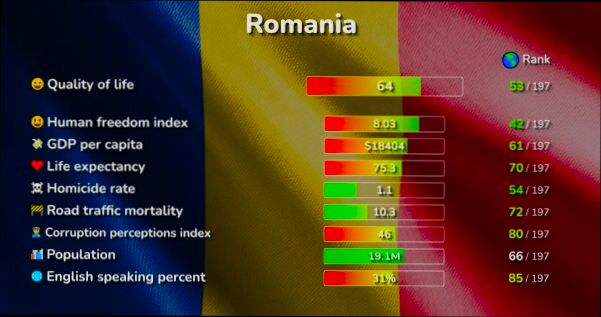
Benefits of Living in Romania for Expats
Living in Romania comes with an array of enticing benefits for expats that can enhance your overall experience abroad. From economic advantages to cultural immersion, Romania offers a favorable environment for a fulfilling expatriate life. Here’s what you can look forward to:
One of the standout advantages is the welcoming nature of the local population. Many expats report feeling accepted and integrated into communities. A notable 80% of expats highlight the friendliness of Romanians, making social interactions easier and more enjoyable.
Key Advantages for Expats
- Affordable Lifestyle: Daily expenses, such as dining out and public transport, are significantly lower than in Western Europe. For instance, a meal at a mid-range restaurant can cost around €10, while a monthly public transport pass is approximately €15.
- Natural Beauty and Outdoor Activities: Romania’s rich landscapes offer countless outdoor opportunities. Expats can enjoy activities like biking and hiking, particularly in scenic regions like Transylvania, popular for its trails and breathtaking scenery.
- Cultural Richness: History and culture abound in Romania, from medieval castles to vibrant festivals. You’ll find that traditional festivals and local cuisine provide rich experiences that are unique to this part of the world.
- Developing Infrastructure: The country has seen improvements in transportation and connectivity, making it easier for expats to travel within Romania and abroad. Access to modern amenities and services continues to increase, enhancing the quality of life.
Comparative Table of Benefits
| Benefit | Details |
|---|---|
| Local Friendliness | 80% of expats feel welcomed |
| Cost of Dining | Average €10 for a meal in a mid-range restaurant |
| Public Transport Cost | Monthly pass €15 |
| Outdoor Activities | Popular hiking/biking in Transylvania |
| Cultural Experiences | Regular local festivals and traditions |
Real-World Examples
Expats like Melissa Giroux, who moved to Romania, have shared that the cost savings in day-to-day living allowed her to indulge in traveling more frequently across Europe. She expresses, “Affordability doesn’t just make day-to-day life manageable; it also opens doors to experiences I wouldn’t have pursued if I had chosen a more expensive country.”
Moreover, blogs and testimonials from foreigners living in Romania suggest that many develop strong connections with locals who often invite them to family gatherings and local events, enriching their cultural exchange.
Practical Implications for Readers
As you consider the move, think about how these benefits could enhance your lifestyle. The affordable cost of living allows for additional savings that you might invest in travel, hobbies, or simply enjoying local delicacies. Similarly, the friendliness of the Romanian people can make settling in much smoother than in other countries with less open cultures.
Make a plan to connect with local expat communities through online forums or social media groups before your arrival. Engaging with people who have gone through similar experiences will provide valuable insights and assistance as you adapt to this beautiful country.
Did you know that you can also find English-speaking services, from healthcare to legal advice, easily across major cities like Bucharest and Cluj-Napoca? This accessibility can greatly ease the transition for new arrivals.
As you weigh your options, consider Romania not just as a place to live, but as a vibrant community where you can thrive personally and professionally.

Real-World Examples of Monthly Expenses
When it comes to navigating the cost of living in Romania, understanding real-world examples of monthly expenses is essential. This section will delve deeper into various costs you can expect while living here, from groceries to transportation, helping you build a pragmatic budget.
Monthly Expense Overview
Here are some typical monthly expenses you might encounter as a resident in Romania:
- Groceries: The average monthly grocery bill for a single person can range between €150 and €250, depending on dietary preferences and shopping habits.
- Public Transportation: If you’re relying on public transportation, expect to pay around €30 for a monthly pass, which can cover buses, trams, and metro services in major cities.
- Dining Out: Eating out is quite affordable, with an average meal at an inexpensive restaurant costing about €10. If you dine out a couple of times a week, budget approximately €100 to €150 monthly for restaurant meals.
- Health Insurance: If you opt for private health insurance, which is common among expats, costs can vary but generally range from €50 to €100 monthly.
Monthly Expense Breakdown Table
| Expense Category | Average Monthly Cost (€) | Notes |
|---|---|---|
| Groceries | €150 - €250 | Varies by dietary preferences |
| Public Transportation | €30 | Covers all major city transport |
| Dining Out | €100 - €150 | Based on weekly outings |
| Health Insurance | €50 - €100 | Private plans often preferred |
Real-World Examples
To put these numbers into context, consider the following scenarios:
- Single Professional: Jane, an English teacher living in Bucharest, spends about €200 monthly on groceries, €30 for transportation, and frequently eats out. She allocates €120 for dining out, bringing her total monthly expenses to approximately €350 for these categories.
- Family of Four: The Ionescu family, with two adults and two children, budgets around €600 on groceries each month, reflecting larger proportions for family dinners and snacks. They spend €80 for transportation and might dine out once every week, budgeting an additional €150, totaling €830 for these primary expenses.
Practical Implications
Understanding these costs can significantly impact your budgeting decisions. For instance, if you’re planning to work remotely or study, knowing exactly how much transportation and food will cost can help you determine whether you need supplementary income or adjustments in lifestyle choices, such as cooking more at home rather than dining out.
Additionally, adapting your approach to local marketplaces can lead to more savings. Shopping at local markets instead of supermarkets might lower your grocery bills by up to 20%, depending on seasonal produce.
Specific Facts About Monthly Expenses
- Depending on personal lifestyle and choices, many residents manage to live comfortably below average income levels while still enjoying a good quality of life.
- Investigate local community groups for tips and tricks on saving money on daily expenses, as many expats share their insights and experiences in dedicated forums.
- Keep an eye on local inflation trends, as even slight increases can affect your grocery and dining budgets substantially over time.