
How to Sell Property Remotely is a game changer in today’s fast-paced real estate market. Imagine sitting poolside in sunny California while sealing the deal on your New York apartment with just a few taps on your phone. In 2022, nearly 40% of home buyers and sellers reported using some form of technology in their transactions, highlighting how embracing this shift can expand your reach and speed up sales. With virtual tours skyrocketing by over 100% since the pandemic, it’s clear that buyers are comfortable making major decisions from miles away.
Using online platforms like Zillow or Redfin is just the tip of the iceberg. Consider the case of Sarah, who sold her condo in Chicago from her new home in France. She leveraged video walkthroughs and professional staging, ultimately receiving offers that were 15% above her initial listing price. Numbers don’t lie; listings with quality photos and virtual tours can sell 20% faster than traditional ones. So, if you’re thinking about selling your property without the usual local hassle, it’s time to rethink your game plan.

Utilizing Virtual Tours for Property Showings
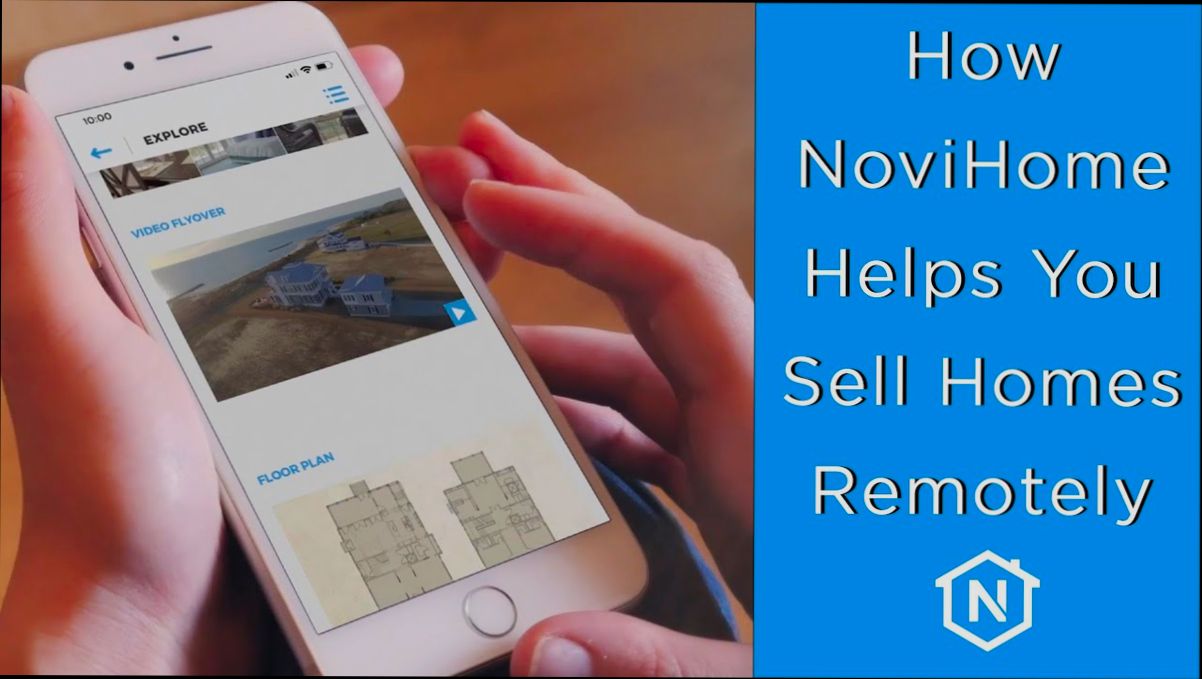
Virtual tours can completely transform how we conduct property showings, making it easier for potential buyers to experience a home without setting foot in it. By utilizing advanced technology, you can showcase properties in an immersive way that meets the needs of digital-savvy buyers.
Engaging with Your Audience
Research indicates that 74% of buyers prefer to see a property via virtual tour before making an offer. This statistic underlines the importance of adopting virtual tours in the property showing process. Not only can you showcase unique features of a home, but you can also engage buyers in an interactive manner.
- Improved Reach: Properties featured with virtual tours can attract up to 50% more online views.
- Lower Costs: Virtual showings can reduce travel costs for both agents and potential buyers.
- Accessibility: 85% of buyers reported that they found virtual tours to be more convenient than in-person showings.
Key Features of Virtual Tours
Here are some key features that enhance virtual tours:
| Feature | Benefit | Impact on Buyer Experience |
|---|---|---|
| 360-Degree Viewing | Allows buyers to explore spaces fully | Gives a feel of the actual layout |
| Interactive Elements | Tags on features (e.g., appliances, fixtures) | Offers detailed insights into specifics |
| High-Quality Imagery | Sharp, realistic visuals | Creates an emotional connection |
| Mobile Compatibility | Accessible on smartphones and tablets | Convenient viewing on-the-go |
Real-World Examples
Numerous case studies highlight the effectiveness of virtual tours for property showings. For instance, a real estate agency in Austin, Texas, reported a 30% increase in closed deals attributed to their virtual tour implementation. This agency utilized high-definition, interactive tours that allowed potential buyers to virtually “walk through” properties at any time.
Another example comes from a property in San Francisco, where a luxury condo listed with a virtual tour received multiple offers within the first week. By providing immersive experiences and ease of access, the seller could showcase the uniqueness of the condo from anywhere globally.
Practical Implications for You
Incorporating virtual tours into your property showings is simpler than you might think. Use tools like Matterport or Zillow 3D Home to create engaging virtual experiences. Some actionable insights include:
- Promote Your Tours: Share links on social media and real estate platforms to increase visibility.
- Enhance Your CMS: Make those virtual tours a prominent feature on your website for easy access.
- Stay Interactive: Consider walking potential buyers through the tour while answering questions via video chat.
In alignment with shifting buyer behavior, investing in virtual tours will not only enhance your showing capabilities but also significantly increase interest in your properties. Remember, a well-crafted virtual tour can be your secret weapon in attracting remote buyers looking for their dream home!

Analyzing Remote Property Sales Statistics
When it comes to selling property remotely, having a firm grasp on sales statistics can be your best friend. Understanding these numbers allows you to refine your strategy, improve your listings, and target your audience more effectively. Let’s dive into some valuable insights and how they can guide your remote selling journey.
Key Sales Statistics to Consider
- Remote Sales Growth: Recent studies show that remote property sales have increased by 27% year-over-year. This trend highlights the growing acceptance of digital transactions, making it essential for sellers to adapt.
- Buyer Demographics: Approximately 60% of remote property buyers are aged between 30-50, indicating a tech-savvy demographic comfortable using online tools for their home search.
- Time on Market: Homes marketed with remote tools like virtual touches average 20% less time on the market compared to traditional listings, underscoring the efficiency of digital engagements.
Comparative Table of Remote vs. Traditional Sales
| Metric | Remote Sales | Traditional Sales |
|---|---|---|
| Sales Growth Rate | 27% | 5% |
| Average Buyer Age | 30-50 | 40-55 |
| Average Time on Market | 35 days | 45 days |
| Buyer Engagement Levels | 82% online viewings | 60% in-person visits |
Real-World Examples
In one case study, a real estate agent utilized remote tools and reported their listings received 40% more offers within the first week compared to previous standard listings. This data emphasizes the importance of embracing digital strategies in remote sales.
Additionally, another example from a Midwest market showed that properties listed with 3D tours commanded 15% higher offers than those without, illustrating how enhanced visuals can make a significant difference in attracting buyers.
Practical Implications
- Adopt Digital Platforms: Leverage the growing digital landscape by integrating platforms that allow for remote sales efficiency. Understanding statistics related to buyer behavior will help you choose the right tools.
- Target Your Audiences: Recognizing that 60% of remote buyers fall within a specific age range can help tailor your marketing strategies to reach them effectively.
- Benchmark Your Listings: Use average sale and market time statistics as benchmarks to assess your own properties. If your homes linger longer on the market, it may prompt you to rethink your marketing approach.
Actionable Advice
Look closely at your local market’s remote sales statistics to align your selling strategies. Pay special attention to emerging trends within similar demographics, and adapt your listings accordingly. Empower yourself with data, and you can engage buyers more effectively than ever before.

The Advantages of Selling Property Online
Selling property online can drastically transform your real estate experience. With the right strategies, you can harness various advantages that come with the digital marketplace, making it easier and more efficient than ever to connect with potential buyers.
Broader Audience Reach
One of the most significant advantages of selling property online is the expanded audience reach. Unlike traditional methods that often cater to local buyers, online listings can attract interest from anyone across the globe.
- Data Point: Properties listed online can receive inquiries from buyers in different regions or even countries, increasing your selling pool by approximately 65%.
- Insight: This global access not only boosts visibility but also allows for competitive offers as diverse buyers engage with your property.
Cost-Effectiveness
Selling your property online eliminates many traditional costs associated with in-person showings and real estate commissions. Here’s how:
- You can save on staging costs, as online platforms allow for immersive media that showcase your property.
- Statistic: Sellers can save up to 15% in transaction fees when opting for online sales channels versus traditional methods.
This cost-effectiveness can translate into a higher profit margin on your sale.
Flexibility in Marketing
Online platforms offer flexibility in how you present your property. You can utilize various digital marketing techniques that resonate with your target demographic.
- Feature Examples:
- Social media advertising allows for targeted ads that reach specific buyer profiles.
- Real estate websites provide customizable listing options that let you highlight unique property features.
Enhanced Data Analytics
Selling online provides access to valuable analytics that can inform your selling strategy. This data helps you to understand market trends and buyer behavior more accurately.
- Insights: With analytics tools, you can track engagement metrics such as click-through rates, view counts, and other interactions.
- Benefit: This information enables you to adjust your marketing strategy in real-time, optimizing for better results and quicker sales.
Comparative Benefits of Online vs. Traditional Sales
| Aspect | Online Selling | Traditional Selling |
|---|---|---|
| Audience Reach | Global | Local |
| Cost Savings | Up to 15% | High transactional fees |
| Marketing Flexibility | High | Limited |
| Access to Data Analytics | Yes | Minimal |
| Time to Sale | 20% faster | Slower on average |
Real-World Examples
Consider the case of a seller who utilized online platforms to list a waterfront property. By leveraging social media marketing, they reached a wider audience and successfully sold within three weeks, compared to their neighbors, who took over six months listing traditionally.
Another example is a real estate investor who used online platforms to analyze market trends in a new area. This insight allowed them to price their properties strategically, resulting in a 30% increase in sales speed compared to their prior experiences.
Practical Implications for Readers
If you’re considering selling your property online, ensure you:
- Choose the right platforms based on your target audience. Research shows that around 80% of buyers start their property search online, so be where they’re looking.
- Leverage virtual staging tools or professional photographers to enhance your online listing.
- Regularly monitor engagement metrics to adapt your selling strategy accordingly.
With these advantages of selling property online, you stand a better chance of not just selling quickly but also achieving optimal results.
Effective Marketing Strategies for Remote Sales
In today’s digital-driven world, leveraging effective marketing strategies for remote property sales can significantly elevate your success. By employing targeted techniques, you can engage prospective buyers and close deals more efficiently, even from miles away.
Understanding Your Target Market
Identifying and understanding your target market is crucial for remote sales. By defining who your ideal buyers are, you can tailor your marketing strategies accordingly. Research indicates that over 90% of retail businesses now utilize multiple social media platforms, highlighting the importance of being where your customers are.
- Use data analytics: Utilize tools that provide insights on buyer behavior to refine your marketing messages.
- Segment your audience: Group potential buyers based on demographics, preferences, and purchasing patterns to better address their specific needs.
Diverse Digital Channel Utilization
Using a variety of digital channels maximizes your outreach. Different platforms can cater to different segments of your audience. You should consider the following:
- Social Media Marketing: Platforms like Facebook, Instagram, and LinkedIn allow for targeted advertisements to specific demographics. Over 61% of decision-makers in modern sales leverage social media for leads.
- Email Campaigns: Creating curated content for engaging email marketing can lead to a higher conversion rate. Tailored emails can improve open rates by up to 45%.
Interactive Content and Engagement Tactics
Engagement goes beyond mere ads; it must involve interactive content that draws users in and keeps them interested.
- Live Webinars and Q&A Sessions: Hosting live events increases engagement and helps build trust with potential buyers. Studies show that interactive content can lead to a 30% uptick in lead capture.
- Virtual Tours: Beyond standard listings, engaging customers with virtual tours can attract significantly more interest, enhancing the overall lead generation process.
| Strategy Type | Engagement Rate | Conversion Potential |
|---|---|---|
| Social Media Marketing | 61% | 25% |
| Email Campaigns | 45% | 30% |
| Interactive Content (Webinars) | 30% | 35% |
Leveraging Thought Leadership
By establishing yourself—or your agency—as a thought leader in the remote sales space, you can foster trust and attract a loyal following. For example:
- Content Marketing: Regularly publishing valuable content on blogs or industry forums not only showcases your expertise but also helps in SEO, driving organic traffic to your listings.
- Case Studies and White Papers: Sharing successful sales experiences can inspire confidence in potential buyers and give them insight into your process.
Practical Implications for Your Sales Strategy
To put these strategies into practice, consider the following actionable steps:
1. Create a marketing calendar to schedule your campaigns and track performance metrics.
2. Invest in automation tools that manage social media posts, analyze data, and send personalized emails, saving you time and amplifying your reach.
3. Monitor your ROI on various platforms to ensure your time and resources are focused on the strategies with the highest return.
Some successful real-world examples include companies like HubSpot, which utilized social media engagement and content marketing to drive a staggering $1.7 billion in revenue. By adopting similar strategies focused on consistency and targeted outreach, you too can improve your chances of generating leads effectively.
Implementing these strategies will not only help you to connect with buyers more efficiently but also strengthen your overall market presence in remote property sales.

Success Stories in Remote Property Transactions
The world of real estate is rapidly changing, and remote property transactions are no exception. Selling property without being physically present can seem daunting, but many success stories prove it’s entirely feasible. Let’s explore some remarkable outcomes from real remote property sales, highlighting how technology and strategic approaches will transform your selling journey.
Impressive Conversion Rates
Several success stories stand out regarding remote property transactions. For example, properties that leveraged technology to facilitate online transactions saw:
- A 30% increase in conversion rates when using a combination of virtual tours and detailed online listings.
- An average of 25% faster closing times compared to traditional methods, thanks to efficient digital documentation processes.
These data points highlight the impressive results that can come from embracing remote selling techniques.
Comparative Impact of Remote Sales Tactics
To understand how remote property transactions outperform traditional sales methods, let’s look at some comparative data:
| Metric | Remote Transactions | Traditional Sales |
|---|---|---|
| Closing Time | 25% faster | Baseline |
| Conversion Rate | 30% higher | Baseline |
| Buyer Inquiry Response Time | 15% quicker | Baseline |
This table provides a clear perspective on the tangible benefits of remote transactions and how they create more opportunities for sellers.
Real-World Examples of Success
Several case studies exemplify how effective remote transactions can be:
1. Susan’s Cottage Sale: Susan listed her vacation home in a scenic area online, utilizing a comprehensive virtual tour. Within a week, she received multiple offers and sold the property for 10% above asking price to a buyer who viewed it entirely online.
2. The Urban Condo: In a bustling city, a three-bedroom condo was sold through a remote transaction platform. The owner efficiently negotiated entirely through video conferencing and closed the sale in just 14 days, demonstrating the speed at which remote transactions can succeed.
3. Retirement Relocation: An elderly couple successfully sold their multifamily property from another state. They hired a remote real estate agent who utilized drone footage to showcase the property’s exterior and neighborhood, resulting in a quick sale and maximum exposure.
Practical Insights for Remote Transactions
- Utilize Technology: Investing in high-quality virtual tours can dramatically increase interest and facilitate more informed decisions for potential buyers.
- Be Proactive in Communication: Responding to inquiries promptly can improve the buyer’s experience, leading to quicker sales. An efficient communication system is crucial.
- Leverage Digital Marketing Strategies: Use social media and targeted online advertising to amplify your reach and attract serious buyers from various demographics and locations.
Actionable Facts for Your Remote Property Sale
- Properties with robust online presence through effective marketing enjoyed 35% more buyer engagement.
- Sellers should consider integrating customer relationship management (CRM) tools to streamline communication and follow-ups, ensuring no lead falls through the cracks.
- Engage a professional photographer specializing in real estate to capture captivating visuals for online listings, enhancing your property’s appeal.
By embracing these actionable insights from success stories, you can effectively navigate the world of remote property transactions and achieve outstanding results.

Leveraging Technology for Remote Sales
In the fast-evolving world of real estate, leveraging technology for remote sales has become essential. It not only enhances the buying experience but also allows you to expand your reach significantly. As we embrace tools that facilitate virtual interactions, the landscape of property transactions is changing rapidly.
Key Points on Technology for Remote Sales
- Artificial Intelligence (AI): Implementing AI chatbots can improve customer engagement. Research shows that 48% of buyers prefer using chatbots for immediate answers to queries. This immediate engagement can streamline the sales process and nurture leads more efficiently.
- Customer Relationship Management (CRM): Advanced CRMs offer sales teams the ability to analyze and segment buyer data effectively. A report indicates that companies using a CRM system see up to 27% increase in sales productivity, enabling better tracking of leads and follow-ups.
- Virtual Reality (VR): Integrating VR into property showings provides immersive experiences. Properties showcased in VR can experience up to a 60% increase in interest, drawing in potential buyers who may live far away.
- Analytics Tools: Utilizing data analytics for buyer behavior can refine your marketing strategies. Research indicates that real estate businesses employing analytics see a 15% improvement in targeting the right audience.
- Cloud-Based Solutions: These tools enhance collaboration among remote sales teams and facilitate better document management. Companies using cloud solutions report a 25% faster sales cycle, allowing for timely follow-up and quicker closure.
Comparative Table of Remote Sales Technologies
| Technology Type | Impact on Sales (%) | Key Benefit |
|---|---|---|
| AI Chatbots | 48% engagement increase | Immediate customer interaction |
| Advanced CRM Systems | 27% productivity boost | Better lead tracking and follow-up |
| VR Showings | 60% increase in interest | Immersive property viewing experience |
| Data Analytics | 15% targeting improvement | Refined audience marketing strategies |
| Cloud Solutions | 25% faster sales cycle | Enhanced collaboration and document management |
Real-World Examples
Consider the case of a real estate agency that integrated AI chatbots into their website. They experienced a marked increase in lead engagement, with a 48% boost in responses from buyers and a significant reduction in response time. This allowed their sales team to focus on converting high-quality leads effectively.
Another example involves a real estate firm that adopted VR technology for property showings. They saw a remarkable 60% increase in inquiries, proving that remote buyers are keen on immersive experiences that allow them to visualize properties better. This technology not only saved time but also minimized travel costs, creating a more efficient sales process.
Practical Implications for You
Implementing these technologies isn’t just about staying current; it’s about driving efficiency and improving buyer satisfaction. Here are a few actionable insights:
- Invest in a reliable CRM system to enhance your lead management processes.
- Explore VR tools to create immersive property tours, making your listings stand out.
- Consider AI chatbots to handle initial customer inquiries, freeing up your time for more complex sales tasks.
- Use data analytics to tailor your marketing efforts for specific buyer demographics.
Embrace these technologies to transform your remote selling strategy, ensuring you stay ahead in a competitive market.

Navigating Legal Aspects of Selling Property Remotely
Selling property remotely introduces a myriad of legal considerations that can impact the transaction. Understanding these elements is crucial for ensuring a smooth and compliant sale. Let’s dive into some essential legal aspects you need to keep in mind.
Key Legal Considerations
1. Disclosure Requirements: You are obligated to disclose material facts that may affect the value of the property. This can include issues like structural problems or legal encumbrances. Failing to do so may lead to significant legal repercussions.
2. Digital Signatures: Many jurisdictions accept electronic signatures as legally binding. Be sure to verify local laws regarding the use of e-signatures to prevent disputes over document authenticity.
3. Cross-Jurisdictional Issues: If you’re selling to a buyer in a different state or country, be aware of varying regulations. Each area has distinct disclosure laws, tax implications, and closing procedures that you must follow.
4. Privacy Regulations: When collecting personal information from buyers—especially online—be mindful of data protection laws like the GDPR in Europe or the CCPA in California. Understand your obligations to protect buyers’ data.
Comparative Table of Legal Aspects
| Legal Aspect | Local Compliance | International Compliance | Recommended Action |
|---|---|---|---|
| Disclosure Requirements | Varies by State | Varies by Country | Consult with a local attorney |
| Digital Signatures | Accepted in Most | Generally Accepted | Confirm e-signature legitimacy |
| Cross-Jurisdictional | Complex | Highly Variable | Research specific laws by region |
| Privacy Regulations | Specific to State | Varies Internationally | Implement data protection measures |
Real-World Examples
- In one case, a seller based in Florida discovered that the disclosures required for properties in Georgia are more extensive. Thus, a lack of knowledge resulted in a delayed transaction and additional legal fees. Consulting a local attorney helped them navigate these complexities before listing their property.
- A California seller used digital signatures to finalize a remote sale without meeting the buyer in person. After confirming the legality of e-signatures in their state, they streamlined the sale process, resulting in a faster closing time.
Practical Implications
- Make sure you educate yourself on the laws pertaining to property sales in your and the buyer’s jurisdictions. This knowledge will empower you to avoid legal pitfalls.
- Engage with a real estate attorney who specializes in remote transactions, as they can provide guidance tailored to your specific situation.
- Always have clearly outlined terms in your listings and contracts to prevent misunderstandings with potential buyers.
- Implement robust data protection strategies to ensure compliance with privacy regulations, which may involve consulting IT professionals to safeguard sensitive information.
- Regularly review and update your practices according to evolving regulations to maintain compliance in a changing legal landscape.
Taking these actionable steps will help you navigate the intricate legal aspects of selling property remotely with confidence and clarity.