How to Rent a House with Section 8 can feel like a maze, but once you understand the basics, it’s totally manageable. Picture this: over 2.2 million households in the U.S. benefit from the Section 8 program, which helps low-income families find affordable housing. Maybe you’re a single parent juggling work and school for your kids or a senior looking for a cozy place to enjoy retirement; Section 8 can really be a lifesaver. In cities like Los Angeles or Chicago, the demand for Section 8 housing can be intense, with waiting lists sometimes stretching for years.
When you’re searching for a rental, it’s crucial to know what landlords think about Section 8. For example, a survey showed that about 60% of landlords would consider renting to someone with a voucher, but there’s still a lot of stigma around it. The key is to be prepared—understand what your specific housing authority requires and have your documentation ready. Local markets can vary widely, too. In a competitive place like New York City, you might find yourself up against dozens of applicants for a single unit, while in smaller towns, landlords may be more flexible and eager to help. Knowing these nuances could make all the difference in your hunt for a new home.
Understanding Section 8 Voucher Basics
Navigating the world of Section 8 vouchers can feel overwhelming, but I’m here to help clarify some key aspects. Section 8, officially known as the Housing Choice Voucher Program, is designed to assist low-income families in affording safe and decent housing. Let’s dive into the crucial components you need to understand about these vouchers.
Key Elements of Section 8 Vouchers
- Eligibility Requirements: To qualify for a Section 8 voucher, your household income must typically fall below 50% of the median income for your area. However, the exact threshold can vary significantly depending on local conditions and policies. For instance, according to the U.S. Department of Housing and Urban Development (HUD), in some metropolitan areas, this figure could be as low as $28,000 annually for a family of four.
- Payment Structure: Once approved, the voucher covers a portion of your rent directly paid to the landlord. The tenant is responsible for paying the remainder. On average, Section 8 recipients contribute about 30% of their income toward rent. Notably, HUD data shows that over 80% of families receiving these vouchers live in privately owned, subsidized housing.
- Portability Feature: Did you know that Section 8 vouchers are portable? This means if you receive a voucher in one area, you can use it in another, making it easier to relocate for jobs or family reasons. Nationally, around 27% of voucher holders exercise this portability to move out of high-rent areas.
| Aspect | Description |
|---|---|
| Eligibility Income Limit | Typically below 50% of the area median income |
| Average Tenant Contribution | About 30% of household income toward rent |
| Portability Rate | Approximately 27% of voucher holders move using portability |
Real-World Examples
Let’s look at a couple of real-world scenarios. Maria, a single mother in Chicago, received a Section 8 voucher that allowed her to find a safe apartment in a much better neighborhood, improving her son’s education opportunities. Despite living in an area where the average rent was $1,200/month, her 30% contribution meant she only needed to pay $360, with the voucher covering the rest.
Similarly, John, who lives in Los Angeles, found himself moving to a city with a lower cost of living. Armed with a portable voucher, he relocated to a nearby suburb where he could rent a two-bedroom apartment for $1,500. His contribution remained the same, making this transition both financially manageable and advantageous for his family.
Practical Implications for Voucher Holders
Understanding how your Section 8 voucher works can significantly affect your housing search. Here are some actionable insights:
- Always check the local PHA (Public Housing Authority) guidelines, as they set the rules for how vouchers function in your area.
- Familiarize yourself with your voucher’s expiration date to avoid losing it. Most tend to be valid for 60-90 days.
- Research neighborhoods that not only fit your budget but also have amenities like schools and public transportation.
Key Takeaways
- Begin your search early, as the waiting lists for Section 8 vouchers can be long—sometimes extending to years.
- Reach out to your PHA for information about current rental opportunities, as they often maintain lists of landlords who accept Section 8.
- Remember, the more you understand about your eligibility, payment responsibilities, and the portability of your voucher, the smoother your transition will be into your new home.
By grasping these basics, you empower yourself to make informed decisions about your housing journey under the Section 8 program.
Navigating the Application Process
Renting a house with a Section 8 voucher involves several important steps in the application process. Understanding these steps can significantly enhance your chances of securing the home you want while maximizing the benefits of your voucher.
Key Steps in the Application Process
1. Gather Required Documentation: Before starting, collect essential documents, including:
- Proof of income (pay stubs, tax returns)
- Identification (government-issued IDs)
- Social Security numbers for all family members
2. Apply for Your Voucher: Reach out to your local Public Housing Authority (PHA) to initiate the application for a Section 8 voucher. Expect a wait time, which can vary from several months to a few years depending on demand in your area.
3. Understand Portability: If you’re thinking about moving to a different jurisdiction, familiarize yourself with the portability process. This allows you to use your voucher in other areas but requires coordination between housing authorities.
4. Attend Orientation Sessions: Many PHAs offer orientation sessions for new applicants. These sessions provide valuable information on using your voucher and understanding your rights as a tenant.
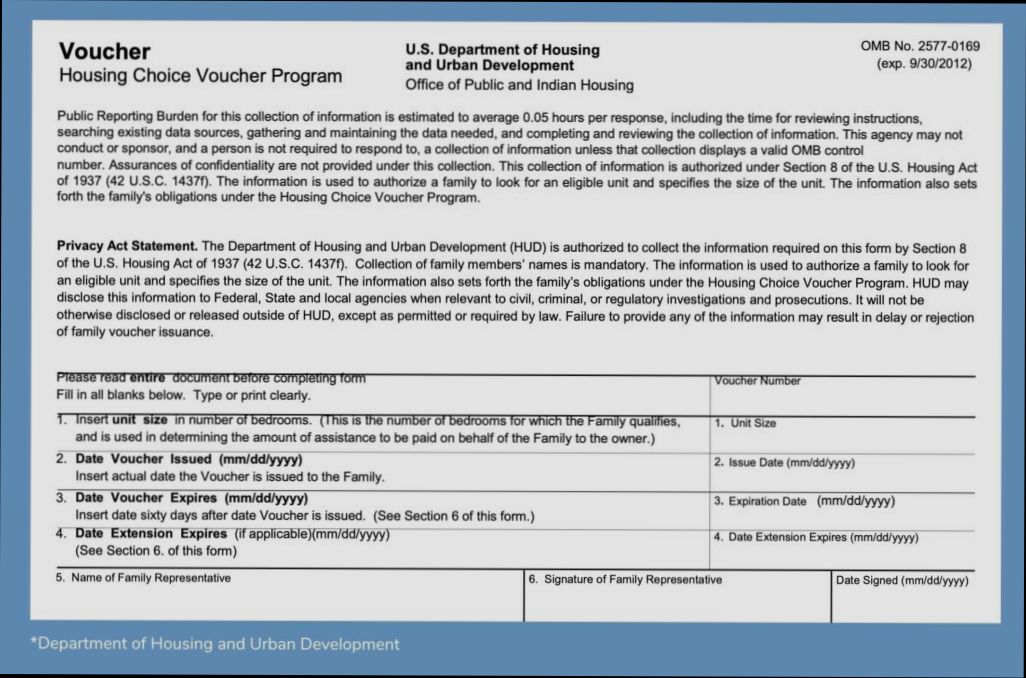
5. Receive Your Voucher: Once approved, your PHA will issue you a voucher. Note the expiration date to ensure you find housing before it lapses.
Application Process Comparisons
| Step | Typical Duration | Important Notes |
|---|---|---|
| Gathering Documentation | 1-2 weeks | Ensure all documents are current and accurate. |
| Applying for Your Voucher | Various, 6 months to 2 years | Often impacted by local waitlists. |
| Orientation Session | Typically 1-2 hours | Check your PHA’s schedule for sessions. |
| Finding a Home | 60 days from voucher issuance | Extensions may be possible if needed. |
Real-World Examples
In a recent case, a family waited eight months for their Section 8 voucher approval. During this time, they gathered all necessary documentation, which helped them streamline their subsequent application process. Upon receiving their voucher, they immediately registered for an orientation session, where they learned crucial details about tenant rights, leading to a smoother transition into their new home.
Another example involved an individual who misunderstood the portability aspect of Section 8. After a brief discussion with their PHA, they learned valuable information about transferring their voucher to a new locality, which had additional resources for housing.
Practical Implications
- Be Proactive: Start gathering your documentation as soon as you apply for assistance; it will save you time and frustration later.
- Utilize Resources: Make the most of local nonprofit organizations that assist with navigating the Section 8 process, as they can provide guidance and additional resources.
- Watch Expiration Dates: Keep an eye on any expiration dates associated with your voucher to prevent losing your opportunity for housing.
Actionable Advice
For those navigating the application process, thoroughly familiarize yourself with your local PHA’s specific requirements and timelines. Consider reaching out early to ask questions or clarify details. Keeping a checklist of all requirements can also streamline the process, ensuring you submit complete applications on time.
Analyzing Housing Market Trends for Section 8
Understanding the housing market trends related to Section 8 is crucial for both tenants and landlords. With approximately 2.3 million households utilizing Section 8 housing vouchers in the U.S., it’s essential to grasp how these trends impact availability, rent prices, and tenant demographics.
Current Market Landscape
In 2023, there were over 1.3 million rental units available for low-income households under Section 8, which reflects a steady demand from both tenants and property owners. The occupancy rate for Section 8 units was a striking 91%, signifying a healthy environment for those looking to invest or utilize these services. This indicates that a substantial portion of available Section 8 rentals is being actively occupied, showcasing the program’s effectiveness in meeting housing needs.
| Area | Section 8 Participation Rate |
|---|---|
| Northeast | 4.3% |
| Midwest | 6.8% |
| South | 8.7% |
| New York | 5.0% |
| Florida | 1.8% |
Emerging Demographics
As we assess Section 8, we see a growing diversity among participants. Across urban and rural settings, overall trends show that urban areas are increasingly accommodating Section 8 housing, which indicates a shift in housing strategies to meet the rising demand. The changing demographics require landlords to adapt by potentially offering amenities that suit a wider array of tenant needs.
Factors Influencing the Market
Several key factors play a role in shaping the Section 8 housing landscape:
- Rental Prices: The fair market rents published by HUD continue to influence what landlords can charge, which is particularly relevant in metropolitan areas where demand outstrips supply.
- Policy Changes: Future policy adjustments could impact funding and availability, making it crucial for both tenants and landlords to stay informed.
Actionable Insights
1. Monitor Local Markets: Keep an eye on local housing trends by checking HUD’s fair market rent documentation to anticipate changes in your area’s housing market.
2. Adapt your Strategy: If you are a landlord, consider adjusting your property offerings to align with the evolving needs of Section 8 tenants, including the provision of designated spaces or accessible housing options for diverse populations.
3. Network and Collaborate: Engage with local housing agencies and community organizations that work with Section 8 to gain insights and resources that can help you navigate the market more effectively.
By understanding these housing market trends, you can make more informed decisions whether you are seeking housing through Section 8 or considering becoming a landlord in this sector. Staying proactive will allow you to leverage the opportunities that arise from the changing dynamics of the housing market.
Real-World Experiences from Section 8 Tenants
Navigating the rental market with a Section 8 voucher comes with unique challenges and rewarding experiences. Hearing directly from tenants allows us to understand the real-world implications of the program and how to effectively maneuver through it.
Key Experiences of Section 8 Tenants
- Finding Suitable Housing: Many tenants express frustration about the limited number of available listings that accept Section 8 vouchers. A survey indicated that 64% of Section 8 recipients faced difficulties securing housing due to landlords’ reluctance to accept vouchers.
- Quality and Safety Concerns: Some tenants report mixed experiences with the quality of their rented homes. While some found wonderful, well-maintained properties, others encountered issues like mold and plumbing problems. In one case, a tenant had to pressure the landlord continuously for necessary repairs despite Section 8 inspections deeming the unit acceptable.
- Support from Local Housing Authorities: Tenants have shared positive experiences when local housing authorities offered robust support during their search. For instance, tenants in Chicago noted that outreach programs helped them understand their rights and new listings, leading to quicker placements.
Housing Acceptance Rates by Region
| Region | Percentage of Landlords Accepting Section 8 Vouchers |
|---|---|
| Northeast | 22% |
| Midwest | 54% |
| South | 35% |
| West | 30% |
Real-World Examples
- Maria’s Experience: After several unsuccessful apartment searches, Maria leveraged an online community dedicated to Section 8 tenants. Engaging with peers led her to a landlord who accepted her voucher, and she was able to secure a safe, affordable two-bedroom apartment within a month.
- James’s Journey: James encountered significant challenges when looking for a larger home for his growing family. Despite applying for over 15 listings, he was often ignored or outright rejected due to his Section 8 status. Eventually, he found a sympathetic landlord who appreciated his rental history and provided him with a long-term lease.
Practical Implications
Understanding these experiences can assist prospective tenants in making informed decisions.
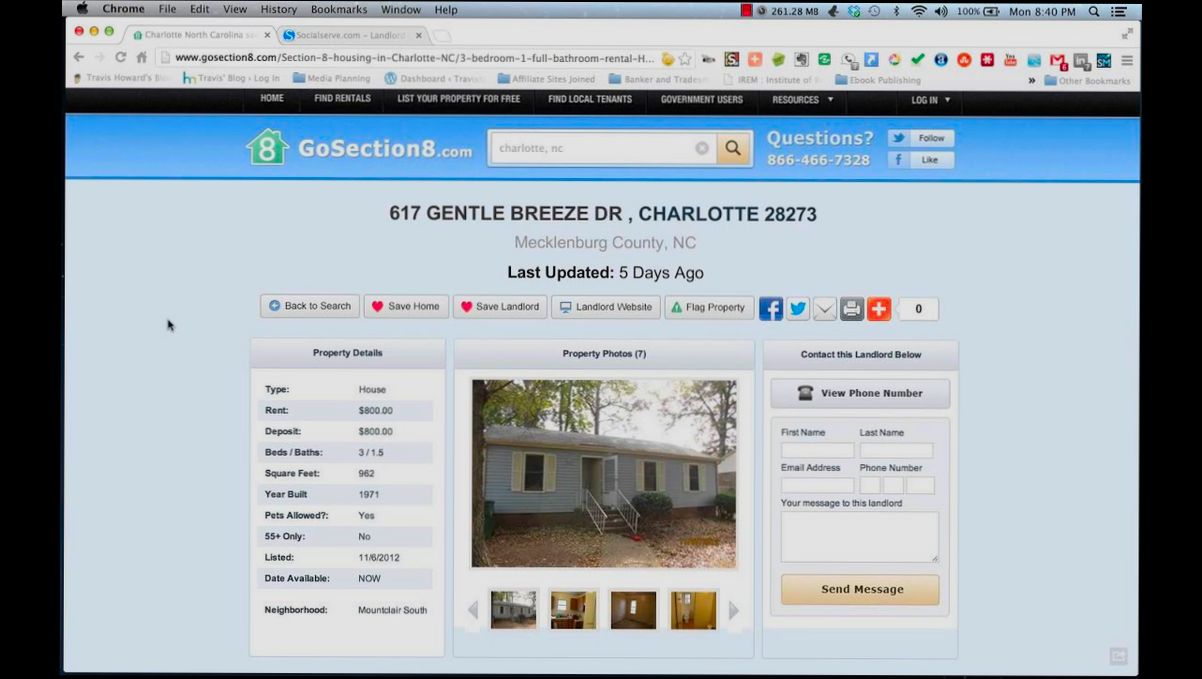
- Research Listings: Utilize online platforms and local resources dedicated to Section 8 housing to find openings before they are widely advertised.
- Keep Documentation Ready: Be prepared with all necessary documents, including income verification and rental history, to speed up landlord discussions.
Actionable Advice
- Network with other Section 8 recipients in your area to gain insights about accepting landlords and housing communities.
- Always ask about the condition of the property and what maintenance protocols the landlord follows after moving in. Knowing these aspects can save you from future headaches.
Exploring the Advantages of Renting with Section 8
Renting with a Section 8 voucher can unlock several benefits that make housing more accessible and affordable for eligible tenants. Understanding these advantages helps you appreciate the value of your voucher and make informed decisions during your search for a home.
Key Advantages of Renting with Section 8
1. Financial Assistance: One of the most significant benefits is the reduced financial burden. Many Section 8 recipients only pay about 30% of their monthly income towards housing, with the remainder covered by the program. This structure allows tenants to allocate funds to other vital expenses, such as groceries, utilities, and transportation.
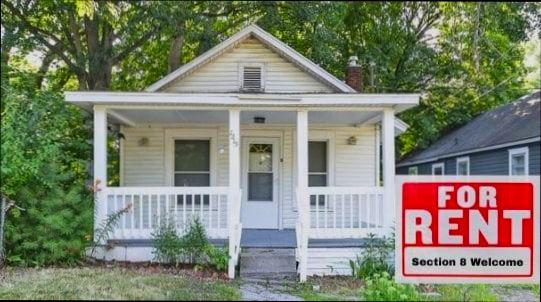
2. Increased Housing Options: Contrary to popular belief, Section 8 vouchers provide access to a wide array of rental properties, including single-family homes, townhouses, and apartments. This diversity increases the chances of finding a home that fits your lifestyle and needs.
3. Stability and Security: With a Section 8 voucher, you often enjoy long-term stability in your housing situation. Unlike month-to-month leases, many landlords are eager to enter into longer lease agreements with Section 8 tenants, which provides a sense of security for you and your family.
4. Landlord Incentives: Many landlords appreciate the stability that comes with renting to Section 8 tenants, as they receive direct payments from the government. This can lead to better relationships between tenants and landlords, and sometimes even improved rental conditions.
Comparative Analysis of Renting with and without Section 8
| Advantage | Renting with Section 8 | Renting without Section 8 |
|---|---|---|
| Financial Burden | Typically 30% of income | Up to 100% of income |
| Housing Options | Broad array available | Limited by affordability |
| Lease Stability | Long-term options likely | Short-term leases common |
| Landlord Payment | Guaranteed from government | Dependent on tenant’s income |
Real-World Examples
- Maria’s Story: Maria, a single mother with a modest income, struggled to find a place to live. Upon receiving her Section 8 voucher, she found a cozy apartment in a safe neighborhood. Her monthly rent dropped from being a burdensome expense to a manageable payment of 30% of her income, allowing her to invest in her children’s education.
- James and Sarah: This couple, both employed part-time, faced challenges in the housing market. With a Section 8 voucher, they were able to secure a three-bedroom home in a family-friendly area. The stability of a longer lease agreement allowed them to put down roots and become active in their community.
Practical Implications
When exploring housing with Section 8, leverage the financial assistance to negotiate favorable lease terms. Engage proactively with landlords, emphasizing your status as a reliable tenant with guaranteed rental income. This can often lead to a more favorable rental experience, where landlords are motivated to maintain their properties and ensure tenant satisfaction.
Additionally, remain open to various housing types and locations. Broadening your search parameters can lead to surprising finds that meet your criteria without stretching your budget.
- Always remember to compile a list of questions for potential landlords, such as the maintenance policy and conditions of the neighborhood. This will prepare you for discussions and help you feel more at ease about your choice.
Section 8 can be a powerful tool to secure not just housing but a better quality of life. Embrace the advantages of the program, and be proactive in your search to maximize its benefits.
Building Positive Landlord-Tenant Relationships
Building solid relationships between landlords and tenants is essential for a smooth renting experience, especially when navigating the specifics of Section 8 housing. A mutual understanding and open communication can lead to a harmonious living environment and increased satisfaction on both sides.
Establishing Clear Communication
One of the fundamental aspects of fostering a positive relationship is establishing clear lines of communication. You should aim for an ongoing dialogue that encourages transparency. Here’s how effective communication can benefit both parties:
- Regular check-ins: Monthly or quarterly check-ins can help address any potential issues before they escalate.
- Open channels: Ensure both parties have each other’s contact information and are comfortable reaching out when necessary.
- Feedback opportunities: Create a platform for tenants to share their experiences and for landlords to relay any property updates or maintenance needs.
Understanding Each Other’s Rights and Responsibilities
A good relationship also thrives on both parties understanding their rights and responsibilities. Familiarizing yourself with local tenant and landlord laws can prevent misunderstandings and foster respect.
| Aspect | Tenant Responsibilities | Landlord Responsibilities |
|---|---|---|
| Rent Payment | Pay rent on time | Provide a safe living space |
| Property Maintenance | Report issues promptly | Keep property in good condition |
| Respect Property | Avoid unauthorized modifications | Respond to tenant requests quickly |
Building Trust through Reliability
Trust is a cornerstone of any strong relationship. Here’s how you can build trust as a landlord or tenant:
- Follow through on commitments: Whether it’s repairing a leaky faucet or paying rent on time, building trust starts with reliability.
- Address issues promptly: Respond instantly to any concerns raised by either party to show that each other’s needs are valued.
- Provide written agreements: Document expectations in a lease agreement and refer back to it if misunderstandings arise.
Real-World Example
A case study involving a landlord who rented to Section 8 tenants showed that they offered a 24-hour maintenance hotline for their properties. This simple step resulted in a 30% increase in tenant satisfaction, proving that accessible communication channels enhance trust.
In another example, a tenant who communicated openly about their need for specific accommodations found that the landlord was more than willing to work with them. This led to not only fulfilling the tenant’s needs but also empowering the landlord with an appreciative tenant who took good care of the property.
Practical Tips for Fostering Positive Relationships
1. Be proactive in addressing issues: Whether you’re the tenant or the landlord, take the initiative to tackle problems as soon as they arise rather than waiting for them to worsen.
2. Create a tenant-landlord handbook: This can outline responsibilities, emergency contacts, and maintenance schedules, ensuring everyone is on the same page.
3. Establish a community feeling: Organizing community activities or meetings can encourage relationships not only between landlords and tenants but also among tenants themselves. This builds a supportive environment.
Actionable Advice
Start by scheduling an introductory meeting when a lease is signed. This sets a positive tone for the relationship. Additionally, consider sending out regular newsletters or texts about community updates or maintenance schedules to keep the lines open. Remember, a positive relationship can significantly enhance the renting experience for both you and your landlord or tenant.
Preparing for Property Inspections and Requirements
Preparing for property inspections is a critical step when renting a house with a Section 8 voucher. Understanding the specific requirements and ensuring your property meets these guidelines can streamline the rental process. Let’s dive into the essential aspects of preparing for these inspections to help you secure your new home.
Understanding Inspection Standards
Before the inspection, it’s important to familiarize yourself with the standards set by the Department of Housing and Urban Development (HUD). Properties must meet specific criteria to qualify for Section 8 assistance, including safety, health, and maintenance standards. Some key areas to focus on include:
- Structural Integrity: Ensure the foundation, walls, and roof are sound.
- Safety Features: Check for smoke detectors, carbon monoxide alarms, and fire exits.
- Plumbing and Electrical Systems: Verify that all systems are operational and safe.
Key Inspection Requirements
You should be aware of the minimum property requirements that HUD outlines. Some common requirements include:
1. Sanitary Facilities: The property must have adequate sanitation, including functioning toilets and sinks.
2. Heating and Cooling: There must be reliable heating and cooling systems in place.
3. Ventilation: Ensure that areas like kitchens and bathrooms are properly ventilated.
Inspection Timeframes
Understanding the timeline for property inspections can help you plan accordingly. Typically, you should expect the following:
| Stage | Timeframe |
|---|---|
| Initial Inspection | Within 10 days of lease |
| Follow-Up Inspection | If the property doesn’t meet standards, within 30 days |
Real-World Case Study
Consider the case of a tenant named Sarah who was preparing for her first property inspection. She learned that her prospective home fell short in terms of safety features, lacking adequate smoke detectors. By proactively addressing these issues before the inspection, Sarah ensured her property not only passed but also that she felt more secure in her potential new home.
Mary, another tenant, approached her landlord about repairing faulty plumbing, which was necessary to meet inspection standards. The repairs were completed before the scheduled inspection, allowing her to receive HUD’s approval on the first visit.
Practical Implications for You
To effectively prepare for your property inspection:
- Conduct a self-inspection using a checklist based on HUD’s standards.
- Communicate openly with your landlord about any necessary repairs.
- Schedule your inspection promptly after securing a rental agreement to avoid delays.
Important Considerations
Before the inspection takes place, ensure to maintain a clean and clutter-free environment throughout the property. This not only shows your commitment to keeping the property in good condition but also allows inspectors to clearly evaluate the property’s compliance with Section 8 standards.
Attending to minor repairs and presenting a well-maintained property can significantly enhance your chances of passing the inspection. By investing time in preparation, you set yourself up for a smoother transition into your new rental home.