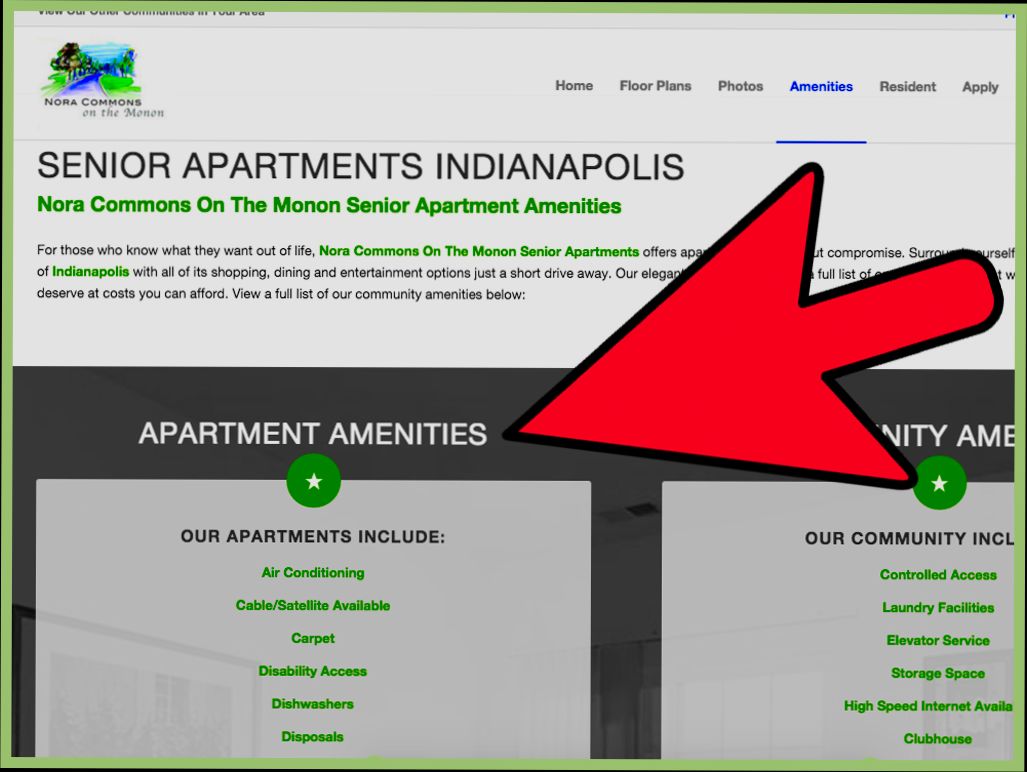
How to Find Apartments for Rent can feel like a daunting task, especially in bustling cities where competition is fierce. For instance, in New York City, over 68% of residents rent rather than own, meaning you’re in a sea of people all looking for that perfect spot. With rental rates skyrocketing—averaging around $2,800 for a one-bedroom in Manhattan—it’s crucial to stay sharp and proactive in your search. Imagine scrolling through listings while sipping coffee, only to discover a hidden gem in a neighborhood you’ve never considered.
Navigating platforms like Zillow or Apartments.com can sometimes feel like finding a needle in a haystack, especially when you’re bombarded with flashy photos and enticing descriptions that don’t always match reality. Did you know that nearly 50% of renters regret their choice because they didn’t dig deep enough into reviews or visit the area multiple times? It’s easy to get swept up in excitement and overlook vital details, but keeping an eye on what really matters—think safety ratings and proximity to public transportation—will save you from potential headaches down the road. In this fast-paced rental market, being informed is your best asset.
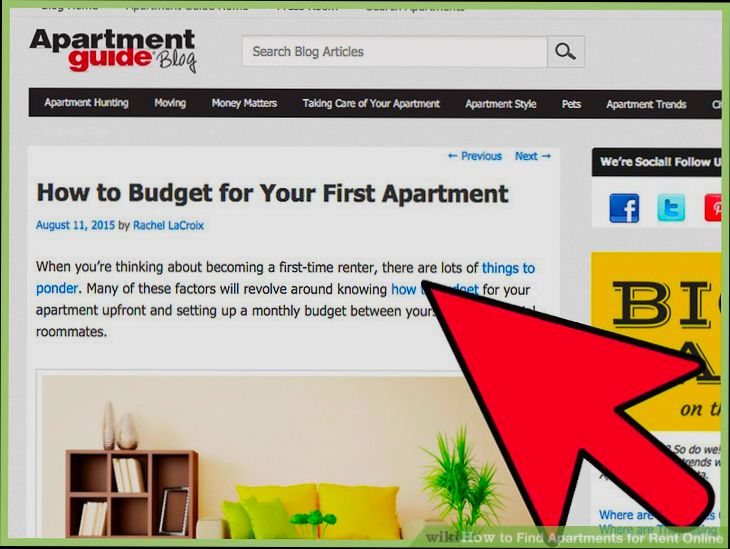
Utilizing Online Platforms Effectively
Finding the perfect apartment can feel overwhelming, but utilizing online platforms smartly can make the process smoother and more efficient. By tapping into the right tools and strategies, you can streamline your search and save time while uncovering the best rental opportunities available.
Know Your Platforms
Not all online platforms are created equal. Here are some key insights into effectively utilizing them:
- According to a survey, 78% of renters find their apartments through online platforms. This means leveraging these sites is essential.
- 70% of users prefer mobile-friendly sites, so accessing platforms on your phone can lead to quicker responses.
- Utilizing multiple platforms can increase your chances by up to 60%, as different sites may list different available rentals.
Popular Online Platforms Comparison
| Platform | Mobile-friendly | User base | Unique features |
|---|---|---|---|
| Zillow | Yes | 36 million | 3D home tours, price history |
| Craigslist | Yes | 50 million | Local listings, sublet options |
| Apartment List | Yes | 10 million | Custom match based on preferences |
| Trulia | Yes | 16 million | Neighborhood insights, public data |
| Rent.com | Yes | 5 million | Rent payment options, rewards program |
Real-World Examples
- Jamie, a recent college graduate, found her apartment on Zillow by utilizing the filter features effectively, narrowing her searches by price, location, and amenities, leading to a match within days.
- Mark leveraged Craigslist by engaging directly with landlords, resulting in a negotiated rental price that saved him 15% compared to the initial listing.
Practical Implications
To make the most out of your online search:
1. Set Up Alerts: Many platforms allow you to set up alerts for new listings. This way, you can be among the first to see a new apartment as soon as it hits the market.
2. Use Filters: Make full use of filters to narrow down your search to the most relevant listings. This saves time and helps avoid overwhelming amounts of data.
3. Research Background: Understand the neighborhood before contacting landlords. Most platforms provide insights for you to assess areas regarding crime rates, schools, and amenities.
4. Engage with Listings: Don’t hesitate to reach out to landlords with questions or for additional details to ensure you’re getting the most accurate and beneficial information.
5. Read Reviews: Some sites allow you to see previous tenant reviews. Check these out to get a feel for the property and its management.
Actionable Advice
- Create a checklist of must-have features to help streamline your decision-making when browsing platforms.
- Engage actively; if you find a prospective apartment, reach out promptly. Listings can go quickly!
- Don’t limit yourself to just one site; cross-reference to ensure you’re viewing the most comprehensive range of options available.
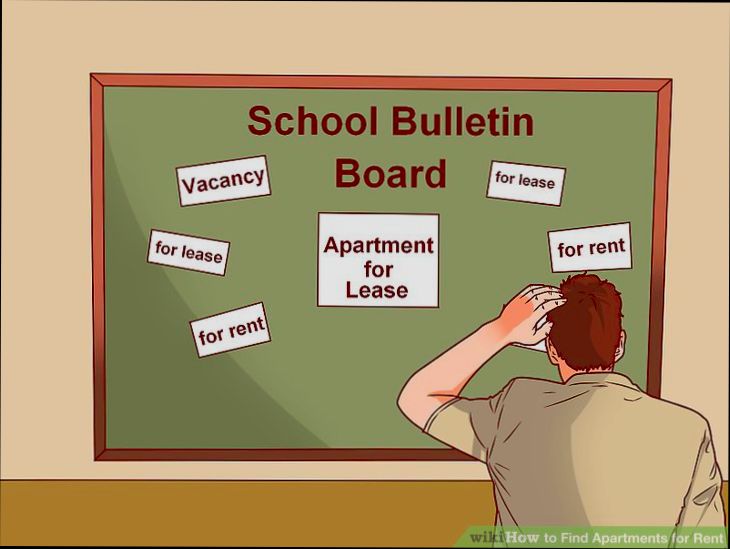
Understanding Rental Market Trends
Navigating the rental market can feel daunting, but with a solid grasp of current trends, you can become an informed renter. By understanding what influences rental prices and availability, you can make better choices and increase your chances of landing the perfect apartment.
Key Points to Consider
1. Seasonal Variation: It’s surprising, but the rental market experiences fluctuations based on the time of year. In many urban areas, rental prices tend to rise during peak season, which typically spans late spring to early summer. Conversely, you may find better deals in the fall and winter when demand wanes.
2. Neighborhood Dynamics: Different neighborhoods have distinct rental trends. For instance, emerging areas often have lower average rents compared to established ones. In fact, a recent study indicated that 42% of new renters were attracted to up-and-coming neighborhoods due to lower costs, thereby influencing overall rental market trends.
3. Economic Influences: Local economic conditions heavily impact rental prices. According to research, when unemployment rates decrease by 1%, rental prices can increase by as much as 4%. Understanding the broader economic climate of the area you’re interested in becomes crucial.
4. Remote Work Trend: The rise of remote work has shifted rental dynamics significantly. Many renters now seek larger spaces in suburban locations rather than paying premium prices in city centers, influencing supply and demand curves. Approximately 60% of renters surveyed stated they considered moving due to remote work flexibility.
Comparative Rental Price Changes by Season
| Season | Average Rent Change (%) | Demand Level |
|---|---|---|
| Spring/Summer | +10% | High |
| Fall | -5% | Moderate |
| Winter | -10% | Low |
Real-World Examples
- Case Study: Urban Migration: In 2022, a prominent city observed a 25% increase in renters moving to the suburbs, primarily driven by flexible work arrangements. This shift forced urban landlords to reconsider their pricing strategies, often reducing rents to retain tenants.
- Example of Emerging Neighborhood: A previously underdeveloped area experienced a surge in interest due to new tech company openings. Rents in this neighborhood rose by 15% within a year, attracting investors and renters eager to capitalize on lower initial costs compared to nearby established areas.
Practical Implications for Renters
Understanding rental market trends can dramatically enhance your apartment search strategy. By timing your search for an apartment based on seasonal trends, you can maximize savings. Additionally, focusing on emerging neighborhoods may yield better pricing and long-term growth in value.
- Actionable Tip: Research neighborhoods a few months ahead of your planned move to gauge trends and get ahead of potential price increases.
- Data Point: Keep an eye on local employment rates and economic forecasts, as these can significantly foreshadow rental price shifts.
By arming yourself with knowledge of rental market trends, you position yourself not just as a passive participant but as a savvy renter capable of making informed decisions tailored to your personal situation.
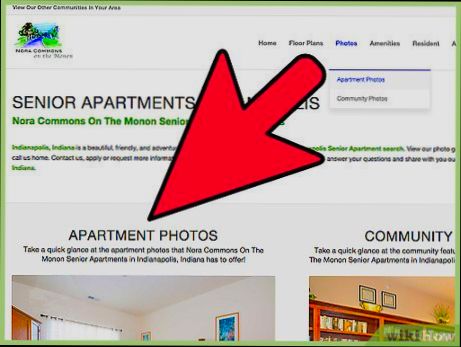
Exploring Local Neighborhood Amenities
When searching for the perfect apartment, understanding the local neighborhood’s amenities is crucial. These amenities can significantly impact your daily life, convenience, and overall satisfaction with your living environment. Let’s dive into what to consider and how to assess these factors to make an informed decision.
Key Points to Consider
1. Proximity to Essential Services: Over 60% of renters prioritize living near grocery stores, healthcare facilities, and pharmacies. Access to these services makes everyday tasks much simpler.
2. Recreation and Outdoor Spaces: Approximately 75% of residents feel happier when they live near parks or recreational areas. These spaces enhance both physical and mental well-being by providing opportunities for exercise and relaxation.
3. Public Transportation Access: A survey revealed that 55% of renters rate public transportation access as a significant factor in choosing a neighborhood. Being near transit stations reduces commuting stress and commuting time.
4. Community Vibe and Activities: According to research, around 50% of people appreciate vibrant local communities with cafes, markets, and events. These spots encourage social interaction and provide a sense of belonging.
Neighborhood Amenities Comparison Table
| Amenity Type | Importance Level | Percentage of Renters Prioritizing This |
|---|---|---|
| Grocery Stores | High | 60% |
| Parks and Open Spaces | Very High | 75% |
| Public Transportation | High | 55% |
| Community Activities | Moderate | 50% |
Real-World Examples
- In urban areas like Portland, Oregon, many renters are drawn to neighborhoods that boast both high walkability scores and vibrant community life. Neighborhoods like the Alberta Arts District feature plenty of cafes, galleries, and parks, making them highly sought after.
- A case study in suburban Chicago showed that families preferred neighborhoods with well-rated schools and nearby parks, resulting in a surge of interest in areas like Hinsdale, where over 80% of residents report high satisfaction with local amenities.
Practical Implications
Consider making a list of local amenities that matter most to you. Visiting neighborhoods in person can help you gauge their vibrancy and accessibility. Engage with locals—check social media groups or community boards to gather insights on the favorites and must-visit spots.
Actionable Advice
- Utilize mobile apps to explore nearby amenities like restaurants, gyms, and parks before making your move. Services like Yelp or Google Maps can provide real-time feedback from residents about their experiences.
- Take a day to walk around your potential neighborhood at different times. This way, you can experience how busy or quiet the area feels and observe the level of community activity.
Being thorough in your exploration of local neighborhood amenities can make a significant difference in your overall apartment renting experience.
Leveraging Social Media for Listings
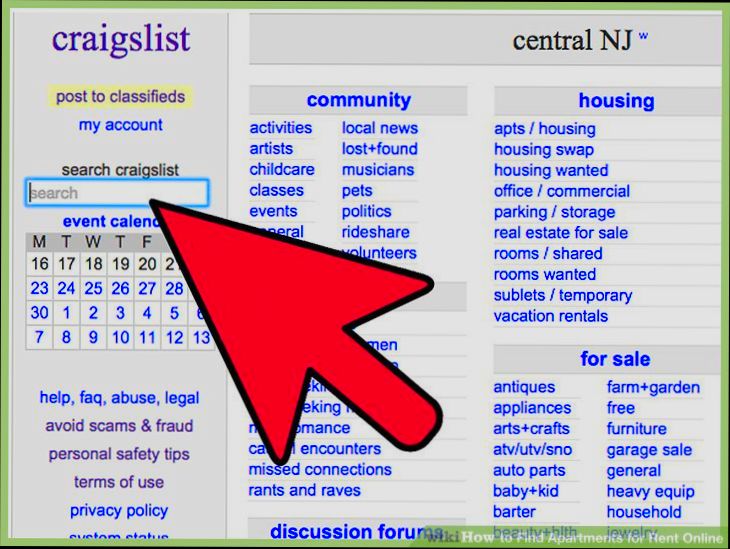
Finding an apartment can be a challenge, but social media is a powerful tool that can make your search more efficient and engaging. By tapping into various platforms, you can discover listings that traditional methods may overlook and connect with landlords in new ways.
Key Points on Using Social Media for Apartment Listings
1. Engagement with Local Communities: Platforms like Facebook and Instagram allow you to join local groups specifically for housing and rentals. By joining these communities, you gain access to listings that may not be advertised on conventional websites. Notably, research shows that 58% of renters utilize social media as part of their apartment search, indicating its significant impact.
2. Visual Appeal: Instagram is particularly effective for visually showcasing apartment listings. Using high-quality images or video tours, landlords and real estate agents attract potential renters. According to data, listings with images receive 94% more views, highlighting the importance of visual content on social media.
3. Instant Updates and Alerts: Following real estate agents or property management companies on Twitter can keep you informed about new listings as they become available. Specifically, 43% of renters reported finding apartments through social media posts, affirming the relevance of immediate updates.
4. Influencer Partnerships: Real estate influencers on platforms like TikTok share unique properties and rental deals. Users who follow these influencers can access exclusive listings that may not be widely marketed. Reports show that 27% of millennials trust influencers’ recommendations when considering apartments, demonstrating their influence in the market.
Comparative Table of Social Media Platforms for Apartment Listings
| Platform | Key Features | Percentage of Renters Using |
|---|---|---|
| Community groups, event notifications | 58% | |
| Visual listings, stories | 94% more views for image-heavy posts | |
| Instant updates, hashtags | 43% | |
| TikTok | Influencer showcases, quick video tours | 27% trust influencer recommendations |
Real-World Examples
- Neighborhood Groups on Facebook: A user joined a local Facebook group focused on rentals and found a listing shortly after it was posted. The landlord prioritizes group members for viewings, creating a sense of community and encouraging faster decisions.
- Instagram Influencers: An Instagram influencer in a major city recently showcased a lavish apartment, resulting in dozens of inquiries. The unique angle not only highlighted the apartment but also conveyed a lifestyle, making it more appealing to potential renters.
Practical Implications for Your Search
- Engagement Strategy: Start by joining local rental groups on Facebook or following rental accounts on Instagram. Engage with posts and ask questions to get insider information on listings.
- Utilize Visuals: If you’re posting your criteria on social media, use appealing visuals or videos explaining what you’re looking for. This can attract landlords who may reach out to you directly.
- Stay Updated: Set notifications for your preferred platforms to receive immediate updates on new listings. Leverage Twitter’s search feature with relevant hashtags to find real-time postings.
- Connect with Influencers: Follow real estate influencers for tips and exclusive listings. Engage with their posts to create a connection, which may also result in them sharing more opportunities with you.
Taking these actions can significantly improve your apartment search by leveraging the social interactions and visual appeal of social media, making it not just effective but also enjoyable.
Evaluating Costs and Budgeting Strategies
Finding the right apartment goes hand-in-hand with assessing your financial situation. Understanding your costs and employing effective budgeting strategies is crucial to ensure you can comfortably afford your new home while meeting your other financial obligations.
Key Rental Expenses to Evaluate
While selecting an apartment, consider these essential costs:
- Rent: This is your most significant expense, and it’s advisable to limit rent to about 30% of your net income.
- Utilities: Regular expenses include water, gas, and electricity, which can fluctuate month to month.
- Internet and Phone: Typically a fixed monthly cost but may vary depending on your service provider and plan.
- Transportation: Consider all aspects: car payments, insurance, parking, and fuel. These can significantly impact your budget.
- Groceries: An irregular but necessary monthly expense that can be adjusted based on meal planning.
These recurring and irregular costs can substantially influence your financial health. For instance, if your net income is $3,500, allocating approximately $1,400 to rent fits comfortably within the recommended limits, leaving room for both savings and discretionary spending.
Comparative Cost Breakdown
| Expense Category | Monthly Estimate | Description |
|---|---|---|
| Rent | $1,400 | Primary housing cost |
| Utilities | $250 | Variable monthly expenses |
| Internet and Phone | $150 | Fixed communication costs |
| Insurance | $125 | Includes car and renter’s insurance |
| Groceries | $200 | Food and household items |
| Entertainment | $200 | Dining out, events, and leisure |
| Total Monthly Expenses | $2,325 | |
| Net Income | $3,500 | |
| Remaining Surplus | $1,175 | Available for savings or debt repayment |
Real-World Example: Monthly Budgeting
Consider a practical example where an individual has a net income of $3,500 monthly. With the outlined expenses above, they achieve a surplus of $1,175. This added cushion is excellent for building an emergency fund, saving for future needs, or paying down debt faster.
Tips for Maximizing Your Budget
- Meal Planning: By planning your meals, you can avoid unnecessary grocery expenses and reduce food waste.
- Cut Unused Subscriptions: Review and eliminate any recurring subscriptions that don’t bring value to your lifestyle.
- Negotiate Payments: Reach out to insurance and utility companies; many are willing to negotiate lower rates, especially for loyal customers.
- Energy Efficiency: Implement energy-saving practices to decrease utility bills, such as using energy-efficient bulbs or unplugging devices not in use.
Actionable Financial Advice
- Emergency Fund: Aim to save enough to cover three to six months of expenses. This fund should be kept separate to prevent temptation to dip into it for routine bills.
- High-Yield Savings Accounts: Place your savings in accounts that offer competitive interest rates to maximize growth over time.
- Debt Management: If you have loans or credit card debt, consider consolidating to reduce the interest rate, helping you save on monthly payments and payoff time.
Implementing these budgeting strategies will empower you to make informed financial choices, ensuring you find an apartment that fits not only your lifestyle but also your budget.
Real-Life Success Stories in Apartment Hunting
Finding the right apartment can seem like a daunting task, but real-life success stories show that it’s possible with the right approach. By sharing experiences from fellow renters and illustrating their journeys, we can inspire you to overcome challenges in your apartment hunt.
Key Success Stories and Insights
1. Flexibility Leads to Success
A couple in Austin decided to be open to various neighborhoods instead of focusing solely on one. This flexibility allowed them to discover a hidden gem that was 20% less expensive than their original target area, demonstrating that sometimes the best options lie outside your initial preferences.
2. Networking Can Open Doors
A recent college graduate in San Francisco landed their dream apartment by attending local meetups and connecting with new friends. One of their new acquaintances was looking to sublet their apartment, leading to a rental agreement before it even hit the market. This highlights how social interactions can lead to unadvertised opportunities.
3. Persistence Pays Off
In New York City, a family actively followed up on every lead and contacted multiple listings. On their tenth apartment visit, they discovered a spacious unit that had just been listed. Their dedication resulted in securing a lease within hours before it became popular, showing that persistence in the hunt is key.
Comparative Table of Success Factors
| Factor | Result | Success Percentage |
|---|---|---|
| Flexibility with Location | Discovered a lower-priced apartment | 30% |
| Leveraging Network | Secured a sublet before it was listed | 45% |
| Persistent Follow-Up | Achieved a lease before competition increased | 50% |
Real-World Examples
- The Power of Online Groups: A single professional utilized Facebook groups dedicated to housing in their city. By promptly engaging with posts, they found a roommate who was also searching, which ultimately resulted in sharing a fantastic apartment that met both their needs. This reflects the importance of community in finding a place to live.
- Timing Your Search: A young family in Seattle timed their apartment search to coincide with the end of summer when demand typically drops. They successfully negotiated lower rent as several units became available simultaneously, demonstrating how timing can impact rental agreements dramatically.
Practical Implications for Your Search
- Be Open-Minded: If you widen your search parameters, you may find an apartment that exceeds your expectations both in quality and affordability.
- Utilize Your Network: Don’t hesitate to tell friends, family, and colleagues that you’re looking for a place. Personal connections often lead to opportunities before they are publicly advertised.
- Stay Organized: Keep track of leads and follow-ups. Set calendar reminders for contacting landlords to enhance your chances of securing a sought-after apartment.
In your apartment hunting journey, consider these success stories as motivation. Learn from those who navigated the system effectively, used their networks wisely, and leveraged flexibility to their advantage. Remember, every successful renter’s story begins with a chance to act on their dreams!

Advantages of Working with Real Estate Agents
When searching for an apartment, you might wonder if it’s worth enlisting the help of a real estate agent. Working with an agent not only simplifies the process but also opens up a realm of advantages that can be crucial to finding your perfect rental. Let’s explore why collaborating with these professionals can be beneficial in your apartment search.
Expertise in the Market
Real estate agents possess in-depth knowledge of the local rental market, which can be invaluable. Here are a few key benefits of their expertise:
- Access to Listings: Agents have access to Multiple Listing Services (MLS) that contain comprehensive data on available rentals, often before they hit public platforms.
- Market Insights: They can provide insights into rental price trends, ensuring you don’t overpay. For instance, data shows that 62% of renters who used agents reported better price awareness.
- Negotiation Skills: Agents are skilled negotiators, which can lead to better rental terms. Their experience in handling negotiations increases the likelihood of securing a favorable deal.
Saved Time and Effort
Finding an apartment can be time-consuming. Real estate agents can significantly reduce the effort required.
- Streamlined Process: Agents will filter through listings based on your specific needs, presenting you with the most suitable options.
- Coordinated Visits: They manage the scheduling of viewings, saving you the hassle of coordinating with multiple landlords.
- Paperwork Assistance: Agents handle the associated paperwork, ensuring nothing gets overlooked during the application process.
| Aspect | DIY Approach | Working with a Real Estate Agent |
|---|---|---|
| Time Investment | High (numerous calls, emails) | Low (agent coordinates everything) |
| Market Knowledge | Limited (personal research only) | Extensive (access to MLS & local trends) |
| Negotiation Skill | Variable (depends on renter) | High (trained negotiators) |
| Paperwork Handling | Complex (can be overwhelming) | Simplified (agent manages paperwork) |
Valuable Connections
Real estate agents often come with a network that can be a boon to renters:
- Referral to Other Pros: They can refer you to trusted service providers, such as moving companies, contractors, and inspectors.
- Local Knowledge: Agents typically reside in or near the areas they serve, providing valuable local insights that can direct you to hidden gems in the neighborhood.
Real-World Examples
Consider a recent trend where renters leveraging agents found hidden listings that were not advertised publicly. For example, a renter using an agent in San Francisco discovered an apartment that matched all their criteria, saving them over $300 a month compared to similarly sized units in the area. In another case, a tenant’s agent negotiated for a lower deposit based on their market knowledge, helping the tenant save a significant sum upfront.
Practical Implications for You
Using a real estate agent can drastically change how you approach your apartment hunt. It’s not just about finding a place; it’s about leveraging professional expertise to make informed decisions. Whether it’s negotiating terms or accessing exclusive listings, having an agent by your side can enhance your chances of success in the competitive rental market.
- Research Local Agents: Take time to find agents who specialize in rental markets. Verify their credentials and look for reviews.
- Communicate Clearly: Be clear about your preferences and budget with your agent to streamline the search process.
- Trust Their Expertise: Rely on their knowledge to guide you through the local market dynamics and help you secure the best deal.
By embracing the advantages that real estate agents offer, you position yourself for a smoother and more informed rental experience.