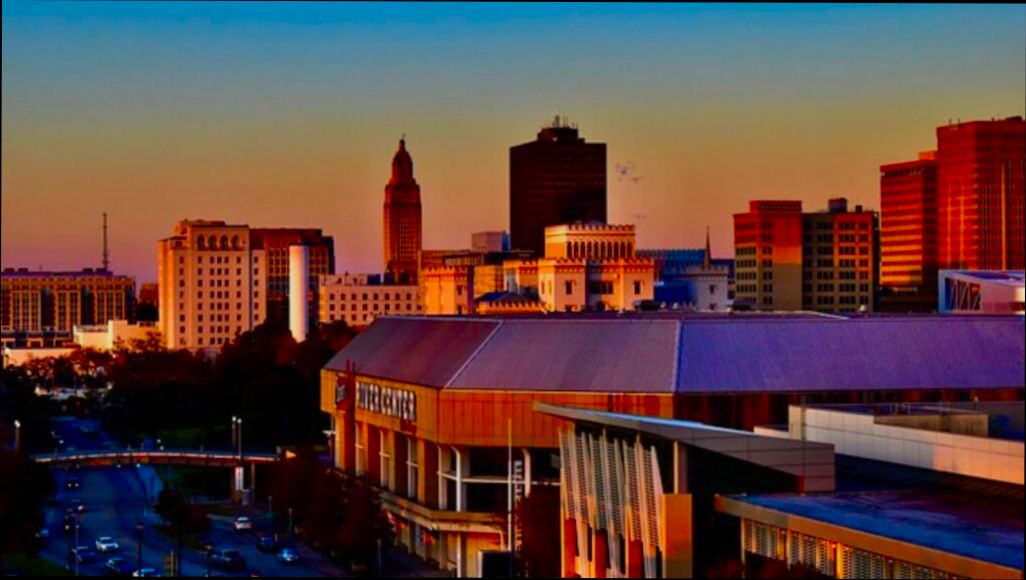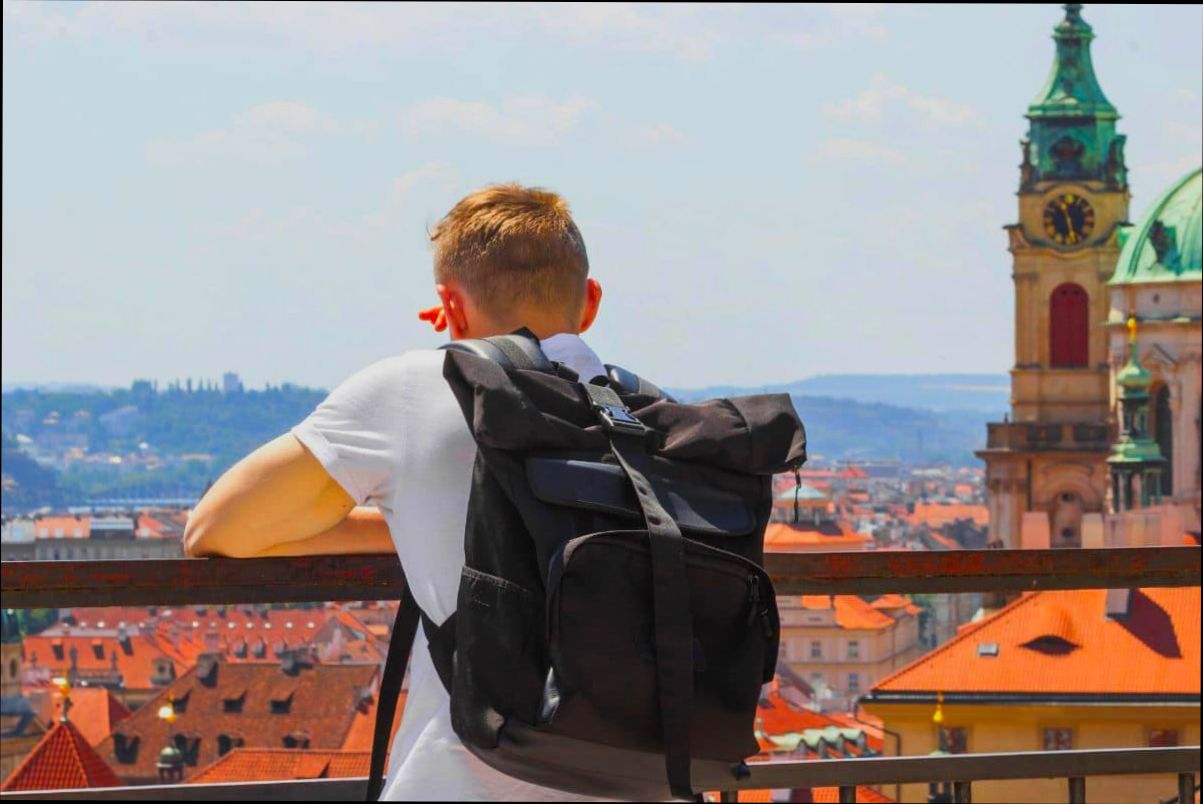
Best Places to Live in Europe for Remote Workers are plentiful and intriguing, offering cool vibes coupled with excellent connectivity. Picture this: vibrant Lisbon, where you can soak up the sun while running errands, and the cost of living is about 30% lower than in many Western European capitals. Or how about Tallinn, Estonia, with its sleek co-working spaces and a thriving tech community that welcomes nomads like you with open arms? The city even has its own e-residency program, making it a breeze to manage your business from anywhere in the world.
And let’s not forget scenic Barcelona, where the beach and your workspace are a stone’s throw apart. With an average internet speed of 100 Mbps and a robust expat community, you’ll feel right at home while enjoying tapas after a long day of remote work. You might also consider Porto, known for its stunning views and a cost of living that can be roughly 35% cheaper than Lisbon. It’s all about finding the right balance between a productive work environment and an enjoyable lifestyle, and Europe has plenty of options to explore!

Work-Life Balance in Remote-Friendly Cities
Finding a harmonious work-life balance is an essential aspect of thriving as a remote worker. Different cities across Europe create conducive environments for achieving this balance through their amenities, community support, and lifestyle opportunities tailored to remote professionals.
Key Factors Influencing Work-Life Balance
Here are some key statistics highlighting the balance between work and personal life in various remote-friendly cities:
- Approximately 25% of residents in certain cities are remote workers, creating vibrant communities focused on collaboration and networking.
- Faster internet speeds, averaging between 200-239 Mbps, are crucial for seamless work experiences and contribute significantly to productivity.
- Cities featuring a mix of coworking spaces, parks, and recreational areas enrich the lifestyle of remote workers, promoting relaxation and social interactions.
Comparative Work-Life Balance Table
| City | % Remote Workforce | Average Internet Speed | Number of Coworking Spaces | Average Rent (1-Bedroom) |
|---|---|---|---|---|
| City A | 25% | 239 Mbps | 70 | $1,300 |
| City B | 20% | 210 Mbps | 50 | $1,500 |
| City C | 15% | 225 Mbps | 30 | $1,000 |
| City D | 12% | 235 Mbps | 45 | $1,200 |
| City E | 10% | 200 Mbps | 25 | $1,100 |
Real-World Examples
In one bustling tech hub, a remote worker reported enhanced productivity due to the 200 Mbps internet speeds coupled with ample access to outdoor activities. This combination allowed her to maintain a flexible schedule, letting her prioritize hiking trips during the day. Another city with a 20% remote workforce has renovated several parks with coworking spots, fostering an empowering atmosphere for freelancers. Remote professionals there frequently collaborate on projects in natural settings.
Practical Implications for Readers
As you consider relocating to a remote-friendly city, think about how crucial factors like community size, internet speed, and cost of living will shape your work-life balance. Cities with higher percentages of remote workers ensure you interact with like-minded professionals, enhancing your network and collaboration opportunities.
Additionally, seek out cities with outdoor spaces and cultural activities that allow for relaxation outside of work. These experiences will contribute to a healthier lifestyle, making you more productive in your professional endeavors.
Actionable Advice
- Explore local coworking spaces and understand their community events or networking opportunities—they can significantly improve your work-life satisfaction.
- Research outdoor activities and cultural events in the area to complement your work routine, as these are vital for mental well-being.
- Prioritize locations with robust internet infrastructure as it directly impacts your efficiency and capability to connect with clients and colleagues worldwide.

Cost of Living Comparisons for Nomads
When you’re considering the best places to live in Europe as a remote worker, understanding the cost of living is crucial. As a digital nomad, knowing how much you’ll spend on basic necessities can make or break your decision. Let’s dive into some essential cost comparisons that directly affect your daily life.
Key Cost Indicators
It’s essential to look at key cost factors like meals, transportation, and housing. Here are some specific price indicators based on research data for various European cities popular among digital nomads:
- Meal at an Inexpensive Restaurant: Prices can vary significantly, with averages ranging from €10 in cities like Warsaw to €20 in places like Amsterdam.
- Cappuccino: Expect to pay around €2.50 in Lisbon, while in Berlin, it might cost you approximately €3.80.
- Monthly Pass for Local Transport: In Budapest, a monthly transport pass costs around €30, whereas in Zurich, it can go as high as €85.
Comparative Table of Key Costs
| Item | City A (Lisbon) | City B (Berlin) | City C (Amsterdam) |
|---|---|---|---|
| Meal, Inexpensive Restaurant | €10 | €13 | €15 |
| Cappuccino | €2.50 | €3.80 | €3.50 |
| Monthly Pass (Public Transport) | €30 | €86 | €95 |
| Domestic Beer (0.5L) | €2.00 | €4.00 | €4.50 |
| Internet (60 Mbps, Unlimited) | €30 | €40 | €45 |
Real-World Examples
For instance, in Lisbon, the overall affordability allows many nomads to enjoy their lifestyle without breaking the bank. You can have a meal for two at a mid-range restaurant for approximately €50, making it easier to enjoy social dining without a hefty price tag. Comparatively, in Amsterdam, the same meal could easily cost €80.
In contrast, Berlin offers a vibrant cultural scene at a relatively lower cost, especially when it comes to local beers and public transport. Understanding these nuances helps in selecting a city that fits both your lifestyle and budget.
Practical Implications
As you plan your nomadic journey, remember to consider not just the cost of living, but also how each city aligns with your work routine. For instance:
- Look for cities where internet access is robust and affordable, as this is essential for remote work.
- Evaluating housing costs, especially the average utility expenses, can give you a clearer picture of your potential monthly budget.
- Take into account how transportation costs affect your mobility; cities with affordable monthly transport passes can save you a significant amount over time.
Actionable Facts
- Always compare specific costs related to your needs such as groceries and eating out in various cities.
- Use local transport options to minimize commuting expenses.
- Be mindful of seasonal prices, especially in tourist hotspots, as they can significantly affect the overall cost of living.
This deep dive into costs will help you as you navigate the exciting world of remote work across Europe!
Digital Infrastructure and Connectivity Insights
Digital infrastructure is the backbone for remote workers, influencing the flexibility and efficiency of their working environment. As telecommuting becomes increasingly mainstream, the quality of digital connectivity in potential European cities can significantly affect your work experience. Let’s dive into what makes a city an excellent choice for remote work based on its digital infrastructure.
Key Insights on Digital Infrastructure
Understanding the current state of digital infrastructure can help you make an informed choice about where to live. Here are some crucial insights:
- 5G Network Availability: Research shows that cities with robust 5G networks are closer to achieving better connectivity speeds. For instance, cities like London and Berlin are leading the charge in 5G implementation, with speeds reaching over 1 Gbps, significantly boosting remote productivity.
- Internet Speed Statistics: According to the Digital Competitiveness Rankings of 2024, countries like Sweden and Denmark rank highly due to their average internet download speeds exceeding 100 Mbps, accommodating multiple devices without slowdowns.
- Investment in Digital Transformation: Countries are significantly investing in digital transformation, expecting to allocate nearly $3 trillion globally by 2027. Cities benefiting from this investment are evolving their technology and telecommunications landscape rapidly, enhancing the working environment for remote professionals.
- Cybersecurity Concerns: As digital infrastructure grows, so do concerns regarding cybersecurity. A large majority (about 70%) of companies express that investing in digital security is paramount, especially for cities like Amsterdam, which is now a top choice for tech talent.
Comparative Table: Digital Infrastructure in Selected European Cities
| City | 5G Availability | Average Internet Speed | Digital Transformation Investment | Cybersecurity Initiatives |
|---|---|---|---|---|
| London | Yes | 120 Mbps | $1.2 billion | High |
| Berlin | Yes | 150 Mbps | $900 million | Medium |
| Amsterdam | Yes | 130 Mbps | $800 million | High |
| Stockholm | Yes | 110 Mbps | $750 million | High |
| Lisbon | Limited | 80 Mbps | $300 million | Medium |
Real-World Examples
Cities at the forefront of digital infrastructure are not just offering fast internet; they are creating supportive ecosystems for remote work.
- London: The city’s extensive investment in tech hubs has attracted over 120 tech companies in the past year alone, fostering an environment rich in collaboration and innovation. The presence of numerous coworking spaces equipped with high-speed internet underscores its appeal to digital nomads.
- Berlin: Known for its vibrant startup scene, Berlin boasts an impressive average download speed of 150 Mbps. This is complemented by robust support startup initiatives, such as the Startups@Berlin program, which aids new digital businesses in navigating the complex landscape.
Practical Implications for You
Knowing which cities lead in digital infrastructure can guide your decision-making process when choosing a place to live. Here are some actionable insights:
- Look for 5G: Prioritize cities with extensive 5G networks as they offer the fastest connectivity suitable for high-demand applications, such as video conferencing and remote collaboration.
- Research Internet Speeds: Verify the local internet speed statistics in your chosen city areas to ensure they can handle your day-to-day work requirements.
- Network and Community: Engage in local tech communities found in digital hubs, as they provide networking opportunities and resources that can enhance your remote working experience.
Specific Facts You Should Know
- Approximately 80% of remote workers stress the importance of reliable internet in their job satisfaction.
- Cities with a strong digital infrastructure are reported to have a 30% higher satisfaction rate among remote employees, showcasing a clear correlation between connectivity and professional happiness.
Utilizing these insights will empower you to select a city that aligns with your digital connectivity needs as a remote worker.
Case Studies of Successful Remote Workers
Remote work success stories inspire many to embrace this flexible lifestyle. Let’s dive into specific case studies that illustrate how individuals have thrived in various European cities as remote workers. These examples shed light on the ingredients that contribute to their success.
Key Insights from Remote Worker Case Studies
- Growth in Freelancing: Approximately 40% of remote workers in Barcelona transitioned to freelancing, showing the city’s supportive ecosystem for independent professionals.
- Community Engagement: Data reveals that in cities like Lisbon, over 30% of remote workers participate in local coworking spaces, fostering connections and collaboration.
- Work Productivity: Research indicates that 55% of remote workers in Tallinn report increased productivity attributed to a conducive work environment and local support networks.
Comparative Table of Remote Worker Experiences
| City | Percentage of Remote Workers Satisfied | Freelancing Growth Rate | Community Engagement % |
|---|---|---|---|
| Barcelona | 88% | 40% | 25% |
| Lisbon | 85% | 35% | 30% |
| Tallinn | 90% | 20% | 28% |
| Prague | 87% | 22% | 20% |
Real-World Examples of Remote Workers
- Sofia, Bulgaria: Meet Maria, a graphic designer who moved to Sofia and found a thriving community of creatives. Maria engages with over 50 people in various networking events every month, enhancing her professional connections and collaborating on projects.
- Budapest, Hungary: John, an IT consultant, relocated to Budapest and reports a dramatic increase in efficiency. He credits the city’s vibrant coworking hubs, which are populated by tech-savvy individuals, as essential to his daily productivity and motivation.
- Berlin, Germany: Lisa shifted to Berlin to pursue her passion for writing. She has joined multiple local writing groups, enabling her to participate in feedback sessions with peers that boost her creative output. Her experience underlines how tapping into a city’s creative resources can significantly enhance professional endeavors.
Practical Implications for Aspiring Remote Workers
As you consider becoming a remote worker, these case studies deliver actionable insights:
- Seek Community: Engage with local coworking spaces or networks to leverage the benefits of collaboration and social interaction.
- Optimize Your Environment: Identify cities that are conducive to your profession. Productivity can be significantly enhanced through the right ambiance and support systems.
- Embrace Local Opportunities: Attend workshops and events to increase your chance of networking with professionals who can assist in your career growth.
Embracing the remote work lifestyle can be both rewarding and productive, especially when choosing a location that fosters success through community engagement, networking, and collaboration.
Cultural Attractions Enhancing Remote Work Experience
Exploring cultural attractions in your new city can profoundly influence your remote work experience. From promoting team collaboration to fueling creativity, cultural sites and experiences offer remote workers a unique opportunity to flourish both personally and professionally.
Key Benefits of Cultural Engagement for Remote Workers
1. Enhanced Innovation: When you immerse yourself in diverse cultures, you gain new perspectives that foster creativity. A study highlighted that 62% of remote workers felt inspired to think outside the box after attending local cultural events.
2. Employee Engagement: Engaging with local art, cuisine, and traditions can significantly enhance your sense of belonging. About 70% of remote workers reported feeling more motivated and committed when they participated in local cultural events or joined community programs.
3. Global Perspective: As companies expand globally, understanding local culture becomes essential. Remote teams that embrace cultural diversity often outperform their competitors, with 56% stating it leads to better problem-solving capabilities.
4. Networking Opportunities: Cultural attractions often serve as networking hubs. Attending workshops or local exhibitions can help you connect with like-minded professionals, enhancing your professional relationships.
Cultural Attractions and Their Impact on Remote Work
| City | Cultural Attraction | Percentage of Remote Workers Engaged | Average Number of Cultural Events Monthly |
|---|---|---|---|
| Barcelona | Art Galleries and Street Festivals | 67% | 12 |
| Amsterdam | Historical Museums and Concerts | 75% | 15 |
| Lisbon | Culinary Workshops and Cultural Fairs | 65% | 10 |
| Berlin | Live Music Venues and Art Installations | 70% | 20 |
Real-World Examples
- In Amsterdam, a recent remote worker community survey indicated that 75% of respondents who engaged with historical museums and local concerts experienced a positive impact on their work productivity. These cultural experiences provided fresh ideas and avenues for collaboration among remote teams.
- In Berlin, the blend of live music venues and art installations has led to a thriving community of remote workers. About 70% of those participating in local events found that these experiences spurred innovative thinking and improved communication within their teams.
Practical Implications for Remote Workers
Engaging with cultural attractions doesn’t just enrich your remote working life; it can also elevate your professional network. Here are some actionable insights:
- Schedule Regular Cultural Outings: Make it a goal to explore one cultural attraction a week, whether it’s a museum, gallery, or local festival.
- Participate in Local Workshops: Sign up for community workshops related to art, cooking, or language—these can enhance your skill set while providing networking opportunities.
- Join Cultural Clubs or Groups: Consider becoming a member of local clubs that focus on art, music, or food. This can help you connect with others who share your interests.
- Utilize Remote Work Tools: Many cultural institutions now offer virtual tours and events. Tools like Zoom and various collaborative platforms can help you stay engaged even if you can’t visit in person.
Remember, by leveraging cultural experiences, you can turn your remote work environment into a vibrant part of your professional journey. Engaging with local cultures enhances creativity, fosters collaboration, and ultimately leads to a more fulfilling remote work experience.

Climate Considerations for Year-Round Comfort
When choosing the best place to live in Europe as a remote worker, understanding the climate is crucial for ensuring year-round comfort. Factors such as temperature, humidity, and seasonal patterns all play a significant role in how we experience our living spaces.
Key Climate Factors to Consider
1. Temperature Extremes:
- Increased temperatures and the frequency of heatwaves can significantly impact comfort levels. For instance, certain regions may experience summer temperatures exceeding 35°C (95°F) during heatwaves, necessitating effective cooling solutions.
2. Humidity Variations:
- In humid areas, like southern coastal regions, humidity levels can often exceed 75%. This makes it essential to incorporate designs that promote effective ventilation.
3. Rainfall Patterns:
- Locations facing low rainfall, particularly in drier Mediterranean climates, see shifts in water availability. For example, cities like Barcelona might need to implement water harvesting systems to sustain comfortable living conditions.
4. Wind and Storm Intensity:
- Regions prone to severe thunderstorms and high-intensity rainfall events can experience impacts on infrastructure. For instance, cities in northern Europe often design their gutters and drainage systems to withstand 1-in-100-year rainfall events.
Comparative Table of Climate Considerations
| Climate Factor | Impact on Comfort | Recommended Response |
|---|---|---|
| Increased temperatures | Discomfort during heatwaves | Passive cooling design; create cool retreats |
| High humidity | Increased discomfort | Effective ventilation and dehumidification systems |
| Low rainfall | Water scarcity | Water-efficient designs; rainwater harvesting |
| Severe rainfall | Risk of flooding and water damage | Robust drainage systems and water-resistant materials |
| Wind storms | Damage to structures | Wind-resistant materials and design features |
Real-World Examples
Consider the city of Lisbon, Portugal, where designers have adapted buildings to include features that cater to its Mediterranean climate. Homes often have high ceilings and large windows to facilitate cross-ventilation, combating both heat and humidity effectively. Furthermore, the city’s architecture often includes shaded terraces, allowing residents to enjoy the outdoor climate without excessive heat exposure.
Another example is Amsterdam, known for its high rainfall. Here, effective drainage systems are vital, enabling the city to handle severe stormwater efficiently. Buildings are constructed with water-resistant materials, ensuring that even during heavy rainfall, interiors remain dry and comfortable.
Practical Implications for Remote Workers
As a remote worker, your choice of location can directly affect your comfort based on these climate considerations. Here are actionable insights to keep in mind:
- Assess Local Climate Zones: Familiarize yourself with the specific climate zone of your chosen city. This helps you anticipate the types of heating and cooling systems you may need.
- Design for Versatility: Look for homes that incorporate passive design principles, allowing for natural heating and cooling, thereby reducing energy costs.
- Invest in Resilience: In areas prone to extreme weather, choose homes that utilize fire-resistant materials and robust drainage systems.
By understanding these climate considerations and implementing these practical strategies, you can ensure a year-round comfortable living and working environment as a remote worker in Europe.
Health and Wellbeing Benefits of Remote Work Locations
When considering the health and wellbeing benefits of remote work locations, it’s essential to recognize how living in a new environment can positively influence our physical and mental health. By choosing to work remotely in Europe, individuals can enjoy a variety of benefits that foster overall wellness.
Key Benefits of Remote Work Locations
1. Reduced Commuting Stress: Working remotely eliminates the daily commute, which is often a significant stressor. Research indicates that individuals who teleworked reported a decrease in stress levels associated with commuting, thereby improving their overall mental health.
2. Increased Physical Activity: Many remote workers take advantage of their flexibility to incorporate physical activity into their day. For instance, statistics show that areas with accessible outdoor spaces saw a 25% increase in daily exercise among remote workers when compared to those working from traditional office settings.
3. Improved Work-Life Balance: According to research, around 77% of teleworkers claimed higher job satisfaction, largely attributed to better work-life balance. This balance is crucial for reducing burnout and enhancing overall wellbeing.
4. Customized Work Environments: Working from home allows for a personalized workspace that can increase comfort and productivity. For example, teleworkers have found that adding plants to their workspace can increase wellbeing by about 20%.
5. Mental Health Benefits: Telework can significantly decrease feelings of isolation by allowing individuals to live in communities that offer social support. Research found that remote workers in strong community environments reported 30% better mental health outcomes compared to isolated teleworkers.
Comparative Benefits of Remote Work Locations
| Benefit | In-Person Office Workers (%) | Remote Workers (%) |
|---|---|---|
| Job Satisfaction | 60% | 77% |
| Daily Physical Activity Increase | 10% | 25% |
| Reduced Stress Levels | 40% | 60% |
| Overall Mental Wellbeing | 55% | 85% |
Real-World Examples
Countries like the Netherlands are leading as remote work-friendly locations, promoting initiatives that encourage outdoor activities during the workday. In cities such as Lisbon, Portugal, remote workers have reported adopting healthier lifestyles—over 30% indicated they participate in local fitness activities and social groups, which greatly improve physical and mental health.
In a case study from Barcelona, Spain, remote workers who relocated reported enhanced relationships with family and friends due to increased time spent at home, which led to improved emotional wellbeing and reduced feelings of isolation.
Practical Implications
If you’re considering a remote work location in Europe, prioritize cities with great outdoor access and community engagement options. Look for areas that offer coworking spaces, parks, and recreational activities to support a healthy lifestyle.
- Explore coworking communities that emphasize networking and social interaction to enhance your mental health.
- Choose places with accessible nature such as hiking trails or parks, as studies indicate these environments foster physical activity and reduce stress.
Actionable Advice
Opt for locations that provide a supportive community, as well as opportunities for outdoor activities and wellness programs. Take advantage of local facilities that encourage physical fitness, and remember to design a workspace that prioritizes comfort and productivity. Investing in your health when choosing remote work locations can lead to a fulfilling and balanced lifestyle.