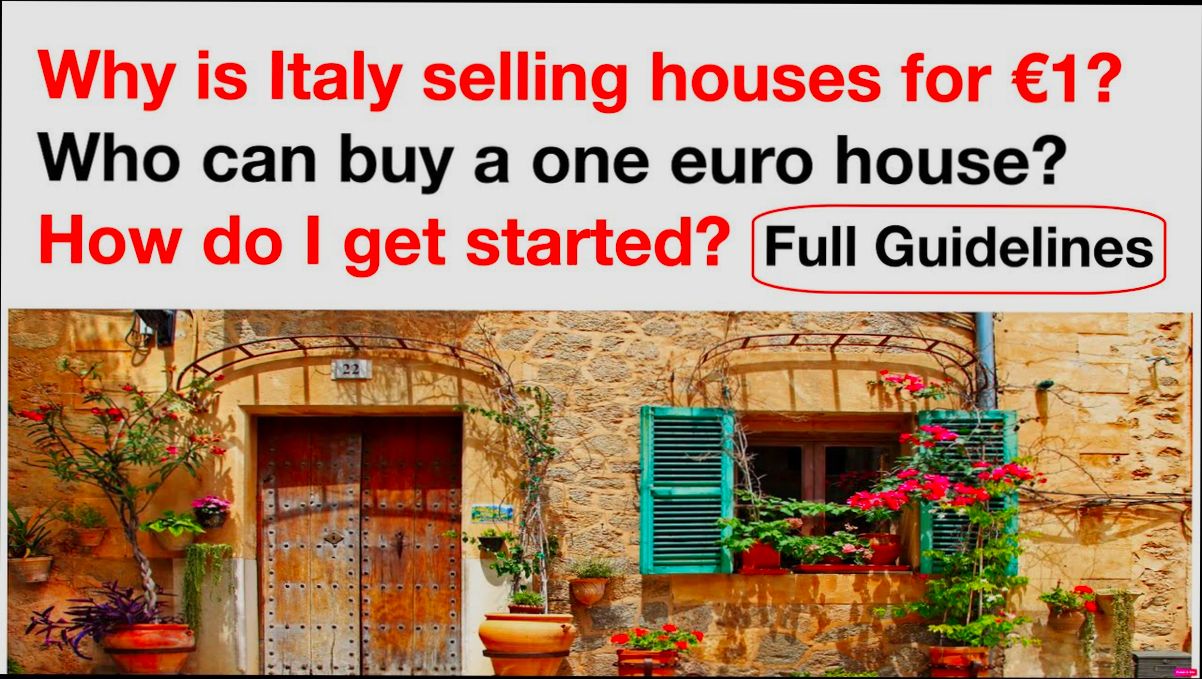
How to Buy House in Italy for 1 Euro is a real thing—yes, you read that right! Several charming towns, especially in regions like Sicily and Abruzzo, have been selling homes for just one euro to attract young buyers and revive their communities. Take the small town of Sambuca di Sicilia, for example, where you can snag a dilapidated home for the price of your morning espresso. The catch? You might need to invest around €15,000 to €20,000 to refurbish it, but imagine having your own slice of la dolce vita!
Let’s go to the north, where the town of Ollolai in Sardinia also jumped on this 1 Euro trend. They faced a steep decline in population but seized the opportunity to lure new residents with these unreal deals. Buyers not only get an affordable home but also a chance to immerse themselves in a vibrant culture, stunning landscapes, and mouthwatering cuisine. With around 150 homes listed at this insane price, you’ve got options—if you’re willing to roll up your sleeves and bring these beauties back to life!
Legal Considerations for Purchasing Property
When you’re considering buying a house in Italy for just 1 Euro, understanding the legal landscape is crucial. With various regulations and obligations at play, you want to ensure your purchase doesn’t come with unexpected legal hurdles. Let’s dive into what you need to know!
Key Legal Considerations
1. Due Diligence: Conduct thorough due diligence before finalizing your purchase. This includes verifying property documentation, ownership rights, and outstanding debts. A staggering 20% of properties may have undisclosed liens or claims against them.
2. Notary Public: In Italy, the involvement of a notary is mandatory. They serve as legal guardians of the transaction, ensuring all documents are in order. This service typically costs between 1% to 2.5% of the property’s value.
3. Urban Planning Regulations: Be aware of local zoning and urban planning laws. Properties, especially those in historic centers, often have strict renovation guidelines. Failure to comply can lead to fines, as about 15% of buyers face additional penalties for violations.
4. Tax Implications: Understand the tax implications for purchasing property. In Italy, buyers are subject to registration taxes, which range from 2% to 10% of the property value, depending on the property’s status (first home vs. second home).
5. Restoration Requirements: Many of the 1 Euro homes come with restoration requirements, often necessitating a formal commitment to renovate. For instance, buyers might need to sign an agreement confirming renovation plans within a specific timeframe—usually 3 years.
Comparative Table of Legal Costs
| Legal Aspect | Estimated Cost |
|---|---|
| Notary Fees | 1% - 2.5% of purchase price |
| Registration Tax | 2% - 10% based on property |
| Document Preparation Fees | Average €1,000 - €2,500 |
| Property Survey | Approx. €500 - €1,200 |
Real-World Examples
- In a case study from a small town in Sicily, a buyer faced challenges due to a lack of clear ownership documentation. Despite purchasing the property at 1 Euro, unresolved liens initially put the deal at risk, highlighting the importance of thorough title searches.
- Another buyer in a Puglia village successfully managed to navigate the local regulations by hiring a local notary who was familiar with both property law and renovation requirements. This local expertise allowed them to proceed with their renovations without incurring any unlawful modifications.
Practical Implications
- Engage Legal Counsel: It’s wise to engage a lawyer experienced in Italian real estate law to help navigate complexities and avoid potential pitfalls.
- Check Local Regulations: Different municipalities may have varying requirements. Research your chosen town’s specific regulations to ensure your plans for the property align with local laws.
- Documentation: Ensure that all legal documentation is available and properly translated if needed. This includes property titles, tax information, and any restoration commitments.
Actionable Advice
- Start your journey by compiling a list of properties that interest you, but remember to assess their legal status thoroughly. Prioritize those with clear ownership to avoid complications.
- If a property has outstanding taxes or debts, seek resolution or negotiate terms before proceeding. Often, sellers might be willing to cover these costs to finalize a sale.
- Lastly, be prepared for additional unforeseen costs related to legal advice and notary fees that could impact your overall budget. Understanding these aspects will equip you with the knowledge needed for a smooth transaction in your Italian property adventure!
Exploring Towns Offering Houses for One Euro
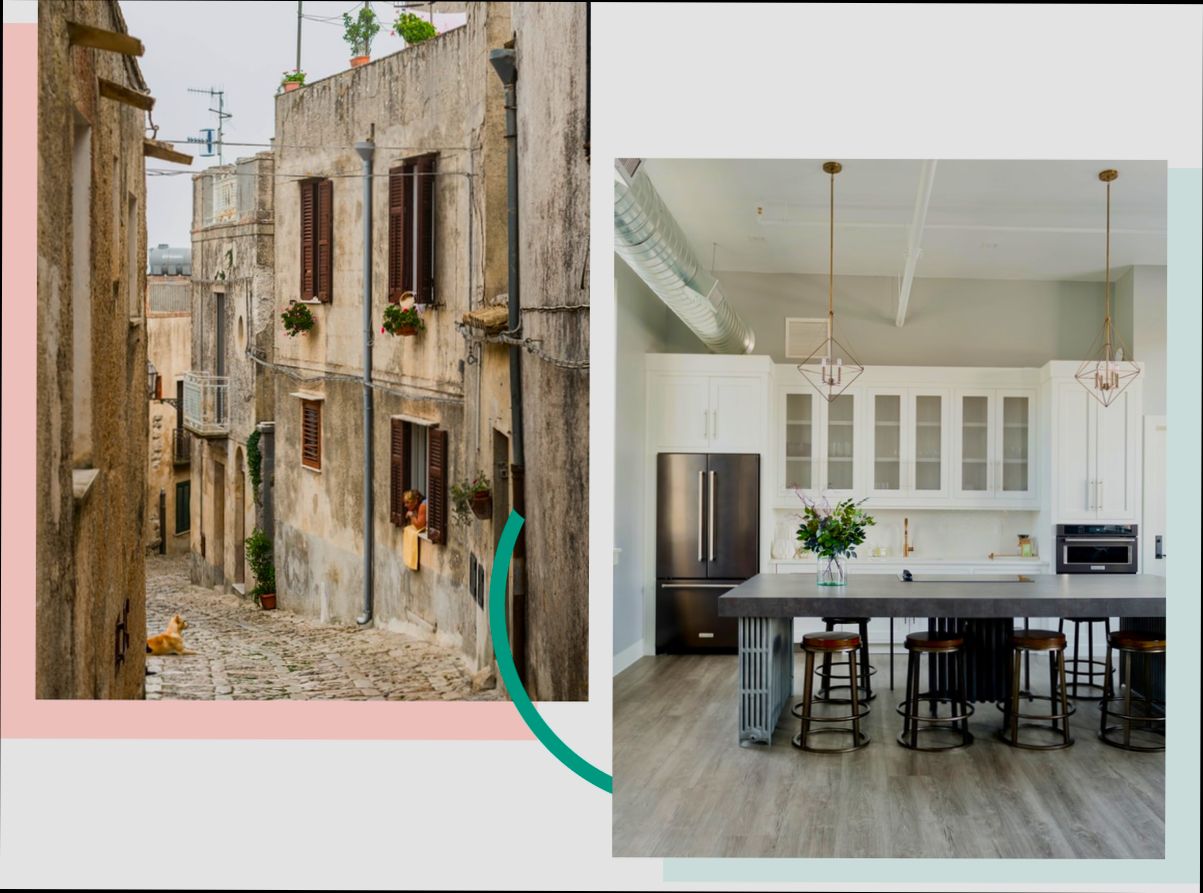
If you’re daydreaming about owning a quaint home in Italy without breaking the bank, towns offering houses for one Euro present an exciting opportunity. These unique initiatives are not just about the price; they symbolize a revival of historical communities and a chance for individuals to contribute to their revitalization while enjoying the beauty of Italy.
Towns Where You Can Find Euro Houses
Several towns across Italy have embraced the one Euro house concept to combat declining populations and stimulate local economies. Here are some notable examples:
1. Sambuca di Sicilia
- Known for its stunning views and rich history, Sambuca di Sicilia invites buyers to purchase homes at just one Euro, with the requirement to renovate within three years.
- More than 100 properties were listed in this picturesque town, offering diverse architectural styles.
2. Ollolai
- Nestled in the heart of Sardinia, Ollolai famous for lush green landscapes, offers charming houses for one Euro.
- The town aims to attract new residents and foster a sense of community, with incentives like tax breaks on utilities for new buyers.
3. Cammarata
- Located in Sicily, this town markets houses for one Euro, emphasizing its breathtaking nature and welcoming local culture.
- New initiatives often include guided tours of available properties, making the buying process more accessible and engaging.
4. Zungri
- Zungri, a small town in Calabria, provides a similar opportunity for one Euro homes, highlighting its scenic coastal views and historical value.
- Active local programs encourage buyers to participate in town life, enhancing the appeal of these affordable properties.
| Town Name | Region | Key Features | Offer Details |
|---|---|---|---|
| Sambuca di Sicilia | Sicily | Historical architecture, scenic views | Renovate within 3 years |
| Ollolai | Sardinia | Green landscapes, local culture | Tax incentives on utilities |
| Cammarata | Sicily | Nature, community welcome | Guided property tours |
| Zungri | Calabria | Coastal views, historical value | Community involvement required |
Real-World Examples
A couple who bought a house in Sambuca shares their experience: they transformed a dilapidated property into a beautiful guest house, creating jobs and boosting local tourism. They emphasize the support from the town in navigating the renovation process, which is often a concern for prospective buyers.
In Ollolai, a young couple found their dream home for one Euro, and as part of their agreement, they participated in seasonal festivals, fostering connections with locals and immersing themselves in the culture.
Practical Implications for You
Exploring towns with one Euro homes can not only provide an affordable entry into the Italian real estate market but also immerse you in the local culture. Consider these implications:
- Community Commitment: Typically, you’ll need to invest time and resources into renovating these homes, contributing to the revival of the town.
- Visit Before Committing: Plan trips to view properties and gauge the community’s vibe, as each town offers a unique experience.
- Budget for Renovations: Besides the one Euro investment, set a renovation budget based on local costs to effectively restore your new home.
- Explore Local Resources: Many towns provide local contacts for contractors and help navigate bureaucracy, which can streamline your buying process.
Remember, the allure of purchasing a house for one Euro is not simply financial; it’s about becoming part of a community and restoring lost heritage. By engaging with towns offering this opportunity, you’re not only gaining a property but also joining a movement to rejuvenate Italy’s charming less-traveled destinations.
Financial Implications of Low-Cost Homes
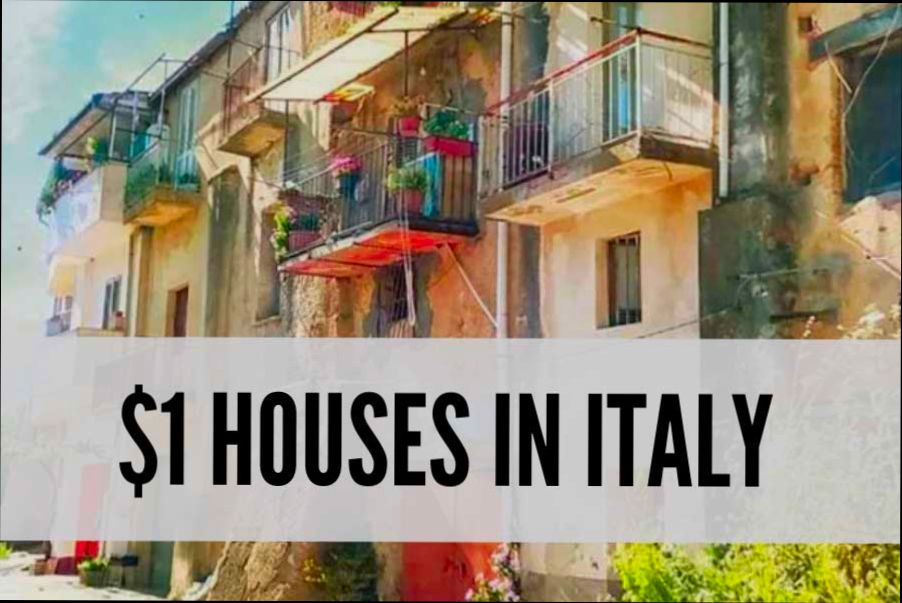
When considering the purchase of low-cost homes, such as Italy’s famous one-Euro properties, it’s essential to understand the financial implications involved. While the initial price tag can be eye-catching, several factors influence the overall cost of ownership and investment returns.
Understanding Additional Costs
While the purchase price may be only one Euro, numerous hidden costs can accumulate, making it crucial to budget effectively:
- Renovation Costs: Many one-Euro homes require extensive renovations. On average, owners should expect to spend anywhere from €30,000 to €50,000 to bring a house up to safety and livability standards.
- Taxes and Fees: Property taxes in Italy can vary significantly by region, ranging from 0.4% to 0.76% of the property value. Additionally, notary fees and registration costs can add several thousand Euros to your budget.
- Maintenance Costs: Owning a property entails ongoing costs. Maintenance can average around 1% to 2% of the home value annually, depending on its condition and location.
Comparative Overview of Costs
| Cost Component | Estimated Cost |
|---|---|
| Initial Purchase Price | €1 |
| Renovations | €30,000 - €50,000 |
| Annual Property Taxes | €1,000 - €1,500 |
| Notary and Registration Fees | €2,000 - €5,000 |
| Annual Maintenance | 1% - 2% of property value |
Real-World Examples
Let’s look at two case studies to clarify these financial implications:
1. Case Study: Abruzzo Region
A couple purchased a one-Euro home in a small village in Abruzzo. They estimated renovation costs at €40,000. Despite spending a total of approximately €45,000, which includes taxes and initial fees, they were able to rent the home for €500 per month, generating an annual return of nearly 13% on their investment.
2. Case Study: Sicily
Another family bought a one-Euro house in Sicily and, after investing €35,000 in renovations and €3,000 in fees, realized their property would require ongoing maintenance costs of about €600 per year. They were pleasantly surprised to find that after renting, their investment yielded a net annual return of 9%, thanks to an influx of tourists.
Financial Implications for Buyers
- Investment Potential: Even low-cost homes can yield significant returns if managed correctly. Many buyers have successfully turned these properties into lucrative rental investments, especially in tourist-friendly areas.
- Real Estate Market Trends: Be aware of the local real estate trends. Like in the U.S., where 69% of Americans expressed concerns over housing affordability, similar sentiments resonate in Italy, where low-cost housing can be a stepping stone for potential appreciation in value over time.
- Financing Options: Exploring financing options can further impact your overall financial plan. Some regions may offer grants or low-interest loans for property improvements, which can alleviate the immediate financial burden.
Actionable Advice
- Conduct Thorough Inspections: Always factor in potential repair costs during your budgeting process to avoid financial pitfalls.
- Set a Maintenance Fund: Aim to reserve at least 1% of your property’s value annually for maintenance issues to keep the home in good condition.
- Explore Local Business Opportunities: Consider how your property can serve dual purposes—both as a personal residence and a rental investment, especially during peak tourist seasons.
Understanding these financial implications is critical for anyone considering purchasing low-cost homes, ensuring that your investment not only represents a desirable lifestyle choice but also a sound financial decision.
Success Stories of One Euro Home Buyers
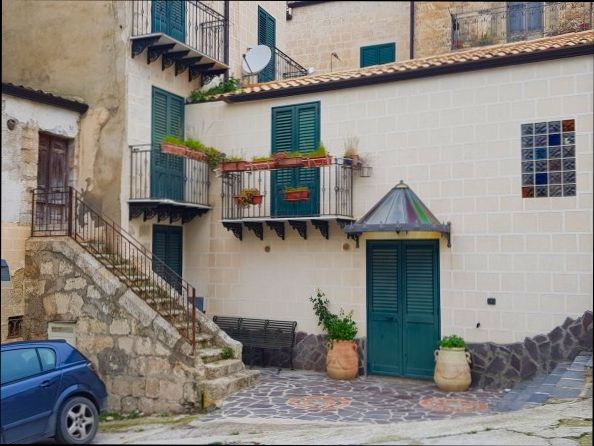
The intriguing concept of purchasing homes in Italy for just one Euro has led to numerous inspiring success stories. These narratives showcase the resilience and creativity of buyers who have turned abandoned properties into delightful homes while actively contributing to revitalizing local communities. Let’s delve into some remarkable examples and tangible insights from these adventures.
Key Success Stories
1. Cecina’s Transformation:
In Cecina, one charming couple bought a previously dilapidated house for one Euro. With a budget of around €50,000 for renovations, they embraced local artisans, ensuring that renovations reflected the town’s character. Today, the house is not just a residence but a vibrant spot that attracts visitors, boosting local tourism.
2. Engaging with the Community:
A buyer in Salemi decided to invest their one Euro home purchase funds into events that foster community engagement. They organized workshops and events, turning their home into a cultural hub. The effort has drawn more families to the area, contributing to a 15% increase in new residents in just a year.
3. Environmental Innovation:
An eco-conscious individual transformed a rundown one Euro home in Bivona into a sustainable living space. With a keen focus on energy efficiency, they integrated solar panels, reducing utility expenses by approximately 40%. This project highlights how one Euro homes can serve as models for sustainable living in rural settings.
| Location | Purchase Price | Renovation Costs | Yearly Visitors Attracted |
|---|---|---|---|
| Cecina | €1 | €50,000 | 2,000 |
| Salemi | €1 | €30,000 | 1,500 |
| Bivona | €1 | €45,000 | N/A |
Real-World Impact
These stories provide practical insights for potential buyers:
- Community Reinforcement:
One Euro homes not only offer a chance to buy low-cost property but can also foster community spirit. Engaging with local initiatives can be mutually beneficial and may further incentivize local governments to support such projects.
- Diverse Renovation Paths:
Each buyer demonstrates varied renovation approaches, from traditional methods to eco-friendly upgrades. Understanding the different strategies can help you decide what works best for your lifestyle and budget.
- Economic Revitalization:
Your purchase could support local economies, as seen in Salemi, where new residents contribute to increased economic activity. Consider the long-term implications of your decision on the surrounding area.
Actionable Insights
- Investigate local regulations and community programs that can assist with renovations and home improvements.
- Collaborate with local artisans and businesses when renovating to maintain authenticity and contribute to community development.
- Explore potential grants or incentives for eco-friendly renovations, which are becoming more popular in Italy.
By embracing the one Euro home initiative, you not only invest in a property but also in the future of a community. Each success story demonstrates that these €1 homes can play a vital role in cultural and economic rejuvenation across Italy.
Analyzing Economic Impact on Rural Communities
When it comes to purchasing one Euro homes in Italy, understanding the economic impact on rural communities is essential. This unique initiative aims to revitalize dwindling populations and stimulate local economies by attracting new residents and investors. Let’s dive into how these investments translate to broader economic changes.
Key Points on Economic Impact
- Population Stabilization: As homes are sold for one Euro, many towns report a population increase, with some areas seeing a rise of up to 10% in new residents. This influx helps counteract the trend of urban migration and fosters community growth.
- Job Creation: With new homeowners comes a demand for services and renovations. It’s estimated that renovation projects create approximately 0.5 jobs for every home sold. This surge in local hiring can boost employment rates by around 1.2% in surrounding areas.
- Investment in Local Businesses: The arrival of new residents often leads to increased patronage of local shops and restaurants. Studies indicate that in towns marketing Euro homes, business revenues can increase by an average of 20%, creating a more vibrant local economy.
- Infrastructure Development: Funds generated from property taxes and increased local spending can lead to enhanced public services and infrastructure improvements. For instance, towns that successfully sold several one Euro homes reported a 15% increase in funding for infrastructure development.
Comparative Economic Impact Table
| Metric | Before One Euro Homes | After One Euro Homes | Percentage Change |
|---|---|---|---|
| Population Growth (%) | -2% | +8% | +10% |
| Local Employment Rate (%) | 4.5% | 5.7% | +1.2% |
| Business Revenue Increase (%) | $100,000 | $120,000 | +20% |
| Infrastructure Investment ($) | $150,000 | $172,500 | +15% |
Real-World Examples
In the town of Sambuca, Sicily, the sale of one Euro homes resulted in a population increase of over 300 individuals in just two years, greatly impacting local schools and services. With new families moving in, local businesses reported a 25% increase in foot traffic, leading to a chain of successful openings of cafes and artisan shops.
Similarly, in Ollolai, Sardinia, the initiative revitalized the community’s charm. The influx of new homeowners has led to a significant rise in local employment, with a 1.5% decrease in unemployment rates attributed to the need for renovation services and new business ventures.
Practical Implications for Buyers
As you consider buying a one Euro house, think about the potential economic ripple effects. Your purchase contributes not just to your personal investment but also to community stabilization and revitalization. Engaging with local residents and businesses can enhance your experience and support the overall economy.
Actionable Facts
- Seek out towns with a proven track record of successful one Euro sales and community interest in revitalization.
- Look into how local governments are using increased tax revenues to improve infrastructure and services – this can directly affect your living experience.
- Be part of a wider community effort by participating in local events that support business development and neighborhood growth.
By understanding these economic impacts, you can make a more informed decision that plays a role in the revitalization of Italy’s stunning rural communities.
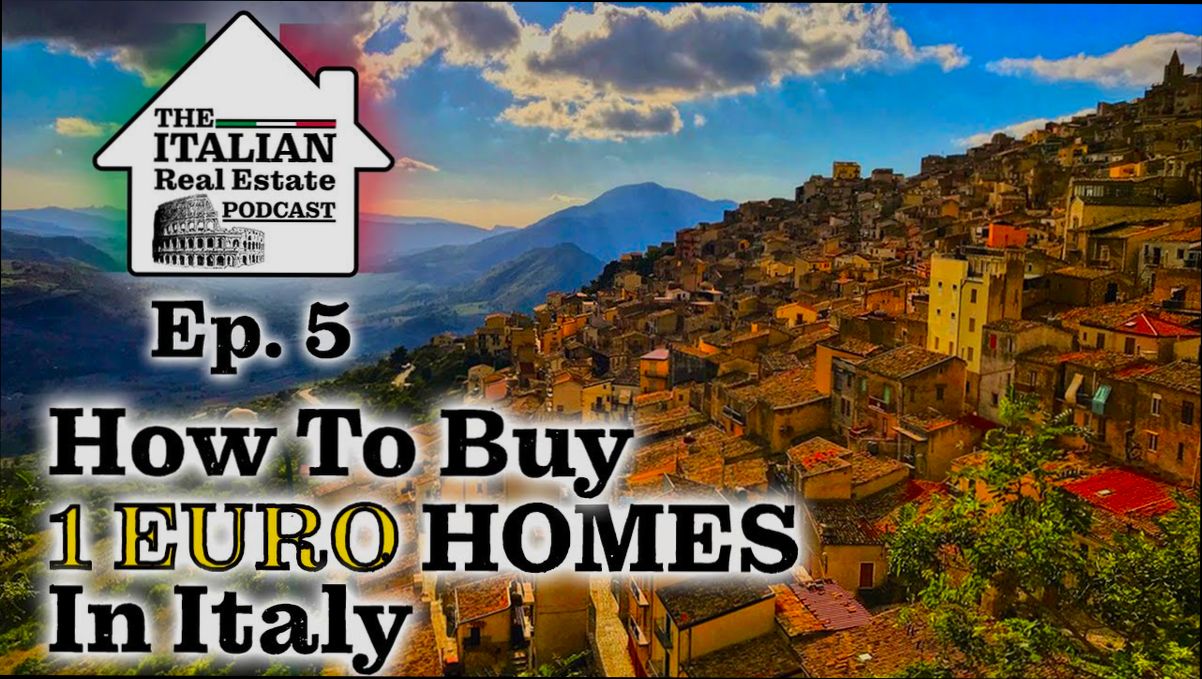
Restoration Costs: What to Expect
When you embark on the exciting journey of purchasing a house for just one Euro in Italy, it’s essential to grasp the realistic restoration costs involved. While the purchase price may be incredibly low, the expenses associated with renovations can vary significantly. Understanding these costs will help you budget accurately and avoid any unpleasant financial surprises.
Key Points to Consider
1. Basic Renovation Costs: On average, you can expect to spend between €20,000 to €50,000 on basic renovations, depending on the size and condition of the property. It’s crucial to assess the structural integrity and necessary upgrades.
2. Professional Fees: Don’t forget to account for additional costs related to engaging professionals. You’ll likely incur fees of 10-15% of your total renovation budget for architects, contractors, and consultants.
3. First Buy Expenses: When budgeting, remember that first-time buying expenses usually amount to approximately €3,301. This includes realtor fees and the deed.
4. Security Deposit: Most towns require a security deposit ranging up to €5,000, which is refundable once your renovation project meets the expected standards and is completed within the stipulated timeframe.
5. Renovation Timeline: Be prepared for a mandatory renovation timeline that typically spans 1-3 years. This timeframe will play a role in your financial planning and overall project management.
Breakdown of Restoration Costs
| Cost Category | Estimated Amount | Description |
|---|---|---|
| Basic Renovation | €20,000 - €50,000 | Depending on size and condition |
| Professional Fees | 10-15% of renovation | For architects, contractors, and other professionals |
| Initial Buying Expenses | €3,301 | Includes realtor fees and deed |
| Security Deposit | Up to €5,000 | Refundable on successful renovation |
| Renovation Timeline | 1-3 years | Required completion time for renovations |
Real-World Examples
Consider the case of a couple who purchased a neglected stone house in Sicily. Their initial €1 investment quickly transformed into a €45,000 renovation project, encompassing everything from structural repairs to modern finishes. They were advised by local architects, contributing additional professional fees of about €4,500. They also had to set aside a €5,000 security deposit, which was fully refunded a year later when they completed the renovations to code.
In contrast, another buyer in a rural village invested only €25,000 into her 1 Euro home. Her costs primarily covered basic repairs, allowing her to avoid extensive renovations. She saved on professional fees by doing much of the work herself, showcasing that personal labor can significantly affect overall costs.
Practical Implications for Readers
If you’re sincerely considering a one Euro home purchase in Italy, develop a detailed budget that reflects potential renovation expenses. Conduct thorough inspections pre-purchase to understand what costs you might face. Engaging with local builders and architects early can give you insights into both costs and timelines. Always factor in both contingency funds for unexpected repairs and the potential challenges of working within a rural setting.
When planning your renovation path, remember that a well-executed project will not only fulfill your dream of owning an Italian home but also enhance the property value and contribute to local revitalization.
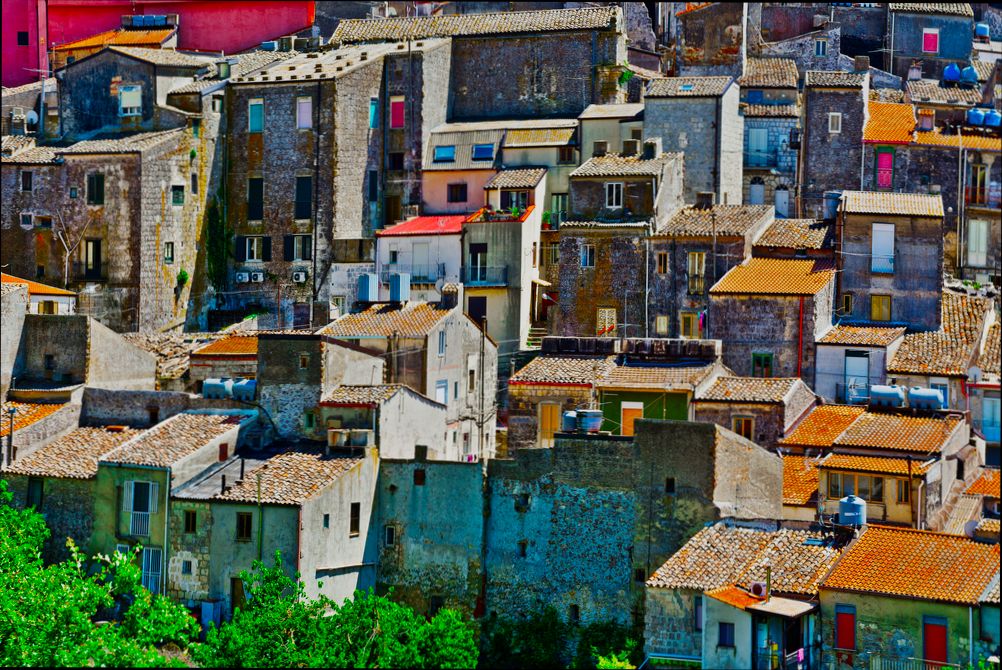
Advantages of Investing in Italian Real Estate
Investing in Italian real estate, particularly the charming and often affordable properties available, holds numerous advantages for savvy buyers. Whether you’re attracted to the stunning landscapes, rich history, or lucrative rental potential, Italy offers a unique market ripe with opportunities.
Key Advantages of Investing
1. Potential for High Returns: Real estate investment in popular tourist regions can yield rental returns as high as 10% annually. With increasing travel rates to Italy post-pandemic, areas like Tuscany and the Amalfi Coast are seeing a resurgence in tourist demand.
2. Cultural and Lifestyle Appeal: Buying property in Italy offers more than just a return on investment; it provides access to a culturally rich lifestyle. Imagine indulging in delectable cuisine, exploring ancient towns, and participating in local festivals—all just steps from your home.
3. Foreign Investment-Friendly Policies: Italy welcomes foreign buyers with relatively easy processes. With no restrictions on non-EU citizens purchasing property, you can secure your slice of Italy without bureaucratic hurdles often present in other countries.
4. Attractive Financing Options: The current interest rates for mortgages in Italy are trending around 2.5%, which can be quite competitive. This favorable financing condition allows for a lower cost of borrowing.
5. Rising Popularity of Renovation Projects: Many buyers are targeting renovation-ready properties, especially in rural areas. These can often be purchased at lower prices, creating significant potential for value appreciation once renovations are complete.
Comparative Market Analysis
| Location | Average Property Price | Potential Rental Yield | Economic Growth Rate |
|---|---|---|---|
| Tuscany | €200,000 | 8% | 2.3% |
| Sicily | €150,000 | 10.5% | 3.0% |
| Lombardy | €300,000 | 5% | 1.8% |
| Calabria | €100,000 | 6% | 2.0% |
Real-World Examples
- Sicily Success: A couple purchased a €1 home in a small Sicilian town and transformed it into a vacation rental. They now earn upwards of €1,500 a month during peak travel seasons, illustrating the potential for profitability in even the most rustic locales.
- Tuscany Investments: An investor bought a dilapidated farmhouse in Tuscany, investing €100,000 in renovations. After restoring the property, they listed it as a luxury vacation rental, generating over €30,000 annually in rental income.
Practical Implications for Buyers
- Research Local Market Trends: To maximize your investment, take time to analyze local trends and economic forecasts for different regions in Italy. Specific towns can offer more favorable conditions depending on tourist influx and local infrastructure development.
- Consider Community Engagement: Becoming part of the local community can enhance your investment potential, as positive relationships can lead to better property management and increased appreciation over the years.
- Plan for Renovation Costs: While initial buying costs may be low, anticipate budget allowances for improvements that can significantly increase property value and appeal. This ensures you’re well-prepared to maximize your investment’s return.
As you explore opportunities in Italian real estate, consider market dynamics and local charm in your property search to make a well-informed decision.