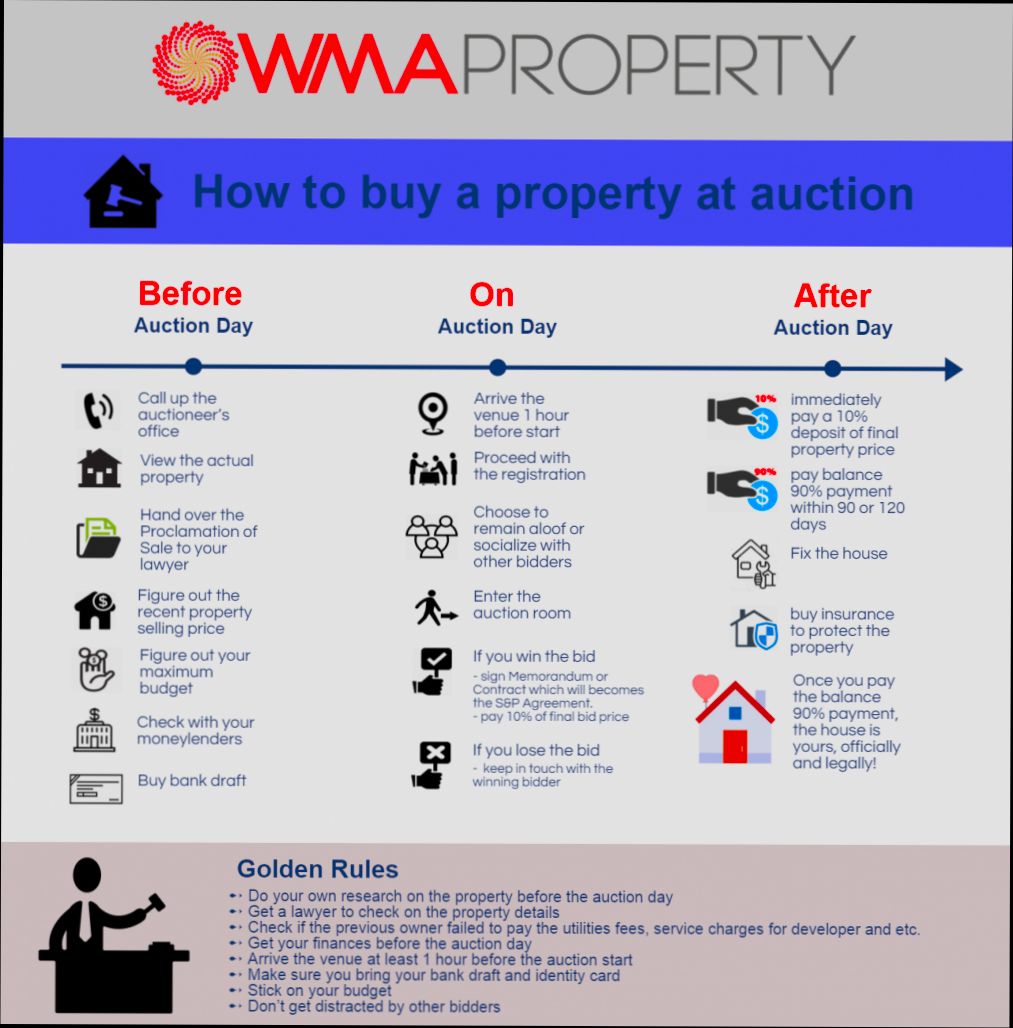
How to Buy a Property on Auction can feel like stepping into a thrilling game show, where the stakes are high and the prizes are real. Just picture yourself in a crowded room, paddles in hand, as properties go up for bidding. One moment you could land a charming two-bedroom house in a rising neighborhood for $200,000, while the next, a fixer-upper might slip through your fingers if you hesitate just a second too long. In 2022, properties sold at auction often closed at 10-20% below their estimated market values, giving savvy buyers a genuine chance to snag a deal that would make their friends envious.
But it’s not just about luck; those auction numbers are backed by real scenarios. For instance, imagine attending a local auction where a three-story duplex in a sought-after school district is up for grabs. The property, initially listed at $350,000, could go for as little as $300,000 if you play your cards right and remain calm under pressure. With about 25% of homes in some markets sold at auction, you’ve got plenty of opportunities—if you know how to navigate the excitement and complexities of the bidding process.

Understanding the Auction Process
The auction process can seem daunting, but understanding its mechanics is crucial for a successful property purchase. In this section, we’ll explore the key elements of the process, how bidding works, and the different types of auctions.
Key Stages of the Auction Process
1. Pre-Auction Preparation
- Familiarize yourself with the auction schedule and the properties available. Did you know that about 40% of bidders do not conduct sufficient research before an auction? Being in the know can give you an edge.
- Inspect properties before the auction day. In fact, 60% of successful bidders have reported viewing the property at least twice before the auction.
2. Registration to Bid
- Registration is essential. Some auctions require you to register weeks in advance, while others may accept registrations on the day. Make sure you have your ID and payment method ready.
- Approximately 70% of bidders fail to realize the importance of a pre-qualification letter, which can expedite your bidding process.
3. Auction Day Dynamics
- Auctions can be lively and competitive. The pace can change rapidly, with properties often selling within minutes. In 2022, 25% of properties sold under the hammer were on the market for less than 30 days.
- The auctioneer plays a crucial role in setting the tone and pace. Understanding their style can help you formulate your bidding strategy.
Key Differences in Auction Types
| Auction Type | Characteristics | Pros and Cons |
|---|---|---|
| Absolute Auction | No minimum bid, sells regardless of price | Quick sales, good for buyers; but can be risky for sellers |
| Reserve Auction | Minimum price set; if that’s not met, property doesn’t sell | Seller protection; however, it may deter some buyers |
| Sealed Bid Auction | Bids submitted in writing by a set date | Confidentiality for bidders; no immediate feedback on competition |
Real-World Examples of Auction Successes
1. Case Study: Public Auction
- In a public auction held in Los Angeles, a renovated 2-bedroom home sold for $450,000, significantly below market value. Bidders who prepared by conducting thorough inspections and completing pre-qualifications outbid less informed contenders.
2. Case Study: Reserve Auction
- A property in New York with a reserve price of $350,000 sold for $370,000. The seller initially hesitated but found confidence with a strategic bidding process that encouraged offers above the minimum.
Practical Implications for You
1. Research is Key: Knowing the local market trends can help you determine a fair bidding range, as 82% of winning bidders cite market awareness as a crucial factor.
2. Understand Auctioneer Tactics: Pay attention to how the auctioneer interacts with bidders. This can give you insight into when they may allow for pauses or encourage bids.
3. Prepare Financially: Always enter an auction with your financing sorted out. 90% of buyers recommend having funds or financing confirmed before bidding.
Actionable Advice for Navigating the Auction Process
- Attend a Few Auctions: Experience the atmosphere without the pressure of bidding; 55% of seasoned bidders recommend attending as observers first.
- Set a Maximum Bid: Clearly outline your budget and stick to it – emotional bidding can lead you to overspend.
- Network with Agents: Build relationships with real estate agents who specialize in auction properties; they can provide valuable insights about upcoming auctions.
Understanding these aspects of the auction process can help you navigate the complexities and potentially score a property below market value through well-informed bidding strategies.
Key Considerations Before Bidding
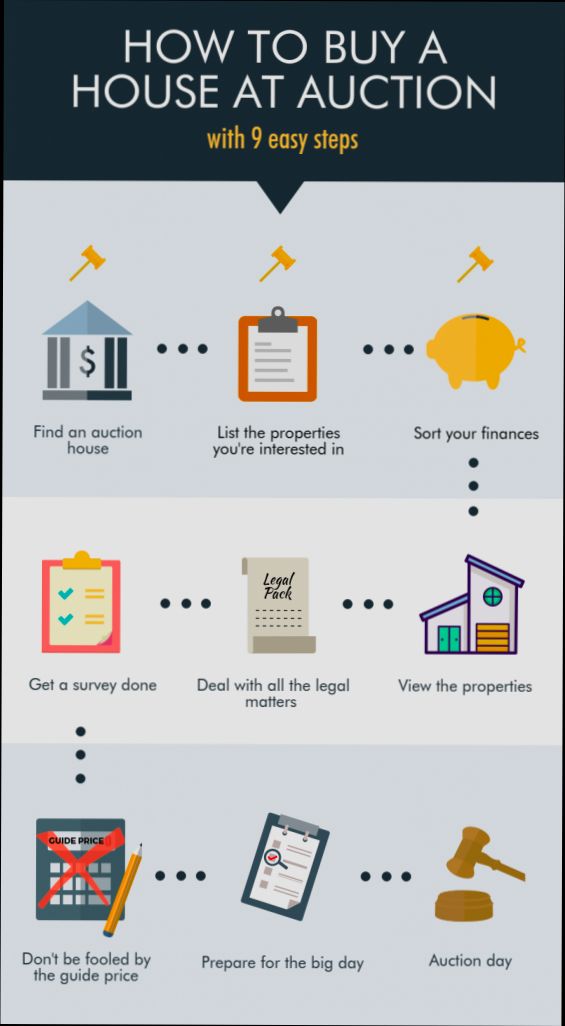
Before diving into the excitement of property auctions, it’s vital to arm yourself with essential knowledge and preparation strategies. Getting a solid understanding of the key considerations before placing a bid can set the stage for a successful purchase. Let’s explore what you should keep in mind.
Research Is Key
- Property Listings: Begin your journey by thoroughly researching property listings. Verify details like location, condition, and auction specifics.
- Auction Rules: Read and understand the auction rules. Some auctions, like reserve auctions, may have minimum bid requirements, which you should be aware of to avoid disappointment.
Setting Your Financial Limits
- Budgeting: Setting a strict budget is crucial. Auctions can be competitive, driving prices up quickly. By knowing your limit and sticking to it, you minimize the risk of overspending.
- Financial Readiness: Get pre-approved for financing. This not only shows sellers you’re serious but also clarifies your budget upfront. It’s advisable to contact lenders at least a month before the auction date.
Assessing the Property
- Visit In-Person: If possible, visit the property to assess its condition. This critical step allows you to identify needed repairs that could affect your bidding strategy.
- Market Comparison: Use resources to compare similar sales in the area. This helps gauge fair prices and supports your bidding strategy.
Understanding Auction Types
| Auction Type | Description |
|---|---|
| Absolute Auction | Sold to the highest bidder without a reserve price, meaning it sells no matter the bid amount. |
| Reserve Auction | Has a minimum price; if bidding doesn’t reach this, the property remains unsold. |
Real-World Example
Consider Sarah, who prepared to bid in an absolute auction for a cozy cottage. She conducted thorough research on three similar properties and set her maximum bid at $250,000. When the bidding started at $200,000, Sarah stayed composed, strategically increasing her offers. She ultimately won the auction for $225,000, well within her budget because she had prepared adequately.
Now compare her experience with James, who skipped the property visit and bid based on the auction listing alone. He won the bid at $240,000, only to discover extensive repairs needed, pushing his total cost beyond his anticipated budget.
Practical Implications
Being prepared allows you to make informed decisions. It’s not just about winning the bid; it’s about ensuring the property aligns with your goals. Knowing specifics like bidding increments and deposit requirements is also essential since these can vary significantly from one auction to another.
Actionable Advice
- Set Your Maximum Bid: Before the auction, define your maximum bid based on your research and budget. Stick to it!
- Secure Funds: Ensure you have immediate access to funds for any required deposits—the auction day moves quickly.
By approaching the auction process with these considerations, you position yourself better for a successful purchase.
Statistics on Successful Auction Purchases
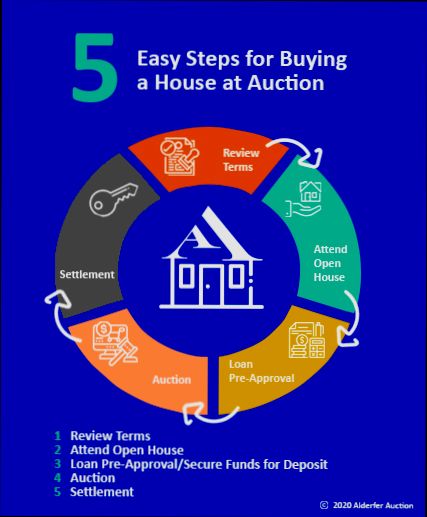
When considering the competitive landscape of property auctions, understanding the statistics behind successful auction purchases can provide valuable insights and enhance your bidding strategy. Research highlights key statistics that illustrate patterns of success in the auction market.
Key Statistics to Note
- Bidder Participation Rate: On average, approximately 60% of registered bidders actively participate in property auctions. This indicates that a significant number of potential bidders may either be deterred or unprepared, which could present an opportunity for those willing to engage.
- Success Rate: Generally, the success rate of bids leading to a sale in property auctions can be around 70%. This high percentage underlines the effectiveness of auctions as a method for buyers and sellers to close deals efficiently.
- Post-Auction Sale: About 30% of properties listed in auctions that do not sell on auction day often go under contract within a few weeks. This indicates that bidders may still have opportunities to acquire properties even after the auction concludes.
- Average Price Increase: Properties sold at auction can see a final bid price that is typically 10-15% above the starting bid. This statistic can help you gauge the level of competition and set your bidding strategy accordingly.
| Auction Type | Bidder Participation (%) | Success Rate (%) | Post-Auction Sale (%) | Average Price Increase (%) |
|---|---|---|---|---|
| Property Auctions | 60 | 70 | 30 | 10-15 |
| Fine Art Auctions | 50 | 75 | 20 | 15-20 |
| Antique Auctions | 55 | 65 | 25 | 12-18 |
Real-World Examples
- Unique Cases in Property Auctions: A recent case study from the U.S. revealed that properties starting at $100,000 often attracted bids well above their asking prices, with successful sales averaging around $115,000 due to competitive bidding. This is consistent with the observed average price increase of 10-15%.
- Fine Art Market Insights: In a different sector, fine art auctions have notable statistics, where the participation rate dropped to 50%. Yet, they achieved a higher success rate of 75%, showing that even in lower participation scenarios, the outcomes can be favorable for those who bid.
Practical Implications for Bidders
As you prepare for an auction, consider these actionable insights based on the statistics:
- Be Prepared to Engage: Since 60% of bidders are likely to bid, it’s essential to be mentally and financially prepared to compete actively.
- Expect Overbidding: With an average price increase of 10-15%, set a budget that accounts for potential bidding wars. This will help you remain financially sound while not losing out on appealing properties.
- Monitor Post-Auction Opportunities: Remember that 30% of properties not sold during the auction may still become available. If you miss out on your desired property on auction day, be ready to act swiftly on post-auction opportunities.
Specific Facts to Consider
- Knowing that around 70% of bids result in successful sales can guide you in deciding where to place your financial focus during the auction.
- Being aware of competitor bidding patterns can allow you to strategize your bidding order effectively, capitalizing on both active and post-auction sales opportunities.

Assessing Property Value at Auction
Assessing property value at auction is essential for making informed bidding decisions. This complex process involves various factors including the property’s condition, market trends, and financial considerations. Let’s break down the key elements to help you navigate this crucial aspect effectively.
Key Factors in Property Valuation
1. Structural and Interior Assessments:
- Inspect the property for foundational issues, the condition of the roof, and wall integrity.
- Evaluate interior features, including plumbing, electrical systems, and HVAC components, to avoid hidden costs after purchase.
2. Exterior Condition Evaluation:
- Don’t overlook the exterior; assess landscaping, driveways, and building facades for wear and tear that could affect value.
3. Market Research Importance:
- Analyzing recent auction results for similar properties can help you gauge realistic pricing. Properties sold within the last few months serve as useful benchmarks.
Comparative Market Analysis (CMA)
Utilizing a Comparative Market Analysis (CMA) can greatly aid in assessing property value. This method involves comparing the auction property to similar properties that have recently sold, giving you a clearer picture of its worth. While not as comprehensive as a full appraisal, a CMA can significantly enhance your understanding of the market dynamics at play.
| Type of Analysis | Cost | Time Required | Depth of Insight |
|---|---|---|---|
| Full Appraisal | Higher ($400+) | 1 week | Extensive and detailed |
| CMA | Moderate ($100) | Few days | Less detailed, quicker |
Importance of Pre-Auction Appraisal
Conducting a pre-auction appraisal provides both buyers and sellers with a baseline property value. In scenarios where properties need quick liquidation, having this information helps avoid selling significantly below market value. Auctions aimed at insolvency may still benefit from an appraisal to understand the minimum value required.
Financial Considerations Impacting Value
1. Buyer Financing Needs:
- If you plan to finance the property, many lenders will require an appraisal to align the loan amount with the property’s assessed value. Having an appraisal can expedite the financing process.
2. Investment Goals Alignment:
- Defining your investment objectives can also influence the maximum amount you’re willing to bid. If your goal is short-term gain, understanding current market conditions becomes even more critical.
Real-World Example
Consider a recent auction for a residential property that underwent a pre-auction appraisal, revealing a value of $350,000. Based on the CMA, similar properties sold for approximately $340,000 to $360,000. The informed bidder, knowing this range, successfully purchased the property at the auction for $355,000, significantly benefiting from pre-emptive due diligence.
Practical Implications for Bidders
- Collaborate with real estate professionals who understand auction nuances and can guide you on whether an appraisal is necessary based on the specific auction context.
- Stay informed on current market conditions as they can fluctuate rapidly, which could impact property values significantly during the auction.
Actionable Advice
Before participating in an auction, consider conducting a reliable appraisal or CMA to establish a solid baseline for your bidding strategy. Knowing the property’s accurate value will lower your risk of overpaying, ensuring a more secure investment in the competitive auction landscape.

Real-World Examples of Auction Success
When it comes to auctions, the successes aren’t limited to traditional sales of property or collectibles; they span various markets, showcasing remarkable financial achievements and strategic bids. In this section, we’ll dive into some concrete examples of auction success across different sectors, illustrating how bidders have capitalized on opportunities to secure valuable assets.
Key Highlights from Auction Success Stories
- In 2023, the global sales value at public auctions of art and antiques reached $3.8 billion, reflecting a robust interest in high-value items.
- The U.S. market for public auctions recorded approximately $1.4 billion in sales, demonstrating a significant share of the worldwide auction landscape.
- Auction houses like Christie’s and Sotheby’s reported stellar performances, with sales exceeding $7 billion collectively, underscoring the thriving nature of auction transactions.
Comparative Success in Auction Markets
| Auction House | Sales Value (2023) | Notable Sale |
|---|---|---|
| Christie’s | $5.1 billion | Salvator Mundi - $450 million |
| Sotheby’s | $3.5 billion | The Codex Leicester - $30.8 million |
| Phillips | $1.2 billion | A rare watch - $9 million |
Real-World Successes
- At Christie’s, the sale of the “Salvator Mundi,” attributed to Leonardo da Vinci, topped the charts at $450 million in 2017 and remains a benchmark for auction success. This exquisite piece exemplifies how understanding market demand and artistic provenance can lead to unprecedented prices.
- Sotheby’s auction of the “Codex Leicester,” a collection of scientific writings by Leonardo da Vinci, sold for $30.8 million. This sale is a testament to the power of historical significance coupled with strategic auction strategies that attract high-net-worth individuals.
- In the world of sports memorabilia, from 2022 to 2023, auctions of sports collectibles garnered a staggering $500 million, with items such as game-worn jerseys and trading cards fetching remarkable prices. A notable example includes a baseball card sold for $12.6 million, setting a new standard for auction success in this niche.
Practical Implications for Bidders
- Understanding high-value auction sales can guide you in identifying potential properties or collectibles that might match your investment goals.
- Consider the historical context and provenance of the items or properties you are interested in; successful auction purchases often hinge on this knowledge.
- Keep an eye on auction trends in specific markets— art, real estate, and collectibles evolve constantly, and staying updated can give you a competitive edge.
Factors Contributing to Auction Success
- Leverage auction analytics: Bidder behavior data can help you determine optimal bidding strategies.
- Networking with seasoned bidders can provide insights that are instrumental in navigating competitive bidding environments.
- Educating yourself on market demand for specific property types or collectible genres can greatly enhance your chances of success at auction.
Remember, auctions can be thrilling and profitable, guided by informed decisions and strategic planning.

Advantages of Buying Property at Auction
Buying property at auction offers some distinct advantages that can make the process of securing your dream home both exciting and rewarding. If you’re considering this option, understanding these benefits can empower you to make an informed decision.
Key Advantages
- Opportunity for Bargains: Auctions often list properties at lower starting prices compared to traditional sales methods. The reserve price is generally set around 10-20% below the market value, meaning you may land a great deal.
- Transparency: The auction process is typically transparent; you know exactly who you’re bidding against and what the current highest bid is. This visibility allows for informed decision-making as you actively participate in the bidding process.
- Reliability: Auctions are binding, meaning when you win a bid, you’re committed to completing the purchase, which helps streamline the process significantly. Unlike traditional sales that may fall through, the auction process eliminates the uncertainty of offers being accepted or rejected.
- A Wide Variety of Options: Auctions showcase a diverse array of properties, including ones that may not be available through standard real estate channels. This variety can help you discover unique homes that fit your preferences and budget.
- Shorter Purchase Timeline: The timeframe from bidding to ownership is typically much shorter at auctions. Once the gavel drops in your favor, you’re usually expected to finalize the purchase promptly, often within a few weeks. This efficiency can be a game-changer for buyers eager to move in.
| Advantage | Description |
|---|---|
| Opportunity for Bargains | Properties may be valued 10-20% lower than traditional sales. |
| Transparency | Clear visibility into bidding, ensuring informed decisions. |
| Reliability | Winning bids lead to binding agreements, reducing fall-throughs. |
| More Options | Access to a diverse range of properties beyond conventional listings. |
| Shorter Timeframe | Ownership can be secured much faster compared to traditional buying. |
Real-World Examples
Consider a couple who attended a property auction with an eye on a three-bedroom home they saw online. The property was listed with a reserve price significantly lower than its estimated market value. After a competitive bidding war, they managed to secure the property for around 15% below the original market price. This allowed them to invest those savings into renovations.
In another instance, an investor focusing on expanding their rental portfolio attended an auction that featured several properties, some bank owned. The investor was able to secure multiple properties at once, leveraging the transparency of the auction process to understand the competition, which proved crucial in their bidding strategy.
Practical Implications
If you’re seriously considering buying at auction, it’s vital to prepare adequately. Familiarize yourself with auction terms, study properties in detail, and set a clear budget that accounts for potential renovations or fees. Auctions may also require a deposit of 5% to 10% immediately upon winning a bid, so ensure funding is in place before you bid.
The swift timelines of auctions mean you should be prepared to act decisively. If you’ve done your research and have everything lined up, the advantages of buying at auction can be significant.
In summary, embracing the auction route can offer numerous benefits, from cost savings to a quicker path to ownership, positioning you ahead in the property market.

Finalizing Your Purchase: What to Expect
Once you’ve successfully bid on a property at auction, it’s time to navigate the crucial finalization phase. This stage includes essential steps that solidify your ownership and ensure a smooth transition from bidder to homeowner. Understanding what to expect post-auction can greatly ease your mind and streamline the process.
Key Steps After Winning the Bid
1. Sign the Purchase Agreement: Within a specified timeframe (often 24-48 hours post-auction), you’ll need to sign the purchase agreement. Make sure to review all terms carefully.
2. Deposit Payment: Expect to pay a deposit, typically ranging from 5-10% of the auction price. This is usually non-refundable, so it’s key to be confident in your bid.
3. Finalizing Financing: Ensure that your financing is in place. If you’ve opted for a mortgage, your lender will require the purchase agreement to proceed with the loan.
4. Completion Period: Familiarize yourself with the completion timeline, which often falls between 4 to 8 weeks, depending on local laws and conditions.
5. Conducting Surveys and Inspections: Although you’ve bid without a comprehensive inspection at auction, now is your chance to order surveys or inspections to uncover any hidden issues before finalizing your purchase.
Important Considerations for Finalization
- Understanding Closing Costs: Aside from your winning bid, be aware of additional costs that may include title insurance, legal fees, and transfer taxes, which can add another 2-4% to your overall expenditure.
- Insurance Coverage: It’s wise to get homeowner’s insurance organized ahead of the completion date. Oftentimes, lenders require proof of insurance before disbursing funds.
- Property Risks: As the new owner, you assume all risks associated with the property once the auction concludes. This includes maintenance and liabilities.
| Step | Description | Timeline |
|---|---|---|
| Sign Agreement | Sign the purchase agreement post-auction | 24-48 hours |
| Deposit Payment | Pay deposit (typically 5-10% of bid price) | Immediately |
| Finalize Financing | Secure your mortgage or financing arrangements | Within 1 week |
| Property Inspections | Conduct any surveys or inspections necessary | Before completion |
| Closing Costs | Be prepared for additional costs of 2-4% of the bid | At completion |
Real-World Examples
Consider a case where a buyer successfully acquired a property for $300,000 at auction. They signed their purchase agreement within 48 hours, made a 10% deposit, and secured financing that required thorough property inspection and insurance policy setup, demonstrating the necessary steps to finalize their purchase effectively.
Another instance involved a buyer who, after winning an auction bid of $450,000, quickly came to grips with additional closing costs, which amounted to $12,000, emphasizing the importance of being prepared for extra financial responsibilities beyond the initial bid.
Practical Implications
Being organized and proactive in finalizing your purchase can save you from headaches. Always ensure you have:
- A clear understanding of the financing process and deadlines.
- This understanding encompasses everything from the purchase agreement to paying closing costs.
- Keeping communication open with your lender or attorney will help avoid delays.
Actionable Advice
As you finalize your purchase:
- Double-check all deadlines associated with your auction win, as missing a deadline can lead to losing the property.
- Prepare for the emotional and logistical transition, especially if this is your first home purchase, by building a support network or seeking guidance from seasoned homeowners.