How Much Does a Real Estate Agent Make? That’s a question a lot of aspiring agents ask while considering their next big career move. On average, real estate agents in the U.S. make about $83,000 a year, but those numbers can vary widely based on location, experience, and personal drive. For instance, agents in bustling markets like San Francisco or New York City can rake in six figures easily, with some top earners pulling in over $200,000 annually thanks to high commission rates on luxury properties. Meanwhile, an agent in a more suburban or rural area might see numbers closer to $50,000.
But here’s where it gets interesting: the commission structure. Most agents earn a commission of around 5-6% on a home’s sale price, and that commission is typically split with their brokerage, leaving them with a percentage of that cut. Imagine selling a $300,000 home—after commissions, the agent might pocket $9,000 to $12,000. If you’re hustling and closing several deals a year, that can really add up. Plus, many agents also have opportunities to earn bonuses or referral fees, depending on how well they network and build relationships within their communities.
Understanding Real Estate Agent Salaries
Understanding how real estate agent salaries work is crucial for anyone considering a career in this field. The commission-based pay structure often defines their earnings, creating a dynamic compensation landscape. Let’s dive into some critical data points and trends that shape a real estate agent’s salary.
Key Factors Impacting Salaries
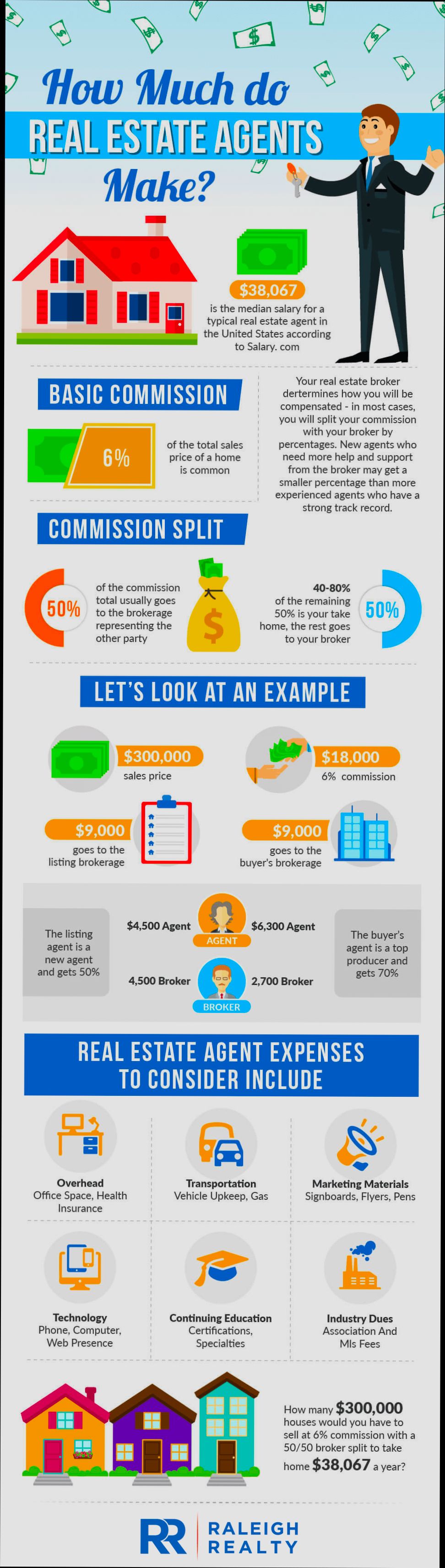
Real estate agent salaries fluctuate based on several factors, including location, experience, and the commission percentage. Most agents earn a commission of about 5% to 6% of the sale price on each transaction. After a sale, agents typically receive 60% to 70% of the commission, while the rest goes to the broker. For those just starting, entering the business might mean lower percentages and, consequently, smaller paychecks.
- Location: Agents in states like Washington earn the highest average salary at $100,261, whereas those in Florida hover around $61,467.
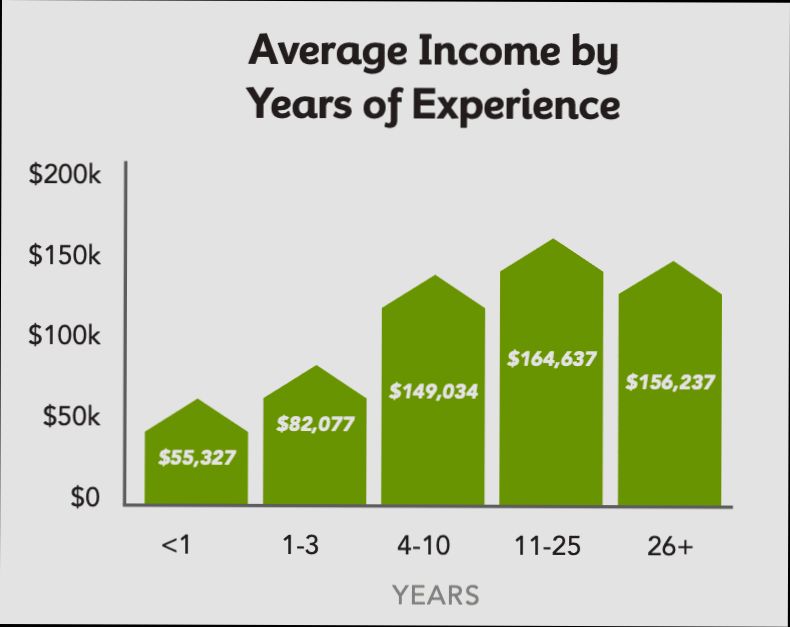
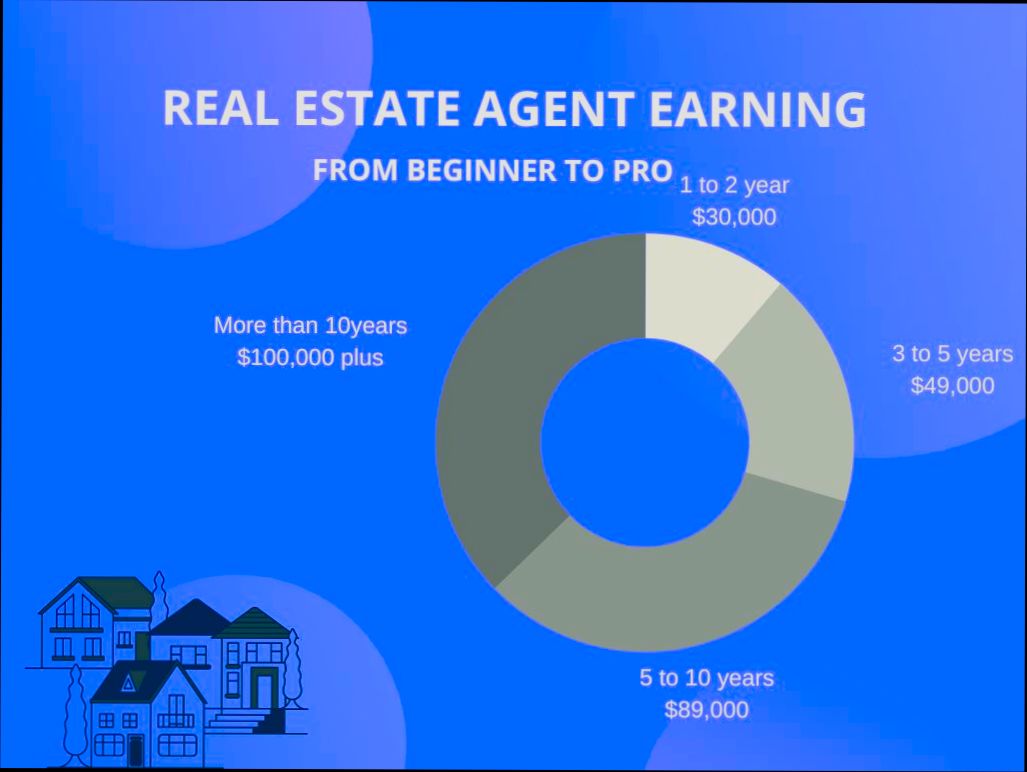
- Experience Levels: New agents often see a significant jump in salary after their first year, as experience leads to better commissions and referral networks.
- Commission Splits: With the average brokerage keeping about 30% to 40% of the commission, understanding your broker’s structure is essential to estimating your take-home pay.
Salary Comparison by State
Here’s a comparative look at agent salaries across various states, showcasing how geographical differences can affect income:
| State | Average Salary | +/- National Average |
|---|---|---|
| Washington | $100,261 | +16.86% |
| Delaware | $93,913 | +9.46% |
| Virginia | $92,296 | +7.58% |
| Florida | $61,467 | -28.35% |
| Arkansas | $64,013 | -25.39% |
Real-World Examples
In Maryland, the average salary for a real estate agent is $90,887, which exceeds the national average of $85,793. This state demonstrates how specific markets can offer lucrative opportunities for agents willing to put in the work. Conversely, in Florida, agents earn substantially less, highlighting the financial challenges some markets present.
Moreover, agents in states like California ($85,825) find themselves just above the median, yet the cost of living in these areas often makes it a struggle. Understanding these nuances helps you set realistic salary expectations while preparing to enter the field.
Practical Insights for Aspiring Agents
For those considering a career in real estate, it’s beneficial to:
- Research Local Markets: Investigate the specific areas you plan to serve. Market trends and average salaries can vary widely.
- Negotiate Your Commission Split: Know the average splits in your area; don’t be afraid to negotiate terms with your broker.
- Focus on Networking: Building a robust referral network can significantly boost your earnings, especially in your first few years.
Actionable Advice
If you’re eager to maximize your potential earnings:
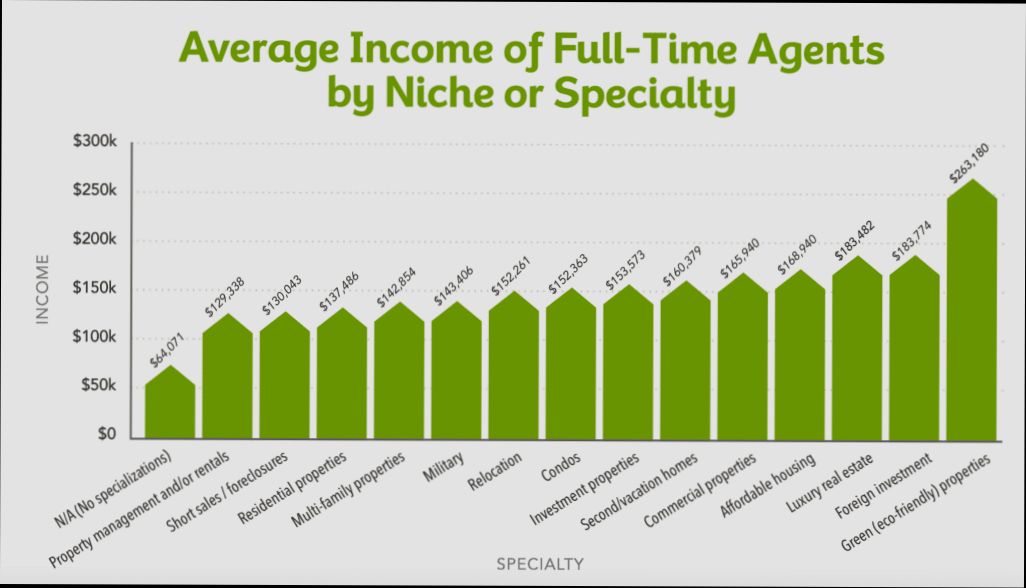
- Gain certifications or designations that can position you as an expert in niche markets.
- Consider additional income streams such as property management or real estate investing to supplement your commission-based income.
- Regularly update your knowledge of local market trends and legal changes that could impact commissions or client interactions.
These strategies and insights not only help clarify the overall landscape of real estate agent salaries but also equip you with the tools to enhance your success and earning potential in this rewarding career.
Factors Influencing Commission Rates
When it comes to real estate agent commission rates, several components play a significant role in determining how much an agent ultimately makes. Understanding these factors can help both agents and clients navigate the commission landscape more effectively.
Key Factors Impacting Commission Rates
1. Market Conditions: The state of the real estate market can greatly influence commission rates. In a seller’s market, where demand is high, agents may command higher commission percentages, often between 5% and 7%. Conversely, in a buyer’s market, agents might reduce their rates to attract clients.
2. Property Value: Generally, the commission rate is calculated as a percentage of the property’s sale price. Higher-value properties can lead to higher total commissions, despite potentially lower percentages. For instance, an agent selling a $1,000,000 home at a 5% commission earns $50,000 compared to $3,000 for a $60,000 home at the same rate.
3. Negotiation Skills: The ability of agents to negotiate their commission rates can result in variances. Agents who are confident in their value proposition may successfully negotiate a higher rate, while others might settle for a standard commission to secure the listing.
4. Agency Structure: The type of real estate brokerage or agency an agent is affiliated with can affect commission rates. Traditional brokerages often operate on a split commission model, where agents give a percentage of their earnings to the brokerage. However, discount brokerages may offer lower commissions, typically around 1% to 3%.
5. Competition Among Agents: In areas with a high concentration of agents, competition can drive down commission rates. Agents may need to offer lower rates to attract clients, often adjusting their percentages to be more competitive.
| Factor | Influence on Commission Rate | Example |
|---|---|---|
| Market Conditions | 5% - 7% in seller’s markets | Higher rates when demand for homes increases |
| Property Value | Higher value = higher total commission | $1M home at 5% = $50,000 vs. $60K home at same rate |
| Negotiation Skills | Variability of ±1-2% | Strong negotiator may secure higher commissions |
| Agency Structure | 1% - 3% for discount brokerages | Traditional vs. discount brokerage options |
| Competition Among Agents | Lower rates in saturated markets | Agents cut rates to stand out in crowded areas |
Real-World Examples
In a recent case study, a luxury agent in California sold a Malibu beachfront property for $5 million at a 6% commission, earning $300,000. In contrast, an agent working in a densely populated urban area faced significant competition. They sold a condo for $200,000 but only earned a 4% commission due to market saturation, totaling $8,000 in commission.
A lesser-known, low-cost brokerage operated in a small town, offered clients a flat-fee structure. Clients could list their homes for $1,500, forgoing the traditional percentage model. While agents earned less per sale, they tapped into a niche market that valued cost efficiency.
Practical Implications
Understanding these factors allows you to make informed decisions about commission rates. If you’re a buyer or seller, recognizing market conditions and the competition can help you negotiate better terms. For agents, being aware of how agency structure impacts commissions can guide you in choosing where to align your career for optimal earnings.
Specific advice for agents includes continually refining your negotiation strategies to maximize commission rates during initial discussions with clients. Being open about potential commission adjustments based on market conditions can also enhance relationships with clients, leading to a favorable resolution for both parties.
Exploring Income Variability by Region
When diving into the earning potential of real estate agents, regional differences play a crucial role. Income variability often hinges on local economic conditions, property values, and market dynamics. Let’s break down how these factors create distinct earning landscapes for real estate agents across different regions.
Key Income Points by Region
Understanding the salary frameworks in various states can help you identify lucrative markets. Here are some notable income variances:
- California and New York: Agents often report higher commissions here, driven by elevated property values. California’s reported commissions can exceed averages of $100,000, while New York also showcases some of the highest realtor earnings in the nation.
- Midwestern States: In areas like Ohio and Indiana, earnings tend to be lower, with median salaries around $50,000, reflecting less expensive housing markets and fewer high-value transactions.
- Southeastern States: Locations such as Florida and Georgia experience dynamic markets, often yielding average salaries ranging from $60,000 to $70,000, influenced by tourism and a growing population.
Comparative Salary Table
| State | Average Annual Salary | Median Home Price | Market Dynamics |
|---|---|---|---|
| California | $100,261 | $800,000 | High transaction volumes, luxury market |
| New York | $95,000 | $750,000 | Competitive urban market |
| Florida | $61,467 | $400,000 | Robust tourism and retirement market |
| Ohio | $50,000 | $250,000 | Lower property values, steady market |
| Indiana | $49,000 | $200,000 | Slower growth, limited high-end sales |
Real-World Examples
1. Urban Centers vs. Rural Areas: In bustling metropolitan areas like Los Angeles, agents often leverage a larger client base and a higher volume of transactions. Conversely, an agent operating in a rural area may face higher challenges in closing deals, directly reflected in their lower earnings.
2. Notable Earnings in the Caribbean: Take Jamaica’s North Coast, where real estate agents earn less than their U.S. counterparts on average. However, rising interest in luxury properties has led to increased demand and potential for commission growth. This demonstrates how even within lower-income regions, strategic focus on emerging markets can enhance earnings.
3. Global Opportunities: In markets such as Dubai, real estate agents frequently report earnings that surpass those in the U.S. due to high-value transactions catering to ultra-high-net-worth individuals.
Practical Implications for You
If you’re considering where to start your career as a real estate agent, focusing on areas with higher property values can lead to greater earning potential. Urban markets generally provide more opportunities, but keep in mind that market fluctuations affect income.
- Actionable Insights:
- Research local markets to identify regions experiencing growth.
- Build a strong network in high-demand areas to maximize transaction volumes.
- Consider specializing in sectors like luxury or eco-friendly homes, which may be in increasing demand.
Investing your time in the right region can significantly impact your financial outcomes in the real estate industry. The variability of agent earnings based on location underscores the importance of strategic decision-making in your career path.

Real-World Examples of Agent Earnings
When it comes to understanding the earnings potential of real estate agents, real-world examples can provide clarity and insight. Analyzing actual commissions and earnings can help illuminate the vast differences in income agents experience based on various factors.
Key Earnings Data
Here are some revealing statistics about agent earnings that showcase the diversity in commission structures and resulting incomes:
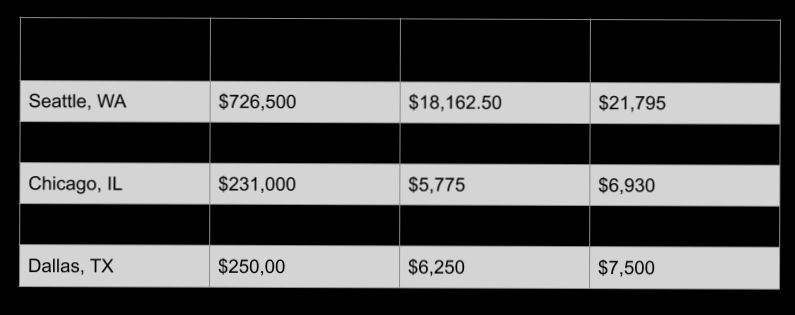
- Based on average sale prices across different states, agents can earn significantly different amounts. For instance, a property sale at $1 million results in a gross commission of $30,000 for the agent’s side, which drops to $22,500 after a typical 75-25 broker split.
- For properties valued at $2 million, the agent’s share goes up to $60,000 pre-split, allowing for a take-home amount of $45,000 after factoring in the broker’s commission.
- In states like California, the average salary is $106,957, while in more affordable markets such as Alabama, the average is about $98,150. This shows how market demand and property values directly influence income.
Comparative Earnings Table
| Sale Price | Agent’s Side (3%) | Earnings After Broker Split |
|---|---|---|
| $100,000 | $3,000 | $2,250 |
| $250,000 | $7,500 | $5,625 |
| $500,000 | $15,000 | $11,250 |
| $1,000,000 | $30,000 | $22,500 |
| $2,000,000 | $60,000 | $45,000 |
Real-World Earnings Scenarios
Let’s look at specific scenarios that illustrate the potential earnings for real estate agents:
- Luxury Market Example: An agent who specializes in high-end properties in Southern California can command a sale price of $3 million. For this sale, the gross commission would be $90,000 (3%). After a 75-25 broker split, the agent would take home about $67,500. This is a compelling example of how specializing in lucrative markets can significantly boost earnings.
- Mid-Range Market Example: In Nebraska, where the average salary is about $88,701, an agent selling a $400,000 home earns $12,000 before the split. After a typical 75-25 split, the take-home pay would come to $9,000, which still represents a healthy income for agents operating in this mid-range market.
- Rural Market Example: An agent in Montana, with an average salary of $71,901, might focus on rural properties. A sale at $250,000 will net them $7,500 pre-split, leading to a take-home of $5,625. Although this sum is lower than urban counterparts, over several transactions, it can accumulate to provide a solid income.
Practical Implications for Agents
Understanding the variability in earnings can guide agents in making strategic decisions about their careers. Here are some actionable insights:
- Niche Targeting: Concentrating on a specific demographic, such as first-time homebuyers or luxury estates, allows agents to better position themselves in lucrative markets.
- Sales Strategy: Focusing on properties in areas with rising market trends can lead to increased sales prices and, consequently, higher commissions.
- Continuous Learning: Investing in marketing strategies or additional real estate training can help agents elevate their sales techniques, potentially resulting in higher commissions.
Actionable Advice
- Analyze your local market to determine average sale prices, then develop strategies to target higher-value listings.
- Build relationships with clients in your chosen niche to encourage referrals, helping to increase the volume of your sales and commissions.
- Monitor changes in the market and adjust your approaches accordingly to maintain or improve earnings across different properties and client demographics.
Benefits of a Career in Real Estate
A career in real estate can be incredibly rewarding, offering more than just a paycheck. It combines flexibility, unlimited earning potential, and personal growth opportunities. Let’s explore the diverse benefits you could enjoy as you embark on this exciting journey.
Flexibility and Autonomy
One of the standout benefits of working in real estate is the flexibility that comes with the job. You often have control over your schedule, allowing for a better work-life balance. Whether you’re a night owl or an early bird, you can tailor your hours to fit your lifestyle.
- 83% of agents reported increased job satisfaction due to their flexible schedules.
- You can prioritize client meetings and personal commitments with significant ease.
Unlimited Earning Potential
Real estate can offer an enticing path for high earnings. Your income directly correlates to your performance, giving you the motivation to succeed.
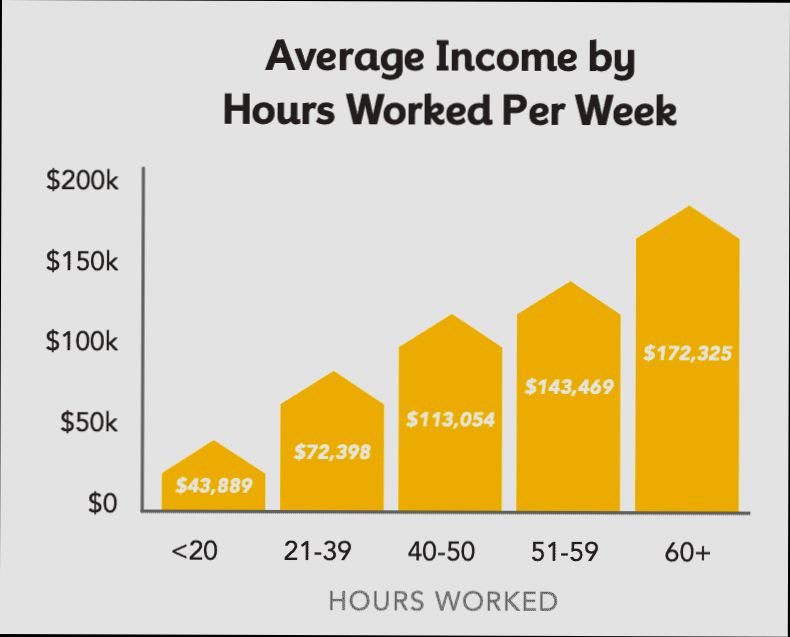
- Agents have the potential to earn over $100,000 annually if they leverage the right strategies and network effectively.
- Commission structures allow you to earn additional income, enabling you to scale your earnings without an upper limit.
Personal Growth and Networking
Engaging with a wide array of clientele and industry professionals can significantly expand your network.
- 90% of top-performing agents credit their success to strong relationships built through networking, leading to repeat business and referrals.
- The skills you develop in negotiation, communication, and customer service are transferable to other careers, enhancing your overall career prospects.
| Benefit | Description | Statistic |
|---|---|---|
| Flexibility | Control over your schedule | 83% job satisfaction |
| Earning Potential | Unlimited income based on performance | Potential to exceed $100,000 |
| Networking Opportunities | Extensive connections with clients and professionals | 90% of top agents leverage networks |
Real-World Examples
Let me share a couple of real-world examples that highlight the benefits of this career:
- Case Study A: A real estate agent in California began earning $60,000 in their first year. By focusing on building client relationships and maximizing their flexible schedule, they scaled their income to $150,000 within three years.
- Case Study B: Another agent in Texas found fulfillment not just in high income but in the joy of helping first-time home buyers. Their ability to tailor their hours allowed them to excel and receive numerous referrals, leading to a substantial increase in earnings.
Practical Implications
For those considering a career in real estate, the flexibility and growth opportunities present a unique professional landscape. With the ability to set your hours and directly influence your income, taking the leap can seem daunting but ultimately rewarding.
- Engage in networking events to build relationships that can lead to future referrals.
- Utilize online resources and courses to hone your skills and keep up with market trends.
Actionable Advice
Stay proactive in building your clientele through community involvement and leveraging social media. Invest in your professional development to capitalize on the skills that will aid your success in the competitive real estate market. Embracing these opportunities not only enhances their benefits but establishes a stronger foundation for a fruitful career in real estate.
Compensation Structures in Real Estate
When considering a career in real estate, understanding the various compensation structures is vital for aligning your expectations with potential earnings. This section delves into the essential elements that shape how real estate agents are compensated, encompassing commissions, fees, and different compensation models.
Types of Compensation Models
Real estate agents typically operate under a few distinct compensation models, each influencing their income potential differently:
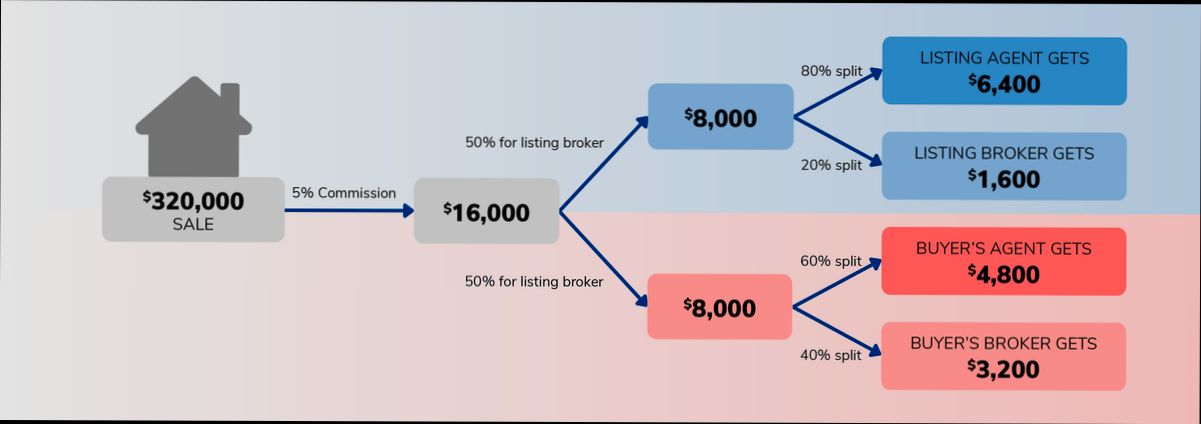
- Commission-Based Compensation: The most common structure, where agents earn a percentage of the sale price. This percentage can range typically from 5% to 6%. In high-value markets, a slight increase in commission can significantly boost earnings.
- Brokerage Split: After closing a sale, the agent must share their commission with the brokerage. Splits can vary widely:
- Traditional Split: Agents often receive 50%-70% of the total commission, depending on their experience and the brokerage’s policies.
- Graduated Split: Some brokerages offer higher splits as agents close more transactions, potentially offering up to 90% to top performers.
- Flat Fees: In certain arrangements, agents may charge a flat fee per sale, providing predictability but limiting potential earnings from high-value transactions.
Comparative Table of Compensation Models
| Compensation Model | Description | Average Earnings Potential |
|---|---|---|
| Commission-Based | Percentage of sale price (5%-6%) | Variable |
| Traditional Split | Agents earn 50%-70% of the commission | $30,000 - $180,000+ |
| Graduated Split | Higher percentage as sales increase | $50,000 - $250,000+ |
| Flat Fee | Fixed fee per transaction | $10,000 - $100,000 |
Real-World Examples of Compensation Structures
Consider the following cases that showcase how different compensation structures can impact earnings:
1. High-Value Market: An agent selling a $2 million home at a 5% commission would gross $100,000. If their brokerage split is 70%, they’d take home $70,000 after the split.
2. Graduated Split Success: An agent who starts with a 50% split but achieves a higher volume of sales could transition to a 90% split after closing a certain number of deals, significantly increasing their earnings as they scale.
3. Flat Fee Model: An agent who charges a flat rate of $10,000 per transaction may handle 10 transactions annually, leading to total earnings of $100,000. This structure can be risky in lower-priced markets but advantageous in higher-priced transactions.
Practical Implications for Agents
Understanding these compensation structures is crucial as they dictate not only your earnings but also your approach to sales and client interactions. Here are some practical tips:
- Evaluate Brokerage Options: Investigate brokerage splits and incentives before joining to maximize your earning potential. Make sure the split aligns with your sales capabilities.
- Consider Hybrid Models: Look for brokerages that offer hybrid models combining both commission and flat fee elements, allowing for flexibility depending on your sales strategy.
- Negotiate Your Commission Rates: Don’t hesitate to negotiate your commission rates, especially in competitive markets where value can make a significant difference.
Specific facts to consider: Know your local market trends and what commission structures are prevalent there. This knowledge will empower you to position yourself better as you enter or navigate your career in real estate.
Key Statistical Insights on Earnings
When it comes to understanding the earnings of real estate agents, the numbers tell a compelling story. It’s not just about commissions; various statistics reveal how agents are performing in today’s market. Let’s dive into the key insights that provide a clearer picture of real estate earnings.
Income Growth Trends
- In 2022, the median gross income of a REALTOR® was reported at $56,400 based on their engagement in a median of 12 transactions.
- Interestingly, despite market fluctuations, 75% of real estate agents noted an increase in earnings from 2019 to 2020.
Market Performance
The real estate landscape is continuously evolving, with fluctuating home sales significantly impacting agent earnings.
- In 2021, total U.S. home sales reached 6.9 million but are projected to drop to 5 million in the upcoming year due to rising mortgage rates and economic uncertainty.
- The market value of residential properties sits at approximately $87.57 trillion as of 2022, showcasing the vast opportunities for real estate agents who can navigate these challenges effectively.
Regional Variations in Earnings
How much you earn can vary drastically depending on where you’re located. Here’s a comparative overview:
| State | Average Earnings | Median Transactions |
|---|---|---|
| New York | $93,100 | 13 |
| California | $86,000 | 14 |
| Florida | $61,467 | 10 |
| Illinois | $30,270 | 8 |
This table highlights significant earnings disparities, demonstrating that agents in states with higher median home prices, such as New York, tend to make more.
Real-World Impacts
The earnings data reflects broader trends in both agent satisfaction and market dynamics. For instance, 89% of home buyers indicated they would choose to work with the same agent again, illustrating the potential for repeat business. Additionally, 80% of recent sellers only contacted one agent before making their choice, emphasizing the importance of building strong client relationships—leading to increased transaction opportunities.
Practical Takeaways
- If you’re an aspiring agent, focus on markets with higher average sales prices to maximize your earning potential.
- Regularly track market trends, as periods of high sales can boost your income significantly.
- Networking and maintaining client relationships can enhance your chances of repeat business, which is critical for income stability.
You can leverage these insights to make informed decisions about your career in real estate. Understanding these statistics not only equips you for strategic planning but can also significantly influence your income trajectory.