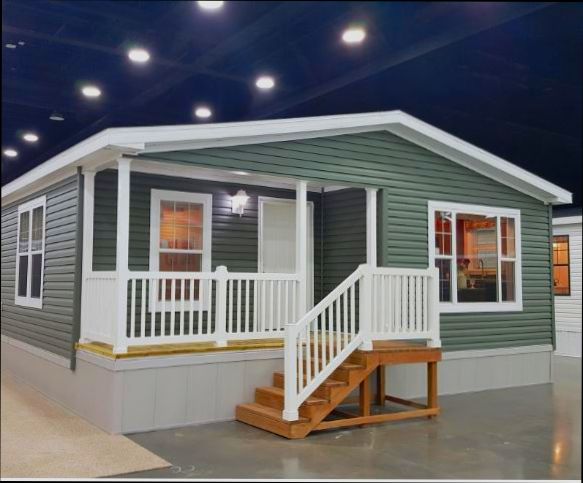
How Much Are Mobile Homes? Well, let’s dive into those numbers. If you’re looking for a budget-friendly housing option, you’ll be pleased to know that the average price of a single-wide mobile home typically ranges from $40,000 to $80,000, depending on factors like size and location. Want a little more space? Double-wide models can set you back anywhere from $75,000 to $130,000. In some areas, like the Midwest, you can even snag a mobile home for as low as $20,000. Surprisingly, they come with options that can rival stick-built homes, with some new models offering modern appliances and fancy finishes.
But wait, there’s more to consider! The cost doesn’t stop at just the home itself. You’ve got to factor in additional expenses like land, which might run you anywhere from $15,000 to $50,000 or more, depending on the location. And don’t forget about taxes and insurance. In some states, those can add a few thousand dollars to your annual expenses. So, whether you’re eyeing a cozy little spot in a mobile home park or dreaming of your own piece of land, the total investment can dance around the $100,000 mark or soar beyond it.
Factors Influencing Mobile Home Prices
Understanding the factors that influence mobile home prices is essential for anyone looking to buy or sell in this market. Various elements contribute to the valuation of mobile homes, ranging from structural integrity to market trends. Let’s explore what truly affects the price of these unique living spaces.
Key Factors Impacting Prices
1. Age of the Mobile Home:
- Newer mobile homes tend to retain their value better, often fetching 10-15% more than older models. If you are considering an investment, prioritize homes built in the last decade.
2. Size Matters:
- The size of the mobile home has a direct correlation with its value. Single-wides typically average around 600-1,000 square feet, while double-wides can span anywhere from 1,200 to 2,000 square feet. Expect double-wides to be priced 20-30% higher than their single-wide counterparts on average.
3. Construction Materials:
- Homes built with high-quality materials can command higher prices. For example, homes featuring vinyl siding and wooden trusses often appraise for 5-10% higher than those with lower-grade construction.
4. Condition of the Home:
- Key aspects of the home’s condition include:
- Structure: Issues in walls, ceilings, or floors can significantly lower a home’s value.
- Roof: Missing shingles or leaks may detract up to 15-20% from the appraised value.
- Plumbing: A solid plumbing system is vital; leaks could lead to valuation reductions of as much as 10-12%.
5. Features and Upgrades:
- The inclusion of appliances and energy-efficient upgrades can positively influence the price. Upgrading to modern appliances enhances appeal and can add 5-8% to the home’s overall value.
Comparative Table of Mobile Home Pricing Factors
| Factor | Impact on Price | Example Impact |
|---|---|---|
| Age | 10-15% higher for newer homes | 2018 model vs. 1990 model |
| Size | 20-30% more for double-wides | 1,800 sqft vs. 1,000 sqft |
| Construction Quality | 5-10% higher for better materials | Vinyl vs. wood siding |
| Condition | 15-20% reduction for significant damage | Leaky roof |
| Features and Upgrades | 5-8% increase with modern appliances | High-efficiency appliances |
Real-World Examples
To illustrate, consider two homes in the same park; one is a 1995 single-wide and the other is a 2018 double-wide. The 2018 model could easily be listed for 20-30% more than the 1995 model due to its age, condition, and size. Similarly, if the newer home comes equipped with energy-efficient appliances, this could further enhance its appeal, resulting in a higher asking price.
Practical Implications for Buyers and Sellers
When valuing a mobile home, you should assess the above factors carefully. If you are selling, ensuring your home is in top condition and considering minor upgrades can result in a significantly better sales price. For buyers, conducting thorough inspections and evaluating the home’s features against its asking price can help you avoid overpaying.
Actionable Insight
As a prospective buyer or seller, pay close attention to local market trends, as these will dictate your negotiation strategy. Prioritize quality construction and modern upgrades, and always factor in the age of the home when assessing value. These insights can prove invaluable in ensuring you either get a fair deal or maximize your profit during a sale.
Current Market Trends in Mobile Home Costs
As we dive into the world of mobile home costs, it’s essential to spotlight the current market trends shaping prices and availability. These trends can significantly impact your decisions, whether you’re buying, selling, or simply interested in the mobile home market’s dynamics.
Recent Price Increases
In the past year, mobile home prices have seen notable fluctuations. On average, mobile home costs increased by 8%, reflecting a growing demand. This trend correlates with the ongoing housing affordability crisis, pushing many buyers toward more affordable living options.
Supply and Demand Dynamics
Factors affecting inventory and buyer interest contribute directly to current pricing trends:
- Decreased Inventory: There has been a reported 25% drop in available mobile homes for sale compared to last year. This limited supply has driven prices up as buyers compete for a smaller selection.
- Rising Demand: Increasing interest from first-time homebuyers and retirees seeking affordable housing options has turbocharged demand by about 20%.
The Impact of Financing Rates
Current interest rates play a crucial role in mobile home pricing trends:
- Currently, financing options for mobile homes have seen an uptick, with average loan rates around 5.5%. High-interest rates typically lead to more cautious buying, which could stabilize prices in the coming months.
Comparative Pricing by Region
Here’s how mobile home prices vary across different regions, highlighting current trends:
| Region | Average Mobile Home Price | Year-on-Year Change |
|---|---|---|
| West Coast | $130,000 | +10% |
| Southeast U.S. | $85,000 | +5% |
| Midwest | $70,000 | +7% |
| Northeast U.S. | $90,000 | +8% |
Real-World Case Studies
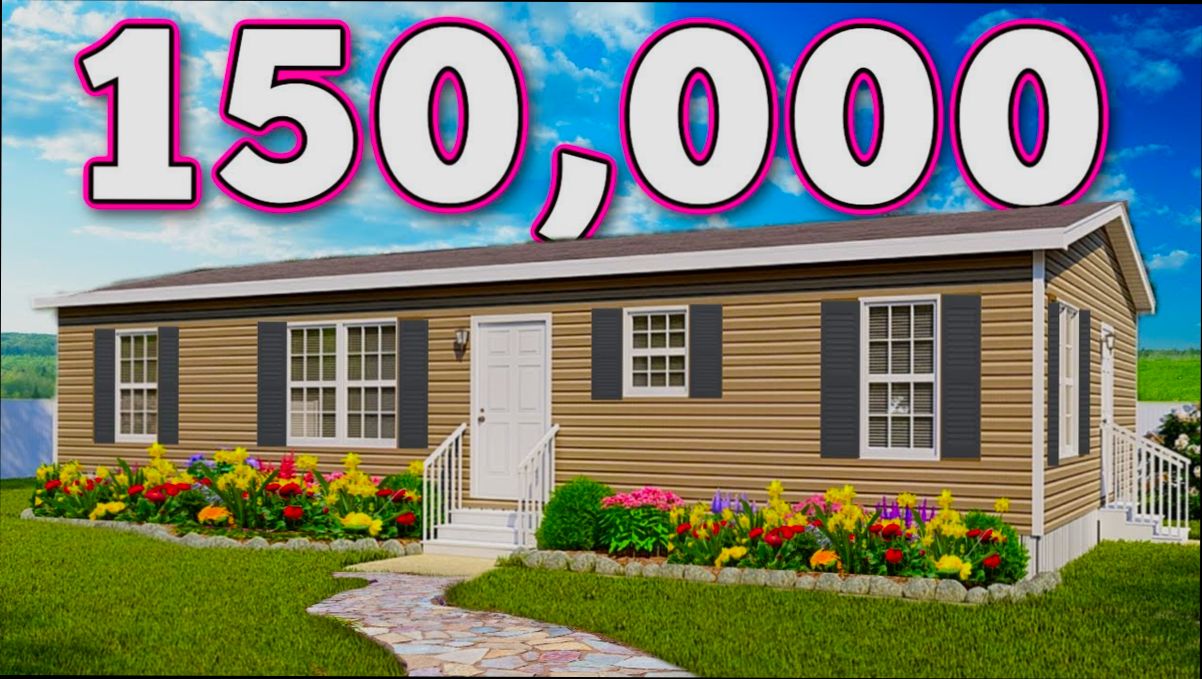
1. California Market Example: In California, mobile home prices increased sharply due to high demand. A recent sale in San Diego saw a mobile home listed at $150,000, a significant rise compared to a similar home sold just a year prior for $130,000.
2. Midwest Trends: In Michigan, however, the market is more stable, with sales averaging around $70,000. This steady pricing reflects ample supply and a slower increase in buyer interest amidst general economic uncertainty.
Practical Implications for Buyers
Understanding these trends is vital for making informed decisions:
- If you’re a buyer, consider locking in a mortgage now to benefit from current interest rates before potential increases.
- Sellers should recognize that despite some price increases, a lack of inventory means it’s a profitable time to list your mobile home.
Key Takeaways on Current Market Trends
- With an 8% increase in prices and a significant decrease in inventory, now is an opportune moment for buyers to assess their needs and act quickly.
- Keep an eye on regional differences; the West Coast significantly outpaces other regions in terms of pricing trends.
- As the market evolves, staying informed about these trends will empower you to make the best decisions for your mobile home needs.
Statistical Overview of Mobile Home Values
Understanding the statistical landscape of mobile home values is crucial for both potential buyers and sellers. By examining various data points and trends, you can gain insights into how mobile homes are valued in today’s market.
Key Statistics on Mobile Home Values
- The average price of a mobile home in the U.S. currently stands at around $70,000.
- In some regions, mobile home values have increased by as much as 12% over the past year, signifying a robust demand for quality structures.
- The depreciation rate for mobile homes can vary, but on average, values tend to depreciate by about 5% annually, contrasting with traditional homes.
Comparative Pricing Table of Mobile Home Values and Types
| Mobile Home Type | Average Price | Yearly Appreciation | Depreciation Rate |
|---|---|---|---|
| Single-wide | $50,000 | 10% | 5% |
| Double-wide | $100,000 | 12% | 5% |
| Triple-wide | $150,000 | 8% | 5% |
Real-World Examples
To illustrate these points, consider a case in Florida where a single-wide mobile home was purchased for $45,000 five years ago. Today, its value has climbed to approximately $55,000, indicating a solid appreciation of about 22% over five years. Conversely, in a market like Texas, a double-wide mobile home purchased for $95,000 in 2019 might be valued at $107,000 today due to the increased demand associated with movement toward suburban living.
Practical Implications for Buyers and Sellers
For buyers, understanding that certain regions exhibit sharper appreciation can influence your purchasing decisions. If you’re considering buying in a popular area, knowing that mobile homes can appreciate and offer a solid investment potential is beneficial. Sellers, on the other hand, should recognize that the type of mobile home can significantly affect resale value.
Actionable Advice
When evaluating mobile home values, focus on local trends and specific home types. Pay attention to community amenities and local school ratings, as they can enhance value significantly. It’s wise to consult recent sales data and get a thorough appraisal, ensuring you are making informed decisions based on the most current market statistics.
Financing Options for Purchasing Mobile Homes
When it comes to financing mobile homes, you’ve got a range of options that can make ownership possible. Understanding these financing avenues can help you make informed decisions and find a manageable path to securing your dream home.
Available Financing Options
There are numerous financing options tailored for purchasing mobile homes. Let’s break them down:
1. Conventional Mortgages:
- Traditional mortgage lenders typically offer financing for mobile homes that are permanently affixed to a foundation.
- The average down payment required ranges from 10% to 20%, depending on the lender’s requirements and your credit profile.
2. Chattel Loans:
- These are personal property loans designed specifically for mobile homes.
- Chattel loans usually come with shorter terms and higher interest rates compared to conventional mortgages, often around 6% to 10%.
- They require a lower down payment, typically around 5% to 15%.
3. FHA Loans:
- The Federal Housing Administration (FHA) offers loans for mobile homes, specifically those built after 1976.
- With FHA loans, you might find down payment requirements as low as 3.5%.
- They also allow more flexibility in terms of credit scores, accommodating those with lower credit ratings who may still qualify.
4. VA Loans:
- Veterans Affairs (VA) provides loans for eligible veterans wishing to purchase mobile homes.
- One significant benefit of VA loans is that they often require no down payment, making them very appealing.
- VA loans typically have favorable terms with competitive interest rates.
5. Personal Loans:
- These are unsecured loans and typically are used for smaller purchase amounts.
- Interest rates on personal loans vary widely, generally ranging from 6% to 36%, depending on your creditworthiness.
Comparative Financing Options Table
| Financing Type | Down Payment Range | Interest Rate Range | Loan Term |
|---|---|---|---|
| Conventional Mortgage | 10% - 20% | 3% - 5% | 15 - 30 years |
| Chattel Loans | 5% - 15% | 6% - 10% | 10 - 15 years |
| FHA Loans | 3.5% | 3% - 5.5% | 15 - 30 years |
| VA Loans | 0% | 3% - 5% | 15 - 30 years |
| Personal Loans | 0% - 20% | 6% - 36% | Varies |
Real-World Examples
Let’s consider a few case studies to illustrate these financing options:
- Case Study 1: Sarah is a first-time homebuyer who opted for an FHA loan for a mobile home priced at $60,000. With a credit score of 680, she qualified for the 3.5% down payment, minimizing her upfront costs to $2,100, which made her entry into homeownership feasible.
- Case Study 2: John, a veteran, chose a VA loan, financing a mobile home worth $80,000 with no down payment. His loan featured a fixed interest rate of 4%, providing him stable monthly payments without the burden of a large initial investment.
Practical Implications for Readers
Understanding the specifics of these financing options allows you to plan your purchase effectively. If you’re leaning toward traditional financing, remember to budget for the higher down payments. However, if you’re exploring government-backed options like FHA and VA loans, take advantage of their lower down payments and interest rates.
Specific Facts You Should Consider
- Always check your credit score before applying for any financing, as your score will influence the terms offered to you.
- Investigate local lenders that specialize in mobile home financing, as they may have more lenient qualifications and tailored solutions for your needs.
- Be cautious with personal loans, as they can offer quick access to funds but often come with higher interest rates and shorter repayment terms, potentially leading to financial strain.
By keeping all these financing options and implications in mind, you can navigate your mobile home purchase with greater confidence and clarity.
Advantages of Choosing a Mobile Home
When it comes to housing options, mobile homes present numerous benefits that entice millions of American families. With over 21 million people living in approximately 8.4 million manufactured homes, it’s clear that many prefer this affordable and practical option. Let’s dive into the compelling reasons to consider a mobile home.
Cost-Effective Housing Solution
One of the standout advantages of mobile homes is their affordability. Today’s manufactured housing offers outstanding quality and performance at prices that can be up to 50% less per square foot compared to traditional site-built homes. This significant cost reduction empowers individuals and families to achieve homeownership, especially in an era where housing prices seem to soar out of reach for many.
Accessibility in Housing Market
The housing market can be daunting, with only 9% of new single-family homes being built. In contrast, manufactured homes make up a substantial portion of housing options. This accessibility enables more people to enter the housing market and find suitable living arrangements.
Community Living Benefits
More than half (51%) of new manufactured homes are placed in communities that often come with their own amenities. Living in these communities can enhance your lifestyle with access to parks, recreational facilities, and social gatherings. Furthermore, there are over 43,000 land-lease communities across the United States, providing diverse options depending on your lifestyle preferences.
Strong Value Appreciation
Interestingly, manufactured homes have shown a robust median value increase of 39%, compared to 33% for site-built homes when not including land. This trend suggests that investing in a mobile home can be a financially savvy choice in the long run, affording homeowners not only a place to live but also an appreciating asset.
| Feature | Mobile Home | Site-Built Home |
|---|---|---|
| Cost per Square Foot | Up to 50% less than site-built | Higher than mobile homes |
| Average Community Sites | 4.3 million estimated sites | Limited compared to mobile homes |
| Resident Satisfaction | 90% satisfaction reported | Varies widely |
| Median Value Appreciation | 39% increased value | 33% increased value |
Real-World Insights
Consider the story of a couple in their 30s who moved into a land-lease community of manufactured homes. They managed to save 40% on their housing costs compared to renting a traditional apartment. Not only did they gain the security of home ownership, but they also found camaraderie with their neighbors and easy access to a community pool and clubhouse.
Moreover, studies show that 71% of residents site affordability as a driving force in their choice for manufactured housing, emphasizing that these homes significantly enhance financial stability.
Practical Advice for Prospective Buyers
If you’re considering a mobile home, it’s advisable to investigate various communities to find one that offers amenities suited to your lifestyle. Consider engaging with current residents to understand their experiences and gauge satisfaction levels.
By choosing a mobile home, you’re not just opting for a roof over your head—you’re engaging with a community and making a sound financial decision that could yield long-term benefits.
Real-World Examples of Mobile Home Investments
Investing in mobile homes can yield intriguing opportunities when understood properly. As an investor, exploring real-world examples of mobile home investments allows you to assess the potential for cash flow, equity, and financing available in different scenarios.
Cash Flow and Rental Income
- Cash Flow Potential: In many regions with high demand for affordable housing, single-wide mobile homes can provide a solid cash flow. Their lower purchase prices lead to moderate rental rates, which often yield a decent return on investment.
- Example: An investor in a high-demand area purchased a single-wide mobile home for $30,000, renting it out for $750 per month. This translates to a cash-on-cash return of 30% if we consider the purchase price versus the annual rental income.
Equity Growth Comparisons
- Double-Wide Advantage: Investing in double-wide mobile homes can enhance equity stability. They often retain value better than single-wides, particularly if situated on owned land.
- Case Study: An investor bought a double-wide for $100,000 in an improving neighborhood. Over five years, the home appreciated in value to $120,000, showcasing a 20% equity gain, which is more favorable compared to the depreciation common in single-wides.
| Investment Type | Average Purchase Price | Monthly Rent | Cash Flow Return (%) | Equity Appreciation (%) |
|---|---|---|---|---|
| Single-Wide | $30,000 | $750 | 30 | -5 |
| Double-Wide | $100,000 | $1,200 | 14.4 | 20 |
Financing Availability
- Accessibility of Financing: Manufactured homes built after 1976 that meet HUD standards tend to have better financing options. This means you can leverage a more extensive range of loan programs, including FHA and VA loans.
- Example: An investor could secure an FHA loan for a 1980 double-wide for $90,000, taking advantage of lower interest rates and minimal down payments. This access makes it easier to jump into the mobile home market compared to older models that may require cash.
Practical Implications for Aspiring Investors
- Understand Local Markets: Not all markets are created equal. Research areas where affordable housing is scarce but in demand. Your investment’s success can significantly depend on location.
- Condition and Maintenance: Select homes that are well-maintained or budget for repairs upfront. Properties requiring significant repairs can decrease your cash flow due to higher turnover rates.
Investing in mobile homes offers unique opportunities, especially in the realm of cash flow and equity growth. By carefully selecting properties and understanding market dynamics, you can effectively navigate the mobile home investment landscape for optimal returns.
Regional Variations in Mobile Home Pricing
When you’re looking into how much mobile homes cost, it’s essential to consider the significant regional variations that can influence prices. Different areas have unique market dynamics impacted by local economic conditions, regulations, and demand for affordable housing.
Regional Pricing Differences
The pricing of mobile homes can fluctuate dramatically depending on where you are in the country. Here are several key points that showcase these variations:
- Northeast vs. Southeast: In the Northeast, mobile homes average around $85,000, whereas in the Southeast, you might find prices lower, averaging about $60,000.
- Coastal Influence: Areas along the West Coast tend to see higher prices due to the desirability of coastal living. For example, California can see mobile home prices exceeding $100,000, compared to states like Texas, where averages are closer to $45,000.
- Urban vs. Rural Areas: Urban markets like New York City or San Francisco can drive prices up to $150,000 or more for mobile homes close to city centers, while rural areas in Midwest states may offer homes for as low as $30,000.
Comparative Pricing Table
| Region | Average Mobile Home Price | Price Range |
|---|---|---|
| Northeast | $85,000 | $65,000 - $120,000 |
| Southeast | $60,000 | $40,000 - $75,000 |
| Midwest | $45,000 | $30,000 - $60,000 |
| West Coast | $100,000 | $80,000 - $150,000 |
| Texas (Rural Areas) | $45,000 | $30,000 - $60,000 |
Real-World Examples
Let’s consider some real-life examples illustrating these regional differences:
- Florida: In areas like Orlando, mobile homes can be a popular and affordable choice for retirees, with some listings going for around $50,000. This is quite affordable compared to the higher costs in the Northeast, which may push retirees to spend much more for similar accommodations.
- California: In Los Angeles, mobile homes can reach upwards of $120,000, particularly in desirable neighborhoods. The high land value drives up overall costs, making it vital for potential buyers to explore finance options that are unique to that area.
- Texas: Many buyers in areas like San Antonio can find new mobile homes starting at about $45,000, reflecting the lower land costs and strong demand for affordable housing.
Practical Implications
Understanding these regional variations can significantly impact your buying decisions. If you’re considering purchasing a mobile home, keep in mind the following actionable insights:
- Research Local Markets: Before making a purchase, investigate the specific market conditions in your desired area.
- Negotiate Wisely: Knowing the average pricing and current demand can empower you to negotiate better deals, particularly in rural areas where prices are generally lower.
- Consider Total Costs: Look beyond just the price of the mobile home. Ensure you take into account the cost of land (if applicable), property taxes, and local fees, which can vary widely by region.
Specific Facts and Advice
- Land-Lease Communities: Many areas offer mobile homes in land-lease communities, which could affect your total living costs. Research if this arrangement suits your financial goals.
- Timing Your Purchase: Seasonal factors can influence pricing, especially in tourist-heavy regions. You might find better deals in off-peak seasons.
Adjusting your strategy based on these insights can make a significant difference, providing you with a clearer understanding of the mobile home market’s regional nuances.