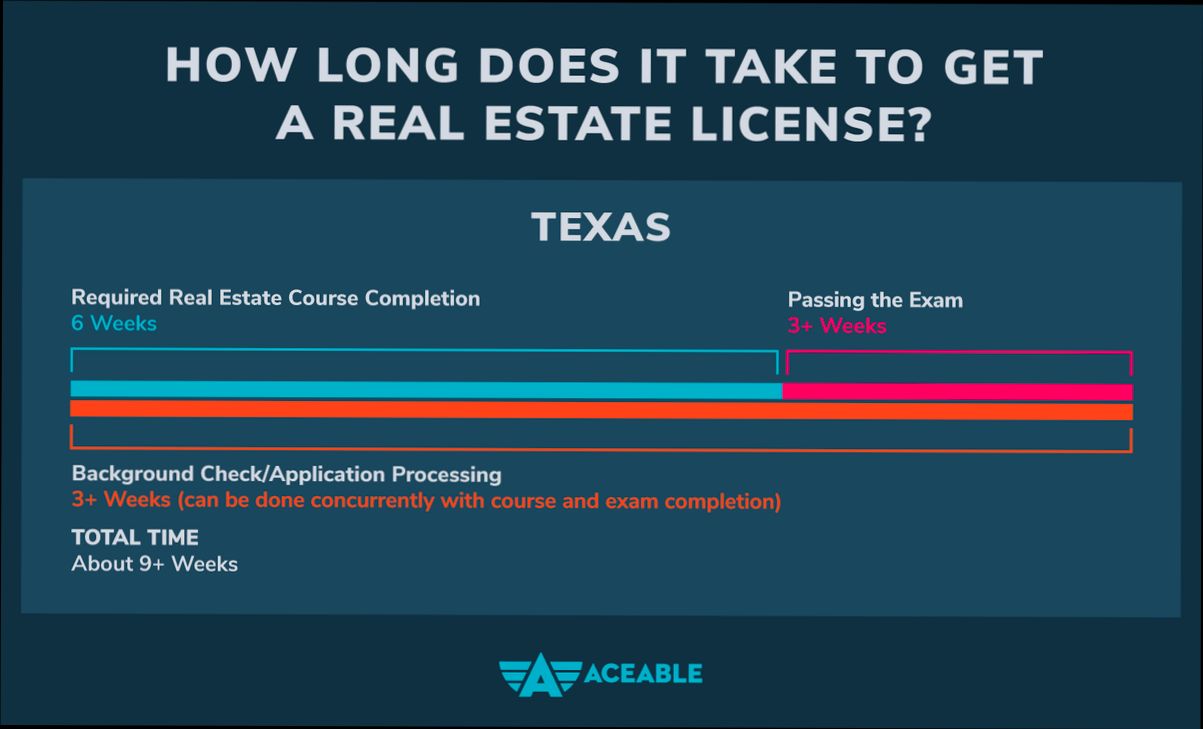
How Long Is Real Estate School? If you’re considering jumping into the real estate game, this question probably popped into your head. Most states require around 60 to 180 hours of coursework, depending on where you live. For example, California mandates 135 hours, while Texas requires you to complete 180 hours of classes before you can even think about taking the licensure exam. It’s a commitment that can feel like a marathon if you’re juggling a full-time job or family responsibilities.
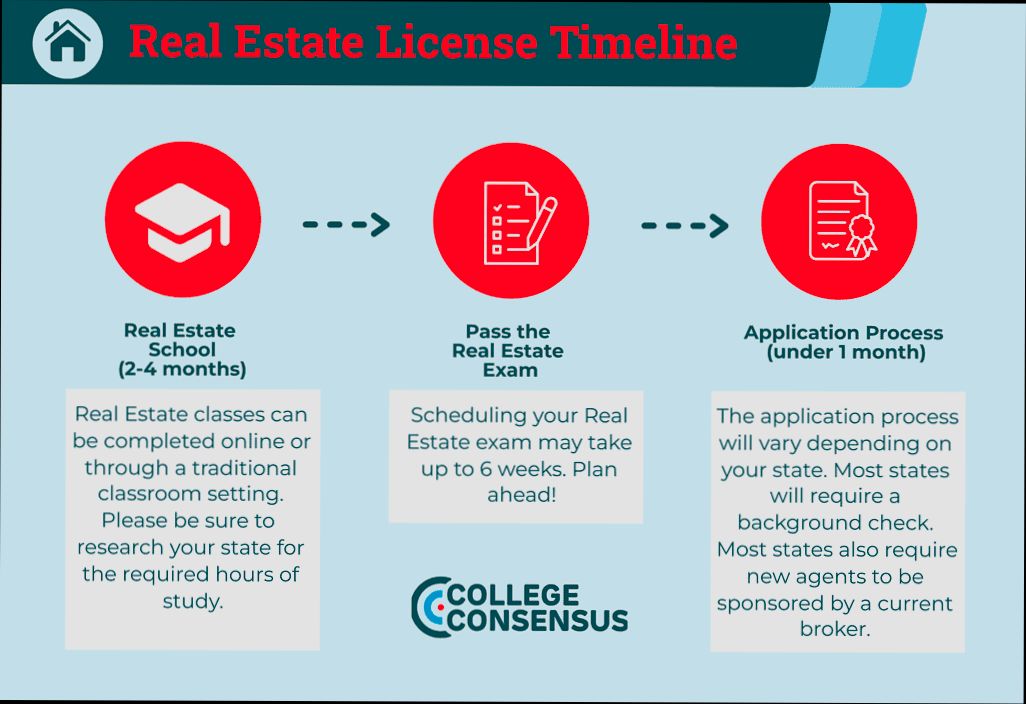
But wait—there’s more to the timeline than just classroom hours! Getting through the necessary courses can take anywhere from a few weeks to several months, particularly if you opt for part-time study or online classes. Plus, don’t forget to factor in time for exam prep and potential retakes if you don’t pass on the first go. Realistically, you’re looking at a significant time investment as you mix learning with other life demands, but that effort can eventually pay off in a big way.

Duration of Real Estate Programs
Understanding the duration of real estate programs is crucial for anyone considering a career in this dynamic field. The time it takes to complete real estate school varies significantly based on several factors, including state regulations, the mode of study, and personal schedules.
Key Duration Factors
- State Requirements: Each state sets its own pre-licensing education requirements. For instance, some states mandate as few as 40 hours of coursework, while others might require up to 180 hours. This variability can dramatically affect how long your real estate program lasts.
- Full-Time vs. Part-Time: If you choose to attend real estate school full-time, you might complete your courses in as little as a few weeks. On the other hand, a part-time program could extend your schooling to several months, depending on how many classes you take at a time.
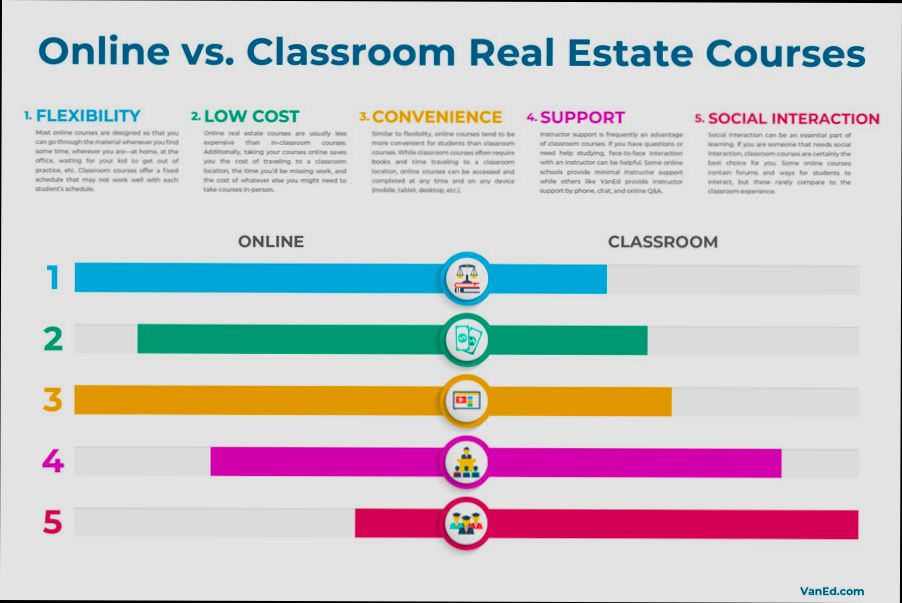
- Online vs. In-Person: Online real estate courses can offer flexibility and, consequently, might allow you to complete the program faster if you can dedicate more hours per week to study. In contrast, in-person classes often follow a more structured schedule, which could lengthen the duration.
| Mode of Study | Duration Range | Example State Requirement |
|---|---|---|
| Full-Time In-Person | 4-8 weeks | Florida: 63 hours |
| Part-Time In-Person | 3-6 months | California: 135 hours |
| Online Courses | 2-4 months (flexible) | Texas: 180 hours |
Real-World Examples
Consider the case of a prospective agent in California, who needs to complete 135 hours of coursework. If they choose a full-time, in-person program, they could potentially finish in around six weeks. Conversely, attending classes part-time might stretch the experience to several months, particularly if balancing work or other commitments.
In Texas, where the requirement is 180 hours, online learners often appreciate the ability to tailor their study habits. Many report completing the coursework within three months while maintaining their jobs.
Practical Implications for You
Knowing the expected duration of your chosen real estate program can help you schedule your study time effectively. If you aim to start in a strong spring housing market, plan to complete your education at least two months prior to the peak season.
- Set Your Timeline: Determine if you can commit to full-time study or if part-time fits better. Your choice will significantly impact how quickly you can begin your professional journey.
- Check State Requirements: Always research your state’s specific requirements. This informs not just the course duration but also other preparatory steps you’ll need to take before applying for your license.
Additional Insights
- If you’re considering part-time online courses, you might find flexibility allows for faster completion than traditional classroom settings, especially if you can dedicate weekends or evenings to study.
- Take note: some programs offer accelerated courses that condense material into a shorter duration, allowing for quicker certification.
- Remember that the sooner you complete your real estate program, the quicker you can enter the competitive job market, so proactive planning is key!
State-by-State Variations in Length
As you embark on your journey to becoming a real estate agent, it’s crucial to understand how the duration of real estate school differs from state to state. Each state has tailored its requirements, leading to significant variations that can impact your study plans.
Key Variations in Course Length
- Texas: Requires 180 hours of pre-licensing courses, the highest in the country. This extensive curriculum reflects Texas’s complex real estate landscape.
- California: Mandates 135 hours, offering a comprehensive approach that includes legal, financial, and market analysis components.
- Florida: Sets a lower threshold at 63 hours, focusing more on essential knowledge, making it a quicker path to licensure.
Here’s a comparative overview of the requirements across several states:
| State | Required Hours | Typical Completion Time (Full-Time) | Typical Completion Time (Part-Time) |
|---|---|---|---|
| Texas | 180 hours | 4-6 weeks | 3-6 months |
| California | 135 hours | 3-5 weeks | 2-4 months |
| Florida | 63 hours | 2-4 weeks | 1-2 months |
Real-World Examples
To illustrate these variations, let me share some insights:
- In Texas, students often find themselves immersed in rigorous coursework. A Texas-based student mentioned how she completed her 180 hours in just over a month, thanks to her full-time commitment and a structured online program tailored for rapid completion.
- Conversely, a student from Florida opted for a part-time course due to her job obligations. She successfully navigated the 63-hour requirement in two months, allowing her to balance her studies with work commitments.
Practical Implications
Understanding these state-specific course lengths can significantly influence your decision-making. Here’s what you can consider:
- If you live in Texas and aim to enter the market quickly, a full-time online course could be ideal.
- Alternatively, if you’re in a state like Florida, where the requirements are less stringent, you may have the flexibility to pace your studies around other responsibilities.
Specific Facts to Consider
- Online Course Preferences: Nationally, about 40% of real estate students prefer online classes due to flexibility, which can be beneficial depending on your state’s requirements.
- Time Flexibility: Many students have reported that full-time online courses can leapfrog their education timeline, suggesting strategic planning if you wish to finish quickly and enter the job market sooner.
Having a clear understanding of state-by-state variations in length can empower your educational journey in real estate.

Statistics on Completion Rates
Understanding the completion rates of real estate school can greatly influence your decision to enroll. It’s essential to know how many students successfully finish their courses, as this can indicate the program’s effectiveness and your potential likelihood of becoming a licensed agent.
Key Completion Rate Statistics
- Approximately 68% of students who enroll in real estate school successfully complete their coursework, showcasing a relatively favorable completion rate.
- In states with more rigorous requirements, completion rates drop significantly. For instance, states requiring over 150 hours of study see completion rates as low as 45%.
- Online real estate programs boast a higher completion rate of around 75%, compared to their in-person counterparts, which can average around 60%.
Comparative Table of Completion Rates by Program Type
| Program Type | Completion Rate |
|---|---|
| Online Courses | 75% |
| In-Person Courses | 60% |
| Programs with >150 Hours | 45% |
| Overall Average | 68% |
Real-World Examples
1. California Real Estate School: According to recent statistics, California reports a 72% completion rate among its students. This is attributed to the state’s robust support systems and resources offered to learners, including extensive mentoring programs.
2. Florida’s Online Real Estate Program: Florida’s online course has achieved a stunning 80% completion rate. The flexibility of online scheduling, alongside real-time support, seems to significantly help students stay on track.
3. Texas Real Estate Schools: In Texas, where requirements are extensive, the completion rate stands at about 55%. These lower rates can reflect the challenge posed by compliance with more rigorous educational demands.
Practical Implications
Real estate school completion rates can guide you in choosing the right program. If you prefer an online learning environment, targeting schools with higher completion rates may help maximize your chances of success. Additionally, programs offering better student support and resources tend to show improved completion statistics.
Actionable Advice
- Research the completion rates of programs you’re considering; higher rates often correlate with better student experiences.
- Look for additional support services, such as mentorship and tutoring, which may improve your chances of completing the coursework.
- Engage with current students or alumni to gain insights about their experiences, as personal testimonials can provide valuable context around completion rates.
Benefits of Attending Real Estate School
Attending real estate school offers numerous advantages that can significantly influence your career trajectory. Whether you are just starting or looking to enhance your existing knowledge, real estate education provides essential tools and skills to thrive in the industry.
Comprehensive Knowledge Base
One of the primary benefits of attending real estate school is acquiring a robust knowledge base. The curriculum typically covers vital topics, including property valuation, agency laws, and contract management. This comprehensive foundation is crucial for navigating the complex real estate market effectively.
- Statistical Insight: Around 85% of real estate professionals initially credited their knowledge and skills directly to their formal education.
Networking Opportunities
Real estate school isn’t just about coursework; it also fosters networking opportunities. By engaging with peers, instructors, and industry professionals, you can form valuable connections that may lead to mentorships or job opportunities.
- Case Study in Networking: A recent graduate from a New York real estate school landed his first commission-based job through a classmate who was already embedded in the local market.
Preparation for Licensing Exams
Attending real estate school equips you with the essential knowledge and skills needed to pass state licensing exams. Most programs focus on exam preparation and provide practice tests that can significantly improve your success rate.
- Exam Pass Rates: Statistics show that students who complete real estate school have a 72% higher likelihood of passing the licensing exam on their first attempt compared to those who self-study.
Skill Development
Real estate professionals are equipped with various skills necessary for success, from negotiation techniques to marketing strategies. This transferable skill set can open doors not only in real estate but in various industries as well.
- Skills in Demand: Research indicates that 90% of hiring managers in the real estate sector prioritize candidates who have completed formal training.
Comparative Table: Benefits of Real Estate School
| Benefit | Description | Statistical Insight |
|---|---|---|
| Knowledge Base | Comprehensive courses cover essential topics | 85% value education for knowledge gained |
| Networking Opportunities | Connect with peers and industry professionals | Graduate successfully found jobs through contacts |
| Exam Preparation | Tailored prep for state licensing exams | 72% pass rate on first attempt |
| Skill Development | Acquire versatile skills for various roles | 90% of hiring managers value formal training |
Practical Examples of Benefits
Consider Emma, who attended a local real estate school. She not only learned about property laws but also established connections with former agents who provided her insights into current market trends. As a result, she secured a mentorship that accelerated her career growth.
Actionable Insights
If you are considering enrolling in real estate school, take the time to research various programs to find one that aligns with your career goals. Look for institutions offering strong networking opportunities and comprehensive exam preparation. Additionally, aim to engage actively with your instructors and classmates to maximize your experience.

Real-World Applications of Training
When considering a career in real estate, the training you receive isn’t just theoretical—it’s intensely practical and geared toward real-world applications. Understanding how this training translates to day-to-day operations can significantly enhance your readiness for success in the field.
Importing Knowledge into Practice
The knowledge and skills you acquire during real estate school serve as a foundational stone for several essential tasks:
- Understanding Regional Markets: Training helps you learn how to analyze market data and trends effectively, translating into informed decision-making for clients.
- Compliance Knowledge: Familiarity with state and local laws is crucial. For example, knowing fair housing laws can help you avoid legal pitfalls.
Research indicates that individuals trained in real estate have a 40% higher success rate in navigating complex regulatory landscapes compared to those without formal education. This knowledge allows you to confidently guide clients through transactions and compliance checks.
Application of Technology in Real Estate
Real estate training often includes coursework in technological tools that boost productivity and enhance customer engagement. Consider these aspects:
- CRM Systems: Learning to use customer relationship management (CRM) software effectively can increase your deals closed by up to 25%.
- Digital Marketing: A grounded knowledge in online marketing can assist you in reaching broader audiences. Real estate agents who utilize digital marketing strategies report a 30% increase in lead conversion rates.
Practical Skill Development
Effective training programs also focus on developing practical skills that you use daily. This includes:
1. Negotiation Techniques: Courses often simulate real-world negotiations, enabling you to emerge from training equipped to navigate crucial deal terms.
2. Client Relationship Management: You will learn to foster and maintain positive relationships with clients, which is instrumental in generating referrals—over 72% of agents credit their business growth to word-of-mouth referrals.
Comparative Table of Skill Applications
| Skill Area | Pre-License Training Application | Impact on Career Success |
|---|---|---|
| Market Analysis | Analyzing local trends and property values | 40% higher success in competitive markets |
| Legal Compliance | Navigating laws and regulations | 30% decrease in legal disputes |
| Technology Utilization | Implementing CRM and marketing tools | 25% increased sales conversions |
| Negotiation | Role-playing scenarios for real deals | 20% higher closing rates |
Case Studies Demonstrating Training Effectiveness
- Case Study: A Texas Agent’s Success: After completing a rigorous 180-hour training program, a Texas agent successfully closed 15 deals in their first year, leveraging skills in negotiation and market analysis learned in school.
- Case Study: Digital Marketing Implementation: A newly licensed agent implemented social media strategies taught during their training and increased their online engagement by 40%, leading to a significant boost in leads.
Actionable Insights for Aspiring Agents
- Embrace the tools you’re taught during your training programs. The effective use of technology can differentiate you in a competitive marketplace.
- Actively engage in role-play scenarios and simulations offered in your courses. This hands-on experience can significantly enhance your negotiation abilities.
- Networking during your training can pay dividends. Keeping in touch with classmates can lead to partnership opportunities in the future.
With these practical skills and applications stemming from your training, you will be well-prepared to meet the challenges of the real estate world head-on.
Accelerated vs. Traditional Learning Paths
When deciding on the best route through real estate school, it’s essential to weigh the options between accelerated and traditional learning paths. Each method has unique characteristics that fit different learning styles and life situations.
Key Differences in Learning Paths
1. Duration and Intensity:
- Accelerated Programs: Typically offer condensed coursework that allows you to complete your pre-licensing education in a fraction of the time. For instance, many programs allow students to finish the required hours in as little as four to eight weeks.
- Traditional Programs: These often follow a semester schedule, spanning several months to a year, offering a slower pace that allows for deeper immersion in each subject.
2. Study Environment:
- Accelerated: Often held in intensive sessions, these programs may require a full-time commitment, making them ideal for those who can dedicate themselves entirely to study.
- Traditional: Classes typically spread out over evenings or weekends, catering to those balancing jobs or other responsibilities.
3. Cost Considerations:
- Accelerated Learning: Although often more intensive, these programs can actually save money on living expenses, as you’re in school for a shorter period. Many report spending around 20-30% less in total than traditional routes, considering time out of the workforce.
- Traditional Learning: While spread out over a longer time, these programs may be cheaper per week but increase total tuition costs, potentially leading to higher expenses in the long run.
Comparative Table
| Feature | Accelerated Learning | Traditional Learning |
|---|---|---|
| Duration | 4-8 weeks | Several months to a year |
| Class Frequency | Full-time or intensive | Part-time or evening classes |
| Cost Effectiveness | Potentially 20-30% less overall | Higher total due to longer timelines |
| Learning Pace | Fast-paced, high intensity | Slower, thorough approach |
Real-World Examples
Many students thrive in accelerated programs due to their intense structure. For instance, a student in a California-based real estate school completed the required 135 hours in just six weeks, attributing the fast track to a high-energy learning environment that kept them engaged and motivated. Conversely, a learner in a traditional program at a community college reported enjoying the community aspect of longer classes, allowing for more discussion and networking opportunities with peers, which they felt enriched their education.
Practical Implications for Readers
Choosing between these paths can influence not just your timeline but also your grasp of essential skills. If you’re aiming for a quick transition into the workforce, accelerated might be your best bet; however, if you’re looking to balance work and study while building a strong foundation, a traditional path may serve you better.
Actionable Advice
Before deciding, consider your personal learning style and current life situation:
- If you excel in high-pressure environments and enjoy fast-paced learning, go for an accelerated program.
- If you prefer a more relaxed pace with ample time for study and integration of knowledge, consider a traditional learning path.
Regardless of your choice, ensure you stay dedicated and engaged to maximize your educational investment in real estate school.

Course Structures and Time Commitment
When you’re considering real estate school, understanding the course structures and the time commitment required is essential. The curriculum can vary widely between programs, impacting not just how long you’ll be in class but also how you approach your studies.
Key Components of Course Structures
Real estate courses typically consist of a blend of instructional methods, including:
- Lectures: Traditional classroom settings where you learn the fundamentals.
- Online Modules: Flexible courses that allow you to learn at your own pace, often requiring specific hours to be completed weekly.
- Hands-On Workshops: Practical sessions designed to simulate real-world scenarios.
In terms of time, different structures can dictate how quickly you complete your education. For instance, many online programs allow students to finish in as little as 4-6 weeks if they dedicate significant daily hours.
Time Commitment Breakdown
Here’s an estimate of how the time commitment may look depending on your course structure:
| Course Structure | Estimated Time Commitment (Hours) | Completion Time Frame |
|---|---|---|
| Traditional Classroom | 75-150 hours | 3-6 months |
| Online Self-Paced | 60-120 hours | 4-8 weeks |
| Hybrid Programs | 50-100 hours | 2-5 months |
| Intensive Boot Camps | 40-60 hours | 1-2 weeks |
These estimates provide a structured overview, but actual hours can vary based on personal study habits and external responsibilities.
Real-World Examples of Commitment
1. Case Study: A Full-Time Student - Let’s say a student enrolls in a full-time traditional program that requires 90 hours of coursework. If they dedicate 15 hours per week, they can realistically complete the program in around 6 weeks. This means you can fast track your way into the real estate profession quickly!
2. Case Study: An Online Learner - Consider another individual who opts for an online self-paced course requiring a total of 75 hours. By setting aside 10 hours weekly, this student can achieve completion in about 8 weeks. This flexibility allows those with full-time jobs to effectively manage their educational commitments.
Practical Implications for Your Journey
Understanding course structures helps you choose the right fit based on your schedule. Whether you can commit to an intensive program or prefer a laid-back online course, knowing your personal time constraints is vital.
- Identify the structure that aligns with your lifestyle.
- Use time management tools or apps to keep track of hours committed each week.
- Set short-term goals based on the course’s timeline to maintain motivation and stay on track.
Specific Facts to Consider
- On average, students can expect to invest around 100 hours in a blended or hybrid course.
- Completing online modules often allows for an accelerated timeline, averaging 3-5 hours a week, to stay ahead without overwhelming your schedule.
- Make sure to allocate additional time for exam preparation, as many jurisdictions recommend at least 20 hours solely for this purpose.
Keeping these factors in mind will help you better navigate your journey through real estate school, ensuring you make informed decisions based on your capacity for time commitment.