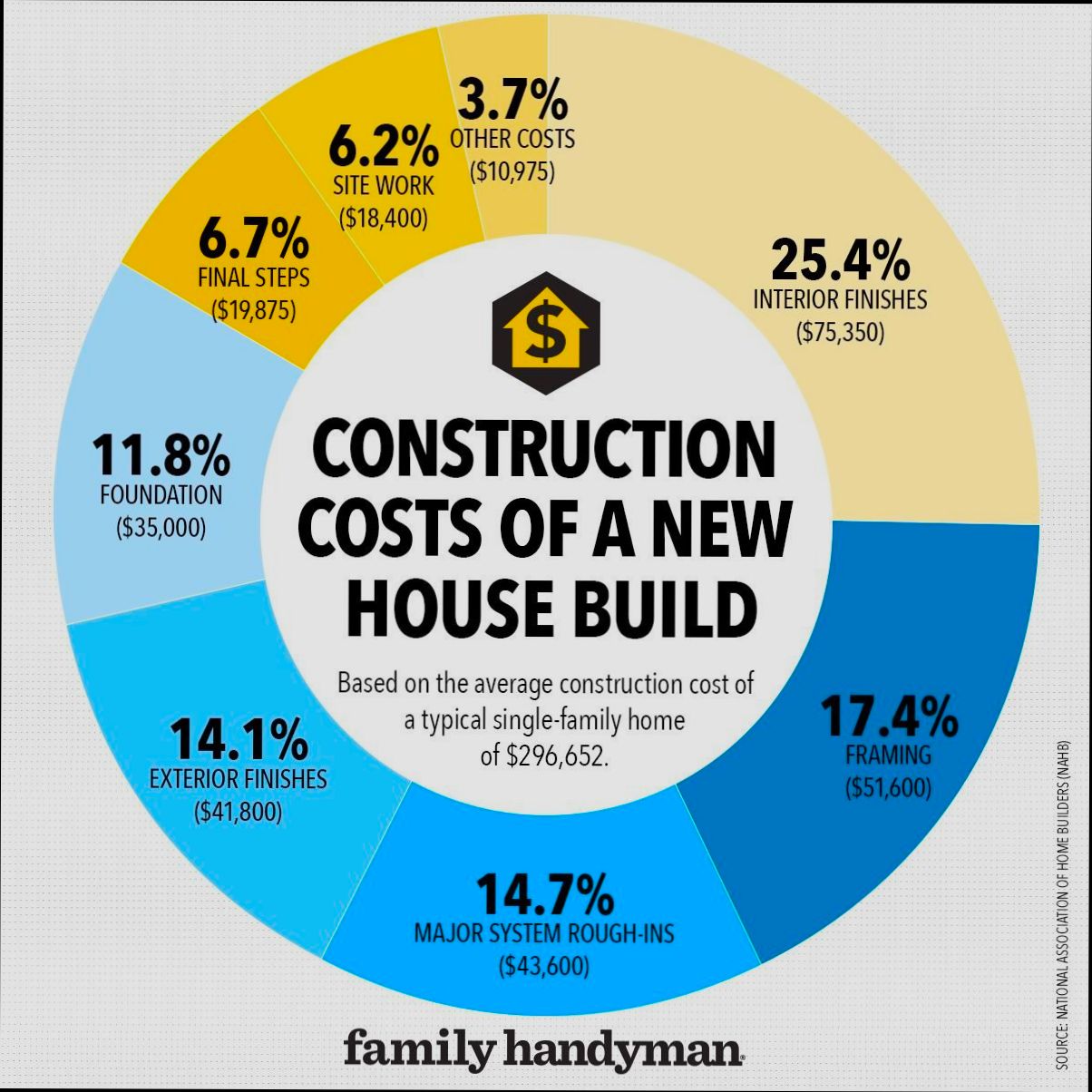
Cost Breakdown Building Your Own Home can be both exciting and overwhelming. Picture this: you’ve just found that perfect plot of land for $50,000, and you’re ready to build your dream house. But before diving in, you need to get a grasp on all the nuts and bolts of the financial side. The average cost of constructing a home sits around $300,000 in the U.S., and that’s not just for materials—you’re also looking at labor, permits, and hidden fees that can sneak up on you. Did you know that 25% of your budget could easily vanish into foundation work, especially if you’re on uneven terrain?
Let’s break this down a bit more. Say you’re aiming for a modest 2,000-square-foot home. You might spend around $150,000 just on framing, insulation, and drywall. Throw in another $50,000 for plumbing and electrical work, and that’s before you even think about flooring or kitchen upgrades. Not to forget, landscaping can add another $10,000 to $30,000, depending on how lush you want your yard to be. By the time you factor in cabinetry, countertops, and exterior finishes, your initial budget could feel more like a tug-of-war with your wallet. Knowing where the money goes is crucial, so let’s dig deeper into those costs.
Essential Materials Cost Analysis
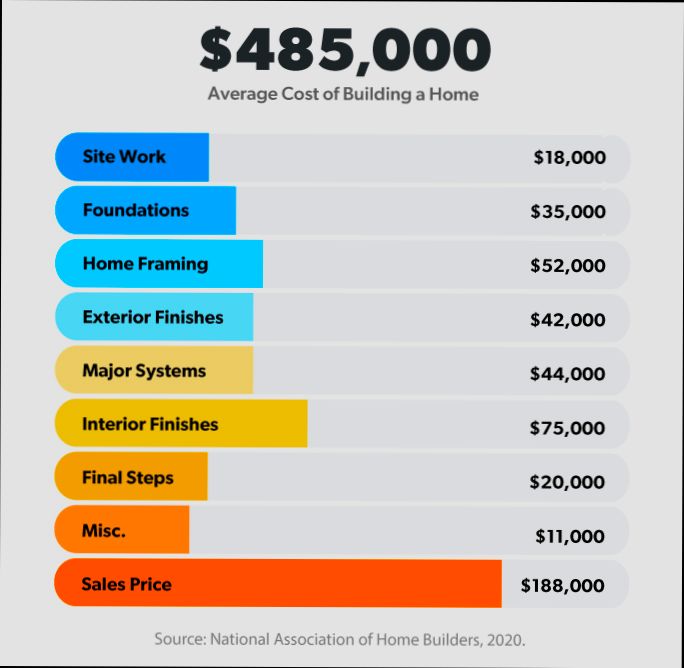
When building your own home, understanding the essential materials cost analysis is crucial. This analysis not only helps you gauge your overall expenses but also allows you to make informed decisions on purchasing and using materials efficiently. Let’s dive into how to break down these costs effectively.
Key Points of Material Cost Analysis
- Accurate Cost Allocation: It is vital to understand that various manufacturing processes contribute to material costs. Knowing each step allows you to allocate costs more precisely to individual products. This understanding can lead to setting appropriate pricing strategies for your home build.
- Bulk Purchasing: Consider buying materials in larger quantities to secure volume discounts. Studies have shown that bulk purchasing can reduce overall material costs by up to 15% in some cases.
- Waste Reduction: Efficient use of materials, including recycling where possible, can significantly decrease material costs. Implementing waste reduction strategies can lead to savings of around 10%-30%.
- Material Substitution: Where applicable, opting for less expensive materials that do not compromise on quality can also reduce costs. It’s all about finding the balance between budget and quality.
- Supplier Negotiation: Developing long-term relationships with suppliers can improve pricing and payment terms. A strong negotiation strategy can lead to price reductions of 5%-10% on consistent orders.
| Cost Factors | Description | Potential Savings |
|---|---|---|
| Bulk Purchasing | Buying larger quantities for discounts | 10%-15% |
| Material Substitution | Using alternate materials | 5%-20% |
| Waste Reduction | Minimizing scrap and excess materials | 10%-30% |
| Supplier Negotiation | Long-term agreements for better pricing | 5%-10% |
Real-World Examples
In a recent construction project, a homeowner saved 15% on their lumber costs by negotiating a bulk purchase agreement with their local supplier. They worked closely with the supplier, leveraging their project timeline to secure favorable terms.
Another case involved a couple who opted for fiber-cement siding instead of traditional wood siding. This substitution not only reduced their initial costs by 20% but also meant lower maintenance costs over time due to the durability of fiber-cement.
Practical Implications for Your Build
Understanding essential materials cost analysis allows you to optimize your budget effectively. By focusing on accurate cost allocation, bulk purchasing, and intelligent material selection, you can keep your project within financial limits without sacrificing quality.
Running detailed comparisons of suppliers, materials, and purchasing strategies empowers you to make choices that best align with your vision for your new home.
For best results, continuously monitor the costs associated with each phase of your project and adjust your purchasing strategies accordingly. Make use of software tools tailored for cost analysis that provide insights into material pricing trends and supplier performance.
By incorporating these strategies, you can ensure that your home-building experience remains cost-effective and efficient, leading to a successful project completion.
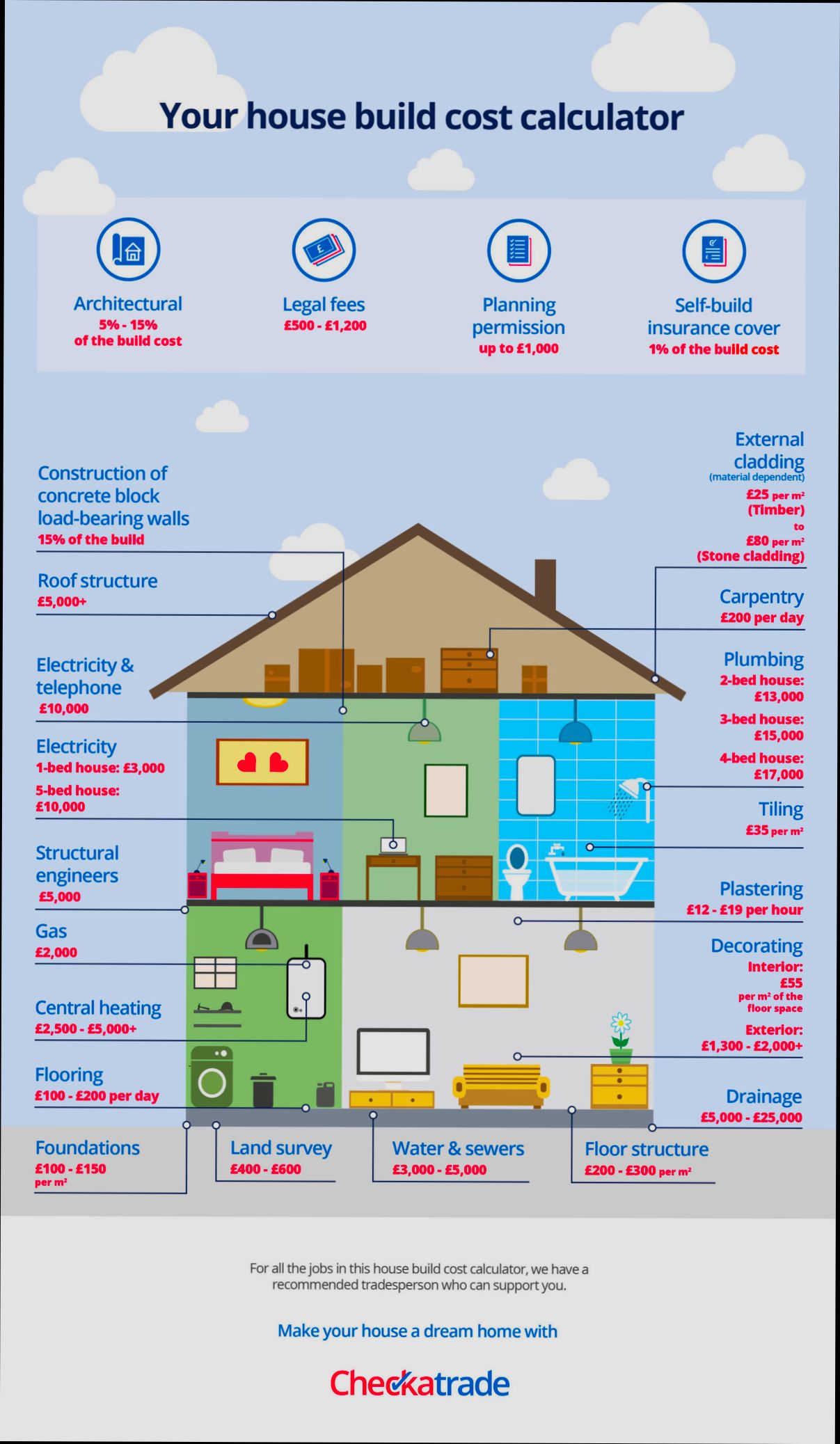
Real Estate Trends and Building Costs
When planning to build your own home, understanding real estate trends and their impact on building costs is essential. As we navigate through changing market conditions, it’s crucial to stay informed about how these trends affect the overall expenses involved in your construction project.
Current Real Estate Market Dynamics
Real estate trends can significantly influence building costs. Here are some key observations:
- Increased Demand for Suburban Homes: In the past year, many urban dwellers have sought homes in suburban areas, driving up real estate prices by approximately 20% in some regions.
- Supply Chain Challenges: The ongoing supply chain disruptions have increased construction material costs by an estimated 25%, affecting everything from lumber to roofing materials.
- Interest Rates Fluctuations: As of October 2023, mortgage rates rose to 7%, leading to a slowing demand in housing but simultaneously increasing overall costs for new builds.
Comparative Overview of Building Costs
| Year | Average Building Cost per Square Foot | Percentage Increase from Previous Year | Average Home Sale Price |
|---|---|---|---|
| 2021 | $150 | - | $350,000 |
| 2022 | $180 | 20% | $400,000 |
| 2023 | $225 | 25% | $500,000 |
Case Studies Highlighting Real Estate Trends
- California Suburbs: Consider a builder in California who reported a shift from city builds to suburban homes. The decision to pivot increased their client base by 30%, highlighting how real estate demand shapes building strategies.
- Midwest Expansion: A construction firm operating in the Midwest noted a 15% boost in project costs due to local shortages of construction materials. This was exacerbated by increased demand in their region, demonstrating how supply and demand dynamics can elevate building costs.
Practical Insights for Your Building Project
To navigate these shifting real estate trends effectively, consider the following:
- Research Local Market Trends: By keeping an eye on local market shifts, you can strategically time your purchase and construction plan to mitigate cost increases.
- Evaluate Locations Carefully: Different areas experience varying levels of demand and price fluctuation, affecting construction costs. Analyze neighborhoods before committing to a site.
- Anticipate Material Costs: Given the rising costs of materials, lock in purchases early when possible, taking advantage of any fixed pricing agreements with suppliers.
Actionable Advice on Building Costs
To minimize building costs amid rising market prices, always stay ahead of trends by:
- Using online resources and local real estate reports.
- Consulting with real estate experts for tailored insights.
- Planning for contingencies with a budgetary cushion of at least 10-15% to accommodate unexpected increases in material or labor costs.
Understanding these real estate trends will empower you to make informed decisions as you take on the exciting journey of building your own home.
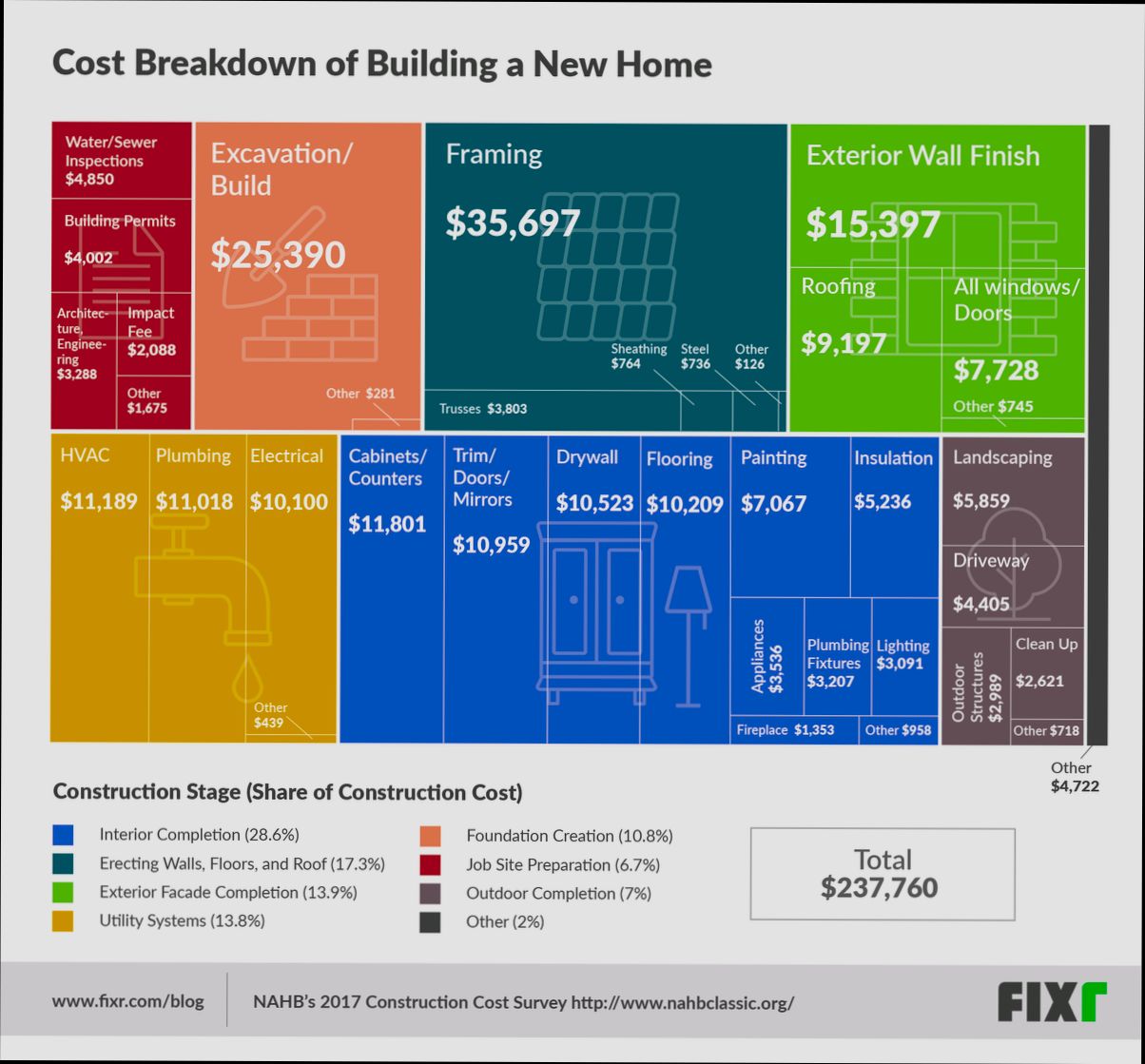
Unexpected Expenses in Home Construction
Building your own home can be an exciting journey, but it often takes unexpected financial turns. Unexpected expenses frequently arise during construction, impacting your budget and raising stress levels. Let’s dive into some of these hidden costs that you need to anticipate.
Common Unexpected Expenses
When planning your budget, consider these frequent surprises that can crop up:
- Site Preparation: You might face higher costs if the land requires additional clearing, grading, or soil stabilization. On average, this could add 10% to 15% to your initial estimates.
- Weather Delays: Inclement weather can halt construction and require additional labor costs or extended rentals of equipment. In regions prone to severe weather, this could mean an unexpected 5% to 10% increase in your total timeline and budget.
- Permit and Inspection Fees: Often underestimated, these fees can add an additional 2% to 5% depending on local regulations and the complexity of your build.
- Utility Connections: Establishing connections to water, gas, and electricity can be an unexpected financial burden, sometimes reaching an additional $5,000 to $15,000 depending on the location and existing infrastructure.
| Expense Category | Estimated Percentage Increase | Typical Cost Range |
|---|---|---|
| Site Preparation | 10% - 15% | $2,000 - $5,000 |
| Weather Delays | 5% - 10% | $500 - $1,500 |
| Permit and Inspection Fees | 2% - 5% | $200 - $1,000 |
| Utility Connections | Varies | $5,000 - $15,000 |
Real-World Example
Consider a homeowner in a coastal area who planned to build their dream home on a plot of land. They initially budgeted $300,000. However, when construction began, they faced unexpected costs due to:
- Coastal erosion management that required an added $10,000 for additional engineering analysis.
- Unpredictable weather, causing a 3-week delay that added over $1,200 in labor costs.
After incorporating these unanticipated expenses, their overall budget swelled to nearly $320,000.
Practical Implications
Here are some strategies to better manage unexpected expenses:
- Always Budget for Contingencies: Aim to set aside at least 10% of your total budget as an emergency fund.
- Stay Informed on Local Regulations: Understanding the intricacies of your local building codes and permitting process can save you from unforeseen fees.
- Negotiate with Contractors: Make sure to have clear communication with your contractors about potential risks and negotiated prices. This can shield you from hidden markups.
Actionable Advice
Research and connect with local builders to get an accurate picture of potential unexpected costs in your area. Transparency from contractors, consistent communication, and a healthy contingency fund will significantly mitigate the financial shocks that can occur during home construction.
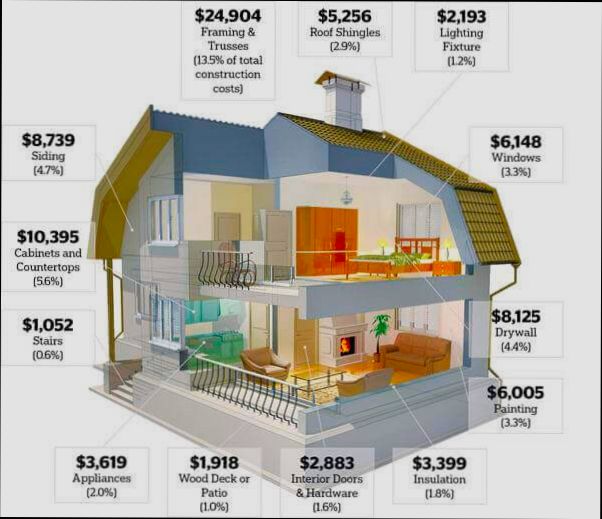
Advantages of Building Your Own Home
Building your own home isn’t just about creating a space; it’s an opportunity to construct your dream life. From choosing the aesthetic to selecting the layout, the advantages of building your own home can significantly outweigh the challenges—especially when we talk about costs. Let’s delve into some compelling reasons why constructing your own house may prove beneficial for your financial future.
Customization and Personalization
One of the most significant advantages of building your own home is the unmatched level of customization. You get to design every detail according to your preferences. Here are a few key aspects:
- Tailored Layout: You can design the layout that suits your lifestyle, whether it’s an open floor plan or dedicated spaces for hobbies.
- Style Choices: Opt for a modern look, a rustic vibe, or even a blend of both—everything from fixtures to colors is your choice.
- Functionality: You can incorporate specific features, such as an energy-efficient kitchen or smart home technology, enhancing both functionality and future resale value.
Financial Control and Cost Savings
Building your home may offer substantial financial control, allowing you to manage costs more effectively. Consider the following:
- Understanding Costs: You allocate your budget according to your priorities—whether that means spending on higher-quality materials or saving on finishes.
- Avoiding Hidden Fees: By managing contractors yourself, you reduce reliance on builders who typically include profit margins that can inflate costs by as much as 11% of the total building expense.
- Long-Term Savings: Creating an energy-efficient home may reduce utility bills, which is essential when considering the long-term financial benefits.
Land Ownership and Zero Competition
Owning the land to build your dream home often minimizes competition:
- Exclusive Site: You choose the land that perfectly matches your needs, whether it’s close to schools, workplaces, or nature.
- Develop as You Want: Without competition from other buyers, you can take your time to develop the land as you envision.
| Aspect | Building Your Home | Buying Existing Home |
|---|---|---|
| Customization Level | High | Limited |
| Financial Control | More Control | Less Control |
| Competition | None | High |
| Potential Resale Value | Tailored for Market | Market Dependent |
| Turnaround Time | Flexible | Fixed |
Real-World Examples
To illustrate these advantages, let’s look at a case from the National Association of Home Builders. When a couple decided to build their own home, they saved approximately 20% by selecting their materials and contracts while unlike the traditional homebuying process, which includes a significant sales commission that averages $18,955. By directly managing the project, they also reduced labor costs that typically make up about 40% of building expenses.
Another example features a family that designed their energy-efficient home, choosing features such as solar panels and high-quality insulation. This decision saved them nearly $1,500 annually on utilities, illustrating the financial benefits of customized building choices.
Practical Implications for You
When building your own home, consider the following actionable steps to maximize these advantages:
- Research and Plan: Thoroughly research potential designs, materials, and contractors to leverage your budget effectively.
- Prioritize Sustainability: Incorporate energy-efficient designs from the outset to save on long-term costs.
- Engage Professionals Strategically: While being hands-on, strategically hire professionals for complex tasks, ensuring quality without overspending.
Building your own home empowers you in numerous ways, from financial control to unique customization. Focus on these benefits to create a space that truly reflects your personality and meets your family’s needs.
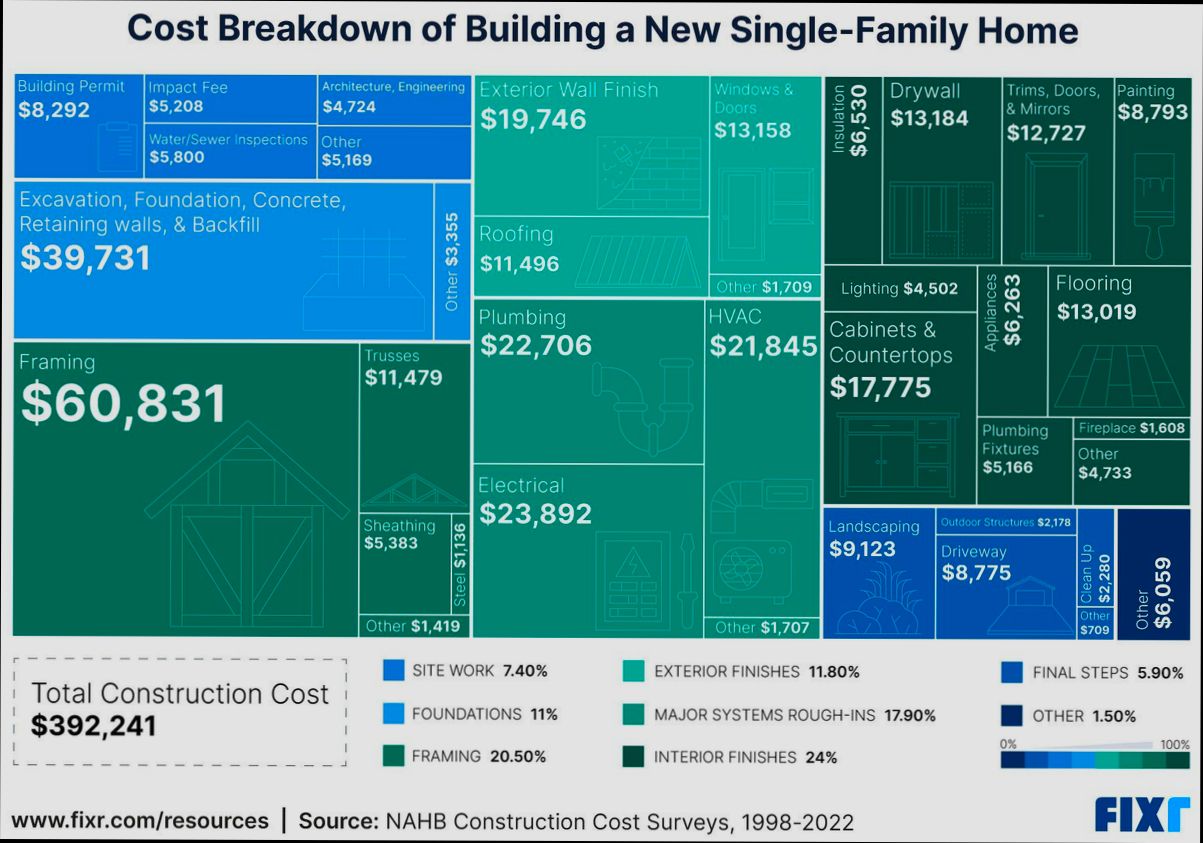
Labor Costs and Hiring Considerations
When embarking on the journey of building your own home, labor costs and hiring individuals can significantly impact your overall budget. Understanding the variables involved in labor costs and making informed hiring decisions is crucial to avoid financial pitfalls.
Key Points to Consider
1. Labor Rates: Labor costs vary based on geographical location, trade specialization, and experience level. For instance, labor rates can range from $25 to $100 per hour, depending on the region and skill set of the workers.
2. Project Duration: The time it takes to complete your home can drastically affect labor costs. If your project runs over schedule, you could face an additional 10-15% in labor costs due to extended hourly pay.
3. Hiring Full-Time vs. Part-Time: Depending on the complexity of your build, you may opt to hire full-time contractors or part-time workers. While full-time contractors may demand a higher upfront cost, they often guarantee dedication to your project, potentially saving you 5-7% on labor costs through efficiency.
4. Union vs. Non-Union Workers: If you decide to hire unionized workers, be prepared to pay higher wages given the set contracts that unions enforce. However, going with non-union labor could save you up to 15%, albeit sometimes at the cost of certain guarantees in quality and timelines.
Comparative Labor Cost Breakdown
| Labor Type | Average Hourly Rate | Estimated Project Overrun Cost | Typical Skills Required |
|---|---|---|---|
| Union Carpenter | $85 | $3,500 (for a 2-week delay) | Framing, Finish Carpentry |
| Non-Union Mason | $50 | $2,000 (for a 2-week delay) | Bricklaying, Concrete Work |
| General Contractor | $100 | $4,000 (for a 2-week delay) | Project Management |
| Electrician | $70 | $2,800 (for a 2-week delay) | Wiring, Code Compliance |
Real-World Examples
In a case study from a recent home-building project in Seattle, a couple chose to hire a general contractor. They initially estimated labor costs at $20,000, but due to mismanagement, the project took two additional weeks to complete. They faced an unexpected $4,000 increase in labor costs, demonstrating how crucial project timelines are in managing labor costs.
Conversely, in a suburban area, a DIY homeowner selected non-union masons and saved approximately 15% on labor costs overall. Although the quality of some finishes was not as high as expected, the homeowner successfully completed the project under budget and on time, highlighting a trade-off between cost and quality in hiring decisions.
Practical Implications for You
Understanding labor costs and hiring considerations can empower you to make more informed decisions. Here are some actionable steps:
- Get Multiple Quotes: Always seek multiple estimates from different contractors to gauge the standard pricing in your area.
- Check References: Verify the credentials and previous work of individuals or companies you want to hire to avoid future complications.
- Set Clear Timelines: Make sure to communicate timelines clearly in your contracts to hold contractors accountable and minimize overruns.
It’s essential to account for both direct labor costs and potential overruns in your budgeting. Planning for about 10-15% extra for unexpected labor-related expenses can keep your project on track financially.
Cost-Saving Strategies for DIY Builders
Building your own home is an exciting adventure, but it can also be a costly one if you’re not careful. Implementing effective cost-saving strategies can significantly reduce your overall expenses, allowing you to allocate your hard-earned money where it’s needed most. Let’s explore some practical approaches you can take to save money while building your dream home.
Smart Scheduling and Planning
One of the simplest yet most effective cost-saving strategies revolves around thorough scheduling and planning. By organizing your project’s timeline, you can avoid costly delays, which often lead to inflated labor costs and the purchase of materials at higher prices.
- Prioritize Tasks: Start with fundamental aspects, like the foundation and framing, before moving to less critical components.
- Seasonal Buying: Purchase materials during off-peak seasons to benefit from lower prices. For instance, summer tends to be busier, driving costs up due to increased demand.
Utilizing Free Resources and Community Support
Communities and online platforms often provide access to free or discounted resources that can help you save substantially.
- Local Groups: Connect with local DIY groups or forums where people share tools or leftover materials.
- Municipal Contacts: Check with your local government for programs that offer free building materials or grants for sustainability projects.
DIY Skills and Learning
Investing your time in learning new skills can pay off significantly. You can take on many tasks that usually require hiring professionals, thus reducing labor costs.
- Online Tutorials: Platforms like YouTube offer countless DIY tutorials on plumbing, electrical work, or drywall installation.
- Workshops: Many home improvement stores offer free or low-cost workshops where you can gain hands-on experience.
Cost Comparison for Services
Before hiring subcontractors, conduct thorough research and comparison to ensure you get the best rates without compromising quality.
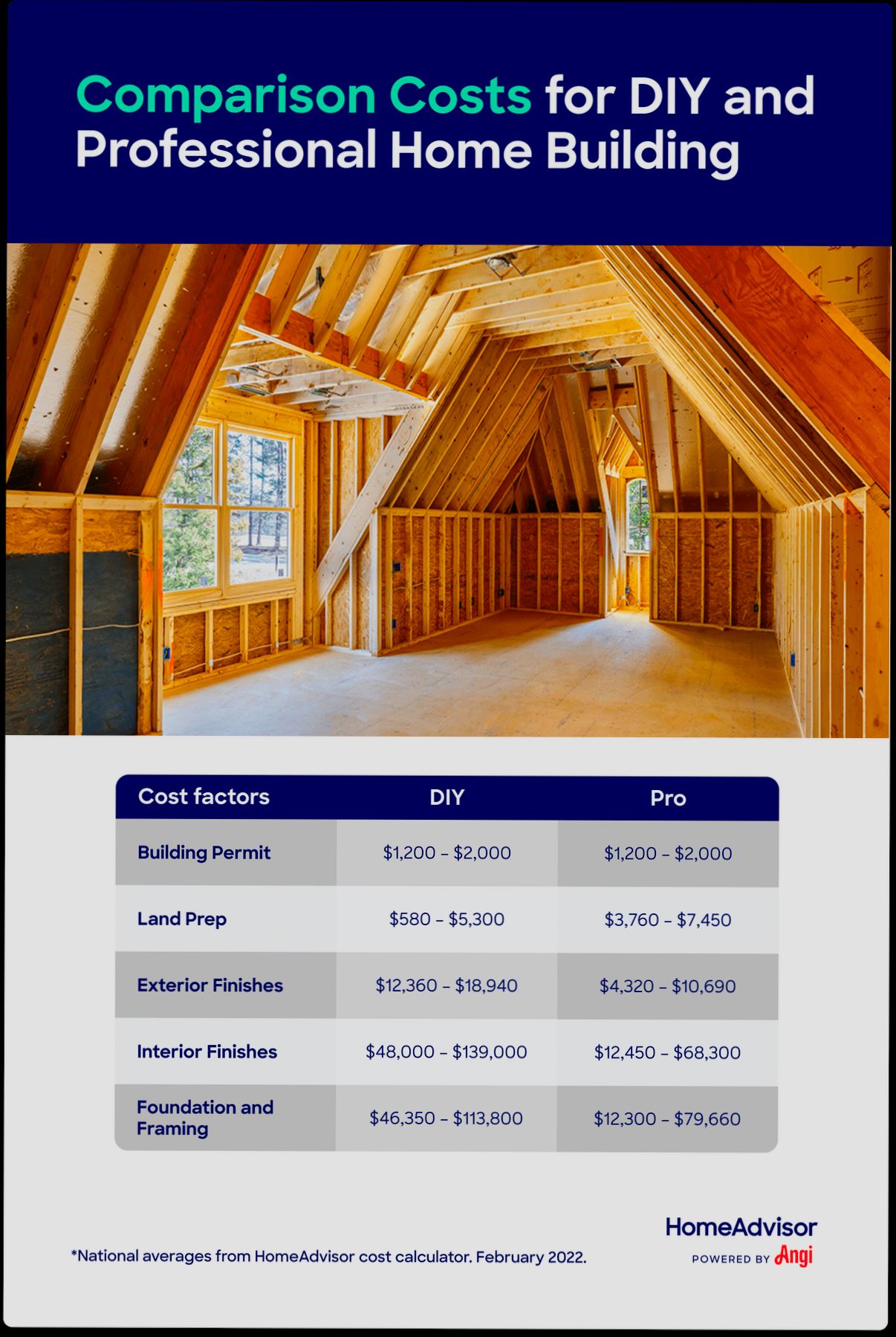
| Service | Average Cost (Professional) | Cost (DIY) | Savings (%) |
|---|---|---|---|
| Electrical Wiring | $2,000 | $800 (after purchases) | 60% |
| Plumbing Installation | $1,500 | $600 (learning) | 60% |
| Drywall Installation | $1,000 | $350 (self-labor) | 65% |
Real-World Examples
In a recent community renovation project, one DIY builder managed to reduce costs by 45% on plumbing by using free local workshops. The builder gained vital skills and embarked on learning via online resources, thereby cutting out the costs for professional plumbers.
Another example comes from a family that used reclaimed wood for flooring. By sourcing from a local supplier who was willing to part with excess inventory, they not only saved money but transformed their home with unique materials.
Practical Implications for Readers
As you move forward with your home-building project, consider these key strategies to cut costs:
- Research local resources before buying new.
- Leverage community relationships for borrowing tools or materials.
- Take advantage of any free educational resources available in your area.
Specific Facts for Actionable Advice
- Attend at least two free workshops to build DIY skills before starting your project.
- Allocate time each week to research supplier options or local buy/sell groups for materials.
- Calculate potential savings before engaging professional services to justify the DIY approach.
By applying these cost-saving strategies, you can build your own home while keeping your budget intact, allowing for more of the personal touches you desire.
Statistical Insights on Homebuilding Expenses
Understanding the statistical insights on homebuilding expenses can significantly impact your budgeting and planning strategy. By diving into the numbers, we can uncover where your money will go when constructing your dream home.
Key Statistics on Homebuilding Costs
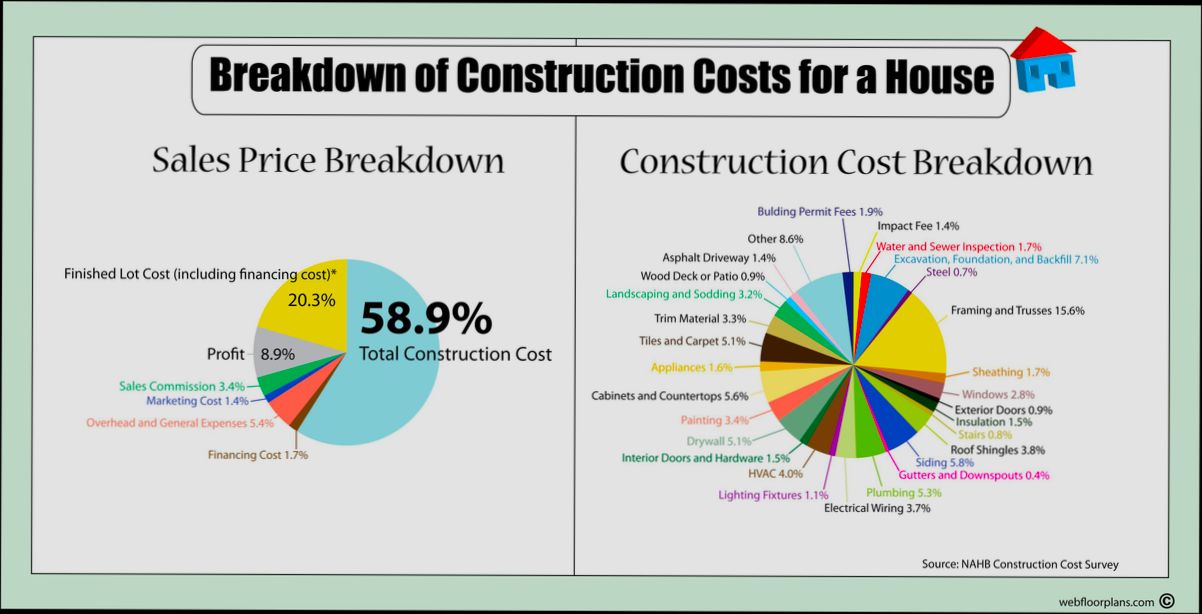
- As of 2024, construction costs account for a substantial 64% of the overall average cost of a new home, which is approximately $428,215.
- Among these construction costs, labor constitutes about 7.6%, which indicates that materials and other expenses represent the bulk of your financial commitment.
- It’s important to note that in addition to construction costs, you should consider financing, marketing, and a projected 11% profit margin that builders typically incorporate into their pricing.
Breakdown of Expenses
| Expense Category | Percentage of Total Cost |
|---|---|
| Construction Costs | 64% |
| Labor | 7.6% |
| Profit Margin | 11% |
| Site Preparation | Approx. $32,719 |
| Additional Expenses | 17.4% |
Real-World Examples
A survey conducted by the National Association of Home Builders revealed that a typical new home can incur significant costs beyond just the construction process:
- Site Work: For instance, the average site work needed before construction can cost around $32,719, depending greatly on geographical factors and land conditions.
- Labor Costs: Even though labor is just 7.6%, this percentage can hike based on the skills required for specialized work. For example, hiring skilled electricians, plumbers, and carpenters can drive the total labor costs higher than the average if you’re not careful.
Practical Implications for DIY Builders
Being aware of these statistics can aid you in making informed decisions throughout the building process. Here are a few actionable strategies:
- Budget Wisely: Allocate a significant portion of your budget toward construction materials, as they absorb the largest share of your overall costs.
- Consider Labor Options: If you’re inclined to save money, honing some DIY skills in areas like drywalling or painting can reduce labor expenses without sacrificing quality.
- Research Profit Margins: Understand the average profit margin of builders in your area to gauge whether the quotes you receive are reasonable.
Additional Facts for Budgeting
- Ensure to factor in at least 10% more than your expected expenses to cover unexpected costs, as site work and local regulations can change.
- Rest assured that by forecasting based on these statistics, you’ll be better prepared for the financial demands of your homebuilding journey.