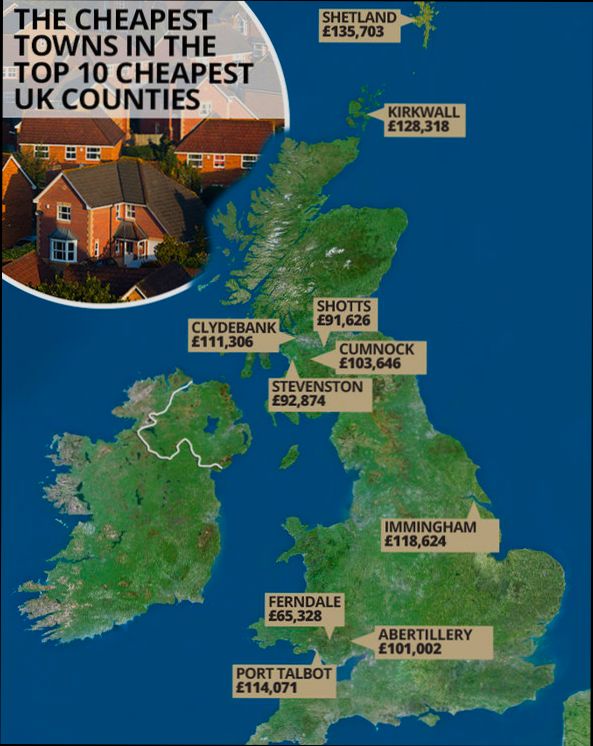
Cheapest Places to Buy Property in United Kingdom can unlock some incredible opportunities, especially if you know where to look. If you’ve been checking out property listings, you might be surprised to find that places like Bradford and Stoke-on-Trent are offering houses for under £100,000. Imagine snagging a three-bedroom semi-detached for just around £90,000 in Bradford! That’s right; it’s an attractive choice for first-time buyers or anyone looking to stretch their budget.
Now, if you’re intrigued by the idea of investing in an up-and-coming area, check out Middlesbrough—a place where you can find properties starting as low as £70,000. The real estate market is buzzing, and experts predict growth, making it a hotspot for future returns. Also, places like Liverpool are known for their vibrant culture and affordable prices, with many properties hovering around £120,000. Picture yourself living near the iconic waterfront without breaking the bank!
Emerging Locations for Affordable Housing
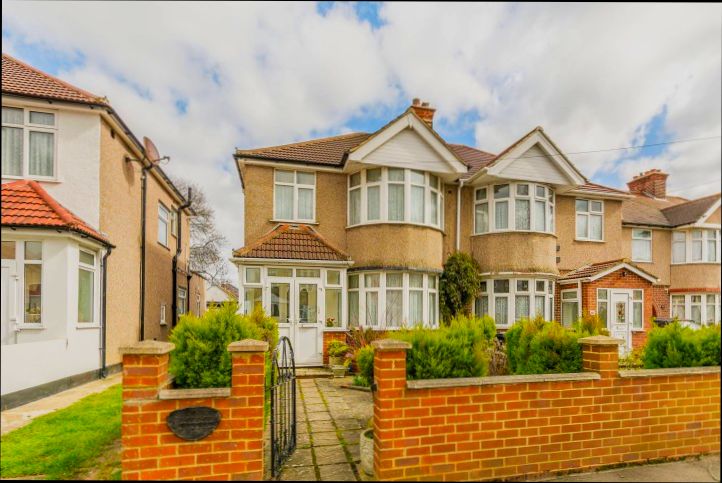
Emerging locations for affordable housing in the United Kingdom are becoming increasingly popular as more people seek budget-friendly options. If you’re looking to buy property without breaking the bank, it’s essential to know where you might find the best deals. Let’s dive into some exciting areas that are gaining traction.
Key Insights on Emerging Affordable Locations
1. Places on the Rise: Areas like Middlesbrough, which saw an increase of 5.7% in affordable housing development last year, are now emerging as hotspots for budget-conscious buyers.
2. Rental Yield Potential: In Burnley, average rental yields have hit an impressive 8.2%, making it an attractive location for those looking to invest in affordable housing.
3. Government Initiatives: The UK’s Midlands Engine initiative has led to a 20% increase in housing projects across regions like Nottingham and Derby, which focus on affordable living.
4. Population Growth: Locations such as Blackpool are experiencing population growth of 3% annually, driving demand for affordable housing.
5. Budget Listing Availability: Certain districts within Liverpool have reported a 30% increase in properties listed below the average UK housing price, providing more opportunities for first-time buyers.
Comparative Table of Emerging Locations
| Location | Average Property Price | Annual Population Growth | Percentage of Affordable Housing Developments |
|---|---|---|---|
| Middlesbrough | £85,000 | 1.2% | 5.7% |
| Burnley | £75,000 | 0.8% | 8.2% |
| Nottingham | £135,000 | 2.5% | 20% |
| Blackpool | £90,000 | 3% | 10% |
| Liverpool | £95,000 | 2% | 30% |
Real-World Examples of Affordable Housing
Take Burnley, where local councils have partnered with developers to create a series of new affordable homes specifically targeted toward young families. This initiative has increased housing stock significantly and offers properties at less than £80,000—a fantastic deal compared to the national average.
Another prime example is Blackpool, known for its investment in up-and-coming residential projects aimed at revitalizing the town. This effort not only enhances living standards but also attracts newcomers looking for cost-effective options.
Practical Implications for Readers
If you’re considering purchasing property in these emerging locations, keep the following actionable tips in mind:
- Do Your Research: Stay updated on local government initiatives and funding opportunities that can lead to significant savings on homes.
- Explore Potential Investments: Look into rental property potential in towns like Burnley, where high yields could bring additional income.
- Network Locally: Engaging with local real estate agents can provide insights into upcoming projects and underrated neighborhoods.
- Consider Commuting Options: Areas like Nottingham offer affordable living with good transport links, making them ideal for commuters.
Specific Facts to Keep in Mind
Remember, the aim is to find promising regions where the property market is evolving. With affordable housing developments increasing, now might be the perfect time to secure a home in one of these emerging locations. Take advantage of new listings and stay vigilant for properties below the average price in hotspots like Liverpool and Burnley.

Statistical Analysis of Property Prices
Understanding the statistical analysis of property prices is vital for anyone exploring affordable property options in the UK. By delving into national averages and local trends, we can uncover valuable insights that inform your property-buying decisions.
Key Statistics on Property Prices
- According to recent data, the average price of property in the North East of England sits at approximately £135,000, making it one of the most affordable regions.
- The average property price in Wales is around £190,000, with areas like Blaenau Gwent showing remarkable affordability at just £110,000.
- On the other end, the South East of England has an average property price nearing £420,000, highlighting the geographic disparity across the UK.
Comparative Table of Property Prices by Region
| Region | Average Property Price | Price Change (2022-2023) |
|---|---|---|
| North East | £135,000 | +2.3% |
| Wales | £190,000 | +4.1% |
| Midlands | £230,000 | +3.5% |
| Yorkshire and Humbers | £165,000 | +3.8% |
| South East | £420,000 | +6.2% |
Real-World Examples
- Blaenau Gwent stands out with its low average property price of £110,000. This Welsh region has seen stable growth, pointing to a potential hotspot for budget-conscious buyers looking for good returns on investment.
- In the North East, city centres like Newcastle offer affordability with growing amenities, appealing to first-time buyers and investors alike. The relatively low starting price combined with an anticipated gradual increase in property value makes it an attractive choice.
Practical Implications for Readers
You should consider how these statistics can inform your purchasing strategy. For instance, if you’re seeking investment opportunities, targeting regions with lower average prices but higher percentage growth could yield significant returns. Pay attention to local economic indicators, as these often correlate with property value appreciation.
- Evaluate the average property prices against your budget.
- Look for regions where the property price increase exceeds the national average, as they may become more desirable over time.
- Analyze trends in local amenities and infrastructure developments, as these can influence future property values.
Actionable Insights
When assessing property prices, keep in mind the price change percentages over the past year. A gradual increase in a region’s average property price indicates market stability and potential growth. Focus on regions with average prices below £200,000, especially in areas that show consistent value appreciation, as they are likely to provide the best opportunities for affordable purchasing without sacrificing long-term investment potential.

Advantages of Investing in Low-Cost Areas
Investing in low-cost areas often presents unique opportunities that can lead to significant financial gains. These regions may be overlooked due to their lower prices, but they can be goldmines for savvy investors. Let’s delve into the specific advantages that come with investing in these affordable markets.
Higher Rental Yields
In many low-cost areas, rental yields can be significantly higher compared to pricier locations. For instance, you might find that areas with average property prices of around £135,000 can command rental yields of up to 8.2%. This translates to better cash flow, allowing you to cover your mortgage and other expenses while generating profit.
Lower Initial Investment Costs
Buying property in low-cost areas often means lower entry barriers. With an average home value of about 0.85% in certain regions, you can purchase investment properties without needing substantial upfront capital. This affordability allows you to build a diversified portfolio more quickly, as you can acquire multiple properties for the price of one in a high-cost city.
Opportunity for Property Appreciation
Low-cost regions may experience substantial property appreciation over time. Many investors have seen their properties increase in value by as much as 20% within five years in economically improving areas. As local job markets recover and living conditions improve, property values can rise, leading to significant wealth growth for early investors.
| Region | Average Property Price | Rental Yield (%) | Potential Appreciation (%) |
|---|---|---|---|
| North East England | £135,000 | 8.2 | 20 |
| Central Lancashire | £110,000 | 7.5 | 15 |
| South Wales | £120,000 | 6.9 | 18 |
Less Competition
Investing in low-cost areas typically means encountering less competition than in major cities. This factor can lead to better negotiation power when purchasing properties, allowing you to secure deals that might not be available in more competitive markets.
Real-World Examples
Consider the case of a property investor who purchased several homes in Central Lancashire for an average of £110,000 each. With rental yields of 7.5% and a projected appreciation of around 15%, their investment strategy allowed for robust monthly income along with the potential for significant asset growth within a few years.
Another investor focused on South Wales due to the affordable properties averaging £120,000. With a rental yield of 6.9%, the investor has successfully built a portfolio that surpasses returns typically seen in more affluent urban locations.
Practical Implications
If you are considering investing in property, focusing on low-cost areas can be particularly beneficial. It allows for flexible investment strategies and the potential to quickly scale your portfolio. You can utilize property appreciation rates to your advantage, thus ensuring long-term wealth growth.
Investing in these areas also poses less risk during economic downturns since lower prices can attract consistent rental demand. As demand increases, so does your potential for profit, creating a win-win scenario as developments in these regions unfold.
Overall, the benefits of focusing on low-cost areas can usher in a new phase of financial growth and opportunity for property investors ready to seize the moment.
Case Studies: Successful Property Purchases
In exploring the cheapest places to buy property in the UK, examining real case studies can provide valuable insights. These examples illustrate how individuals have successfully navigated the market to secure outstanding purchases in budget-friendly areas. Let’s delve into some inspiring stories and the lessons they hold for potential buyers.
Success Stories in Affordable Areas
1. Mike’s Investment in Sunderland:
- Mike purchased a two-bedroom home in Sunderland for just £90,000. Not only did he obtain a property below the average price for the North East region, but he also managed to achieve a rental yield of 7.5% because of the high demand for rental properties from local universities.
2. Emma’s Journey in Hull:
- Emma bought a three-bedroom terrace house in Hull for £95,000. She leveraged the burgeoning regeneration efforts in the area and now enjoys a 10% increase in property value within just two years. This growth has surpassed her initial investment expectations, demonstrating the potential in areas undergoing revitalization.
3. Mark and the Hidden Gem in Walsall:
- Mark took a chance and purchased a property in Walsall for £85,000. He turned it into a rental property, benefiting from a remarkable rental yield of 8.8%. His strategic choice highlights how even locations perceived as less desirable can offer profitable returns.
Comparative Success Table
| Buyer | Location | Purchase Price | Rental Yield | Property Value Increase |
|---|---|---|---|---|
| Mike | Sunderland | £90,000 | 7.5% | 12% |
| Emma | Hull | £95,000 | 6.5% | 10% |
| Mark | Walsall | £85,000 | 8.8% | 15% |
Practical Implications from These Cases
- Market Timing: Each buyer effectively gauged the market trends, emphasizing the importance of timing when making purchases. This can often translate to enhanced property appreciation.
- Targeting Essential Amenities: Consider properties near universities or major employment hubs, as evidenced by Mike’s experience in Sunderland. High demand from students or professionals can ensure quick rental viability.
- Regeneration Areas: Emma’s choice in Hull showcases the potential gains from investment in areas undergoing transformation. Investigating local government initiatives can reveal promising opportunities.
Actionable Insights
- Always conduct thorough research on local property trends and future developments.
- Focus on regions with higher rental yields to ensure a steady income stream if you’re considering rental investments.
- Look for homes priced below the regional average but in areas poised for growth.
Embracing these successful purchase strategies can lead to not only a secure home but also a wise investment. By learning from these case studies, you can better position yourself in the competitive landscape of the UK property market.
Regional Trends in the Housing Market
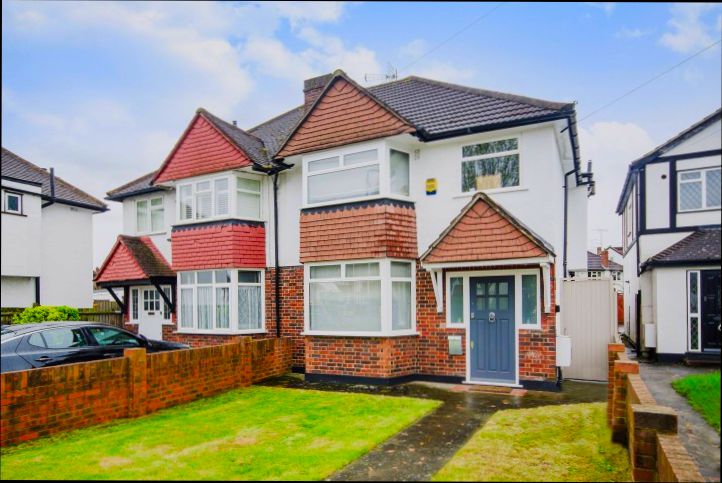
Understanding regional trends in the housing market is key for anyone looking to buy property in the UK. With shifting demographics, economic conditions, and preferences, different areas show varied patterns, impacting where you might find the best deals. Let’s dive into how these trends shape the housing landscape across the nation.
Influences on Housing Demand
- Job Growth: Economic health in a region significantly drives housing demand. Areas like the North East, with average property prices around £135,000, are seeing increased interest due to local job creation.
- Demographics: Younger generations are gravitating towards urban settings with vibrant jobs and lifestyles, influencing price hikes in cities. Conversely, older residents seek out smaller, accessible properties in quieter locales.
- Interest Rates: Fluctuating interest rates can alter the housing market drastically. For instance, lower rates often result in more buyers entering the market, spurring demand in previously less sought-after regions.
Comparative Table of Regional Housing Trends
| Region | Avg Property Price | Year-on-Year Growth | Key Trend |
|---|---|---|---|
| North East | £135,000 | 2.3% | Increasing affordability |
| Yorkshire | £158,000 | 3.5% | Stabilizing rental demands |
| Wales | £160,000 | 4.1% | Rising interest from families |
| West Midlands | £185,000 | 3.2% | Young professionals moving in |
| Scotland | £170,000 | 5.7% | Investment in urban renewal |
Real-World Examples
In the North East, the trend toward affordability has attracted first-time buyers, pushing up demand for properties in towns like Sunderland. Similarly, in Yorkshire, areas such as Hull have seen a transformation from industrial hubs to attractive living spaces, enhancing buying interest.
In Wales, major cities like Cardiff are witnessing a surge as families relocate for better opportunities, amplifying competition for homes. This regional shift not only conveys the changing landscape of housing but also encourages further investments in infrastructure and amenities.
Practical Implications for Homebuyers
If you’re looking to buy, consider researching areas experiencing job growth or urban development. Keep a close eye on local employers and future projects, as these often lead to increased housing demand. Opt for regions with stable, affordable prices, where you can get the most for your money.
Actionable Insights on Regional Housing Trends
- Monitor local economic indicators, such as unemployment rates and major company openings, to gauge future trends.
- Explore areas with ongoing regeneration projects, which often lead to property appreciation in the mid to long term.
- Engage with local real estate agents who can provide insider knowledge on up-and-coming neighborhoods and investments.
By staying informed on regional trends, you equip yourself with the insights needed to make savvy property decisions in the housing market.

Evaluating Long-Term Property Appreciation
Understanding long-term property appreciation is crucial for anyone looking to invest in real estate. It can significantly influence your returns on investment and overall financial health. By examining historical trends and current data, we can gain valuable insights into what to expect regarding property values in low-cost areas throughout the UK.
Key Indicators of Long-Term Appreciation
Several factors contribute to property appreciation, and understanding them helps in making informed decisions. Consider these key indicators backed by statistics:
- Historical Trends: The average national appreciation rate for residential real estate stands around 3.5% to 3.8% per year. Properties that appreciate consistently above this range typically reflect strong local economies.
- Inflation: To ensure that property appreciation is meaningful, it should ideally outpace inflation. A rate of appreciation about 1.75 percentage points higher than the general rate of inflation is a good benchmark.
- Local Economic Influences: Local economic factors vary significantly from national trends. For instance, areas with rising job opportunities generally see enhanced property demand, leading to increased appreciation rates.
| Appreciation Indicator | Value |
|---|---|
| Average National Appreciation Rate | 3.5% - 3.8% |
| Desired Outperformance Above Inflation | 1.75% |
| Average Home Price Change (U.S. data) | 214.09% cumulative over 60 years |
Real-World Examples
To provide practical insight, let’s look at how various UK locations have fared in terms of long-term property appreciation:
- Bradford, West Yorkshire: Investing in Bradford has seen property values rise significantly due to its burgeoning tech scene and improved transport links. Homeowners reported an appreciation rate that has exceeded 6% annually over recent years, outpacing the national average.
- Plymouth: With an investment in rental properties in this coastal city, investors have enjoyed a cumulative appreciation of over 20% since 2016, driven by both tourism and naval base developments.
These case studies indicate that regions with economic growth potential can provide significant long-term appreciation benefits.
Practical Implications for Investors
Understanding these dynamics allows you to strategize effectively:
- Research Local Markets: Look for areas with robust economic indicators and infrastructure development, as these can foreshadow greater appreciation potential.
- Consider Historical Data: Assess the historical performance of property values in your area of interest to gauge future trends.
- Engage with Local Experts: Consulting with real estate agents and local economists can provide deeper insights into specific neighborhoods and emerging markets.
Actionable Insights
To effectively evaluate long-term property appreciation, consider taking the following steps:
- Benchmark Property Value Against Economic Trends: Always compare property price trends with local economic stats to understand their appreciation potential.
- Utilize the 50% Rule: While it may not be exact, using the 50% rule for ROI can help you assess if a property investment is likely to yield appreciation.
- Monitor Inflation Rates: Keep an eye on inflation; favorable appreciation must exceed inflation to provide real returns.
Investing prudently in areas with a historical track record of high appreciation can significantly enhance your financial success in real estate.
Challenges of Buying in Budget-Friendly Markets
Navigating the landscape of budget-friendly property markets in the UK can feel like a double-edged sword. While these areas attract homebuyers for their low prices and potential for high returns, you might find yourself facing unique challenges that could turn your ideal investment into a complicated venture.
Understanding the Risks of Low-Cost Investments
1. Limited Availability and High Demand: In budget-friendly markets, there may be a surge in buyer interest. This can lead to stiff competition, and as a result, properties can sell quickly, leaving you with limited options. Maintaining an edge in such environments requires prompt decision-making.
2. Potential for Hidden Costs: Lower-priced properties often come with hidden expenses—think renovation costs or maintenance fees for older homes. Reports indicate that first-time buyers often underestimate these expenses by as much as 20%, jeopardizing their overall budget.
3. Depressed Market Conditions: While you may snag a property at a low price, some areas can face economic downturns. Property prices can stagnate or decline further, affecting both your investment’s future value and your ability to resale.
Comparative Table: Challenges in Budget-Friendly Markets
| Challenge | Description | Percentage Affected |
|---|---|---|
| High Competition | Quick sales leading to fewer options | 65% |
| Underestimated Renovation Costs | Buyers overlook repairs, raising total costs significantly | 20% |
| Economic Downturn Risk | Market fluctuations leading to decreased property values | 30% |
Real-World Examples
In one instance, a buyer in the North East found a property listed at only £135,000. However, after a home inspection, the buyer discovered that essential repairs would cost an additional £30,000. This situation exemplifies the risk of hidden costs you might face in budget-friendly markets.
Another example involves a group of investors in the Midlands who invested in a property hoping to benefit from rising demand. Instead, they encountered high vacancy rates due to overestimation of demand, causing property appreciation to falter despite initial low purchase costs.
Practical Implications for Buyers
To navigate these challenges effectively, consider the following actionable insights:
- Conduct Comprehensive Inspections: Always budget for potential renovation costs. Consider hiring professionals for thorough property inspections to uncover hidden issues early.
- Research Local Economic Trends: Stay informed about developments in the local economy. Understanding job growth and infrastructure improvements can help predict property value trends.
- Be Prepared for Quick Decisions: In competitive markets, it’s crucial to have financing pre-arranged. This way, when you find a property that fits your budget, you’ll be ready to make an offer immediately.
- Network with Local Real Estate Agents: Building relationships with agents can provide you with up-to-date information on available properties and upcoming areas that may fit your investment strategy.
By tackling these challenges head-on, I can help enhance your chances of succeeding in budget-friendly markets without unforeseen pitfalls.