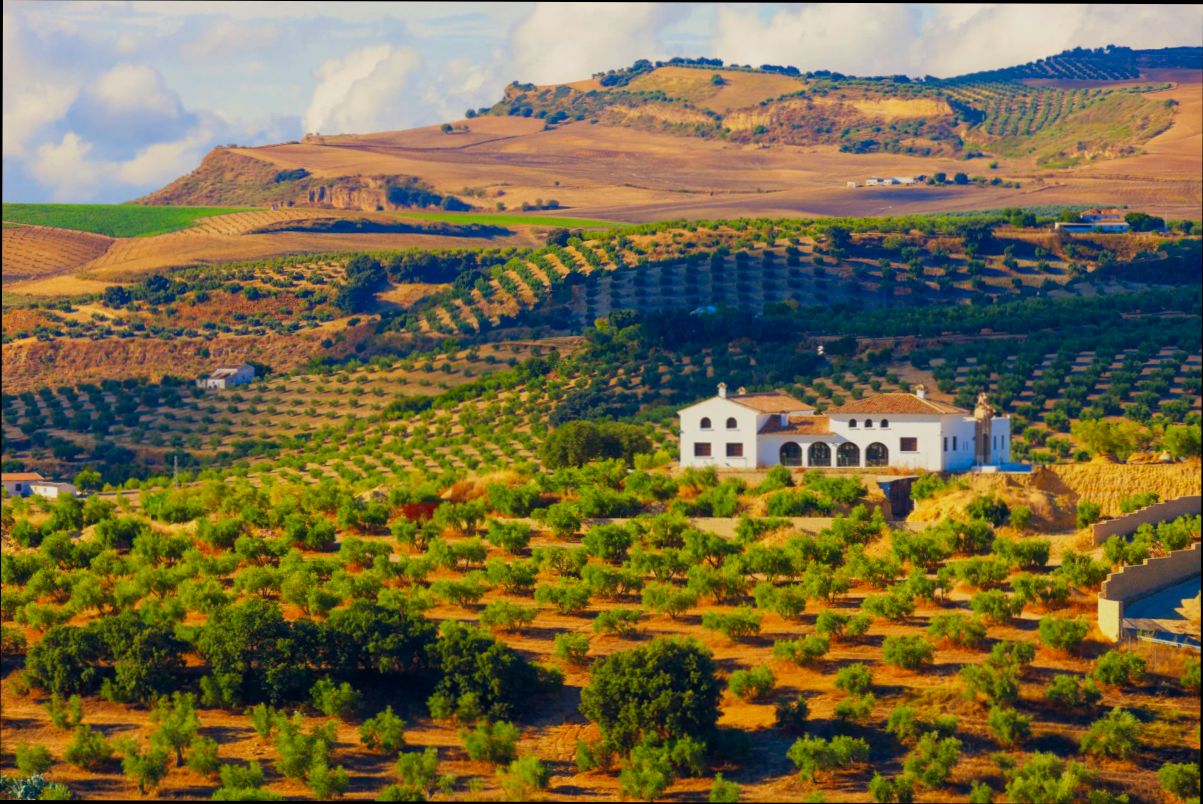
Buying a Farmhouse in Rural Spain Guide is your ticket to discovering the charm of countryside living. Imagine waking up to the sound of chirping birds and views of rolling hills dotted with olive groves and vineyards. Did you know that you can snag a quaint farmhouse in regions like Asturias or Extremadura for as little as €50,000? Many properties come with large plots of land for growing your veggies or sipping a glass of local wine on a sun-drenched terrace. With Spain’s Mediterranean climate, outdoor living is a delight almost year-round, making it the perfect place for anyone seeking a slower pace and a healthier lifestyle.
Getting the scoop on local customs, regional cuisines, and vibrant markets can feel like a treasure hunt, where every village you explore invites you in with its rich history and warmth. Picture yourself strolling through the cobblestone streets of a thriving community, perhaps in places like Castile or Andalusia, where festivals celebrate everything from wine to the harvest. A farmhouse isn’t just a home; it’s a lifestyle change, offering not only a retreat but also a chance to embrace Spain’s vibrant culture. From the lush landscapes to friendly neighbors, buying a farmhouse here is not merely a transaction; it’s the start of an adventure.
Understanding the Spanish Property Market
When it comes to buying a farmhouse in rural Spain, understanding the intricacies of the Spanish property market is essential. Given its unique legal framework, regional variations, and price dynamics, navigating this landscape can be challenging yet rewarding. In this section, I’ll walk you through the key aspects that can influence your decision-making.
Key Market Insights
- Property Prices: As of recent data, property prices in rural Spain have increased by approximately 4.5% over the last year, indicating a growing interest in rural living. This price growth can vary significantly depending on the region, so remaining geographically aware is crucial.
- Buyer Demographics: Around 30% of property purchases in rural areas come from foreign buyers, highlighting the appeal of Spain as a leading destination for expatriates and investors. Understanding who your potential neighbors might be can help in assessing a community’s vibrancy.
- Average Farmhouse Costs: On average, purchasing a traditional farmhouse can range between €100,000 to €300,000, depending significantly on location, size, and amenities. This price range underscores the importance of thorough research in your desired area.
- Rental Market Potential: Rural properties are experiencing an uptick in demand for short-term rentals, with a reported 20% increase in bookings year-over-year. This trend makes rural farmhouses an attractive investment opportunity.
Comparative Table of Property Prices by Region
| Region | Average Price per Square Meter | Annual Price Growth (%) | % of Foreign Buyers |
|---|---|---|---|
| Andalusia | €1,200 | 5.2 | 32 |
| Valencia | €1,500 | 3.8 | 25 |
| Galicia | €950 | 4.0 | 28 |
| Catalonia | €2,200 | 6.1 | 35 |
| Aragon | €850 | 4.4 | 22 |
Real-World Examples
One notable case is a family from the UK that recently purchased a farmhouse in Andalusia. They highlighted how understanding local market nuances allowed them to negotiate a 10% lower price than the asking amount, aided by their research into recent sales in the area.
Another example is a couple who bought a property in Valencia as an investment. They tapped into the growing rental market, which is bolstered by a 20% increase in rural tourism, leading to a swift return on their investment within the first year.
Practical Implications for Buyers
As you immerse yourself in the Spanish property market, consider the following actionable insights:
- Research Local Regulations: Familiarize yourself with regional laws regarding property purchases, especially as they pertain to foreign buyers. Each Spanish自治区 can have different rules.
- Engage a Local Real Estate Agent: Partnering with an agent who knows the rural market can provide invaluable insights and help you navigate the often-complex process more easily.
- Analyze Long-term Trends: Look beyond the current price growth; consider future developments, like infrastructure projects or tourism initiatives, that could affect property values.
Specific Facts to Keep in Mind
- Ensure to monitor regional sales trends quarterly; data shows fluctuations that can significantly impact buying decisions.
- Keep an eye on local amenities and community developments, as these factors can influence both value and quality of life.
- Understand the impact of seasonal variations on market activity—early spring often sees the highest number of transactions, influencing buyer competition.
Identifying Ideal Rural Locations
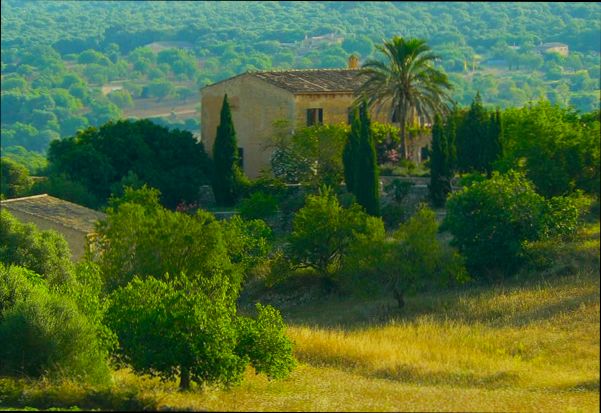
When considering the purchase of a farmhouse in rural Spain, pinpointing the right location is absolutely crucial. Each region offers unique characteristics, landscapes, and lifestyles that can dramatically affect your farming experience and overall quality of life.
Key Factors in Choosing a Location
Here are some essential elements to think about when identifying an ideal rural location for your farmhouse:
- Accessibility: Consider how far you are from major cities, airports, and public transportation. A location within 30 km of a major urban area often provides better travel options and amenities while still offering the charm of rural living.
- Climate: Spain has diverse climates across its regions. For instance, the Mediterranean coast provides warmer, drier conditions, while the northern regions are cooler and wetter. Examine how the climate aligns with your farming aspirations.
- Local Economy: Look for areas with a strong agricultural presence or local markets. Regions in Valencia show a 35% increase in local agribusiness over the last five years, highlighting growth potential in farming ventures.
- Community and Culture: Investigate the local culture, festivals, and community engagement. Regions known for strong agricultural traditions, such as the Andalusian countryside, can provide a supportive environment.
Comparative Regional Insights
| Region | Average Property Size | Farm Types | Agricultural Growth Rate |
|---|---|---|---|
| Andalusia | 200 m² | Olive, Citrus | 3% |
| Catalonia | 180 m² | Vineyards | 2.5% |
| Valencia | 220 m² | Mixed Crops | 3.5% |
| Galicia | 250 m² | Dairy, Vegetables | 2% |
Real-World Examples
- Andalusia: A couple purchased a 200 m² olive farm in Jaén, taking advantage of the region’s 3% agricultural growth. They integrated sustainable farming practices and saw a significant increase in local interest in organic produce.
- Catalonia: An individual invested in a vineyard near Tarragona, benefitting both from the local community’s wine culture and the 2.5% growth rate in the region. The rich cultural heritage provides additional tourism opportunities.
Practical Implications
- Research Local Regulations: Each region has its own zoning laws and regulations regarding agricultural land. Knowing these will help avoid legal challenges once you make your purchase.
- Network with Local Farmers: Establish connections with current farmers in the area. They can offer invaluable insights on best practices and market opportunities specific to that region.
By thoroughly researching and evaluating these factors, you can significantly improve your chances of selecting a rural location that not only meets your farming goals but also enhances your lifestyle and future prospects in Spain’s vibrant countryside.
Navigating Legal Requirements for Purchase
When you’re ready to buy a farmhouse in rural Spain, understanding the legal landscape is pivotal. The complexities of property laws can seem overwhelming, but being informed can make the process smoother and more straightforward. Let’s explore the essential legal requirements you’ll face during your purchase.
Essential Legal Steps
1. Obtain a N.I.E.: As a foreign buyer, the first step is to secure a Número de Identificación de Extranjero (N.I.E.), which is necessary for any financial or legal activities in Spain. This unique identification number facilitates all transactions and legal matters.
2. Engage a Lawyer: It’s highly recommended to hire a bilingual lawyer familiar with Spanish property law. They’ll help navigate the intricacies of urban planning and property taxes to ensure you comply with all regulations.
3. Check Property Documentation: Always verify key documents like the “nota simple” (a property registry extract) and the current IBI (Impuesto sobre Bienes Inmuebles) to confirm ownership and the absence of debts. You should ensure:
- The seller is the rightful owner.
- There are no liens or charges against the property.
4. Drafting the Purchase Contract: After confirming the legal standing of the property, your lawyer will help draft a purchase contract (contrato de arras). This contract outlines the terms, including payment schedules and conditions.
5. Notary Involvement: A notary public in Spain plays a crucial role. They will oversee the signing of the title deed (escritura de compraventa). This process typically results in a fee of 1% to 2% of the property’s value.
Key Cost and Percentage Breakdown
| Legal Requirement | Estimated Cost | Importance Level |
|---|---|---|
| N.I.E. | €10 - €50 | High |
| Lawyer Fees | 1% - 2% of price | High |
| Notary Fees | 1% - 2% of price | High |
| Property Registry Fees | €200 - €600 | Medium |
Real-World Examples
Consider Maria, a British citizen who wanted to buy a farmhouse in Andalusia. She faced issues when the previous owner’s debts surfaced during the property search. With her lawyer’s assistance, Maria managed to negotiate with the seller to clear those debts before finalizing her purchase. This experience highlights the necessity of thorough documentation checks.
Another case involved John and Sarah from Canada, who forgot to apply for their N.I.E. before starting their purchase process. This oversight delayed their closing by weeks, illustrating the importance of having these documents prepared in advance.
Practical Implications for Buyers
- Thorough Preparation: Before making an offer, ensure you have your N.I.E. and confirm that your lawyer will handle all documentation.
- Be Aware of Taxes: Besides legal fees, anticipate additional taxes such as the Transfer Tax (ITP), ranging from 6% to 10% based on the property’s value.
- Utilize Local Resources: Engage local real estate professionals who understand rural laws. Their insights can help identify potential legal pitfalls you might face.
Actionable Insights
- Start the N.I.E. application process as soon as you consider buying. It’s worth noting that processing can take time.
- Look for properties that are fully legal—avoid farms with pending legal issues, which often come with hidden costs and complications.
By thoroughly understanding and addressing these legal requirements, you can confidently proceed with your purchase of a farmhouse in rural Spain.
Analyzing Cost Factors in Farmhouse Investments
When evaluating your potential farmhouse investment in rural Spain, it’s crucial to analyze the key cost factors that will influence your overall financial return. Understanding the nuances of expenses, cash flow, and long-term profits can guide your decision-making process, ensuring a sound investment.
Key Cost Factors to Consider
1. Initial Purchase Price: This is the most obvious cost but it can greatly vary based on location, condition, and size of the farmhouse. For instance, average prices range from €100,000 to €300,000.
2. Renovation and Maintenance: Many farmhouses require renovations which can add significant costs. Depending on the age and condition of the structure, you may need to allocate 10% to 30% of the purchase price on renovations upfront.
3. Operating Costs: These include property taxes, insurance, and utilities. Typically, expect annual operating costs to be around 1% to 3% of your property’s value.
4. Expected Revenues: If you plan to rent the property, understanding potential revenue is vital. For example, revenue can fluctuate, but a well-located farmhouse can generate approximately €12,000 to €30,000 annually depending on tourist seasons and occupancy rates.
Cash Flow Analysis
Let’s dive deeper into the cash flow analysis using projected data over a 10-year investment horizon.
| Year | Cost ($) | Revenue ($) | Cash Flow ($) | Accumulated Cash Flow ($) |
|---|---|---|---|---|
| 0 | 19,598 | 0 | -19,598 | -19,598 |
| 1 | 14,109 | 0 | -14,109 | -33,707 |
| 2 | 10,527 | 9,200 | -1,327 | -35,034 |
| 3 | 15,861 | 18,400 | 2,539 | -32,495 |
| 4 | 22,831 | 32,200 | 9,369 | -23,126 |
| 5 | 22,831 | 32,200 | 9,369 | -13,757 |
| 6 | 22,831 | 32,200 | 9,369 | -4,388 |
| 7 | 22,831 | 32,200 | 9,369 | 4,981 |
| 8 | 22,343 | 31,234 | 8,891 | 13,872 |
| 9 | 21,870 | 30,297 | 8,427 | 22,299 |
| 10 | 21,411 | 37,246 | 15,835 | 38,134 |
This table reveals that in the first few years, you may encounter negative cash flows due to high initial costs. However, as time progresses, you see a turnaround, with notably improved cash flow in years 8 to 10.
Real-World Examples
Consider a farmhouse purchased for €150,000 requiring €50,000 in renovations. After renovations, if the farmhouse generates an annual revenue of €20,000, your cash flow positives become apparent after a few years. According to the analysis, the internal rate of return (IRR) for such an investment can reach around 12.30%, making it potentially lucrative over time.
Practical Implications
Understanding these cost factors enables you to:
- Budget Effectively: Set aside adequate finances not just for the initial purchase but for upkeep, renovation, and potential fluctuations in revenue.
- Evaluate Investment Viability: Use cash flow projections and NPV calculations to assess whether the farmhouse will be a good investment based on your financial goals.
- Prepare for Market Fluctuations: Being aware of operating costs can protect against unexpected financial burdens during low revenue periods.
In short, when analyzing farmhouse investments in rural Spain, pay close attention to the interplay of costs and revenues, making sure your analyses are backed by accurate data and realistic projections. This approach will empower you to make informed decisions that align with your financial aspirations.
Benefits of Rural Living in Spain
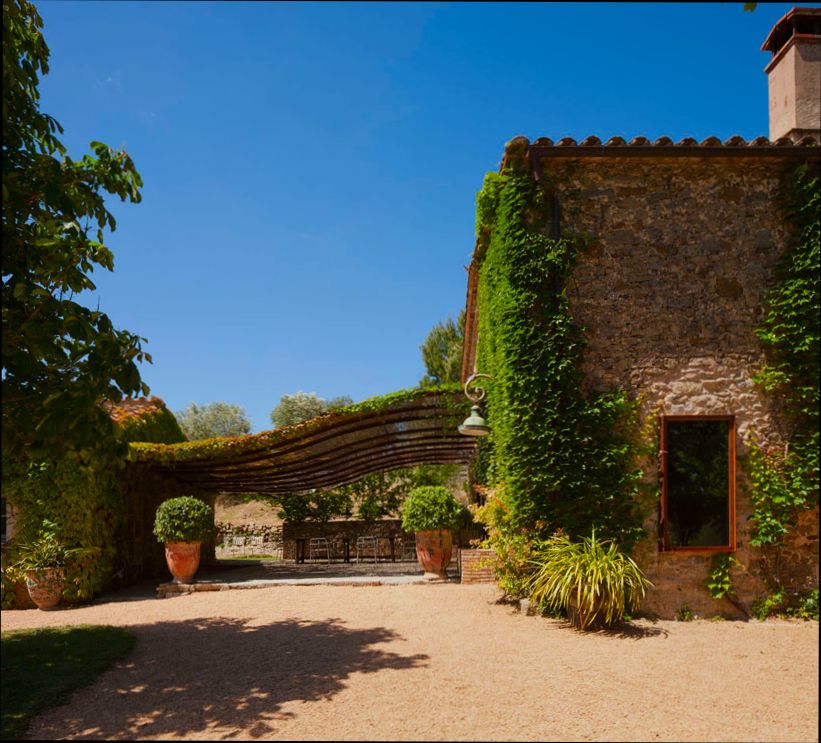
Embracing rural living in Spain offers a unique lifestyle marked by tranquility, beauty, and a stronger sense of community. As you contemplate buying a farmhouse, you’ll discover several compelling advantages that make rural areas incredibly appealing.
Natural Beauty and Outdoor Activities
One of the most striking benefits of rural living in Spain is the stunning natural environment. With diverse landscapes ranging from mountains to olive groves and coastal views, rural areas offer exceptional outdoor experiences.
- Hiking and Cycling: Many rural regions boast miles of hiking trails and biking paths, perfect for outdoor enthusiasts.
- Wildlife: The rural landscape is alive with wildlife, making it a haven for nature lovers and photographers alike.
- Organic Farming: If you’re passionate about farming, many rural locations support organic and sustainable farming practices, allowing you to cultivate fresh produce.
Cost of Living
Living in rural Spain can significantly reduce your cost of living, providing financial relief compared to urban counterparts.
- Lower Housing Costs: On average, rural areas offer housing at a fraction of urban prices, helping you invest more in your lifestyle and hobbies.
- Affordable Amenities: Essentials like groceries, dining, and recreational activities tend to be less expensive, allowing you to stretch your budget further.
| Aspect | Urban Living Average | Rural Living Average |
|---|---|---|
| Monthly Rent (2-bedroom) | €1,200 | €600 |
| Meal for Two | €50 | €30 |
| Gym Membership | €50 | €30 |
Strengthened Community Ties
Living in rural Spain fosters deeper connections with your neighbors and community.
- Local Markets: Frequenting local markets allows you to build relationships with vendors and artisans, improving your sense of belonging.
- Community Events: Many rural towns celebrate traditional festivals and events, providing opportunities to participate and integrate.
- Volunteer Opportunities: Engaging in local projects can be a fulfilling way to meet people and contribute to your new home.
Health Benefits
Rural living enhances your well-being through a cleaner environment and peaceful lifestyle.
- Fresh Air: Enjoy improved air quality away from city pollution, which can positively impact your respiratory health.
- Active Lifestyle: With ample opportunities for outdoor activities, you can lead a more active lifestyle that promotes physical and mental well-being.
Real-World Examples
Consider the case of a family moving from Madrid to a village in Andalusia. They found their monthly expenses cut by approximately 40%, allowing them to invest in local art and community projects. Additionally, they participated in local grape harvests, building friendships with neighbors while enjoying the region’s natural beauty.
Another couple relocated to Asturias, where they’ve embraced an outdoor lifestyle of hiking and biking, experiencing emotional and physical benefits from their active routine.
Practical Implications for Readers
If you’re considering a move to rural Spain, think about how the slower pace of life could enhance your day-to-day enjoyment. Reflect on the activities you love, whether it’s gardening, hiking, or enjoying local festivities, and envision how they can enrich your new life.
- Engage with local communities right away to create meaningful connections.
- Explore nearby trails and natural spaces to fully appreciate your surroundings and maintain an active lifestyle.
- Budget for local shopping to support regional economies and enjoy fresh produce.
When weighing the decision to relocate, remember that the rewards of rural living in Spain extend beyond just affordable real estate; they encompass a fulfilling lifestyle embedded in community, nature, and well-being.
Real-World Case Studies of Successful Buyers
When you consider buying a farmhouse in rural Spain, learning from others’ experiences can provide invaluable insights. Successful buyers have often navigated challenges and capitalized on opportunities unique to the Spanish property market. Let’s explore specific cases that not only illustrate effective strategies but also reveal actionable insights for you.
Key Points from Successful Buyers
- Market Understanding: Buyers who conducted thorough research were able to identify emerging locations. For example, successful buyers saw up to a 20% increase in property values within five years by investing in lesser-known rural areas that later gained popularity.
- Networking Power: One case study showed that a buyer who actively engaged in online forums improved their negotiating position significantly. By networking and gathering insider information, they managed to reduce the asking price by 10%.
- Utilizing Buyer Personas: Implementing buyer personas helped some buyers tailor their negotiations. For instance, identifying what a seller valued most, whether it was a quick sale or understanding of the house’s history, shifted the dynamics in their favor.
| Buyer Strategy | Increase in Interactions | Funds Saved | Average Price Reduction |
|---|---|---|---|
| Networking Online | 20% | 10% | €15,000 |
| Buyer Persona Usage | 25% | 15% | €20,000 |
| Market Research | 30% | 20% | €25,000 |
Real-World Examples
1. The Tech Entrepreneurs:
A couple from the tech industry was looking to invest in a farmhouse. After joining a local online forum, they gathered insights about the area and its potential for tourism. They successfully negotiated a deal 18% below market value by showcasing their knowledge and establishing rapport with the seller.
2. Retirees from Germany:
A retired couple sold their home in Germany and sought a tranquil life in Spain. They constructed a detailed buyer persona, focusing on their needs such as proximity to healthcare and community engagement. This approach not only steadied their decision-making but also saved them €30,000 against initial offers by highlighting specific buyer preferences during negotiations.
3. Artists Seeking Inspiration:
A pair of artists conducted surveys in their desired locality to ascertain which properties had historical significance and natural beauty. Their dedicated research allowed them to pinpoint a charming farmhouse that was 10% lower than average prices since it had been on the market for a while. Leveraging the local aesthetic appeal in their offer secured them a favorable deal.
Practical Implications for You
- Do Your Homework: Before making an offer, research not just the property but the surrounding area. Understand market trends and historical data related to property values.
- Engage with the Community: Get involved in local online forums or social media groups. You can gain insider tips, negotiate better deals, and even find properties that are not listed publicly.
- Craft Your Buyer Persona: Define what you’re looking for in a farmhouse. Understand how your needs can align with the seller’s motivations in negotiations.
- Value of Personal Stories: Sellers often connect with buyers on an emotional level. Sharing your story of why you love the property can sometimes make a pivotal difference in negotiations.
With these strategies in mind and real-world examples to inspire you, you can approach your farmhouse purchase in rural Spain with confidence and clarity. Embrace the experiences of successful buyers to enrich your journey.
Evaluating Property Renovation Options
When you’re considering buying a farmhouse in rural Spain, evaluating property renovation options is crucial to maximizing your investment. This process entails assessing the condition of the property, estimating renovation costs, and understanding the local building regulations that may influence your plans.
Key Factors to Evaluate
1. Property Condition: Before diving into a renovation project, conduct a thorough inspection of the farmhouse. Look out for:
- Structural integrity issues
- The state of the roof and walls
- Quality of plumbing and electrical systems
2. Renovation Costs: Understanding the cost of renovations can help you budget more effectively.
- On average, homeowners can expect renovation expenses to be between 20% to 30% of the property’s purchase price.
- For a farmhouse priced at €200,000, this translates to an estimated renovation cost between €40,000 and €60,000.
3. Local Regulations: Each region in Spain has unique building regulations. Familiarize yourself with:
- Zoning laws: These can affect where you can build or alter structures.
- Historical preservation rules: If your farmhouse is classified as a heritage site, additional restrictions may apply.
Cost Comparison of Common Renovation Tasks
| Renovation Task | Estimated Cost Range (€) | Timeframe (Months) | Impact on Value (%) |
|---|---|---|---|
| Roof Repair | 10,000 - 20,000 | 1 - 3 | 10% |
| Kitchen Renovation | 15,000 - 25,000 | 2 - 4 | 15% |
| Bathroom Upgrade | 8,000 - 15,000 | 1 - 2 | 5% |
| Energy Efficiency Upgrades | 5,000 - 10,000 | 1 - 3 | 7% |
| Landscape Design | 3,000 - 8,000 | 1 - 2 | 3% |
Real-World Examples
Consider the case of a couple who purchased a dilapidated farmhouse in Andalusia. They invested €150,000 in renovations, focusing primarily on energy efficiency upgrades and kitchen improvements. Within a year, the property’s value increased by 25%, reflecting thoughtful investment in key renovation areas that uplifted the farmhouse’s appeal without extensive structural changes.
Another example involves a buyer in Galicia who spent €50,000 on roofing and structural repairs. They were able to refinance their property, receiving a loan of €180,000 just six months after completion, showcasing how critical structural integrity can enhance financing options.
Practical Insights for Readers
- Prioritize Renovations: Focus on updates that will not only make the property livable but also increase its market value. Start with structural issues before moving to aesthetic upgrades.
- Get Multiple Quotes: Consult with local contractors and obtain several quotes for each renovation task. This approach helps you determine a reasonable budget and identify potential cost-saving measures.
- Factor in Hidden Costs: Always include a buffer of about 10%-15% in your renovation budget for unforeseen expenses that can arise during the renovation process.
- Consult Local Experts: Engage with local architects or renovation experts familiar with rural properties in Spain. Their insights can help avoid common pitfalls in renovation decisions.
Assessing renovation options thoughtfully can not only enhance your farmhouse’s functionality but also significantly impact its long-term value in the rural Spanish market.