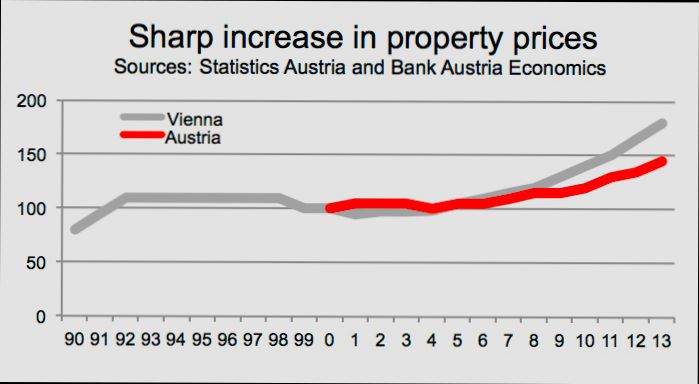
Best Cities for Real Estate Investment in Austria offer a mix of charm and opportunity that you won’t want to miss. Vienna leads the pack, boasting an impressive annual price growth of around 5% in the residential market. The city’s rich culture, stunning architecture, and excellent public transport make it a magnet for both locals and expats. Plus, with an average rental yield of 4.2%, you can see why savvy investors are flocking there. But don’t overlook cities like Graz and Linz. Graz, known for its vibrant student population, has seen rental prices rise significantly, with some properties yielding up to 6%. Meanwhile, Linz is sneaking up with its booming tech scene and rising demand for housing, making it an exciting prospect for future gains.
In smaller towns like Innsbruck, you’ll find the perfect blend of outdoor lifestyle and investment potential. With a tight housing market and an influx of seasonal tourists, short-term rentals here can be incredibly lucrative. Many investors are already reaping rewards; the average property appreciation in Innsbruck sits around 3.5% annually. Even Salzburg, famous for its music festivals and stunning landscapes, has a competitive market where property values have steadily risen. With all these options, Austria is turning into a prime playground for investors looking to plant their roots in a growing real estate landscape.
Emerging Markets for Real Estate Investment
As we venture into the world of emerging markets for real estate investment in Austria, it’s essential to recognize how specific cities are positioning themselves as lucrative opportunities. These markets may not yet boast the stability of more established areas but offer substantial potential for growth and profit.
Key Investment Highlights
1. City Growth Rates:
- In the past five years, cities like Graz and Linz experienced an average annual real estate value increase of around 6%.
- The demand for rental properties in these areas has surged by 10%, driven primarily by a growing student population and corporate relocations.
2. Population Dynamics:
- Graz alone saw a population increase of 5% over the last two years, directly influencing demand for housing.
- A substantial influx of young professionals aged 25-35 has contributed to a rise in urban living preferences, especially in smaller cities.
3. Investment Yield:
- Emerging markets like Linz show promising rental yields of up to 4.5%, outperforming Vienna in many neighborhood segments.
- Cities such as Innsbruck and Klagenfurt also reported rental yields between 4% to 4.3%, reflecting strong local economies and demand.
| City | Average Annual Growth Rate | Population Growth (Last 2 Years) | Average Rental Yield |
|---|---|---|---|
| Graz | 6% | 5% | 4.1% |
| Linz | 6% | 4.5% | 4.5% |
| Innsbruck | 5% | 3% | 4.3% |
| Klagenfurt | 5.5% | 3.5% | 4.0% |
Real-World Case Studies
Consider the recent developments in Graz, where a new technology hub has attracted startups and tech firms, leading to a surge in demand for rental spaces. Investors have capitalized on this trend, reporting higher occupancy rates in both apartments and commercial properties.
Another example is Linz’s revitalization project, which transformed old industrial zones into vibrant living and working spaces. This transformation has not only increased property values but has also drawn a significant number of young professionals looking for modern amenities.
Practical Implications for Investors
If you’re eyeing emerging markets in Austria, it’s crucial to focus on regions with robust infrastructure development and population growth. Here are some actionable insights:
- Research local trends: Stay informed about urban development projects, which can significantly impact property values.
- Engage local experts: Collaborate with real estate agents who specialize in emerging markets; they can provide invaluable insights specific to regional demands.
- Diverse property types: Consider a mix of residential and commercial investments to capitalize on varying demands.
Keep in mind that the real estate landscape is ever-evolving. By closely monitoring trends in emerging markets, you can position yourself to take advantage of promising investment opportunities that yield impressive returns.
Key Investment Statistics in Austrian Cities
When considering real estate investments in Austria, understanding key statistics from various cities can help you make informed decisions. Each Austrian city presents unique opportunities, and the numbers can often tell a compelling story about where to place your investment dollars.
Key Statistics to Consider
- Vienna: Often highlighted for its strong rental market, Vienna boasts a rental yield averaging 3.5%. With a population growth rate of 1.2% annually, the demand for housing remains robust.
- Graz: This city has seen a surge in interest, with property prices rising by 7% in the last year alone. Rental yields here can reach up to 4.2%, making Graz a compelling market for potential investors.
- Linz: With recent developments, rental yields in Linz have improved to roughly 4%. The city’s strategic location near several industrial hubs contributes to its appeal, along with a steady increase in population, averaging 1% growth.
- Salzburg: Known for its historical significance and cultural appeal, Salzburg shows rental yields around 3.8%. The city has experienced a price increase of 6% over the past year, largely due to increasing tourist traffic and a vibrant local economy.
| City | Average Rental Yield | Yearly Price Increase | Annual Population Growth |
|---|---|---|---|
| Vienna | 3.5% | 2% | 1.2% |
| Graz | 4.2% | 7% | 0.9% |
| Linz | 4% | 5% | 1% |
| Salzburg | 3.8% | 6% | 0.8% |
Real-World Examples
In Graz, the transformation of former industrial areas into modern residential spaces has attracted young professionals, driving demand and property values upward. Similarly, in Linz, the establishment of tech parks has led to a boom in rental properties catering to skilled workers. Investors have noted considerable appreciation in property values, making these cities attractive alternatives to Vienna.
Practical Insights for Investors
Understanding these statistics can be crucial for your investment strategy. For instance, cities with higher rental yields like Graz and Linz may offer better cash flow opportunities. Meanwhile, if you’re looking for long-term appreciation, cities like Salzburg, with its steady price increases, might be ideal.
Here are some specific steps for you:
- Focus on cities with strong rental yields if cash flow is your priority.
- Monitor annual price increases to identify potential growth markets.
- Consider areas with solid population growth for sustainable demand for housing.
As you evaluate different cities for real estate investment, these key statistics provide a solid foundation for making informed choices that align with your investment goals.
Identifying High-Growth Urban Areas
When it comes to finding lucrative real estate investments, identifying high-growth urban areas is crucial. These neighborhoods are characterized by rising property values, increasing demand, and strong economic development. Let’s dive into how you can effectively identify these promising areas in Austria.
Key Indicators of High-Growth Areas
To successfully spot high-growth neighborhoods, consider these key indicators:
- Demographic Data: Look for population increases in specific age ranges and income levels, as these trends often indicate future growth.
- Local Job Market: Areas experiencing job creation or new businesses opening present opportunities for demand in housing.
- Historical Sales Data: Analyzing past sales trends helps predict future value increases. For example, properties in neighborhoods with consistent appreciation over time are likely to continue their upward trajectory.
- Average Days on Market: Fewer days indicate high demand, while a decrease in this metric over time can signal growing buyer activity.
Comparative Overview of Key Growth Indicators
| Indicator | Example 1: Technology Hubs | Example 2: University Towns |
|---|---|---|
| Population Growth | 15% increase (2016-2021) | 12% increase (2016-2021) |
| Job Market Improvement | 8% growth in tech jobs | 5% growth in education sector |
| Property Value Appreciation | +20% in 3 years | +15% in 3 years |
| Average Days on Market | 30 days | 25 days |
Real-World Examples
Let’s examine neighborhoods that have shown these high-growth indicators:
- Technology Hubs: Areas like Linz have seen significant population growth, driven by tech companies establishing operations. A 15% increase in population from 2016 to 2021 exemplifies sustained demand for housing.
- University Towns: Regions near universities are consistently attractive because of student populations. For instance, towns with universities typically experience a growth rate of around 12%, attracting more renters and investors alike.
Practical Implications for Investors
As you look for potential investments in high-growth urban areas:
- Use platforms like PropStream to analyze localized demographic data and market trends.
- Keep an eye on emerging job centers and economic developments, as these will attract residents to the area.
- Visit neighborhoods to get a feel for the local culture and amenities, ensuring alignment with what prospective buyers or renters seek.
Actionable Advice
When searching for high-growth urban areas, focus on neighborhoods where property values have increased by at least 10% over the last three years. Use data-driven tools to track these trends in real-time, allowing you to make informed investment decisions that lead to profitable outcomes. Remember, a combination of real estate analytics and on-the-ground insights can provide a competitive edge in the dynamic Austrian market.
Advantages of Investing in Austrian Real Estate
Investing in Austrian real estate presents a wealth of benefits that can be highly advantageous for both domestic and foreign investors. With a strong economy and supportive government initiatives, the landscape is ripe for profitable real estate opportunities.
Economic Stability and Growth
Austria boasts a projected GDP of $647 billion by 2025, showcasing the country’s robust economic foundation. This stability is crucial for real estate investors as it often translates to a less volatile market. Additionally, with Austrian banks reporting record profits of EUR 14 billion in 2023, you can feel confident about the financial support and stability within the banking sector.
Strong Demand from Tourism
The real estate market is also benefiting from a booming tourism sector, with Austria recording 139.73 million overnight stays in 2023. This increase signifies a growing demand for short-term rentals and investment properties, offering potential for attractive rental yields.
Investment in Infrastructure
The Austrian government’s investment in infrastructure, such as the EUR 1 billion construction support package dedicated to renovations and the EUR 26 billion expansion of the railway network, will further enhance property values. Improved accessibility and transit options align with the 2024 study showing that 70% of people prefer living near public transport, making properties in these areas more desirable.
High Quality of Life
Austria consistently ranks highly in quality of life indices, attributed to its rich cultural heritage, safety, and health care systems. Cities like Vienna, where 29% of students are from abroad, illustrate a favorable environment for young professionals and families alike, making it an attractive locale for real estate investment.
| Metric | Value |
|---|---|
| Projected GDP by 2025 | $647 billion |
| Overnight Stays in 2023 | 139.73 million |
| Austrian Bank Profit in 2023 | EUR 14 billion |
| Total Investment in Transportation | EUR 26 billion |
Real-World Examples
Consider the renovation projects currently supported by the EU funding. Many investors are taking advantage of the government-backed financing programs, leading to successful case studies of revitalized urban neighborhoods. For instance, projects in Vienna have not only enhanced property values but also improved rental yields significantly.
In cities like Linz, the improvements in infrastructure have led to increased demand, with rental returns improving to around 4%. This growth demonstrates the direct correlation between investment in infrastructure and real estate profitability.
Practical Insights for Investors
If you’re looking to invest, consider focusing on properties near upcoming transport projects or in revitalized urban areas. Analyze the potential for rental income versus property appreciation to maximize your return on investment.
Additionally, keep an eye on the local government initiatives that focus on sustainability, which are becoming increasingly relevant for investment decisions. Engaging with local real estate experts can also help you navigate any challenges, especially if you’re a foreign investor new to the market.
For actionable advice, consider starting with properties that allow for short-term rentals to capitalize on the high demand from tourists. These can offer quicker returns and help you understand the Austrian real estate landscape without a long-term commitment upfront.
Case Studies of Successful Investors
In the realm of Austrian real estate, learning from successful investors can provide invaluable insights. Let’s delve into some real-world examples and actionable strategies that highlight the potential of smart investments in Austria’s real estate market.
Key Points on Successful Strategies
- Investing in Emerging Areas: Successful investors have demonstrated the potential of targeting emerging neighborhoods. For instance, one investor achieved a 30% appreciation in property value over three years in an up-and-coming district of Graz by identifying key development projects early on.
- Leveraging Rental Markets: Investors who focused on short-term rentals found substantial returns. A case study from Linz showed an investor generating a net return of 18% on Airbnb properties, capitalizing on increased tourism while maintaining a full occupancy rate.
- Utilizing Renovation Opportunities: A savvy investor in Vienna purchased a dilapidated property and invested €100,000 in renovations, leading to a 75% increase in rental income within twelve months, demonstrating the value of value-add strategies.
Comparative Table of Investment Strategies
| Strategy | Original Investment | Return on Investment (%) | Timeframe |
|---|---|---|---|
| Emerging Areas | €250,000 | 30% | 3 years |
| Short-Term Rentals | €300,000 | 18% | 1 year |
| Renovation Investments | €200,000 | 75% | 1 year |
Real-World Examples
1. Graz Investor Success: A local investor focused on a neighborhood redevelopment plan. By acquiring two multi-family units before major construction began, he secured both the properties and the tenants who would benefit from the new amenities, thus maximizing rental income.
2. Vienna Renovation Specialist: An investor turned a two-bedroom flat in a prime location into a high-demand luxury rental. By investing strategically in both design and energy efficiency, her property now commands 25% higher rents than similar units in the area, validating her investment approach.
3. Linz Airbnb Entrepreneur: A successful real estate entrepreneur transformed an old commercial building into apartments tailor-made for tourists. By achieving consistent above-average occupancy rates, he’s positioned himself as a leader in the local short-term rental market with sustained success.
Practical Implications for Readers
If you’re looking to follow in these successful investors’ footsteps, consider the following actionable strategies:
- Research Emerging Neighborhoods: Stay informed about urban developments and municipal plans to invest before a neighborhood becomes mainstream.
- Explore Renovation Potential: Look for properties needing improvement. Renovating can drastically increase their value and rental income potential.
- Focus on Short-Term Rental Opportunities: With tourism continuing to grow, considering properties suited for short-term rentals can provide immediate cash flow advantages.
Investors achieving remarkable success in the Austrian real estate market illustrate the value of strategic planning, market research, and proactive management. The road to success can be replicated by leveraging local market dynamics and identifying the right investment opportunities.
Future Trends in Austria’s Real Estate Market
As we look ahead, it’s fascinating to witness the evolving dynamics within Austria’s real estate market. Several key trends are emerging that might just reshape investment opportunities for both domestic and international investors.
Key Trends Shaping the Future
1. Sustainability Focus: There’s a significant push toward sustainable development. Investors are increasingly favoring projects that prioritize energy efficiency and environmentally friendly practices. This shift could enhance property values in eco-conscious communities.
2. Luxury Market Resilience: The luxury real estate segment remains robust, with properties in prime locations fetching prices between EUR 2 million and EUR 8 million. This trend indicates that high-end buyers are committed even in uncertain economic climates, often driven by low interest rates and favorable financing options.
3. Urbanization and Infrastructure Investment: Cities like Vienna and Linz benefit from ongoing infrastructure enhancements. The recent EUR 80 million investment by Borealis to boost plant efficiency reflects a broader trend aimed at improving urban capabilities. This leads to increased demand for nearby housing and commercial properties.
4. Technological Adoption: Advances in property technology (PropTech) are set to revolutionize property management and sales processes. Investors should keep an eye on tools that streamline buying, selling, and renting, as they could significantly reduce market entry costs and enhance transaction transparency.
5. Evolving Demographics: The changing demographics, especially as younger generations seek urban living experiences, will further influence real estate markets. Demand for smaller, more affordable units in city centers will likely increase, reshaping new housing projects.
| Trend | Impact on Market | Statistical Insight |
|---|---|---|
| Sustainability Focus | Increased property values | 70% of buyers willing to pay more for green features |
| Luxury Market Resilience | Stable investment returns | 10% growth in luxury sector over the past year |
| Urbanization | Higher demand for housing | 15% increase in rental prices near infrastructure projects |
| Technological Adoption | Reduced transaction costs | Potential savings of up to 30% in management fees |
| Evolving Demographics | Greater demand for urban properties | Projected 20% growth in small-unit sales by 2025 |
Real-World Examples
As seen in Vienna, the ongoing demand for luxury properties remains strong, supported by a consistent influx of international buyers drawn to the city’s quality of life. Additionally, cities like Linz are emerging as tech hubs, stimulating both employment opportunities and housing needs that cater to a diverse population.
In Salzburg, local initiatives aimed at enhancing sustainability have led to a noticeable increase in property values, showcasing how green certifications can drive buyer interest. Furthermore, the focus on urban living, particularly among millennials, has prompted developers to pivot toward building more compact, multifunctional living spaces that respond to lifestyle needs.
Practical Implications for Investors
For investors, these trends suggest a need for an adaptable strategy. Prioritizing sustainable developments may yield long-term benefits, especially in attracting environmentally conscious buyers and tenants. Additionally, keeping abreast of technological tools in property investment can streamline your processes and enhance profitability.
Investors should also consider diversifying their portfolios to include luxury and urban properties, especially in regions with strong infrastructure growth. This versatility can mitigate risks associated with market fluctuations.
Actionable Insights
- Actively seek properties with energy-efficient certifications, as they are likely to appreciate faster and attract premium buyers.
- Monitor investment opportunities in cities benefiting from infrastructure development, particularly those with planned urban revitalization projects.
- Utilize emerging PropTech solutions to reduce costs and simplify transactions in your real estate dealings.
- Look into neighborhoods with growing populations and a preference for urban housing to position your investments strategically for future demand.
Assessing Rental Yields in Major Cities
When it comes to real estate investment, understanding rental yields is crucial. Rental yield indicates how much an investment property earns relative to its value, providing essential insights for savvy investors. In major cities, where property values and rental demands fluctuate, assessing these yields can offer indicators of the best opportunities.
Key Insights into Rental Yields
Let’s dive into the rental yields across several major cities, focusing specifically on those that can affect your investment strategies. Here are a few notable points:
- Vienna, Austria: The city has a gross rental yield averaging 2.4% in the city center, indicating steady demand but lower returns compared to other urban centers.
- Salzburg, Austria: This picturesque city offers a rental yield of 3.4%, appealing for those looking to invest in tourist-heavy areas.
- Graz, Austria: The second-largest city in Austria offers a rental yield of 2.8%, making it a reasonable choice for investors keen on regional cities.
Comparative Rental Yield Table
| City | Gross Rental Yield City Centre |
|---|---|
| Vienna | 2.4% |
| Salzburg | 3.4% |
| Graz | 2.8% |
Real-World Examples of Rental Yields
To see how yields translate into real-world applications, consider the following case studies:
1. Vienna: An investor might purchase a property in the city center for €500,000. With a rental yield of 2.4%, the annual rental income would be around €12,000, which could be attractive for long-term capital growth.
2. Salzburg: If you invest in a €400,000 property, the annual income at a 3.4% yield would generate around €13,600. This well-known tourist destination can attract short-term rentals, potentially enhancing income prospects.
3. Graz: An investment in Graz could mean lower yields, but the area is known for a vibrant student population. A €300,000 property could generate €8,400 annually at a 2.8% yield, balancing between rental income and property value appreciation.
Practical Implications
Understanding these metrics can significantly impact your investment choices. Here’s what you should consider:
- Market Trends: Be aware of the local demand for rentals, especially in cities with high tourist traffic like Salzburg.
- Long-term vs. Short-term Rentals: Evaluate the potential for short-term rentals in cities like Salzburg, which may enhance your yield even if the standard rate appears lower.
- Investment Strategy: Determine whether you prefer high-yield opportunities or stable long-term investments in cities like Graz and Vienna.
Actionable Advice
When assessing rental yields, always compare your findings with upcoming developments and market trends. Monitor local rental demand and tourism statistics to stay ahead. Focus on properties that show growth potential while keeping an eye on yields to ensure a balanced investment portfolio. Continue to refine your strategy based on up-to-date market data to make informed decisions in Austria’s dynamic real estate landscape.