Blog
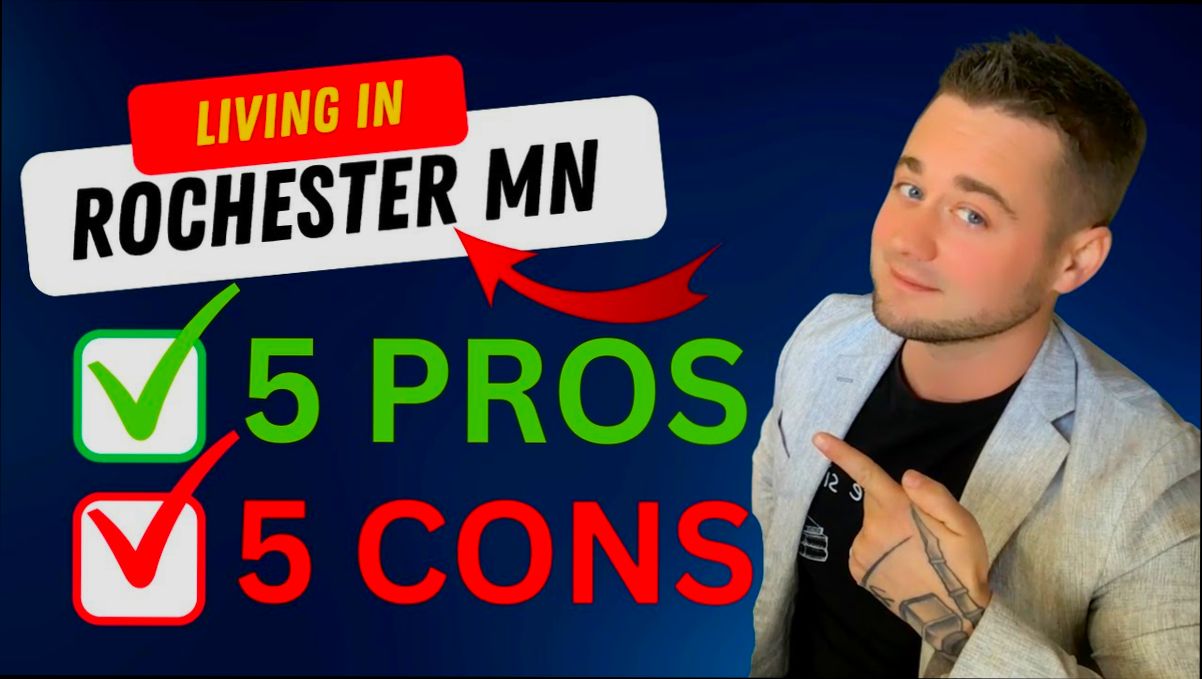
Pros and Cons of Living in Rochester MN
Pros and Cons of Living in Rochester MN come down to a blend of culture, healthcare, and the great outdoors. For starters, the world-renowned Mayo Clinic anchors the city, attracting healthcare professionals and patients from all over. With over 40,000 jobs linked to the clinic, it’s a great place for those in the medical field. Plus, housing here is fairly affordable; the median home price hovers around $300,000, making it accessible for families and young professionals alike. And let's not forget the vibrant arts scene—check out the Rochester Art Center for rotating exhibits and events that keep the culture alive.

Pros and Cons of Living in Rochester NY
Pros and Cons of Living in Rochester NY can spark some serious conversations among locals and newcomers alike. On the upside, you’ve got the stunning beauty of the Finger Lakes nearby, with awesome spots for hiking and wine tasting. The cost of living is another big draw; housing prices are about 20% lower than the national average, which means you can snag a spacious two-bedroom apartment for around $1,000 a month. Plus, Rochester's rich history is on display in places like the George Eastman Museum, where you can dive into the story of photography and film.
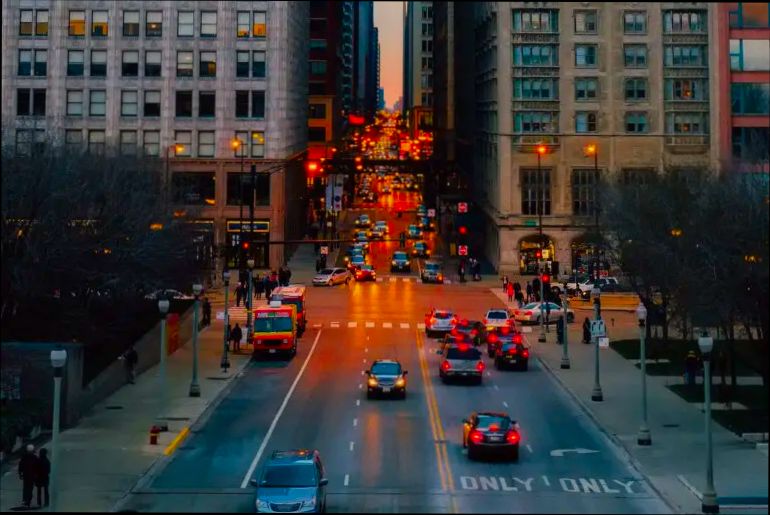
Pros and Cons of Living in Rockford IL
Pros and Cons of Living in Rockford IL: Let’s dive into what it’s really like to call this city home. On the upside, Rockford boasts a low cost of living that’s hard to beat, with the median home price hovering around $120,000—well below the national average. This means more space for your buck, making it a great spot for families or anyone looking to stretch their dollars. Plus, outdoor enthusiasts will love the vast options here, like the beautiful Anderson Japanese Gardens or the numerous trails at Rock Cut State Park, where you can escape the hustle without leaving town.
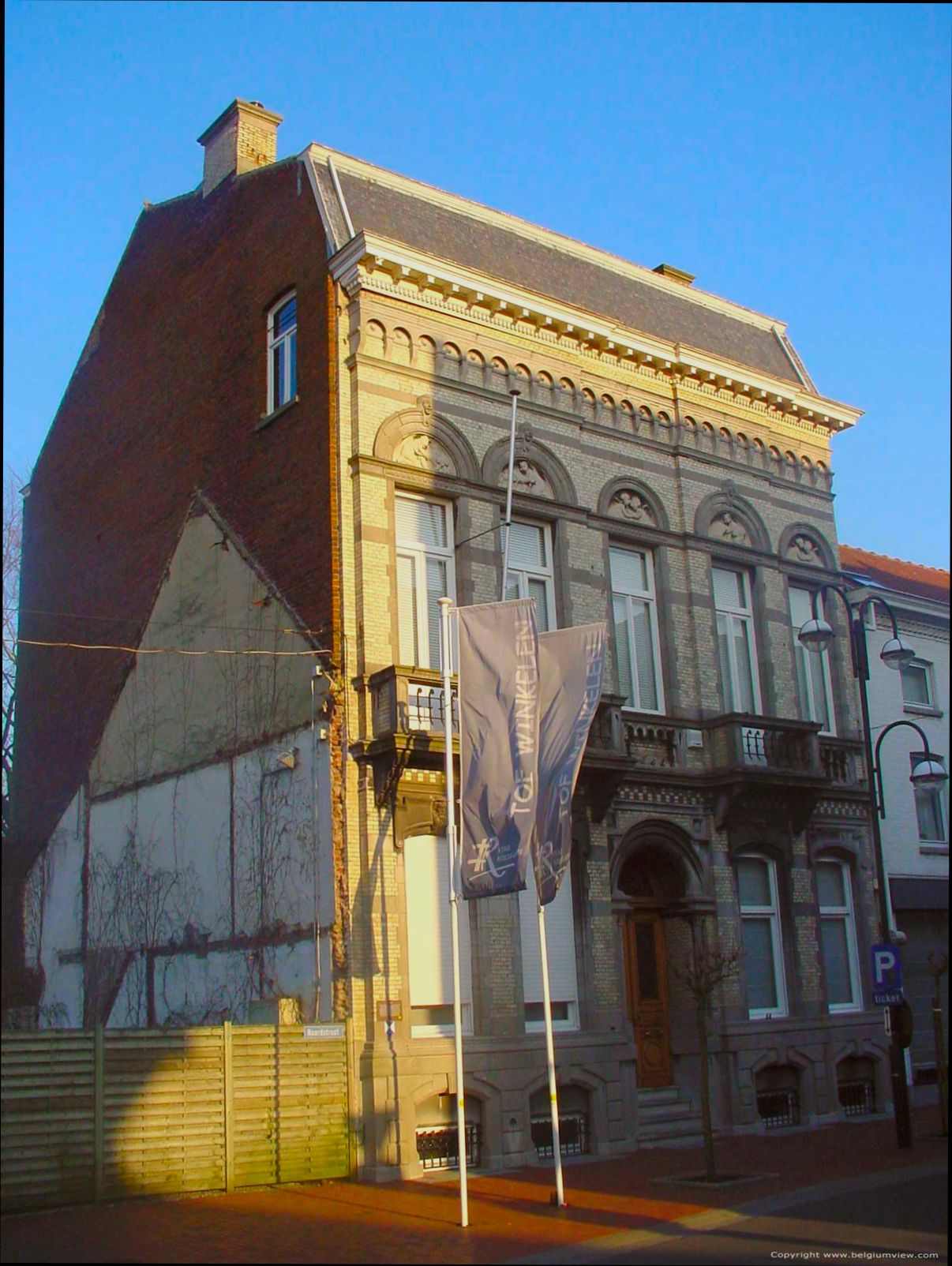
Pros and Cons of Living in Roeselare (Roulers)
Pros and Cons of Living in Roeselare (Roulers) paint a vivid picture of life in this charming Belgian town. On the upside, Roeselare boasts a vibrant community with a rich history, best exemplified by landmarks like the stunning St. Michael’s Church and the historic Verhaeghe brewery, famous for its local beers. The town strikes a balance between urban convenience and countryside charm, making it easy to hop on a train and reach larger cities like Bruges in under 30 minutes. Plus, you won’t have to break the bank on housing—average rents hover around €700 per month, making it an attractive option for young professionals and families alike.
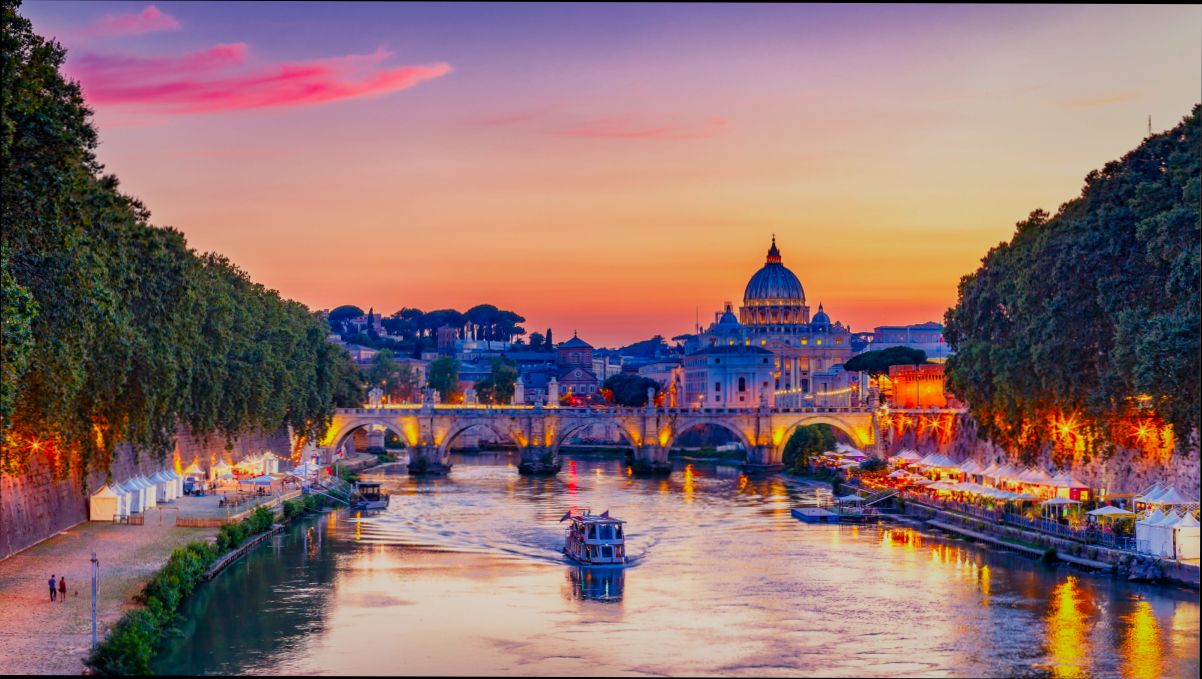
Pros and Cons of Living in Rome
Pros and Cons of Living in Rome offer a colorful mix that can easily charm or challenge anyone who decides to call this ancient city home. Picture waking up to sun-soaked streets lined with stunning architecture, like the Colosseum just a stroll away. The city's rich history is palpable, with vibrant neighborhoods like Trastevere offering a blend of artisan shops, cafes, and bustling nightlife. But on the flip side, you might find yourself navigating relentless traffic and crowded public transport, with the occasional strike throwing a wrench in your plans. Plus, let’s not forget the high cost of living—rent in prime areas can quickly eat into your budget.

Pros and Cons of Living in Roseville CA
Pros and Cons of Living in Roseville CA often come down to a mix of suburban charm and bustling California life. With a population of around 140,000, Roseville offers a friendly atmosphere and plenty of community events, like the annual Roseville Automall's Music in the Park series, where you can enjoy local bands and food trucks. Plus, the city's strong economy has led to a low unemployment rate of about 3.6%, making it a solid choice for job seekers. Let’s not forget about the beautiful, tree-lined neighborhoods and access to great schools, which are perfect for families looking for a tight-knit community feel.
Pros and Cons of Living in Roskilde
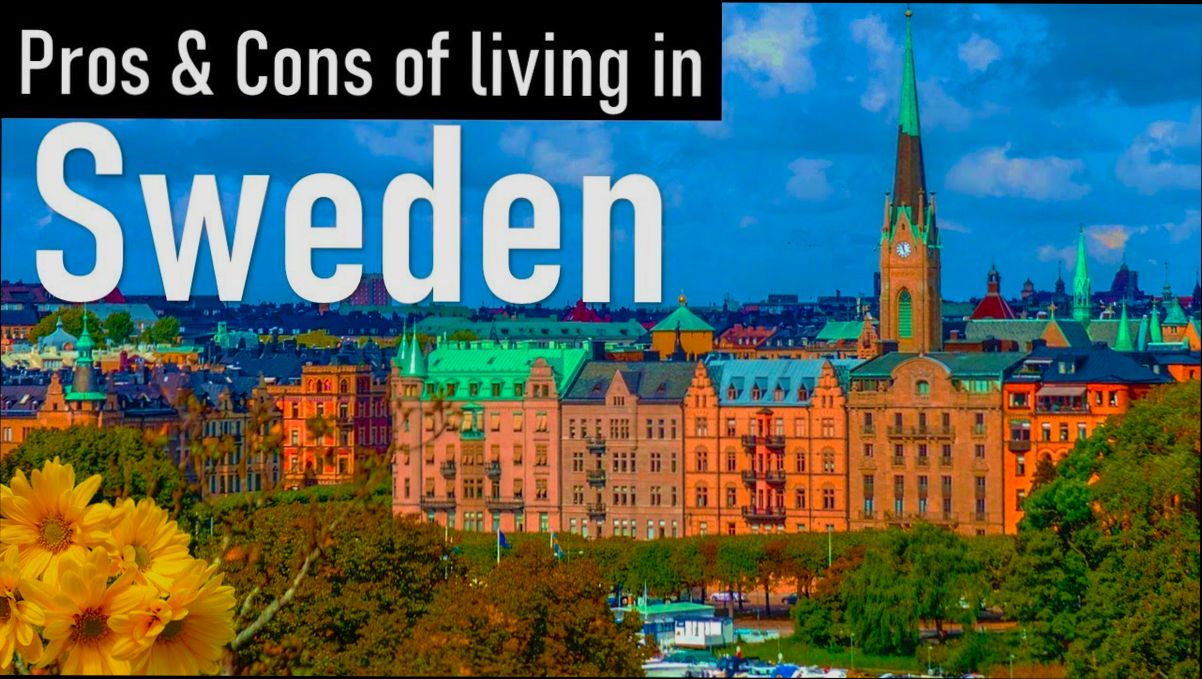
Pros and Cons of Living in Roskilde paint a vivid picture of what life is like in this charming Danish city. Nestled just 30 kilometers west of Copenhagen, Roskilde boasts a rich history, vibrant culture, and stunning surroundings. You can stroll along the scenic fjord, explore impressive sites like the Roskilde Cathedral—a UNESCO World Heritage Site—or immerse yourself in the bustling atmosphere during the annual Roskilde Festival, which attracts over 130,000 music lovers every summer. With a population of around 50,000, you get that perfect balance of a tight-knit community and lively urban life.
Pros and Cons of Living in Rostock
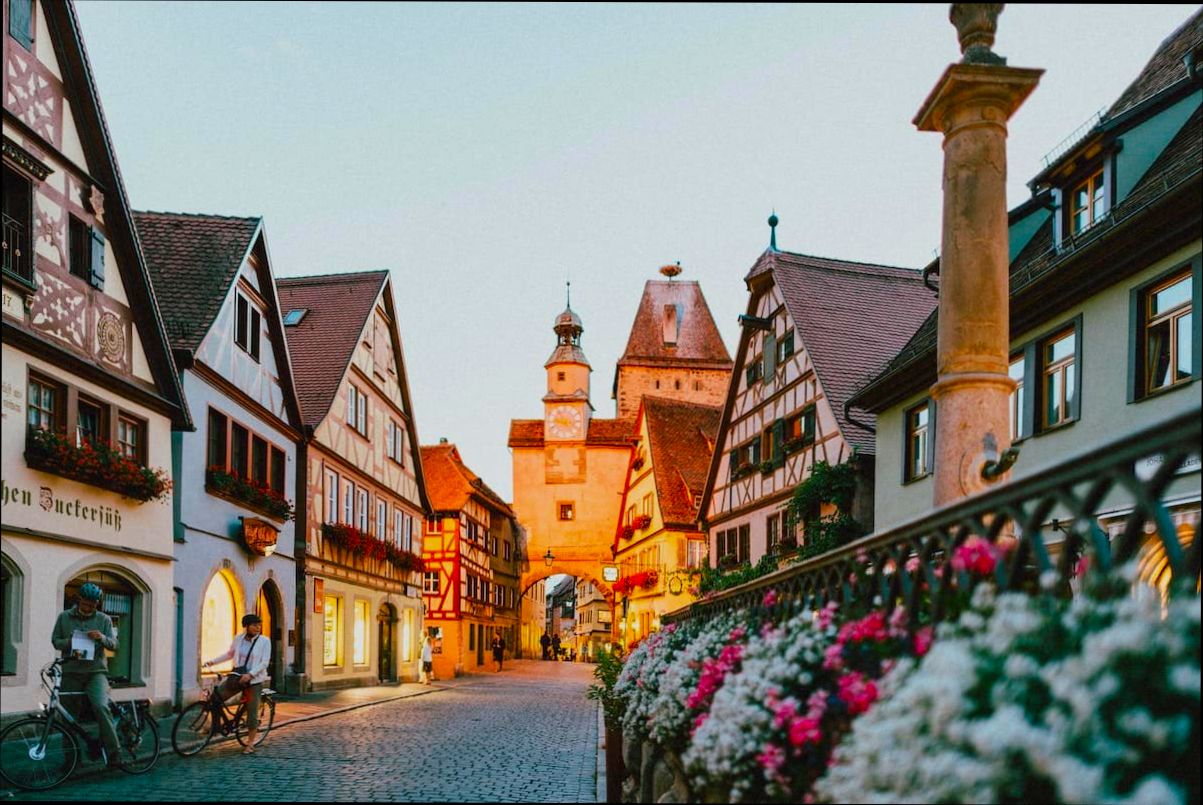
Pros and Cons of Living in Rostock reveal a city that offers both charm and challenges. Nestled on the Baltic Sea, Rostock boasts a vibrant maritime culture, with its historic Old Town featuring brick Gothic architecture that dates back to the 13th century. You can enjoy a fresh catch from the local fish market or soak up the sun at the popular Warnemünde beach—all just a short tram ride away. With a cost of living that’s lower than major German cities like Berlin, you can find cozy apartments and affordable dining options that won’t break the bank. Plus, Rostock is home to the University of Rostock, one of Germany's oldest universities, which brings a lively student spirit to the city.
Tags